РУКОВОДСТВО ПО ПРИНЯТИЮ РЕШЕНИЙ В ОТНОШЕНИИ МАТЕРИАЛОВ
ПП против ПЭТ: руководство по выбору материала для бутылок для корейских производителей
Полипропилен (ПП) и полиэтилентерефталат (ПЭТ) доминируют в корейском производстве бутылок, но используются в разных областях в зависимости от термостойкости, барьерных свойств и требований к прозрачности. ПП отлично подходит для горячего розлива (допуск 104°C), ретортной упаковки детских смесей и безвоздушных дозаторов для корейской косметики; ПЭТ доминирует в производстве прозрачной упаковки для напитков, воды и 60% для азиатской упаковки средств личной гигиены. В этом руководстве сравниваются оба материала по характеристикам, технологиям ISBM и применению на корейском рынке.
Краткое содержание
Полипропилен (ПП) и полиэтилентерефталат (ПЭТ) являются взаимодополняющими, а не конкурирующими материалами в корейском производстве бутылок. ПП плавится при температуре 160-167°C с рабочей температурой 100-120°C, что подходит для горячего розлива соков, ретортной упаковки детских смесей (104°C), бытовой химии и безвоздушных насосных систем корейской косметики. ПЭТ плавится при 250°C, но работает только при 70-80°C, что делает его основным материалом для упаковки прозрачных напитков, воды, газировки и продукции 60%+ в азиатской индустрии личной гигиены. ПП обеспечивает в 5 раз лучшую влагозащиту; ПЭТ обеспечивает превосходную защиту от кислорода и прозрачность, подобную стеклу. ПП имеет код переработки «5», ПЭТ — «1». Для корейских производителей выбор определяется требованиями применения: для горячего розлива или химической упаковки необходим ПП; для прозрачных напитков или эстетически привлекательной премиальной упаковки — ПЭТ. Технология ISBM значительно отличается: для ПП требуются более низкие температуры плавления (200-260°C), но более медленные циклы, чем для ПЭТ.
В этом руководстве
- Почему разница между ПП и ПЭТ важна в корейском производстве
- Свойства полипропилена (ПП)
- Краткий обзор свойств ПЭТ-материала
- Матрица сравнения свойств ПП и ПЭТ
- Различия в обработке данных ISBM
- Выбор, соответствующий конкретному применению
- Применение на корейском рынке и переработка отходов
- Компромисс между стоимостью и экологичностью
- Часто задаваемые вопросы
- Заключение
1. Почему разница между ПП и ПЭТ важна в корейском производстве?
Корейские производители бутылок работают в различных сегментах рынка, требующих разных полимерных материалов. Решение о выборе между ПП и ПЭТ заключается не в том, «какой материал лучше», а в том, «для какого применения он предназначен?». Выбор ПЭТ для горячего розлива приводит к деформации бутылки при температуре 90°C; выбор ПП для упаковки прозрачных газированных напитков приводит к неприемлемому внешнему виду и худшему сохранению газированности. Требования к применению определяют выбор материала.
Три контекста применения делают выбор между полипропиленом (ПП) и ПЭТ особенно важным для корейских производителей. Во-первых, производители напитков, расширяющие свою деятельность в сегменте горячего розлива (премиальные соки, готовый к употреблению чай), сталкиваются с необходимостью перехода от привычного ПЭТ к менее распространенному полипропилену. Во-вторых, корейские косметические бренды, разрабатывающие премиальные безвоздушные насосные системы для сывороток и антивозрастных продуктов, требуют использования ПП для корпуса безвоздушной системы, даже если внешняя бутылка изготовлена из ПЭТ. В-третьих, контрактные производители, обслуживающие несколько категорий продукции, должны эффективно использовать возможности как ПП, так и ПЭТ для удовлетворения разнообразного спроса клиентов.
Данные корейской промышленности показывают относительные масштабы внедрения полипропилена (ПП) и ПЭТ. ПЭТ доминирует в корейском производстве бутылок по общему объему благодаря огромным сегментам напитков, воды и средств личной гигиены; по данным отраслевых исследований, более 601 тонны упаковки для средств личной гигиены в Азии производится из ПЭТ. ПП используется в меньших, но быстрорастущих премиум-сегментах, включая горячие розливы соков, детские смеси премиум-класса (ретортическая обработка), упаковку бытовой химии и инновационные безвоздушные упаковочные материалы для корейской косметики. Для корейских производителей оба материала представляют собой стратегические возможности, а не взаимоисключающие варианты.
2. Свойства полипропилена (ПП)
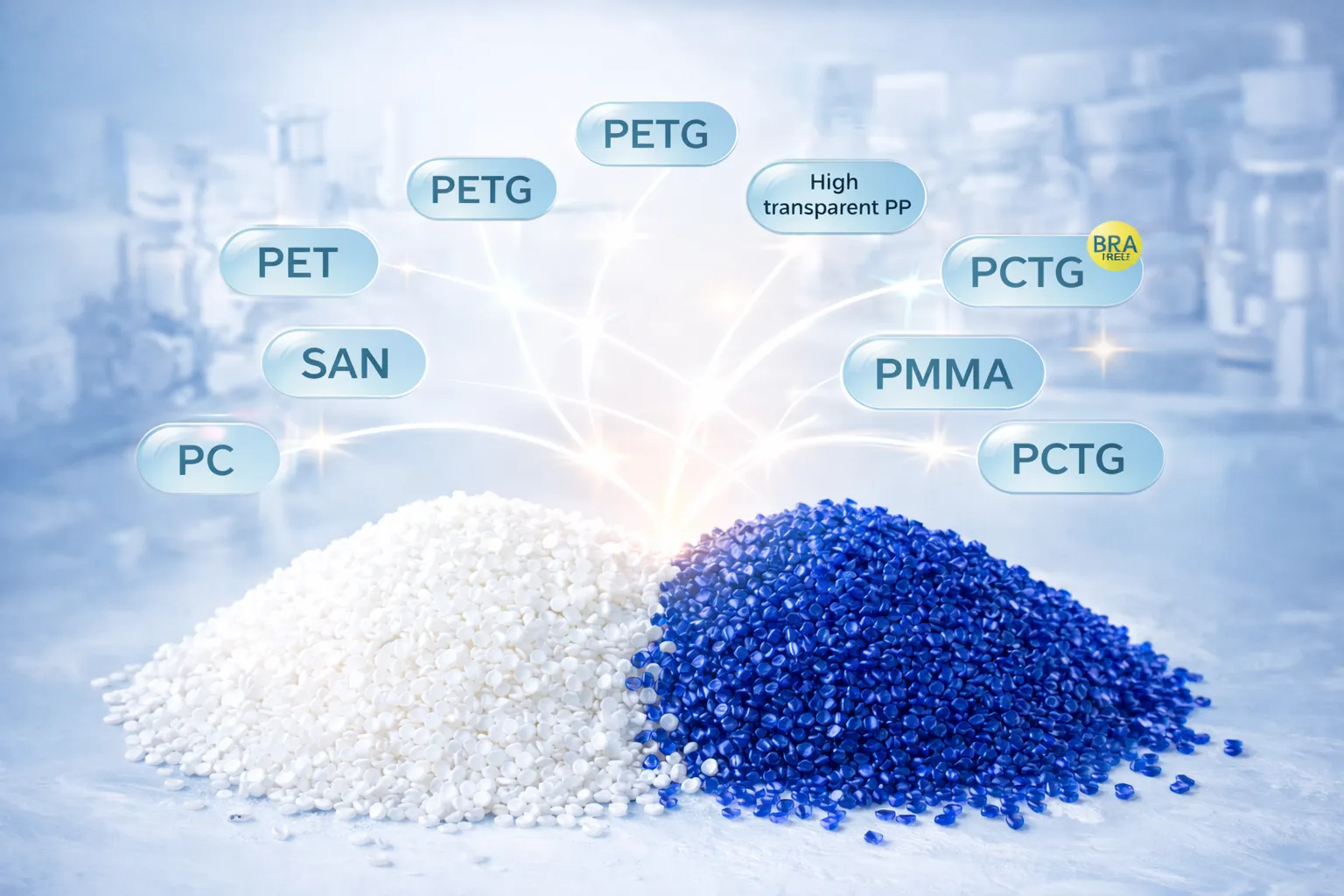
Полипропилен — это термопластичный полимер, получаемый из мономера пропилена. Молекулярная структура ПП обеспечивает высокую степень кристалличности материала с характерными эксплуатационными свойствами, важными для применения в производстве бутылок. Существуют три молекулярные конфигурации (изотактическая, атактическая, синдиотактическая), при этом изотактический ПП преобладает в коммерческом производстве бутылок.
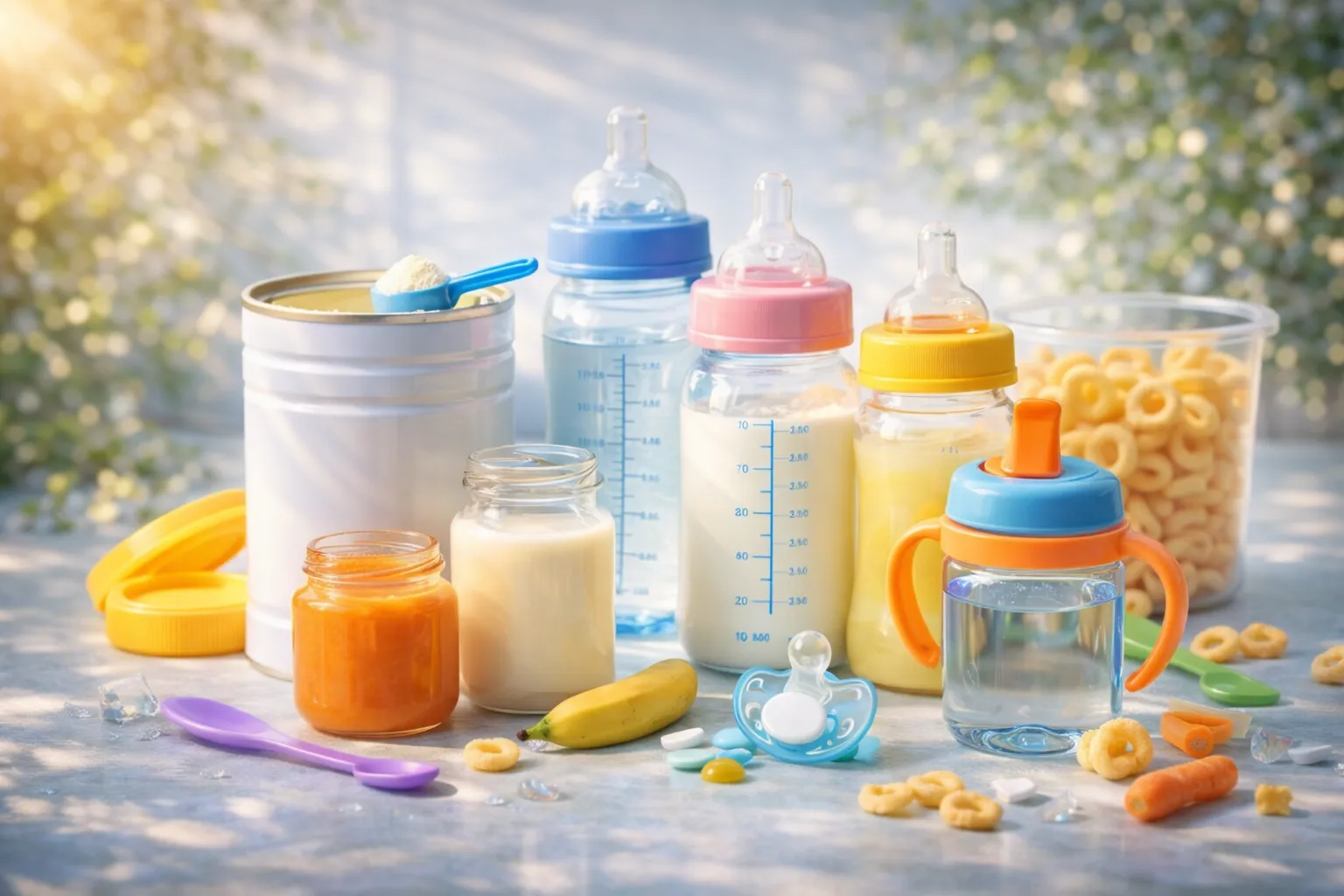
Наиболее отличительной особенностью полипропилена (ПП) является термостойкость. Полимер плавится при температуре 160-167°C и сохраняет структурную целостность при рабочих температурах до 100-120°C, обеспечивая возможность горячего розлива при 100°C и обработки в автоклаве до 104°C (220°F). Такая термостойкость позволяет использовать полипропилен в областях, недоступных для ПЭТ: розлив сока и чая при температуре пастеризации, автоклавная стерилизация детских смесей и микроволновая обработка некоторых пищевых продуктов. Корейские производители, работающие в этих сегментах, используют исключительно ПП.
Плотность — вторая отличительная характеристика полипропилена (ПП). При плотности 0,90–0,91 г/см³ ПП входит в число самых легких коммерческих полимеров, примерно на 351 ТТ3Т легче, чем ПЭТ (1,38 г/см³). Это приводит к прямой экономии на стоимости материала в приложениях, связанных с эквивалентным весом, и к преимуществам в стоимости доставки при дистрибуции наполненных бутылок. Для химической упаковки, где вес бутылки существенно влияет на общую стоимость доставки, преимущество ПП по плотности имеет важное экономическое значение.
Полипропилен (ПП) обладает исключительной химической стойкостью. Неполярная полимерная цепь устойчива к кислотам, щелочам, органическим растворителям и большинству бытовых химикатов в концентрациях и при температурах, которые могли бы повредить полиэтилентерефталат (ПЭТ). Это свойство обуславливает использование ПП в промышленной химической упаковке, бытовых чистящих средствах, автомобильных жидкостях и в специализированных областях применения, требующих стабильности содержимого при длительном хранении.
3. Краткий обзор свойств материала ПЭТ
ПЭТ (полиэтилентерефталат) является доминирующим полимером для производства бутылок в мире и в Корее. Молекулярная структура ПЭТ приводит к образованию полукристаллического материала с характеристиками, противоположными полипропилену (ПП) по большинству параметров. Понимание свойств ПЭТ по сравнению с ПП позволяет определить, в каких областях применения предпочтительнее использовать тот или иной материал.
Главное свойство ПЭТ — оптическая прозрачность. Полимер обеспечивает прозрачность, подобную стеклу, что позволяет видеть продукт, повышает эстетическую привлекательность для потребителя и способствует позиционированию продукции на премиальном уровне. Для производителей газированных напитков, конкурирующих за внешний вид на полках, корейских косметических брендов, демонстрирующих яркие сыворотки, и маркетологов премиальных напитков прозрачность ПЭТ является обязательным условием. Полипропилен (ПП) не может сравниться с прозрачностью ПЭТ, несмотря на улучшение качества осветленных марок ПП.
Механическая прочность ПЭТ значительно превосходит прочность ПП. Прочность на разрыв ПЭТ обеспечивает жесткую структуру бутылки, необходимую для хранения газированных напитков под высоким давлением, для розничной торговли и для защиты от падений. Кроме того, ПЭТ обладает превосходной кислородной барьерной способностью по сравнению с ПП, что крайне важно для продуктов, чувствительных к окислению, включая соки, спортивные напитки и некоторые фармацевтические жидкости. Сохранение газированности в бутылках из ПЭТ зависит именно от этой кислородной барьерной способности.
Основной недостаток ПЭТ — термостойкость. Максимальная рабочая температура полимера составляет 70-80°C, что исключает возможность его использования в горячем розливе, автоклавировании и при высоких температурах. ПЭТ начинает деформироваться при длительном воздействии тепла, с которым обычно справляется ПП. Для корейских производителей, работающих в условиях высоких температурных нагрузок, этот температурный потолок вынуждает заменять материал на ПП, несмотря на другие преимущества ПЭТ. Для получения более подробной информации о сравнении ПЭТ и альтернативных сополиэфиров см. Руководство по выбору между ПЭТ и ПЭТГ.
4. Матрица сравнения свойств ПП и ПЭТ
Прямое сравнение свойств позволяет определить, для каких областей применения лучше подходит тот или иной материал. В приведенной ниже матрице используются стандартизированные данные испытаний от поставщиков полимеров и отраслевые справочные материалы.
| Свойство | ПП (полипропилен) | ПЭТ (полиэтилентерефталат) |
|---|---|---|
| код переработки | 5 | 1 |
| Плотность | 0,90-0,91 г/см³ | 1,38 г/см³ |
| Температура плавления | 160-167°C | 250°C |
| Рабочая температура | 100-120°C | 70-80°C |
| Возможность горячего розлива | Да (до 100°C) | Нет (деформируется при температуре выше 76°C) |
| Ретортовая обработка | Да (до 104°C) | Нет |
| Оптическая прозрачность | Полупрозрачный (улучшение качества ПП) | Стекловидный |
| Кислородный барьер | Умеренный | Отличный |
| Влагозащитный барьер | Отлично (5x ПЭТ) | Умеренный |
| Химическая стойкость | Отличный | Умеренный |
| Предел прочности | Умеренный | Высокий |
| Влияние низких температур | Хрупкий (неустойчивый при температуре ниже 0°C) | Отличный |
| Стоимость материалов (относительная) | 0,85-0,95x ПЭТ | Исходный уровень |
Матрица показывает четкие границы применения. Полипропилен (ПП) выигрывает по термостойкости, влагонепроницаемости, химической стойкости и плотности. ПЭТ выигрывает по прозрачности, кислородонепроницаемости, прочности на разрыв и ударопрочности при низких температурах. Разница в стоимости незначительно благоприятствует ПП, но выбор, обусловленный конкретным применением, как правило, преобладает над оптимизацией только по стоимости.
5. Различия в обработке ISBM
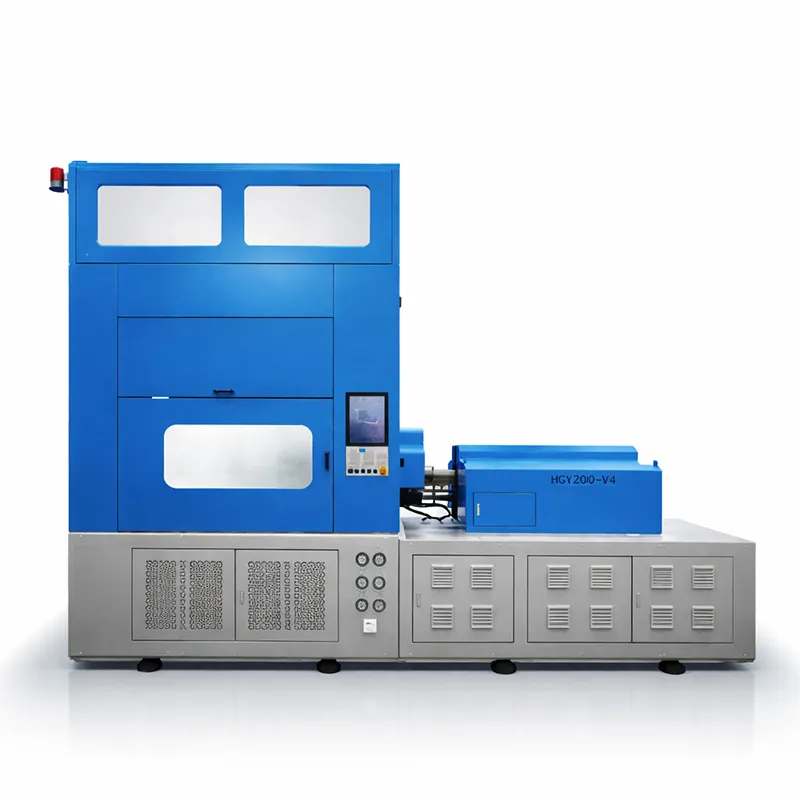
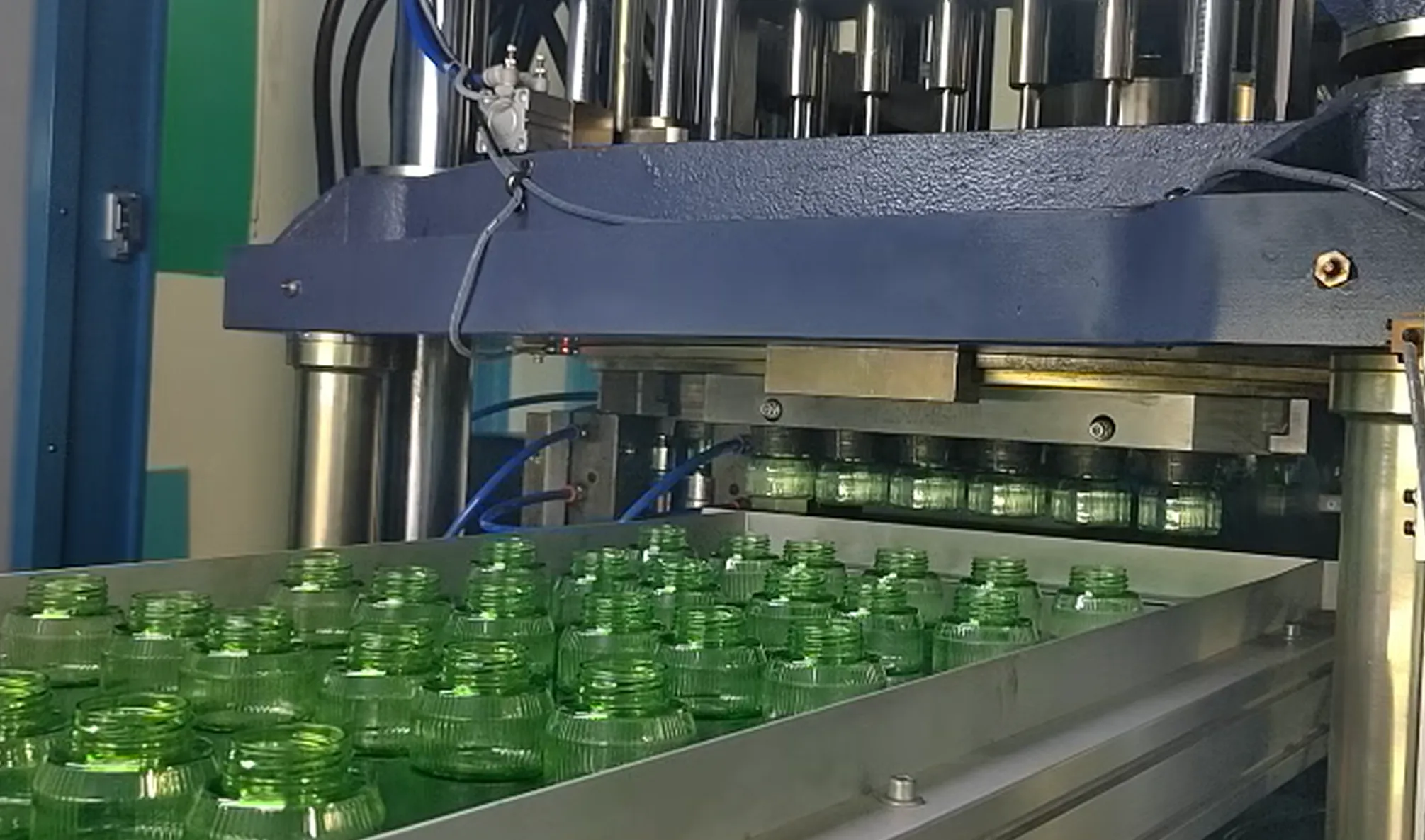
Параметры обработки ISBM значительно различаются для ПП и ПЭТ. Эти различия в обработке отражают основные характеристики полимеров и требуют наличия специальных наборов параметров для каждого материала. Корейские производители, работающие с обоими материалами, как правило, поддерживают документированные библиотеки параметров для быстрой смены режимов работы.
| Параметры обработки | ПП | ДОМАШНИЙ ПИТОМЕЦ |
|---|---|---|
| Требования к сушке | Минимальный (негигроскопичный) | Критический (гигроскопический) |
| Температура плавления | 200-260°C | 280-310°C |
| Температура формы | 15-30°C | 8-15°C |
| Температура кондиционирования | 130-150°C | 95-105°C |
| Коэффициент растяжения | 1,5-2,5x | 2,5-3,5x |
| Время цикла (по сравнению с ПЭТ) | +15-25% | Исходный уровень |
| Потребление энергии | 85-90% ПЭТ | Исходный уровень |
Для корейских производителей, работающих с обоими материалами, следует обратить особое внимание на три технологических различия. Во-первых, требования к сушке: полипропилен (ПП) негигроскопичен и требует минимальной сушки, в то время как для ПЭТ требуются строгие сушилки с осушением, обеспечивающие точку росы -40°C. Во-вторых, время цикла: цикл обработки ПП на 15-251 тонн медленнее, чем у ПЭТ аналогичной геометрии, из-за более низкой теплопроводности и меньшей растяжимости. В-третьих, конструкция пресс-формы: более низкое соотношение растяжимости ПП требует иных соотношений размеров заготовки и бутылки, чем у ПЭТ, что обычно требует использования специальных пресс-форм для ПП, а не общих с пресс-формами для производства ПЭТ.
Для корейских производителей, стремящихся к оптимальной гибкости при работе с различными материалами, полносервоприводные платформы ISBM с интеграцией библиотеки параметров обеспечивают быструю смену ПП/ПЭТ (обычно 2-4 часа, включая замену пресс-форм). Энергоэффективность полносервоприводной архитектуры также компенсирует некоторые недостатки ПП с точки зрения времени цикла. Для получения информации об оптимизации времени цикла, применимой к обоим материалам, см. руководство по оптимизации времени цикла.
6. Выбор в соответствии с конкретными потребностями применения
Как правило, требования к применению определяют конкретный материал практически без двусмысленности. Приведенная ниже матрица решений сопоставляет распространенные области применения корейских бутылок с соответствующими материалами, исходя из основных требований к эксплуатационным характеристикам.
| Приложение | Выбор материала | Водитель |
|---|---|---|
| Газированный напиток (кола, газированная вода) | ДОМАШНИЙ ПИТОМЕЦ | Устойчивость к давлению + прозрачность |
| Минеральная вода (негазированная) | ДОМАШНИЙ ПИТОМЕЦ | Ясность + стоимость |
| Разлив сока горячим способом (90°C и выше) | ПП | Термостойкость |
| Чай, готовый к употреблению, в горячем виде. | ПП | Термостойкость |
| Детская молочная смесь премиум-класса (стерилизована в автоклаве) | ПП | Возможность реторты |
| Бытовое чистящее средство (кислотное) | ПП | Химическая стойкость |
| Премиальная корейская сыворотка для красоты (прозрачный флакон) | ДОМАШНИЙ ПИТОМЕЦ | Четкость цвета |
| Система безвоздушного насоса K-beauty | ПП | целостность механизма насоса |
| Салатная заправка (кислотная) | ПП | Химическая стойкость |
| Растительное масло (в прозрачной бутылке) | ДОМАШНИЙ ПИТОМЕЦ | Ясность + барьер |
Для производителей, сталкивающихся с неопределенностью выбора (в тех случаях, когда технически пригодны оба материала), обычно предпочтение отдается трем второстепенным факторам. Во-первых, позиционирование бренда: эстетика прозрачной бутылки благоприятствует ПЭТ; акцент на функциональной упаковке благоприятствует ПП. Во-вторых, оптимизация производственных затрат: крупносерийное производство предпочитает ПЭТ из-за более быстрого цикла; специализированная продукция благоприятствует ПП. В-третьих, предпочтения в отношении каналов переработки: инфраструктура переработки ПЭТ более развита, чем ПП, на корейском и мировом рынках, что может повлиять на экономические показатели соответствия требованиям K-EPR.
7. Применение на корейском рынке и переработка отходов
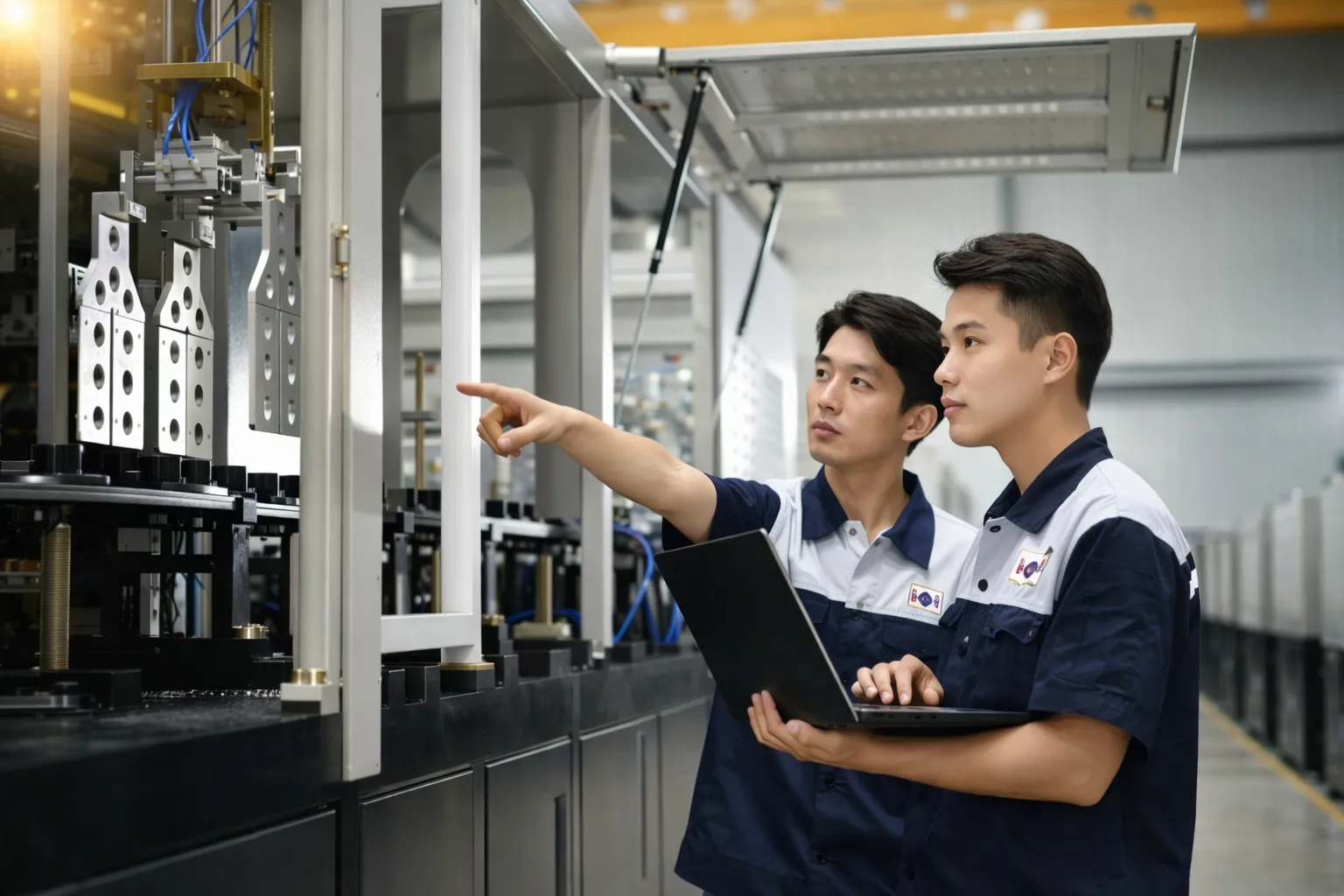
Распределение объемов производства бутылок в Корее между полипропиленом (PP) и полиэтилентерефталатом (PET) отражает спрос в зависимости от области применения. ПЭТ доминирует по общему объему в сегментах напитков, воды, газированных напитков и средств личной гигиены, на его долю приходится приблизительно 80-851 тыс. тонн продукции в Корее. ПП покрывает оставшиеся 15-201 тыс. тонн продукции, сосредоточенные в сегментах горячего розлива соков, детских смесей премиум-класса, бытовой химии и безвоздушной упаковки корейской косметики. Объемы производства обоих видов бутылок выросли за последние 5 лет по мере расширения экспорта Кореи по всему миру, при этом рост объемов производства ПП немного опережает рост объемов производства ПЭТ благодаря инновациям в области безвоздушной упаковки корейской косметики.
Инфраструктура переработки значительно различается в зависимости от материала. Переработка ПЭТ в Корее высоко развита, и расширение производства обеспечивается требованиями K-EPR: требование о переработке 101 тонны ПЭТ в месяц вступает в силу в январе 2026 года, а к 2030 году планируется увеличить до 301 тонны. Специализированная инфраструктура для переработки ПЭТ в месяц, включая специализированные сушилки, оборудование для терморегулирования и системы контроля качества, широко доступна у корейских производителей. Для получения полной информации о соответствии требованиям K-EPR см. Руководство по соответствию требованиям rPET K-EPR.
Инфраструктура переработки полипропилена (ПП) развита хуже, чем ПЭТ, из-за меньшего объема и более разнообразного спектра применений. Переработка ПП с использованием кода 5 обеспечивает более низкие показатели извлечения, чем переработка ПЭТ с использованием кода 1, поскольку осведомленность потребителей о сортировке ПП ниже, а химическое загрязнение в результате различных применений усложняет переработку. Для корейских производителей это различие влияет на долгосрочное позиционирование в области устойчивого развития: производители ПЭТ могут использовать растущую доступность переработанного ПЭТ для маркетинговых целей, в то время как производители ПП должны разрабатывать альтернативные концепции устойчивого развития, ориентированные на снижение веса, повышение эффективности или увеличение срока службы продукции.
8. Компромисс между стоимостью и экологичностью
Общая стоимость производства бутылок включает в себя стоимость материалов, стоимость обработки и стоимость утилизации. Для полипропилена (PP) и ПЭТ (PET) общая стоимость различается в зависимости от контекста применения, что затрудняет прямое сравнение затрат. Следующая модель позволяет количественно оценить компромиссы, которые должны учитывать корейские производители.
| Размер затрат | ПП | ДОМАШНИЙ ПИТОМЕЦ |
|---|---|---|
| Стоимость смолы за кг | 85-95% ПЭТ | Исходный уровень |
| Вес бутылки (типичный объем 500 мл) | 12-15 г | 15-18 г |
| Время цикла | +15-25% дольше | Исходный уровень |
| Энергетическая ценность одной бутылки | 85-95% ПЭТ | Исходный уровень |
| Стоимость оборудования (пресс-формы) | 90-95% эквивалента ПЭТ | Исходный уровень |
| влияние стоимости K-EPR rPET | Непригодный | +15-30 млн вон/год (10% rPET) |
| Наличие переработанного содержимого | Ограниченный (rPP) | Сильный (растущий rPET) |
Для корейских производителей совокупная экономическая эффективность производства одной бутылки в значительной степени зависит от контекста применения. В производстве напитков массового потребления, где время цикла имеет решающее значение, ПЭТ обеспечивает примерно на 10-151 тонну меньшую себестоимость производства одной бутылки, несмотря на более высокие затраты на смолу и оборудование, поскольку преимущество цикла суммируется. В премиальных отраслях, где дифференциация качества и возможности материалов имеют большее значение, чем себестоимость одной бутылки, ПП может обеспечить превосходную совокупную экономическую эффективность за счет возможностей применения, недоступных для ПЭТ.
Позиционирование в сфере устойчивого развития все чаще влияет на выбор материалов, выходя за рамки оптимизации затрат. Корейские требования K-EPR к переработанному ПЭТ применяются конкретно к ПЭТ, создавая возможности для продвижения идей устойчивого развития среди производителей ПЭТ, использующих переработанные материалы. Производители ПП должны разработать альтернативные стратегии устойчивого развития, ориентированные на легкость и эффективность (преимущество ПП по плотности 35%), увеличение срока службы продукции (прочные многоразовые применения) или пилотные программы химической переработки. Для корейских брендов косметики, ориентированных на устойчивое развитие и конкурирующих на мировых рынках, различия в инфраструктуре переработки благоприятствуют использованию ПЭТ в качестве первичной упаковки, в то время как ПП выполняет функции функциональных компонентов.
9. Часто задаваемые вопросы
В: Может ли одна и та же машина ISBM производить как полипропиленовые, так и ПЭТ-бутылки?
Да, для большинства современных платформ ISBM с соответствующими наборами параметров и специализированными пресс-формами для каждого материала. Корейские производители, обслуживающие клиентов, работающих с различными материалами, обычно используют одну и ту же платформу для производства полипропилена (PP) и ПЭТ с переналадкой в течение 2-4 часов, включая замену пресс-формы, загрузку библиотеки параметров и очистку материала. Пресс-форма должна быть специфичной для каждого материала, поскольку PP и ПЭТ имеют разные коэффициенты усадки и растяжения. Более старые гидравлические платформы могут испытывать трудности с быстрой переналадкой; платформы с полным сервоприводом обеспечивают плавную работу с различными материалами.
В: Что такое «осветлённый ПП» и чем он отличается от прозрачности ПЭТ?
Осветленный полипропилен (также называемый «прозрачным полипропиленом») использует нуклеирующие агенты для получения более однородной кристаллической структуры и улучшенной оптической прозрачности по сравнению со стандартным полипропиленом. Современный осветленный полипропилен достигает примерно 70-80% прозрачности ПЭТ, чего достаточно для многих применений, где требуется термостойкость полипропилена, а видимость продукта важна, но не является премиальным качеством. Для применений, требующих истинной прозрачности, подобной стеклу (премиальные напитки, демонстрационные бутылки для корейской косметики), ПЭТ остается лучшим вариантом. Осветленный полипропилен предлагает полезный промежуточный вариант для горячего розлива, где умеренная прозрачность повышает привлекательность для потребителя.
В: Почему именно полипропилен (PP) предпочтительнее для безвоздушных насосных систем корейской косметики?
Системы безвоздушного дозирования требуют точных механических допусков в поршне насоса, погружной трубке и компонентах камеры для поддержания вакуумной герметизации в течение длительного срока службы продукта. Механическая усталостная прочность полипропилена (ПП), стабильность размеров и химическая стойкость к косметическим активным веществам делают его уникально подходящим для этих механических компонентов. ПЭТ можно использовать для внешней оболочки флакона, но он не может сравниться с ПП по характеристикам в механизме подвижного поршня. В системах безвоздушного дозирования K-beauty обычно сочетаются компоненты насоса из ПП с внешними флаконами из ПП или ПЭТ в зависимости от эстетических приоритетов.
В: Стоит ли мне инвестировать в мощности по производству полипропилена, если в настоящее время я производлю только ПЭТ?
Решение зависит от прогнозируемого спроса со стороны клиентов и стратегического позиционирования. Корейские производители, обслуживающие клиентов в сфере напитков, воды и стандартной личной гигиены, как правило, могут оставаться ориентированными на ПЭТ-упаковку без конкурентных недостатков. Производителям, обслуживающим премиальные корейские косметические бренды, готовый к употреблению чай, детские смеси премиум-класса или специализированную химическую упаковку, следует добавить возможности по производству полипропилена (ПП), чтобы удовлетворить весь спрос клиентов. Добавление возможностей по производству ПП обычно требует инвестиций в размере 200-300 млн вон в специализированные пресс-формы, модифицированную систему обработки материалов и обучение операторов; окупаемость обычно достигается в течение 18-24 месяцев для производителей с подтвержденным спросом на ПП со стороны клиентов.
В: Чем полипропилен (PP) отличается от других термостойких материалов, таких как полиэтиленнафталат (PEN) или термореактивный полиэтилентерефталат (PET)?
Термореактивный ПЭТ (HS-PET) позволяет увеличить рабочую температуру ПЭТ примерно до 85-95°C за счет дополнительной кристаллизационной обработки, что делает его конкурентоспособным по сравнению с ПП для горячего розлива при температурах ниже 95°C. Полиэтиленнафталат (PEN) обладает превосходной термостойкостью по сравнению как с ПЭТ, так и с ПП, но при этом значительно дороже (в 3-5 раз дороже ПЭТ), что ограничивает его применение специализированными задачами. Для корейских производителей практическим выбором для горячего розлива при температурах ниже 100°C является ПП (более низкая стоимость оборудования, лучшие влагозащитные свойства) и HS-PET (лучшая прозрачность, налаженная система переработки). ПП доминирует в автоклавном производстве при температурах выше 100°C, где HS-PET не подходит.
10. Заключение
В корейском производстве бутылок полипропилен (PP) и полиэтилентерефталат (PET) играют скорее взаимодополняющую, чем конкурирующую роль. PET доминирует в производстве прозрачных напитков, воды, газированных напитков, премиальной косметики и стандартной упаковки благодаря превосходной прозрачности, кислородонепроницаемости и прочности на разрыв. PP используется для горячего розлива соков и чая, ретортной упаковки детских смесей, бытовой химии и безвоздушных систем для корейской косметики благодаря превосходной термостойкости, влагонепроницаемости и химической стойкости. Выбор материала определяется требованиями к применению, а не оптимизацией затрат или предпочтениями производителя.
Для корейских производителей стратегический вопрос редко сводится к выбору «ПП или ПЭТ», а скорее к вопросу «какой набор возможностей мне следует развивать?». Производители, обслуживающие разнообразную клиентуру, получают выгоду от работы с обоими материалами на многокомпонентных платформах ISBM, обеспечивающих смену материалов за 2-4 часа. Производители, ориентированные на конкретные сегменты применения, могут специализироваться на одном материале, сохраняя при этом понимание альтернативных вариантов для клиентов. Траектория роста корейской индустрии косметики K-beauty особенно благоприятствует расширению возможностей по производству ПП для безвоздушных инноваций; требования K-EPR к rPET особенно благоприятствуют инвестициям в ПЭТ для обеспечения устойчивого развития.
Для корейских производителей, стремящихся расширить возможности по производству различных материалов, корейская инженерная команда Ever-Power предоставляет консультации по многоматериальной платформе ISBM, включая настройку оборудования, специфичного для полипропилена (PP), проектирование пресс-форм для применения с PP и разработку библиотеки параметров для быстрой смены PP/PET. Существующие производители, специализирующиеся на ПЭТ, как правило, могут добавить возможности по производству PP в течение 6-9 месяцев после начала проекта, привлекая клиентов из сегмента премиальной корейской косметики и специализированной продукции горячего розлива в течение первого года после расширения возможностей.
Планируете создание системы межконтинентального баллистического ракетного комплекса (МБРК) с использованием полипропилена (ПП) или нескольких материалов?
Сообщите вам о ваших целевых показателях применения, текущих возможностях производства ПЭТ и прогнозируемом спросе со стороны клиентов на полипропилен. Наша корейская инженерная команда предоставит рекомендации по многокомпонентной платформе, спецификации пресс-форм и проект протокола переналадки в течение 5 рабочих дней.
Редактор: Cxm