材料選定ガイド
PPとPET:韓国のボトルメーカー向けボトル素材選定ガイド
韓国のボトル製造ではPPとPETが主流ですが、耐熱性、バリア性、透明度といった要件によって用途が異なります。PPは高温充填(耐熱温度104℃)、レトルト乳児用ミルク、韓国コスメのエアレスポンプなどに優れています。一方、PETは透明な飲料、水、アジアのパーソナルケア製品の包装に広く使われています。本ガイドでは、両素材の性能、ISBM加工、韓国市場における用途を比較します。
要約 — 簡単なまとめ
韓国のボトル製造において、PP(ポリプロピレン)とPET(ポリエチレンテレフタレート)は競合する材料ではなく、補完的な材料です。PPは160~167℃で溶融し、使用温度は100~120℃で、ホットフィルジュース、レトルトベビーフォーミュラ(104℃)、家庭用化学薬品、Kビューティーのエアレスポンプシステムに対応しています。PETは250℃で溶融しますが、使用温度は70~80℃で、透明飲料、水、ソーダ、アジアのパーソナルケア包装の60%+で主流となっています。PPは5倍優れた防湿性を持ち、PETは優れた酸素バリア性とガラスのような透明度を提供します。PPのリサイクルコードは「5」、PETのコードは「1」です。韓国の生産者にとって、用途要件が選択を左右します。ホットフィルや化学薬品の包装にはPPが必要で、透明飲料や高級品にはPETが必要です。ISBMの加工は大きく異なり、PPはPETよりも低い溶融温度(200~260℃)が必要ですが、サイクルタイムは遅くなります。
このガイドでは
1. 韓国の生産においてPPとPETが重要な理由
韓国のボトルメーカーは、さまざまな用途分野に対応しており、それぞれ異なるポリマー材料を必要とします。PPとPETのどちらを選ぶかは、「どちらの材料が優れているか」ではなく、「どの用途向けか」によって決まります。高温充填用途にPETを選ぶと、90℃で充填した際にボトルが変形します。一方、透明な炭酸飲料容器にPPを選ぶと、見た目が悪く、炭酸の保持力も劣ります。材料の選択は、用途の要件によって左右されるのです。
韓国のメーカーにとって、PPとPETの選択が特に重要となる3つの用途分野がある。第一に、ホットフィル分野(高級ジュース、すぐに飲めるお茶など)に進出する飲料メーカーは、馴染みのあるPETから馴染みの薄いPP加工への材料転換を迫られる。第二に、美容液やアンチエイジング製品向けに高級エアレスポンプシステムを開発するKビューティーブランドは、外瓶にPETを使用しても、エアレスシステムのシャーシにはPPが必要となる。第三に、複数の製品カテゴリーを扱う受託充填業者は、多様な顧客ニーズに対応するため、PPとPETの両方の能力を効率的に活用する必要がある。
韓国の業界データによると、PPとPETの採用規模は相対的に異なっている。飲料、水、パーソナルケア製品の分野が巨大なため、PETは韓国のボトル生産量で圧倒的に優位を占めている。業界調査によると、アジアのパーソナルケア製品の包装材のうち601トン以上がPETを使用している。一方、PPは、ホットフィルジュース、高級粉ミルク(レトルト処理)、家庭用化学製品の包装、Kビューティーのエアレスボトルなど、規模は小さいながらも急速に成長している高級品分野で利用されている。韓国の生産者にとって、これら2つの素材は、互いに排他的な選択肢ではなく、戦略的な可能性を秘めている。
2. ポリプロピレン(PP)の材料特性
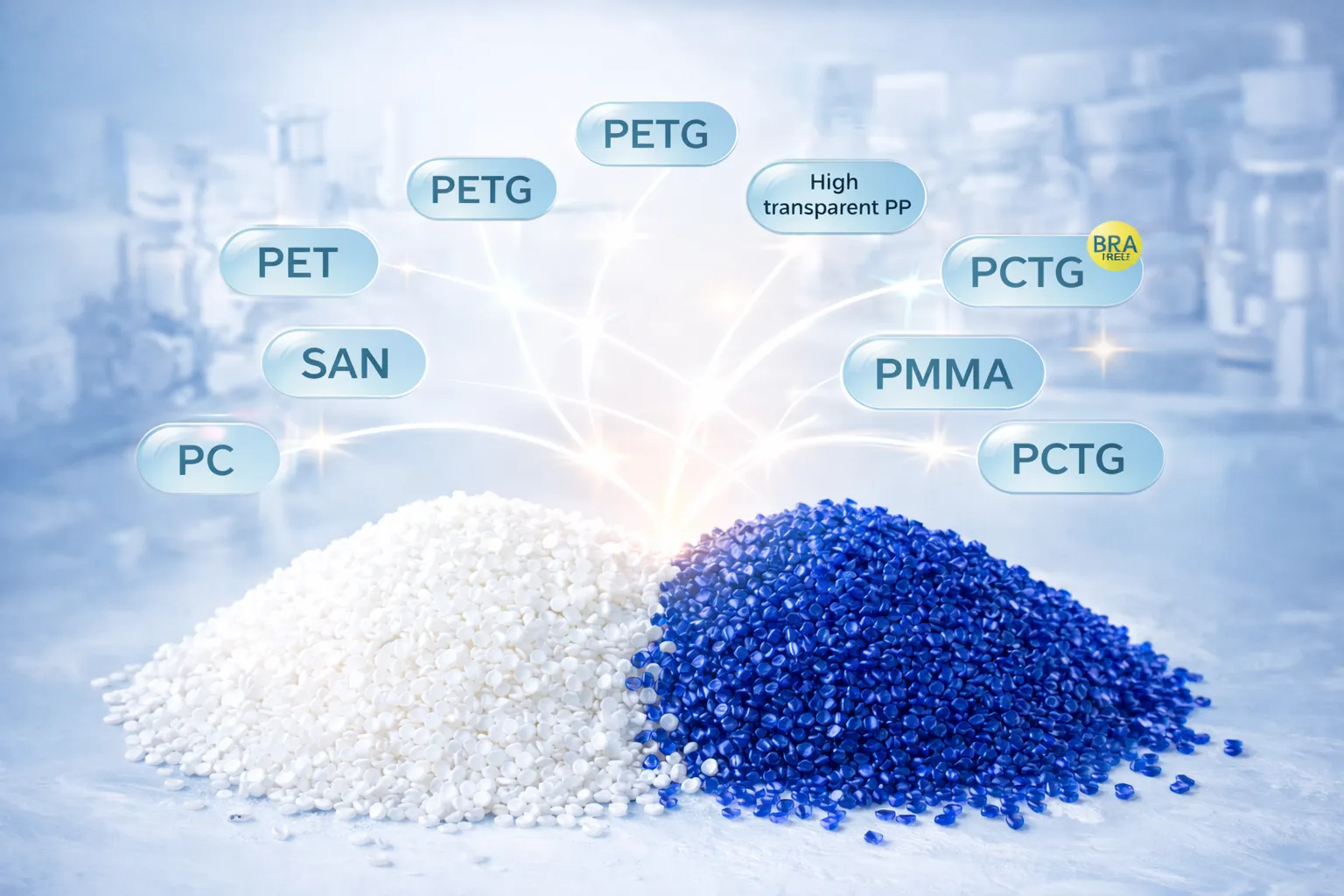
ポリプロピレンは、プロピレンモノマーから誘導される熱可塑性ポリマーです。PPの分子構造は、ボトル用途に関連する独特の性能特性を持つ、高度に結晶化した材料を生み出します。分子構造には3種類(アイソタクチック、アタクチック、シンジオタクチック)が存在し、市販のボトル用途ではアイソタクチックPPが主流となっています。
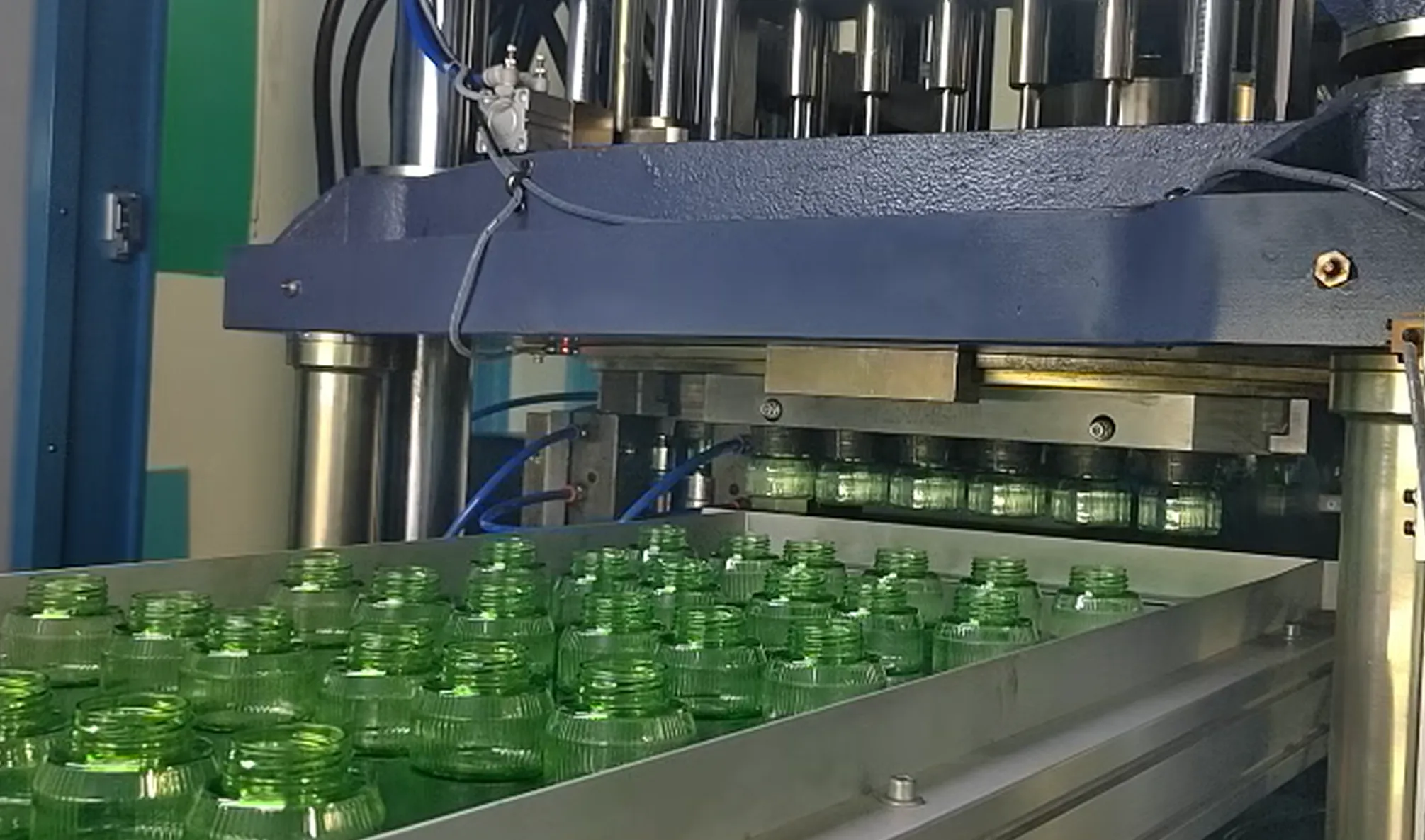
PPの最も際立った性能特性は耐熱性です。このポリマーは160~167℃で溶融し、100~120℃までの使用温度で構造的完全性を維持します。100℃でのホットフィルが可能で、104℃(220°F)までのレトルト処理が可能です。この耐熱性により、PETでは不可能な用途が可能になります。例えば、ジュースやお茶の低温殺菌充填、粉ミルクのオートクレーブ滅菌、一部の食品用途における電子レンジ加熱などです。これらの分野に製品を供給する韓国のメーカーは、PPのみを使用しています。
PPの2つ目の特徴は密度です。0.90~0.91 g/cm³のPPは、市販のポリマーの中でも最も軽量な部類に入り、PET(1.38 g/cm³)よりも約35%も軽量です。これは、重量換算用途における材料費の直接的な削減、および充填済みボトル配送における輸送コストの優位性につながります。ボトル重量が輸送コスト全体に大きく影響する化学薬品包装においては、PPの密度の優位性は経済的に大きな意味を持ちます。
PPの耐薬品性は卓越しています。非極性ポリマー鎖は、PETでは劣化するような濃度や温度においても、酸、アルカリ、有機溶剤、そしてほとんどの家庭用化学薬品に耐性を示します。この特性により、PPは工業用化学薬品包装、家庭用洗剤、自動車用液体、そして長期保管における内容物の安定性が求められる特殊用途において広く採用されています。
3. PET材料特性のまとめ
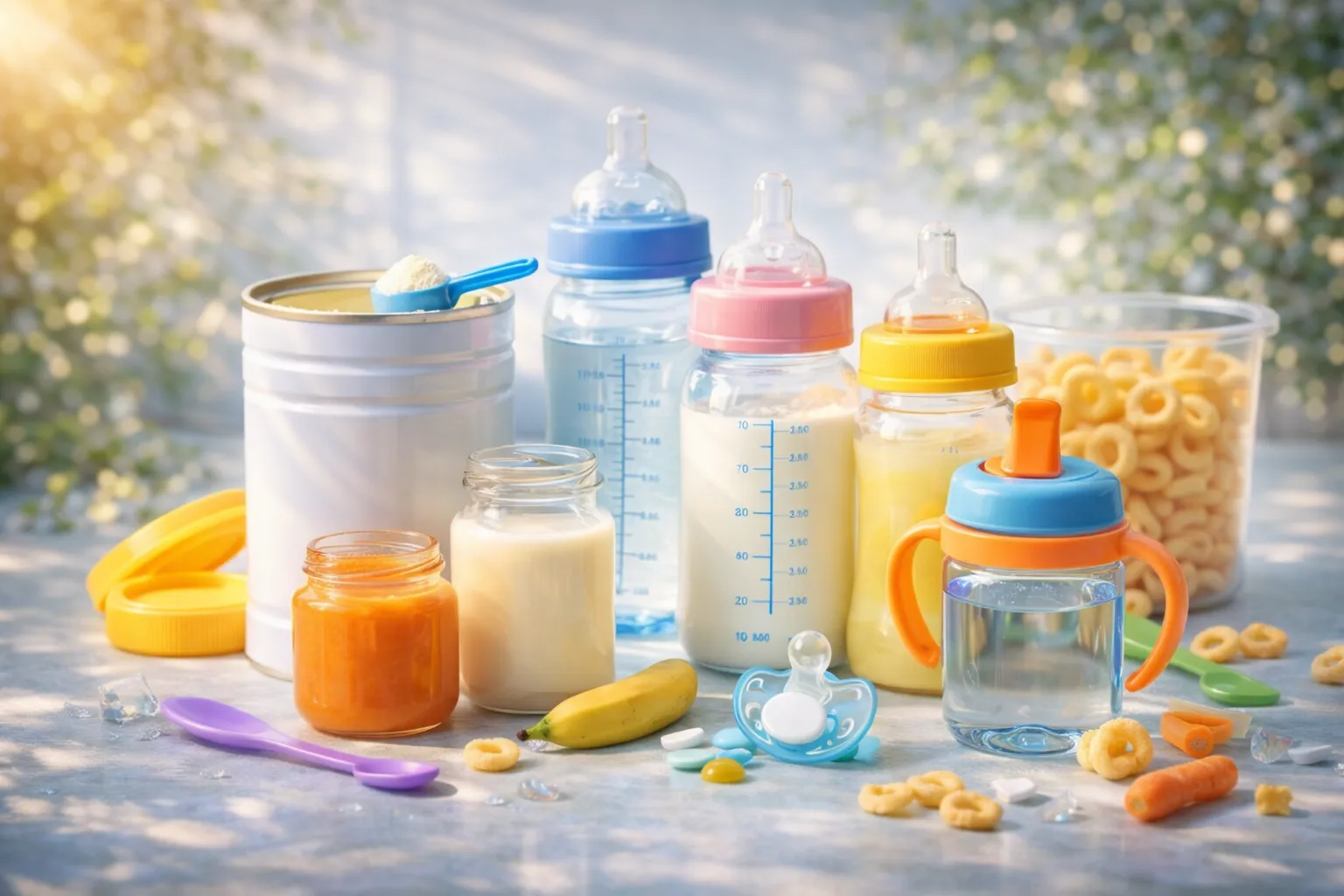
PET(ポリエチレンテレフタレート)は、世界的に見ても韓国国内でも、ボトル用ポリマーとして最も広く用いられています。PETの分子構造は半結晶性であり、その特性はPPとはほとんどの性能面で正反対です。PETとPPの特性を比較することで、それぞれの材料がどのような用途に適しているかが明確になります。
PETの最大の特徴は、その透明度の高さです。このポリマーはガラスのような透明度を実現し、製品の視認性、消費者の美的魅力、そして高級感を演出します。店頭での見栄えを競う炭酸飲料メーカー、カラフルな美容液をアピールする韓国コスメブランド、そして高級飲料メーカーにとって、PETの透明度は譲れない条件です。PPは、精製PPグレードの改良が進んでいるとはいえ、PETの透明度には到底及びません。
PETの機械的強度はPPを大幅に上回ります。PETの引張強度は、炭酸飲料の内部圧力、高級小売店での取り扱い、消費者の落下耐性など、ボトルの剛性を保つために必要な強固な構造を支えます。また、PETはPPに比べて優れた酸素バリア性も備えており、ジュース、スポーツドリンク、一部の医薬品液など、酸化に敏感な製品にとって非常に重要です。PETボトルの炭酸保持は、この酸素バリア性に依存しています。
PETの主な制約は耐熱性です。このポリマーの使用温度上限は70~80℃であるため、ホットフィル、レトルト、高温用途には適していません。PETはPPが日常的に耐えられるような持続的な熱にさらされると変形し始めます。熱負荷の高い用途に対応する韓国のメーカーにとって、この温度上限は、PETの他の利点に関わらず、PPへの材料代替を余儀なくさせます。PETと代替コポリエステルの包括的な分析については、以下を参照してください。 PETとPETGの選択ガイド.
4. PPとPETの特性比較マトリックス
直接的な物性比較によって、それぞれの材料がどの用途に適しているかが明確になります。以下の表は、ポリマーサプライヤーからの標準化された試験データと業界標準に基づいています。
| 財産 | PP(ポリプロピレン) | PET(ポリエチレンテレフタレート) |
|---|---|---|
| リサイクルコード | 5 | 1 |
| 密度 | 0.90~0.91 g/cm³ | 1.38 g/cm³ |
| 融点 | 160~167℃ | 250℃ |
| 動作温度 | 100~120℃ | 70~80℃ |
| ホットフィル機能 | はい(100℃まで) | いいえ(76℃以上で変形します) |
| レトルト処理 | はい(最高104℃まで) | いいえ |
| 光学的な透明度 | 半透明(PP改良版) | ガラスのような |
| 酸素バリア | 適度 | 素晴らしい |
| 防湿バリア | 優秀(PET 5倍) | 適度 |
| 耐薬品性 | 素晴らしい | 適度 |
| 抗張力 | 適度 | 高い |
| 低温の影響 | 限界(0℃以下では脆くなる) | 素晴らしい |
| 材料費(相対値) | 0.85~0.95倍PET | ベースライン |
このマトリックスは、用途の明確な境界を示している。耐熱性、防湿性、耐薬品性、密度ではPPが優れている。一方、透明性、酸素バリア性、引張強度、低温衝撃性ではPETが優れている。コスト差はPPにわずかに有利だが、用途に応じた選択が、純粋なコスト最適化よりも優先されることが多い。
5. ISBM処理の違い
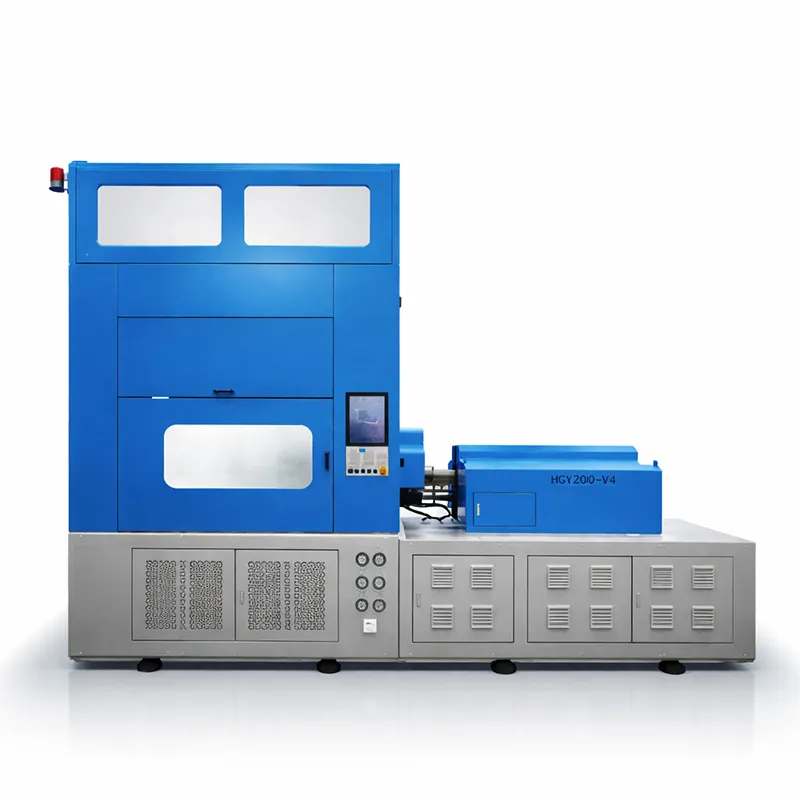
ISBM加工パラメータはPPとPETで大きく異なります。これらの加工の違いはポリマーの基本的な特性を反映しており、それぞれの材料に合わせた専用のパラメータセットが必要です。韓国のメーカーは両方の材料を扱う場合、迅速な切り替えのために、通常、パラメータライブラリを文書化して保管しています。
| 処理パラメータ | PP | ペット |
|---|---|---|
| 乾燥要件 | 最小限(非吸湿性) | 臨界(吸湿性) |
| 融点 | 200~260℃ | 280~310℃ |
| 金型温度 | 15~30℃ | 8~15℃ |
| 調湿温度 | 130~150℃ | 95~105℃ |
| 伸縮率 | 1.5~2.5倍 | 2.5~3.5倍 |
| サイクルタイム(PETとの比較) | +15-25% | ベースライン |
| エネルギー消費量 | PETの85-90% | ベースライン |
韓国のメーカーが両方の材料を扱う場合、3つの加工上の違いに特に注意を払う必要があります。1つ目は乾燥要件です。PPは吸湿性がなく、最小限の乾燥で済みますが、PETは露点-40℃を達成する厳密な除湿乾燥機が必要です。2つ目はサイクル時間です。PPは熱伝導率が低く、伸縮性も低いため、同等の形状のPETよりも15~25%遅いサイクルで動作します。3つ目は金型設計です。PPは伸縮率が低いため、PETとは異なるプリフォームとボトルの寸法関係が必要となり、通常はPET生産と共有するのではなく、PP専用の金型が必要になります。
最適なマルチマテリアル柔軟性を求める韓国の生産者にとって、パラメータライブラリ統合を備えたフルサーボISBMプラットフォームは、PP/PETの迅速な切り替え(金型交換を含めて通常2~4時間)を可能にします。フルサーボアーキテクチャのエネルギー効率は、PPのサイクルタイムの欠点をある程度相殺します。両方の材料に適用可能なサイクルタイム最適化フレームワークについては、以下を参照してください。 サイクルタイム最適化ガイド.
6. アプリケーション固有の選択
用途要件によって、材料の選択は必然的に決まり、曖昧さはほとんどありません。以下の決定マトリックスは、韓国で一般的なボトル用途と、主要な性能要件に基づいた適切な材料を対応付けたものです。
| 応用 | 素材の選択 | ドライバ |
|---|---|---|
| 炭酸飲料(コーラ、炭酸水) | ペット | 耐圧性+透明度 |
| ミネラルウォーター(非炭酸) | ペット | 明瞭さ+コスト |
| 高温充填ジュース(90℃以上) | PP | 耐熱性 |
| ホットフィル式すぐに飲めるお茶 | PP | 耐熱性 |
| プレミアムベビーフォーミュラ(レトルト殺菌済み) | PP | レトルト機能 |
| 家庭用洗剤(酸性) | PP | 耐薬品性 |
| プレミアムKビューティー美容液(透明ボトル) | ペット | 色の鮮明さ |
| Kビューティーエアレスポンプシステム | PP | ポンプ機構の健全性 |
| サラダドレッシング(酸性) | PP | 耐薬品性 |
| 食用油(透明ボトル) | ペット | 明瞭さ+障壁 |
選択が曖昧な場合(両方の材料が技術的に使用可能な用途)、生産者は通常、次の3つの二次的な考慮事項によって選択を決定します。1つ目は、ブランドポジショニングです。透明なボトルの美観はPETを有利にし、機能性パッケージを重視する場合はPPを有利にします。2つ目は、生産コストの最適化です。大量生産ではサイクルタイムが短いためPETが有利になり、特殊製品ではPPが有利になります。3つ目は、リサイクルチャネルの優先順位です。PETのリサイクルインフラは韓国および世界の市場全体でPPよりも発達しており、これはK-EPRの遵守経済性に影響を与える可能性があります。
7. 韓国市場における用途とリサイクル
韓国のボトル生産量におけるPPとPETの分布は、用途別の需要を反映している。飲料、水、炭酸飲料、パーソナルケア製品といった分野全体ではPETが圧倒的なシェアを占め、韓国のISBM生産量の約80~85%を占めている。残りの15~20%はPPが占めており、主にホットフィルジュース、高級粉ミルク、家庭用化学製品、Kビューティーのエアレスボトルといった分野に集中している。韓国の輸出が世界的に拡大するにつれ、過去5年間で両方の生産量が増加しており、Kビューティーのエアレスボトル技術革新により、PPの生産量増加率はPETをわずかに上回っている。
リサイクルインフラは素材によって大きく異なります。韓国ではPETリサイクルが高度に発達しており、K-EPR義務化が拡大を後押ししています。2026年1月発効で10%のrPETが義務付けられ、2030年までに30%に拡大されます。専用乾燥機、熱管理装置、品質管理システムなどのrPET処理専用インフラは、韓国の生産者の間で広く普及しています。K-EPRの包括的なコンプライアンスフレームワークについては、以下を参照してください。 rPET K-EPR準拠ガイド.
PPのリサイクルインフラは、PETに比べて量が少なく用途が多様であるため、依然として発展途上です。PPリサイクルコード5は、消費者の分別意識がPETよりも低いこと、また多様な用途による化学物質汚染が再処理を複雑にするため、PETコード1よりも回収率が低くなっています。韓国の生産者にとって、この差は長期的なサステナビリティ戦略に影響を与えます。PET用途では、増加するrPETの供給をマーケティングに活用できますが、PP用途では、軽量化効率や製品寿命の延長に焦点を当てた代替的なサステナビリティ戦略を策定する必要があります。
8.コストと持続可能性のトレードオフ
ボトル製造の総コストには、材料費、加工費、および廃棄費用が含まれます。PPとPETは用途によって総コストが異なるため、直接的なコスト比較は困難です。以下のフレームワークは、韓国の生産者が考慮すべき各側面におけるトレードオフを定量化したものです。
| コスト次元 | PP | ペット |
|---|---|---|
| 樹脂の1kgあたりのコスト | PETの85-95% | ベースライン |
| ボトル重量(標準500ml) | 12~15g | 15~18g |
| サイクルタイム | +15-25% より長い | ベースライン |
| ボトル1本あたりのエネルギー | PETの85-95% | ベースライン |
| 設備費(金型) | PET換算で90-95% | ベースライン |
| K-EPR rPETのコストへの影響 | 適用できない | 年間1500万~3000万ウォン(10% rPET) |
| 再生素材の入手可能性 | 限定版(rPP) | 強い(rPET成長) |
韓国の生産者にとって、ボトル1本あたりの総コストは用途によって大きく左右されます。サイクルタイムが重要なコモディティ飲料用途では、PETは樹脂や設備コストは高いものの、サイクルタイムのメリットが相乗的に作用するため、ボトル1本あたりの生産コストを約10~151TP削減できます。一方、ボトル1本あたりのコストよりも品質差別化や材料特性が重要なプレミアム用途では、PETでは対応できない用途を可能にすることで、PPが優れた総コスト削減効果を発揮します。
持続可能性への配慮は、コスト最適化を超えて材料選定にますます影響を与えている。韓国のK-EPR rPET義務化は特にPETに適用され、再生材を活用するPETメーカーにとって持続可能性に関するメッセージ発信の機会を生み出している。PPメーカーは、軽量化効率(PPの35%密度の優位性)、製品寿命の延長(耐久性のある詰め替え可能な用途)、または化学リサイクル試験プログラムに焦点を当てた代替的な持続可能性に関するストーリーを開発する必要がある。グローバル市場で競争する持続可能性を重視する韓国のKビューティーブランドにとって、リサイクルインフラの差は、一次包装にはPETを、機能部品にはPPを有利にしている。
9. よくある質問
Q:同じISBMマシンでPPボトルとPETボトル両方を製造できますか?
適切なパラメータセットと各材料専用の金型を備えた最新のISBMプラットフォームであれば、ほとんどの場合可能です。多種多様な材料を扱う顧客向けに製品を提供する韓国のメーカーは、通常、PPとPETの生産で同じプラットフォームを使用しており、金型交換、パラメータライブラリのロード、材料のパージを含めて2~4時間で切り替えが可能です。PPとPETは収縮率と伸長率が異なるため、金型は材料ごとに専用に設計する必要があります。旧式の油圧式プラットフォームでは迅速な切り替えが困難な場合がありますが、フルサーボ式プラットフォームはスムーズな多種多様な材料の取り扱いをサポートします。
Q: 「透明PP」とは何ですか?また、PETの透明度とはどのように異なりますか?
透明PP(「クリアPP」または「トランスペアレントPP」とも呼ばれる)は、核剤を用いて、標準PPに比べてより均一な結晶構造と優れた光学的透明度を実現しています。最新の透明PPは、PETと同等の約70~80%の透明度を達成しており、PPの耐熱性が求められ、製品の視認性が重要ではあるものの、最高級品ではない多くの用途に十分対応できます。真のガラスのような透明度が求められる用途(高級飲料、韓国コスメのショーケースボトルなど)では、PETが依然として優れています。透明PPは、適度な透明度が消費者の購買意欲を高めるホットフィル用途において、有用な中間的な選択肢となります。
Q:KビューティーのエアレスポンプシステムにPPが特に好まれるのはなぜですか?
エアレスポンプシステムでは、製品の長寿命にわたって真空シールを維持するために、ポンプピストン、ディップチューブ、チャンバー部品に精密な機械的公差が求められます。PPは機械的疲労耐性、寸法安定性、化粧品有効成分に対する耐薬品性に優れているため、これらの機械部品に最適です。PETは外瓶に使用できますが、可動ピストン機構におけるPPの性能には及びません。Kビューティーのエアレスシステムでは、美観上の優先順位に応じて、PP製のポンプ部品とPPまたはPET製の外瓶を組み合わせるのが一般的です。
Q:現在PETしか生産していない場合、PPの生産能力に投資すべきでしょうか?
決定は、顧客の需要パイプラインと戦略的な位置付けによって左右されます。飲料、水、および標準的なパーソナルケア製品を顧客に提供する韓国のメーカーは、通常、競争上の不利を受けることなくPETに重点を置いたままでいられます。Kビューティーのプレミアムブランド、すぐに飲めるお茶、高級ベビーフォーミュラ、または特殊化学品の包装を顧客に提供するメーカーは、顧客の需要を完全に捉えるためにPPの生産能力を追加する必要があります。PPの生産能力を追加するには、通常、専用金型、材料処理の変更、およびオペレーターのトレーニングに2億~3億ウォンの投資が必要です。PPの顧客需要が確定しているメーカーの場合、通常18~24か月以内に投資回収が可能です。
Q:PPは、PENや熱硬化性PETなどの他の耐熱性代替材料と比べてどうですか?
熱硬化性PET(HS-PET)は、追加の結晶化処理によりPETの使用温度を約85~95℃まで拡張し、95℃以下の高温充填用途においてPPと同等の競争力を持つ。PEN(ポリエチレンナフタレート)はPETとPPの両方よりも優れた耐熱性を持つが、価格が著しく高い(PETの3~5倍)ため、用途は特殊なニーズに限られる。韓国の生産者にとって、100℃以下の高温充填における実用的な選択肢は、PP(設備コストが低く、防湿性に優れている)とHS-PET(透明性が高く、リサイクル実績がある)のどちらかである。HS-PETが使用できない100℃以上のレトルト用途では、PPが主流となっている。
10.結論
韓国のボトル製造において、PPとPETは競合するのではなく、むしろ補完的な役割を果たしている。PETは、優れた透明性、酸素バリア性、引張強度により、透明な飲料、水、炭酸飲料、高級パーソナルケア製品、および標準的な包装用途で主流となっている。一方、PPは、優れた耐熱性、防湿性、耐薬品性により、高温充填ジュースや茶、レトルト乳児用粉ミルク、家庭用化学薬品、およびKビューティーのエアレスシステムなどに使用されている。用途要件が、コスト最適化や製造者の好みよりも、ボトルの選択を左右する要因となっている。
韓国の生産者にとって、戦略的な問いは「PPかPETか」ではなく、「どの能力セットを開発すべきか」であることが多い。多様な顧客にサービスを提供する生産者は、2~4時間で切り替え可能なマルチマテリアルISBMプラットフォームで両方の材料を運用することでメリットを得られる。特定の用途分野に特化した生産者は、顧客の代替案を理解しつつ、単一の材料に特化することができる。韓国のKビューティーの成長軌道は、特にエアレス技術革新のためのPP能力の拡大を後押ししており、K-EPRのrPET義務化は、持続可能性への取り組みのためにPETへの投資を特に後押ししている。
材料能力の拡大を目指す韓国のメーカー向けに、エバーパワーの韓国エンジニアリングチームは、PP専用の設備構成、PP用途向け金型設計、PP/PETの迅速な切り替えを可能にするパラメータライブラリ開発などを含む、マルチマテリアルISBMプラットフォームに関するコンサルティングを提供します。既存のPET中心のメーカーは、通常、プロジェクト開始から6~9ヶ月以内にPPの生産能力を追加でき、能力拡大後1年以内にKビューティーのプレミアム顧客やホットフィル特殊顧客の獲得が可能になります。
PPまたはマルチマテリアルISBM機能の計画ですか?
お客様の用途目標、現在のPET成形能力、およびPP顧客需要パイプラインをお知らせください。当社の韓国エンジニアリングチームが、5営業日以内にマルチマテリアルプラットフォームの推奨、金型仕様、および切り替えプロトコルの設計案をご提示いたします。
編集者: Cxm