
Analisi tecnica approfondita · PET termoindurente · ISBM coreano 2026
ISBM Ingegneria del PET termofissato:
Guida coreana al riempimento a caldo
Il PET standard si deforma a 65 °C, un limite significativo se si considera che i succhi, i tè e le salse coreani vengono riempiti a temperature comprese tra 85 e 92 °C. La tecnologia ISBM a caldo cristallizza la parete della bottiglia in PET fino a raggiungere una cristallinità di 28-38% utilizzando uno stampo riscaldato a 120-160 °C, innalzando la soglia di deformazione termica a 90-98 °C. Comprendere l'ingegneria della cristallizzazione è ciò che distingue una bottiglia in grado di resistere al riempimento a caldo da una che collassa sulla linea di riempimento.
Cristallinità 28–38%
ΔV ≤ 2% a 90°C Riempimento
Redazione tecnica di Ever-Power (Corea del Sud) · Ansan-si · Maggio 2026
Riferimento parametrico ISBM coreano per PET termoindurente — 2026
| Parametro | HS-PET standard | HS-PET ad alta temperatura | vs PP Hot-Fill | Ragione ingegneristica |
|---|---|---|---|---|
| Temperatura dello stampo di soffiaggio | 120–140 °C | 145–165 °C | 8–25°C (PP) | Lo stampo riscaldato cristallizza il PET sotto pressione; il PP utilizza uno stampo freddo. |
| Cristallinità del bersaglio | 28–32% | 33–38% | Non applicabile (PP semicristallino) | Una cristallinità più elevata → una temperatura di transizione vetrosa (Tg) e una temperatura di distorsione termica più elevate. |
| Soffia e trattieni | 3,5–5,0 s | 5,5–8,0 s | 1,5–2,5 s (PP) | Una permanenza più lunga a temperature dello stampo più elevate favorisce la cristallizzazione; un costo maggiore in termini di tempo di ciclo. |
| Temperatura massima di riempimento | 85–88°C | 90–96°C | 85–95 °C (PP) | La tecnologia HS-PET ad alta temperatura consente la produzione di prodotti di alta qualità riempibili a caldo che richiedono una sterilizzazione a temperature superiori a 88 °C. |
| Specifiche ΔV (test di riempimento a caldo) | ≤ 2% | ≤ 1,5% | ≤ 2% (PP) | Variazione di volume dopo il riempimento a caldo e il raffreddamento: misura le prestazioni del pannello sottovuoto. |
1. PET standard vs PET termofissato: la differenza fondamentale
Il PET amorfo standard, prodotto con il tradizionale processo di stampaggio a freddo ISBM coreano, ha una temperatura di transizione vetrosa (Tg) di circa 75-80 °C per il materiale biassialmente orientato. Quando una bottiglia in PET standard viene riempita a caldo a temperature superiori a questa (ad esempio, salsa di soia a 88 °C, succo di frutta coreano a 85 °C), il materiale della parete ritorna allo stato gommoso al di sopra della Tg e non riesce a mantenere la geometria ottenuta per soffiaggio sotto la pressione di riempimento e il proprio peso. La bottiglia si deforma, le etichette si incurvano e la base può arrotolarsi in modo catastrofico.
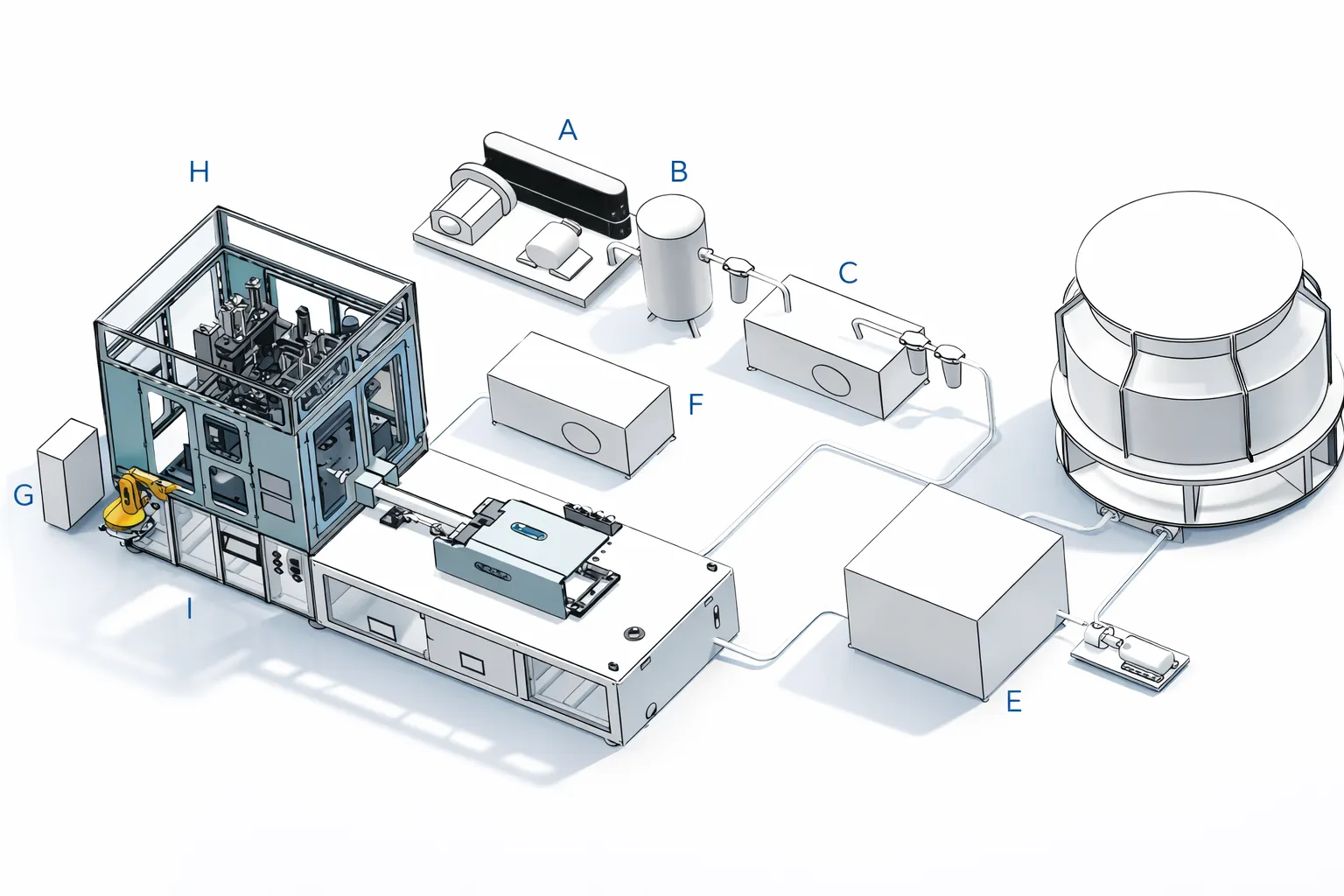
L'HS ISBM (Heat-set ISBM) aumenta la temperatura di distorsione termica effettiva introducendo la cristallizzazione indotta dalla deformazione durante la fase di soffiaggio tramite uno stampo riscaldato. Quando il PET viene soffiato contro una superficie dello stampo a 120-165 °C sotto un'elevata pressione di soffiaggio, le catene di PET vengono simultaneamente orientate (per stiramento) e cristallizzate (dall'energia termica dello stampo). La struttura semicristallina risultante — lamelle cristalline orientate biassialmente intervallate da regioni di catene di collegamento amorfe — ha una temperatura di distorsione termica di 90-98 °C, comodamente al di sopra delle temperature di riempimento a caldo coreane. La scienza dell'orientamento biassiale che rende possibile tutto ciò è descritta nel guida all'orientamento molecolare biassiale.
Il compromesso tra ISBM a caldo e ISBM standard a stampo freddo è un tempo di ciclo significativamente più lungo. Lo stampo riscaldato richiede 3,5-8,0 secondi di permanenza di soffiaggio e mantenimento (contro 1,5-2,5 secondi per la permanenza di raffreddamento dello stampo freddo) per raggiungere la cristallinità richiesta: questo singolo parametro quasi raddoppia il tempo di ciclo per la produzione coreana di HS-PET rispetto alla produzione standard di PET sulla stessa macchina. Comprendere e minimizzare questo costo del tempo di ciclo, pur raggiungendo la cristallinità target, è la sfida ingegneristica centrale dell'ISBM coreano di HS-PET. Il quadro del tempo di ciclo che integra la produzione di HS-PET nel modello di redditività dell'ISBM coreano è al Guida coreana all'ottimizzazione dei tempi di ciclo della ISBM.
2. Meccanismo di cristallizzazione nell'ISBM termoindurente
La cristallizzazione del PET durante il processo ISBM a caldo avviene attraverso un meccanismo a due fasi. Fase 1: cristallizzazione indotta dalla deformazione: quando la preforma di PET viene allungata assialmente (dalla barra) e radialmente (dalla pressione del soffio), le catene molecolari si allineano nella direzione di allungamento biassiale. Quando i segmenti di catena raggiungono un allineamento sufficiente, possono impacchettarsi in lamelle cristalline ordinate: questa cristallizzazione indotta dalla deformazione inizia al di sotto della normale temperatura di cristallizzazione termica (circa 120 °C per il PET) ed è guidata dall'allungamento piuttosto che dalla sola temperatura. Fase 2: cristallizzazione termica: la superficie riscaldata dello stampo (120-165 °C) fornisce energia termica che favorisce l'ulteriore cristallizzazione dei segmenti di catena allungati ma non ancora cristallizzati. La combinazione di cristallizzazione indotta da deformazione e da processo termico produce una cristallinità superiore rispetto a ciascun meccanismo preso singolarmente: ecco perché il PET termofissato raggiunge una cristallinità di 28–38% rispetto ai 20–25% ottenibili con il solo orientamento nel processo ISBM standard a stampo freddo.
Il gradiente di cristallinità attraverso la parete della bottiglia nella produzione coreana di HS-PET è importante: la superficie a contatto con lo stampo cristallizza più della superficie interna della parete (che è a contatto con l'aria soffiata a temperatura ambiente). La cristallinità della parete esterna è tipicamente 32–38% mentre quella della parete interna è 25–30%. Questo gradiente è accettabile per la maggior parte delle applicazioni coreane di riempimento a caldo: la parete esterna fornisce la resistenza alla distorsione termica, mentre la cristallinità leggermente inferiore della parete interna fornisce la flessibilità necessaria per la deflessione del pannello sottovuoto dopo il raffreddamento. Comprendere come la distribuzione dello spessore della parete della preforma influisce sull'uniformità del gradiente di cristallinità attraverso il corpo della bottiglia è in fase di studio. Guida alle basi di progettazione dei preformati ISBM.
3. Ingegneria degli stampi riscaldati: temperatura, fluido termovettore, controllo delle zone
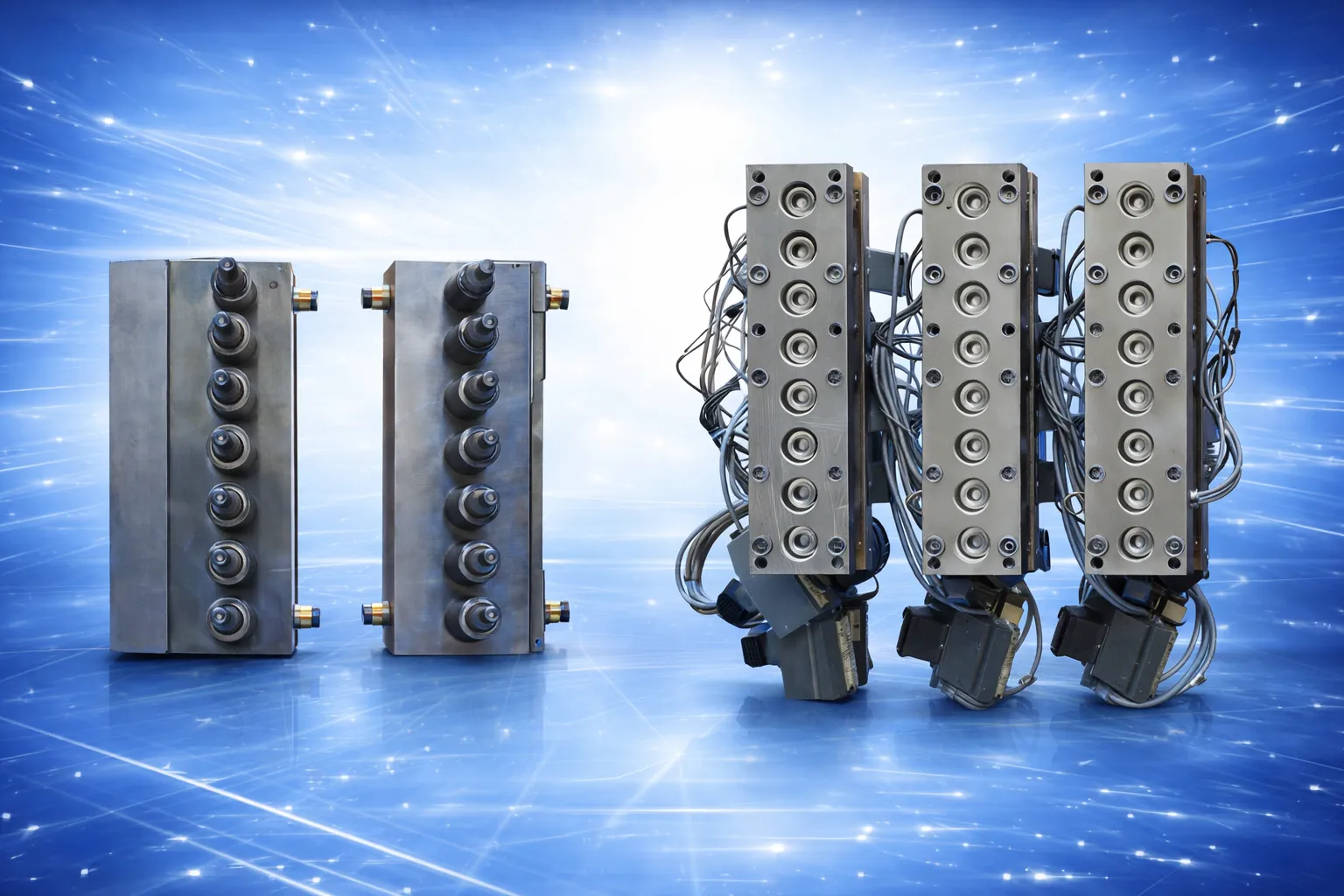
Gli stampi ISBM coreani in HS-PET si distinguono fondamentalmente dalle apparecchiature ISBM standard a stampaggio a freddo per la progettazione del circuito termico. Le apparecchiature ISBM standard a stampaggio a freddo utilizzano acqua refrigerata (8-12 °C) per estrarre il calore dalla bottiglia soffiata; gli stampi a indurimento termico devono riscaldare simultaneamente la superficie della cavità dello stampo a 120-165 °C, garantendo al contempo un raffreddamento controllato dell'inserto del collo (che deve rimanere al di sotto dei 60 °C per evitare la deformazione della finitura del collo) e della base dello stampo (che deve consentire alla base della bottiglia di raffreddarsi adeguatamente per l'estrazione).
Il fluido termovettore standard coreano per gli stampi in HS-PET al di sopra dei 100 °C è un olio termico sintetico pressurizzato (압력 열매유) fatto circolare a una pressione di 1,5–3,0 bar superiore alla pressione di vapore dell'olio alla temperatura di esercizio, impedendo la formazione di vapore nei canali di riscaldamento. I fornitori coreani di olio termico (Mobil Therminol, Paratherm) forniscono olio con una temperatura nominale di servizio continuo di 180 °C, adeguata per le temperature standard dell'HS-PET fino a 165 °C. Il controllo della temperatura dell'olio per gli stampi coreani in HS-PET utilizza in genere un'unità di controllo della temperatura (TCU) dedicata per ogni blocco della cavità dello stampo, garantendo una precisione di controllo di ±2 °C, fondamentale perché una deviazione di ±5 °C nella temperatura dello stampo produce una variazione di cristallinità di ±2%, che è la differenza tra superare e non superare il test del volume ΔV.
Controllo delle zone di stampaggio HS-PET coreano: circuiti termici indipendenti per la zona superiore del corpo (tipicamente 130–145 °C per riempimento a caldo a 85–88 °C), la zona centrale del corpo (140–155 °C per una maggiore cristallinità), la zona di base (125–140 °C – leggermente più fredda del corpo per ridurre al minimo l'opacità indotta dalla cristallinità nella zona di colata) e il circuito di raffreddamento del collo (acqua refrigerata a 8–12 °C che mantiene la superficie dell'inserto del collo al di sotto dei 55 °C durante tutto il ciclo di riscaldamento). Il controllo indipendente delle zone consente di regolare la temperatura dello stampo per ottenere una cristallinità uniforme su tutta l'altezza della bottiglia, il requisito più esigente per le bottiglie di succhi e salse premium coreane a riempimento a caldo, dove il pannello dell'etichetta deve rimanere piatto e dimensionalmente stabile su tutta l'altezza dopo il riempimento a caldo e il raffreddamento.
4. Soffiare e mantenere la posizione: il prezzo del tempo di ciclo del fissaggio termico
La fase di mantenimento della pressione di soffiaggio nel processo ISBM coreano per HS-PET è il tempo durante il quale la bottiglia viene mantenuta ad alta pressione di soffiaggio contro la superficie riscaldata dello stampo, ovvero il periodo durante il quale avviene la cristallizzazione. Questa fase di mantenimento rappresenta la componente più significativa del tempo di ciclo del processo coreano per HS-PET ed è l'obiettivo principale per l'ottimizzazione del tempo di ciclo senza compromettere la cristallinità.
──────────────────────────────────────────────────
Iniezione + mantenimento: 2,8 s
Passaggio alla fase di condizionamento: 0,5 s
Tempo di permanenza del condizionamento: 2,5 s (PET standard: 2,5 s)
Trasferimento alla stazione di soffiaggio: 0,5 s
Pre-soffio + stretching: 0,8 s
Colpo forte + mantenimento (RISCALDATO): 5,5 s (PET standard: 2,0 s ← DIFFERENZA FONDAMENTALE)
Scarico + raffreddamento: 0,8 s
Trasferimento a espulsione + espulsione: 0,8 s
──────────────────────────────────────────────────
Ciclo HS-PET totale: 14,2 s contro PET standard: 10,7 s (+33%)
──────────────────────────────────────────────────
Impatto sul fatturato (6 cava, 55 KRW/bottiglia, 16 ore/giorno):
PET standard: 1.783 milioni di KRW/anno
HS-PET: 1.338 milioni di KRW/anno (−445 milioni di KRW/anno a seguito dell'estensione del periodo di permanenza)
Il costo annuo di 445 milioni di KRW per l'estensione del tempo di permanenza del termofissaggio in questo modello è recuperabile solo se il prezzo contrattuale dell'HS-PET supera il prezzo contrattuale standard del PET di circa 12-15 KRW/bottiglia, cosa che il mercato coreano del riempimento a caldo generalmente supporta (le bottiglie coreane di succhi e salse riempite a caldo in HS-PET hanno un prezzo di 52-75 KRW/bottiglia contro 28-45 KRW per le bevande in PET standard). La redditività economica dell'ISBM coreano in HS-PET dipende quindi interamente dal prezzo contrattuale premium dei marchi coreani di riempimento a caldo, un premio giustificato dalla barriera tecnica all'ingresso (la capacità di processo HS-PET è significativamente più difficile da raggiungere rispetto al PET standard, riducendo il numero di produttori coreani di ISBM in grado di fornirlo). I fattori di selezione delle macchine ISBM coreane per la capacità di termofissaggio, tra cui la predisposizione del circuito dell'olio condizionato della macchina e la temperatura nominale della stazione di soffiaggio, sono nel Guida coreana alla selezione delle macchine ISBM basata su 10 fattori.
5. Progettazione del pannello a vuoto e test di variazione di volume ΔV
Le bottiglie coreane in HS-PET riempite a caldo vengono riempite a 85-96 °C e sigillate. Quando il prodotto si raffredda dalla temperatura di riempimento alla temperatura ambiente (25 °C), il volume del prodotto si contrae di 1,5-3,51 TP3T (a seconda della composizione del prodotto: l'acqua pura si contrae di circa 1,51 TP3T; le bevande contenenti zucchero si contraggono fino a 3,51 TP3T a causa della variazione di densità della soluzione di saccarosio durante il raffreddamento). Questa contrazione di volume crea il vuoto all'interno della bottiglia sigillata: se il corpo della bottiglia è rigido e non può compensare la variazione di volume, la pressione del vuoto interno può raggiungere valori compresi tra -0,5 e -0,9 bar assoluti, sufficienti a deformare permanentemente verso l'interno il pannello dell'etichetta, distorcendola e rendendo la bottiglia visivamente inaccettabile.
I progettisti coreani di bottiglie a riempimento a caldo in HS-PET affrontano questa variazione di volume attraverso pannelli sottovuoto: zone appiattite nella geometria del corpo della bottiglia, progettate per flettersi verso l'interno sotto il carico del vuoto di raffreddamento, compensando la variazione di volume senza distorcere il pannello dell'etichetta o la geometria complessiva della bottiglia. La progettazione dei pannelli sottovuoto nelle bottiglie ISBM coreane in HS-PET è un esercizio di ingegneria geometrica dello stampo: i pannelli devono essere sufficientemente grandi da assorbire l'intera variazione di volume ΔV entro la corsa di deflessione consentita, ma non così grandi da ridurre la rigidità strutturale del corpo al di sotto della specifica di carico dall'alto.
Test ΔV per riempimento a caldo di bottiglie HS-PET coreane: riempire la bottiglia di produzione con acqua a 90 °C, sigillarla con il tappo di produzione, capovolgerla per 30 secondi (sequenza di sterilizzazione con orientamento per riempimento a caldo), rimetterla in posizione verticale e misurare il volume a 25 °C dopo 2 ore. Calcolare ΔV = (V₉₀ − V₂₅)/V₉₀ × 100%. Accettabili: ΔV ≤ 2% per HS-PET standard; ΔV ≤ 1,5% per riempimento a caldo premium con specifiche di planarità del pannello dell'etichetta più rigorose. Le bottiglie che non superano il test ΔV (deformazione del pannello sottovuoto insufficiente ad assorbire l'intera variazione di volume) sono in genere correggibili allargando la geometria del pannello sottovuoto nello stampo, una modifica dello stampo nella gamma KRW 450K–1.2M. L'aspetto difettoso dell'alloggiamento del vuoto non riuscito — distorsione del pannello dell'etichetta verso l'interno — è uno dei difetti specifici del riempimento a caldo presso il Guida pratica ai difetti delle bottiglie ISBM coreane.
6. Differenze di progettazione tra le preforme HS-PET e le preforme PET standard
Le preforme coreane in HS-PET si differenziano dalle preforme standard in PET per tre parametri che il progettista dello stampo deve specificare correttamente. Primo: indice di viscosità (IV) della resina: l'HS-PET richiede un IV ≥ 0,82 dl/g (come il PET CSD) perché la cristallizzazione termica durante il riscaldamento può degradare leggermente l'IV attraverso un'ulteriore scissione delle catene; partire da un IV più elevato garantisce un IV adeguato dopo la cristallizzazione. Il PET standard per acqua naturale con un IV di 0,78 dl/g non è adeguato per la produzione di HS-PET. Secondo: spessore della parete della preforma: le preforme in HS-PET sono in genere 8-121 TP3T più pesanti rispetto alle equivalenti preforme standard in PET per lo stesso volume di bottiglia. Il materiale aggiuntivo garantisce uno spessore della parete adeguato nella geometria del pannello sottovuoto (che richiede più materiale per unità di superficie rispetto a un corpo cilindrico) e nella spalla superiore del corpo (che deve mantenere la rigidità sotto carico dall'alto a caldo a temperature prossime al limite di distorsione termica del materiale).
Terzo: inserto del collo: le finiture del collo delle bottiglie coreane in HS-PET a riempimento a caldo hanno in genere un diametro di 38-43 mm (contro i 28 mm delle bottiglie di acqua naturale coreane) per fornire un'adeguata superficie di tenuta per la chiusura a induzione termica, il sistema di chiusura principale per i marchi coreani di succhi e salse a riempimento a caldo. Il design dell'inserto del collo deve mantenere la precisione dimensionale alle temperature operative più elevate del ciclo di stampaggio HS-PET: la gestione termica della zona del collo (circuito di acqua refrigerata indipendente) deve mantenere la superficie dell'inserto del collo al di sotto dei 55 °C durante tutto il ciclo di riscaldamento. L'ingegneria della finitura del collo ISBM coreana per il riempimento a caldo è strettamente correlata al più ampio quadro ingegneristico coreano della finitura del collo, tenendo presente che l'applicazione a caldo impone requisiti di stabilità termica più stringenti sulla selezione dell'acciaio dell'inserto del collo (acciaio inossidabile 2316 obbligatorio per gli inserti del collo a riempimento a caldo).
7. HS-PET vs PP: La decisione sulla scelta del sistema di riempimento a caldo in Corea
8. Applicazioni e piattaforma di macchinari HS-PET coreani
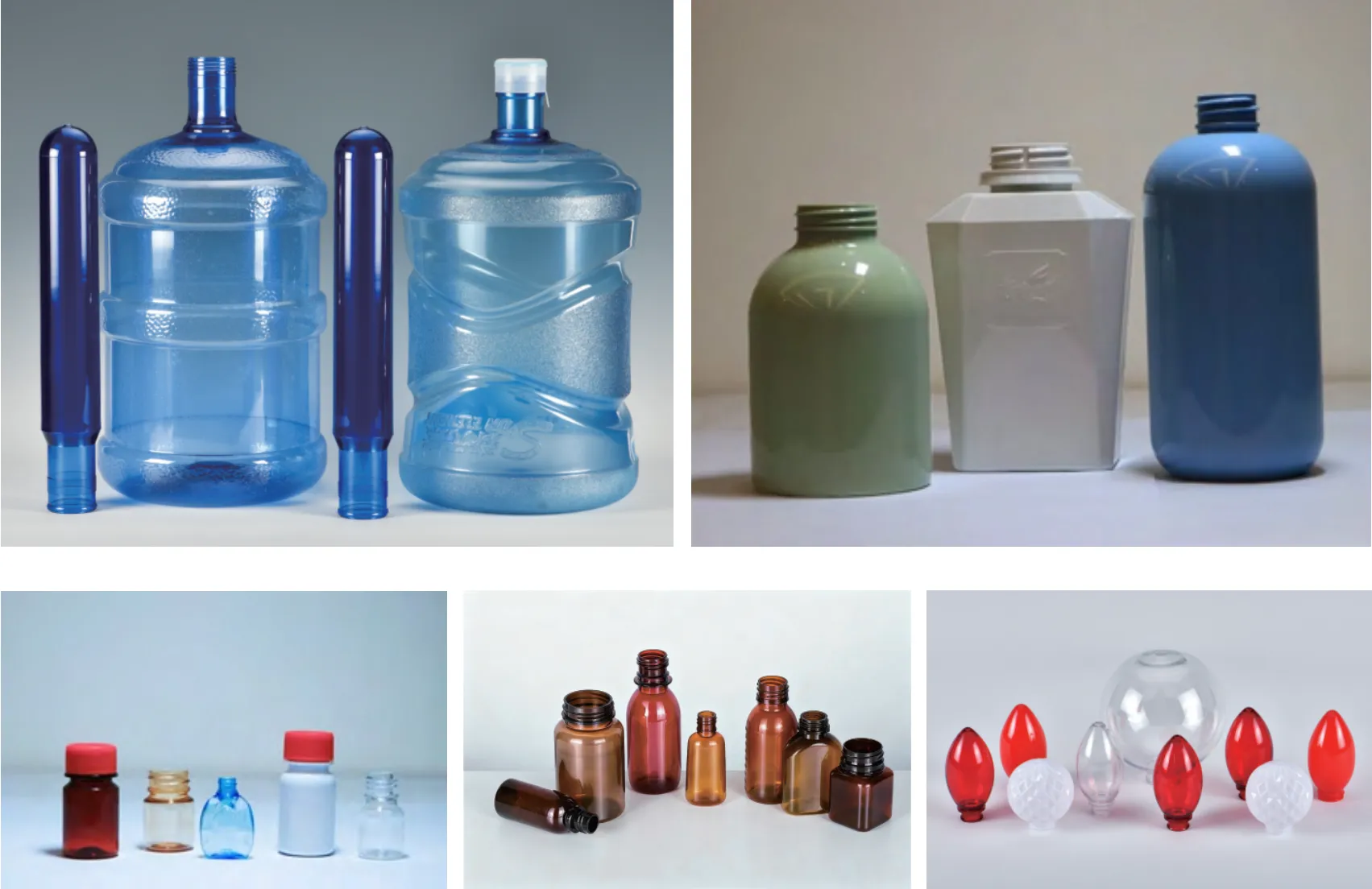
La produzione coreana di ISBM in HS-PET è concentrata in quattro categorie di applicazione: succhi coreani premium (marchi di mela, pera e agrumi coreani 100% da 240-500 ml, inclusi gli imballaggi premium che i marchi coreani di succhi spremuti a freddo hanno adottato dopo il 2021 per competere con le bottiglie di vetro dei marchi di succhi europei nei supermercati premium coreani); tè verde coreano, tè d'orzo e tè di cereali RTD (열차 계열 식음료, 350-500 ml, HS-PET per la trasparenza richiesta dal tè verde e dal tè di cereali trasparenti quando si compete con le RTD in vetro); bevanda coreana a base di estratto di ginseng rosso (홍삼음료, formati in fiale da 30-100 ml in cui la trasparenza rosso-ambra dell'estratto di ginseng concentrato è il segnale visivo di qualità del prodotto); e salse coreane premium per la vendita al dettaglio (salsa gochujang, salsa barbecue coreana e condimenti premium in confezioni da 150-350 ml, dove la trasparenza simile al vetro dell'HS-PET consente un posizionamento premium che il PP trasparente non può raggiungere). La Ever-Power HGY200-V4-EV coreana, con la sua opzione di circuito di condizionamento termico dell'olio, è la piattaforma coreana standard per la produzione di HS-PET: la stazione di condizionamento servoassistita EV controlla la temperatura critica di pre-soffiaggio per l'HS-PET entro ±0,5 °C e il circuito di soffiaggio riscaldato si adatta alla temperatura dell'olio di 120-165 °C necessaria per la cristallizzazione.
Domande frequenti
Supporto tecnico HS-PET
Marchio coreano di acqua calda richiede HS-PET con certificazione di cristallinità?
L'azienda coreana Ever-Power offre la progettazione di stampi HS-PET con controllo della zona dell'olio riscaldato, specifica del target di cristallinità, protocollo di test ΔV, supporto per la certificazione di cristallinità DSC e configurazione della piattaforma HGY200-V4-EV per i contratti ISBM coreani di riempimento a caldo di succhi, tè e salse.
Risorse correlate
Piattaforma HS-PET
Ever-Power HGY200-V4 coreano
Piattaforma servoassistita EV con opzione circuito di riscaldamento stampo HS-PET: olio termico a 120–165 °C, raffreddamento indipendente del collo, programmazione del tempo di permanenza con soffiaggio e mantenimento.
Gamma di macchine
Poligono di tiro ISBM a 4 stazioni
Tutte le piattaforme coreane Ever-Power HGY-V4 sono disponibili con kit di conversione per stampi riscaldati HS-PET per un funzionamento a temperature comprese tra 120 e 165 °C.
Selezione della macchina
Guida alla selezione delle macchine basata su 10 fattori
Capacità HS-PET — Fattore 6 nel quadro di selezione delle macchine ISBM coreane: circuito di stampaggio riscaldato, controllo della temperatura della zona di stampaggio, precisione del timer di permanenza.