Applicazione della norma ISBM · Imballaggi biologici e naturali · 2026
ISBM per il biologico coreano e
Confezionamento di prodotti naturali
Nel 2025, il mercato coreano dei prodotti di consumo biologici e naturali ha raggiunto i 4.100 miliardi di won coreani. Per i produttori di imballaggi ISBM, questo mercato richiede qualcosa che gli imballaggi standard non possono offrire: un packaging che comunichi in modo credibile la naturalità attraverso la scelta dei materiali, il colore e la sostenibilità certificabile, pur rispettando gli stessi standard dimensionali e di idoneità al contatto con gli alimenti di qualsiasi imballaggio di alta gamma.
K-EPR 10–30% rPET Ready
Masterbatch di tonalità terrose
Perché gli imballaggi “naturali” rappresentano un’opportunità ISBM
Il consumatore coreano di prodotti biologici e naturali non si limita ad acquistare un prodotto, ma sta affermando la propria identità. Quando un consumatore coreano spende 32.000 won per un olio viso naturale da 200 ml anziché 8.000 won per un prodotto standard equivalente, il packaging contribuisce direttamente a giustificare tale acquisto. Un design della confezione che compromette la naturalità del prodotto – plastica lucida stampata a iniezione con tappi cromati, flaconi dalla geometria generica identica a quella dei prodotti di massa – distrugge il posizionamento premium del prodotto, anche se la formulazione lo giustificherebbe pienamente.
I produttori coreani di ISBM che comprendono questa dinamica possono fornire i valori di packaging specifici richiesti dai marchi coreani biologici e naturali: bottiglie in PETG con finitura opaca e silhouette artigianale, PET ambrato che comunica la purezza degli ingredienti, imballaggi in rPET con la percentuale di contenuto riciclato certificato stampata sull'etichetta e contenitori in Tritan che comunicano la sicurezza dell'assenza di BPA per le linee di prodotti per la famiglia e per l'infanzia. Queste sono tutte capacità dei prodotti ISBM, ma ognuna richiede una conoscenza specifica della produzione che l'esperienza standard nella produzione ISBM di bevande o prodotti per la cura della persona non fornisce automaticamente.
Panoramica del mercato
2. La certificazione COSMOS e il suo significato per gli imballaggi ISBM coreani
COSMOS (Cosmetics Organic Standard) è la principale certificazione internazionale per i cosmetici biologici e naturali, gestita da AISBL (un'organizzazione belga senza scopo di lucro). Oltre 180 marchi di cosmetici coreani possiedono la certificazione COSMOS o la stanno conseguendo entro il 2026, spinti dai requisiti di esportazione per i mercati dell'UE, del Regno Unito e del Nord America, dove la certificazione COSMOS o equivalente è un prerequisito per il posizionamento sul mercato dei prodotti di bellezza naturali.
COSMOS non impone requisiti specifici per i materiali di imballaggio del contenitore esterno, concentrandosi piuttosto sugli standard relativi agli ingredienti e alla formulazione. Tuttavia, le linee guida del marchio COSMOS (il documento tecnico che accompagna la certificazione) specificano che l'imballaggio deve essere "compatibile con l'impegno ambientale del marchio" e raccomandano l'utilizzo di materiali riciclabili ove possibile. L'obbligo più vincolante per i marchi coreani certificati COSMOS deriva dalla loro comunicazione di marca piuttosto che dallo standard stesso: un marchio che si presenta come "pulito" o "naturale" è soggetto al vaglio di consumatori e rivenditori per ogni scelta di imballaggio, inclusi il tipo di plastica, la riciclabilità e l'eventuale presenza di materiale riciclato. 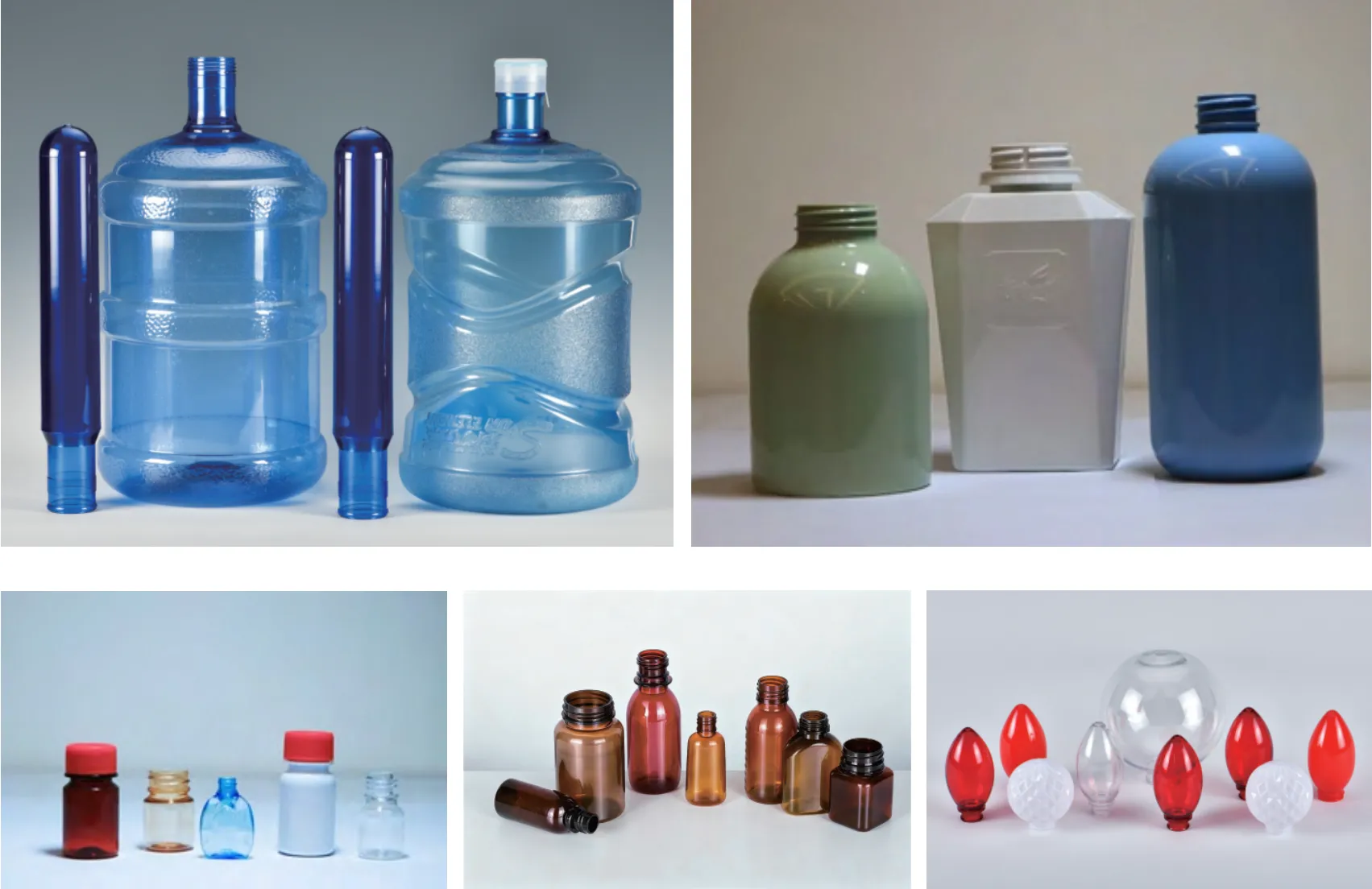
Per i produttori coreani di ISBM che riforniscono clienti COSMOS o di marchi naturali, gli obblighi pratici relativi all'imballaggio sono: (1) documentazione di conformità KFDA per il contatto con gli alimenti con tutte le certificazioni (come per i cosmetici premium standard); (2) documentazione di riciclabilità che attesti che la bottiglia è prodotta in PET o PETG riciclabile con riciclabilità a domicilio nel sistema EPR coreano; (3) certificazione del contenuto di rPET laddove il marchio incorpori il contenuto riciclato nelle proprie dichiarazioni di sostenibilità dell'imballaggio; e (4) dichiarazione di assenza di BPA (tutto il PET e il PETG ISBM sono intrinsecamente privi di BPA, ma la documentazione deve essere esplicita per l'uso da parte di marchi naturali). I produttori coreani di ISBM dovrebbero preparare un "Pacchetto di documentazione per l'imballaggio di marchi naturali" che raggruppi tutte e quattro queste tipologie di documenti in un pacchetto di conformità chiavi in mano per i clienti di marchi naturali, riducendo l'onere documentale per il marchio e differenziando il produttore di ISBM dai concorrenti che forniscono solo le bottiglie senza la documentazione.
3. Imballaggi in rPET per marchi biologici coreani: dichiarazioni, conformità e produzione
Nel 2026, il contenuto di PET riciclato rappresentava l'indicatore di sostenibilità più rilevante dal punto di vista commerciale per i marchi coreani di prodotti naturali. I consumatori coreani riconoscevano l'etichetta "PCR-PET" (PET riciclato post-consumo) come un segnale di sostenibilità credibile, ben più di vaghe dichiarazioni di "ecocompatibilità" prive di prove concrete. I marchi coreani di prodotti naturali e biologici che indicavano una percentuale specifica di rPET sulle proprie confezioni (ad esempio, "Prodotto con PET riciclato 30%") godevano di un vantaggio tangibile in termini di vendite sugli scaffali, sia nel mercato interno coreano che in quello delle esportazioni.
Per i produttori coreani di ISBM, la fornitura di bottiglie contenenti rPET ai clienti di marchi naturali richiede il quadro completo di gestione della produzione di rPET dettagliato nel Guida coreana alla lavorazione del PET rPET K-EPR.Gestione IV, regolazione del protocollo di essiccazione, verifica della processabilità per ogni rapporto di miscelazione e documentazione delle prestazioni qualitative. Il requisito di documentazione aggiuntivo per i clienti del marchio naturale è la catena di certificazione del contenuto di rPET: la percentuale di contenuto di rPET deve essere tracciabile dal certificato del riciclatore, attraverso la bolla di consegna del fornitore di resina, la registrazione del lotto del produttore ISBM, fino al lotto di bottiglie finite. Questa catena di tracciabilità è ciò che consente al marchio naturale coreano di stampare una specifica indicazione percentuale sulla propria confezione con supporto documentale.
L'interazione tra l'inclusione di rPET e l'estetica naturale richiesta dai marchi biologici coreani necessita di un'attenta gestione. I masterbatch di colore terra (verde salvia, terracotta caldo, beige naturale, bianco avena) sono comunemente specificati dai marchi naturali coreani, e la naturale tendenza giallastra dell'rPET modifica il valore b* in modi che influenzano queste tonalità terra più dei colori brillanti e saturi. Una miscela 30% di rPET con una concentrazione di masterbatch verde salvia pari a 0,6% produrrà un risultato visibilmente diverso (più giallo-olivastro) rispetto allo stesso masterbatch con una concentrazione di rPET pari a 0,%. I produttori coreani di ISBM devono riqualificare gli standard cromatici per ogni livello di inclusione di rPET, anziché presumere che le approvazioni dei colori per PET vergine si trasferiscano automaticamente alla produzione di miscele con rPET.
4. Resine di origine biologica e alternative: la realtà del mercato coreano nel 2026
I marchi coreani di prodotti naturali spesso si informano sul PET di origine biologica (bio-PET, derivato dall'etanolo della canna da zucchero anziché dal petrolio) e sul PLA (acido polilattico, un biopolimero compostabile) come materiali di imballaggio che rafforzerebbero la loro immagine di naturalità. La realtà della produzione coreana di imballaggi solidi e biodegradabili nel 2026 è complessa: il bio-PET è effettivamente una soluzione praticabile; la produzione di imballaggi solidi e biodegradabili in PLA su scala commerciale in Corea presenta invece notevoli limitazioni.
5. Estetica del packaging che comunica naturalezza: tonalità terrose e finiture superficiali
Nel 2026, il packaging dei marchi coreani di prodotti naturali utilizza un linguaggio visivo riconoscibile – tonalità della terra, superfici opache o satinate, silhouette semplici senza rilievi decorativi – che comunica naturalità ai consumatori coreani, abituati da anni di comunicazione dei marchi K-Beauty. Le principali famiglie di colori utilizzate dai marchi biologici coreani nelle specifiche ISBM delle loro bottiglie sono:
Verde salvia/erba aromatica
L* 62–72, a* −12 a −18, b* +8 a +14. Verde ftalocianina + ossido giallo con un carico di 0,4–0,7%. Comunica il contenuto botanico, prodotto erboristico.
Ambra naturale calda
L* 45–58, a* da +8 a +18, b* da +22 a +35. Ocra di ossido di ferro con un carico di 0,6–1,2%. Segnale naturale intenso; fornisce anche attenuazione UV per ingredienti naturali fotolabili.
Avena / Bianco Lino
L* 78–88, a* −1 a +2, b* da +4 a +10. TiO₂ a basso carico (0,8–1,2%) con una tendenza al giallo caldo. Estetica naturale premium sobria senza opacità completa.
Ardesia / Grigio-blu
L* 45–60, a* −3 a −8, b* −8 a −15. Nero di carbonio + blu ftalocianina a 0,5–0,9%. Comunica il posizionamento del prodotto di origine minerale/acquosa; in crescita nella cosmesi naturale coreana.
La finitura superficiale opaca satinata, ottenuta tramite sabbiatura della parete della cavità dello stampo per soffiaggio ISBM fino a Ra 1,0–1,8 μm, è il segnale di "naturalità" più efficace a disposizione dei produttori coreani di ISBM senza ulteriori fasi di lavorazione. Una bottiglia in PETG satinata color verde salvia costa solo il sovrapprezzo per il trattamento superficiale dello stampo (800.000–2 milioni di KRW per stampo, applicato una sola volta), ma ottiene prezzi contrattuali significativamente più elevati dai marchi coreani di prodotti naturali rispetto allo stesso modello di bottiglia con finitura lucida standard. La selezione della resina PETG che consente il miglior aspetto opaco dopo il trattamento di sabbiatura e il compromesso critico tra trasparenza e opacità nelle bottiglie traslucide color terra sono trattati nel Guida alla scelta tra resina PET e PETG.
6. Specifiche per l'imballaggio di alimenti naturali e biologici coreani
I prodotti alimentari biologici certificati coreani (유기농 인증) utilizzano bottiglie ISBM per oli spremuti a freddo, aceto naturale, salse biologiche e bevande salutari fermentate. I requisiti di confezionamento differiscono da quelli degli alimenti coreani convenzionali in due aspetti importanti: la certificazione biologica richiede che tutti i materiali di imballaggio siano documentati come non contaminanti (nessuna migrazione di plastificanti, nessuna perdita di colore nel prodotto) e la comunicazione di marketing richiede un imballaggio che supporti visivamente il posizionamento di prezzo premium rispetto alle alternative convenzionali sullo stesso scaffale.
Le bottiglie ISBM per alimenti biologici coreani sono generalmente in PET trasparente o leggermente colorato, con volumi compresi tra 250 ml e 750 ml, collo con profilo GPI da 28 mm a 38 mm e sigillatura con lamina a induzione per garantire la prova di manomissione e prolungare la durata di conservazione. L'ente coreano di certificazione degli alimenti biologici (한국유기농업협회 e GAP Korea) non impone certificazioni specifiche per gli imballaggi al di là della conformità alle normative KFDA per il contatto con gli alimenti, ma i rivenditori coreani di alimenti biologici (Hanssem, Orga, Coupang Fresh Organic) conducono i propri audit di qualità sui fornitori, che includono la revisione della documentazione relativa ai materiali di imballaggio.
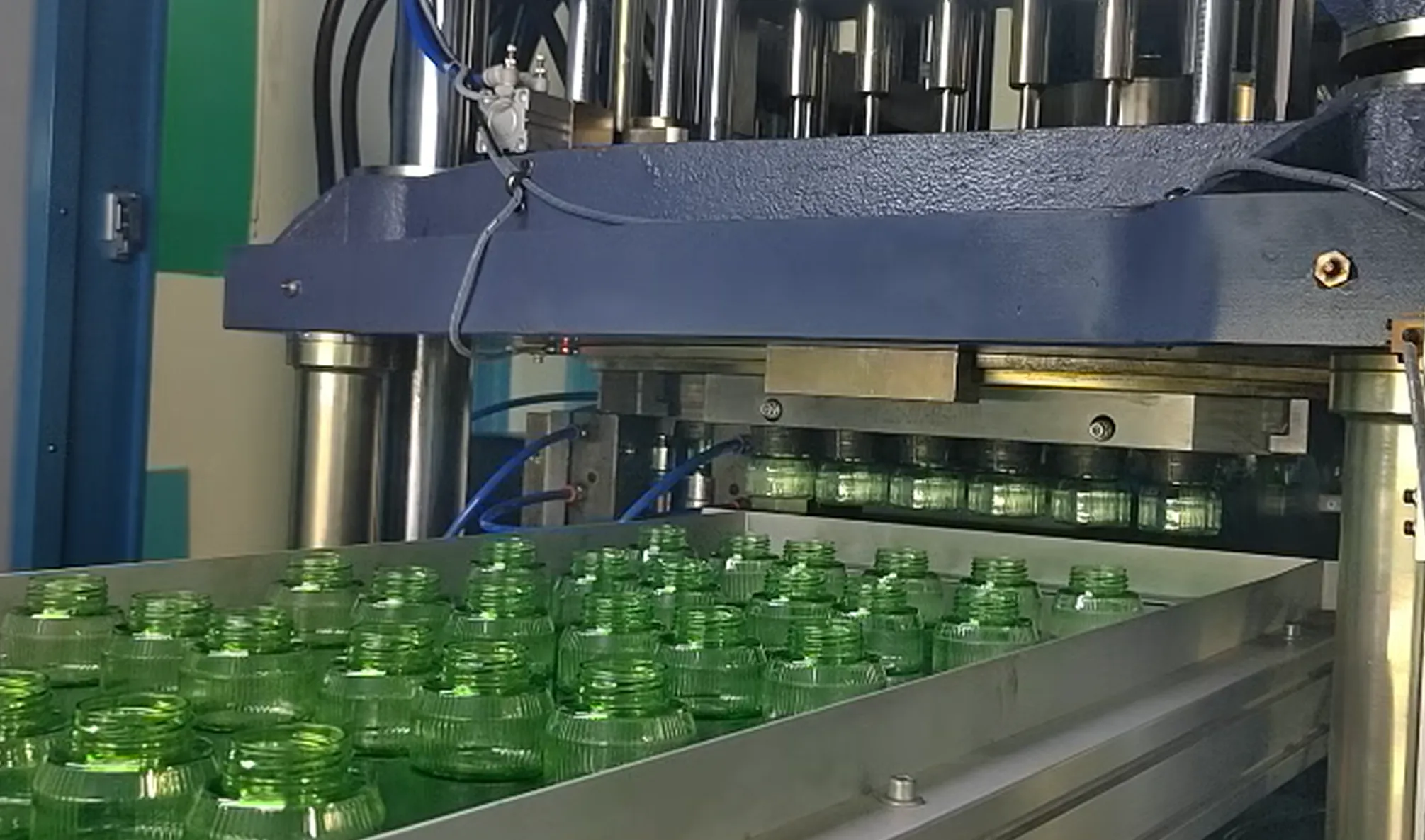
La scala di produzione per le bottiglie ISBM di alimenti biologici coreani si colloca in genere nell'intervallo di unità annuali da 300.000 a 2 milioni per SKU: il mercato alimentare biologico coreano è premium ma ancora di nicchia rispetto ai volumi alimentari convenzionali. Questa frammentazione degli SKU rende l'economia della produzione multi-SKU discussa nel Guida alla produzione ISBM per imballaggi alimentari coreani Particolarmente rilevante: i produttori di ISBM per alimenti biologici necessitano di efficienza nel cambio stampo e di capacità multi-resina per servire in modo redditizio il portafoglio di referenze.
7. Affermazioni di sostenibilità, prezzi contrattuali e ROI per il marchio coreano di prodotti naturali ISBM
Gli imballaggi per marchi naturali coreani spuntano prezzi contrattuali superiori di 40-901 TP3T rispetto agli imballaggi convenzionali equivalenti: un sovrapprezzo dovuto alla combinazione di resine di alta qualità (PETG, Tritan, bio-PET, rPET), specifiche più elevate (tolleranze di colore più strette, finitura superficiale di alta qualità, oneri di documentazione) e volumi di produzione inferiori che aumentano i costi generali per unità. Il ritorno sull'investimento (ROI) per gli investimenti coreani ISBM nel segmento dei marchi naturali è elevato, ma richiede un'attenta pianificazione dei volumi.
Un produttore coreano di ISBM (Inter-Services Manufacturing Machinery) che punta al segmento dei marchi naturali con una linea di produzione dedicata HGY200-V4 EV a 4 cavità dovrebbe pianificare un approccio multimarca: servire da 8 a 15 marchi naturali coreani nei settori della cosmesi coreana, degli alimenti biologici e degli integratori alimentari, aggregando i volumi dei singoli SKU (da 300.000 a 2 milioni di unità ciascuno) in un utilizzo combinato della linea di produzione di 8-12 milioni di unità all'anno. Con un prezzo medio contrattuale di 85-150 KRW per l'intero mix di SKU dei marchi naturali, il profilo di ricavi e margini è sostanzialmente migliore rispetto a volumi equivalenti nella produzione di bevande o prodotti per la cura della persona.
Il quadro completo del ROI dell'investimento per questo tipo di strategia ISBM premium specializzata, che tiene conto dell'ammortamento delle macchine, del costo del portafoglio di stampi, delle spese generali di documentazione e dei prezzi dei contratti premium, è modellato nel Guida al calcolatore del ROI per le macchine ISBM coreanePer il mercato ISBM di marchi naturali, con prezzi realistici per il mercato coreano nel 2026, i periodi di ammortamento tipici sono di 22-30 mesi, più rapidi rispetto al mercato ISBM standard delle bevande, dove i prezzi delle materie prime comprimono i margini nonostante i volumi più elevati.
8. Affermazioni relative all'assenza di BPA e alla sicurezza per i bambini nei prodotti naturali coreani
Un segmento significativo dei prodotti biologici e naturali coreani si rivolge alle famiglie con bambini piccoli: alimenti biologici per neonati, integratori naturali per bambini, prodotti per la cura dei bambini senza sostanze chimiche. In questo segmento, l'imballaggio senza BPA non è solo una preferenza, ma un criterio di acquisto non negoziabile. Tutte le bottiglie ISBM in PET e PETG sono intrinsecamente prive di BPA (il BPA è un componente del policarbonato, non del poliestere), ma la dichiarazione di assenza di BPA deve essere esplicita nella documentazione del fornitore e idealmente stampata sulla bottiglia stessa per le categorie di prodotti per famiglie coreane. Per i marchi naturali coreani che si rivolgono alla categoria di prodotti per bambini e che desiderano Tritan (il copoliestere di Eastman, che offre eccezionale trasparenza e resistenza alle cadute oltre allo stato di assenza di BPA), Guida alla produzione di Tritan ISBM copre i parametri di elaborazione e il percorso di certificazione. Tritan ottiene il prezzo contrattuale unitario più alto nel packaging dei prodotti naturali coreani per la famiglia — KRW 120–200 per flacone in volumi da 200–500 ml — rendendolo la categoria di prodotto ISBM con il margine più alto disponibile per i produttori coreani di packaging per marchi naturali nel 2026. Il contesto K-Beauty per la strategia di packaging dei marchi naturali è trattato nel Guida alla produzione ISBM di K-Beautyche affronta le problematiche relative alle certificazioni e al posizionamento sovrapposti dei marchi coreani di cosmetici naturali.
Domande frequenti
Supporto per il packaging di marchi naturali
Stai pensando di creare una linea di packaging per un marchio coreano di prodotti biologici e naturali?
L'azienda coreana Ever-Power fornisce pacchetti di documentazione per rPET, supporto per la qualificazione di masterbatch con tonalità terrose, trattamento superficiale satinato per stampi e pacchetti completi di documentazione per la certificazione per i contratti di imballaggio di marchi coreani di prodotti biologici e naturali.
Risorse correlate
Gamma di macchine
Poligono di tiro ISBM a 4 stazioni
Piattaforme EV interamente servoassistite per la lavorazione del rPET, la produzione di PETG nei toni della terra e le linee di prodotti della famiglia Tritan senza BPA.
Pacchetto di marchi naturali
Ever-Power HGY200-V4 coreano
Sistema multi-resina a 4 stazioni per la produzione multi-SKU di marchi naturali: PET, PETG, bio-PET, Tritan su un'unica piattaforma.
Guida agli utensili
Guida alla selezione degli stampi ISBM
Decisioni relative al trattamento superficiale dello stampo satinato, alla specifica Ra della sabbiatura e alla qualificazione dello stampo per i colori terrosi.