PULIZIA PAVIMENTI IBM · DISINFETTANTE HDPE · COLLO A GRILLETTO · COREA SERIE EVER-POWER ZQ
Pulitore per pavimenti IBM:
Detergente per la casa Guida alla produzione di bottiglie
IBM, azienda coreana specializzata in detergenti per pavimenti e superfici, offre una gamma di flaconi in HDPE da 300 a 750 ml per detergenti concentrati, ricariche spray e disinfettanti multisuperficie. La precisione del collo a grilletto 28/400 di IBM, la resistenza chimica dell'HDPE di grado disinfettante e l'assenza di infiammabilità alla base soddisfano i requisiti nazionali coreani per gli imballaggi dei marchi di prodotti per la pulizia. Questa guida illustra la compatibilità chimica dell'HDPE con le formulazioni coreane di disinfettanti e candeggina, gli standard per i colli a spruzzo e la selezione della serie ZQ.
Resistenza ai QAC disinfettanti
Gamma di formati IBM da 300 a 750 ml
KOREA EVER-POWER · ANSAN-SI, GYEONGGI-DO · LUGLIO 2026
RIFERIMENTO DI PROCESSO · DETERGENTE PER PAVIMENTI COREANO PARAMETRI CHIAVE IBM
DIMENSIONE DEL COLLO DEL TRIGGER
±0,05 mm
28/400 IBM stampato a iniezione — innesto filettatura pompa a grilletto per spruzzatore a grilletto detergente per pavimenti coreano
Disinfettante QAC
0,1–2%
Concentrazione di composti di ammonio quaternario: detergente per pavimenti coreano con proprietà disinfettanti; compatibile con HDPE in questo intervallo.
BLEACH LIMIT
< 0,5%
NaOCl in contenitori IBM in HDPE — NaOCl superiore a 0,5%, richiesto in contenitori IBM in PP o EBM in HDPE con grado stabilizzato
Uscita ZQ60 a 500 ml
~8.800/ora
8 cavità · 4,9 s · ~30,8 milioni di unità/anno - Benchmark coreano su 2 turni
SEZIONE 01
Panoramica del mercato dei detergenti per pavimenti coreani IBM
Il detergente coreano per pavimenti e superfici IBM si rivolge a un mercato di contenitori distinto in cui convergono tre fattori per rendere IBM il processo di produzione preferito rispetto a EBM: precisione del collo dello spruzzatore a grilletto (28/400 GPI, ±0,05 mm per un montaggio del gruppo grilletto senza perdite), compatibilità chimica dell'HDPE con le formulazioni disinfettanti coreane (composti di ammonio quaternario a 0,1–2%) e requisiti estetici per l'imballaggio dei marchi di pulizia coreani (nessuna linea di separazione del corpo sulle bottiglie di detergente per superfici coreane trasparenti o traslucide). Il contesto completo del detergente per la casa coreano IBM è disponibile all'indirizzo Prodotti chimici per la casa, guida IBM.
| TIPO DI PRODOTTO | FORMATO | COLLO | FORMULAZIONE pH | MOTIVAZIONE DI IBM |
|---|---|---|---|---|
| Ricarica spray multi-superficie | 500–750 ml | 28/400 | 7–9 | Collo del grilletto ±0,05 mm — IBM elimina le perdite del grilletto nella linea di riempimento di un marchio coreano di prodotti per la pulizia. |
| Detergente concentrato per pavimenti | 300–500 ml | 28/400 a ribalta | 7–10 | Elevato tensioattivo (15–25% AES/LAS) — HDPE ESCR a basso MI critico |
| Detergente disinfettante per pavimenti ★ | 500–750 ml | 28/400 | 7–9 | Disinfettante QAC 0.1–2% — HDPE compatibile con IBM; la registrazione del biocida presso il MFDS coreano richiede la documentazione di compatibilità del contenitore. |
| detergente per piastrelle del bagno | 300–500 ml | 28/400 | 2–5 (acido) | Acido (citrico, fosforico) — Compatibile con HDPE IBM; stessa considerazione sulla stabilità antiossidante dell'ammorbidente a basso pH |
| Detergente per pavimenti a base di candeggina | 500–750 ml | 28/400 | 10–12 (NaOCl) | NaOCl superiore a 0,5% — PP IBM preferibile rispetto a HDPE. HDPE IBM solo per formulazioni sbiancanti con NaOCl pari o inferiore a 0,5% con HDPE stabilizzato. |
★ Il detergente disinfettante per pavimenti con QAC (cloruro di benzalconio / cloruro di didecildimetilammonio a 0,1–2%) è la categoria di detergenti per pavimenti IBM con la maggiore crescita in Corea dopo il 2020: il cambiamento delle abitudini di disinfezione domestica in Corea a partire dal periodo COVID-19 ha generato una domanda sostenuta di detergenti disinfettanti multisuperficie in formato spray ricaricabile da 500 ml, che la precisione del collo del grilletto IBM rende strutturalmente superiore a EBM.
SEZIONE 02
Resistenza chimica dell'HDPE: disinfettanti e candeggina
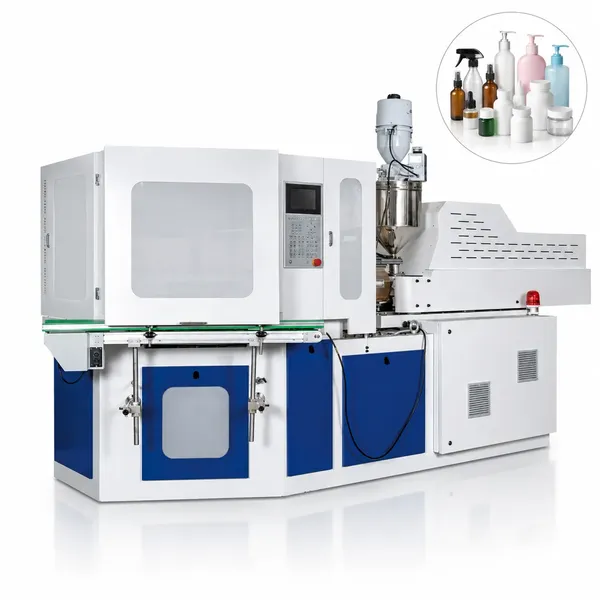
COMPATIBILITÀ CHIMICA DEL DETERGENTE PER PAVIMENTI COREANO — IDONEITÀ DEL CONTENITORE IBM IN HDPE
Tensioattivi (LAS, AES, AEO)
15–25% AES/AEO a pH 7–9. Stesso requisito ESCR del detersivo per piatti: HDPE a basso MI (0,5–1,0) richiesto. F50 ≥ 200h ASTM D1693.
Disinfettante QAC (BKC, DDAC)
0,1–2% ammonio quaternario a pH 7–9. L'ESCR dell'HDPE al QAC è moderato — minore aggressività dell'ESCR rispetto al LAS a concentrazione comparabile. HDPE standard a basso MI grado IBM adeguato.
Acido citrico/fosforico (pH 2–5)
Detergente acido coreano per piastrelle e calcare. L'HDPE è chimicamente resistente agli acidi organici e inorganici diluiti a queste concentrazioni. Nessun problema di ESCR dovuto al solo acido: monitorare la stabilità antiossidante in caso di esposizione prolungata a pH 2.
Candeggina NaOCl a 0,1–0,5%
Detergenti per pavimenti coreani a bassa concentrazione di candeggina (0,1–0,5% NaOCl). HDPE IBM accettabile con HDPE stabilizzato con candeggina (pacchetto antiossidante ottimizzato per ambienti ossidativi). Verificare con il fornitore coreano di HDPE. Durata di conservazione prevista ≤ 18 mesi.
Candeggina NaOCl sopra 0,5%
Detergente coreano a base di candeggina per pavimenti e bagno con NaOCl a concentrazione compresa tra 0,5 e 0,3% — HDPE IBM non raccomandato. L'ipoclorito di sodio (NaOCl) ossida il pacchetto antiossidante dell'HDPE e le estremità delle catene sulla superficie della bottiglia, causando fragilità e fessurazioni da stress. Al di sopra di 0,5% di NaOCl, è richiesto PP IBM o HDPE EBM stabilizzato.
Il limite di compatibilità chimica per i detergenti per pavimenti coreani IBM è quindi determinato dal contenuto di candeggina, non dal contenuto di tensioattivi o disinfettanti. Tutti i detergenti per pavimenti coreani senza candeggina (solo tensioattivi, disinfettanti QAC, enzimi, acidi) sono compatibili con HDPE IBM standard a basso indice di miscuriosità (MI) di grado ESCR. La concentrazione di candeggina è l'unico parametro chimico che determina se è necessario un contenitore in HDPE IBM, in PP IBM o un sistema di contenitori diverso.
SEZIONE 03
Standard del collo di spruzzo del grilletto e precisione IBM
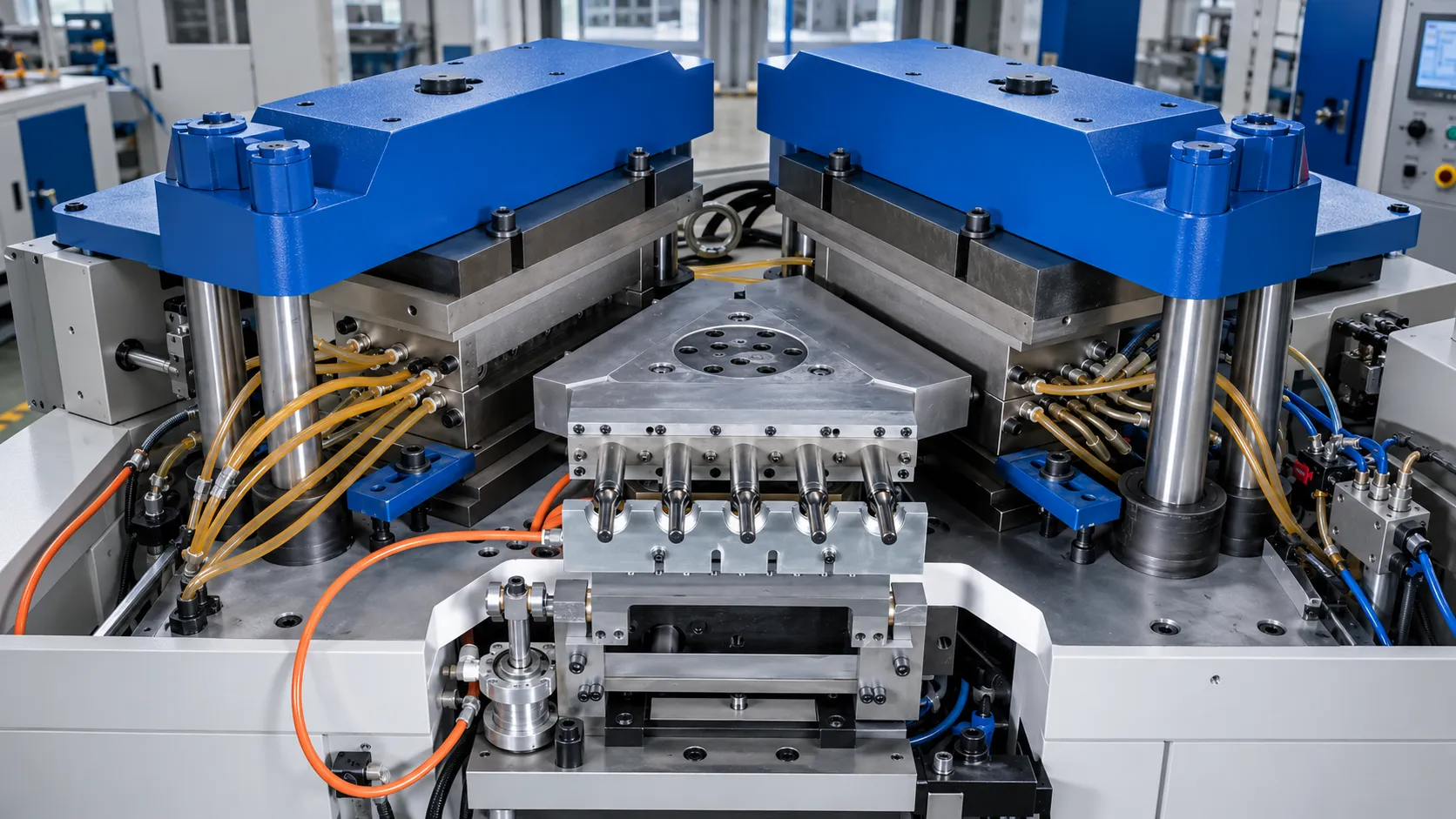
Specifiche del collo del grilletto 28/400 GPI
OD Nominale
28,0 mm · Intervallo 27,92–28,08 mm GPI
IBM raggiunge ±0,05 mm per cavità, entro l'intervallo GPI su tutte le cavità. EBM ±0,20–0,30 mm, al limite dell'intervallo GPI su alcune cavità, producendo eventi di perdita intermittenti.
Profondità di innesto della filettatura
Impegno minimo della filettatura di 14 mm
La pompa a spruzzo a grilletto coreana richiede 3 giri completi di filettatura 28/400 per un assemblaggio sicuro: il profilo della filettatura stampato a iniezione di IBM mantiene una profondità di innesto costante in tutte le cavità. La variazione della profondità della filettatura EBM produce una coppia di accoppiamento del grilletto non uniforme sulla linea di riempimento coreana.
Compatibilità del tubo di pescaggio
Precisione dell'altezza del contenitore ±1 mm per la lunghezza del tubo di pescaggio
Il tubo di pescaggio della pompa a spruzzo a grilletto coreana viene tagliato all'altezza del contenitore durante l'assemblaggio: l'altezza del contenitore IBM ±0,5 mm mantiene una distanza tra il fondo del tubo di pescaggio e la base del contenitore di 3-5 mm per un'erogazione di spruzzo costante fino agli ultimi 5-8% del volume della formulazione.
Cause principali delle perdite di spray a grilletto: IBM vs EBM
La perdita di liquido dalla pompa a spruzzo del detergente per pavimenti coreano, in corrispondenza dell'interfaccia filettata tra il collo e la pompa, è una categoria di reclami documentata dai consumatori coreani per i contenitori di detergente per pavimenti EBM, che genera problemi di qualità del marchio coreano quando i consumatori coreani riscontrano perdite di detergente sotto il lavandino o nei carrelli della spesa dei supermercati coreani. Tre cause principali sono direttamente correlate alla variabilità del collo EBM, che IBM elimina:
01
OD del collo fuori range: Il diametro esterno del collo EBM a ±0,20–0,30 mm produce alcune cavità con diametro esterno inferiore a 27,92 mm (GPI minimo) — La pompa a grilletto coreana non raggiunge il pieno innesto della filettatura, perde all'interfaccia collo-pompa entro 100–200 attivazioni del grilletto.
02
Arco di chiusura del collo: L'irregolarità della superficie di tenuta superiore del collo EBM (dovuta alla non uniformità della temperatura del preformato nella zona del collo durante il soffiaggio) produce una curvatura della superficie di tenuta di 0,05–0,15 mm, insufficiente a impedire la risalita capillare della formulazione del detergente per pavimenti attraverso il contatto con la guarnizione della pompa.
03
Ovalizzazione del diametro esterno della filettatura: Il diametro esterno della filettatura del collo EBM è occasionalmente non circolare (ovale) a causa di una soffiatura non uniforme della preforma: il collo ovale non si innesta in modo uniforme sulla filettatura circolare della pompa a grilletto coreana, creando due zone di perdita in corrispondenza dell'asse minore.
SEZIONE 04
IBM contro EBM per i contenitori di detergenti per pavimenti coreani
| CRITERIO | IBM | EBM | CONTESTO DEL DETERGENTE PER PAVIMENTI |
|---|---|---|---|
| Precisione del diametro esterno del collo del grilletto | ±0,05 mm | ±0,20–0,30 mm | Tolleranza GPI 28/400 ±0,08 mm. IBM entro i limiti su tutte le cavità. EBM al limite GPI sulle cavità peggiori: risultato degli eventi di perdita del trigger coreano. |
| Linea di separazione del corpo | Nessuno | Lunghezza intera | Flaconi trasparenti/traslucidi di detersivo per pavimenti coreano di alta qualità: la linea di separazione del corpo è visibile sotto la luce degli scaffali dei negozi coreani — criterio di esclusione per i marchi coreani destinati al canale premium. |
| Stabilità della base | ±0,2 mm piatto | Arco di saldatura | Ricarica di detergente spray per pavimenti coreano conservata sotto il lavello coreano: la base instabile sulla superficie irregolare del mobiletto idraulico ha causato lamentele da parte dei consumatori coreani. |
| contaminazione da detriti di flash | Zero | Particelle di rifinitura | Detergente disinfettante coreano per pavimenti. Registrazione MFDS coreana: il contenitore deve essere privo di materiale estraneo. L'architettura IBM zero trim soddisfa questo requisito; EBM trim aggiunge oneri di documentazione relativi al rischio di conformità. |
| Maniglia (formato grande) | Nessuna maniglia integrata | Maniglia integrata | Detergente per pavimenti coreano da 1 L+ con maniglia: EBM. IBM per formati a grilletto e versatore da 300–750 ml senza maniglia. |
SEZIONE 05
Parametri di processo IBM per il detergente per pavimenti HDPE
Il detergente per pavimenti IBM da 300-500 ml utilizza la stessa finestra di processo dell'HDPE del detersivo per piatti IBM nella stessa gamma di formati: entrambi richiedono HDPE di grado ESCR a basso indice di misurio a temperature del cilindro di 195-220 °C, pressione di iniezione di 90-130 MPa e tempo di soffiaggio di 1,0-1,8 s. La principale differenza di processo per il detergente per pavimenti IBM coreano risiede nella geometria del corpo del contenitore: i flaconi di ricarica spray per detergenti per pavimenti spesso specificano corpi ovali stretti (per ottimizzare lo spazio di stoccaggio sotto il lavello in Corea) anziché le sezioni trasversali rotonde o ovali più ampie utilizzate nel detersivo per piatti coreano, il che richiede una progettazione delle pareti della preforma per il rapporto di soffiaggio del corpo più stretto.
PARAMETRI CHIAVE DEL PROCESSO — DETERGENTE PER PAVIMENTI 500 ml HDPE IBM @ ZQ60, 8 CAVITÀ
Temperatura della canna
195–218 °C
Zona 1→ugello; uguale al detersivo per piatti HDPE di grado ESCR per basso MI 0,5–1,0
Pressa a iniezione.
90–125 MPa
È necessario un valore massimo più alto per la parete del corpo del preformato ovale stretto a 8 cavità — maggiore resistenza al flusso nelle sezioni di cavità strette
Soffiare a lungo
1,2–1,8 s
Flacone da 500 ml con corpo ovale stretto: più stretto del detersivo per piatti a parità di volume → tempo di posa leggermente inferiore. Il criterio di solidificazione della zona di base è determinante.
Tempo di ciclo
4,5–5,0 s
8 cavi ZQ60 a 4,8 s: 6.000 cont/ora → ~21 milioni di unità/anno 1 turno, ~42 milioni 2 turni
Temperatura della muffa
16–22°C
Stampaggio a iniezione. Stampaggio a soffiaggio 14–20°C. Raffreddamento più rapido accettabile per contenitori di detergenti per pavimenti non cosmetici rispetto a quelli cosmetici premium IBM
Ingegneria delle pareti di preforme a corpo ovale stretto: I flaconi di ricarica spray per detergenti per pavimenti coreani da 500 ml presentano spesso una sezione trasversale ovale stretta (55-60 mm × 80-85 mm sull'asse maggiore) anziché rotonda o ovale larga, per adattarsi allo spazio di stoccaggio sotto il lavello in Corea. L'asse minore dell'ovale stretto (55-60 mm) ha un rapporto di soffiaggio inferiore rispetto all'asse maggiore (80-85 mm), il che richiede che la parete della preforma in corrispondenza dell'asse minore sia più sottile rispetto a quella in corrispondenza dell'asse maggiore, per ottenere uno spessore uniforme della parete del contenitore lungo tutta la sezione trasversale del corpo. Ever-Power Korea calcola il profilo della parete della preforma ovale per ogni design del corpo del detergente per pavimenti utilizzando l'analisi del rapporto di soffiaggio ellittico per posizione angolare, garantendo che la parete del contenitore del detergente per pavimenti IBM finito rientri entro ±15% rispetto alla parete target nominale in tutte le posizioni della sezione trasversale del corpo.
SEZIONE 06
Caratteristiche di design del contenitore del detergente per pavimenti coreano
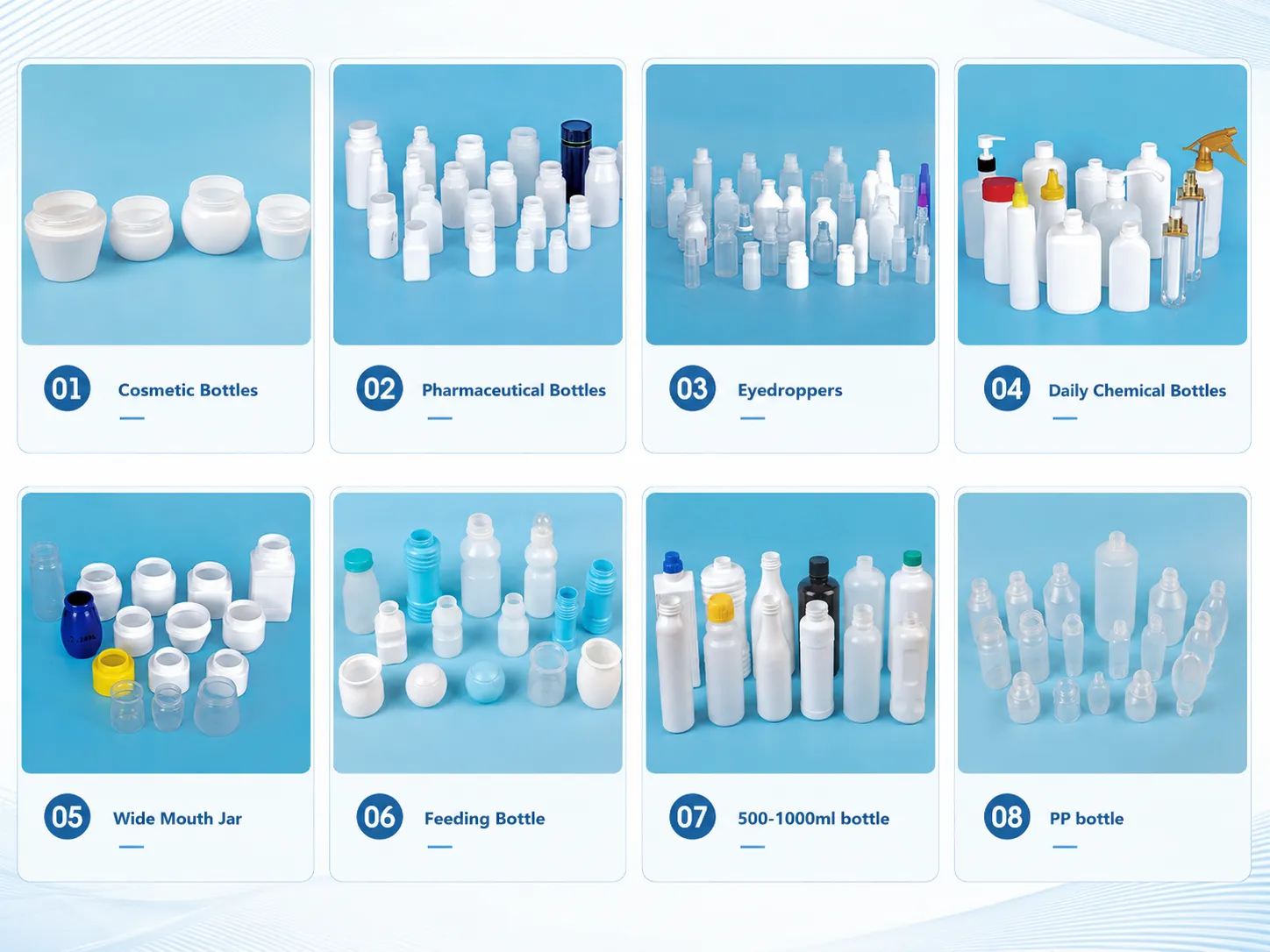
Corpo stretto e ovale
In Corea, la profondità dei mobili sottolavello è tipicamente di 300-350 mm. I contenitori per detergenti per pavimenti coreani prodotti da IBM, progettati con una larghezza sull'asse stretto di 55-65 mm, si adattano perfettamente agli altri prodotti per la pulizia coreani. Le macchine per soffiaggio IBM producono con precisione il profilo ovale richiesto dalle linee guida di stoccaggio dei marchi coreani. I corpi ovali realizzati con la tecnologia EBM presentano una maggiore variabilità della sezione trasversale, che può produrre contenitori leggermente più larghi del previsto, i quali non si adattano alle posizioni di stoccaggio sottolavello previste in Corea.
Incavo di presa
I flaconi di ricarica per spray detergente per pavimenti coreani presentano una rientranza di presa bilaterale a un'altezza di 45-50% per consentire l'utilizzo con una sola mano durante l'erogazione. Le macchine per soffiaggio IBM realizzano rientranze di presa bilaterali (profondità 8-12 mm, larghezza 25-35 mm) su entrambe le facce strette del corpo ovale, fornendo punti di presa per pollice e indice che i consumatori coreani utilizzano per applicare lo spray detergente per pavimenti con una sola mano. Ever-Power Korea verifica lo spessore della parete della zona di presa (minimo 0,65 mm nel punto più profondo della rientranza di presa) durante la prova di produzione pre-consegna per confermare l'integrità strutturale della zona rientrante in caso di impatto da caduta da 1,2 m.
Indicatore di dosaggio volumetrico
I detergenti per pavimenti concentrati coreani (con una concentrazione da 5 a 10 volte superiore) richiedono indicazioni di dosaggio per i consumatori coreani, in genere da 10 a 30 ml per secchio. Le macchine per soffiaggio IBM imprimono i segni di dosaggio direttamente sulla parete del contenitore, sotto forma di linee orizzontali in rilievo a intervalli di 50 ml, da 0 a 500 ml, sulla sezione trasparente del contenitore. La profondità di rilievo di IBM, compresa tra 0,15 e 0,25 mm, produce segni visibili ai consumatori coreani attraverso l'HDPE traslucido, senza la necessità di un'etichetta secondaria o di una fase di stampa. La consistenza del rilievo EBM varia in base alla distribuzione della preforma: IBM è la soluzione preferita per i marchi coreani di detergenti per pavimenti che richiedono un'incisione precisa per le indicazioni di dosaggio.
Geometria del pannello delle etichette
Etichette per flaconi di detergente per pavimenti coreano: PSL (OPP autoadesivo sensibile alla pressione) applicato sulla superficie larga del corpo ovale o guaina termoretraibile su tutto il corpo. Pannelli con etichette PSL sui corpi dei detergenti per pavimenti IBM: zona piana minima di 50 mm di larghezza × 80 mm di altezza sulla superficie larga, planarità ≤ 0,25 mm — ottenuta mediante la lavorazione della zona piana con stampaggio a soffiaggio di IBM. I marchi coreani di detergente per pavimenti che utilizzano etichette PSL trasparenti specificano IBM per lo stesso motivo del detersivo per piatti coreano: la linea di separazione del corpo EBM è visibile attraverso le etichette trasparenti nel canale premium dei detergenti per pavimenti.
SEZIONE 07
Detergente speciale per pavimenti IBM — Candeggina, disinfettante, enzima

I detergenti per pavimenti coreani con proprietà disinfettanti (QAC a 0,1–2%) sono classificati come prodotti biocidi ai sensi del Regolamento sui prodotti biocidi del MFDS coreano (Legge sulla registrazione e valutazione delle sostanze chimiche, REACH-K). La registrazione dei prodotti biocidi presso il MFDS coreano richiede la documentazione della compatibilità del materiale del contenitore primario, in particolare che il contenitore non assorba, adsorba o reagisca con il principio attivo QAC in modo da ridurre l'efficacia biocida del prodotto coreano al di sotto della specifica registrata presso il MFDS coreano. I contenitori in HDPE IBM per il detergente per pavimenti coreano a base di QAC richiedono: (1) documentazione del test di assorbimento di QAC: assorbimento di QAC da parte dell'HDPE sulla superficie di contatto del prodotto misurato estraendo il contenitore riempito a 23 °C/6 mesi e misurando la perdita di concentrazione di QAC (criterio di accettazione ≤ 5% di riduzione della concentrazione di QAC nel test di contatto di 6 mesi); (2) dichiarazione del materiale del contenitore che confermi l'assenza di additivi che reagiscono con il QAC alla concentrazione di utilizzo; (3) test di integrità del contenitore (nessuna perdita a caduta da 1,2 m dopo 6 mesi di stoccaggio del riempimento QAC in condizioni ambientali coreane). Korea Ever-Power fornisce il pacchetto di documentazione di compatibilità QAC del contenitore IBM in HDPE (punti 1-3 sopra) per i progetti IBM di detergenti disinfettanti per pavimenti coreani che utilizzano il grado HDPE standard di Korea Ever-Power, incluso nel pacchetto di qualificazione del contenitore IBM di Korea Ever-Power senza costi aggiuntivi per l'uso di registrazione del biocida MFDS coreano.
I detergenti coreani per pavimenti e bagni contenenti candeggina a concentrazioni di NaOCl comprese tra 0,5 e 3% richiedono contenitori in PP IBM perché l'HDPE subisce una scissione ossidativa della catena e un esaurimento degli antiossidanti a concentrazioni di NaOCl superiori a 0,5% durante la durata di conservazione coreana di 18-24 mesi. Il PP è resistente al NaOCl a concentrazioni comprese tra 0,5 e 3% per la durata di conservazione coreana perché la sua struttura molecolare (catena di carbonio metil-sostituita) è intrinsecamente più resistente all'ossidazione da ipoclorito rispetto alla catena di carbonio lineare dell'HDPE. La tecnologia PP IBM su ZQ60 o ZQ80 produce flaconi spray in PP da 28/400 per il detergente coreano per pavimenti a base di candeggina sulla stessa macchina ZQ utilizzata per la tecnologia HDPE IBM: non è necessario cambiare macchina, ma solo cambiare materiale, regolare la temperatura dello stampo (cilindro PP 210-245 °C contro HDPE 195-220 °C) e spurgare l'HDPE prima della produzione del PP. La società coreana Ever-Power verifica la compatibilità del contenitore PP IBM con NaOCl 2% durante la prova di produzione pre-consegna utilizzando un test di stoccaggio accelerato di 3 mesi (40 °C, 70% RH, riempito con una formulazione coreana di detergente per pavimenti a base di candeggina) — confermando l'assenza di perdita di peso del contenitore (indicativa di assorbimento/degradazione di NaOCl) oltre 0,3% e l'assenza di degrado visibile della superficie prima dell'approvazione per la consegna del marchio coreano.
I detergenti per pavimenti coreani a base di enzimi (proteasi, lipasi, amilasi a 0,02–0,5% a pH 6,5–8,5) rappresentano il segmento di detergenti per la casa premium in più rapida crescita in Corea, posizionandosi come "pulizia attiva naturale" senza disinfettanti sintetici. I contenitori IBM in HDPE sono chimicamente compatibili con le formulazioni coreane di detergenti per pavimenti a base di enzimi: le proteine enzimatiche non attaccano la struttura dell'HDPE. La considerazione critica in termini di compatibilità è l'opposto: alcuni componenti additivi dell'HDPE (in particolare alcuni agenti antistatici e additivi antiscivolo utilizzati nell'HDPE standard per applicazioni in film) possono agire come inibitori enzimatici fornendo strutture molecolari simili a tensioattivi che competono con il legame del substrato enzimatico. Per i detergenti per pavimenti coreani a base di enzimi: specificare gradi di HDPE senza pacchetti di additivi antistatici o antiscivolo: utilizzare un HDPE con un pacchetto di additivi "pulito" (solo antiossidante + pigmento). I gradi di HDPE coreani destinati allo stampaggio a soffiaggio per applicazioni di prodotti chimici per la casa in genere non includono additivi antistatici o antiscivolo: verificare il pacchetto di additivi con la scheda tecnica del fornitore coreano di HDPE prima di specificare il detergente per pavimenti coreano a base di enzimi.
SEZIONE 08
Selezione della serie ZQ per la pulizia dei pavimenti coreana IBM
Il detergente per pavimenti coreano IBM da 300–500 ml è la casa naturale del EP-ZQ60 — Con 10-12 cavità per flaconi da 300-400 ml di detergente concentrato per pavimenti e 6-8 cavità per flaconi spray di ricarica da 500-600 ml, la ZQ60 offre una capacità annua adeguata per la maggior parte dei progetti IBM di detergenti per pavimenti coreani, rappresentando al contempo il più basso investimento iniziale nella gamma ZQ per questo formato. La ZQ80 è indicata quando il volume annuo del marchio coreano supera i 35 milioni di unità da 500 ml, oppure quando il produttore coreano utilizza più formati di prodotti per la pulizia domestica (detergente per pavimenti + detersivo per piatti + disinfettante per le mani) su un'unica macchina, richiedendo una maggiore capacità annua totale.
| MODELLO ZQ | 300 ml conc. (cav/ora) | Ricarica spray da 500 ml ★ (cav/ora) | 750 ml (cav/ora) | PROFILO DI UN ADDETTO ALLA PULIZIA DEI PAVIMENTI COREANO |
|---|---|---|---|---|
| EP-ZQ40 | 8 / ~7,000 | 4–5 / ~3.500 | 3 / ~2,200 | Startup coreana di detergenti concentrati biologici per pavimenti, produzione artigianale di prodotti ecologici. |
| EP-ZQ60 ★ | 10–12 / ~9.800 | 6–8 / ~6.500 | 4–5 / ~3.900 | Produttore OEM di detergenti per pavimenti coreani, detergente disinfettante coreano per pavimenti, produttore IBM multiformato per uso domestico — macchina di riferimento |
| EP-ZQ80 | 16 / ~14,000 | 8–10 / ~7.800 | 5–6 / ~4.700 | Tra i primi 3 marchi nazionali coreani di detergenti per pavimenti ad alto volume annuo, IBM multi-categoria per la casa (detergente per pavimenti + detersivo per piatti + disinfettante per le mani) in un'unica macchina |
| EP-ZQ110 | 20 / ~17,500 | 10–12 / ~9.800 | 6–8 / ~5.800 | Conglomerato coreano di prodotti chimici per la casa, specializzato in confezionamento conto terzi in Corea del Sud con oltre 60 milioni di unità di detergenti per pavimenti vendute annualmente. |
★ ZQ60 a 8 cavità da 500 ml: ciclo 4,8 s → 6.000/ora → ~21 milioni 1 turno / ~42 milioni 2 turni. Marche nazionali coreane di detergenti per pavimenti con 15-35 milioni di unità annue: ZQ60 con un utilizzo di 70-85% è ottimale. ZQ80 richiesto per oltre 35 milioni di unità annue o per programmi multiformato che richiedono una capacità IBM annua totale superiore a 35 milioni su tutti i formati domestici.
DOMANDE FREQUENTI SULL'INGEGNERIA
Pulitore per pavimenti IBM — Domande di ingegneria
È possibile utilizzare contenitori IBM in HDPE per detergenti per pavimenti a base di ipoclorito di sodio? E a quale concentrazione?
I contenitori IBM in HDPE sono compatibili con le formulazioni di detergenti per pavimenti a base di ipoclorito di sodio (NaOCl) a concentrazioni pari o inferiori a 0,5% di NaOCl con un grado di HDPE stabilizzato con candeggina, e non sono raccomandati a concentrazioni superiori a 0,5% di NaOCl senza un'ampia verifica della durata di conservazione. Il limite di concentrazione di NaOCl esiste perché l'ipoclorito è un agente ossidante che attacca l'HDPE attraverso due meccanismi. In primo luogo, il NaOCl ossida il pacchetto di antiossidanti dell'HDPE, consumando le molecole antiossidanti che proteggono l'HDPE dalla degradazione termica e ossidativa. A concentrazioni di NaOCl comprese tra 0,1 e 0,5%, il tasso di esaurimento degli antiossidanti è sufficientemente lento da garantire che un grado di HDPE ben formulato mantenga un'adeguata protezione antiossidante per una durata di conservazione del prodotto coreano di 18 mesi. A concentrazioni di NaOCl comprese tra 0,5 e 3,0% (tipiche dei detergenti a base di candeggina per uso domestico in Corea), il tasso di esaurimento degli antiossidanti supera la finestra di servizio protetta dell'HDPE per una durata di conservazione coreana di 18-24 mesi, causando fragilità superficiale e guasti ESCR nel secondo anno di stoccaggio al dettaglio in Corea. In secondo luogo, l'NaOCl ossida i gruppi metilenici terminali della catena dell'HDPE nelle zone amorfe tra le lamelle cristalline, provocando la scissione della catena che riduce il peso molecolare dell'HDPE sulla superficie del contenitore, compromettendo ulteriormente le prestazioni ESCR. Il PP IBM è il materiale di contenitore raccomandato per il detergente per pavimenti coreano a base di candeggina con concentrazione di NaOCl compresa tra 0,5 e 31 TP3T, poiché la struttura metil-sostituita del PP offre una resistenza all'ossidazione all'ipoclorito intrinsecamente migliore rispetto alla struttura lineare dell'HDPE. I contenitori in PP IBM per il detergente per pavimenti coreano a base di candeggina con concentrazione di NaOCl compresa tra 2 e 31 TP3T superano i test di conservazione di 24 mesi (accelerati a 40 °C, 701 TP3T UR) senza degrado superficiale, mentre i contenitori standard in HDPE IBM, nelle stesse condizioni di prova, mostrano un visibile sbiancamento superficiale entro il quindicesimo mese. Se la formulazione di un detergente per pavimenti coreano si trova al limite della concentrazione di NaOCl (0,3-0,51 TP3T), Korea Ever-Power raccomanda di richiedere test di durata accelerata (40 °C/751 TP3T UR, 3 mesi, corrispondenti a circa 18 mesi in ambiente) su contenitori IBM di qualità di produzione prima di optare per contenitori in HDPE IBM per il prodotto coreano.
Quali sono le specifiche del collo di spruzzo del grilletto 28/400 e in che modo la precisione IBM influisce sulle prestazioni del gruppo grilletto coreano?
Il collo a spruzzo con grilletto 28/400 GPI è definito dagli standard GPI (Glass Packaging Institute): diametro esterno nominale di 28,0 mm (intervallo di innesto 27,92–28,08 mm per la pompa a grilletto standard), profilo della filettatura 400 (filettatura continua serie 400, 2 inizi di filettatura), altezza della filettatura 9–11 mm. I produttori coreani di pompe a spruzzo con grilletto (marchi nazionali coreani e marchi internazionali tra cui Aptar Korea, Rexam Korea, Guala Closures Korea) producono pompe a spruzzo per detergenti per pavimenti coreane secondo la specifica 28/400 GPI, con le proprie tolleranze interne che in genere richiedono un diametro esterno del collo della bottiglia entro ±0,08–0,10 mm da 28,0 mm affinché la filettatura della pompa si innesti completamente e la guarnizione della pompa sigilli contro la superficie di tenuta della bottiglia senza perdite. Il collo 28/400 stampato a iniezione di IBM raggiunge un diametro esterno di ±0,05 mm su tutte le cavità di produzione, fornendo almeno 0,03-0,05 mm di margine dimensionale aggiuntivo all'interno della tolleranza di innesto del produttore coreano di pompe, rispetto ai ±0,20-0,30 mm di EBM che produce alcune cavità di produzione a un livello pari o superiore all'intervallo di accettazione di ±0,08-0,10 mm del produttore coreano di pompe. La conseguenza pratica su una linea di riempimento automatizzata di detergenti per pavimenti coreana è quantificabile: le linee di riempimento coreane che utilizzano contenitori IBM per detergenti per pavimenti coreani segnalano tassi di scarto del montaggio della pompa inferiori a 0,1% (uno scarto del montaggio della pompa ogni 1.000 contenitori); Le linee di riempimento coreane che utilizzano contenitori EBM per le stesse formulazioni di detergenti per pavimenti coreane con lo stesso fornitore coreano di pompe a grilletto segnalano tassi di scarto del montaggio della pompa a grilletto pari a 0,5–2,0% — un tasso di scarto 5–20 volte superiore che causa selezione, rilavorazione e perdita di efficienza produttiva coreana sulla linea di riempimento dei detergenti per pavimenti coreani. Korea Ever-Power documenta la misurazione del diametro esterno del collo 28/400 per ogni cavità di produzione nella registrazione dimensionale della prova di produzione pre-consegna e conferma che tutti i valori del diametro esterno della cavità rientrano nelle specifiche di accettazione del produttore coreano di pompe a grilletto prima che Korea Ever-Power rilasci l'approvazione dimensionale per la consegna del marchio coreano.
In che modo il detergente coreano per pavimenti del bagno IBM si differenzia dal detergente coreano per pavimenti della cucina IBM per quanto riguarda le specifiche del contenitore?
I contenitori IBM per i detergenti coreani per pavimenti di bagno e cucina condividono la stessa piattaforma ZQ e lo stesso processo IBM, ma differiscono in quattro dimensioni di specifica che riflettono la diversa chimica delle formulazioni coreane e l'ambiente di utilizzo da parte dei consumatori coreani. pH della formulazione: i detergenti coreani per pavimenti di cucina sono tipicamente alcalini (pH 8-10, sgrassante per impieghi gravosi con LAS 15-20% + additivi) — che richiedono HDPE stabile agli antiossidanti alcalini (lo stesso del detersivo per bucato coreano). I detergenti coreani per pavimenti di bagno sono tipicamente acidi (pH 2-5, disincrostante e anticalcare con acido citrico/fosforico) o leggermente alcalini con disinfettante QAC (pH 7-9) — che richiedono una diversa verifica del pacchetto antiossidante (il pacchetto antiossidante standard è adeguato per ambienti acidi o leggermente alcalini). Ergonomia del contenitore: il detergente coreano per pavimenti di cucina viene utilizzato stando in piedi all'altezza del pavimento della cucina coreana (applicazione tipicamente dall'altezza in piedi verso il basso) — i contenitori IBM per detergenti coreani per pavimenti di cucina specificano in genere una zona di presa più ampia e nessuna restrizione del corpo ovale stretto poiché i pavimenti delle cucine coreane hanno spazio libero per lo stoccaggio di contenitori più grandi. Il detergente per pavimenti da bagno coreano IBM viene utilizzato negli spazi ristretti dei bagni coreani (tazza del WC, fughe delle piastrelle, angoli delle cabine doccia coreane). I contenitori del detergente per pavimenti da bagno coreano IBM sono specificati con una forma più stretta, con un adattatore per il collo dell'ugello conico compatibile con il collo 28/400, per un'applicazione a spruzzo mirata negli spazi ristretti dei bagni coreani. Colore del contenitore: i detergenti per pavimenti da cucina coreani utilizzano in genere contenitori IBM in HDPE bianco opaco o giallo opaco (il colore indica una forte azione alcalina del detergente) con un masterbatch di TiO2 a 3–5%. I detergenti per bagni coreani utilizzano contenitori IBM di colore trasparente o traslucido (il colore indica una leggera acidità o un pH neutro, con il corpo traslucido che mostra il livello di prodotto rimanente per comodità del consumatore coreano). Queste differenze di specifiche vengono affrontate nella fase di consulenza sulla progettazione dei contenitori di Ever-Power Corea, non a livello di macchina ZQ, con ogni marchio coreano che specifica il proprio design del contenitore, il colore e i requisiti ergonomici che il team di ingegneria applicativa di Ever-Power Corea integra nella progettazione dello stampaggio a soffiaggio.
Quali restrizioni relative agli additivi in HDPE si applicano ai detergenti per pavimenti coreani con proprietà disinfettanti?
I contenitori IBM per detergenti per pavimenti coreani con registrazione MFDS coreana per prodotti biocidi (con indicazione di disinfezione QAC) sono soggetti a restrizioni sugli additivi per imballaggi in HDPE, poiché alcuni additivi in HDPE possono interferire con il principio attivo biocida (QAC) attraverso uno dei tre meccanismi seguenti: adsorbimento sulla superficie dell'HDPE (riducendo la concentrazione di QAC nel prodotto al di sotto della specifica registrata MFDS coreana), reazione chimica (i componenti dell'additivo reagiscono con il QAC producendo complessi inattivi) o lisciviazione superficiale (i componenti dell'additivo in HDPE migrano nel prodotto e competono con il QAC per i siti di attività disinfettante coreani). Additivi specifici per HDPE da verificare per i contenitori IBM di disinfettanti QAC coreani: antiossidanti a base di alcoli grassi: alcuni antiossidanti a base di esteri di alcoli grassi (ad esempio Irganox 1035) possono adsorbire le molecole di QAC sulla superficie dell'HDPE competendo idrofobicamente con il QAC per i siti superficiali dell'HDPE; verificare che i livelli di adsorbimento siano al di sotto della specifica registrata MFDS coreana per lo specifico grado di HDPE e tipo di QAC. Additivi antiscivolo (erucamide, oleamide) — gli agenti antiscivolo a base di ammidi grasse presenti nell'HDPE migrano verso la superficie del contenitore e sono noti adsorbitori di QAC; il detergente disinfettante per pavimenti coreano a base di QAC (contenuto nell'IBM) dovrebbe utilizzare HDPE senza additivi antiscivolo. Agenti antistatici — alcuni agenti antistatici sono essi stessi composti di ammonio quaternario; verificare che gli agenti antistatici interni all'HDPE non interferiscano con il requisito di concentrazione di QAC previsto dalla registrazione presso l'MFDS coreano, contribuendo con un carico di QAC non misurato. Ever-Power Korea specifica gradi di HDPE coreani IBM senza additivi antiscivolo o agenti antistatici come formulazione standard per il detergente disinfettante per pavimenti coreano IBM, fornendo il contenitore in HDPE privo di additivi richiesto dalla registrazione del prodotto biocida presso l'MFDS coreano, senza richiedere un grado di HDPE personalizzato al fornitore coreano di HDPE.
IBM è in grado di produrre il corpo di un flacone spray con grilletto (non solo il flacone di ricarica) con un numero di cavità commercialmente valido?
IBM è in grado di produrre il corpo di un flacone spray coreano con grilletto, ovvero la parte che contiene la formulazione del detergente per pavimenti, con un collo IBM 28/400 sul quale si innesta o si avvita il gruppo pompa spray coreano. Questo è esattamente ciò che viene descritto in questa guida: un contenitore coreano in HDPE da 500-750 ml prodotto da IBM con un collo 28/400 sul quale viene montata, direttamente sulla linea di riempimento coreana, una pompa spray coreana prodotta separatamente (non da IBM: le pompe spray sono gruppi multicomponente stampati a iniezione). Il componente prodotto da IBM è il corpo e il collo del flacone; la pompa spray è un componente separato. IBM produce questo corpo flacone con un numero di cavità commercialmente valido: ZQ60 con 6-8 cavità da 500 ml = 6.000-8.000 contenitori/ora = 21-28 milioni di unità annue (su due turni in Corea) – una quantità commercialmente adeguata per i marchi nazionali coreani di detergenti per pavimenti. Ciò che IBM non produce è il dispenser spray completo (flacone + pompa a grilletto + tubo di pescaggio come unità assemblata) da un singolo ciclo IBM: il meccanismo della pompa a grilletto è un componente stampato a iniezione composto da più parti, prodotto separatamente e assemblato sul contenitore IBM sulla linea di riempimento coreana. La prassi del mercato coreano dei detergenti per pavimenti è la seguente: IBM (o EBM) produce il corpo del flacone; il produttore coreano del gruppo pompa a grilletto produce la pompa; il marchio coreano di detergenti per pavimenti coordina entrambi i componenti per l'assemblaggio sulla propria linea di riempimento coreana. Il contributo di IBM a questo assemblaggio è un collo del flacone di precisione 28/400 che garantisce un montaggio costante della pompa a grilletto: il vantaggio qualitativo di IBM, commercialmente critico, descritto in dettaglio nella Sezione 3 di questa guida.
Quali sono i requisiti normativi coreani che i contenitori IBM devono soddisfare per gli imballaggi dei detergenti disinfettanti per pavimenti?
I detergenti disinfettanti per pavimenti coreani con principi attivi QAC o candeggina sono regolamentati da due quadri normativi coreani: la Legge coreana sulla registrazione e valutazione delle sostanze chimiche (equivalente al REACH-K, amministrata dal Ministero della Sicurezza Alimentare e Farmaceutica coreano) e il Regolamento coreano sui prodotti biocidi (in vigore dal 2019, che richiede la registrazione della sostanza attiva per le dichiarazioni biocida relative a QAC e NaOCl). I requisiti di imballaggio previsti da queste normative coreane per i contenitori IBM sono: in primo luogo, la documentazione di compatibilità del materiale del contenitore primario: il dossier di registrazione del prodotto biocida presso il Ministero della Sicurezza Alimentare e Farmaceutica coreano deve includere la prova che il contenitore primario non interagisce con la sostanza attiva biocida in modo tale da ridurne la concentrazione al di sotto della specifica registrata presso il Ministero della Sicurezza Alimentare e Farmaceutica coreano. Per i contenitori IBM in HDPE con detergenti per pavimenti a base di QAC, ciò richiede: (a) un test di assorbimento di QAC (misurazione dell'assorbimento di QAC da parte del materiale del contenitore), (b) la dichiarazione del materiale del contenitore (grado di HDPE e confezione degli additivi) e (c) un test di integrità della durata di conservazione (resistenza alla caduta del contenitore e integrità della sigillatura dopo la conservazione del QAC in condizioni ambientali coreane per il periodo di validità di conservazione coreano). In secondo luogo, requisito di chiusura a prova di bambino (CRC): alcuni prodotti coreani per la pulizia dei pavimenti con proprietà biocidi a concentrazioni attive più elevate (QAC superiore a 1%, NaOCl superiore a 1%) devono utilizzare chiusure a prova di bambino in base alle normative coreane sulla sicurezza dei prodotti di consumo. I colli IBM 28/400 possono essere adattati ai sistemi di chiusura a ribalta o a rotazione conformi alle normative CRC coreane modificando la finitura del collo. Ever-Power Korea può fornire consulenza sulla compatibilità delle chiusure CRC coreane con i contenitori IBM con collo 28/400 per i prodotti coreani per la pulizia disinfettante dei pavimenti soggetti agli obblighi di imballaggio CRC coreani. In terzo luogo, requisiti di etichettatura: la registrazione dei prodotti biocidi presso l'MFDS coreano richiede etichette di avvertenza in lingua coreana all'esterno del contenitore. I contenitori IBM con pannelli per etichette piatti e un'adeguata superficie di adesione dell'etichetta (superficie in HDPE Ra 0,4–0,8 μm senza additivi antiscivolo) sono pienamente compatibili con l'applicazione delle etichette di conformità coreane sulla linea di riempimento coreana.
DETERGENTE PER PAVIMENTI IBM RICHIESTA · COREA EVER-POWER
Pianificazione della produzione di contenitori IBM per detergenti per pavimenti coreani?
Korea Ever-Power fornisce la qualificazione dimensionale del collo a grilletto 28/400, la documentazione di compatibilità con il disinfettante HDPE QAC e la prova di produzione ZQ60 per i progetti coreani di contenitori IBM per detergenti per pavimenti domestici, ricarica di spray disinfettanti e pulizia multisuperficie.