
तकनीकी विश्लेषण · OEE और उत्पादन KPI · कोरियाई ISBM 2026
आईएसबीएम ओईई और कोरियाई
उत्पादन KPI गाइड
कोरियाई आईएसबीएम संचालन जो ओईई (समग्र उपकरण प्रभावशीलता) को ट्रैक करते हैं, वे केवल उत्पादन मात्रा को ट्रैक करने वाले संचालनों की तुलना में 24 महीनों के भीतर 18-321टीपी3टी ईबीआईटीडीए से बेहतर प्रदर्शन करते हैं - ऐसा इसलिए नहीं है कि ओईई प्रबंधन का एक प्रचलित शब्द है, बल्कि इसलिए कि यह तीन स्वतंत्र लागत कारकों (अनुपस्थित समय, गति में कमी, गुणवत्ता में कमी) को उजागर करता है जो "आज उत्पादित इकाइयों" की संख्या के भीतर छिपे होते हैं। कोरियाई आईएसबीएम ओईई इंजीनियरिंग वह जगह है जहां उत्पादन प्रबंधन वित्तीय प्रबंधन बन जाता है।
OEE = A × P × Q
उद्योग औसत 55–65%
अनुप्रयोग के आधार पर कोरियाई आईएसबीएम ओईई बेंचमार्क — 2026
| आवेदन | उद्योग औसत OEE | कोरिया का सर्वश्रेष्ठ | प्राथमिक ओईई ड्रैग | प्रमुख सुधार कारक |
|---|---|---|---|---|
| कोरियाई स्थिर जल पीईटी (उच्च मात्रा) | 65–721टीपी3टी | 80–851टीपी3टी | प्रदर्शन (माइक्रो-स्टॉप) | चक्र समय परिवर्तनशीलता को ±0.3 सेकंड से नीचे कम करें |
| कोरियन के-ब्यूटी पीईटीजी (मल्टी-एससीयू) | 50–601टीपी3टी | 70–781टीपी3टी | उपलब्धता (परिवर्तन) | SMED परिवर्तन प्रोटोकॉल — प्रति SKU लक्ष्य ≤3 घंटे |
| कोरियाई सीएसडी पीईटी (दीर्घकालिक) | 68–751टीपी3टी | 82–881टीपी3टी | गुणवत्ता (मूल दोष) | बेस ब्लो प्रेशर एसपीसी नियंत्रण |
| कोरियाई फार्मास्युटिकल आईएसबीएम | 55–651टीपी3टी | 72–801टीपी3टी | गुणवत्ता (लॉट रिलीज़ में देरी) | आईपीसी स्वचालन के माध्यम से प्रक्रिया के दौरान नमूना लेने में कमी |
| कोरियाई ट्राइटन शिशु/पूरक | 52–601टीपी3टी | 68–751टीपी3टी | तीनों बराबर हैं | कंडीशनिंग स्टेशन की तापमान स्थिरता — सबसे बड़ा सिंगल लीवर |
1. ओईई (OEE) कोरियाई आईएसबीएम का सबसे मूल्यवान वित्तीय मीट्रिक क्यों है?
OEE (ओवरऑल इक्विपमेंट इफेक्टिवनेस) तीन स्वतंत्र उत्पादन प्रदर्शन अनुपातों - उपलब्धता (A), प्रदर्शन (P) और गुणवत्ता (Q) - का गुणनफल है, जो मिलकर यह मापते हैं कि एक कोरियाई ISBM मशीन अपने निर्धारित उत्पादन समय को अच्छी बोतलों में कितनी कुशलता से परिवर्तित करती है। OEE = A × P × Q. एक कोरियाई ISBM मशीन जो A = 0.85 (15% डाउनटाइम), P = 0.90 (10% गति हानि) और Q = 0.95 (5% दोष दर) पर चल रही है, उसका OEE = 0.85 × 0.90 × 0.95 = 0.726 है - जिसका अर्थ है कि मशीन अपने निर्धारित समय में सैद्धांतिक रूप से संभव अच्छी बोतलों में से केवल 72.6% का उत्पादन करती है। 27.4% का अंतर सुधार का अवसर है, जिसके लिए प्रत्येक घटक को अलग-अलग इंजीनियरिंग या परिचालन हस्तक्षेप की आवश्यकता होती है।
कोरियाई आईएसबीएम (ISBM) की उत्पादन दक्षता (OEE) में सुधार का वित्तीय महत्व प्रत्यक्ष है: 65% OEE पर चलने वाली एक कोरियाई आईएसबीएम मशीन 34 KRW प्रति बोतल की दर से 500ml PET स्थिर जल का उत्पादन करती है, जिससे लगभग 710 मिलियन KRW प्रति वर्ष का राजस्व प्राप्त होता है। यही मशीन 80% OEE पर चलने पर 874 मिलियन KRW प्रति वर्ष का राजस्व उत्पन्न करती है - यानी केवल प्रक्रिया सुधार से ही 164 मिलियन KRW प्रति वर्ष की राजस्व वृद्धि होती है, बिना किसी अतिरिक्त पूंजी निवेश के। यह सुधार बिना दूसरी मशीन खरीदे 25% अतिरिक्त उत्पादन क्षमता जोड़ने के बराबर है। कोरियाई आईएसबीएम संचालक जो OEE पर नज़र रखते हैं और प्रत्येक घटक पर व्यवस्थित रूप से कार्य करते हैं, वे उन प्रतिस्पर्धियों से बेहतर प्रदर्शन करते हैं जो केवल उत्पादित इकाइयों की कुल संख्या पर नज़र रखते हैं - उत्पादित इकाइयों का माप OEE द्वारा स्पष्ट रूप से प्रदर्शित तीन अलग-अलग सुधार आयामों को छिपा देता है।
कोरियाई आईएसबीएम सुधार निवेश पर वित्तीय प्रतिफल — जिसमें ओईई सुधार कार्यक्रमों के लिए आरओआई मॉडल भी शामिल है — निम्नलिखित में है: कोरियाई आईएसबीएम मशीन आरओआई कैलकुलेटर.
2. उपलब्धता: कोरियाई आईएसबीएम की नियोजित और अनियोजित डाउनटाइम
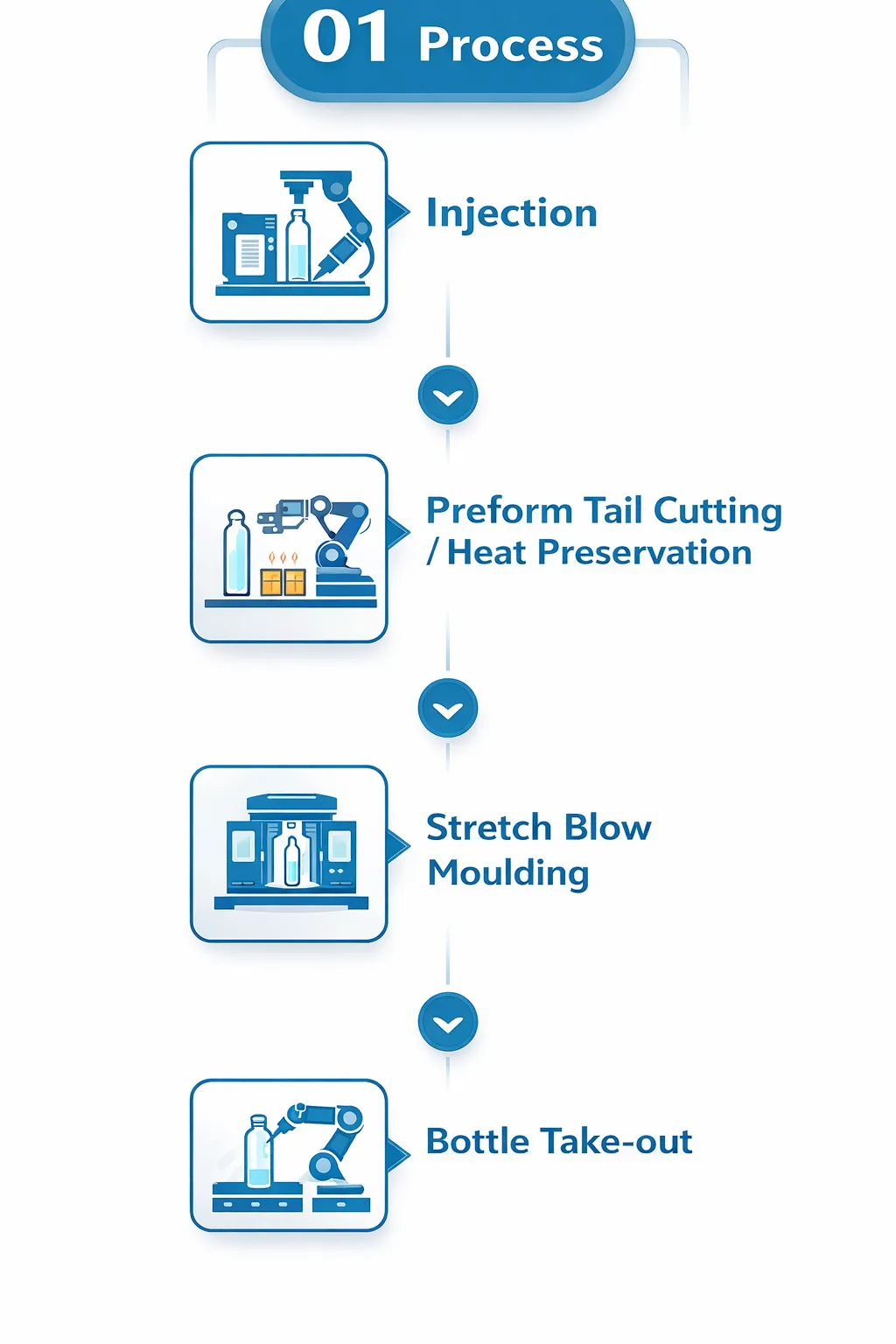
कोरियाई आईएसबीएम की उपलब्धता की गणना नियोजित उत्पादन समय (वह समय जिसके लिए मशीन को चलाया जाना निर्धारित है, जिसमें नियोजित विराम, नियोजित रखरखाव और नियोजित बदलाव शामिल नहीं हैं) के आधार पर की जाती है। उपलब्धता से घटाए जाने वाले अनियोजित डाउनटाइम में निम्नलिखित शामिल हैं: (1) मशीन की खराबी (हीटर की खराबी, सर्वो अलार्म, न्यूमेटिक खराबी); (2) गुणवत्ता संबंधी कारणों से उत्पादन रोकना (ऑपरेटर द्वारा गुणवत्ता संबंधी समस्या की जांच के लिए उत्पादन रोकना - पहले गुणवत्ता संकेत से उत्पादन पुनः आरंभ होने तक का समय अनियोजित डाउनटाइम है); (3) सामग्री की कमी (रेजिन या प्रीफॉर्म उपलब्ध न होना - कोरियाई आईएसबीएम फीडिंग में रुकावट एक परिचालन विफलता है जिसे उपलब्धता में गिना जाता है); (4) निर्धारित माइक्रो-स्टॉप सीमा से अधिक मामूली रुकावटें (आमतौर पर ≥5 मिनट - छोटी रुकावटों को प्रदर्शन में गिना जाता है, उपलब्धता में नहीं)।
कोरियाई आईएसबीएम उपलब्धता बेंचमार्क: सर्वश्रेष्ठ श्रेणी के कोरियाई स्थिर जल उत्पादन की उपलब्धता 88–92% है (16 घंटे के उत्पादन दिवस में कुल अनियोजित डाउनटाइम 8–12% = 77–115 मिनट)। कोरियाई के-ब्यूटी पीईटीजी मल्टी-एससीयू उत्पादन की उपलब्धता 75–82% है (प्रति सप्ताह 3–6 एसकेयू परिवर्तन की उच्च आवृत्ति सेटअप त्रुटियों की अधिक संभावना पैदा करती है जिससे परिवर्तन के तुरंत बाद अनियोजित रुकावटें आती हैं)। उपलब्धता को सीधे निर्धारित करने वाले कोरियाई आईएसबीएम रखरखाव प्रोटोकॉल — टियर 1 से टियर 5 तक — निम्नलिखित में हैं। कोरियाई आईएसबीएम रखरखाव चेकलिस्ट.
3. प्रदर्शन दक्षता: चक्र समय मापन और गति हानि
कोरियाई आईएसबीएम प्रदर्शन की गणना (वास्तविक चक्र समय प्राप्ति) ÷ (आदर्श चक्र समय) के रूप में की जाती है, जहाँ आदर्श चक्र समय विशिष्ट मशीन और मोल्ड पर उत्पाद के लिए प्राप्त किया जा सकने वाला न्यूनतम चक्र समय है - जो उत्पादन योग्यता प्रक्रिया के दौरान निर्धारित किया जाता है और उत्पादन रेसिपी सेट-पॉइंट के रूप में प्रलेखित होता है। कोरियाई आईएसबीएम में प्रदर्शन हानि दो श्रेणियों में आती है: गति में कमी (जानबूझकर आदर्श चक्र समय से अधिक गति पर चलाना - उदाहरण के लिए, कंडीशनिंग समस्या को दूर करने के लिए चक्र को धीमा करना) और सूक्ष्म रुकावटें (उपलब्धता सीमा से नीचे संक्षिप्त रुकावटें - इजेक्टर का रुकना, कभी-कभी प्रीफॉर्म जाम होना, क्षणिक सेंसर ट्रिगर जो 1-4 मिनट के भीतर स्वतः ठीक हो जाते हैं)।
कोरियाई आईएसबीएम प्रदर्शन मापन के लिए मशीन नियंत्रक स्तर पर चक्र समय लॉगिंग आवश्यक है — ईवी सर्वो प्लेटफॉर्म का चक्र समय लॉग प्रत्येक शॉट के लिए वास्तविक चक्र समय को कैप्चर करता है, जिससे कोरियाई उत्पादन प्रबंधक प्रदर्शन हानि वितरण (औसत चक्र समय बनाम आदर्श, चक्र समय का विचलन, विस्तारित चक्रों की आवृत्ति) की पहचान कर सकते हैं। एक कोरियाई आईएसबीएम मशीन जिसका आदर्श चक्र समय 9.0 सेकंड है लेकिन वास्तविक औसत चक्र समय 9.8 सेकंड है, उसका प्रदर्शन अनुपात 9.0 / 9.8 = 0.918 है — 8.2% प्रदर्शन हानि जो यूनिट-प्रोड्यूस्ड रिपोर्ट में अदृश्य है लेकिन ओईई विश्लेषण में मापी जाती है।
प्रत्येक कोरियाई अनुप्रयोग के लिए प्राप्त करने योग्य आदर्श चक्र समय निर्धारित करने वाले पांच कोरियाई आईएसबीएम चक्र समय कारक - कंडीशनिंग समय, ब्लो समय, ब्लो ड्वेल समय, शीतलन समय और इजेक्शन/स्थानांतरण समय - निम्नलिखित में दिए गए हैं: कोरियाई आईएसबीएम चक्र समय अनुकूलन मार्गदर्शिका.
4. गुणवत्ता दर: पहली बार की गुणवत्ता और केएफडीए लॉट स्वीकृति
कोरियाई आईएसबीएम गुणवत्ता दर (क्यू) की गणना अच्छी बोतलों के उत्पादन ÷ कुल उत्पादित बोतलों की संख्या = 1 − (दोष दर + पुनः कार्य दर) के रूप में की जाती है। ओईई का गुणवत्ता घटक केवल आईएसबीएम लाइन पर विफल होने वाली बोतलों को ही शामिल करता है। आईएसबीएम गुणवत्ता निरीक्षण में उत्तीर्ण होने वाली लेकिन कोरियाई ब्रांड के इनकमिंग निरीक्षण में विफल होने वाली बोतलें ओईई गणना में गुणवत्ता हानि के बजाय उपलब्धता हानि (इनसे पुनः कार्य या वापसी होती है, जिससे अतिरिक्त अनियोजित डाउनटाइम होता है) मानी जाती हैं। यह अंतर महत्वपूर्ण है क्योंकि यह प्रक्रिया के दौरान गुणवत्ता क्षमता (आईएसबीएम मशीन की विनिर्देशों के अनुसार उत्पादन करने की क्षमता) को व्यवस्थित विनिर्देश संरेखण गुणवत्ता (क्या आईएसबीएम विनिर्देश कोरियाई ब्रांड के इनकमिंग निरीक्षण मानदंडों से मेल खाता है) से अलग करता है।
अनुप्रयोग के अनुसार कोरियाई आईएसबीएम गुणवत्ता दर बेंचमार्क: स्थिर जल पीईटी 6-कैविटी दीर्घकालिक उत्पादन: Q = 0.97–0.99 (1–3% दोष दर, मुख्य रूप से मोल्ड परिवर्तन के समय स्टार्टअप स्क्रैप); के-ब्यूटी पीईटीजी 4-कैविटी मल्टी-एससीयू: Q = 0.93–0.97 (3–7% दोष दर — उच्च क्योंकि पीईटीजी में धुंध की विफलता और रंग भिन्नता को स्थिर जल पीईटी की तुलना में नियंत्रित करना अधिक कठिन है); फार्मास्युटिकल आईएसबीएम: Q = 0.96–0.99 (प्रक्रिया के दौरान नमूनाकरण और लॉट होल्ड प्रक्रियाओं के साथ, वास्तविक दोष दर कम है लेकिन लॉट रिलीज में देरी से ओईई गणना में प्रभावी गुणवत्ता हानि होती है)। व्यापक कोरियाई आईएसबीएम दोष वर्गीकरण, जो ओईई उद्देश्यों के लिए गुणवत्ता हानि के रूप में क्या माना जाता है, को परिभाषित करता है, निम्नलिखित में है। कोरियाई आईएसबीएम बोतल दोष क्षेत्र मार्गदर्शिका.
कोरियाई आईएसबीएम ओईई के गुणवत्ता घटक को लक्षित करने वाले स्क्रैप दर में कमी लाने के ढांचे - व्यवस्थित प्रक्रिया नियंत्रण के माध्यम से 40-601टीपी3टी स्क्रैप में कमी प्राप्त करना - निम्नलिखित में हैं: कोरियाई आईएसबीएम स्क्रैप न्यूनीकरण ढांचा.
5. ओईई बेंचमार्क और कोरियाई आईएसबीएम प्रदर्शन स्थिति
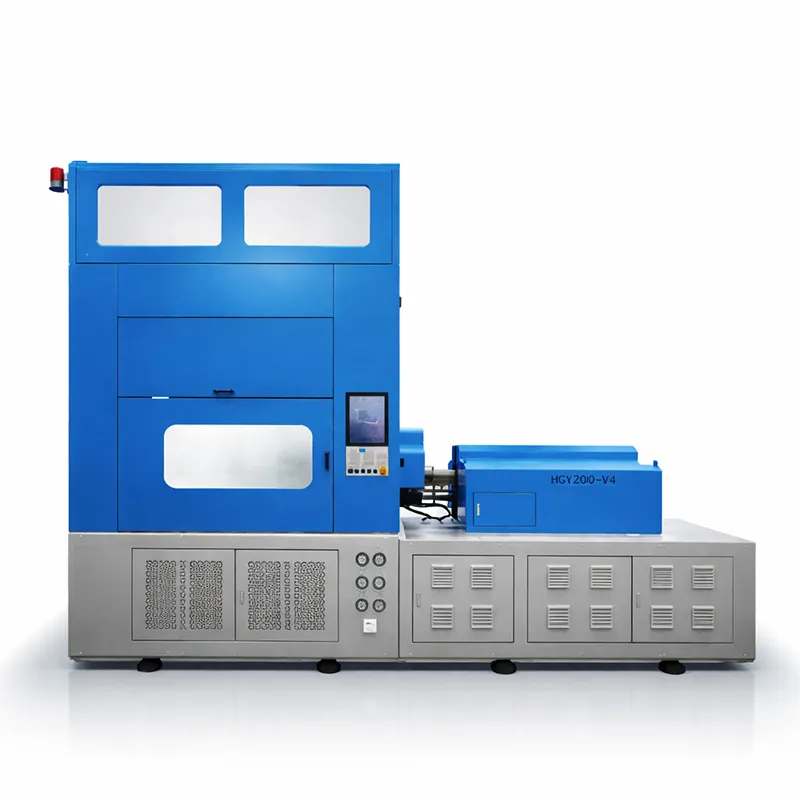
कोरियाई आईएसबीएम ओईई बेंचमार्किंग मानक तीन स्रोतों से प्राप्त होते हैं: कोरियाई आईएसबीएम उद्योग सर्वेक्षण (केपीसीए कोरियाई पैकेजिंग कंटेनर एसोसिएशन वार्षिक बेंचमार्क), जापानी आईएसबीएम उपकरण निर्माता मार्गदर्शन (निस्सी एएसबी, आओकी किकाई), और कोरियाई संचालन प्रबंधन परामर्श अनुभव। कोरियाई आईएसबीएम के लिए प्रासंगिक ओईई प्रदर्शन स्तर इस प्रकार हैं:
विश्व स्तरीय (>85% OEE) — शीर्ष 5% कोरियाई ISBM
कोरियाई दीर्घकालिक कमोडिटी पीईटी स्टिल वॉटर उत्पादकों द्वारा 6-8 कैविटी वाले सिंगल-SKU उत्पादन और न्यूनतम बदलाव के साथ यह उपलब्धि हासिल की गई है। इसकी विशेषताएँ हैं: ≥92% उपलब्धता, आदर्श चक्र समय से ≤1.5% विचलन, और ≤1.5% प्रथम-पास गुणवत्ता हानि। इसके लिए EV सर्वो प्लेटफॉर्म, ग्रेविमेट्रिक रेज़िन फीडिंग, स्वचालित विज़न गुणवत्ता निरीक्षण और एक व्यवस्थित निवारक रखरखाव कार्यक्रम की आवश्यकता होती है।
उत्कृष्ट प्रदर्शन (75–85% OEE) — शीर्ष 25% कोरियाई ISBM
कोरियाई के-ब्यूटी पीईटीजी और प्रीमियम पेय पदार्थों के मल्टी-एससीयू संचालन के लिए लक्षित। इसके लिए व्यवस्थित एसएमईडी चेंजओवर प्रोग्राम, कंडीशनिंग स्टेशन तापमान लॉगिंग और प्रति-शिफ्ट ओईईई ट्रैकिंग की आवश्यकता है। अधिकांश कोरियाई आईएसबीएम उत्पादक जिन्होंने 12+ महीनों से ओईईई ट्रैकिंग लागू की है, इस स्तर तक पहुँच चुके हैं।
उद्योग औसत (55–65% OEE) — कोरियाई ISBM बहुमत
कोरिया में ISBM कमोडिटी उत्पादकों के बहुमत में व्यवस्थित OEE ट्रैकिंग की कमी है। इसकी विशेषता अनिश्चित डाउनटाइम, अनियमित चक्र समय पालन और गुणवत्ता हानि है जिसे प्रक्रिया सुधार के अवसरों के रूप में ट्रैक करने के बजाय स्क्रैप लागत में समाहित कर लिया जाता है।
6. कोरियाई आईएसबीएम ओईई सुधार के लिए अग्रणी संकेतक
OEE एक विलंबित संकेतक है — यह कोरियाई ISBM प्रबंधकों को बताता है कि क्या हुआ, लेकिन अगली शिफ्ट से पहले इसे दोबारा होने से रोकने के लिए क्या करना है, यह नहीं बताता। कोरियाई ISBM OEE सुधार कार्यक्रम जो 12 महीनों के भीतर 15–25% OEE वृद्धि प्राप्त करते हैं, लगातार चार अग्रणी संकेतकों का उपयोग करते हैं जो OEE संख्या में प्रकट होने से पहले ही OEE हानियों के होने की भविष्यवाणी करते हैं। अग्रणी संकेतक 1: कंडीशनिंग स्टेशन तापमान का निर्धारित बिंदु से विचलन (EV सर्वो प्लेटफॉर्म के प्रोसेस लॉग पर लगातार मापा जाता है) — ±1.5°C से अधिक का ज़ोन तापमान विचलन अगले 30-60 मिनट के भीतर गुणवत्ता हानि (धुंध या दीवार वितरण दोष) का एक अग्रणी संकेतक है; उत्पाद की गुणवत्ता को प्रभावित करने से पहले विचलन पर कार्रवाई करने से इसे गुणवत्ता OEE हानि बनने से रोका जा सकता है। अग्रणी संकेतक 2: चक्र समय विचरण (पिछले 50 चक्र समयों का गतिशील मानक विचलन) — ±0.5s से अधिक चक्र समय विचरण में एक चरण वृद्धि अगले 100-200 चक्रों के भीतर एक सूक्ष्म-अवरोध का एक अग्रणी संकेतक है; भिन्नता के स्रोत की जांच (कंडीशनिंग अस्थिरता, इजेक्शन बल में भिन्नता, प्रीफॉर्म फीड में अनियमितता) से माइक्रो-स्टॉप को परफॉर्मेंस OEE हानि बनने से रोका जा सकता है। प्रमुख संकेतक 3: इंजेक्शन शॉट वजन भिन्नता (अंतिम 20 प्रीफॉर्म वजनों का भिन्नता गुणांक) — 0.8% से ऊपर CV% प्रीफॉर्म गुणवत्ता समस्या का एक प्रमुख संकेतक है जो 15-30 मिनट के भीतर ब्लोन बॉटल निरीक्षण चरण में गुणवत्ता OEE हानि के रूप में प्रकट होगा। प्रमुख संकेतक 4: शीतलन जल ΔT (इनलेट बनाम आउटलेट तापमान अंतर) — स्थापित बेसलाइन से ऊपर बढ़ता ΔT मोल्ड कूलिंग सर्किट में गंदगी का संकेत देता है, जो उत्पादन के अगले 4-8 घंटों के भीतर दीवार की मोटाई वितरण गुणवत्ता हानि (गर्म मोल्ड क्षेत्र पतली दीवारें बनाते हैं जो टॉप-लोड विनिर्देश को पूरा नहीं करती हैं) का एक प्रमुख संकेतक है। कोरियाई आईएसबीएम उत्पादक जो इन चार प्रमुख संकेतकों को अपने शिफ्ट मॉनिटरिंग डैशबोर्ड में शामिल करते हैं - साप्ताहिक रूप से ओईई की समीक्षा करने के बजाय वास्तविक समय में विचलन पर कार्रवाई करते हैं - कोरियाई आईएसबीएम सुधार की समयसीमा को 24 महीने से घटाकर 9-12 महीने कर देते हैं।
7. आईएसबीएम-विशिष्ट ओईई मापन चुनौतियाँ और कोरियाई समाधान
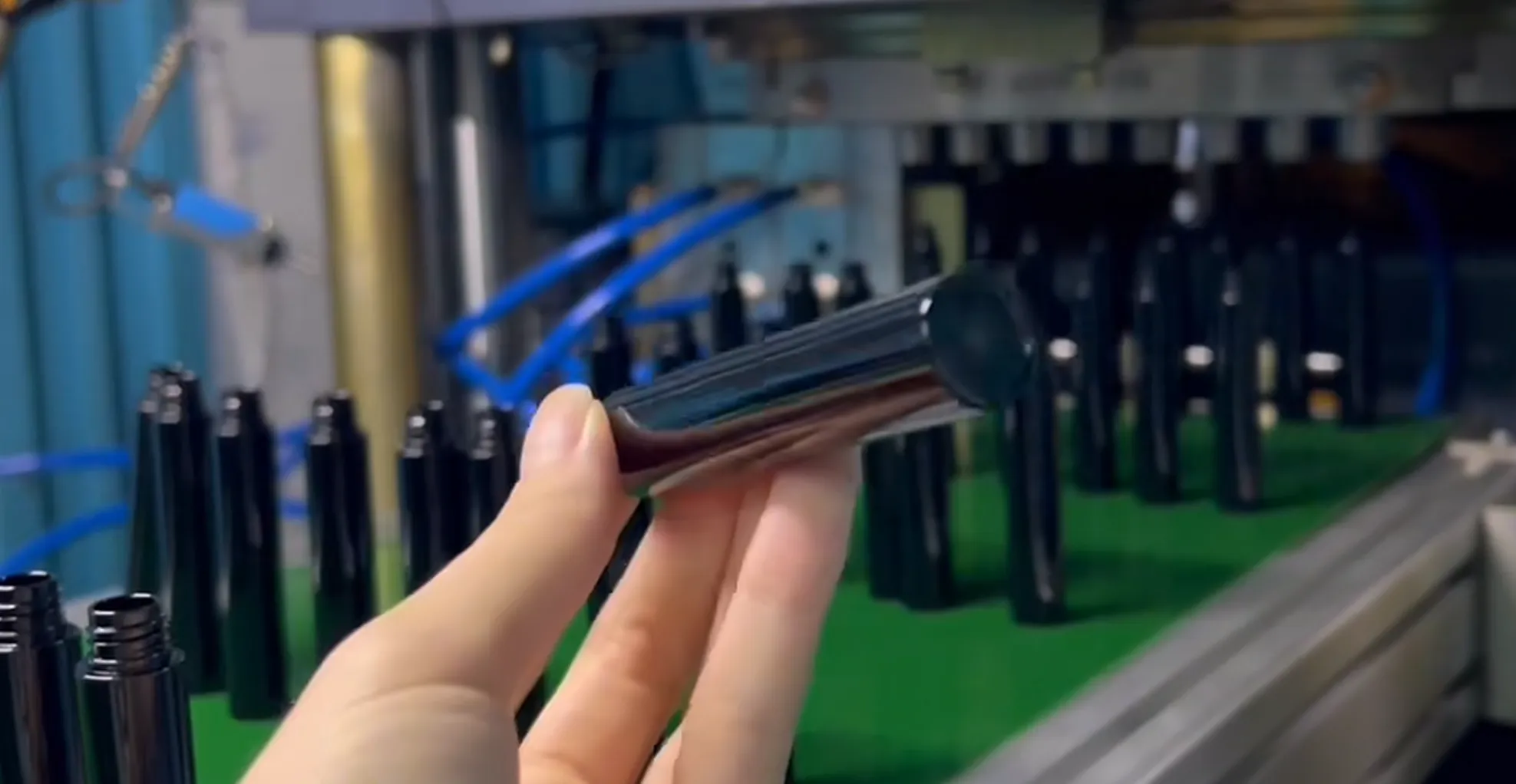
कोरियाई आईएसबीएम ओईई मापन को पाँच प्लेटफ़ॉर्म-विशिष्ट चुनौतियों का सामना करना पड़ता है। चुनौती 1: बहु-कैविटी गुणवत्ता निर्धारण — जब एक 6-कैविटी वाली कोरियाई आईएसबीएम मशीन 5 अच्छी कैविटी और 1 दोषपूर्ण कैविटी उत्पन्न करती है, तो क्या गुणवत्ता हानि उत्पादन का 1/6 (कैविटी संख्या के अनुसार) है या प्रति दोषपूर्ण बोतल के हिसाब से गिनी जाती है? कोरियाई ओईई मानक: दोषपूर्ण बोतलों की गणना करें, न कि दोषपूर्ण कैविटी की — गुणवत्ता घटक उत्पादित अच्छी बोतलों ÷ कुल बोतलों की संख्या को ट्रैक करता है। चुनौती 2: स्टार्टअप और शटडाउन स्क्रैप — कोरियाई आईएसबीएम स्टार्टअप स्क्रैप (प्रक्रिया स्थिर होने के दौरान बदलाव के बाद पहले 15-30 शॉट) गुणवत्ता हानि तभी होती है जब उत्पादन ऑर्डर शुरू हो चुका हो; यदि स्टार्टअप स्क्रैप उत्पादन ऑर्डर घड़ी शुरू होने से पहले होता है, तो यह उपलब्धता हानि (सेटअप समय) है। स्टार्टअप स्क्रैप का गलत वर्गीकरण स्पष्ट गुणवत्ता को बढ़ाता है और कोरियाई बदलाव प्रबंधन की वास्तविक उपलब्धता लागत को छिपाता है। चुनौती 3: नियोजित गुणवत्ता नमूनाकरण — कोरियाई फार्मास्युटिकल आईएसबीएम को आवधिक नमूनाकरण (हर 30 मिनट में 5 बोतलें) की आवश्यकता होती है जो उत्पादन को अस्थायी रूप से रोक देता है; इस नमूनाकरण को उपलब्धता हानि (नियोजित) के रूप में वर्गीकृत किया जाता है, न कि प्रदर्शन हानि के रूप में, क्योंकि यह एक निर्धारित गतिविधि है। चुनौती 4: कोरियाई मल्टी-शिफ्ट OEE — कोरियाई 3-शिफ्ट ISBM संचालन में OEE की गणना प्रति दिन के बजाय प्रति शिफ्ट के हिसाब से की जानी चाहिए, क्योंकि शिफ्ट-वार OEE विश्लेषण से शिफ्टों के बीच व्यवस्थित अंतर का पता चलता है (आमतौर पर, सुबह 2 बजे से 6 बजे तक की लेट शिफ्ट में रखरखाव प्रतिक्रिया समय कम होने के कारण उपलब्धता कम होती है — कोरियाई ISBM प्रबंधक जो शिफ्ट-स्तरीय OEE डेटा में इसे देखते हैं, वे तदनुसार निवारक रखरखाव शेड्यूलिंग को लक्षित कर सकते हैं)। चुनौती 5: मल्टी-प्रोडक्ट मिक्स के लिए OEE — कोरियाई ISBM मशीनें जो एक सप्ताह में 5 से अधिक विभिन्न उत्पादों का उत्पादन करती हैं, उन्हें एक भारित औसत OEE की आवश्यकता होती है जो प्रत्येक उत्पाद के लिए अलग-अलग आदर्श चक्र समय को ध्यान में रखता है। सभी उत्पादों के लिए समान आदर्श चक्र समय के आधार पर OEE की गणना करने से धीमे उत्पादों के लिए प्रदर्शन का अधिक अनुमान लगाया जाता है और तेज़ उत्पादों के लिए इसका कम अनुमान लगाया जाता है।
8. ओईई डिजिटल डैशबोर्ड और कोरियाई उद्योग 4.0 एकीकरण
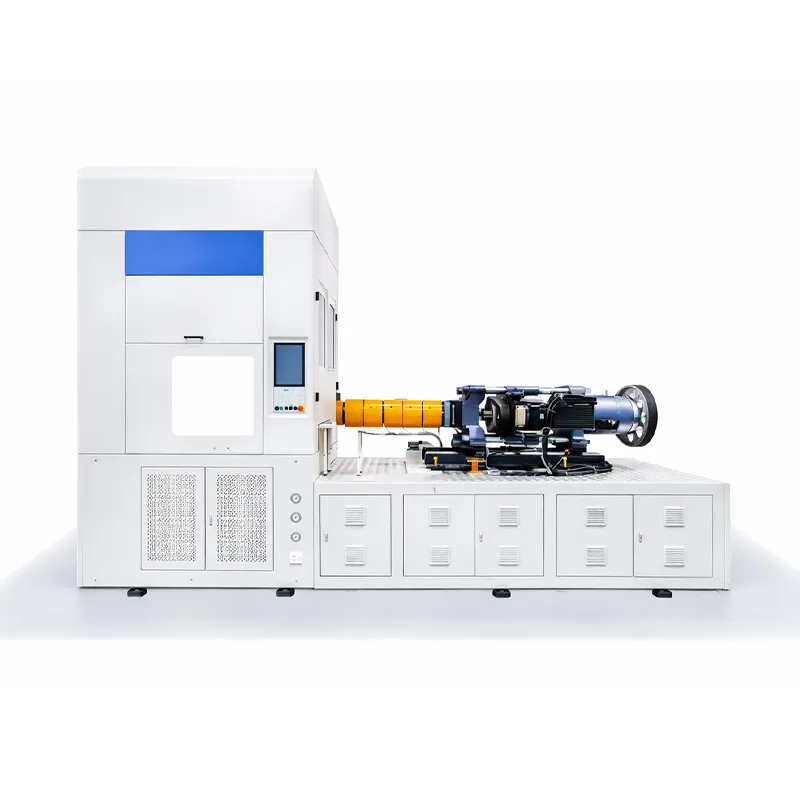
कोरियाई आईएसबीएम ओईई डिजिटल एकीकरण ईवी सर्वो नियंत्रक के मानक डेटा आउटपुट (ईथरनेट टीसीपी/आईपी या मॉडबस आरएस-485) का उपयोग करके प्रक्रिया डेटा को सीधे कोरियाई कारखाने के एमईएस या ओईई सॉफ्टवेयर एप्लिकेशन में स्ट्रीम करता है। एमईएस एकीकरण के माध्यम से कोरियाई आईएसबीएम ओईई गणना के लिए न्यूनतम डेटा बिंदु हैं: प्रति शॉट चक्र समय (प्रदर्शन के लिए); टाइमस्टैम्प और अवधि के साथ अलार्म कोड (उपलब्धता के लिए); विज़न निरीक्षण आउटपुट पर अच्छे/अस्वीकृत की संख्या (गुणवत्ता के लिए)। कोरियाई ईवी सर्वो आईएसबीएम प्लेटफॉर्म अपने मानक नियंत्रक इंटरफ़ेस के माध्यम से तीनों डेटा स्ट्रीम प्रदान करते हैं - किसी हार्डवेयर संशोधन की आवश्यकता नहीं है, केवल एक नेटवर्क कनेक्शन और एक ओईई सॉफ्टवेयर कॉन्फ़िगरेशन की आवश्यकता है। कोरियाई आईएसबीएम संचालन जिन्होंने एमईएस-एकीकृत ओईई को लागू किया है, लगातार दो परिणाम रिपोर्ट करते हैं: पहला, ओईई दृश्यता से पता चलता है कि वास्तविक कोरियाई आईएसबीएम उद्योग-औसत ओईई 55-651टीपी3टी है (कोरियाई आईएसबीएम ऑपरेटरों द्वारा आमतौर पर चलने वाली मशीनों के आकस्मिक अवलोकन के आधार पर स्व-अनुमानित 70-751टीपी3टी से कम); दूसरा, शिफ्ट-स्तर का OEE डेटा विशिष्ट सुधार कार्यों (विशिष्ट डाउनटाइम श्रेणियां, विशिष्ट गुणवत्ता हानि स्रोत, विशिष्ट माइक्रो-स्टॉप पैटर्न) को ट्रिगर करता है, जिन्हें व्यवस्थित OEE सुधार कार्यक्रमों द्वारा संबोधित किया जाता है। OEE ट्रैकिंग के लिए कोरियाई ISBM MES एकीकरण में निवेश (आमतौर पर सॉफ्टवेयर और सेटअप के लिए KRW 8-25M) 6-10 महीनों के भीतर 10-20 प्रतिशत अंकों के पहचाने गए OEE सुधारों के माध्यम से प्रतिफल देता है - जिससे यह उपलब्ध सबसे अधिक ROI वाला कोरियाई ISBM डिजिटल निवेश बन जाता है।
अक्सर पूछे जाने वाले प्रश्नों
OEE कार्यान्वयन समर्थन
कोरियाई आईएसबीएम का ओईई 651टीपी3टी से कम है? क्या बदलाव का समय 4 घंटे से अधिक है? क्या गुणवत्ता में गिरावट 51टीपी3टी से अधिक है?
कोरियन एवर-पावर, कोरियाई आईएसबीएम ओईई सुधार के लिए ओईई बेसलाइन माप, उपलब्धता/प्रदर्शन/गुणवत्ता घटक विश्लेषण, एसएमईडी चेंजओवर कार्यक्रम, कंडीशनिंग स्टेशन लीडिंग इंडिकेटर मॉनिटरिंग और एमईएस डेटा एकीकरण प्रदान करता है।
संबंधित संसाधन
ओईई प्लेटफ़ॉर्म
कोरियाई एवर-पावर HGY200-V4
OEE डेटा संग्रह के लिए EV सर्वो साइकिल समय लॉगिंग और अलार्म टाइमस्टैम्प; MES/OEE सॉफ़्टवेयर एकीकरण के लिए ईथरनेट आउटपुट; उद्योग 4.0 के लिए तैयार।
मशीन रेंज
4-स्टेशन आईएसबीएम रेंज
सभी कोरियाई एवर-पावर 4-स्टेशन प्लेटफॉर्म में OEE ट्रैकिंग के लिए EV सर्वो डेटा आउटपुट शामिल है - मानक Modbus RS-485 और Ethernet TCP/IP इंटरफेस।
उच्च-ओईई प्लेटफ़ॉर्म
ईपी-एचजीवाईएस280-वी6 6-स्टेशन आईएसबीएम
उच्च मात्रा में उत्पादन के लिए अधिकतम कोरियाई आईएसबीएम ओईई प्राप्त करने हेतु इंजीनियर किया गया 6-स्टेशन वाला ड्यूल-इंजेक्शन प्लेटफॉर्म - समान उत्पादन पर प्रति वर्ष कम बदलाव का अर्थ है स्वाभाविक रूप से उच्च उपलब्धता ओईई घटक।