
Detaljna tehnička analiza · OEE i ključni pokazatelji uspješnosti proizvodnje · Korejski ISBM 2026
ISBM OEE i korejski
Vodič za ključne pokazatelje uspješnosti proizvodnje
Korejske ISBM operacije koje prate OEE (ukupnu efektivnost opreme) nadmašuju one koje prate samo obim proizvodnje za 18–32% EBITDA u roku od 24 mjeseca - ne zato što je OEE popularna riječ u menadžmentu, već zato što čini vidljivim tri nezavisna pokretača troškova (zastoji, gubitak brzine, gubitak kvaliteta) koji se kriju unutar fiksnog broja „jedinica proizvedenih danas“. Korejski ISBM OEE inženjering je mjesto gdje upravljanje proizvodnjom postaje finansijsko upravljanje.
OEE = A × P × Q
Prosjek u industriji 55–65%
Korejski ISBM OEE benchmark po primjeni — 2026
| Aplikacija | Prosječni OEE u industriji | Korejski najbolji u klasi | Primarni OEE otpor | Ključna poluga za poboljšanje |
|---|---|---|---|---|
| Korejska negazirana PET voda (velika zapremina) | 65–72% | 80–85% | Performanse (mikro-zaustavljanja) | Smanjite varijabilnost vremena ciklusa ispod ±0,3 s |
| Korejski K-Beauty PETG (više SKU-ova) | 50–60% | 70–78% | Raspoloživost (prebacivanja) | SMED protokol za promjenu — cilj ≤3 sata po SKU-u |
| Korejski gazirani PET (dugoročno) | 68–75% | 82–88% | Kvalitet (osnovni nedostaci) | Osnovni pritisak duvanja SPC kontrola |
| Korejski farmaceutski ISBM | 55–65% | 72–80% | Kvalitet (kašnjenja u puštanju serije u prodaju) | Smanjenje uzorkovanja tokom procesa putem IPC automatizacije |
| Korejski tritan za bebe/dodatak | 52–60% | 68–75% | Sva tri jednaka | Stabilnost temperature kondicione stanice — najveća pojedinačna poluga |
1. Zašto je OEE najvrjednija korejska finansijska metrika ISBM-a
OEE (Ukupna efektivnost opreme) je proizvod tri nezavisna koeficijenta proizvodnih performansi - Raspoloživosti (A), Performansi (P) i Kvaliteta (Q) - koji zajedno mjere koliko efikasno korejska ISBM mašina pretvara planirano vrijeme proizvodnje u dobre boce. OEE = A × P × Q. Korejska ISBM mašina koja radi sa A = 0,85 (15% zastoja), P = 0,90 (10% gubitak brzine) i Q = 0,95 (5% stopa kvara) ima OEE = 0,85 × 0,90 × 0,95 = 0,726 - što znači da mašina proizvodi samo 72,6% teoretski mogućih dobrih boca u planiranom vremenu. Razlika od 27,4% predstavlja priliku za poboljšanje, pri čemu svaka komponenta zahtijeva drugačiju inženjersku ili operativnu intervenciju.
Finansijski značaj poboljšanja OEE korejskog ISBM-a je direktan: korejska ISBM mašina koja radi na 65% OEE i proizvodi 500ml PET negazirane vode po cijeni od 34 KRW/boci, generiše približno 710 miliona KRW/godišnje. Ista mašina sa 80% OEE generiše 874 miliona KRW/godišnje - povećanje prihoda od 164 miliona KRW/godišnje samo od poboljšanja procesa, bez dodatnih kapitalnih ulaganja. Ovo poboljšanje je ekvivalentno dodavanju 25% više proizvodnih kapaciteta bez kupovine druge mašine. Korejski ISBM operateri koji prate OEE i sistematski djeluju na svaku komponentu nadmašuju konkurente koji prate samo ukupan broj proizvedenih jedinica - metrika proizvedenih jedinica skriva tri odvojive dimenzije poboljšanja koje OEE čini vidljivim.
Finansijski povrat ulaganja u poboljšanje korejskog ISBM-a - uključujući model ROI za programe poboljšanja OEE - je u Kalkulator povrata ulaganja u korejsku ISBM mašinu.
2. Dostupnost: Planirani i neplanirani prekidi rada korejskog ISBM-a
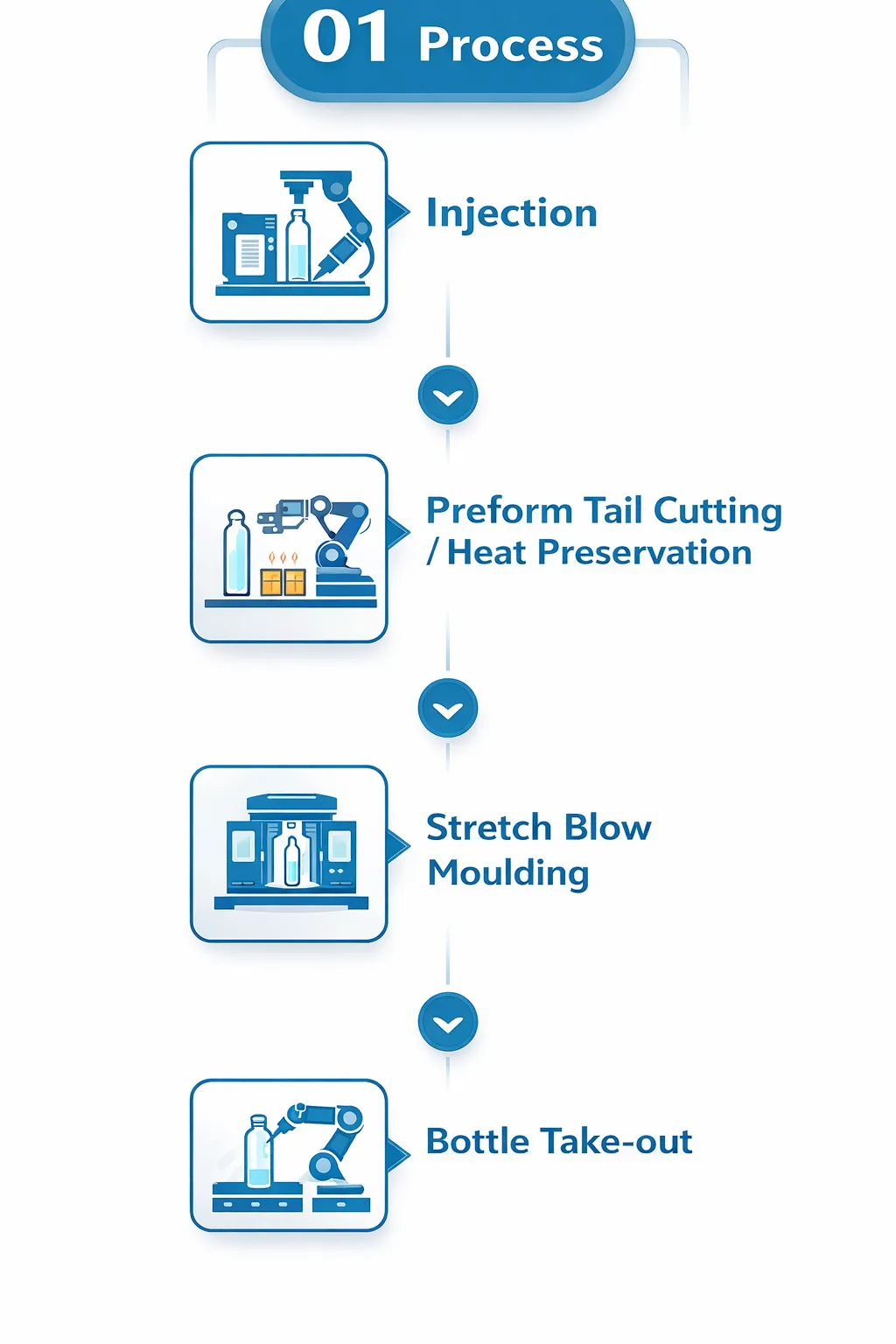
Raspoloživost korejskog ISBM-a izračunava se u odnosu na planirano vrijeme proizvodnje (vrijeme u kojem je mašina planirana za rad, isključujući planirane pauze, planirano održavanje i planirane promjene). Neplanirani zastoji koji se odbijaju od raspoloživosti uključuju: (1) kvarove mašine (kvar grijača, servo alarm, pneumatski kvar); (2) zaustavljanja inicirana kvalitetom (operater zaustavlja proizvodnju kako bi istražio problem s kvalitetom - vrijeme zaustavljanja od prvog signala kvalitete do ponovnog pokretanja proizvodnje je neplanirani zastoj); (3) nedostatak materijala (nema smole, nema predoblika - prekid dovoda korejskog ISBM-a je operativni kvar koji se računa u raspoloživost); (4) manje zastoje iznad definiranog praga mikrozaustavljanja (obično ≥5 minuta - kraći zastoji se računaju u performanse, a ne u raspoloživost).
Korejski standard dostupnosti ISBM-a: najbolja korejska proizvodnja negazirane vode u klasi postiže dostupnost od 88–921 TP3T (ukupno neplanirano vrijeme zastoja od 8–121 TP3T u 16-satnom proizvodnom danu = 77–115 minuta). Korejska proizvodnja K-Beauty PETG višesektorskih proizvoda postiže dostupnost od 75–821 TP3T (veća učestalost promjene od 3–6 promjena SKU-a sedmično stvara više mogućnosti za greške u podešavanju koje uzrokuju neplanirane prekide odmah nakon promjene). Korejski protokoli održavanja ISBM-a koji direktno određuju dostupnost - od nivoa 1 do nivoa 5 - nalaze se u Kontrolna lista za održavanje korejskog ISBM-a.
3. Efikasnost performansi: Mjerenje vremena ciklusa i gubitak brzine
Performanse korejskog ISBM-a izračunavaju se kao (stvarno postignuto vrijeme ciklusa) ÷ (idealno vrijeme ciklusa), gdje je idealno vrijeme ciklusa minimalno ostvarivo vrijeme ciklusa za proizvod na određenoj mašini i kalupu - utvrđeno tokom procesa kvalifikacije proizvodnje i dokumentirano kao zadana vrijednost recepture za proizvodnju. Gubici performansi kod korejskog ISBM-a spadaju u dvije kategorije: smanjena brzina (namjeran rad iznad idealnog vremena ciklusa - na primjer, usporavanje ciklusa radi rješavanja problema s kondicioniranjem) i mikro zaustavljanja (kratki prekidi ispod praga dostupnosti - zaustavljanja izbacivača, povremena zaglavljivanja predoblika, trenutni okidači senzora koji se sami oporavljaju u roku od 1-4 minute).
Mjerenje performansi korejske ISBM mašine zahtijeva evidentiranje vremena ciklusa na nivou kontrolera mašine — zapisnik vremena ciklusa EV servo platforme bilježi stvarno vrijeme ciklusa za svaki snimak, omogućavajući korejskim menadžerima proizvodnje da identifikuju distribuciju gubitka performansi (prosječno vrijeme ciklusa u odnosu na idealno, varijansa vremena ciklusa, učestalost produženih ciklusa). Korejska ISBM mašina sa idealnim vremenom ciklusa od 9,0 sekundi, ali stvarnim prosječnim vremenom ciklusa od 9,8 sekundi, ima omjer performansi od 9,0 / 9,8 = 0,918 — 8,2% gubitak performansi koji je nevidljiv u izvještaju o proizvedenim jedinicama, ali kvantificiran u OEE analizi.
Pet korejskih poluga vremena ciklusa ISBM-a - vrijeme kondicioniranja, vrijeme duvanja, zadržavanje duvanja, vrijeme hlađenja i vrijeme izbacivanja/transfera - koje određuju idealno vrijeme ciklusa koje se može postići za svaku korejsku primjenu nalaze se u Korejski vodič za optimizaciju vremena ciklusa ISBM-a.
4. Ocjena kvalitete: Kvaliteta prvog pokušaja i prihvatanje serije od strane KFDA
Stopa kvaliteta korejskog ISBM-a (Q) izračunava se kao broj proizvedenih dobrih boca ÷ ukupan broj proizvedenih boca = 1 − (stopa nedostataka + stopa ponovne obrade). Komponenta kvaliteta OEE obuhvata samo boce koje ne prođu na ISBM liniji - boce koje prođu inspekciju kvaliteta ISBM-a, ali ne prođu ulaznu inspekciju korejskog brenda, predstavljaju gubitak dostupnosti (one pokreću ponovnu obradu ili vraćanje, stvarajući dodatne neplanirane zastoje), a ne gubitak kvaliteta u proračunu OEE. Ova razlika je važna jer odvaja sposobnost kvaliteta tokom procesa (sposobnost ISBM mašine da proizvodi unutar specifikacija) od sistematskog kvaliteta usklađivanja specifikacija (da li se specifikacija ISBM-a podudara s kriterijima ulazne inspekcije korejskog brenda).
Korejski referentni nivoi stope kvaliteta ISBM-a po primjeni: negazirana voda PET sa 6 šupljina dugoročna proizvodnja: Q = 0,97–0,99 (1–3% stopa nedostataka, uglavnom početni otpad pri zamjeni kalupa); K-Beauty PETG sa 4 šupljine višestruki SKU: Q = 0,93–0,97 (3–7% stopa nedostataka - veća jer je teže kontrolisati kvarove zamućenja i varijacije boje PETG-a nego negaziranu vodu PET-a); farmaceutski ISBM: Q = 0,96–0,99 (s postupcima uzorkovanja tokom procesa i zadržavanja serije, stvarna stopa nedostataka je niska, ali kašnjenja u puštanju serije stvaraju efektivne gubitke kvaliteta u proračunu OEE). Sveobuhvatna korejska klasifikacija nedostataka ISBM-a koja definiše šta se računa kao gubitak kvaliteta u svrhe OEE nalazi se u Terenski vodič za nedostatke ISBM boca u Koreji.
Okviri za smanjenje stope otpada koji ciljaju komponentu kvalitete korejskog ISBM OEE - postizanje smanjenja otpada od 40–60% putem sistematske kontrole procesa - nalaze se u Korejski okvir za smanjenje otpada ISBM-a.
5. OEE mjerila i pozicioniranje performansi korejskog ISBM-a
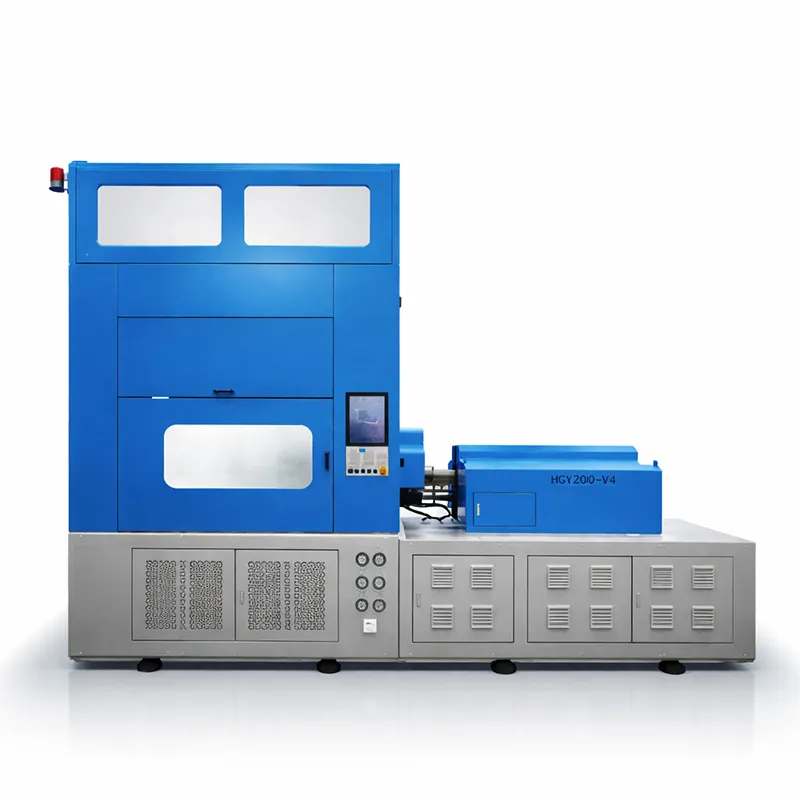
Korejski standardi za benchmarking OEE ISBM dolaze iz tri izvora: istraživanja korejske industrije ISBM-a (godišnji benchmark Korejskog udruženja za ambalažne kontejnere KPCA), smjernice japanskog proizvođača ISBM opreme (Nissei ASB, Aoki Kikai) i korejsko iskustvo u konsultantskim uslugama upravljanja operacijama. Nivoi performansi OEE relevantni za korejski ISBM:
Svjetska klasa (>85% OEE) — Top 5% korejski ISBM
Postignuto od strane korejskih dugoročnih proizvođača PET negazirane vode sa proizvodnjom od 6-8 šupljina po komadu i minimalnim promjenama. Karakteriše: dostupnost ≥92%, odstupanje vremena ciklusa od idealnog ≤1,5%, gubitak kvaliteta pri prvom prolazu ≤1,5%. Zahtijeva EV servo platformu, gravimetrijsko doziranje smole, automatsku vizuelnu inspekciju kvaliteta i sistematski program preventivnog održavanja.
Dobre performanse (75–85% OEE) — Top 25% korejski ISBM
Cilj za korejske K-Beauty PETG i operacije s više SKU jedinica premium pića. Zahtijeva sistematski program promjene SMED-a, evidentiranje temperature u stanici za kondicioniranje i praćenje OEE po smjeni. Većina korejskih proizvođača ISBM-a koji su implementirali praćenje OEE-a duže od 12 mjeseci dostižu ovaj nivo.
Prosjek u industriji (55–65% OEE) — Većina korejskih ISBM-ova
Većina korejskih proizvođača ISBM robe bez sistematskog praćenja OEE. Karakterizira ih nekvantificirano vrijeme zastoja, nedosljedno pridržavanje vremena ciklusa i gubici kvalitete koji se apsorbiraju u troškove otpada, umjesto da se prate kao prilike za poboljšanje procesa.
6. Vodeći pokazatelji za poboljšanje korejskog ISBM OEE-a
OEE je indikator kašnjenja — on govori korejskim ISBM menadžerima šta se dogodilo, ali ne i šta učiniti prije sljedeće smjene kako bi se spriječilo da se to ponovi. Korejski programi za poboljšanje ISBM OEE koji postižu povećanje OEE od 15–25% u roku od 12 mjeseci dosljedno koriste četiri vodeća indikatora koji predviđaju gdje će se gubici OEE pojaviti prije nego što se manifestiraju u OEE broju. Vodeći indikator 1: odstupanje temperature stanice za kondicioniranje od zadane vrijednosti (kontinuirano mjereno na procesnom dnevniku EV servo platforme) — odstupanje temperature zone iznad ±1,5°C je vodeći indikator za gubitak kvaliteta (defekti u distribuciji zamagljenosti ili zidova) u narednih 30–60 minuta; djelovanje na odstupanje prije nego što utiče na kvalitet proizvoda sprječava da postane gubitak kvaliteta OEE. Vodeći indikator 2: varijansa vremena ciklusa (pomjerajuća standardna devijacija posljednjih 50 vremena ciklusa) — postepeno povećanje varijanse vremena ciklusa iznad ±0,5s je vodeći indikator za mikro-zaustavljanje u narednih 100–200 ciklusa; Istraživanje izvora varijanse (nstabilnost kondicioniranja, varijacija sile izbacivanja, nepravilnost uvlačenja predoblika) sprječava da mikro-zaustavljanje postane gubitak performansi OEE. Vodeći indikator 3: varijacija težine injekcijskog sačme (koeficijent varijacije posljednjih 20 težina predoblika) — CV% iznad 0,8% je vodeći indikator problema s kvalitetom predoblika koji će se manifestirati kao gubitak kvalitete OEE u fazi inspekcije duvane boce u roku od 15-30 minuta. Vodeći indikator 4: rashladna voda ΔT (razlika temperature ulaza i izlaza) — rastući ΔT iznad utvrđene osnovne linije ukazuje na onečišćenje kruga hlađenja kalupa, vodeći indikator gubitka kvalitete raspodjele debljine stijenke (vruće zone kalupa stvaraju tanje stijenke koje ne ispunjavaju specifikaciju gornjeg opterećenja) u roku od sljedećih 4-8 sati proizvodnje. Korejski proizvođači ISBM-a koji ugrađuju ova četiri vodeća indikatora u svoju kontrolnu ploču za praćenje smjena — djelujući na odstupanja u stvarnom vremenu umjesto da sedmično pregledavaju OEE — komprimiraju vremenski okvir za poboljšanje korejskog ISBM-a sa 24 mjeseca na 9-12 mjeseci.
7. Izazovi mjerenja OEE-a specifični za ISBM i korejska rješenja
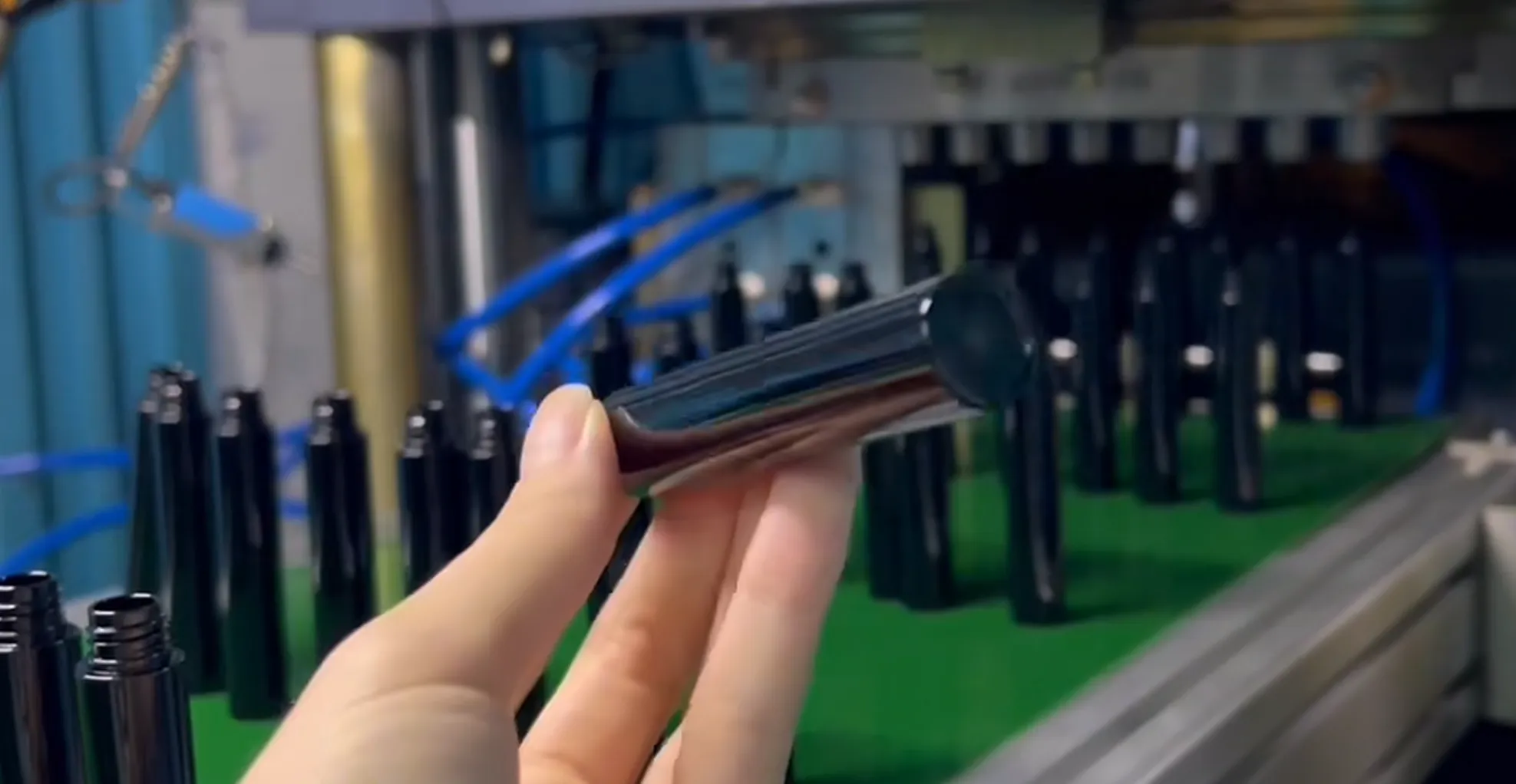
Mjerenje OEE u korejskom ISBM-u suočava se s pet izazova specifičnih za platformu. Izazov 1: atribucija kvaliteta više šupljina - kada korejska ISBM mašina sa 6 šupljina proizvede 5 dobrih šupljina i 1 šupljinu s defektima, da li je gubitak kvaliteta 1/6 proizvodnje (po broju šupljina) ili se računa po lošoj boci? Korejski OEE standard: brojite neispravne boce, a ne neispravne šupljine - komponenta Kvalitet prati proizvedene dobre boce ÷ ukupan broj boca. Izazov 2: škart pri pokretanju i gašenju - škart pri pokretanju korejskog ISBM-a (prvih 15-30 hitaca nakon promjene dok se proces stabilizira) predstavlja gubitak kvaliteta samo ako je proizvodni nalog započet; ako se škart pri pokretanju dogodi prije nego što sat proizvodnog naloga počne odbrojavati, to je gubitak dostupnosti (vrijeme podešavanja). Pogrešna klasifikacija škarta pri pokretanju napuhava prividni kvalitet i skriva stvarne troškove dostupnosti korejskog upravljanja promjenom. Izazov 3: planirano uzorkovanje kvaliteta - Korejski farmaceutski ISBM zahtijeva periodično uzorkovanje (5 boca svakih 30 minuta) koje privremeno pauzira proizvodnju; ovo zadržavanje uzorkovanja klasificira se kao gubitak dostupnosti (planirani), a ne gubitak performansi, jer je to planirana aktivnost. Izazov 4: OEE u Koreji u više smjena — Korejske ISBM operacije u 3 smjene trebaju izračunavati OEE po smjeni, a ne samo po danu, jer analiza OEE po smjenama otkriva sistematske razlike između smjena (obično, kasna smjena od 2 do 6 sati ujutro ima nižu dostupnost zbog smanjenog vremena odziva na održavanje — korejski ISBM menadžeri koji to vide u podacima o OEE na nivou smjene mogu shodno tome ciljati planiranje preventivnog održavanja). Izazov 5: OEE za višeproizvodni miks — Korejski ISBM mašine koje proizvode 5+ različitih proizvoda sedmično trebaju ponderirani prosječni OEE koji uzima u obzir različita idealna vremena ciklusa po proizvodu. Izračunavanje OEE u odnosu na isto idealno vrijeme ciklusa za sve proizvode precjenjuje performanse za spore proizvode i podcjenjuje ih za brze proizvode.
8. OEE digitalne kontrolne ploče i integracija korejske industrije 4.0
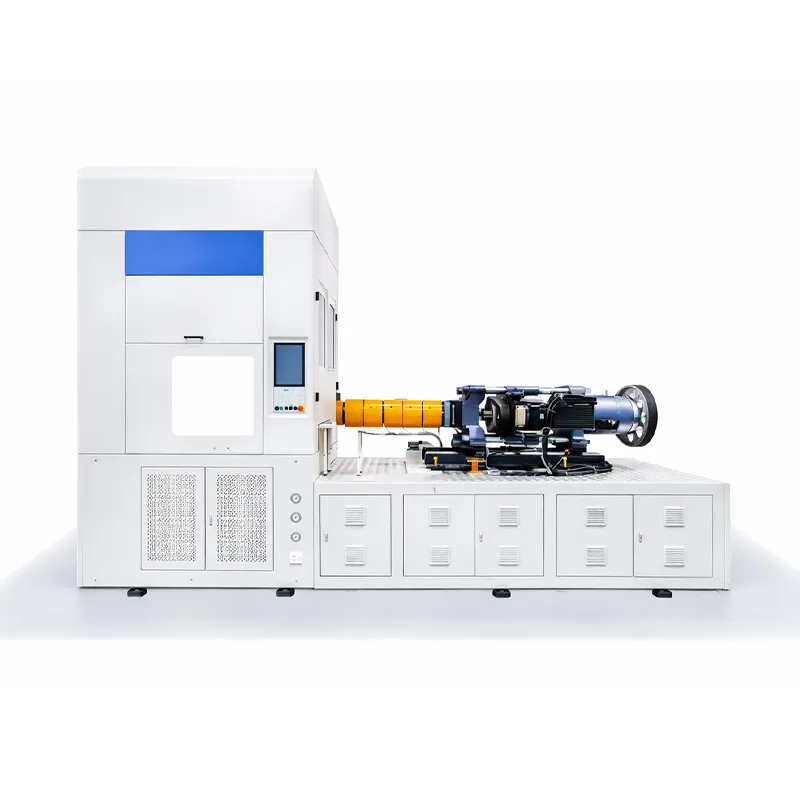
Korejska digitalna integracija ISBM OEE koristi standardni izlaz podataka EV servo kontrolera (Ethernet TCP/IP ili Modbus RS-485) za direktno strujanje procesnih podataka u korejski fabrički MES ili OEE softversku aplikaciju. Minimalni broj podataka za izračun korejskog ISBM OEE putem MES integracije: vrijeme ciklusa po snimaku (za performanse); kodovi alarma s vremenskom oznakom i trajanjem (za dostupnost); broj dobrih/odbijenih na izlazu vizualne inspekcije (za kvalitet). Korejske EV servo ISBM platforme pružaju sva tri toka podataka putem svog standardnog interfejsa kontrolera - nije potrebna modifikacija hardvera, samo mrežna veza i konfiguracija OEE softvera. Korejske ISBM operacije koje su implementirale OEE integriran s MES-om dosljedno izvještavaju o dva ishoda: prvo, vidljivost OEE otkriva da je stvarni prosječni OEE u korejskoj industriji ISBM-a 55–65% (niži od onoga što korejski ISBM operateri obično sami procjenjuju na 70–75% na osnovu povremenog posmatranja mašina u radu); Drugo, podaci o OEE na nivou smjene pokreću specifične akcije poboljšanja (specifične kategorije zastoja, specifični izvori gubitka kvalitete, specifični obrasci mikrozaustavljanja) koje sistematski programi poboljšanja OEE rješavaju. Investicija u integraciju korejskog ISBM MES sistema za praćenje OEE (obično 8-25 miliona KRW za softver plus podešavanje) vraća se u roku od 6-10 mjeseci kroz identifikovana poboljšanja OEE sistema od 10-20 procentnih poena - što je čini najpovoljnijom korejskom investicijom u ISBM digitalnu tehnologiju.
Često postavljana pitanja
Podrška za implementaciju OEE
Da li je korejski ISBM OEE ispod 65%? Promjena za više od 4 sata? Gubitak kvalitete iznad 5%?
Korejski Ever-Power pruža osnovna mjerenja OEE, analizu komponenti Dostupnost/Performanse/Kvalitet, program promjene SMED-a, praćenje vodećih indikatora stanice za kondicioniranje i integraciju MES podataka za poboljšanje OEE u korejskom ISBM-u.
Povezani resursi
OEE platforma
Korejski Ever-Power HGY200-V4
Zapisivanje vremena ciklusa servo motora električnog vozila i vremenska oznaka alarma za prikupljanje podataka o OEE; Ethernet izlaz za integraciju MES/OEE softvera; spremno za Industriju 4.0.
Domet mašine
ISBM poligon sa 4 stanice
Sve korejske Ever-Power platforme sa 4 stanice uključuju izlaz podataka EV servo motora za praćenje OEE - standardni Modbus RS-485 i Ethernet TCP/IP interfejsi.
Platforma visoke OEE
EP-HGYS280-V6 ISBM sa 6 stanica
Platforma sa 6 stanica i dvostrukim ubrizgavanjem, projektovana za maksimalni OEE za korejski ISBM pri velikim količinama - manje promjena godišnje pri ekvivalentnom učinku znači inherentno veću komponentu OEE dostupnosti.