
Maailmatasemel komponendid: miks teie ISBM-masina materjalide spetsifikatsioon dikteerib Korea tootjatele 10-aastase kasumlikkuse
Kaks ISBM-masinat võivad arvutustabelil välja näha identsed. Sama kinnitusjõud, sama läbilaskevõime, sama tsükliaeg. Siis kolmandal aastal pakub üks neist 95% tööaega, samal ajal kui teine kulutab iga planeerimata seisaku eest 8 miljonit Lõuna-Korea vonni. Erinevus ei seisne spetsifikatsioonilehes, vaid materjalide loetelus. Siin on täpselt kirjas, milliseid maailmatasemel komponente Korea Ever-Power määrab ja miks need on teie kapitalikulude otsuses kõige olulisem varjatud reaartikkel.
Planeerimata seisakud on ISBM-masina elutsükli kõige kallim üksik kuluartikkel. Tüüpiline Korea tootja maksab iga kriitilise komponendi rikke kohta 6–12 miljonit Lõuna-Korea vonni, mis hõlmab tootmise katkemist, tehnikute lähetamist ja varuosade õhutransporti – ning odavatel komponentidel töötaval eelarvemasinal esineb pärast 3. aastat 8–15 sellist sündmust aastas. Korrutage see 10-aastase eluea ja komponentide majandusliku tasuvusega, mis vähendab oluliselt „odava“ ja „premium-BOM“ masina vahelise esialgse kapitalikulu erinevust.
Korea Ever-Poweri standardne materjalide loend määrab maailmatasemel komponendid: Yaskawa või Inovance servomootorid Murata reduktoritega, Parkeri kõrgsurve-pneumaatilised ventiilid, AirTAC pneumaatilised silindrid, NSK täppiskuulkruvid, YUKEN proportsionaalventiilid, integreeritud temperatuuriregulaatorid ja nano-kauginfrapuna sissepritsega kütteseadmed. Sama komponentide tarneahel, mis läheb üle Jaapani ISBM-masinatele, mida müüakse meie hinnast 1,8–2,4 korda kõrgema hinnaga. Kvaliteetse materjali spetsifikatsiooni kapitalikulude lisatasu tasub end ära 2–4 aastal ainuüksi seisakute kõrvaldamise kaudu – ja jätkab tasumist kogu tööea jooksul.
1. Korea ISBM-i tootmise seisakute tegelik hind
Korea tootjad seisavad silmitsi seisakutega seotud kulustruktuuriga, mis on oluliselt karmim kui madalama palgatasemega riikide tootjatel. Üks planeerimata ISBM-i seisak maksab Korea K-Beauty lepingutäitjale täielikult arvesse võttes ligikaudu 6–12 miljonit Lõuna-Korea woni: 4–14 tundi tootmise katkemist tüüpiliste liinitulude määrade korral, lähetatud hooldustehniku aeg 80 000–150 000 Lõuna-Korea woni tunnis, kiirendatud varuosad (sageli õhutranspordiga avamerel 2–8 miljoni Lõuna-Korea woni saatmiskuludega) ja mõju klientidele, kui kokkulepitud tarnekuupäevad nihkuvad.
Nüüd korrutage see sündmuste sagedusega. Tipptasemel materjalist Korea Ever-Poweri masinal esineb oma 22+ aasta pikkuse tööea jooksul 1–3 kriitilise komponendi riket. Eelarvelise materjalist materjalist masinal esineb pärast 3. aastat 8–15 sellist sündmust aastas, kusjuures sagedus suureneb odavate komponentide vananedes. 10-aastase seisaku kulude erinevus ületab rutiinselt 400–900 miljonit Lõuna-Korea woni – tavaliselt 4–9 korda tipptasemel materjalist masina algne kapitalikulude lisatasu.
See on esmaklassiliste komponentide hankimise peamine majanduslik argument: algse ostuarvelt arvestatud kapitalikulude kokkuhoid on väiksem kui elutsükli seisakute kokkuhoid. Ometi ei tee spetsifikatsioonilehed, mida Korea hankemeeskonnad võrdlevad, seda erinevust sageli nähtavaks – ja just seepärast see artikkel ka eksisteerib.
2. Liikumislüli: Yaskawa ja Inovance servomootorid
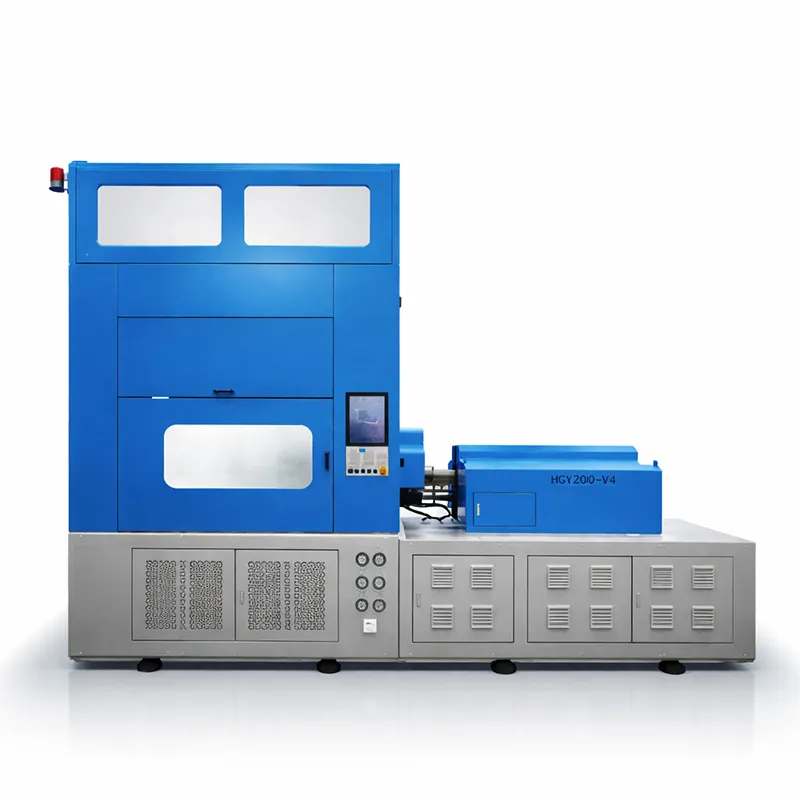
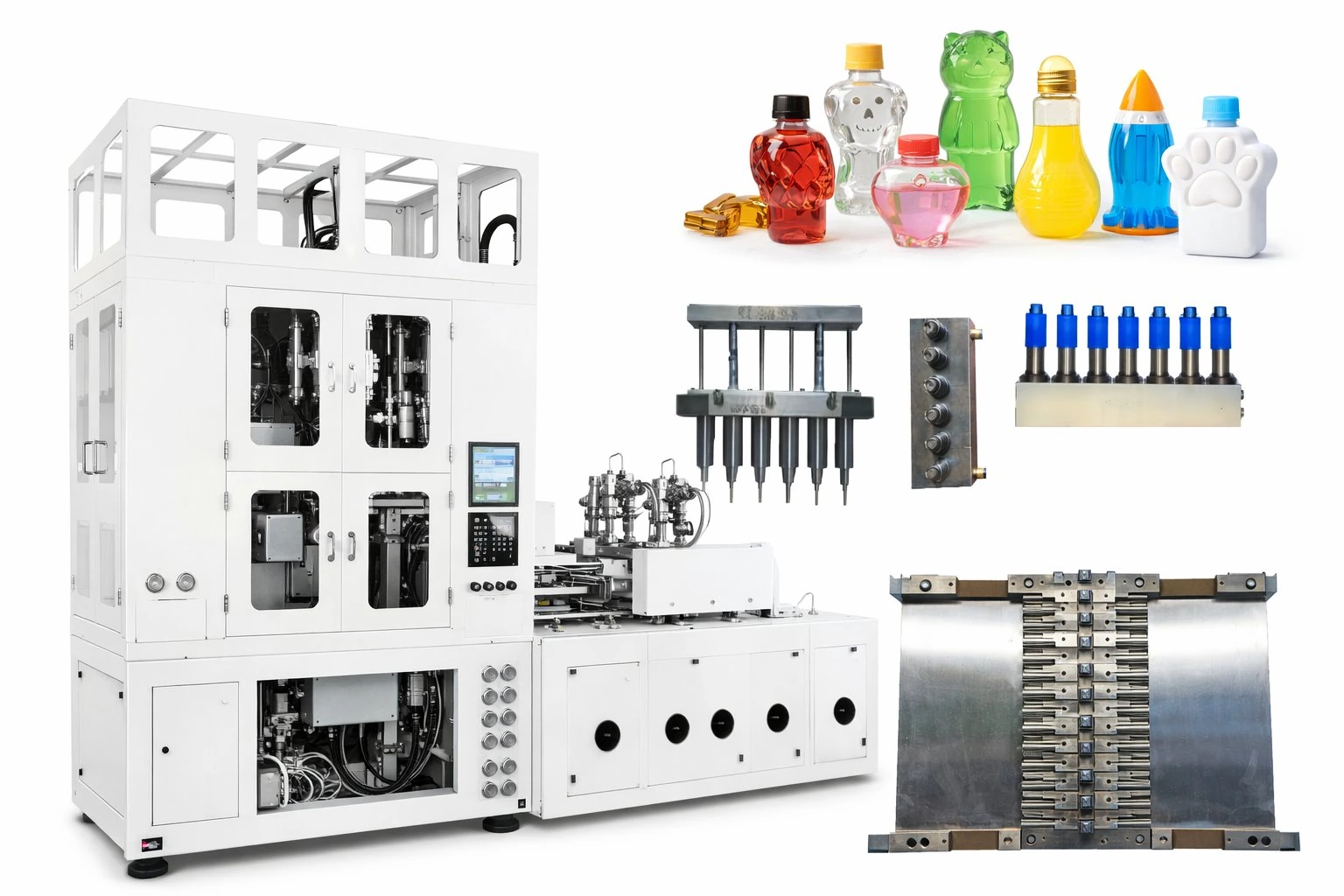
Servomootorid on iga tänapäevase Korea Ever-Power elektrilise masina kinemaatiline selgroog. Need juhivad kinnitust (kahe servomootoriga konfiguratsioonide korral kaks mootorit plaadi kohta), sissepritsekruvi pöörlemist ja translatsiooni, venitusvarda liikumist, väljutusplaadi käiku, väravalõike laba käivitamist ja pöörlevat indeksliikumist. Tüüpiline neljapositsiooniline HGY150-V4 kannab 8–11 servotelge; kuuepositsiooniline HGYS280-V6 kannab 14–16 servotelge.
Yaskawa: Jaapani tööstusstandard
Yaskawa Σ-7 seeria servomootorid on ette nähtud Korea Ever-Power EV platvormidele primaarsete liikumistelgede jaoks – kinnitus, sissepritse ja venitus. Yaskawa disainifilosoofia rõhutab pikaealisi laagreid, IP67 kaitseklassiga suletud enkoodri korpusi ja konservatiivset termilist rõhku. Yaskawa servomootorite MTBF (keskmine riketevaheline aeg) pidevas ISBM-režiimis ületab 100 000 töötundi – tüüpiliste Korea tootmisgraafikute korral umbes 16+ aastat. Nende servomootorite valiku arhitektuuriline põhjendus on üksikasjalikult kirjeldatud meie... täisservoga EV ISBM 40% energiaanalüüs.
Inovance: kuluoptimeeritud premium-tasand
Teisese telje (väljutus-, väravalõike-, pöörleva indekseerimise telgede) jaoks määrab Korea Ever-Power Inovance SV660 või IS810 seeria servod. Inovance on Hiina esmaklassiline servomootorite bränd, mis on viimase kümnendi jooksul järk-järgult vähendanud Yaskawa töökindluse vahet – ja seda oluliselt madalamate komponentide hinnaga. Nende telgede keskmine keskmine tööiga on 60 000–80 000 töötundi, mis ületab ikkagi 10 aastat tootmiskasutust.
Yaskawa-Inovance'i segaspetsifikatsioon on tahtlik: Yaskawa rakendamine kõigile telgedele suurendaks masina maksumust ilma proportsionaalse töökindluse kasuta, samas kui Inovance'i rakendamine kõigile telgedele kahjustaks töökindlust kõige suurema koormusega telgedel. See kalibreeritud spetsifikatsioon muudab Korea Ever-Poweri masinad Jaapani toodetud samaväärsete masinatega võrreldes hinna poolest konkurentsivõimeliseks, pakkudes samal ajal võrreldavat elutsükli jõudlust.

3. Pneumaatiline päästerõngas: Parkeri kõrgsurveventiilid
ISBM-masina pneumaatiline süsteem teostab tsükli kõige ägedama operatsiooni – see pumpab toorikusse hetkega 2,0–3,5 MPa suruõhku, et see vormiõõnsuse vastu paisutada. See on toiming, mis annab pudelile lõpliku kuju, pinnatäpsuse ja mõõtmete täpsuse. Seda õhuvoolu juhtivad ventiilid ei ole valikulised premium-komponendid – need on kogu tootmisprotsessi eluliin.
Korea tootja Ever-Power määrab igale masinale Ameerika Parkeri kõrgsurve-pneumaatilised ventiilid. Parkeri konstruktsioonitolerants võimaldab usaldusväärset tööd töörõhul 4,0+ MPa millisekundilise skaalaga lülitusreaktsiooniga. Rike Parkeri ventiili keset tsüklit põhjustab kohese seiskumise ja paar sada raisku läinud toorikut – halb, aga taastatav. On teada, et rikkis eelarve pneumaatiline ventiil keset tsüklit on purunenud, vabastades plahvatuslikult 3 MPa suruõhku masina ümbrisesse. Ohutusalane kaalutlus on iseenesest piisav põhjus Parkeri valimiseks.
Lisaks Parkeri ventiilidele kasutavad Korea Ever-Poweri masinad AirTACi pneumaatilisi silindreid sekundaarseks käivitamiseks – vormi avamise abistamiseks, väljutustihvti juhtimiseks ja konveieri käsitsemiseks. AirTAC on Taiwani esmaklassiline pneumaatikabränd, mida kasutatakse praktiliselt igas mainekas Korea ja Jaapani tööstusmasinate tootesarjas. Parkeri ja AirTACi kombineeritud pneumaatikaspetsifikatsioon võimaldab Korea Ever-Poweril... kahe servoga kinnitus koos kõrgsurve kompenseerimisega aastaid usaldusväärselt töötama.
4. Mehaaniline skelett: NSK kuulkruvid ja YUKEN proportsionaalventiilid
Servomootorid annavad pöördemomenti; kuulkruvid muudavad selle pöördemomendi täpselt lineaarseks liikumiseks. Kinnitusplaat, sissepritsekruvi, venitusvarras ja väljutusplaat tuginevad kõik kuulkruvidele, et teisendada pöörlev servo sisend täpseks lineaarseks liikumiseks, mida tootmistsükkel vajab. Kulunud või madala täpsusega kuulkruvi tekitab positsioonivigu, mis kaskaadivad pudeli seina paksuse varieeruvuseks, eraldusjoone vaheks ja värava lõikamise täpsuse kaoks.
Korea ettevõte Ever-Power määrab kõigi peamiste liikumistelgede jaoks NSK (Jaapan) täppis-kuulkruvide valmistamise. NSK tootmistolerants – tavaliselt C5 klass või parem, positsioonitäpsusega 0,018 mm piires 300 mm käigupikkusel – tagab kahekordse servomootoriga kinnitussüsteemi tsükli järel alla 0,005 mm eraldustasandi paralleelsuse. Odavamad Hiina kuulkruvide asendajad pakuvad tavaliselt C7 või C10 klassi, mille positsioonitäpsus on 3–8 korda halvem, põhjustades masina eluea jooksul mõõdetavat pudeli kvaliteedi hälvet.
Hüdrauliliste abisüsteemide (jahuti rõhu reguleerimine, õlijahuti juhtimine, vormi-vee voolu reguleerimine) jaoks määrab Korea ettevõte Ever-Power YUKENi (Jaapan) proportsionaalventiilid. YUKENi hüdrauliline täpsus võimaldab vormi temperatuuri suletud ahelaga reguleerida ±0,5 °C täpsusega – see on täpsus, mida on vaja esmaklassiliste PETG-kosmeetikatoodete ja Tritanist lutipudelite töötlemiseks. See täppisühendus sobib meie dokumenteeritud vormi konstruktsioonivalikutega. 9-faktoriline vormivaliku raamistik.
5. Soojussüsteem: nano-kaug-infrapunaküte
Sissepritsetoru peab polümeerpelletid kuumutama sulamistemperatuurini – tavaliselt 280–305 °C PET-i puhul, 250–270 °C PETG puhul, 300–330 °C Tritani puhul, 340–365 °C PPSU puhul. Tavapärased elektrilised takistusribaga kütteseadmed teevad seda silindri välispinna kuumutamise ja soojuse sissepoole juhtimise teel – see protsess on aeglane (soojenemisaeg 30–45 minutit), ebaefektiivne (märkimisväärne soojuskadu atmosfääri) ja tekitab läbi silindri seina temperatuurigradiendi.
Korea Ever-Poweri elektriautode platvormid täpsustavad Nano-kaug-infrapuna-keraamilised kütteelemendid hoopis. Need kiirgavad lainepikkuste vahemikus 8–14 μm, mille polümeerisulam neelab otse – möödudes metalltünnist kui termilisest vahendajast. Tulemus: 8–12-minutiline soojenemine seatud väärtuseni, 60% madalam püsiseisundi kütteenergia tarbimine ja ±0,8 °C sulamistemperatuuri stabiilsus 8-tunnise töötsükli jooksul.
Kitsa aknaga vaikude puhul (Tritan ±15 °C tolerants, PPSU ±20 °C, PETG ±17 °C, olenevalt klassist) on see termiline täpsus usaldusväärse tootmise ja pideva praakkastide genereerimise erinevus. Nano-kauginfrapunaküte koos integreeritud temperatuuriregulaatoritega vähendab oluliselt ka kütteelementide hoolduskulusid – need kestavad 3–5 korda kauem kui tavalised takistusribad, kuna need töötavad madalamatel pinnatemperatuuridel ja väldivad oksüdatsioonitsükleid.
Selle termilise alamsüsteemi integreeritud temperatuuri juhtimiskast koordineerib ka vormi temperatuuri regulaatorite, jahuti voolukiiruste ja konditsioneerimisjaama kütteseadmete tööd, muutes termilise alamsüsteemi pigem süsteemiks kui iseseisvate kütteseadmete kogumiks. See süsteemitaseme termiline disain võimaldab meie artiklis üksikasjalikult kirjeldatud 6-punktilist termilist arhitektuuri. 6-jaamaga HGYS280-V6 suure võimsusega analüüs.
6. Miks on „materjalide asendamine” kõige levinum kapitalikulude lõks
Korea hankejuhid, kes võrdlevad mitme tarnija ISBM-pakkumisi, puutuvad sageli kokku hindadega, mis nominaalselt sarnaste masinate puhul varieeruvad vahemikus 30–60%. Levinud reaktsioon on seostada seda tootmiskulude, kasumimarginaali või turunduspositsioneerimisega. Tegelik seletus on peaaegu alati materjaliloendi asendamine.
Eelarvetarnija, kes pakub 35% masinat odavamalt kui Korea päritolu Ever-Power, on selle asendanud: Yaskawa/Inovance'i asemel odavad kaubamärgita servomootorid, Parkeri asemel geneerilised Hiina pneumaatilised ventiilid, NSK asemel teadmata täpsusega OEM-klassi kuulkruvid, nano-kauginfrapunaelementide asemel elektrilised takistuskütteseadmed, tehase integreeritud temperatuurisüsteemide asemel kaubamärgita jahutid ning tuntud tööstusbrändide asemel teisejärguliste tarnijate PLC-kontrollerid. Iga asendus vähendab arve maksumust 5–12% võrra. Kui asendusi kokku panna 6–8 võrra, on arvete kokkuhoid dramaatiline.
Lõks seisneb selles, et kõik kuus asendust on nähtamatud kuni 2.–4. tööaastani. Seejärel hakkavad vead kuhjuma: servomootor, mis kestab 12 000 töötundi 100 000 asemel; pneumaatiline ventiil, mis rikki läheb 6 kuuga 8 aasta asemel; kuulkruvid, mille asendivead tekivad 18 kuuga kümne aasta asemel ja rohkem; kütteelemendid, mis vajavad vahetamist iga 8 kuu tagant 4 aasta asemel.
Seepärast avaldab Korea ettevõte Ever-Power ostueelses dokumentatsioonis täielikud materjalide spetsifikatsioonid, selle asemel et käsitleda komponentide valikut omandiõigusena. Korea tootjad peaksid nõudma sama läbipaistvust igalt potentsiaalselt tarnijalt – ja suhtuma tarnijatesse, kes keelduvad, äärmise ettevaatusega.
7. Komponendi elutsükkel: 22-aastased masinad vs. 8-aastased masinad
Elutsükkel on materjali omaduste kvaliteedi kõige puhtam näitaja. Kvaliteetsed Korea Ever-Poweri materjali omadustega masinad töötavad tavaliselt üle 22 aasta, vajades perioodilist renoveerimist. Eelarvelised materjali omadustega masinad jõuavad majandusliku eluea lõppu tavaliselt 7–10 aasta pärast, kuna komponentide kumulatiivne kulumine muudab nende hooldamise ebaökonoomseks.
Kulumõju on dramaatiline. Korea tootja, kes ostab eelarvemasina 280 miljoni Lõuna-Korea woni eest ja asendab selle 8. aastal, kulutab 8. aastal asendamisele ~320 miljonit Lõuna-Korea woni (eeldades inflatsiooni). 22-aastased kapitalikulud kokku: kahe masina peale kokku 600 miljonit ja rohkem Lõuna-Korea woni, millele lisanduvad teise masina integreerimiskulud. Sama tootja, kes ostab 0. aastal Korea Ever-Poweri masina hinnaga 360 miljonit Lõuna-Korea woni, kulutab 12. aastal keskmise eluea renoveerimisele umbes 80 miljonit Lõuna-Korea woni ja jätkab sellega 22. ja enam aastat. 22-aastased kapitalikulud kokku: 440 miljonit Lõuna-Korea woni.
Kõrgekvaliteediline materjaliloend säästab seadme elutsükli jooksul üle 160 miljoni Lõuna-Korea woni, pakkudes samal ajal oluliselt suuremat töökindlust ja kvaliteedi järjepidevust. Koos selle sisumaatriksi mujal üksikasjalikult kirjeldatud energia- ja tööjõusäästuga on Korea tootja pikaajaline majanduslik argument otsustav – seda saab meie kaudu kvantifitseerida. Korea ISBM ROI kalkulaatori raamistik.
8. Korea varuosade logistika: miks see on materjaliloendi otsus
Kui Korea tootmisliinil rikki läheb kriitiline komponent, siis seisaku maksumust ei määra mitte see, mis rikki läks, vaid see, kui kiiresti saame selle välja vahetada. Varuosade logistika on seega sama palju materjaliloendi otsus kui algse komponendi valik.
Korea Ever-Poweril on selle garantii jaoks Gyeonggi-do varuosade depoo: kriitilised komponendid – Yaskawa servomootorid, Parkeri ventiilid, NSK kuulkruvid, täielikud juhtpaneelid, peamised termopaarid ja rõhuandurid – tarnitakse Korea laost 24 tunni jooksul kõikjale Koreas. Mittekriitiliste komponentide (filtrid, andurid, mitmesugused liitmikud) puhul on tarne depoost tavaline 3–5 tööpäeva.
Eelarvetarnija, kellel puudub Korea varuosade ladu, nõuab tavaliselt kriitilise komponendi õhutransporti avamerelt (Hiinast, Taiwanist), millele lisandub tollivormistus 24–72 tundi. Kriitiliste komponentide koguvahetusaeg: 3–7 päeva, võrreldes Korea Ever-Poweri 1 päevaga. Korrutage see 8–15 komponendi rikkega aastas eelarvemasinal ja seisakute erinevus muutub töökorras halvavaks – täpne stsenaarium, mida meie... 5-astmeline ennetava hoolduse raamistik on loodud ennetama.
Korea päritolu Ever-Poweri varuosade ladu on materjaliloendi otsus, kuna see toimib ainult siis, kui laos olevad komponendid vastavad kohapealsetele masinatele. Tarnija, kes varieerib materjaliloendit masinati (sõltuvalt sellest, mis on sel kuul odavam), ei saa varuosi otstarbekalt laos hoida. Järjepidev esmaklassiline materjaliloend on Korea päritolu sisuka varuosade logistika eeltingimus.
9. Omandi kogukulu: 10-aastane BOM-i arvutus
Aus 10-aastase kogukulu võrdlus Korea päritolu esmaklassilise BOM-masina Ever-Poweri ja fiktiivse eelarveklassiga standardse BOM-masina vahel, mis on normaliseeritud neljajaamalise HGY150-V4 ekvivalendiks, mis toodab aastas 25 miljonit pudelit:
Korea Ever-Power: 360 miljonit Korea vonni
Eelarvekaup: 240 miljonit Korea woni (nähtav kokkuhoid 120 miljonit Korea woni)Kumulatiivne seisaku maksumus (10 aastat):
Korea Ever-Power: ~35 miljonit Lõuna-Korea woni
Eelarveline kaup: ~580 miljonit Korea woni (15 üritust aastas × 8,5 miljonit Korea woni pärast 3. aastat)Varuosad ja hooldus:
Korea Ever-Power: ~95 miljonit Lõuna-Korea woni
Eelarvekaup: ~280 miljonit Korea woni
Töö planeerimata sekkumiste korral:
Korea Ever-Power: ~25 miljonit Lõuna-Korea woni
Eelarvekaup: ~165 miljonit Lõuna-Korea woni
10-aastane kogukulu Korea Ever-Powerilt: ~515 miljonit Korea woni
10-aastane kogukulu Eelarvetoode: ~1265 miljonit Lõuna-Korea woni
Netopreemia ja materjalikulu suhe: 750 miljonit Lõuna-Korea vonni 10 aasta jooksul
Eelarvemasina pealt näiv 120 miljoni Korea woni suurune kapitalikulude kokkuhoid muutub 10-aastase horisondi jooksul 750 miljoni Korea woni suuruseks kahjumiks – see on 6-kordne kõikumine võrreldes esialgse ostuotsusega. Seda tähendabki Korea tootjate jaoks kvantitatiivselt „materjalide loetelu dikteerib kasumlikkust”.
10. Kuidas auditeerida tarnija tegelikku materjaliloendit (mitte turundust)
Iga tarnija väidab, et kasutab esmaklassilisi komponente. Vähesed kinnitavad neid väiteid dokumentaalselt. Korea tootjad peaksid enne mis tahes ISBM-i ostutellimuse allkirjastamist nõudma järgmisi auditeeritavaid tõendeid:
Auditi punkt 1 – Täielik materjalide loendi dokument. Iga nimetatud komponendi rida-realt spetsifikatsioon: mark, mudel, päritoluriik, eeldatav elutsükkel. Kui tarnija seda ei jaga, tähendab see, et materjalide loend ei ole masinate lõikes ühtne.
Auditipunkt 2 – komponentide sertifitseerimiskoopiad. Yaskawa, Parker, NSK ja YUKEN väljastavad kõik autentsusdokumente. Taotlege koopiaid ostu-müügilepingus.
Auditipunkt 3 – Varuosade laoseisu kohustus. Kirjalik kinnitus kriitiliste komponentide konkreetsete Korea laovarude tasemete kohta koos reageerimisaja teenusetaseme kokkuleppega (nt „Yaskawa SGM7G-09A tarnitakse Gyeonggi-dosse 24 tunni jooksul pärast rikketeadet”).
Auditipunkt 4 – Viiteklientide nimekiri. 3–5 kliendi kontaktandmed, kellel on sarnased masinad, mis on töötanud üle 5 aasta. Rääkige nendega otse töökindluse kogemustest.
Auditi punkt 5 – Materjaliloendile omased garantiitingimused. Tipptasemel materjalikirjeldus õigustab pikendatud garantiiperioode. Korea päritolu Ever-Power pakub 24-kuulist standardgarantiid koos valikulise pikendamisega 60 kuuni peamistele alamsüsteemidele – garantiitingimused on jätkusuutlikud ainult siis, kui aluskomponendid kestavad usaldusväärselt kauem kui garantiiperiood.
Korduma kippuvad küsimused
K1. Kas Yaskawa servod on Hiina tarbeks toodetud servodega võrreldes oma hinda ikka väärt?
Primaarsete liikumistelgede (kinnitus, sissepritse, venitamine) puhul tootmistsüklite korral jah – mõõdetavalt. Yaskawa keskmine keskmine tööiga pidevas ISBM-i teenistuses ületab 100 000 tundi; tavaliste servomootorite tööiga on tavaliselt 12 000–25 000 tundi, enne kui need vajavad väljavahetamist. Kogukulu arvutus soosib Yaskawat mis tahes tööperioodi jooksul üle 4 aasta. Madala koormusega sekundaarsete telgede jaoks määrab Korea Ever-Power Inovance'i kui kalibreeritud kulude optimeerimise lahendust – see on samuti usaldusväärne, soodsama hinnaga.
K2. Kas ma saan premium-segmendi tootmiseks taotleda spetsiifilisi materjaliloendi täiendusi?
Jah — Korea ettevõte Ever-Power toetab premium-turge teenindavate klientide BOM-i täiendusi. Levinud täiendused: Yaskawa spetsifikatsiooni laiendamine kõigile telgedele (tüüpiline kulukast 8–12%), uuendamine Schneideri või Siemensi PLC-kontrolleritele (5–8% premium), SS316L terase valimine farmaatsiatoodete tootega kokkupuutuvate pindade jaoks (muutuv). Arutage spetsiifilisi nõudeid insenerikonsultatsiooni etapis.
K3. Kuidas ma saan kontrollida, kas komponendid on ehtsad ja mitte võltsitud?
Korea päritolu Ever-Power pakub peamistele komponentidele (Yaskawa, Parker, NSK, YUKEN) originaalseid tehasepakendeid ja seerianumbri dokumente. Soovi korral saavad kliendid seerianumbreid otse originaalkomponentide tootjatelt kontrollida. Võltsitud komponendid on eelarvetarnijatele reaalne tööstusrisk, kuid Korea päritolu Ever-Poweri otsesed suhted nende kaubamärkidega muudavad võltsitud toodete asendamise meie tarneahelas praktiliselt võimatuks.
K4. Milline on tegelik tööjõukulude erinevus premium- ja kaubamaterjalide loendi toimingute vahel?
Korea tootjad teatavad 60–75% võrra madalamast rutiinse hoolduse tööjõukulust premium-materjalide masinate puhul. Premium-materjalide masin vajab keskmiselt umbes 4 tundi nädalas ennetavat hooldust; eelarvesõbralik masin vajab 12–18 tundi. 50 nädala jooksul aastas teeb see 400–700 tundi välditud hooldustööd masina kohta – 24–48 miljonit Lõuna-Korea vonni aastas täiskoormusega Korea hindade juures, mis üksi õigustab märkimisväärset materjalikulu lisatasu.
K5. Kas materjalide loetelu läbipaistvus kehtib ka vormimistööriistade kohta?
Jah — Korea ettevõte Ever-Power rakendab vormide tootmisel sama läbipaistvat materjaliloendi filosoofiat. Vormiterase klass (tavaliselt 2316 või NAK80 kosmeetiliseks tööks, 718H kõrge tsükliga tootmiseks), Hasco/DME standardkomponendid, vajadusel vask-berülliumist jahutusvahed — kõik on kirjalikult täpsustatud igal vormi ostutellimusel. See masina ja vormi materjaliloendi läbipaistvuse järjepidevus on sisuka võtmed kätte tarnimise alus.
Kas olete valmis üle vaatama Korea Ever-Poweri täielikku BOM-i?
Korea päritolu Ever-Poweri Ansan-si meeskond jagab teiega iga teie hinnatava platvormi täielikku komponentide kaupa materjaliloendi dokumentatsiooni, lisaks viiteid klientide kontaktidele, kes käitavad 5+ aasta vanuseid masinaid, ning kirjalikke garantii- ja varuosade SLA-kohustusi. Täielik läbipaistvus enne ostuotsuse tegemist.