FINANTSOTSUSTE RAAMISTIK
ISBM-i masina investeeringutasuvuse kalkulaator: Korea investeeringute tasuvusraamistik aastaks 2026
Korea ISBM-i investeeringud tasuvad end standardrakenduste puhul tavaliselt ära 18–36 kuuga ja piiratud võimsusega toimingute puhul 12–24 kuuga. See raamistik juhendab finantsjuhte ja hankedirektoreid läbi täieliku investeeringutasuvuse mudeli, mis kasutab viit sisendit, kolme reaalset Korea stsenaariumi ja platvormipõhist tasuvusanalüüsi.
TL;DR — Kiire kokkuvõte
ISBM-i investeeringutasuvuse arvutamiseks on vaja viit sisendit: kapitali kogukulu, aastane tootmiseesmärk, pudeli kohta arvutatud marginaali panus, tegevuskulude delta võrreldes baasjoonega ja kasuliku eluea eeldus. Põhivalem on tasuvusaeg (kuudes) = koguinvesteering / (kuumarginaal + igakuine tegevuskulude kokkuhoid). Korea tootjad saavutavad täisservoplatvormidel, mis toodavad aastas 8–15 miljonit pudelit, tavaliselt 18–30 kuulise tasuvuse. Pärast tasuvuse lõppu ületab investeeringutasuvus 35% aastas. Korea täisservoplatvormid tasuvad end tavaliselt 18–24 kuuga, võrreldes võrreldavate Jaapani seadmete 30–42 kuuga, kuna kapitalikulude erinevus ja energiatõhususe lisatasu on tingitud. Tootmisvõimsusega piiratud tegevused saavutavad kiireima tasuvuse tulude suurenemise kaudu.
Selles raamistikus
- ISBM-i investeeringute investeeringutasuvuse põhialused
- Põhilise investeeringutasuvuse valem: 5 sisendit
- Täielik kapitalikulude jaotus
- Aastase hüvitise komponendid
- Kolm Korea investeeringutasuvuse stsenaariumi
- Korea-spetsiifilised kulutegurid
- Platvormi tasuvusaja võrdlus
- Tundlikkusanalüüs ja riskifaktorid
- Korduma kippuvad küsimused
- Kokkuvõte
1. ISBM-i investeeringute investeeringutasuvuse põhialused
Korea ISBM-i investeeringud jäävad tavaliselt vahemikku 300 miljonit kuni 2 miljardit Lõuna-Korea vonni masina kohta, olenevalt platvormist, konfiguratsioonist ja vormi keerukusest. Sellise ulatusega kapitalikulutuste puhul vajavad finantsmeeskonnad enne kinnitamist põhjalikku investeeringutasuvuse analüüsi. Investeeringutasuvuse küsimus jaguneb kolmeks omavahel seotud mõõdikuks, mida hankedirektorid peavad koos mõistma: tasuvusaeg (kui kiiresti investeering oma kapitalikulu tagasi teenib), investeeringutasuvuse protsent (aastane tootlus pärast tasuvuse lõppu) ja kogu eluea väärtus (kumulatiivne tootlus seadme kasuliku eluea jooksul).
Tootmistööstuse võrdlusnäitajad näitavad konkurentsivõimeliseks investeeringutasuvuseks 20–35% aastas ja tasuvusperioodiks 18–30 kuud hästi planeeritud automatiseerimisinvesteeringute korral. Tippkvartiili tootjad saavutavad investeeringutasuvuse 35%+ ja tasuvusaja 12–18 kuud. Korea ISBM-i tootjad jäävad tavaliselt konkurentsivõimelise ja tippkvartiili vahemikku, kuna pudelitootmise majanduslikud tegurid soosivad automatiseerimist: suur maht, järjepidev läbilaskevõime ja märkimisväärsed pudeli kohta käivad marginaalid on soodsad.
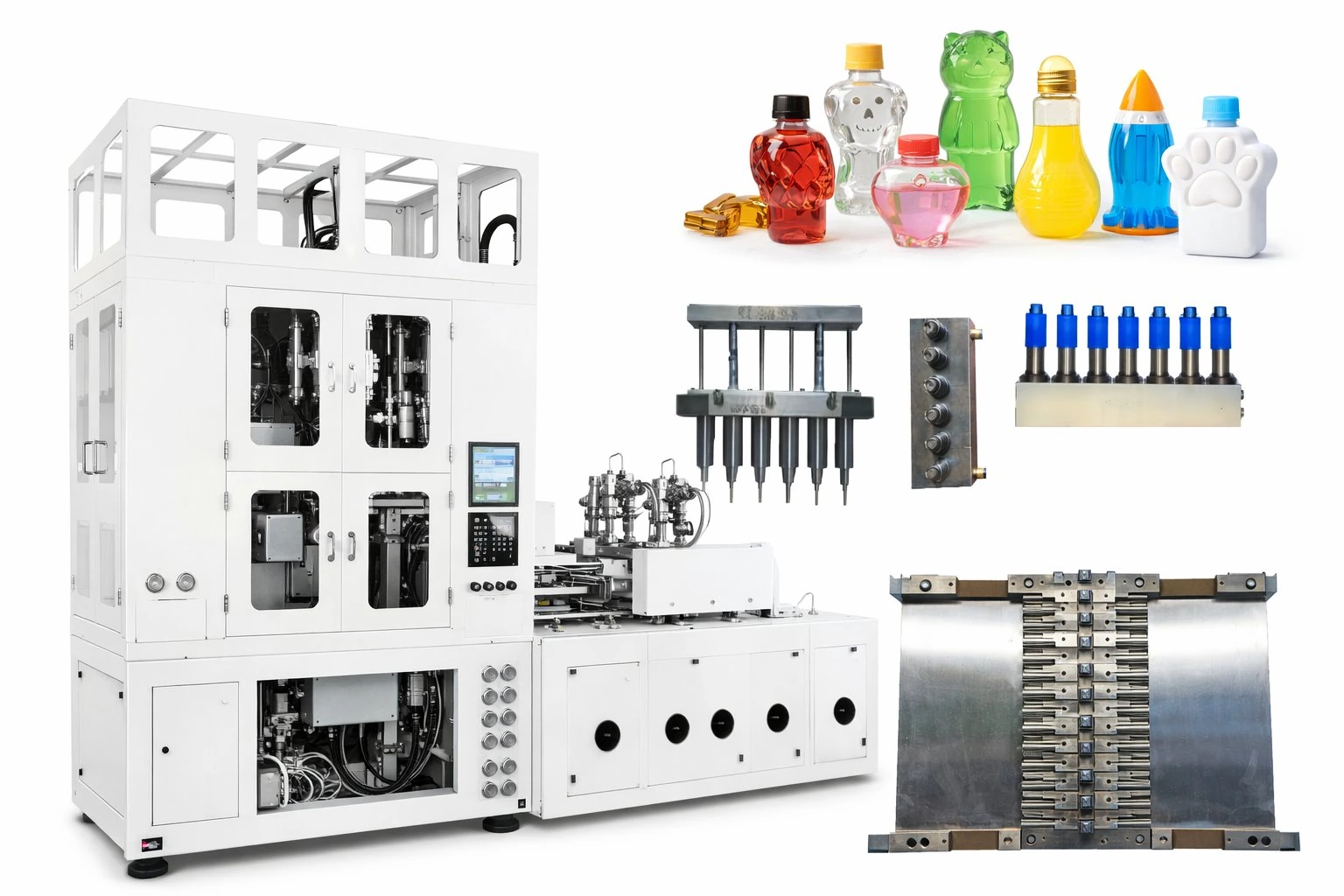
Kolm strateegilist konteksti annavad dramaatiliselt erinevaid investeeringutasuvuse tulemusi. Esiteks, piiratud tootmisvõimsusega ettevõtjad (need, kes ebapiisava tootmisvõimsuse tõttu tellimustest keelduvad) saavutavad kiireima tasuvusaja, kuna uus tootmisvõimsus tekitab lisatulu, mitte ainult kulude kokkuhoidu. Teiseks, asendusettevõtjad (kes uuendavad vananevaid seadmeid) saavutavad mõõduka tasuvusaja tegevuskulude vähendamise ja tootlikkuse kasvu kaudu. Kolmandaks, uute pudelite segmentidesse sisenevad ettevõtjad seisavad silmitsi pikima tasuvusajaga, kuna esialgne tootmine suureneb aeglaselt ja klientide hankimine võtab aega. Allolev raamistik hõlmab kõiki kolme konteksti.
2. Põhilise investeeringutasuvuse valem: 5 sisendit
Täielik ISBM-i investeeringutasuvuse mudel sõltub viiest mõõdetavast sisendist. Iga sisendi täpsete väärtuste kogumine annab usaldusväärse tasuvusprognoosi, mis jääb tavaliselt tegelikust realiseerunud tulemusest ±15% piiresse.
| Sisendmuutuja | Tüüpiline Korea vahemik | Kuidas mõõta |
|---|---|---|
| Kapitaliinvesteeringud kokku | 300 miljonit–2 miljardit Lõuna-Korea woni | Masin + vorm + paigaldus + koolitus |
| Aastane tootmismaht | 5–50 miljonit pudelit | Realistlik esimese aasta eesmärk |
| Pudeli kohta käiva marginaali panus | 30–150 Lõuna-Korea woni | Müügihind miinus muutuvkulu |
| Tegevuskulude delta (võrreldes baastasemega) | ±50–200 miljonit Korea woni aastas | Energia + tööjõud + hooldus muutus |
| Seadme kasulik eluiga | 10–15 aastat | Tööstusstandardile vastav ISBM-i elutsükkel |
Nende viie sisendi abil on põhiline tasuvusvalem lihtne:
PÕHIVALEM
Tasuvusaeg (kuudes) = Kapitaliinvesteeringu kogusumma ÷ ((aastamaht × pudeli marginaal + aastane tegevuskulude kokkuhoid) ÷ 12)
Tüüpilise stsenaariumi korral: 900 miljoni Korea woni investeering, 15 miljonit pudelit aastas, 50 Korea woni marginaal pudeli kohta, 80 miljoni Korea woni aastane tegevuskulude kokkuhoid. Igakuine kasu = (15 000 000 × 50 + 80 000 000) / 12 = 69,2 miljonit Korea woni. Tasuvus = 900 000 000 / 69 200 000 = 13 kuud. Kui tasuvus on lõppenud, jätkub sama 830 miljoni Korea woni aastane kasu 10–15 aastat, andes kogu eluea jooksul väärtuseks 8–12 miljardit Korea woni.
3. Täielik kapitalikulude jaotus
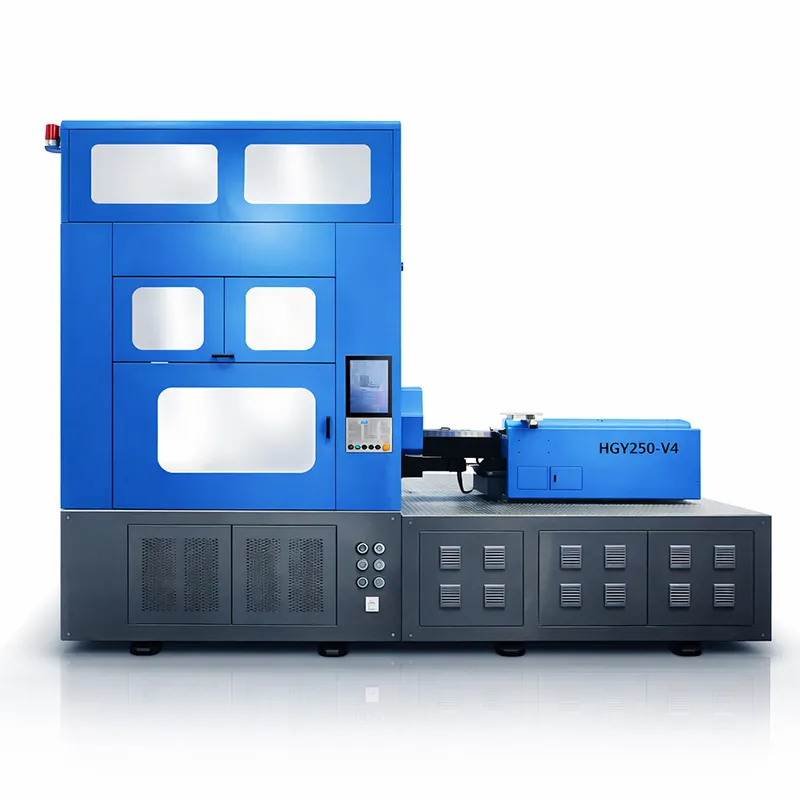
Esimene investeeringutasuvuse näitaja, kogukapitaliinvesteering, on põhjalikum kui masina hinnasildi näitaja. Kogu kapitalikulu moodustavad viis komponenti ja ükskõik millise komponendi väljajätmine annab liiga optimistliku tasuvusprognoosi.
| Kulukomponent | % kogukapitalist | Tüüpiline Korea KRW |
|---|---|---|
| ISBM-masina baasüksus | 50-60% | 400M-1.2B |
| Vormikomplekt (esialgne SKU katvus) | 20-30% | 80M–400M |
| Abiseadmed (kuivati, jahuti, kompressor) | 10-15% | 40M–200M |
| Paigaldamine ja kasutuselevõtt | 3-5% | 15M–80M |
| Operaatorite koolitus ja starditoetus | 2-4% | 10–50 miljonit |
| Kapitaliinvesteeringud kokku | 100% | 545M-1,93B |
Kaks varjatud kapitalikomponenti väärivad erilist tähelepanu. Lisaseadmete (kuivatid, jahutid, kompressorid) maksumus esitatakse sageli masina hinnast eraldi, kuid see kujutab endast olulist investeeringut. Lisaseadmete analüüsi vahelejätmine investeeringutasuvuse mudelis võib kapitalikulusid alahinnata 60–150 miljoni Korea woni võrra. Samamoodi võib esimese SKU vormi maksumus olla 20–400 miljonit Korea woni, olenevalt õõnsuste arvust ja keerukusest; see kulu mõjutab otseselt investeeringutasuvust ja see tuleb kaasata esimesest päevast alates, isegi kui esimene vorm toetab ainult ühte esialgset SKU-d.
Mitme SKU-ga toimingute puhul tuleks esialgsele SKU-le lisanduvad vormid eelarvestada pigem jooksva kapitalina kui esialgse investeeringutasuvuse sisendina. See lähenemisviis hoiab investeeringutasuvuse arvutamise fookuses esimese SKU-ga seotud majanduslikku tasuvust, säilitades samal ajal täpsed kapitalikulude eeldused.
4. Aastase hüvitise komponendid
Tasuvusvalemi nimetaja, aastane kasu, ühendab tulude genereerimise ja tegevuskulude kokkuhoiu. Piiratud mahutavusega operaatorite puhul domineerib tulude genereerimine. Asendusoperaatorite puhul domineerib tegevuskulude kokkuhoid. See, millisesse kategooriasse teie investeering kuulub, mõjutab kasu prognoosi täpsust.
| Hüvitise komponent | Asjakohane kontekst | Tüüpiline suurusjärk |
|---|---|---|
| Uue tootmisvõimsuse tulu | Mahtuvuspiiratud | Maht × marginaal |
| Energiakulude vähendamine | Täisservo asendus | 30-40% vs hüdrauliline |
| Tööjõukulude vähendamine | Mitme vahetuse töö | 10-25% automatiseerimise kaudu |
| Vanaraua määra vähendamine | Kvaliteeditundlik SKU | 40-60% jääkide vähendamine |
| Hoolduskulude vähendamine | Vananevate seadmete asendamine | 30-50% reduktsioon |
| Premium-hinnakujunduse võimalus | Kvaliteedi uuendamine võimaldab | 5-15% hinnalisa |
Jääkide vähendamine väärib erilist tähelepanu, kuna selle mõju alahinnatakse sageli. 10 miljoni pudeli tootmisliini puhul säästab jäätmekoguse vähendamine 2,5%-lt 0,8%-le aastas ligikaudu 306 miljonit Lõuna-Korea woni materjali-, tööjõu- ja tootmiskulude pealt. See üksik eelis võib kiirendada asendusinvesteeringute tasuvust 6–12 kuu võrra.
5. Kolm Korea investeeringutasuvuse stsenaariumi
Tegelikud investeeringutasuvuse tulemused varieeruvad oluliselt olenevalt rakenduse profiilist ja investeerimiskontekstist. Järgmised stsenaariumid näitavad, kuidas raamistikku rakendatakse kolmes tavalises Korea ostja olukorras.
STSENAARIUM A: K-BEAUTY PREMIUM-STIILIFIRMA
Gangnam Premium nahahooldusbränd
Kontekst: Tootmisvõimsuse piirang, üleminek originaalvaruosade lepingutelt ettevõttesisesele tootmisele.
Sisendid: Kapitalikulu 920 miljonit Korea woni (täisservo 4-positsiooniline + PETG vormid); maht 8 miljonit pudelit aastas; kasumimarginaal 120 Korea woni/pudel (lisatasu); tegevuskulude kokkuhoid 45 miljonit Korea woni aastas võrreldes originaalvaruosade tootja baastasemega; kasulik eluiga 12 aastat.
Arvutus: Kuuhüvitis = (8M × 120 + 45M) / 12 = 83,75M Korea woni. Tasuvusaeg = 920M / 83,75M = 11 kuud.
Aastane investeeringutasuvus: 109% esimene täisaasta pärast tagasimakset. Eluea väärtus 12 aasta jooksul: ~11,1 miljardit Korea woni.
STSENAARIUM B: KAUBAMARKETIDE LAIENEMINE
Busani mineraalvee tootja
Kontekst: Teise liini lisamine läbilaskevõime laiendamiseks, kehtiv K-EPR vastavusnõue.
Sisendid: Kapitalikulu 780 miljonit Korea woni (4-jaama + 500 ml vormid + rPET-kuivati uuendus); maht 25 miljonit pudelit aastas; kasumimarginaal 35 Korea woni/pudel (kaup); tegevuskulude kokkuhoid 30 miljonit Korea woni aastas tänu rPET-i efektiivsusele; kasulik eluiga 12 aastat.
Arvutus: Kuuhüvitis = (25 miljonit × 35 + 30 miljonit) / 12 = 75,4 miljonit Lõuna-Korea woni. Tasuvusaeg = 780 miljonit / 75,4 miljonit = 10 kuud.
Aastane investeeringutasuvus: 116% esimene täisaasta pärast tagasimakset. Kaubamarginaalid kasvavad suure mahu korral soodsalt.
STSENAARIUM C: VANANEVATE SEADMETE VÄLJASTAMINE
Cheongju farmaatsiatoodete lepingutäitja
Kontekst: 14-aastase AOKI SBIII-250 asendamine Korea AOKI-250-ga ühilduva platvormiga.
Sisendid: Kapitalikulu 560 miljonit Korea woni (HGY200-V4-B, olemasolevad vormid säilitatud, minimaalne abimaterjalide uuendamine); maht hoitakse 18 miljoni pudeli juures aastas (tulude suurenemiseta); tegevuskulude kokkuhoid 185 miljonit Korea woni aastas (energia 110 miljonit + jäätmete vähendamine 45 miljonit + teenused 30 miljonit); kasulik eluiga 12 aastat.
Arvutus: Kuuhüvitis = 185 miljonit / 12 = 15,4 miljonit Lõuna-Korea woni. Tagasimakse = 560 miljonit / 15,4 miljonit = 36 kuud.
Aastane investeeringutasuvus: 33% pärast tasuvusaega. Aeglasem tasuvusaeg peegeldab ainult kulude vähendamise juhtumit; AOKI 250 vormi säilitamine vältis 320 miljoni Korea voni suurust täiendavat kapitalikulu, mis oleks tasuvusaega kahekordistanud.
Need stsenaariumid näitavad olulist arusaama: investeeringu kontekst on tasuvusaja arvutamisel olulisem kui platvormi valik. Stsenaariumid A ja B saavutavad alla 12 kuu tasuvuse tulude genereerimise kaudu piiratud võimsusega turgudel. Stsenaarium C saavutab 36 kuu tasuvuse puhta kulude vähendamise teel. Mõlemad tulemused on rahaliselt atraktiivsed, kuid tasuvusaja suurusjärk erineb 3 korda konteksti, mitte masina valiku tõttu.
6. Korea-spetsiifilised kulutegurid
Korea investeeringutasuvuse arvutused erinevad globaalsetest üldistest mudelitest nelja kohaliku kuluteguri poolest, mis mõjutavad oluliselt tegevuskulude eeldusi.
| Korea kulutegur | 2026. aasta tüüpiline väärtus | ROI mõju |
|---|---|---|
| Tööstuslik elektrienergia hind | 145–165 Lõuna-Korea woni/kWh | Täisservosüsteem säästab 60–120 miljonit Lõuna-Korea woni aastas |
| ISBM-i operaatori tööjõukulud (aastas) | 45–65 miljonit Lõuna-Korea vonni/inimese kohta | Automatiseerimine säästab 1–2 täistööaja ekvivalenti |
| K-EPR rPET lisatasu | 150–300 Lõuna-Korea vonni/kg | 10% segu lisab 15–30 miljonit Korea woni aastas |
| Ettevõtte tulumaksumäär | 20-25% | Pärast maksude mahaarvamist ulatub tagasimakse 25-35%-ni |
Tööstusliku elektrienergia hind Koreas on alates 2022. aastast pidevalt tõusnud. Täisservoplatvormide 35-40% energiatõhususe eelis tähendab nüüd 60–120 miljoni Lõuna-Korea woni aastast kokkuhoidu tüüpiliste Korea ettevõtete puhul. Ainuüksi see kokkuhoid õigustab sageli täisservoplatvormide kapitalipreemiat hübriid-hüdrauliliste platvormide ees, mille tasuvusaeg ainuüksi energiasäästu osas on 18–30 kuud.
Alates 2026. aasta jaanuarist jõustuvad K-EPR rPET-i nõuded suurendavad vastavuskulude survet, kuid loovad ka investeeringutasuvuse võimaluse tootjatele, kellel on täisservoplatvormid, mis töötlevad rPET-sisu tõhusamalt. Platvormi uuendamisse tehtavad investeeringud, mis parandavad rPET-i töötlemist, võivad oma kapitali K-EPR-i vastavuskulude kokkuhoiu kaudu tagasi teenida 24–36 kuu jooksul.
7. Platvormi tasuvusaja võrdlus
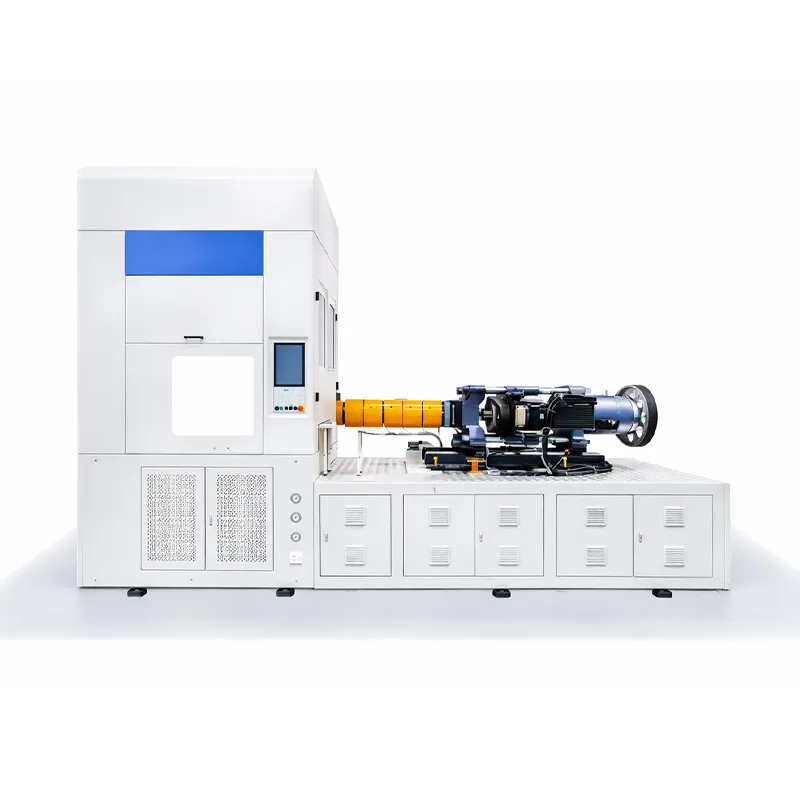
Platvormi valik mõjutab tasuvusaega märkimisväärselt isegi siis, kui kõik muud investeeringutasuvuse näitajad jäävad samaks. Järgnevas võrdluses kasutatakse võrdlusstsenaariumi (12 miljonit pudelit aastas, 50 Korea woni marginaal, 12-aastane eluiga), kus platvormipõhised erinevused kapitalikuludes ja tegevusökonoomikas on erinevad.
| Platvormi profiil | Kapital (KRW) | Aastane hüvitis | Tasuvusaeg |
|---|---|---|---|
| Korea täisservo 4-jaamaline | 720 miljonit | 680 miljonit | 13 kuud |
| Korea hübriid 4-jaamaga | 580 miljonit | 600M | 12 kuud |
| Jaapani täisservo (Nissei/AOKI) | 1,3 miljardit | 680 miljonit | 23 kuud |
| Hiina eelarveplatvorm | 460 miljonit | 540 miljonit | 10 kuud |
Lihtne tasuvusanalüüs näitab, et Hiina eelarveplatvormid võidavad lühima tasuvusajaga. See tõlgendus on eksitav, kuna see ignoreerib eluaegset väärtust. 12-aastase kasuliku eluea jooksul koguneb Korea täisservomootoritel 7,5 miljardit Korea woni eluaegne väärtus, võrreldes Hiina eelarveplatvormidega, mis on 5,8 miljardit Korea woni, hoolimata pikemast tasuvusajast, kuna töö efektiivsus suureneb pikema eluea jooksul. Jaapani premium-platvormidel koguneb 6,9 miljardit Korea woni, mis annab suurema kapitali veidi madalamate tegevuskulude ja brändiväärtuse vastu.
Korea tootjate jaoks, kes seavad esikohale pikaajalise väärtuse, sobivad Korea täisservoplatvormid, sealhulgas HGY150-V4-EV premium-seeria pakkuda optimaalset kombinatsiooni mõistlikust tasuvusajast (tüüpiliselt 12–15 kuud) ja kõrgeimast eluea väärtusest (vahemikus 7–8 miljardit Lõuna-Korea woni).
8. Tundlikkusanalüüs ja riskifaktorid
Usaldusväärse investeeringutasuvuse prognoosi saamiseks on vaja mõista, millised sisendid mõjutavad tulemust kõige olulisemalt. Tundlikkusanalüüs testib, kuidas tasuvus muutub, kui iga sisend erineb ±20% baasprognoosidest.
| Testitud muutuja | +20% mõju tasuvusele | -20% mõju tasuvusele |
|---|---|---|
| Tegelik aastane maht vs eesmärk | Tasuvusaeg -15% | Tasuvusaeg +25% |
| Pudelipõhine marginaal | Tasuvusaeg -15% | Tasuvusaeg +25% |
| Kapitalikulu kogusumma | Tasuvusaeg +20% | Tasuvusaeg -20% |
| Tegevuskulude delta | Tasuvusaeg -5% kuni -10% | Tasuvusaeg +5% kuni +10% |
| Kasulik eluiga | Tagasimakse mõju puudub | Tagasimakse mõju puudub |
Maht ja marginaal on kaks kõige tundlikumat sisendit. Aastase mahu või pudeli kohta käiva marginaali ülehindamine 20% võrra lühendab kunstlikult prognoositavat tasuvust 15% võrra, andes optimistlikke prognoose, mis ei realiseeru. Konservatiivne investeeringutasuvuse modelleerimine peaks kasutama mahu eeldusi 80% juures eesmärgist ja marginaali 90% juures prognoositavast realiseerimishinnast. See lähenemisviis annab tasuvusprognoosid, mida tegelik tulemuslikkus tavaliselt ületab, mitte ei jää alla.
Kolm riskitegurit võivad tasuvusaega pikendada üle baasprognooside. Esiteks, tootmismahu edasilükkamine: uued liinid toodavad tavaliselt esimesel kuul võimsusega 60%, kolmandal kuul 80% ja kuuendal kuul täisvõimsusel. See tootmismaht pikendab efektiivset tasuvusaega 2-3 kuu võrra. Teiseks, vormi silumine: esimese tooteühiku vormi kvalifitseerimine võib võtta 4-8 nädalat, mille jooksul tootmismaht ei ole optimaalne. Kolmandaks, operaatori õppimiskõver: praagi määr on esimese kolme tootmiskuu jooksul tavaliselt kaks korda suurem kui püsiseisundis, vähendades sel perioodil efektiivset marginaali.
9. Korduma kippuvad küsimused
K: Millist tasuvusaega peaks minu finantsmeeskond ISBM-i investeeringu heakskiitmiseks ootama?
Korea ettevõtete finantsmeeskonnad kiidavad ISBM-i investeeringud tavaliselt vastuvõetavaks, 18–24 kuud soodsaks ja alla 18 kuu pikkused erandlikuks. Tootmisvõimekusega piiratud tegevused, mis saavutavad uute tulude genereerimise kaudu tasuvuse alla 12 kuu, kiidetakse heaks kiiresti; ainult kulude vähendamisele suunatud investeeringud, mille tasuvusaeg on üle 30 kuu, vajavad tugevamat strateegilist põhjendust. Enamik Korea ISBM-i platvorme pakub õige spetsifikatsiooni korral tasuvust soodsas vahemikus 18–30 kuud.
K: Kas peaksin investeeringutasuvuse arvutamisel arvestama käibekapitali vajadusi?
Jah, põhjaliku analüüsi jaoks. Tüüpilised käibekapitali vajadused hõlmavad 6–8 nädala toorainevarusid (60–120 miljonit Korea woni keskmise suurusega ettevõtete puhul), 2–4 nädala valmistoodangu varusid (40–80 miljonit Korea woni) ja 30–60 päeva klientide laekumisi (sõltub kliendibaasist). Käibekapital pikendab efektiivset tasuvusaega 2–3 kuu võrra, kuid on seadme eluea lõpus tagasinõutav, seega ei mõjuta see eluea investeeringutasuvuse arvutamist.
K: Kuidas mõjutab rentimine versus ostmine investeeringutasuvust?
Rendileping säilitab kapitali (tüüpiline rendimakse 2–3% kuus seadmete väärtusest), kuid annab madalama investeeringutasuvuse kogu eluea jooksul, kuna rendi kogumaksumus ületab ostukulu enam kui 5-aastase perioodi jooksul. Ost maksimeerib pikaajalist investeeringutasuvust, kui kapital on saadaval; rendileping säilitab rahavoo muude investeeringute jaoks. Tugeva rahapositsiooniga Korea tootjad ostavad tavaliselt seadmeid; rahapiiranguga idufirmad rendivad tavaliselt väljaostuvõimalusega rendilepingu lõppedes. Rendi- ja ostutasuvus on tavaliselt 5–7 aastat, olenevalt rendimäära struktuurist.
K: Kas K-EPR-i vastavusse viimise investeeringud loetakse investeeringutasuvust genereerivaks kapitaliks?
Jah, kulude vältimise kaudu. K-EPR-i nõuetele mittevastavuse karistused tootjatele, kes ületavad 5000 tonni aastast künnist ilma nõutava rPET-i sisalduseta, võivad ulatuda sadade miljonite Korea vonideni aastas. Platvormi uuendamisinvesteeringud, mis võimaldavad rPET-i nõuetele vastavust, väldivad neid karistusi ja on samal ajal valmis tulevasteks mandaadi laiendamisteks (30% rPET aastaks 2030). See kulude vältimine tuleks kaasata mõjutatud tootjate investeeringutasuvuse arvutamise tegevuskulude komponendi. K-EPR-i nõuetele vastavuse üksikasjaliku raamistiku kohta vt. rPET-i töötlemine Korea K-EPR-i vastavusjuhend.
K: Mis juhtub investeeringutasuvusega (ROI), kui tootmisprotsess võtab plaanitust kauem aega?
Standardne tootmismahu kasvu eeldus on 60% kasutusaste esimesel kuul, mis tõuseb 100%-ni kuuendaks kuuks. Kui teie tootmismahu kasvuks kulub 12 kuud 6 asemel, pikeneb efektiivne tasuvusaeg umbes 3-4 kuu võrra. Riskijuhtimisega investeeringutasuvuse prognoosimiseks kasutage konservatiivset tootmismahu kasvu eeldust (70% esimesel kuul, 85% kolmandal kuul, 95% kuuendal kuul) ja planeerige finantseerimine nii, et see kataks 3-4 täiendavat kuud peale baastasuvusperioodi prognoosi.
10. Kokkuvõte
ISBM-i investeeringutasuvuse analüüs on Korea hankedirektoritele kapitaliinvesteeringute hindamisel kättesaadav kõige mõjusam otsustusvahend. Viie sisendiga raamistik (kapital, maht, marginaal, tegevusalane delta, kasulik eluiga) annab tasuvusprognoosid ±15% piires tegelikust tulemuslikkusest, kui sisendeid mõõdetakse rangelt. Korea piiratud võimsusega operaatorid saavutavad tulude genereerimise kaudu tavaliselt 10–15 kuu pikkuse tasuvusaja; asendusoperaatorid saavutavad kulude vähendamise kaudu 18–36 kuu pikkuse tasuvusaja.
Platvormi valik mõjutab oluliselt tasuvusaega, aga veelgi olulisem on see, mis mõjutab eluea väärtust. Korea täisservoplatvormid pakuvad optimaalset tasakaalu mõistliku tasuvusaja (tüüpiliselt 12–18 kuud) ja maksimaalse eluea väärtuse (tüüpiliste paigaldiste puhul 7–8 miljardit Lõuna-Korea vonni) vahel. Jaapani premium-platvormid pakuvad brändi positsioneerimise kaudu suuremat eluea väärtust; Hiina eelarveplatvormid pakuvad kiiremat tasuvusaega, kuid lühema kasuliku eluea ja kõrgemate tegevuskulude tõttu väiksema eluea väärtuse hinnaga.
Korea tootjatele, kes otsivad kohandatud investeeringutasuvuse analüüsi, mis põhineb konkreetsetel pudelirakendustel, mahul ja platvormi eelistustel, pakub Ever-Poweri Korea insenerimeeskond üksikasjalikku investeeringutasuvuse modelleerimist 72 tunni jooksul pärast sisendite saamist. See analüüs hõlmab tundlikkustesti, platvormide võrdlust Ever-Poweri 12 masina kataloogis ja teie tootmiskontekstile vastavate riskitegurite tuvastamist.
Kas olete valmis arvutama oma konkreetse ISBM-i tasuvusaja?
Jagage oma pudeli spetsifikatsiooni, aastast mahueesmärki, praegust tegevuskulude baasjoont ja investeerimisgraafikut. Meie Korea insenerimeeskond esitab täieliku investeeringutasuvuse analüüsi koos tasuvusprognoosi, tundlikkustesti ja platvormisoovitusega 72 tunni jooksul.