
Tehniline süvaanalüüs · Energiatõhusus · Korea ISBM 2026
ISBM-i energiaauditi juhend: kWh võrdlusanalüüs 1000 pudeli kohta – Korea tootmisandmed 2026 ja viieastmeline auditi metoodika
Energia on Korea ISBM-i tootmises vaigu järel suuruselt teine tegevuskulu – ometi on see Korea pakenditehaste tegevuses kõige järjepidevamalt alamõõdetud, -hallatud ja -raporteeritud kulu. Korea ISBM-i tootjad, kes pole kunagi struktureeritud energiaauditit läbi viinud, avastavad järjepidevalt 15–35% energiasäästuvõimalusi, mis tähendab otseselt 25–80 miljoni Korea woni suurust aastase kokkuhoidu tootmisliini kohta.
40% kokkuhoid: elektriauto vs hüdrauliline
5-astmeline auditi metoodika
1. Miks on energia Korea ISBM-i operatsioonides kõige alahinnatum kulu
Korea ISBM-i tehasejuhid, kes vaatavad üle oma tegevuskulude struktuuri, keskenduvad alati vaigukulule (mis on õigesti määratletud suurima üksiku muutuvkuluna, moodustades 45–601 TP3 t kogu muutuvkulust) ja tööjõukuludele. Energia esineb pidevalt reaarana, mis tundub olevat hallatav vahemikus 8–141 TP3 t kogu tootmiskulust – kuni tegelik kWh ühikuhind on arvutatud ja korrutatud aastaste tootmismahtudega. Korea ISBM-i liin, mis toodab aastas hüdraulilisel platvormil 8 miljonit 500 ml PET-pudelit, tarbib ligikaudu 54 400 kWh (6,8 kWh × 8000 ühikut = 54,4 MWh 1000 ühiku kohta × 8000 = 54 400 MWh... oota, las ma arvutan uuesti: 6,8 kWh/1000 pudelit × 8 000 000 pudelit = 54 400 kWh × 145 Lõuna-Korea woni/kWh keskmine tööstushind = 7,9 miljonit Lõuna-Korea woni aastas ainult selle masina elektrienergia kuluna).
Sama tootmismaht täisservodega elektriauto platvormil, mille puhul on 3,2 kWh/1000 pudelit, tarbib aastas 25 600 kWh – kokkuhoid 28 800 kWh, mille väärtus on 4,2 miljonit Lõuna-Korea woni aastas. Masina 8-aastase eluea jooksul on kumulatiivne energiasääst 33 miljonit Lõuna-Korea woni – see on oluline panus täisservodega elektriauto masina 80–120 miljoni Lõuna-Korea woni suuruse eelise õigustamiseks samaväärse hüdraulilise platvormiga võrreldes. Elektriauto masinasse investeerimise üksikasjalik finantsargument, sealhulgas energiasääst, on käsitletud ... Korea ISBM ROI kalkulaatori raamistik.
Lisaks masinaplatvormi valikule näitab Korea ISBM-i energiaaudit järjepidevalt, et 15–251 TP3T tarbitud energiat raisatakse tuvastatavate protsesside ebatõhususte tõttu – ebaefektiivsed tünni temperatuuri seadeväärtused, ebapiisavalt toimivad konditsioneerimiskütteelemendid, osalise koormusega töötavad liiga suured jahutusveesüsteemid ja suruõhu lekked puhumisõhu ringluses. Kõik need pakuvad kulude vähendamise võimalust, mis ei nõua kapitaliinvesteeringuid – ainult mõõtmist, analüüsi ja protsessi korrigeerimist. See juhend pakub mõõtmis- ja analüüsiraamistikku nende säästude leidmiseks ja jäädvustamiseks.
2. ISBM-i energiatarbimise jaotus: neli alamsüsteemi ja nende osakaalud
Sissepritse allsüsteem — 35–45%
Kruvipöörlemine, sissepritsehüdraulika (hüdraulilised masinad) või servomootorid (EV), tünnküttekehad, kuumjooksuküttekehad. Enamiku Korea ISBM-masinate suurim üksik energiatarbija.
Konditsioneerimisjaam — 20–30%
Infrapunakütteelemendid hoiavad eelvormi temperatuuri kogu konditsioneerimise aja jooksul vahemikus 95–110 °C. Küttekeha efektiivsuse halvenemine elemendi eluea jooksul on konditsioneerimise energia raiskamise kõige levinum põhjus.
Jahutatud vee süsteem — 15–22%
Jahutuskompressorid ja jahutusveepumbad vormide ja tünnide jahutamiseks. Süsteemi efektiivsus sõltub suuresti mahust – nii ala- kui ka ülemõõdulised jahutussüsteemid raiskavad märkimisväärselt energiat.
Õhukompressor — 12–18%
Kõrgsurvekompressor (tavaliselt 25–40 baari) pudelipuhumise etapis. Õhulekked ja rõhuregulaatori ebaefektiivsus puhumisõhu ringluses on kompressori energia raiskamise kõige levinumad allikad.
3. kWh 1000 pudeli kohta võrdlustabel – Korea 2026. aasta tootmisandmed
| Masina platvorm | Draivi tüüp | Vaik | Pudeli formaat | kWh / 1000 pudelit |
|---|---|---|---|---|
| HGY200-V4 elektriauto | Kõik-servo | PET | 500 ml, 6 süvendiga | 3.2–3.8 |
| HGY200-V4 elektriauto | Kõik-servo | PET | 200 ml, 8 süvendiga | 2,8–3,4 |
| HGY250-V4 elektriauto | Kõik-servo | PET | 1L, 6 süvendiga | 4.1–4.9 |
| HGY200-V4 elektriauto | Kõik-servo | PETG | 100 ml, 6 süvendiga | 3.6–4.2 |
| HGY200-V4 (hüdrauliline) | Hüdrauliline | PET | 500 ml, 6 süvendiga | 6,2–7,0 |
| HGY250-V4 (hüdrauliline) | Hüdrauliline | PET | 1L, 6 süvendiga | 7,8–8,9 |
| HGY650-V4 elektriauto | Kõik-servo | PET | 5L, 2 süvendiga | 8,2–10,5 |
Tabel 1. Korea ISBM kWh võrdlusandmed 1000 pudeli kohta — Korea Ever-Poweri tootmisliini mõõtmised, 2026. Väärtused kajastavad tootmise keskmist tarbimist, mis hõlmab tsüklite vahelist jõudeaega, kuid ei hõlma tehase tasemel HVAC-i ja valgustuse koormusi. PETG tarbib veidi rohkem energiat kui PET kõrgemate konditsioneerimistemperatuuri nõuete tõttu. Märkimisväärne erinevus elektrisõidukite ja hüdrauliliste platvormide vahel peegeldab 4. osas käsitletud põhimõttelist arhitektuurilist erinevust.
Need võrdlusväärtused on Korea ISBM-i tootjatele, kes viivad läbi oma energiaauditeid, võrdluspunktiks. Kui teie mõõdetud kWh/1000 pudelit ületab teie masinatüübi ja pudelivormingu võrdlusväärtust rohkem kui 20% võrra, on teie tootmissüsteemis tuvastatav energia raiskamine. Korea ISBM-i tehased, mis on hüdraulilistel platvormidel töötanud üle 5 aasta, mõõdavad pidevalt 15–30% võrra oma masinatüübi võrdlusväärtust kõrgemal – see viitab pigem protsessi nihkele kui platvormi ebaefektiivsusele. Masinaplatvormi uuendamise ja protsessi optimeerimise kombinatsioon kujutab endast maksimaalset energiasäästu võimalust ja... Elektriautode servomootorite energiasäästu põhjalik analüüs kvantifitseerib nii platvormi arhitektuuri eelise kui ka Korea tootjatele kättesaadava tegevuse täiustamise potentsiaali.
4. Hüdrauliline vs täisservoga elektriauto: 40% säästude tehniline selgitus
Täisservodega elektriliste ISBM-platvormide 40% energiasääst hüdrauliliste platvormidega võrreldes ei ole turundusväide – see on otsene tagajärg kahe süsteemi mehaanilise jõu genereerimise ja edastamise erinevusele. Selle säästu tehnilise aluse mõistmine aitab Korea ISBM-tootjatel täpselt arvutada oma konkreetse tootmismahu kokkuhoidu ja vältida rahalise kasu alahindamist.
Hüdraulilised platvormid raiskavad pidevalt energiat: Hüdraulilise ISBM-masina pumbamootor töötab pidevalt täiskiirusel, tekitades hüdraulilist rõhku isegi siis, kui masin ei liigu (tsüklite vahel, ooteajal, tühikäigul). See pidev „rõhu säilitamise” energiatarve moodustab 25–351 TP3T masina koguenergiast – energia, mis tarnitakse hüdrosüsteemi ja hajub soojusena olenemata sellest, kas tootmistööd tehakse. 24-sekundilise tsükliaja jooksul teeb masin tegelikult tootmishüdraulilist tööd ainult 8–12 sekundit iga tsükli jooksul. Ülejäänud 12–16 sekundit tarbib pumbamootor süsteemi rõhu säilitamiseks kogu elektrienergiat.
Täisservodega elektriautode platvormid tarbivad energiat ainult töötamise ajal: Korea EV ISBM masinad kasutavad Yaskawa servomootoreid, mis tarbivad elektrienergiat ainult kiirendamisel, aeglustamisel või koormuse all hoidmisel. Viivitusaja ja tsüklitevaheliste intervallide ajal tarbivad servomootorid minimaalset voolu (tavaliselt 2–5% tippvõimsusest). See nõudlusega proportsionaalne energiaprofiil on 40% tarbimise vähendamise põhiallikas – mootorisüsteemi energiasisend jälgib tegelikku mehaanilise töö vajadust, selle asemel et töötada pidevalt täisvõimsusel. Kruvi pöörlemisenergia, kinnitusenergia ja venitusvarda energia tarnitakse täpselt siis, kui vaja, ja täpselt vajaliku pöördemomendiga, ilma pideva hüdraulilise rõhu säilitamise lisakuludeta.
5. Sissepritsetoru energiasäästu optimeerimine
Sissepritsetoru ja kuumkanali arvele langeb 35–451 TP3T ISBM-i koguenergiatarbimisest, mis teeb neist Korea ISBM-i energiaauditite kõrgeima prioriteediga sihtmärgi. Kolm optimeerimismeedet käsitlevad suurema osa toru energia raiskamisest:
Tünni temperatuuri sättepunkti ülevaade: Korea ISBM-i operaatorid pärivad tünni temperatuuri seadeväärtused sageli eelmiselt operaatorilt või masina kasutuselevõtu insenerilt ja kasutavad neid aastaid muutmata kujul. PET-i töötlemine temperatuuril 275–295 °C on vahemik, mitte fikseeritud punkt – paljud Korea tootjad töötavad temperatuuril 8–15 °C üle oma konkreetse vaiguklassi minimaalselt nõutava temperatuuri. Iga 10 °C võrra väiksem tünni temperatuurist vähendab tünniküttekeha energiatarbimist ligikaudu 8–12% võrra. Struktureeritud seadeväärtuse vähendamise katse (vähendades 5 °C vahetuse kohta, jälgides samal ajal tooriku IV ja defektide määra) abil saab süstemaatiliselt leida iga vaiguklassi minimaalse sobiva temperatuuri.
Tünni isolatsiooni seisukord: Korea ISBM-i tünnid on varustatud keraamilistest kiududest isolatsioonikestadega küttekehade kohal, et vähendada kiirgussoojuskadu. Need isolatsioonikestad lagunevad 2–4 aasta jooksul termiliste tsüklite ajal – kokkusurutud, pragunenud või puuduvad isolatsioonisektsioonid suurendavad tünni soojuskadu 15–30% võrra. Tünni isolatsiooni kontrollimine ja asendamine plaanilise hooldusprogrammi käigus (osana süstemaatilisest... Korea ISBM-i 5-astmeline hooldusprotokoll) on üks odavamaid saadaolevaid energiasekkumisi.
Kruvikiiruse ja vasturõhu optimeerimine: Liigne kruvi vasturõhk tekitab sulamisse tarbetut nihkesoojust, mistõttu peavad küttekehad seda kompenseerima energiatarbimise vähendamisega, et säilitada sihttemperatuur – kuid nihkesoojus ise on energia raiskamine (elektrienergia muundatakse mehaaniliseks nihke- ja hõõrdesoojuseks, et kompenseerida tagasi trumli temperatuuri). Kruvikiiruse optimeerimine miinimumini, mis saavutab täieliku plastifitseerimise sissepritsetsükli aja jooksul, ja vasturõhu optimeerimine miinimumini, mis tagab ühtlase sulamistiheduse, võib vähendada sissepritse allsüsteemi energiat 10–18% võrra.
6. Konditsioneerimisjaama termiline efektiivsus
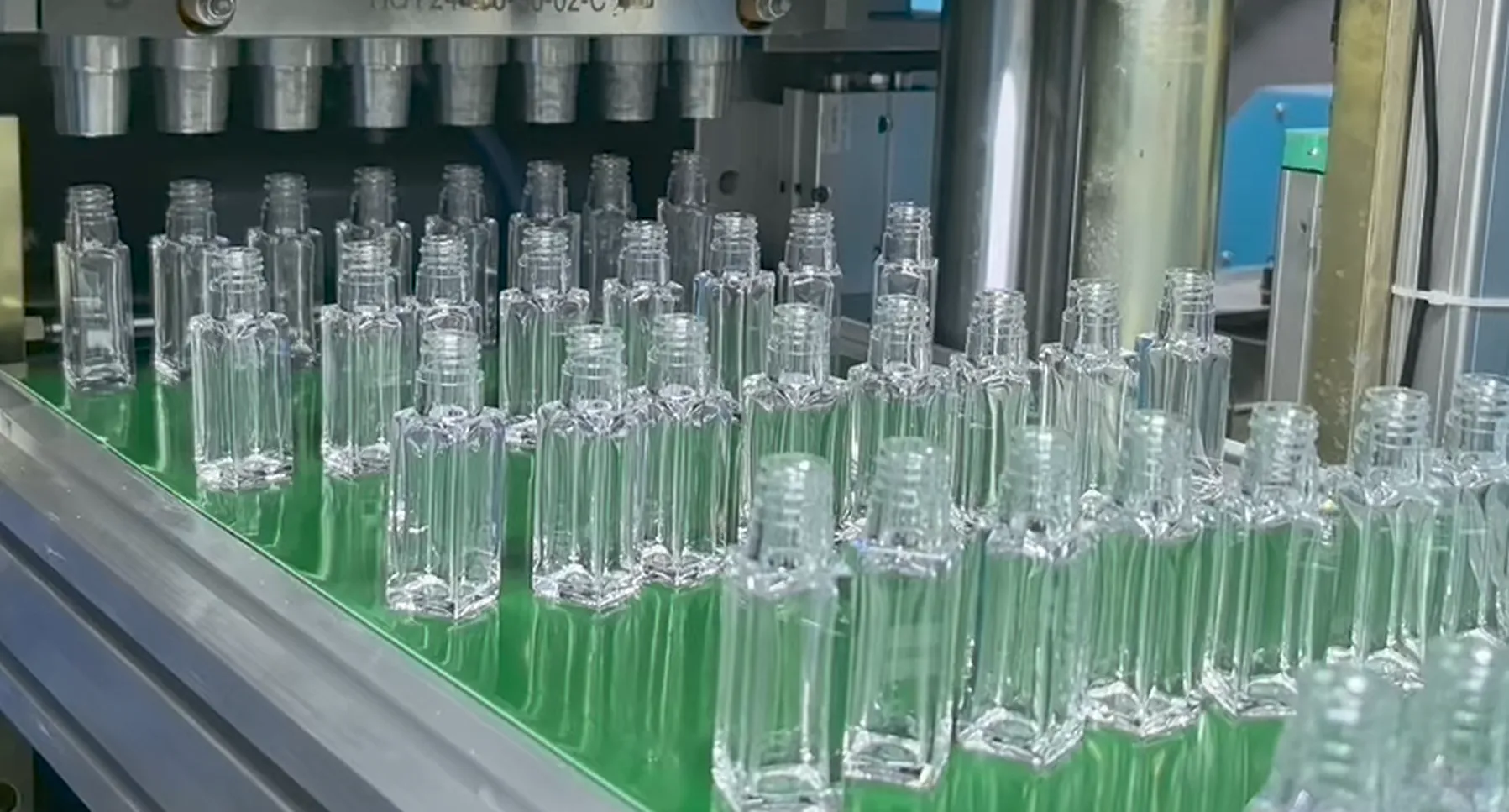
Konditsioneerimisjaam on suuruselt teine energiatarbija, tarbides 20–301 TP3T ISBM-i koguenergiast. See on ka alamsüsteem, millel on seadmete lagunemisest tingitud kõige suurem energiaraiskamine – infrapunakütteelemendid kaotavad 5000–8000 töötunni jooksul oma kiirgustõhususest 15–251 TP3T, mistõttu peab kontroller suurendama energiatarbimist, et säilitada sama eelvormi temperatuur. See lagunemisest tingitud energiatõus on Korea ISBM-i operaatoritele nähtamatu, kuna nad jälgivad ainult temperatuuri seadeväärtusi ja tegelikke temperatuure (mis jäävad kontrolleri kompenseerimisel spetsifikatsiooni), mitte nende temperatuuride saavutamiseks vajalikku energiatarvet.
Konditsioneerimisjaama Korea ISBM-i energiaaudit peaks mõõtma kütteelemendi energiatarvet (W elemendi kohta) iga tsooni standardse seadepunkti juures ja võrdlema seda uue elemendi spetsifikatsiooniga. Kõrvalekalle, mis on suurem kui 20% uue elemendi energiatarbest, näitab, et elemendi väljavahetamine on õigustatud. Elemendi väljavahetamine maksab umbes 8000–15 000 Korea woni elemendi kohta – 12 elemendi korral konditsioneerimisjaama kohta on väljavahetamise kogumaksumus 100 000–180 000 Korea woni. Element, mille efektiivsus on langenud 80% tasemele ja mis töötab 16 tundi päevas, raiskab täiendavalt umbes 400 000–600 000 Korea woni aastas elemendi kohta. Kõige enam halvenenud elementide väljavahetamine tasub end ära 2–4 kuu jooksul.
7. Jahutatud vee süsteemi energiahaldus
Korea ISBM-i jahutussüsteemid on tavaliselt dimensioneeritud maksimaalse jahutuskoormuse tingimuste jaoks (suvine ümbritseva õhu temperatuur täisvõimsusel) ja töötavad seejärel suurema osa tootmisaastast osalise koormusega. Jahuti, mis töötab nimivõimsusel 40–60%, töötab oluliselt vähem efektiivselt kui võimsusel 80–90% – kompressori energiatarve ei vähene proportsionaalselt jahutuskoormusega, seega raiskab osalise koormusega töötamine energiat.
Korea ISBM-i jahutusvee energia optimeerimisel on kaks peamist sekkumist: (1) jahuti kompressorimootorite muutuva kiirusega ajamid (VSD) – VSD-d võimaldavad kompressorimootoril vähendada kiirust, kui jahutusvajadus on väike, vähendades energiatarbimist proportsionaalselt koormusega, selle asemel, et töötada fikseeritud kiirusel möödaviiguklapi drosseldamisega; ja (2) jahutusvee temperatuuri optimeerimine – Korea ISBM-i vormi jahutusvee temperatuur on tavaliselt seatud 8–12 °C-le, kuid paljude PET-rakenduste puhul piisab 14–16 °C-st, et saavutada sihttsükli aeg ilma kvaliteeti mõjutamata. Iga 3 °C jahutusvee temperatuuri tõus vähendab jahuti energiatarbimist ligikaudu 8–121 TP3T võrra. Jahutusvee temperatuuri ja tsükli aja vaheline vastastikmõju – ja see, kuidas mõlemat koos optimeerida – on üks viiest hoovast... Korea ISBM-i tsükliaja optimeerimise raamistik.
8. Korea ISBM-i viieastmeline energiaauditi protokoll
1. samm
Baasjoone kehtestamine (1. nädal)
Paigaldage masina peamisele toiteallikale võimsuslogija (Fluke 435-II või samaväärne) ja registreerige kolme järjestikuse standardse tootmispäeva jooksul tarbitud kWh kogus. Arvutage iga tootmispäeva kWh/1000 pudeli kohta ja keskmine. See on teie võrdlusalus võrdlustabeliga võrdlemiseks ja edusammude mõõtmiseks.
2. samm
Allsüsteemi võimsusprofiili koostamine (1.–2. nädal)
Kasutades iga alamsüsteemi toiteahelal individuaalseid klambermeetreid, mõõtke järgmiste elementide keskmist energiatarvet (kW): (a) trummelküttekehad, (b) konditsioneerivad kütteelemendid, (c) servo-/hüdraulilised ajamid, (d) jahutuskompressor, (e) suruõhukompressor. Salvestage tulemused standardsetes tootmistingimustes. Arvutage iga alamsüsteemi osakaal masina koguenergiatarbest, et teha kindlaks suurima tarbimisega piirkonnad.
3. samm
Jäätmete identifitseerimine (2.–3. nädal)
Iga suure energiatarbega alamsüsteemi puhul: (a) võrrelge mõõdetud energiatarvet tootja spetsifikatsiooni ja võrdlusväärtustega; (b) tuvastage komponendid, mille energiatarve ületab spetsifikatsiooni (kahjustatud kütteelemendid, ebaefektiivsed ajamid, õhulekked); (c) dokumenteerige iga jäätmeallikas koos hinnangulise aastase energiakulu ja paranduskuluga. Prioriseerige tasuvusaja järgi (kõigepealt madalaim tasuvusaeg).
4. samm
Rakenda ja mõõda (3.–8. nädal)
Rakendage parandusi tasuvusaja järjekorras, mõõtes iga muudatuse energiamõju võrreldes baastasemega. Tõhusate muudatuste hulka kuuluvad: trumli temperatuuri seadeväärtuse vähendamine, kütteelemendi vahetamine, jahutusvee temperatuuri tõstmine, õhulekke parandamine ja kruvi kiiruse/vasturõhu optimeerimine. Muutke ühte muutujat korraga ja käivitage see 3 tootmispäeva enne mõju mõõtmist.
5. samm
Pidev jälgimine ja aruandlus (iga kuu)
Kehtestage iga Korea ISBM-i tootmisliini jaoks igakuine kWh/1000 pudeli kohta käiv KPI. Lisage see näitaja Korea igakuistesse tegevusaruannetesse koos praagimäära ja OEE-ga. Korea ISBM-i tootmisüksused, mis seda KPI-d ei jälgi, langevad 6–12 kuu jooksul järjepidevalt tagasi auditieelsele energiatarbimise tasemele, kuna operaatorid muudavad seadeväärtusi ja hooldustoimingud lähtestavad parameetrid vaikeväärtustele.
Energiaauditi tulemused peaksid olema otseselt seotud Korea ISBM-i hooldusgraafikuga – halvenenud kütteelemendid, õhusüsteemi lekked ja ajami ebaefektiivsus on hooldusdefektid, mitte tööparameetrid. Süstemaatiline Korea ISBM-i vanaraua määra vähendamise raamistik käsitleb seda, kuidas tootmisdefektidel ja energia raiskamisel on sageli samad algpõhjused – halvasti hooldatud ja ebaefektiivselt töötavad seadmed kipuvad tootma ka rohkem defektseid pudeleid, seega tegeletakse energia optimeerimise ja kvaliteedi parandamisega sageli koos.
9. Korea vonni aastase säästu kvantifitseerimine – Korea 2026. aasta elektrihinnad
Korea tööstuselektri tariifid 2026. aastal olid keskmiselt 118–148 Korea woni/kWh (KEPCO tööstuslik kõrgepinge A, tarbimisaegne tariif 100+ kW nõudluse korral). Planeerimise eesmärgil on kasutatud segatariifi 130 Korea woni/kWh:
| Stsenaarium | Aastane toodang | kWh sääst | KRW/aasta kokkuhoid |
|---|---|---|---|
| EV vs hüdrauliline (500 ml PET, 6 süvendiga) | 8 miljonit pudelit | 28 800 kWh | 3,7 miljonit Lõuna-Korea vonni |
| Elektriline vs hüdrauliline (500 ml PET, 8 süvendiga) | 14 miljonit pudelit | 50 400 kWh | 6,6 miljonit Lõuna-Korea vonni |
| Ainult protsessi optimeerimine (kõik elektriautod) | 8 miljonit pudelit | 4800–9600 kWh | 0,6–1,2 miljonit Lõuna-Korea vonni |
| Elektriauto platvorm + protsesside optimeerimine koos | 14 miljonit pudelit | 58 800–67 200 kWh | 7,6–8,7 miljonit Lõuna-Korea vonni |
Need säästunäitajad esindavad Korea ISBM-i elektrisõidukite täieliku investeeringutasuvuse arvutuse energiakulu komponenti. Koos kvaliteedi paranemise eelistega (madalam praak, vähenenud ümbertöötlemine tänu paremale protsessi stabiilsusele) ja hoolduskulude vähenemisega (servoajamitel on oluliselt madalamad hoolduskulud kui hüdraulikasüsteemidel) ületab elektrisõiduki uuendamise aastane kogutulu järjepidevalt ainult energiasäästu 2–3 korda. Põhjalik finantsmudel tuleks luua, kasutades 1. osas viidatud Korea ISBM-i investeeringutasuvuse raamistikku.
10. Korea Ever-Poweri energiatõhususe hindamisteenus
Korea Ever-Power pakub Korea ISBM-i tootjatele kohapealset energiatõhususe hindamise teenust – kahepäevast hindamist, mis hõlmab: alamsüsteemi võimsusprofiili koostamist kalibreeritud mõõteseadmete abil, võrdlust Korea ISBM 2026 võrdlusandmebaasiga, energiatarbimise vähendamise võimaluste kindlakstegemist ja prioriseerimist ning kirjalikku koreakeelset aruannet koos konkreetsete sekkumissoovituste ja tasuvusarvutustega. Hindamine on kättesaadav Korea Ever-Poweri masinaklientidele ja seda saab kombineerida plaaniliste hoolduskülastustega ilma täiendavate mobiliseerimiskuludeta. Korea ISBM-i tootjad, kes on enne oma KEPCO tööstusliku elektrienergia lepingu uuendamist teinud energiatõhususe hindamise, tuvastavad järjepidevalt koormuse vähendamise võimalusi, mis vastavad madalamate nõudlustasude tariifitasemetele – mille äriline kasu ületab energiasäästu ennast.
Korduma kippuvad küsimused
Energiatõhususe hindamine
Tarbite elektriautoga ISBM-il üle 4 kWh 1000 pudeli kohta – või kasutate hüdraulilist süsteemi?
Korea Ever-Poweri energiahindamine leiab ja kvantifitseerib kõik vähendamise võimalused.
Kahepäevane kohapealne energiatõhususe hindamine, võrdlus Korea 2026. aasta andmebaasiga, kirjalik koreakeelne aruanne koos prioriteetsete soovituste ja tasuvusarvutustega.
Seotud ressursid
Masinate valik
Korea Ever-Poweri 4-jaamaline ISBM-i seeria
Täielik elektriautode servomootorite valik – kõik platvormid on sertifitseeritud vastavalt Korea tööstusliku energiatõhususe standarditele ning iga mudeli ja konfiguratsiooni kohta on dokumenteeritud kWh/1000 pudeli tarbimisandmed.
Suuremahuline platvorm
Korea Ever-Power HGY250-V4 raskeveokite ISBM
Kõige energiatõhusam Korea ISBM-i platvorm 1–3-liitristele pudelitele – 4,1–4,9 kWh/1000 pudelit elektrilise mootoriga võrreldes 7,8–8,9 kWh samaväärse hüdraulilise mootoriga.
Masina valik
Kuidas valida õige ISBM-masin — 10-faktoriline raamistik
Energiatõhusus on Korea 10-faktorilise ISBM-i masinavaliku otsuses neljas tegur – see on täielik raamistik energiaauditi tulemuste hindamiseks masina investeerimisotsuse kontekstis.