ISBM-i rakendamine · Korea HPP ja külmpressitud mahlade pakendamine · 2026
ISBM Korea HPP külmpress
Mahlapudelite juhend
Korea esmaklassiline külmpressitud mahl, mille kasv on +34%, on Korea jahutatud jookide segment, mis on kiiremini kasvav – 100% puu-/köögivilja külmpressitud, HPP-töödeldud patogeenide hävitamiseks ilma kuumakahjustusteta, kristallselges PET-pudelis, mille peamine eelis riiulil on mahla värvus. Korea HPP mahla ISBM PET-pudel peab vastu pidama 600 MPa hüdrostaatilisele töötlemisrõhule, pakkudes samal ajal klaasiga konkureerivat selgust toatemperatuuril.
600 MPa HPP-ga ühilduv PET
Kristallselgus ≤ 1,5% Hägusus
280 miljardit Lõuna-Korea vonni
Korea premium-mahlaturg 2025. aastal
+34%
Korea külmpressitud mahla kasv 2024. aastal
600 MPa
HPP töötlemisrõhk — PET-pudel peab vastu pidama
200–450 ml
Standardne Korea külmpressitud mahla ISBM formaadivalik
62–95 Lõuna-Korea vonni
Kristall-PET külmpresspudel lepinguhinnaga (300ml)
1. Korea premium-mahlade turg: külmpressitud HPP ja ISBM-i võimalus
Korea esmaklassiline külmpressitud mahl – toode, mis enne 2020. aastat eksisteeris vaid Korea esmaklassiliste hotellide minibaarides ja Korea Gangnami tervisekohvikutes – on muutunud Korea peamiseks tervisetarbija tooteks kolme ühise trendi kaudu: Korea terviseteadlikkus (Korea MZ põlvkond seab toortoitumise esikohale töödeldud toidule), Korea K-Beauty toitumisalane laiendamine (Korea ilutoidulisandite brändid laienevad allaneelatava ilu juurde ilumahlashotide ja kollageeniga rikastatud külmpressitud mahlade kaudu) ja Korea jaemüügi premium-klassiks muutmine (Korea GS25 ja CU lähikauplused lisavad esmaklassilise külmahela osakonna HPP mahladega hinnaga 3500–8000 Korea woni lisaks tavalisele 800 Korea woni suurusele mahlale).
HPP (kõrgsurvetöötlus) on kriitilise tähtsusega tehnoloogia, mis võimaldab Korea külmpressitud mahlal säilida külmkapis 30–45 päeva ilma pastöriseerimiseta – suletud pudelis olev külm mahl allutatakse 3–5 minutiks 600 MPa hüdrostaatilisele veesurvele, mis inaktiveerib patogeene ja riknemisorganisme mittetermilise rõhu poolt põhjustatud rakkude lõhustamise kaudu. ISBM PET-pudel peab sellele 600 MPa rõhule vastu pidama ilma püsivate mõõtmete muutuste või optilise halvenemiseta. Korea jookide ISBM-i täielik kontekst on ... Korea jookide ISBM-i tootmisjuhend.
2. HPP rõhu ühilduvus: Korea PET-pudelite ehitus rõhul 600 MPa

Korea ISBM HPP külmpressitud mahlapudelite valik – 300 ml kristallselget PET-i rohelise mahla jaoks (hägusus ≤1,5% rohelise värvi kommunikatsiooni jaoks), 200 ml tsitruselise shot, 450 ml külmpressitud segu ja 100 ml Korea ingveri/kurkumi heaolu shot. Kõikides formaatides kasutatakse kahesuunaliselt orienteeritud PET-i, mille viskoossustihedus on ≥ 0,80 dl/g ja seina paksus ≥ 0,25 mm, et taluda 600 MPa HPP töötlust ilma püsivate mõõtmete muutusteta, mis ületavad ±1,0 mm välisdiameetrit.
Korea ISBM PET külmpressitud mahlapudelid, mis on valmistatud 600 MPa HPP-töötluse käigus, kogevad 3–5-minutilise HPP-tsükli jooksul pudeli välisläbimõõdu suhtes ajutist radiaalset kokkusurumist ligikaudu 3–6% (kuna hüdrostaatiline veesurve surub pudeli kokku), millele järgneb elastne taastumine rõhu vabastamisel. Korea HPP PET-pudeli spetsifikatsioon peab tagama, et see ajutine kokkusurumine ei põhjusta pudeli seina püsivat plastilist deformatsiooni – kui pudeli sein deformeerub püsivalt, muudab see õhuruumi mahtu, mis võib kahjustada külmpressitud mahla täitemahu deklareerimist (KFDA toidumärgistus nõuab, et deklareeritud maht oleks ostukohas olemas).
Korea ISBM PET HPP ühilduvusspetsifikatsioon: IV ≥ 0,80 dl/g (kõrgem IV annab kahesuunaliselt orienteeritud seinale suurema tõmbetugevuse rõhukindluse tagamiseks); seina paksus ≥ 0,25 mm (õhematel seintel puudub 600 MPa jaoks piisav survejäikus); kahesuunaline SR ≥ 10:1 üldiselt (orientatsiooni kristallilisus annab jäikuse, mis peab vastu HPP kokkusurumisele); sildi paneeli tasasus ±0,20 mm, lõdvestunud ±0,30 mm-ni pärast HPP-d (±0,1 mm tasasuse muutus HPP töötlemisest on vastuvõetav – kontrollige paneeli tasasust enne ja pärast 3 HPP tsüklit). Kahesuunalise orientatsiooni teadus, mis annab Korea HPP PET-i survejäikuse, on ... kahesuunaline molekulaarne orientatsiooni juhend.
3. Korea külmpressitud mahla ISBM pudeliformaadi spetsifikatsioonid
| Formaat | Maht | IV spetsifikatsioon | Sein | Hägu | HPP märkus |
|---|---|---|---|---|---|
| Kvaliteetne külmpressitud segu | 300–450 ml | ≥ 0,82 | 0,26–0,30 mm | ≤ 1,5% | Kristallselgus näitab mahla värvi; HPP täiskorpuse kokkusurumine ±0,8 mm välisdiameeter |
| Mahlashot (mitte HPP) | 50–100 ml | ≥ 0,78 | 0,22–0,26 mm | ≤ 1,5% | HPP-d pole; ümbritseva õhu efektiga; K-Beauty heaolufoto esteetika; KFDA toiduga kokkupuutumise sertifikaat |
| Rohelise mahla HPP | 200–300 ml | ≥ 0,82 | 0,26–0,28 mm | ≤ 1,0% | Tume klorofülliroheline peab edastama teavet läbi kristall-PET-i; etiketi paneeli läbipaistev tsoon |
| Tsitruseliste/porgandi HPP-shot | 200–250 ml | ≥ 0,80 | 0,25–0,28 mm | ≤ 1,5% | Apelsini-/merevaigukollase värvusega nähtav; sidrunhape pH 3,0–4,0, PET-ühilduv |
| Tavaline pastöriseeritud mahl | 200–300 ml | ≥ 0,78 | 0,22–0,26 mm | ≤ 2,5% | Standardne Korea jahutatud pastöriseeritud mahl; ilma HPP-ta; madalamad optilised näitajad |
4. Mahla koostisosade ühilduvus Korea ISBM PET-iga
Korea külmpressitud mahlade retseptid – puu-, köögivilja- ja tervisetoodete mahlade kombinatsioonid – sobivad üldiselt kahesuunaliselt orienteeritud PET-iga. pH vahemik (tavaliselt 3,0–4,5 puuviljaorgaaniliste hapete puhul) jääb PET-i toiduga kokkupuutumise standardsesse ühilduvusvahemikku. Teatud Korea külmpressitud mahlade koostisosade kategooriad nõuavad aga ühilduvuse kontrollimist.
Kõrge fenoolisisaldusega Korea koostisosad (granaatõun, mustikas, viinamari)
Korea külmpressitud mahlad, mis sisaldavad kõrge fenoolisisaldusega Korea koostisosi (granaatõun, mustikas, Korea omija), võivad põhjustada PET-pudeli pinna värvimuutust – polüfenooli molekulid adsorbeeruvad osaliselt PET-pudeli pinnale pudeli põhjas (kus kontsentratsioon on külmkapis säilitamise ajal kõrgeim). See värvimuutus on nähtav nõrga roosa kuni lilla rõngana pudeli põhja välisküljel, kui pudel tühjendatakse – see on kosmeetiline probleem, mitte struktuuriline ega ohutusprobleem, vaid probleem, mida Korea esmaklassiliste külmpressitud kaubamärkide tarbijad märkavad ja seostavad toote saastumisega. Ennetamine: valige madala pinnapolaarsusega PET-klass (ilma antistaatilise lisandita – polaarsed lisandid suurendavad polüfenoolide adsorptsiooni) ja kontrollige enne esimest kaubanduslikku tarnimist nähtava värvimuutuse puudumist pärast 45-päevast külmkapis säilitamise testi.
Korea ingveri ja kurkumimahl (kurkumiin)
Kurkumit (kurkumiini) sisaldavad Korea heaolushotid tekitavad erilise väljakutse: kurkumiin on tugev pigment, mis värvib PET-i pinnad püsivalt kollakasoranžiks kontsentratsioonil üle 0,5 g/l. Korea ISBM PET-kurkumishottide pudelid muudavad 30-päevase säilivusaja jooksul nähtavalt värvi põhjas ja sulgemisalal – see värvimuutus on pöördumatu (kurkumiin difundeerub PET-i pinnakihti). Korea külmpressitud kaubamärkide kaubamärgid, kes müüvad kurkumishotte kristall-PET-is, peavad seda aktsepteerima koostisosa ja anuma kombinatsiooni loomupärase piiranguna või kasutama läbipaistmatut merevaigukollast PET-i, mis plekke varjab. Teise võimalusena positsioneerivad mõned Korea esmaklassilised kurkumishottide kaubamärgid nähtavat plekki tõendina „tegelikust kurkumisisaldusest“ – see on brändikommunikatsioonistrateegia, mis muudab võimaliku kvaliteediprobleemi läbipaistvuse turundusväiteks.
Korea aloe vera mahl (Acemannan)
Korea aaloe vera mahlatooted sisaldavad atsemannaani (polüsahhariid) ja aaloe-emodiini – viimane on fototoksiline antrakinoon, mis laguneb UV-kiirguse toimel läbipaistvas PET-materjalis. Korea aaloe vera külmpressitud toode läbipaistvas PET-materjalis kaotab Korea külmkapis jaemüügitingimustes 4000 K LED-valgustuse all 30 päeva jooksul 15–30% aaloe-emodiini tugevust. UV-absorbeeriv põhisegu 0,5–0,8% LDR-iga (bensotriasooli tüüpi) vähendab aaloe-emodiini lagunemist < 5%-ni 30 päeva jooksul – see on nõutav Korea aaloe vera külmpressitud toote puhul PET-materjalis, kui kaubamärgi Korea FDA registreering sisaldab aaloe sisalduse väidet, mida tuleb säilitada kogu säilivusaja jooksul.
5. Kuumtäide vs HPP vs ümbritseva õhuga täitmine: Korea mahla ISBM protsessi valik
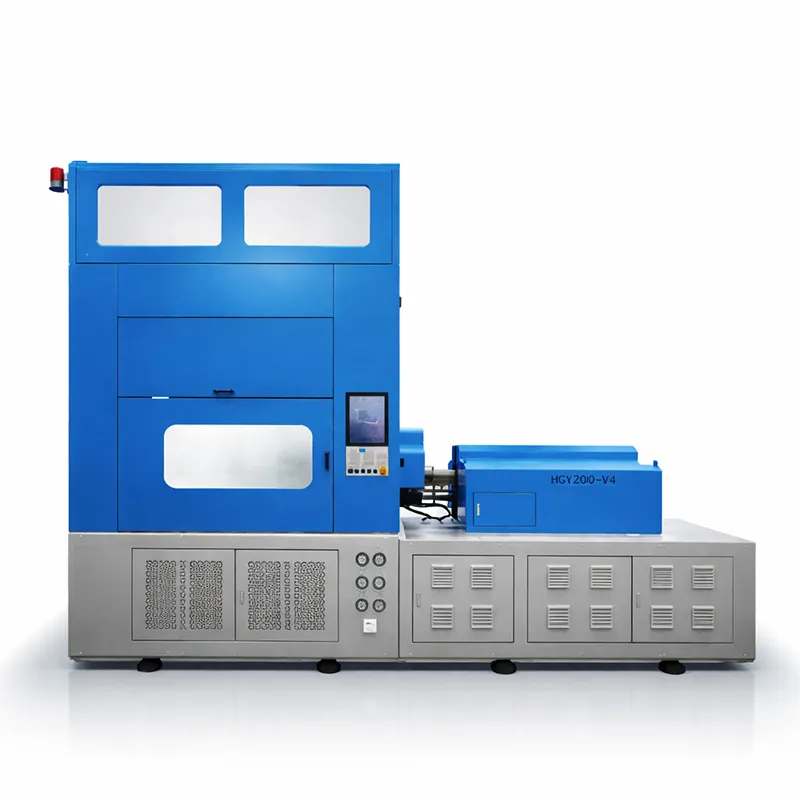
Korea mahlatöötlemistehnoloogia valik määrab, millist ISBM-pudeli spetsifikatsiooni on vaja. Kuumtäitmine (85–90 °C): nõuab HS-PET-i kuumtöötluspõhja ja vaakumpaigutuspaneele – Korea kuumatäitmise mahlapudelite tehnoloogiat käsitletakse jaotises Korea PP kuuma täidisega mahla- ja teejookide juhendHPP (600 MPa, külm): nõuab standardset kristall-PET-i, mille IV ≥ 0,80 dl/g ja seina paksus ≥ 0,25 mm – kuumtöötlemist pole vaja, kuna HPP on külmprotsess (vee temperatuur töötlemise ajal tavaliselt 2–4 °C). Ümbritseva õhu all täitmine + jahutamine: standardne kristall-PET ilma HPP või kuumtöötlemise nõueteta – kasutatakse Korea pastöriseeritud jahutatud mahla (Maeil, Namyang jahutatud mahl) ja mitte-HPP Korea premium mahlashotide jaoks. HPP külmpressitud ISBM pudelitel on kuumtöötlemispudelite ees oluline eelis: kuna HPP pudelid ei vaja kuumtöötlemist, saab neid toota standardsetel Korea ISBM platvormidel ilma kuumutatud vormi sisestuse modifikatsioonideta. Sama Korea ISBM masin, mis toodab Korea gaseerimata vett rõhul 26–28 baari, suudab toota Korea HPP külmpressitud mahla rõhul 28–30 baari ainult vormivahetuse ja väikese puhumisrõhu suurendamisega – palju lihtsam üleminek kui üleminek gaseerimata veelt kuumtöötlemisele. Korea ISBM tootjate investeeringutasuvus, kes lisavad oma tootmisportfelli HPP külmpressitud mahla, on ... Korea ISBM masina investeeringutasuvuse kalkulaator.
6. Kristallselgus: miks Korea külmpressitud mahl konkureerib pudeli läbipaistvuse osas
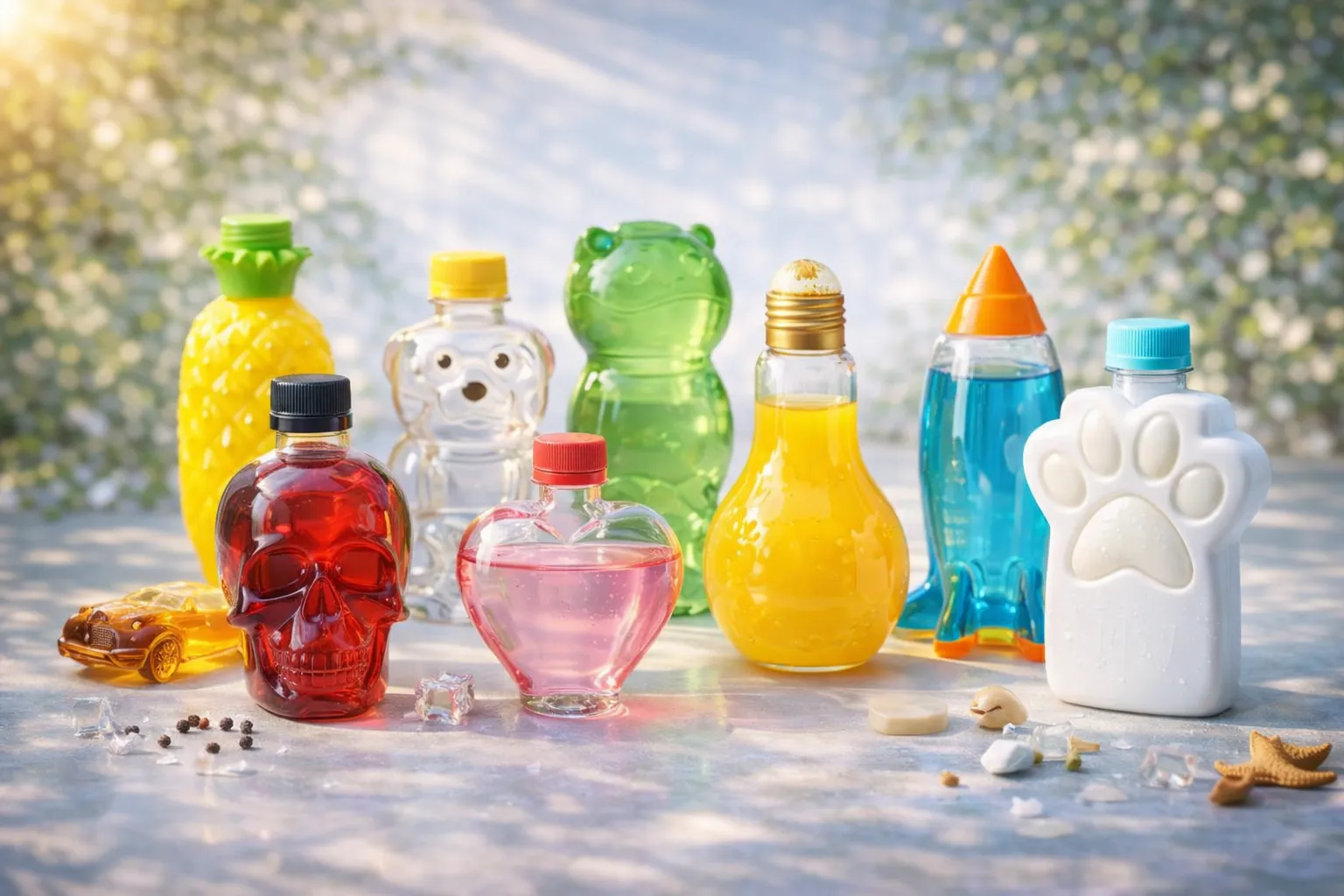
Korea külmpressitud mahla peamine jaemüügierinevus on visuaalne autentsus – mahla värv annab edasi selle koostisosade koostist (tumeroheline = lehtkapsas/spinat/kurk, erkoranž = porgand/apelsin, erkpunane = peet/õun, kahvatukollane = ingver/sidrun). Korea esmaklassilised külmpressitud mahlabrändid positsioneerivad oma kristallsest PET-pudeli koostisosade värvi nähtavust läbipaistvuse väitena: „näete iga koostisosa.“ See muudab ISBM-i PET-pudeli optilise spetsifikatsiooni (hägusus ≤ 1,5%) kaubanduslikult sama oluliseks kui täitestabiilsus või HPP rõhu ühilduvus. Korea külmpressitud mahlapudel, mille hägusus on 3,0% (vastuvõetav Korea standardse gaseerimata vee jaoks), moonutab mahla värvi – roheline mahl tundub pigem hägune hallikasroheline kui erksa smaragdroheline, apelsinimahl tundub pigem kahvatu kui erksavärviline, rikkudes visuaalse lisatasu, mille eest Korea tarbijad maksavad 4000–8000 Korea vonni. Korea ISBM-i külmpressitud mahla kristallselgus nõuab sama tootmisdistsipliini nagu Korea K-Beauty PETG: konditsioneerimisjaama temperatuuri täpsus ±0,5 °C, EV servo puhumisviibe konsistents ±0,05 s ja puhumisõhu kastepunkt ≤ −25 °C kogu tootmisvahetuse vältel. Korea ISBM-i tootjad, kellel on K-Beauty PETG tootmisvõimsus, on loomulikud Korea HPP külmpressitud mahlapudelite tarnijad – optilise kvaliteedi infrastruktuur on identne.

7. Korea külmpressitud ja premium-mahlade brändimaastik
Korea külmpressitud mahla ISBM tarnib nelja kaubamärgitasandit. Korea esmaklassiline HPP külmpress (Seoul Juice, Pulmuone Fresh, CJ Freshway HPP, Korea Jeju Farm külmpress): 1–8 miljonit ühikut aastas; Korea GS25/CU esmaklassiline külmsektsioon ja Korea Online Fresh toidukaubad; 9–15-kuuline ISBM-kvalifikatsioon, sh HPP ühilduvustest; 68–95 Korea woni/pudel 300 ml kristallse PET HPP formaadi puhul. Korea K-Beauty heaolushot (Korea kollageenimahlashot, Korea C-vitamiini külmpress, Korea hüaluroonhappe ilumahl): 500 000–5 miljonit ühikut aastas; Korea Olive Young iluosakonna positsioneerimine; 6–12-kuuline kvalifikatsioon; 62–90 Korea woni/pudel. Korea pastöriseeritud jahutatud mahl (Maeil 100% Juice, Namyang Fresh Juice, Korea Dole'i jaotus): 10–50 miljonit ühikut aastas; tavaline Korea supermarketi külmsektsioon; 12–18-kuuline kvalifikatsioon; 35–55 Korea woni/pudel. Korea mahepõllumajandusliku külmpressi eksport (Korea mahepõllumajanduslik külmpressi eksport Jaapanisse, USA Korea diasporaa jaemüük): 500 000–3 miljonit ühikut aastas; Korea Toidu- ja Ravimiamet + ekspordituru toiduga kokkupuutumise nõuetele vastavus; 9–15-kuuline kvalifitseerumine; 72–98 Korea vonni/pudel.
8. rPET ja Korea külmpressitud mahla tootmise ökonoomika
Korea külmpressitud mahla rPET kasutuselevõtt seisab silmitsi sama optilise kvaliteediprobleemiga nagu Korea premium-klassi gaseeritud vesi – ≤ 1,5% hägususe spetsifikatsioon on keeruline rPET protsendimäärade korral üle 15–20% ilma hoolika rPET allika kvalifitseerimiseta. Korea HPP külmpressitud mahla kaubamärgid, millel on tugev jätkusuutlikkuse positsioneerimine (Korea mahekaubamärgid, Korea premium-klassi linnamahla kaubamärgid), määravad oma ökoloogilise volituse osana 15–25% rPET, säilitades samal ajal kristallselguse, mida nende mahla värvi kommunikatsioonistrateegia nõuab. Korea külmpressitud mahla rPET optilise kvalifitseerimise protokoll on identne Korea premium-klassi gaseerimata vee omaga: õhuruumi AA mõõtmine (KFDA toiduga kokkupuude) pluss hägususe kontroll iga rPET protsendimäära juures 20 tootmispudelil. Korea rPET töötlemisjuhend, mis seda protokolli käsitleb, on aadressil Korea rPET-i töötlemisjuhendKorea HPP külmpressitud PET-i tootmine HGY200-V4-EV masinal 4-õõnsusega 300 ml masinal (10-sekundiline tsükkel): 18,4 miljonit pudelit aastas 16 tunni jooksul. Keskmise hinnaga 78 Korea woni/pudel on see 1,44 miljardi Korea woni suurune aastatulu – identne Korea K-Beauty PETG tooneri tuluga samalt platvormilt. Korea ISBM-i tootjad, kes investeerivad K-Beauty PETG optilise kvaliteediga infrastruktuuri ja lisavad seejärel Korea külmpressitud mahla tarnimise, realiseerivad platvormi täieliku potentsiaali – kaks esmaklassilist tuluallikat väärtusega üle 1,4 miljardi Korea woni ühest masinast, kusjuures Korea hooajaline nõudlus täiendab teineteist (Korea külmpressitud mahla tipphetk on märtsist augustini, Korea K-Beauty tipphetk on septembrist veebruarini).
Korduma kippuvad küsimused
Külmpressitud mahla pakendamise tugi
Kas Korea külmpressitud bränd vajab HPP-ühilduvat kristall-PET-i mahla värvi selgusega?
Korea Ever-Power pakub HPP 600 MPa täitmise ja kokkusurumise ühilduvustesti, kristall-PET hägususe ≤1.5%, IV ≥ 0.82 spetsifikatsiooni, KFDA toiduga kokkupuutumise migratsioonitesti ja HGY200-V4-EV platvormi Korea HPP külmpressitud ja premium-mahlade ISBM tarnimiseks.
Seotud ressursid
Külmpressi platvorm
Korea Ever-Power HGY200-V4
Kristall-PET-i hägusus ≤1,5% mahla värvi edastamiseks; IV ≥ 0,82 HPP struktuur; EV servo ±0,05s viivitusaeg ühtlase orientatsiooni tagamiseks; 4 õõnsusega 300 ml 18 miljoni ühiku juures aastas.
Masinate valik
4-jaamaga ISBM-i lasketiir
HGY200-V4-EV Korea 200–300 ml HPP külmpressi ja K-Beauty heaolushotide kaheformaadilise hooajalise ajastamise jaoks, et maksimeerida masina aastast kasutust.
Külmpressi tööriistad
Kohandatud ISBM vormide disain
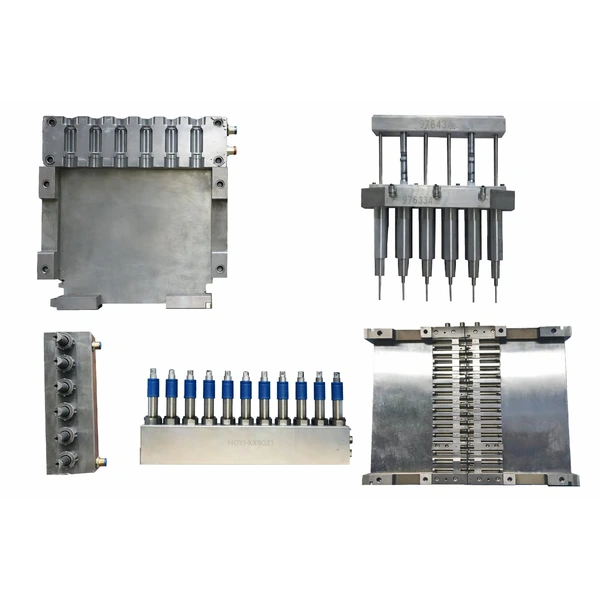
Korea HPP külmpressvormid – silindriline korpus HPP rõhujaotuse tagamiseks, peegli Ra ≤ 0,05 μm kristallselguse tagamiseks, aknakujulise silditsooni geomeetria ja HPP täitmise ja kokkusurumise esmase katseprotokoll.