Anwendung von ISBM · Koreanische pflanzliche Milchalternative · 2026
ISBM Koreanische pflanzenbasierte
Leitfaden für Soja- und Hafermilchflaschen
Koreanische pflanzliche Milchalternativen – Sojamilch, Hafermilch und Mandelmilch – stellen ein schnell wachsendes Marktsegment mit einem Volumen von 650 Milliarden KRW dar, da koreanische Konsumenten von traditionellen Milchprodukten auf pflanzliche Ernährung umsteigen. ISBM-PET- und PP-Flaschen ersetzen Kartons und Glasverpackungen für hochwertige koreanische Pflanzenmilch und übertragen die gleichen Nachhaltigkeitsmerkmale, Barriereeigenschaften und das hochwertige Marken-Design, die auch für K-Beauty-Verpackungen typisch sind, auf die Kategorie der Milchalternativen.
PP obligatorisch für Heißabfüllung
KFDA-Konformität mit Milchalternativen
KRW 650B
Koreanischer Markt für pflanzliche Milchprodukte 2025
+26%
Wachstum des koreanischen Pflanzenmilchmarktes bis 2024
두유 / 귀리
Koreanische Sojamilch und Hafermilch – die beiden dominierenden Kategorien
190–300 ml
Koreanische Premium-Pflanzenmilch im ISBM-Format für Einzelportionen
45–80 KRW
Preis für eine Flasche Premium-Pflanzenmilch ISBM (250 ml PP)
1. Koreanischer Markt für pflanzliche Milchprodukte: Umstellung von Karton- auf Flaschenverpackung
Der Konsum pflanzlicher Milchprodukte in Korea hat sich seit 2021 von einem Nischenprodukt (vor allem in der koreanischen Makrobiotik- und Vegetarier-Szene) zu einem festen Bestandteil der koreanischen Ernährung der Generation MZ entwickelt. Der koreanische Markt für pflanzliche Milch wird von koreanischer Sojamilch (두유) dominiert – einem Segment mit einem Umsatz von 320 Milliarden KRW, dessen Marktführer Maeil 두유, Namyang 두유 und Vegemil sind. Diese wird seit den 1980er-Jahren in koreanischen Tetra Pak-Kartons verkauft. Das Kartonformat birgt jedoch die Grenzen für die Positionierung koreanischer Premiumprodukte: Die undurchsichtigen Kartons vermitteln den Eindruck von Massenware statt von Premiumqualität und können weder die Farbe noch die Textur des Produkts zeigen, die koreanische Bio-Hafermilch- oder schwarze Sesammilchmarken als Qualitätsmerkmal kommunizieren möchten.
Koreanische ISBM-PET- und PP-Flaschen erobern den Markt für pflanzliche Milchprodukte aus dem Premiumsegment: Koreanische Marken für handwerklich hergestellte Hafermilch (Korean Oatside Distribution, Korean Oato, Korean Premium Barista Hafermilch), koreanische Premium-Sojamilch (Bio, ungesüßt, schwarze Sojamilch, koreanische schwarze Sesammilch) und koreanische Nussmilch (Mandel-, Cashew- und Macadamiamilch). Diese Premiummarken verwenden ISBM-Flaschen aus demselben Grund, aus dem koreanische Marken für kaltgepresste Säfte auf Kristall-PET setzen: Die visuelle Kommunikation des Produkts durch die Flasche ist das wichtigste Markensignal im koreanischen Kühlregal. Der breitere Kontext von ISBM für koreanische Lebensmittelverpackungen befindet sich in der ISBM-Leitfaden für koreanische Lebensmittelverpackungen.
2. PET vs. PP für koreanische Pflanzenmilchflaschen: Die Abfülltemperatur ist entscheidend.
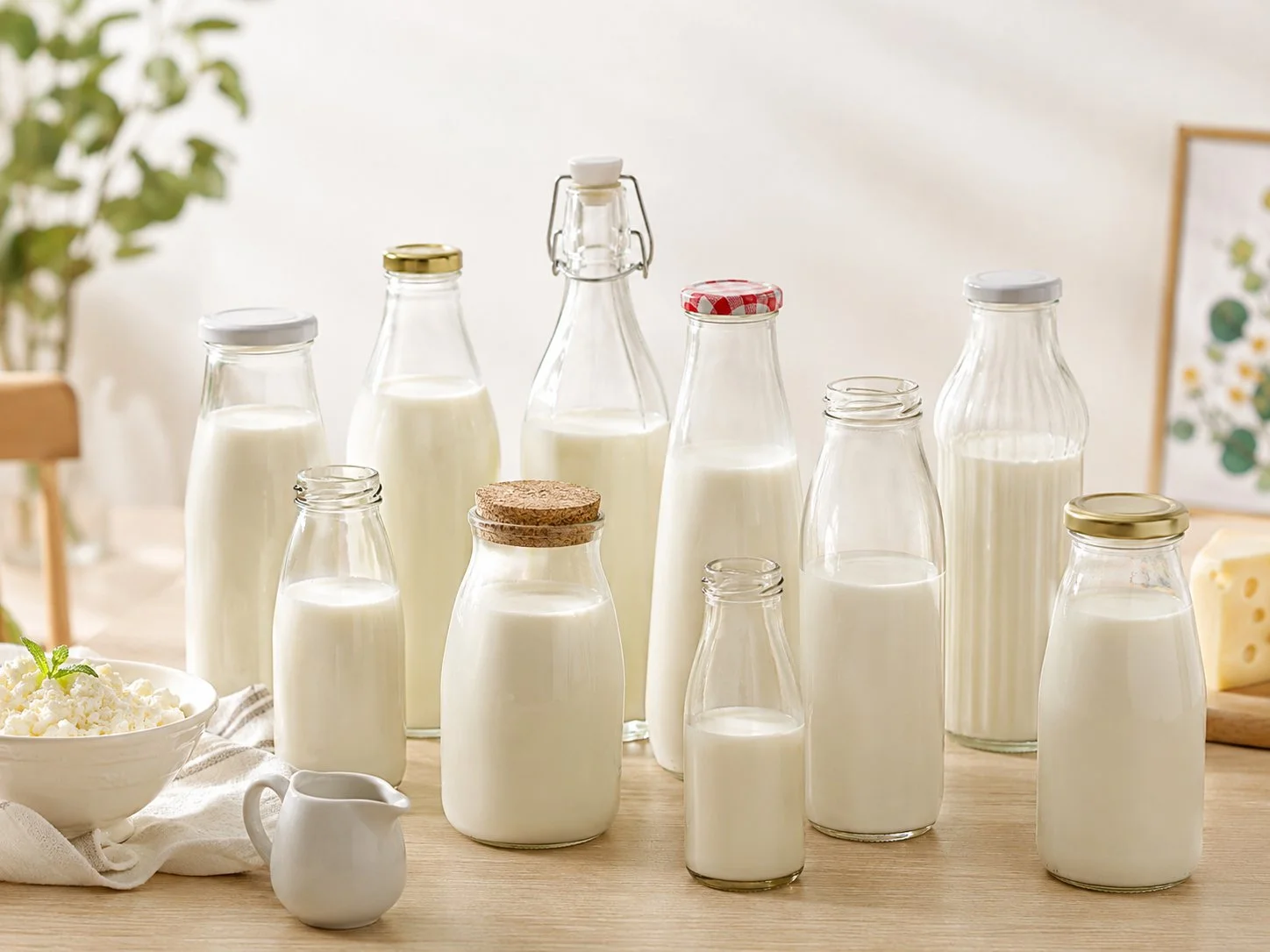
Koreanische ISBM-Pflanzenmilchflaschen-Serie – weißes PP 250 ml für koreanische Heißabfüllung von Sojamilch bei 85 °C (das undurchsichtige Weiß vermittelt eine natürliche, milchähnliche Ästhetik), kristallklares PET 200 ml für koreanische Kaltabfüllung von Hafermilch-Latte (die Flüssigkeit zeigt die hochwertige Haferfarbe), weißes PP 300 ml angereicherte Sojamilch für die Versorgung koreanischer Schulernährungsprogramme und bernsteinfarbenes PET 190 ml koreanische schwarze Sesammilch in Einzelportionen für die Premium-Kühlabteilung koreanischer Convenience-Stores.
Die Auswahl des Kunststoffs für ISBM-Flaschen in koreanischen Pflanzenmilchprodukten wird in erster Linie durch die Abfülltemperatur bestimmt – die mit Abstand wichtigste Variable für die Verpackungskompatibilität in dieser Produktkategorie.
| Koreanisches Pflanzenmilch-Format | Fülltemperatur | Harz | Verteilung | Koreanischer Markenkontext |
|---|---|---|---|---|
| Traditionelle koreanische Sojamilch (두유) | 80–90 °C | PP (weiß) | Ablagefläche | Maeil, Namyang, Vegemil – heißabgefülltes UHT-Frischmilchprodukt; undurchsichtiges weißes PP-Flaschenmaterial obligatorisch |
| Koreanische kalt abgefüllte Hafermilch | Umgebungstemperatur (5°C) | Kristall-PET oder PP | Gekühlt | Koreanische Barista-Hafermilch, Korean Oatside – 21 Tage Haltbarkeit in der Kühlkette |
| Koreanischer warmer Sojamilch-Latte | 60–75 °C | PP (weiß oder getönt) | Gekühlt 30 Tage | Latte der Marke „두유“ aus koreanischen Cafés; Warmfüllung über PET Tg erforderlich PP |
| Koreanische schwarze Sesam-/Nussmilch | Umgebungstemperatur oder HPP | Kristall-PET (getönt) | Gekühlt | Koreanische Premium-Schwarzsesammilch; kristallklare PET-Folie zeigt die Produktfarbe; HPP-Verfahren zur Sicherung der Haltbarkeit |
Der systematische koreanische Entscheidungsrahmen für PET- vs. PP-Harze bei Anwendungen mit Wärmekontakt – anwendbar auf die Entscheidung zwischen Heißabfüllung von Sojamilch und Kaltabfüllung von Hafermilch – befindet sich in der Leitfaden zur Auswahl von koreanischem PET- vs. PETG-Harz.
3. Heißabfüll-Technologie für koreanische Sojamilch in PP-Flaschen
Traditionelle koreanische Sojamilch (두유) wird bei 80–90 °C im UHT-Verfahren (Ultrahocherhitzung) abgefüllt. Hierfür wird PP als Kunststoff für die ISBM-Behälter benötigt. Die Wärmeformbeständigkeitstemperatur von PP (95–105 °C für das in koreanischer ISBM verwendete isotaktische PP) bietet einen ausreichenden Sicherheitsspielraum oberhalb der Abfülltemperatur von 90 °C und verhindert so die Flaschenverformung, die bei Standard-PET (Tg 75 °C) bei diesen Abfülltemperaturen auftreten würde.
Spezifikation der koreanischen ISBM-Heißabfüll-Sojamilch-PP-Flasche: weißes, opakes PP (TiO₂ bei 2,5–4,0% LDR für ≥95% Opazität – das weiße Aussehen vermittelt die Qualität koreanischer Milchprodukte und überdeckt die natürliche beige-gelbe Farbe der Sojamilch, die viele koreanische Verbraucher mit einem „alten“ oder „unverdünnten“ Aussehen assoziieren); Vakuumausgleichsplatten (Heißabfüll-PP-Sojamilch erzeugt beim Abkühlen von 85 °C Abfülltemperatur auf 5 °C Kühllagerung ein Vakuum von 0,2–0,5 bar – die Vakuumplatte gleicht diese Kontraktion ohne sichtbare Verformung des Flaschenkörpers aus); Weithals-Klappverschluss (der 38-mm-Klappverschluss ermöglicht einfaches Ausgießen für die Verteilung von Sojamilch in koreanischen Schulen und Betrieben – dem wichtigsten Vertriebskanal für koreanische Sojamilch in Großpackungen).
Die Herstellung von koreanischen ISBM-PP-Sojamilchflaschen für Heißabfüllung erfordert denselben beheizten Formeinsatz und dieselbe verlängerte Blasverweilzeit wie die koreanische HS-PET-Heißabfüllung – jedoch bei einer niedrigeren Kristallisationstemperatur (120–140 °C gegenüber 150–165 °C bei HS-PET), da PP leichter kristallisiert als PET und für eine vergleichbare Dimensionsstabilität unter Heißabfüllvakuum eine kürzere Wärmebehandlungszeit benötigt. Der koreanische PP-Leitfaden für die Getränkeherstellung in Saft- und Tee-Anwendungen – der die gleiche wärmebehandlungstechnische Grundlage wie die koreanische Heißabfüllung von Sojamilch bietet – befindet sich unter [Link einfügen]. Koreanischer PP-Heißgetränke-Leitfaden.
4. Kaltabfüll-Flaschentechnik für koreanische Hafermilch und handwerklich hergestellte Pflanzenmilch
Koreanische Kaltabfüllungen von pflanzlichen Milchprodukten – Hafermilch, Barista-Mandelmilch, koreanische schwarze Sesammilch und koreanische Cashewmilch – gehören zu den gekühlten Produkten und benötigen kein wärmebehandeltes PP. Standard-PET-Kristallflaschen bei Raumtemperatur sind für diese Produkte ausreichend. Die Flaschen sind so klar, dass die charakteristische Farbe des Produkts – ob Hafercreme, leicht trübes Mandelweiß oder tiefgrau-schwarzes Sesam – durchscheint. Die ISBM-Spezifikation für koreanische Kaltabfüllungen von pflanzlichen Milchprodukten sieht folgende Werte vor: IV ≥ 0,78 dl/g (ausreichend für die mechanischen Eigenschaften bei gekühlter Lagerung); Trübung ≤ 2,51 TP3T für durchscheinende pflanzliche Milchprodukte (die leichte Trübung von Hafermilch durch suspendierte Haferfeststoffe ist eine natürliche Produkteigenschaft – koreanische Verbraucher erwarten dies, daher ist im Gegensatz zu Kollagen-Schönheitsgetränken keine PET-Kristallklarheit mit einer Trübung von ≤ 1,51 TP3T erforderlich); Wandstärke 0,22–0,28 mm. Klapp- oder Druck-Zug-Verschluss zur portionsgenauen Dosierung.
Die größte Herausforderung für koreanische, kalt abgefüllte Pflanzenmilch im Bereich der transparenten Flaschenverpackung (ISBM): Protein- und Stärkepartikel können sich während der Kühllagerung absetzen und eine sichtbare Schicht am Flaschenboden bilden. Dies ist eine Eigenschaft der Rezeptur (die von koreanischen Pflanzenmilchmarken mit dem Hinweis „Vor dem Trinken schütteln“ berücksichtigt wird) und kein Verpackungsfehler. Dennoch sollten koreanische ISBM-Hersteller ihre Kunden darauf hinweisen, dass die Transparenz des Flaschenbodens (kristallklares PET, durch das die Ablagerung sichtbar ist) ein Merkmal des transparenten Flaschenformats ist, das koreanischen Verbrauchern kommuniziert und nicht verschwiegen werden sollte. Einige koreanische Pflanzenmilchmarken nutzen diese Transparenz sogar als Qualitätsmerkmal: Die sichtbare Ablagerung beweist, dass keine Stabilisatoren oder Verdickungsmittel verwendet werden, und positioniert sich so als Signal für ein hochwertiges Clean-Label-Produkt.
5. Konformität der koreanischen KFDA mit ISBM-Flaschen für angereicherte Pflanzenmilch
Koreanische angereicherte Sojamilch – das dominierende koreanische Zwei-Euro-Produkt (mit Angaben zu Kalzium, Vitamin D und Protein) – wird von der KFDA (Koreanische Lebensmittel- und Arzneimittelbehörde) als Speziallebensmittel eingestuft. Dies führt zu strengeren Verpackungsvorschriften als für Standardgetränke. Die KFDA-Vorschriften für Speziallebensmittelbehälter umfassen die gleiche Positivliste für PP- oder PET-Behälter mit Lebensmittelkontakt und die gleichen Migrationstests wie für Standardlebensmittel. Zusätzlich wird jedoch ein spezifischer Migrationstest für die angereicherten Mineralien in der deklarierten Konzentration durchgeführt (Kalzium: 300–500 mg/Portion in koreanischer angereicherter Sojamilch – die Kalziumkarbonat-Suspension kann die Extraktion von PP-Oberflächenadditiven durch das wässrige Simulant im Vergleich zu nicht angereicherter Milch leicht erhöhen). Koreanische ISBM-Hersteller, die koreanische angereicherte Sojamilchmarken beliefern, sollten vor der Auswahl des Dokumentationsniveaus für die Konformität eine Bestätigung der KFDA-Klassifizierung der Marke (Standardlebensmittel vs. Lebensmittel für besondere Zwecke) anfordern – der Standard-Migrationstest für Lebensmittelkontakt (60 °C/30 Minuten, wässriges Simulant) ist möglicherweise nicht ausreichend für KFDA-Lebensmittel für besondere Zwecke, die für einige Mineralstoffkombinationen den gleichen 70 °C/1-Stunden-Test wie KFDA-Säuglingsnahrung erfordern.
6. Masterbatch mit weißer Deckkraft für koreanische Pflanzenmilch ISBM
Koreanische traditionelle Sojamilch und warm abgefüllte Pflanzenmilch-ISBM-Flaschen verwenden ein weißes TiO₂-Opazitätsmasterbatch. Dieses sorgt für ein deckendes, weißes Aussehen, das koreanischen Verbrauchern eine milchähnliche Qualität vermittelt und gleichzeitig als UV-Lichtbarriere Vitamin D und Riboflavin in der angereicherten Pflanzenmilch vor photochemischem Abbau schützt. Spezifikation des koreanischen weißen PP-Pflanzenmilch-Masterbatches für ISBM: TiO₂ mit 3,0–4,51 TP3T LDR in PP-Träger (gleiche Trägerharzfamilie wie das PP-Basisharz für volle Kompatibilität); Opazität ≥ 971 TP3T bei 2 mm Wandstärke (koreanischer Standard für „Milchweiß“ bei Pflanzenmilch); UV-Transmission ≤ 51 TP3T bei 400 nm (zum Schutz der Vitamin-D- und Riboflavin-Anreicherung); TiO₂ und PP-Trägeradditive sind in der Positivliste der KFDA aufgeführt. Spezifikation zur Farbkonsistenz: ΔE ≤ 1,5 pro Produktionscharge im Vergleich zum genehmigten Weißstandard der koreanischen Marke – Konsumenten koreanischer Pflanzenmilchmarken bemerken Farbunterschiede zwischen verschiedenen Chargen im Kühlregal koreanischer Supermärkte, insbesondere beim direkten Vergleich derselben Produktflasche aus unterschiedlichen Produktionsdaten im Kühlregal. Das Farbmanagement-Framework für Masterbatches, das ΔE ≤ 1,5 pro Charge durch gravimetrische Dosierung und Überprüfung der Trägerkompatibilität erreicht, ist in der [fehlende Information] beschrieben. Leitfaden zum Farbmanagement von koreanischen ISBM-Masterbatches.
7. Koreanische Pflanzenmilchmarkenlandschaft und ISBM-Lieferung
Die koreanische ISBM-Lieferkette für pflanzliche Milchprodukte bedient vier Marktsegmente. Große koreanische Marken aus dem Milchsektor, die ihr Angebot um pflanzliche Milchprodukte erweitern (Maeil, Namyang, CJ Lion Plantree, Pulmuone Soy): 10–50 Mio. Einheiten/Jahr; Heißabfüllung in PP-Flaschen in koreanischen Supermärkten und Schulkantinen; 12–18 Monate ISBM-Zertifizierung; 32–52 KRW/Flasche für 250 ml weiße PP-Sojamilch. Koreanische Craft-Marken für pflanzliche Milchprodukte (Korean Oatside, Oato Korea, koreanische Haferprodukte für Baristas): 1–10 Mio. Einheiten/Jahr; Kaltabfüllung in kristallinem PET oder PP; koreanische Spezialitätenkaffeehäuser und Kühltheken in koreanischen Premium-Convenience-Stores; 6–12 Monate Zertifizierung; 52–80 KRW/Flasche. Koreanische K-Beauty-Marken für Nahrungsergänzungsmittel (koreanische Kollagen-Sojamilch, koreanische schwarze Sesammilch für Beauty-Produkte, koreanische vitaminangereicherte Mandelmilch): 500.000–5 Mio. Einheiten/Jahr. Kristallfarbenes PET, getönt; koreanischer Olive Young-Lebensmittelbereich und koreanische Gesundheitsprodukte online; 6–9 Monate Qualifizierung; 62–85 KRW/Flasche. Koreanische B2B-Pflanzenmilch für Institutionen (koreanisches Schulernährungsprogramm, koreanische angereicherte Sojamilch für Krankenhäuser, koreanisches staatliches Wohlfahrtsprogramm): 5–30 Mio. Einheiten/Jahr; weißer PP-Standard; niedrigster Vertragspreis 28–42 KRW/Flasche. Der ROI für koreanische ISBM-Hersteller, die in Pflanzenmilch einsteigen, liegt im Koreanischer ISBM-Maschinen-ROI-Rechner.
8. rPET in koreanischen Pflanzenmilchflaschen und Produktionsökonomie
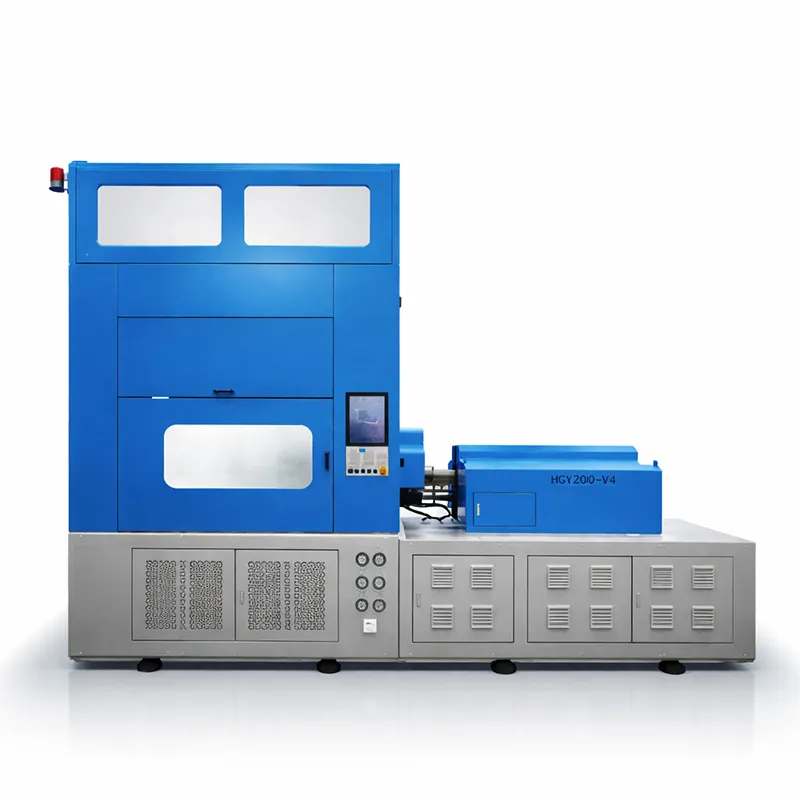
Koreanische Marken für kaltabgefüllte Hafermilch und pflanzliche Milch in kristallklarem PET gehören zu den nachhaltigsten koreanischen Lebensmittelmarken. Sie vermarkten ihre Umweltfreundlichkeit aktiv an koreanische Verbraucher, die ihre Kaufentscheidungen auf Nachhaltigkeitskriterien stützen. Koreanische Hafermilchmarken fordern in der Regel 25–501 TP3T rPET für ihre kristallklaren PET-Flaschen und zählen damit zu den koreanischen Lebensmittelverpackungsherstellern mit der höchsten rPET-Nutzungsrate. Die Herausforderung bei rPET für koreanische pflanzliche Milch in kristallklarem PET (Trübung ≤ 2,51 TP3T für transparente Produkte): Bei 251 TP3T rPET liegt die Zunahme der Trübung typischerweise zwischen 0,3 und 0,61 TP3T – im akzeptablen Bereich für Hafermilch, deren natürliche Trübung bereits eine gewisse optische Opazität erzeugt. Bei 50% rPET kann die Trübung um 0,8–1,5% ansteigen – noch innerhalb der Spezifikation ≤ 2,5%, jedoch ist eine Qualifizierung der rPET-Quelle erforderlich, um die Konsistenz zu bestätigen. Für koreanische Sojamilch in weißer PP-Heißabfüllung ist rPET nicht anwendbar (weißes PP verwendet PP-Harz, nicht PET). Führende koreanische Sojamilchmarken prüfen jedoch den PP-Rezyklatanteil gemäß K-EPR 2026. rPP (recyceltes PP) mit einer Beladung von 10–20% in koreanischer weißer Sojamilch ist technisch machbar, erfordert aber eine Neukalibrierung des weißen Masterbatches (die leicht gelbgraue Grundfarbe von rPP erfordert eine höhere TiO₂-Beladung, um den gleichen Weißgrad L*-Wert wie bei neuem PP zu erreichen). Das koreanische rPET-Verarbeitungsprotokoll für kristalline PET-Pflanzenmilchmarken befindet sich in der [fehlende Information]. Koreanischer rPET-VerarbeitungsleitfadenDie koreanische ISBM-PP-Heißabfüllproduktion für Sojamilch auf der HGY200-V4-EV mit 4 Kavitäten à 250 ml (11-Sekunden-Zyklus mit beheiztem Bodeneinsatz für die PP-Heißfixierung) beträgt 17,2 Mio. Flaschen/Jahr in 16 Stunden. Bei einem Preis von 45 KRW/Flasche für eine führende koreanische Sojamilchmarke ergibt sich ein Jahresumsatz von 774 Mio. KRW – ein geringerer Umsatz pro Flasche als bei K-Beauty PETG, jedoch ein über mehrere Jahre stabiles Volumen bei großen koreanischen FMCG-Marken, was ein anderes kommerzielles Risikoprofil darstellt.
Häufig gestellte Fragen
Unterstützung bei der Verpackung von Pflanzenmilch
Koreanische Pflanzenmilchmarke entwickelt Heißabfüll-Sojamilch (PP) oder Kaltabfüll-Hafermilch (PET)?
Korean Ever-Power bietet heißabgefülltes PP bei 85°C mit beheiztem Bodeneinsatz, weißes TiO₂-Masterbatch ΔE ≤ 1,5, KFDA-Lebensmittel-/HFF-Behälterkonformität, kristallklares PET für kaltabgefüllte Hafermilch und HGY200-V4-EV für die koreanische Pflanzenmilch-ISBM-Lieferung.
Verwandte Ressourcen
Plant Milk Plattform
Korean Ever-Power HGY200-V4
Heißabfüllung von weißer Sojamilch in PP-Behältern mit beheiztem Bodeneinsatz; Kaltabfüllung von kristalliner Hafermilch in PET-Behältern im Dualformat; gravimetrische Dosierung von weißem Masterbatch für eine Chargenkonsistenz von ΔE ≤ 1,5.
Maschinenprogramm
4-Stationen-ISBM-Schießstand
HGY200-V4-EV für koreanische Premium-Pflanzenmilch in Einzelportionen von 200–300 ml bis HGY250-V4 für koreanische Barista-Hafermilch im Café-Format mit 1 l Inhalt.
Werkzeug für Pflanzenmilch
Kundenspezifische ISBM-Formenkonstruktion
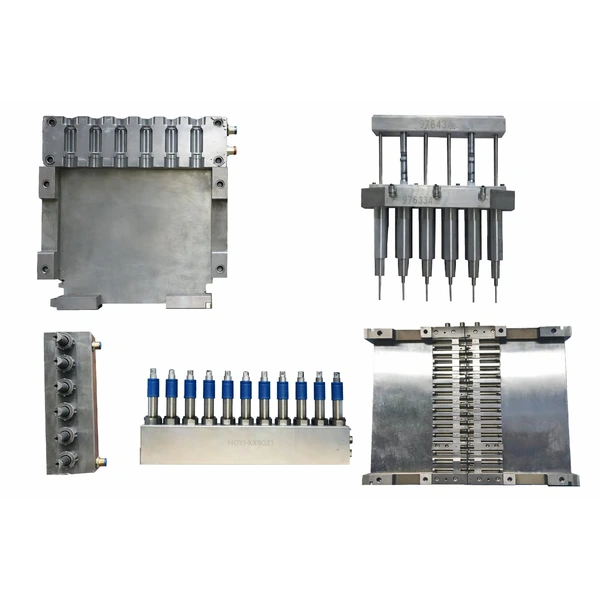
Koreanische Pflanzenmilchformen – Heißfüll-PP-Vakuumplatten-Aufnahmegeometrie, breiter 38-mm-Klappverschlusshals, KFDA-Lebensmittelkontakt-Erstmuster-Migrationstestzertifikat enthalten.