
Anwendung von ISBM · Agrochemikalien & Industrie · Koreanischer Markt 2026
ISBM Koreanische Agrochemikalien &
Leitfaden für Industrieflüssigkeitsflaschen
Der koreanische Markt für Verpackungen von Agrochemikalien und industriellen Flüssigkeiten ist für Hersteller von ISBM-Verpackungen (Integrated Social Food Packaging) weitgehend unsichtbar – dabei repräsentiert er jährlich Flaschen im Wert von 1,4 Billionen KRW und bietet eine höhere Stückkosteneffizienz als herkömmliche Lebensmittel- und Getränkeverpackungen in jeder Mengenstufe. Die technischen Markteintrittsbarrieren sind real und spezifisch, was die Gewinnmargen der Hersteller schützt, die diese überwinden.
KNDA-Pestizidkonformität
PP · PET · HDPE Vergleich
Koreanisches Ever-Power-Engineering-Desk · Ansan-si · Mai 2026
1. Die Chancen im koreanischen Markt für Agrochemikalien und industrielle Verpackungen
Die koreanische Verpackung von Agrochemikalien ist die am wenigsten vertretene Anwendung von ISBM in den Diskussionen koreanischer Hersteller – nicht etwa, weil der Markt klein wäre (Korea gehört zu den Ländern mit der weltweit höchsten Pestizidintensität pro Hektar Ackerland), sondern weil die regulatorischen Hürden, die Anforderungen an die chemische Kompatibilität und die Prozesse zur Kundenqualifizierung Eintrittsbarrieren darstellen, die die meisten koreanischen ISBM-Hersteller noch nicht überwunden haben.
Die Marktstruktur ist spezifisch: Südkoreas Landwirtschaft konzentriert sich auf die Provinzen Gyeonggi-do, Chungcheongnam-do und Jeollanam-do, und das koreanische Vertriebssystem für Agrochemikalien läuft über rund 3.000 landwirtschaftliche Genossenschaften und 12 große Chemikalienhändler. Der Abschluss eines Liefervertrags mit einem koreanischen Pflanzenschutzmittelhersteller (Korea Syngenta, Bayer CropScience Korea, Kyung Nong) umgeht den fragmentierten Einzelhandel und ermöglicht mehrjährige Mengenverträge, die die regulatorischen Investitionen zur Qualifizierung lohnenswert machen. Der vollständige Kontext des koreanischen industriellen ISBM-Marktes wird im Folgenden behandelt. Koreanischer Leitfaden zur industriellen und spezialisierten ISBM-Produktion.
Markt im Überblick
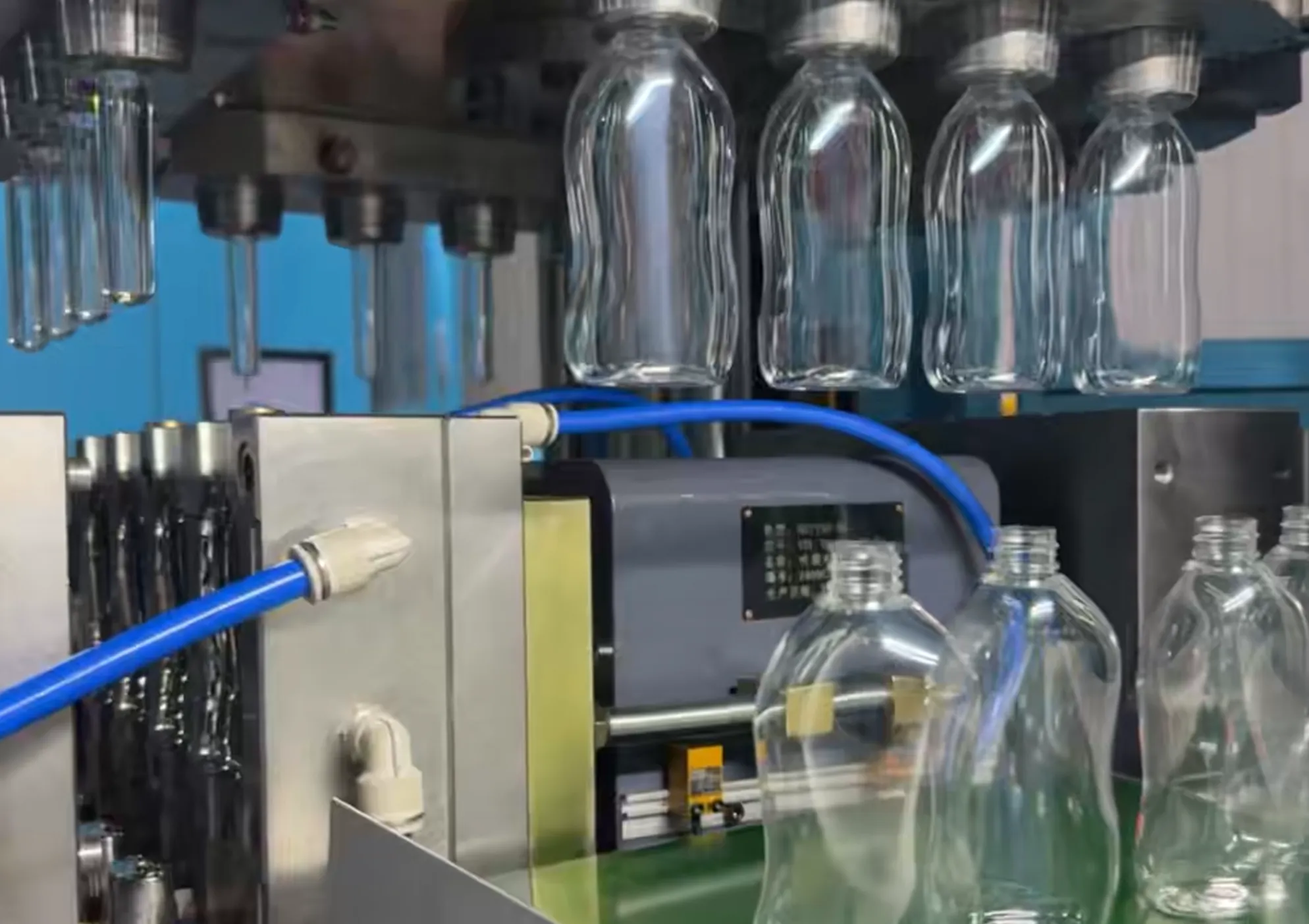
2. ISBM vs. HDPE EBM: Die Entscheidung der koreanischen Industrieflaschenhersteller bezüglich des Flaschenmaterials
Koreanische Flaschen für Agrochemikalien und industrielle Flüssigkeiten werden überwiegend aus HDPE im Extrusionsblasverfahren (EBM) hergestellt – der etablierten Technologie, die dieses Segment weltweit und auch in Korea dominiert. ISBM verfolgt im koreanischen Markt für Industrieverpackungen nicht das Ziel, HDPE-EBM flächendeckend zu ersetzen, sondern sich in spezifischen Anwendungsbereichen zu etablieren, in denen die Vorteile von ISBM gegenüber HDPE-EBM einen ausreichenden wirtschaftlichen Mehrwert bieten, um die unterschiedlichen Produktionskosten zu rechtfertigen.
| Parameter | HDPE EBM | PP ISBM | PET ISBM | Auswirkungen auf die industrielle Anwendung |
|---|---|---|---|---|
| Chemische Beständigkeit | Exzellent | Gut bis ausgezeichnet | Mäßig | HDPE/PP für oxidierende Chemikalien; PET für wässrige/organische Säuren |
| Maßgenauigkeit | ±0,5 mm | ±0,05 mm | ±0,05 mm | ISBM überzeugt mit präzisen Halsprofilen und Kompatibilität mit automatisierten Abfüllanlagen. |
| Optische Klarheit | undurchsichtig/durchscheinend | Durchscheinend | Transparent | Sichtbare Füllstände in Kfz-Flüssigkeiten und Premium-Pestizidkonzentrat |
| Volumenbereich | 100 ml – 200 l | 50 ml – 20 l | 50 ml–5 l | HDPE-EBM dominiert bei sehr großen Formaten (>20L). |
| Werkzeugkosten (pro Kavität) | Untere | Höher | Höher | Der Aufpreis für ISBM-Werkzeuge ist gerechtfertigt, wenn Präzision oder Klarheit einen kommerziellen Wert schaffen. |
Die Grundlagen der Harzauswahl für koreanische industrielle ISBM – insbesondere die Entscheidung zwischen PP und PET – sind in der Dokumentation festgehalten. Leitfaden zur Materialauswahl PP vs. PET, welche die vollständige Matrix der chemischen Kompatibilität abdeckt, die die Harzauswahl für koreanische Industrieanwendungen bestimmt.
3. Einhaltung der koreanischen Vorschriften für Pestizidflaschen: KNDA-Standards und Verpackungsanforderungen
Die Verpackung von Pestiziden in Korea unterliegt dem Pestizidkontrollgesetz (농약관리법) und wird vom Koreanischen Nationalen Landwirtschaftsgenossenschaftsverband (농협) und der Koreanischen Vereinigung für neue Arzneimittel (KNDA) verwaltet. Die wichtigsten Verpackungsanforderungen, die koreanische Hersteller von ISBM (Integrated Social Marketing Materials) im Rahmen von Lieferverträgen für Pestizidflaschen erfüllen müssen, sind:
Verpackungskompatibilitätstest
Die spezifische Pflanzenschutzmittelformulierung (emulgierbares Konzentrat, Suspensionskonzentrat, wasserdispergierbares Granulat in Flüssigkeit) muss bei 50 °C über 6 Monate einem Abfülltest mit der vorgesehenen Flasche unterzogen werden. Es dürfen weder Gewichtsverlust noch Dimensionsveränderungen auftreten, und das Produkt darf nicht durch Verpackungsrückstände verunreinigt werden. Die Formulierung ist der KNDA zur Genehmigung vor dem Inverkehrbringen vorzulegen.
Volumengenauigkeit
Das Volumen von Pflanzenschutzmittelflaschen in Korea muss gemäß koreanischem Messgesetz auf ±21³T des angegebenen Volumens genau sein. ISBM-Flaschen erfüllen diese Anforderung problemlos aufgrund der präzisen Maßkontrolle des Flaschenhalses. Bei HDPE-EBM-Flaschen sind häufig zusätzliche Volumenprüfungen erforderlich, da Schwankungen im Rohlingsgewicht zu Volumenabweichungen führen.
Kindersicherer Verschluss
Alle koreanischen Pflanzenschutzmittel in flüssiger Konzentratform (die gängigste Darreichungsform für koreanische Pflanzenschutzmittel) müssen gemäß der Änderung des Pflanzenschutzmittelgesetzes von 2021 kindersichere Verschlüsse verwenden. Die Spezifikationsanforderungen für kindersichere Verschlüsse entsprechen der Norm für Haushaltschemikalien – KS M ISO 8317.
Anforderung an die Wiederverschließbarkeit
Koreanische Pflanzenschutzmittelflaschen müssen über 10 Öffnungs- und Schließzyklen hinweg dicht schließen (um das Anwendungsverhalten koreanischer Landwirte zu simulieren, die das Mittel verdünnen und mehrmals aus derselben Flasche ausbringen). Im Rahmen des Zulassungsantrags für die Verpackung bei der KNDA ist ein Verschleißtest des Gewindes über 10 Zyklen mit dem jeweiligen Verschluss erforderlich.
4. Koreanische Fahrzeugflüssigkeitsbehälter: Anforderungen des Hyundai-Kia-Ökosystems
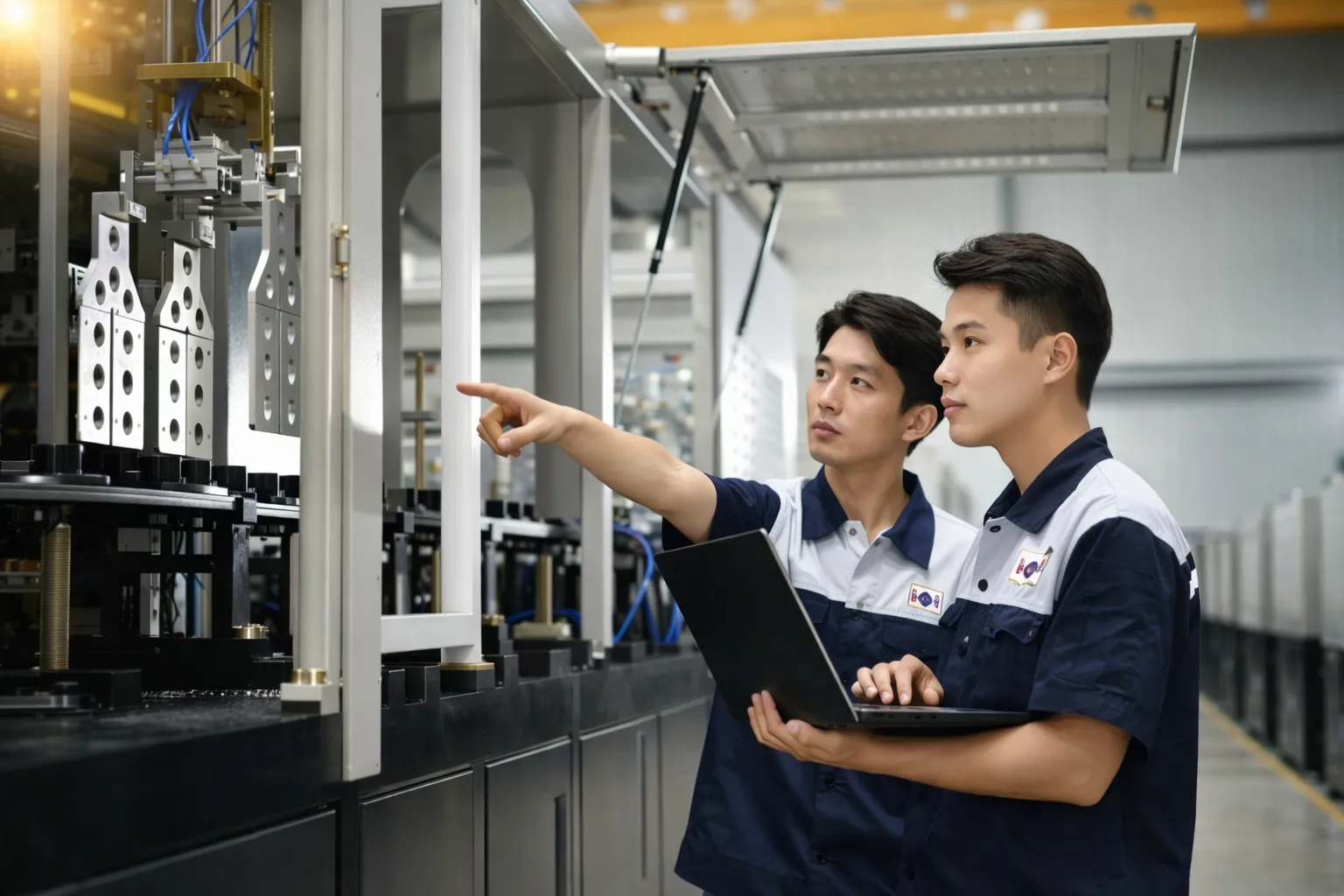
Der koreanische Hyundai-Kia-Konzern ist der drittgrößte Fahrzeughersteller der Welt mit einer Jahresproduktion von 7,6 Millionen Fahrzeugen und einem umfangreichen koreanischen Ökosystem für Ersatzteile und Flüssigkeiten. Die koreanische Automobilindustrie bietet mit ihren Verpackungslösungen ein bedeutendes Potenzial für ISBM (Integrated Security Business Management) – insbesondere aufgrund der spezifischen Qualitätsanforderungen der Automobilzulieferkette.
| Flüssigkeitstyp | Harz | Volumen | Nacken | Wichtigste Compliance-Anforderung |
|---|---|---|---|---|
| Motoröl (mineralisch/synthetisch) | PP-Homopolymer | 1–5 l | 38–48 mm | Keine extrahierbaren Stoffe im Öl; IATF 16949-Lieferantenqualifikation |
| Kühlmittel / Frostschutzmittel | HAUSTIER | 1–2 l | 38 mm | Sichtbare Füllstandsanzeige; kompatibel mit Ethylenglykol bei 50% |
| Scheibenwaschflüssigkeit | PP oder PET | 1–2 l | 28–38 mm | Methanol-/IPA-kompatibel; Frostbeständigkeit bis −40 °C (PP bevorzugt) |
| Bremsflüssigkeit (DOT 3/4) | HAUSTIER | 500 ml–1 l | 28 mm | Glykoletherkompatibel; manipulationssicher versiegelt; KS D 5202 |
| Kühlmittel für Elektrofahrzeugbatterien | PP-Homopolymer | 1–5 l | 38 mm | Kompatibel mit dielektrischer Flüssigkeit; farbcodiert (rosa/blau); Hyundai-OEM-Spezifikation |
Der Markt für Kühlmittel für Elektrofahrzeugbatterien ist neu und wächst mit jährlich 451.000 Tonnen, da die steigende Marktdurchdringung von Elektrofahrzeugen in Korea (291.000 Tonnen Neuzulassungen im Jahr 2025) die Nachfrage nach Verpackungen für Batteriethermomanagementflüssigkeiten erhöht. Die koreanischen Ever-Power-Plattformen HGY250-V4 und HGY650-V4 eignen sich ideal für die Verpackung von Kfz-Flüssigkeiten in verschiedenen Gebindegrößen – von 500-ml-Bremsflüssigkeitsflaschen bis hin zu 5-Liter-Motorölkanistern. Die großen Behälterabmessungen und das höhere Gewicht der PP-Vorformlinge, die für Kfz-Flüssigkeitsbehälter erforderlich sind, ermöglichen die höhere Schließkraft und Vorformlingskapazität dieser Plattformen.
5. Koreanische Industriechemikalienflaschen: Laborchemikalien, Reinigungskonzentrate und Prozesschemikalien
Die koreanische Industriechemikalienverpackung umfasst ein breites Anwendungsspektrum unterhalb der Hauptkategorien Agrochemie und Automobil: Laborreagenzflaschen (für koreanische Pharma- und Halbleiterforschungseinrichtungen), Behälter für industrielle Reinigungskonzentrate (für die Gebäudereinigung und Lebensmittelverarbeitung), Flaschen für Galvanisierungslösungen und Spezialbehälter für Prozesschemikalien für die koreanische Halbleiterindustrie. Jede Unterkategorie hat spezifische Anforderungen an chemische Beständigkeit und Abmessungen.
Prozesschemikalien für die koreanische Halbleiterindustrie stellen die technisch anspruchsvollste industrielle ISBM-Anwendung in Korea dar. Zulieferer von TSMC Korea, Samsung Electronics Fab und SK Hynix müssen die SEMI-Norm F64-1103 für Chemikalienbehälter erfüllen. Diese Norm schreibt vor, dass die Behältermaterialien keine metallischen Verunreinigungen oberhalb des ppb-Bereichs in die Prozesschemikalien einbringen dürfen, den jeweiligen Chemikalien (Fluorwasserstoffsäure, Wasserstoffperoxid, Schwefelsäure) ohne Zersetzung standhalten und in einem Reinraum der ISO-Klasse 7 oder höher hergestellt werden müssen. Polypropylen (PP) ist das Standardmaterial für Behälter gemäß SEMI F64 für die meisten Halbleiterprozesschemikalien, die im Reinraumverfahren mittels ISBM verarbeitet werden – ein spezialisiertes Produktionssegment, das die höchsten Stückpreise im koreanischen industriellen ISBM erzielt (250–580 KRW pro Flasche für 500-ml- bis 2-Liter-Behälter für Halbleiterchemikalien).
Für koreanische ISBM-Hersteller, die ohne Reinrauminfrastruktur in den Markt für Industriechemikalien einsteigen, bietet der Markt für Laborreagenzien den einfachsten Zugang. Koreanische Forschungseinrichtungen, Hersteller pharmazeutischer Wirkstoffe und Qualitätsprüflaboratorien verbrauchen jährlich zig Millionen Standard-PP-ISBM-Flaschen in Laborqualität mit einem Volumen von 50 ml bis 1 l. Diese Anwendungen erfordern keine Reinraumproduktion, sondern lediglich eine KFDA-konforme Dokumentation des PP-Harzes und eine Zertifizierung nach ISO 9001. Das für die Produktion von Wasserkanistern entwickelte Know-how im Bereich Großformatbehälter – detailliert beschrieben in … Koreanischer Produktionsleitfaden für großformatige ISBMs — gilt unmittelbar für industrielle Chemikalienbehälter mit einem Volumen von 2 bis 10 Litern.
6. Werkzeugkonstruktion für koreanische industrielle ISBM-Anwendungen
Koreanische Industrieformen für ISBM (Integrated Spin-by-Side) weisen andere Designprioritäten auf als Formen für Lebensmittel und Körperpflegeprodukte: Chemische Beständigkeit, Langlebigkeit und die Integration funktionaler Merkmale (Graduierungslinien, Griffmulden, Dosierlaschen) haben Vorrang vor optischer Qualität und Glanz. Die Konstruktionsprinzipien für industrielle ISBM-Anwendungen:
Hohlraumstahl: Edelstahl 2316 für aggressive chemische Umgebungen
Industrieflaschen für Agrochemikalien und Prozesschemikalien werden in Produktionsumgebungen eingesetzt, in denen Reinigungsmittel, chemische Rückstände und Feuchtigkeit die Korrosion von Werkzeugstahl beschleunigen. Koreanische ISBM-Industrieformen sollten für den Kavitätenkörper Edelstahl 2316 vorschreiben – nicht aufgrund der optischen Qualität (Industrieflaschen benötigen keine Polierbarkeit der Güteklasse A1), sondern aufgrund der Korrosionsbeständigkeit, die die Lebensdauer der Form in anspruchsvollen Produktionsumgebungen verlängert. Die Kriterien für die Stahlauswahl der Form sind im Folgenden detailliert beschrieben. 9-Faktoren-Leitfaden zur Auswahl koreanischer ISBM-Formen.
Integrierte Griffform für 2–5-Liter-Behälter
Koreanische Industriebehälter mit 2–5 Litern (Motoröl, Pflanzenschutzmittelkonzentrat, Laborreagenzien) profitieren von integrierten Formgriffen, die einhändiges Ausgießen ermöglichen. Die ISBM-Griffintegration erfordert ein Blasformverfahren mit Griffmulde und einem passenden Vorformling, der ausreichend Material für die Griffwände während des Blasvorgangs liefert. Im Griffbereich werden typischerweise 20–351 TP3T zusätzliches Vorformlingmaterial auf Griffhöhe benötigt – eine Anpassung des Vorformlings, die bereits zu Beginn des Entwicklungsprogramms für Industrieflaschen eingeplant werden muss.
Volumenmarkierungen und Flüssigkeitsstandanzeigestreifen
Koreanische Behälter für Agrochemikalien und Motorenöle sind häufig mit eingegossenen Graduierungsmarkierungen im Abstand von 250 ml bzw. 500 ml zur Verdünnungsmessung vor Ort versehen. Diese Markierungen erfordern erhabene oder vertiefte Beschriftungen, die in kalibrierten Höhen in die Blasform eingegossen sind und dem tatsächlichen Volumen des jeweiligen Behälters in dieser Höhe entsprechen. Dies erfordert ein Kalibrierungsverfahren mit der produzierten Flasche und nicht eine theoretische Berechnung anhand der nominalen Flaschengeometrie. Die Graduierungsmarkierungen müssen der Messgenauigkeit nach KS M 1011 für Verbraucherbehälter entsprechen.
7. Produktionsökonomie für koreanische industrielle ISBM
Die Wirtschaftlichkeit der koreanischen industriellen ISBM-Produktion wird durch den Kompromiss zwischen geringerer Kavitätenanzahl (große Behälter, wenige Kavitäten pro Spritzvorgang) und höheren Stückpreisen (Aufschlag für die Einhaltung gesetzlicher Vorschriften, Anforderungen an die Funktionalität) bestimmt. Eine 2-Kavitäten-PP-ISBM-Form für 2-Liter-Motoröl produziert bei einem 14-Sekunden-Zyklus und einem 16-Stunden-Tag etwa 3,1 Millionen Einheiten pro Jahr – zu einem Vertragspreis von 85 KRW pro Flasche – was einen Umsatz von 264 Millionen KRW pro Formsatz und Jahr generiert. Diese Umsatzdichte ist niedriger als bei vergleichbarer K-Beauty-Produktion, jedoch ist die Kundenbeziehung mehrjährig und der Wettbewerb geringer (weniger koreanische ISBM-Hersteller sind für die Lieferung von Automobilflüssigkeiten als für K-Beauty qualifiziert).
Die Rentabilität von ISBM-Investitionen in die koreanische Industrie sollte portfoliobasiert modelliert werden – ein einzelnes HGY250-V4 oder HGY650-V4, das 4–6 Industriekunden in den Bereichen Pestizide, Kfz-Flüssigkeiten und Laborchemikalien bedient, generiert zu marktüblichen Preisen in Korea einen Jahresumsatz von 900 Mio.–1,5 Mrd. KRW. Der vollständige Rahmen für die Investitionsanalyse, einschließlich der Amortisationsrechnung für industrielle ISBM-Anwendungen, ist in der [Referenz einfügen] enthalten. Leitfaden zur ROI-Berechnung für koreanische ISBM-Maschinen.
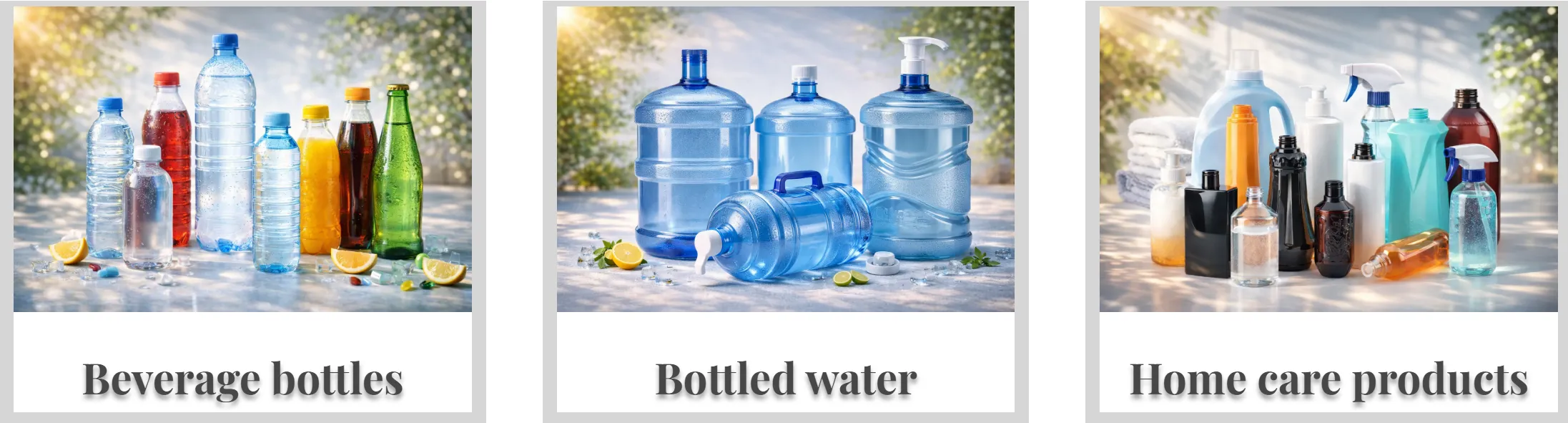
8. Auswahl der Maschinenplattform für koreanische industrielle ISBM
Die koreanische Industrieproduktion von ISBM nutzt die HGY250-V4 (für 500 ml bis 3 l Behälter für Agrochemikalien, Kfz-Flüssigkeiten und Laborbehälter) und die HGY650-V4 (für 3–20 l große Industriebehälter) als Standardplattformen. Die HGY650-V4 mit einer Schließkraft von 400 kN und einer Vorformkapazität von 650 g ermöglicht die Herstellung der größten koreanischen Industriebehälter – 10 l Motorenöl-Bulk-Behälter, 20 l Industriechemikalienkanister und 5 l Wasserkanister (ausführlich beschrieben im Leitfaden zur koreanischen Produktion von großformatigen ISBM-Behältern). Beide Plattformen unterstützen den gesamten PP-Prozesstemperaturbereich (15–40 °C Konditionierung) und PET (95–112 °C Konditionierung) ohne Hardwareänderungen. Dadurch sind sie vielseitige Plattformen für industrielle ISBM-Hersteller mit unterschiedlichen Produktkategorien.
Häufig gestellte Fragen
Unterstützung für industrielle Verpackungen
Einstieg in den koreanischen Markt für Agrochemikalien, Automobile oder industrielle ISBM-Verpackungen?
Korean Ever-Power bietet die Auswahl chemisch kompatibler Harze, Unterstützung bei der KNDA-Dokumentation, Überprüfung des IATF 16949-Qualifizierungswegs und die Konfiguration der HGY250-V4 / HGY650-V4-Plattform für koreanische Industrieverträge für Flüssigkeitsverpackungen an.
Verwandte Ressourcen
Großformatplattform
Korean Ever-Power HGY650-V4
400 kN, 650 g Preform — die koreanische industrielle ISBM-Plattform für 3–20L Behälter für Agrochemikalien, Automobilflüssigkeiten und Industriechemikalien.
Maschinenprogramm
4-Stationen-ISBM-Maschinenprogramm
HGY250-V4 bis HGY650-V4 – das komplette koreanische industrielle ISBM-Sortiment von 500-ml-Laborbehältern bis hin zu 20-Liter-Industriekanistern.
Industriewerkzeuge
Kundenspezifische ISBM-Formenkonstruktion
Industrielle ISBM-Formen mit Kavitäten aus Edelstahl 2316, integrierten Griffösen und eingegossenen Graduierungsmarkierungen für koreanische Agrochemikalien- und Automobilflüssigkeitsbehälter.