ISBM Luxury Fragrance Bottle
Производство: Корейское руководство по производству
В корейской парфюмерной индустрии наиболее распространенная ошибка при выборе материалов, используемая в рамках стандарта ISBM, приводит к самым серьезным коммерческим последствиям: выбор ПЭТГ для спиртосодержащих ароматизаторов, поскольку ПЭТГ успешно применялся в корейских сыворотках K-Beauty. Высокоэтанольные ароматизаторы (70–90% этанола, стандарт для EDT, EDP и парфюмерии) вызывают прогрессирующее растрескивание ПЭТГ в течение 3–6 месяцев после розлива — это явление не выявляется при контроле качества продукции ISBM, но проявляется при 3-месячном тестировании стабильности корейского бренда или, что еще хуже, при возврате товара потребителем. Кристаллический ПЭТ — правильный материал. В этом руководстве объясняется, почему это так, и как производить его в соответствии с оптическими стандартами, требуемыми корейскими брендами элитной парфюмерии.
Fragrance UV Protection Engineering
20/400 Mist Pump Interface Specification
Korean Fragrance ISBM Market Reference — 2026
820 вон
Korean fragrance retail market 2025, +12% YoY
70–90%
Ethanol content in Korean EDT/EDP/Parfum — PETG incompatible above 30%
≤ 1.5%
Korean fragrance brand haze spec (crystal PET IV ≥ 0.82 achieves 0.8–1.5% consistently)
35–45%
Weight reduction vs glass — Korean e-commerce fragrance breakage elimination
1. Корейский рынок парфюмерии и конкурентная позиция ISBM по отношению к стеклянной таре.
Корейский рынок парфюмерии, объем которого к 2025 году достигнет 820 миллиардов вон при ежегодном росте на 121 трлн рупий, является одной из самых быстрорастущих категорий премиум-класса в Восточной Азии, чему способствуют корейские потребители поколения Z и миллениалы, которые все шире, чем любое предыдущее поколение в Корее, воспринимают парфюмерию как способ выражения личной роскоши. Розничная торговля парфюмерией в Корее организована по трем каналам: корейские универмаги (롯데, 신세계, 현대), где международная и корейская элитная парфюмерия продается по цене от 80 000 до 380 000 вон за 50 мл; корейские магазины беспошлинной торговли (аэропорт Инчхон, Чеджу), где парфюмерия в магазинах беспошлинной торговли стоит от 50 000 до 280 000 вон; а также корейские онлайн-магазины (Coupang, Naver Shopping), где корейская независимая и доступная парфюмерия продается по цене от 25 000 до 85 000 вон за 50 мл — именно на этом канале электронной коммерции преимущество ПЭТ-бутылок ISBM, предотвращающее их поломку по сравнению со стеклом, имеет наибольшую коммерческую ценность.
Флаконы для парфюмерии из хрусталя ISBM успешно проникли в корейский сегмент доступной и премиальной парфюмерии среднего ценового уровня (от 25 000 до 120 000 вон за 50 мл) в период с 2021 по 2026 год, вытеснив стеклянную упаковку, в основном, в корейском канале электронной коммерции, где уровень повреждений стеклянных флаконов для парфюмерии составляет от 2 до 41 тонны на одну курьерскую доставку (из-за сжимающих и ударных нагрузок в корейских автоматизированных системах сортировки), что представляет собой значительную проблему с точки зрения затрат и потребительского опыта в Корее. При марже корейской парфюмерии в 15 000–35 000 вон за единицу отгруженной продукции, уровень повреждений в 31 тонну создает ожидаемые затраты в размере 450–1050 вон на единицу продукции, которые корейские бренды парфюмерии, продающие через интернет, компенсируют переходом на упаковку из ПЭТ ISBM. Хрустальный ПЭТ ISBM пока не получил широкого распространения в корейских универмагах, специализирующихся на элитной парфюмерии (корейские международные бренды: Chanel, Dior, Jo Malone), где вес и звук стекла на полке считаются для покупателей корейских универмагов непреложными признаками роскоши.
Korean fragrance brand categories where ISBM PET is established and growing: Korean indie fragrance (향수 스타트업 companies including Tamburins, Granhand, Scentfleur, and 40+ emerging Korean indie fragrance brands), Korean K-Beauty adjacent fragrance (brand extensions of established Korean cosmetic brands into fragrance categories), and Korean body mist (body spray at ≤ 20% fragrance, lower ethanol concentration where PETG is also technically acceptable).
2. Crystal PET vs PETG: The Alcohol Compatibility Imperative for Korean Fragrance ISBM
The single most commercially important technical fact for Korean ISBM fragrance bottle production is also the most frequently ignored by Korean ISBM producers entering the fragrance market from a K-Beauty serum background: PETG is incompatible with high-ethanol fragrance (EDT, EDP, Parfum at 70–90% ethanol) and causes stress cracking that creates container leakage within 3–6 months of filling. This is not a marginal risk — it is a predictable, chemistry-driven failure mode that occurs consistently and has ended multiple Korean ISBM fragrance supply relationships when Korean brand stability tests identified leaking bottles at the 3-month assessment point.
Механизм этанольного растрескивания ПЭТГ: гликолевый сомономер ПЭТГ (CHDM) образует полярные сложноэфирные группы в полимерной цепи, обладающие измеримым сродством к молекулам этанола. Когда сильнодействующий ароматизатор контактирует со стенкой бутылки из ПЭТГ изнутри, молекулы этанола диффундируют в полимерную матрицу ПЭТГ и пластифицируют полимер, снижая его эффективную температуру стеклования с ~81°C до ~55–60°C на контактной поверхности. Это локальное снижение температуры стеклования позволяет полимерным цепям в зоне контакта релаксировать под действием остаточных ориентационных напряжений, возникающих в процессе ISBM, создавая микротрещины на стенке бутылки, которые постепенно увеличиваются до видимых трещин под совокупным воздействием продолжающейся диффузии этанола и статического давления из наполненной бутылки. Трещины обычно начинаются в базовой зоне (где остаточные ориентационные напряжения наиболее высоки из-за контакта стержня ISBM с поверхностью) и распространяются вверх через стенку корпуса — сначала они видны как тонкая непрозрачная полоса у основания, затем как макротрещины с микропротечками, как правило, через 3–6 месяцев после заполнения.
Crystal PET for Korean fragrance: the correct material and why it works: Кристаллический ПЭТ с IV ≥ 0,82 дл/г, произведенный в условиях корейской системы ISBM, обеспечивающих двуосную ориентацию 4,5–5,0× (суммарное соотношение осевого и радиального растяжения), образует стенку бутылки с ориентационной кристалличностью 25–35%. Эта кристаллическая структура одновременно выполняет три функции: она блокирует диффузию этанола в полимерной матрице ПЭТ (кристаллические области имеют почти нулевой коэффициент диффузии молекул этанола, создавая эффект извилистого пути, который снижает общую скорость диффузии этанола на 60–75% по сравнению с аморфным ПЭТ); она устраняет остаточное ориентационное напряжение, которое создавало бы центры инициирования ESC, если бы кристалличность была неоднородной; и она создает эффект оптической глубины — хорошо ориентированный кристаллический ПЭТ отражает и преломляет свет таким образом, что имитирует оптическую плотность стекла, создавая визуальный эффект, который дизайнеры корейских парфюмерных брендов ассоциируют с роскошной упаковкой. Молекулярная наука о двуосной ориентации, лежащая в основе ароматических свойств кристаллического ПЭТ, находится в... двуосный направляющий молекулярный путь.
| Fragrance Type | Ethanol % | Кристалл ПЭТ | ПЭТГ | Korean ISBM Recommendation |
|---|---|---|---|---|
| Parfum (향수) | 70–80% | ✓ Отлично | ✗ Не подходит | Crystal PET IV ≥ 0.82 mandatory. PETG fails at 12-week stability test. |
| EDP (오 드 퍼퓸) | 75–85% | ✓ Отлично | ✗ Не подходит | Crystal PET IV ≥ 0.82. Most Korean prestige fragrance format. |
| EDT (오 드 뚜왈렛) | 80–90% | ✓ Отлично | ✗ Не подходит | Highest ethanol content — PETG failure most rapid. Crystal PET essential. |
| EDC (오 드 코롱) | 80–90% | ✓ Отлично | ✗ Не подходит | Crystal PET standard for all Korean EDC production. |
| Body mist / 바디 스프레이 | 15–30% | ✓ Отлично | ⚠ Verify grade | PETG acceptable at ≤ 20% ethanol with acid-resistant PETG grade (TX2001H). Verify 6-month filled stability at 40°C before production commitment. Crystal PET still preferred for consistency. |
Протокол оптимизации прозрачности, обеспечивающий мутность ≤1,5% в хрустальных ПЭТ-флаконах для парфюмерии, описан в корейском руководстве ISBM по улучшению прозрачности. Для парфюмерных изделий наиболее важным фактором контроля прозрачности является точность температуры кондиционирования (равномерность зоны ±0,3°C) и время выдержки при выдувании (никогда не сокращайте время выдержки ниже минимального для оптимизации цикла — кристаллизация, которая происходит, если флакон выходит из формы при температуре кристаллизации ПЭТ выше 120–130°C, создает кольцо инея в зоне выталкивания, которое не проходит проверку на мутность в соответствии с корейскими стандартами для парфюмерных изделий).
3. UV Protection: Preserving Korean Fragrance Quality Within the ISBM Crystal PET Bottle
Ароматизаторы — один из наиболее чувствительных к ультрафиолетовому излучению потребительских товаров: ароматические соединения, определяющие обонятельный характер аромата, в основном состоят из терпенов, сложных эфиров, альдегидов и ароматических углеводородов, многие из которых фотоокисляются или фотоизомеризуются под воздействием УФ-А (315–400 нм) и УФ-В (280–315 нм) излучения, изменяя баланс аромата и ухудшая его стойкость в течение всего срока хранения в корейских розничных магазинах. Корейские розничные ароматизаторы выставляются под светодиодным освещением (обычно 4000K, 500–800 люкс в корейских универмагах) — в условиях относительно низкого уровня УФ-излучения, — но также доставляются в корейских курьерских коробках, которые подвергаются кратковременному воздействию внешней среды в корейских сортировочных центрах, и хранятся в корейских ванных комнатах, где воздействие ультрафиолетового излучения от солнечного света через окна ванных комнат значительно.
UV protection strategy for Korean ISBM crystal PET fragrance bottles:
- UV-blocking PET resin grade: Укажите кристаллический ПЭТ со встроенным УФ-поглотителем — либо с фильтром UV380 (блокирует ≥95% УФ-излучения ниже 380 нм), либо с фильтром UV400 (блокирует ≥95% УФ-излучения ниже 400 нм). ПЭТ UV380 сохраняет прозрачность или очень легкий теплый оттенок (ΔE ≤1,5 по сравнению с незащищенным прозрачным ПЭТ) — это приемлемо для корейских парфюмерных брендов, требующих кристальной прозрачности. ПЭТ UV400 имеет более заметный теплый янтарный оттенок (ΔE 3–5 по сравнению с прозрачным), который некоторые корейские парфюмерные бренды используют в качестве элемента дизайна (флаконы для ароматов янтарного цвета ассоциируются с корейской роскошью и традиционной аптекарской эстетикой). Корейские поставщики смол, предлагающие УФ-блокирующий кристаллический ПЭТ, подходящий для парфюмерии: SK Chemicals SKYPET UV380, Eastman's Embrace UV380 PET, Indorama UV-B grades.
- UV masterbatch dosing: Для корейских производителей ISBM, использующих стандартную кристаллическую ПЭТ-смесь и желающих добавить УФ-защиту путем дозирования мастербатча на машине ISBM: мастербатч с УФ-поглотителем бензотриазола в концентрации 0,3–0,81 TP3T LDR в ПЭТ обеспечивает защиту, эквивалентную UV380. Убедитесь, что несущая смола поставщика мастербатча совместима с ПЭТ (а не с ПЭ или ПП, которые создают несовместимые включения в расплаве ПЭТ), что УФ-поглотитель включен в корейский список разрешенных для контакта с пищевыми продуктами (для бутылок, которые могут контактировать с корейской косметической продукцией, требующей соответствия требованиям по контакту с пищевыми продуктами), и что добавление мастербатча существенно не увеличивает мутность бутылки — некоторые мастербатчи с УФ-поглотителем добавляют мутность 0,2–0,41 TP3T при эффективном уровне загрузки, что приемлемо для корейских стандартов на ароматизаторы (мутность ≤2,01 TP3T), но потенциально может представлять проблему для корейских престижных ароматизаторов (мутность ≤1,51 TP3T).
- Outer cap UV protection: Флаконы корейских духов с декоративными непрозрачными крышками, полностью закрывающими корпус флакона, обеспечивают наиболее эффективную защиту от УФ-излучения независимо от собственного поглощения УФ-излучения самим флаконом ISBM — непрозрачность крышки блокирует 100% УФ-излучения, достигающего наполненного флакона. Корейским производителям духов ISBM следует учитывать вопрос покрытия крышки при обсуждении спецификации защиты от УФ-излучения с дизайнером упаковки корейского бренда — крышка, блокирующая УФ-излучение, делает УФ-блокирующий ПЭТ-пластик необязательной, а дополнительной опцией, что потенциально позволяет сэкономить от 80 000 до 250 000 вон/тонну на разнице в стоимости смолы между стандартным кристаллическим ПЭТ и УФ-блокирующим сортом.
4. Tall Elegant Bottle Geometry: Korean ISBM Production Challenges and Solutions
Корейские флаконы для духов, как и ампулы для сывороток, имеют ту же самую высокую и узкую геометрию, но при этом обладают большим объемом (стандартный объем 30–100 мл против 15–50 мл у ампул для сывороток) и дополнительным конструктивным ограничением, которого нет у ампул для сывороток: требование плоского, прямоугольного или многогранного профиля корпуса, создающего угловатый визуальный язык, ассоциирующийся с корейским дизайном элитных ароматов. Идеально цилиндрический корейский флакон для духов встречается в продаже редко — дизайнеры корейских парфюмерных брендов постоянно указывают на плоские овальные, прямоугольные или призматические поперечные сечения, что создает проблемы с коэффициентом растяжения, не соответствующим круглой форме, на корейской станции выдувания ISBM.
Non-round ISBM fragrance bottle challenges: A rectangular Korean fragrance bottle (e.g., 30mm × 50mm body cross-section for a 50ml EDP) has a 1.67:1 ratio between its major and minor stretch dimensions. During the Korean ISBM high-blow phase, the parison must stretch 67% further in the minor dimension direction than in the major dimension direction to fill the rectangular mould cavity — creating directional wall thickness variation if the conditioning temperature, pre-blow pressure, and blow air pressure are not calibrated specifically for the non-round geometry. Korean ISBM rectangular fragrance bottle production requires: (1) mould cavity designed with the rectangular form achieved by differential blow pressure from different mould surface proximity — the blow station regulates the sequential contact of the parison with the mould walls; (2) conditioning zone temperature gradient calibrated to provide slightly warmer material in the preform zones that must stretch further (minor dimension direction); (3) single-variable qualification protocol specifically for each rectangular fragrance format — the experience from cylindrical bottle production does not directly transfer to rectangular format production.
Shoulder-body transition elegance: В дизайне корейских флаконов для парфюмерии обычно предусматривается изогнутый переход плеча (вогнутый или выпуклый), который переходит от узкого горлышка к самой широкой части корпуса флакона на протяжении зоны плеча 15–25 мм. Эта зона плеча имеет самый крутой градиент толщины стенки во флаконе — она должна переходить от толстой стенки горлышка (0,8–1,2 мм) к номинальной стенке корпуса (0,45–0,65 мм для корейского флакона класса люкс) на небольшом осевом расстоянии. Правильная обработка профиля плеча в соответствии с корейским стандартом ISBM: верхняя зона обработки должна быть на 2–3 °C холоднее, чем средняя зона корпуса (аналогично принципу сывороточной ампулы), чтобы предотвратить преждевременное растекание материала плеча во время фазы предварительного выдувания, обеспечивая точную геометрию плеча, которую дизайнеры корейских парфюмерных брендов указывают в своих чертежах для утверждения. Плечо, на 2 мм ниже заданной высоты профиля при проверке первого образца T-01, указывает на то, что верхняя зона обработки была слишком горячей во время производства — это конкретное, исправимое нарушение, а не проблема конструкции пресс-формы.
The mould engineering for Korean luxury fragrance bottles — particularly the multi-surface cavity geometry, the cavity surface polish specification, and the vent placement for non-round bottles — is one of the most specialised ISBM mould applications. The mould life management protocol that protects the mould investment for Korean luxury fragrance production (where the mould design includes significant artisan geometry features that are expensive to restore if worn) is in the Korean ISBM mould life extension guide.
5. Mist Pump and Collar Interface Engineering for Korean Fragrance Bottles
Совместимость крышек корейских флаконов для духов сложнее, чем совместимость крышек корейских ампул для сывороток, поскольку корейские флаконы для духов включают в себя два отдельных компонента: распылительный насос (функциональный механизм дозирования, закрепленный на горлышке флакона) и декоративный ободок/крышку (внешняя эстетическая оболочка, окружающая насос и определяющая роскошный визуальный стиль флакона). Каждый компонент имеет разные требования к совместимости по размерам с горлышком флакона стандарта ISBM, и оба компонента должны работать вместе без функциональных помех.
Korean fragrance mist pump interface: Korean prestige fragrance pump-heads are crimped onto the bottle neck using a rolled metal ferrule that compresses over the neck OD — the crimp-on method requires precise neck OD control for two reasons: if the neck OD is too large, the crimped ferrule cannot achieve sufficient compression to hold the pump head against the fragrance vapour pressure during dispensing (leak risk); if the neck OD is too small, the ferrule over-compresses and creates an uneven seal or cracks the ISBM neck wall (seal failure and potential bottle damage). Standard Korean fragrance mist pump neck finishes:
- 20/400 (20mm OD crimp): Standard for Korean 30–100ml fragrance. Korean ISBM neck OD target: 20.00mm ± 0.04mm. Crimp ferrule inner diameter before crimping: 20.3mm. Post-crimp compression: 0.25–0.35mm neck OD reduction is acceptable before crack risk. This is the most common Korean fragrance neck finish across Korean accessible and premium tier fragrance.
- 15/415 (15mm OD crimp or snap): Standard for Korean 10–30ml travel-size fragrance and Korean roll-on formats. Narrower neck requires tighter Korean ISBM neck OD tolerance: ± 0.03mm. Miniature Korean fragrance bottles (15ml, common in Korean fragrance subscription boxes and airport retail) are the most dimensionally demanding Korean ISBM fragrance format — the neck is so narrow that ±0.03mm represents 0.2% of neck OD, requiring the conditioning station calibration and EV servo precision typical of Korean K-Beauty pharmaceutical-grade production.
- 24/410 (24mm OD screw): Used for Korean fragrance body mist formats (100–200ml). Screw-cap neck is less demanding than crimp-on — ±0.06mm neck OD tolerance. Korean fragrance body mist is the highest-volume Korean ISBM fragrance format by unit count (Korean body mist volume >100ml at lower concentration), and the most price-competitive, requiring efficient 4-cavity Korean ISBM production to achieve the KRW 25–45 per bottle ex-factory cost that Korean body mist channel pricing supports.
Korean fragrance decorative collar engineering: Декоративный ободок (внешняя оболочка, окружающая основание насоса и создающая эстетически привлекательную связь между насосом и корпусом флакона) должен плотно прилегать к горлышку флакона стандарта ISBM, занимая плоскую посадочную поверхность в верхней части плеча флакона. Внутренний диаметр ободка должен обеспечивать зазор ≤ 0,2 мм (достаточный для сборки без видимого зазора), но ≥ 0,05 мм (что предотвращает заедание ободка на горлышке во время сборки). Цилиндричность горлышка по корейскому стандарту ISBM (прямолинейность и округлость горлышка, а не только внешний диаметр в одной точке) должна находиться в пределах 0,08 мм общего биения индикатора для сборки корейского роскошного ободка для парфюмерии — это более строгая спецификация, чем стандартный допуск GPI на внешний диаметр горлышка, поскольку цилиндричность отражает полную трехмерную геометрию горлышка, а не только его средний внешний диаметр на одной высоте измерения.
6. Korean Fragrance Concentration Categories: Container Selection by Ethanol and Oil Loading
Korean fragrance products span a wide concentration range from Korean 향수 (Parfum, 25–40% fragrance oil) to Korean 바디 스프레이 (Body Spray, 3–8% fragrance oil) — and the ethanol concentration that determines Korean ISBM container material selection varies inversely with fragrance oil concentration. Understanding Korean fragrance concentration conventions enables Korean ISBM producers to quickly identify the correct material and production specification for each Korean brand enquiry without requesting full formulation details.
| Korean Fragrance Category | Fragrance Oil % | Ethanol % | Korean ISBM Material | Korean Volume Range |
|---|---|---|---|---|
| 향수 (Parfum) | 25–40% | ~70% | Crystal PET IV ≥ 0.84 | 7.5ml, 15ml, 30ml |
| 오 드 퍼퓸 (EDP) | 15–20% | ~75% | Crystal PET IV ≥ 0.82 | 30 мл, 50 мл, 100 мл |
| 오 드 뚜왈렛 (EDT) | 10–15% | ~80% | Crystal PET IV ≥ 0.82 | 30 мл, 50 мл, 100 мл |
| 오 드 코롱 (EDC) | 3–10% | ~85% | Crystal PET IV ≥ 0.82 | 50 мл, 100 мл, 200 мл |
| 바디 스프레이 (Body Mist) | 3–8% | 15–25% | Crystal PET or PETG TX2001H (verify) | 100 мл, 150 мл, 200 мл |
7. Korean Fragrance Brand Qualification Protocol: From T-01 to Approved Supply
Korean fragrance brand qualification for ISBM containers follows a structure similar to Korean K-Beauty serum qualification but with specific tests relevant to fragrance chemistry: alcohol compatibility, mist pump function under fragrance conditions, UV fragrance stability, and Korean e-commerce transit simulation. The qualification timeline for Korean accessible tier fragrance (KRW 25,000–60,000 per 50ml): 3–5 months. Korean prestige fragrance (KRW 80,000+): 6–9 months due to additional UV stability and 12-month ambient stability requirements.
Корейские протоколы испытаний качества ароматизаторов по этапам: T-01 (проверка конструкции, 10–20 флаконов, только визуальный и размерный осмотр — мутность, внешний диаметр горлышка, зацепление головки насоса). T-02 (первый образец, 200–500 флаконов, полное испытание по спецификации, включая: мутность на 3 высотах × 4 ориентации, цилиндричность внешнего диаметра горлышка, усилие отрыва обжимного клапана насоса ≥ 45 Н в соответствии со спецификацией укупорочных средств Корейской ассоциации производителей косметики, совместимость с спиртом в заполненном флаконе в течение 6 недель при температуре 40°C/относительной влажности 75% с повторным измерением мутности ≤ +0,3% изменение, равномерность распыления — 10 распылений на флакон, вес на одно распыление ±5% от целевого значения). T-03 (стабильность содержимого, 1000 флаконов, наполненных реальной рецептурой аромата, 12 недель при 40°C/75% относительной влажности и 12-недельный цикл температуры/влажности окружающей среды в Корее, 200 часов воздействия УФ-излучения ксеноновой дугой на наполненный флакон для сравнения аромата парфюмером корейского парфюмерного бренда). T-04 (имитация транспортировки в корейской электронной коммерции, 50 наполненных флаконов в соответствии с протоколом ISTA 2A для условий корейской курьерской службы — после имитации транспортировки не требуется никаких протечек).
8. Sustainability and Korean Fragrance ISBM Lightweighting Strategy

Korean fragrance brands are under increasing ESG pressure from Korean institutional investors (Korean National Pension Service ESG investment requirements, Korean Financial Services Commission sustainability disclosure guidelines) and Korean Gen Z consumers who actively evaluate Korean brand sustainability credentials on Korean platforms including Kakao and Naver. Korean ISBM crystal PET fragrance packaging provides three sustainability communication advantages over glass that Korean fragrance brands are beginning to activate in their Korean ESG reports and Korean consumer marketing:
- Carbon intensity reduction: A Korean 50ml ISBM PET fragrance bottle (25g, using 25g PET at ~2.15 kg CO₂/kg) has an embodied carbon of approximately 54g CO₂. A Korean 50ml glass fragrance bottle (120g, using 120g glass at ~0.9 kg CO₂/kg) has an embodied carbon of approximately 108g CO₂ — 2× higher. For Korean fragrance brands producing 1M units/year, switching from glass to ISBM PET reduces packaging carbon by approximately 54 tonnes CO₂/year — a K-ETS-eligible emission reduction that generates approximately KRW 0.97–1.19M/year in Korean carbon credits at 2026 Korean KAU prices of KRW 18,000–22,000/tonne.
- Korean e-commerce breakage elimination: Разбитые стеклянные флаконы с ароматизаторами, перевозимые корейскими курьерами, приводят как к финансовым потерям (поврежденный товар), так и к физическим отходам (осколки стекла, смешанные с жидким ароматизатором в загрязненной упаковке, которую сложно переработать). Нулевой процент разбития ПЭТ-бутылок, перевозимых корейскими курьерами ISBM, полностью исключает этот поток отходов — корейские производители ароматизаторов могут количественно оценить это как нулевой процент разбитых отходов в своих отчетах ESG, наряду со снижением углеродной интенсивности.
- Korean rPET content path: Korean post-consumer recycled PET (rPET) from Korean bottled water and beverage containers is available at the cleanliness specification required for Korean non-food-contact fragrance container applications. Korean fragrance ISBM at 20–30% rPET content is technically feasible (crystal clarity impact: haze increase ≤ 0.3% at 20% rPET from a food-grade rPET source with IV ≥ 0.78 and rigorous colour sorting) and satisfies Korean EPR (Extended Producer Responsibility) recycled content targets that Korean Ministry of Environment is progressively implementing for Korean cosmetic and personal care packaging. Korean fragrance ISBM producers who qualify a 20% rPET production process can offer Korean fragrance brand customers both a verified sustainability data point (20% recycled content) and a 8–12% PET resin cost reduction at current Korean rPET pricing versus virgin PET — a dual commercial and sustainability benefit that is difficult for glass packaging to match.
Часто задаваемые вопросы
Korean Fragrance ISBM Support
Korean Fragrance ISBM Programme — Crystal PET Grade Selection, Alcohol Compatibility Validation, or Mist Pump Interface Engineering?
Компания Korean Ever-Power предоставляет услуги по разработке спецификаций для кристаллического ПЭТ IV, квалификации стабильности при воздействии спирта в течение 12 недель, подбору УФ-блокирующих смол, консультациям по ISBM для бутылок некруглой формы, а также подготовке квалификационной документации T-01–T-04 для корейских производственных программ ISBM по выпуску ароматических изделий.
Дополнительные ресурсы
Машина для литья под давлением и выдувного формования HGY200-V4
±0,3°C температура кондиционирования для кристаллического ПЭТ с уровнем мутности ≤1,5% · Точность горловины распылителя 20/400, ±0,04 мм · Многоформатная платформа для корейских ароматизаторов · Поддержка программы защиты ПЭТ от УФ-излучения.
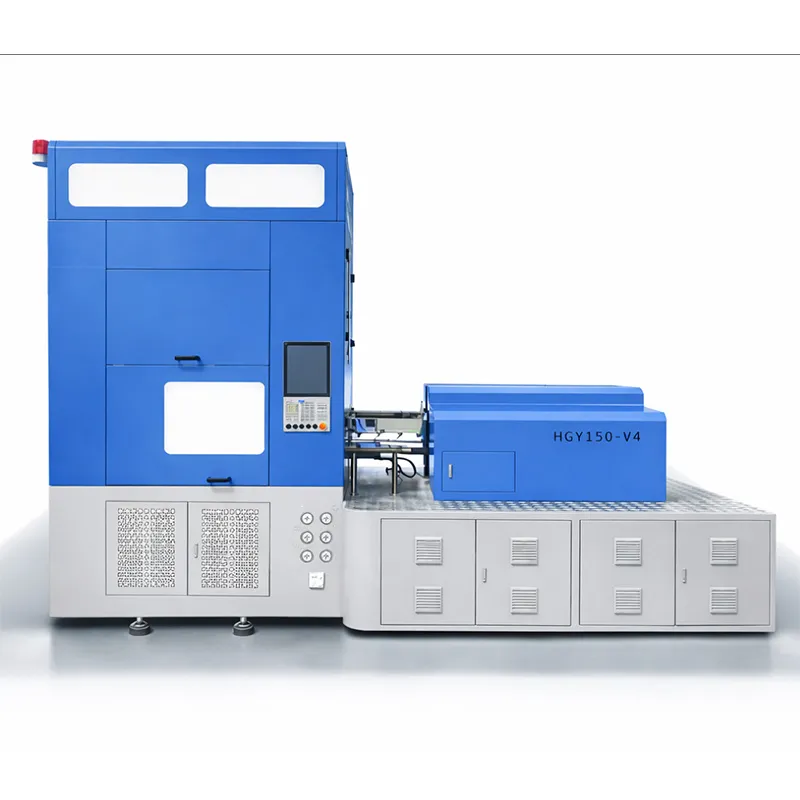
Машина для литья под давлением и выдувного формования HGY150-V4-EV
Полностью электрический сервопривод EV для кристаллического ПЭТ IV 0.84 · Корейский люксовый аромат haze ≤1.5% · 15/415 мини-ароматизатор 10–30 мл с высокой точностью · Поддержка квалификации корейского инди-бренда ароматов T-02.
Изготовление на заказ одноэтапной формы ISBM для флаконов с ароматическими маслами.
Прямоугольная и некруглая форма, характерная для корейских ароматизаторов · Нержавеющая сталь S136 для длительного сохранения полированной поверхности · Цилиндричность обжимной шейки ≤0,08 мм TIR · Сертификация плоскостности поверхности посадочного места воротника.