Ruiskutuspuhallusmuovauskone HGY50-V3-EV | Precision ISBM
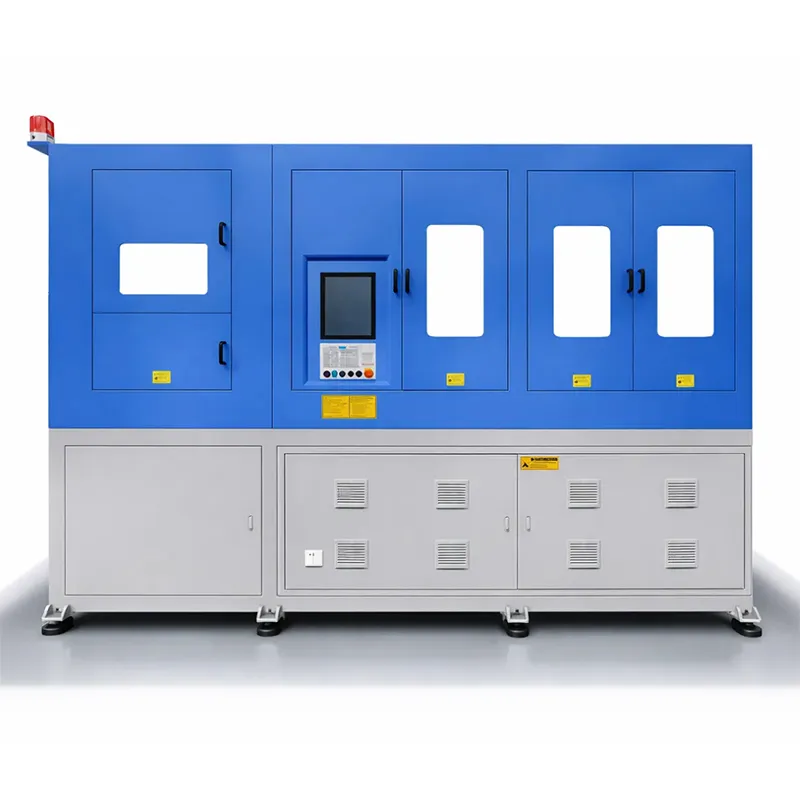
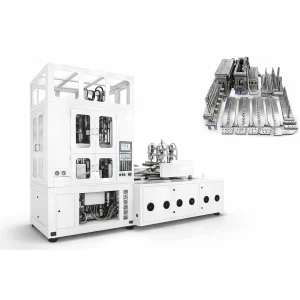
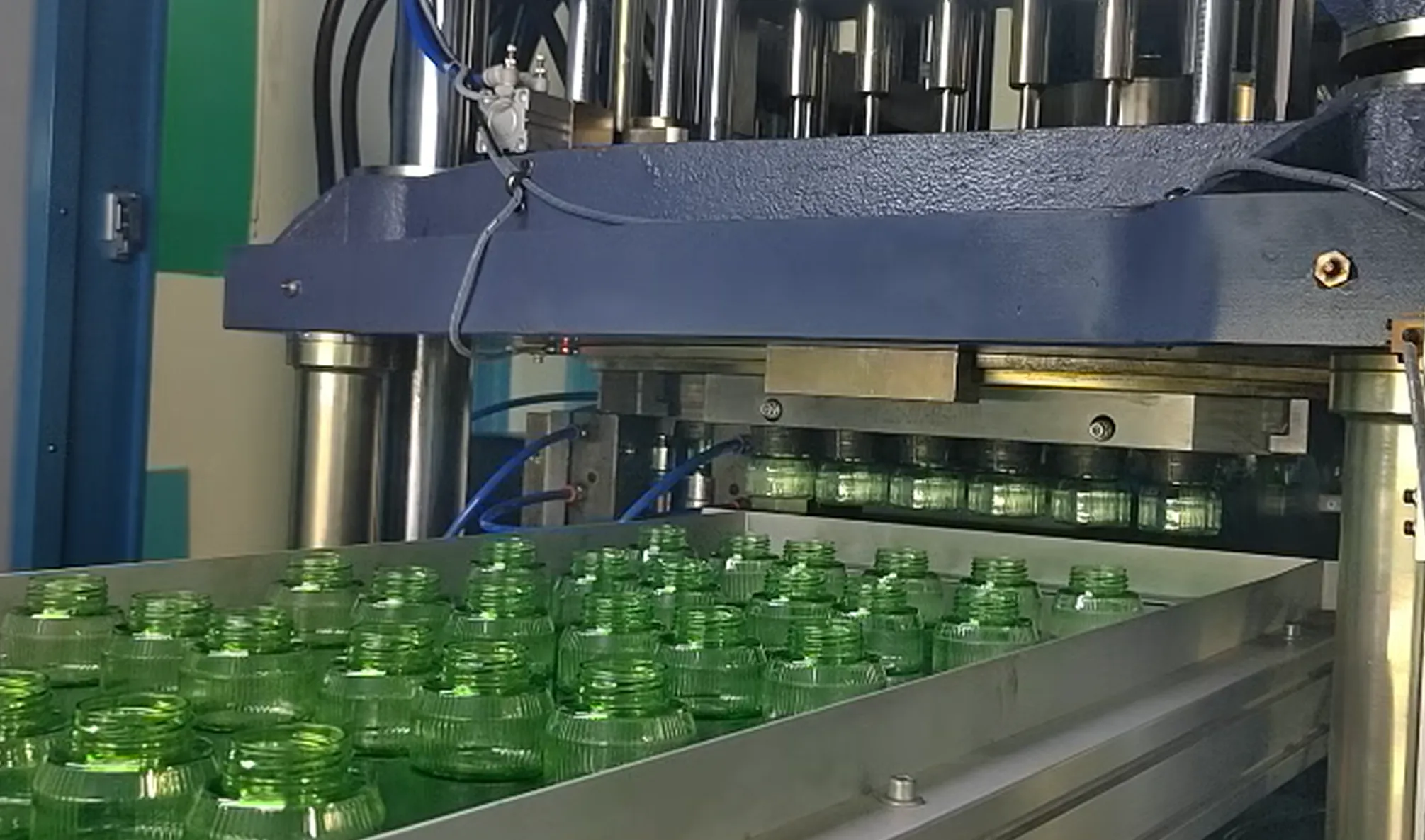
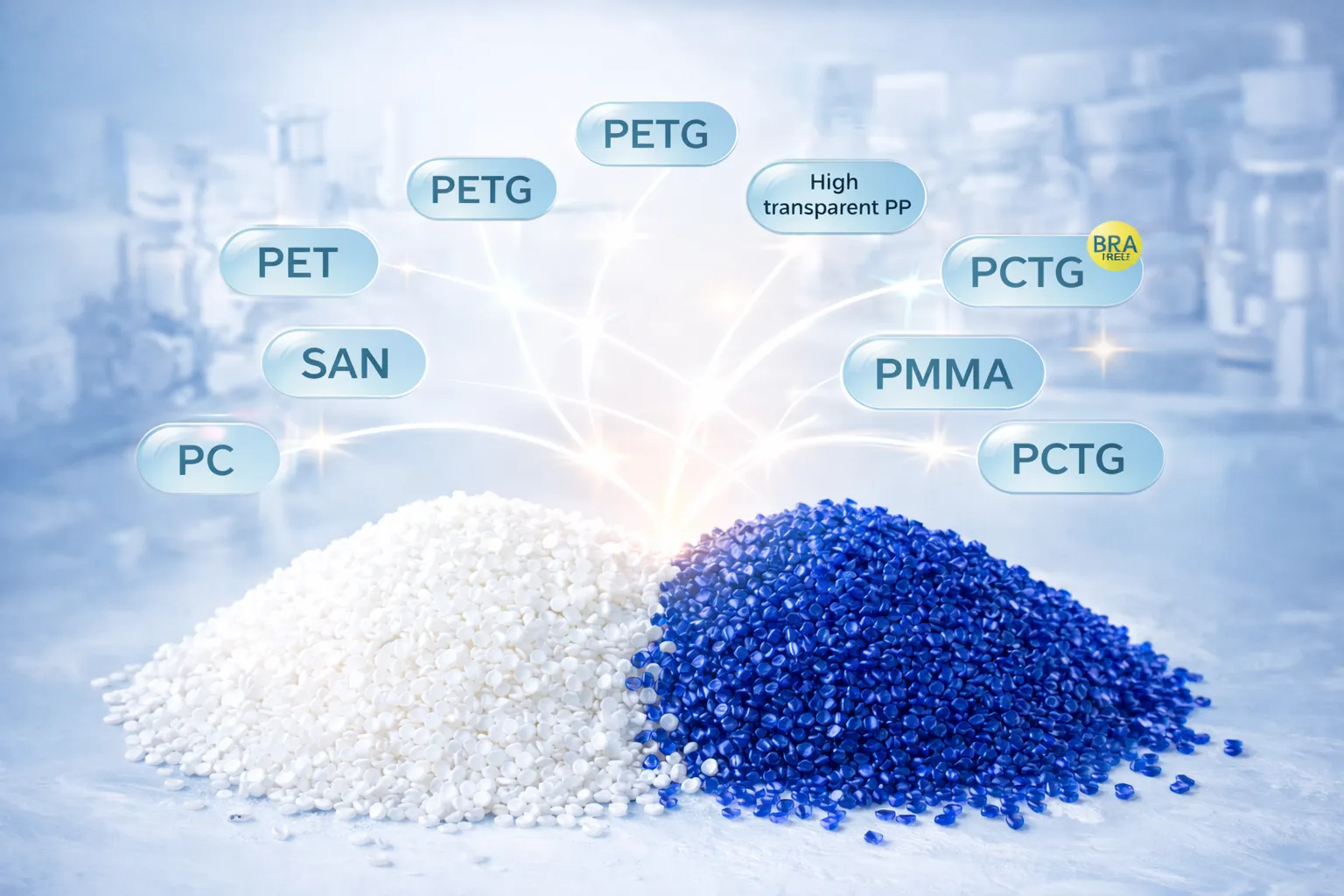
Saavuta lääketieteellisen tason tarkkuus HGY50-V3-EV:llä, täysin sähköisellä kolmiasemaisella ruiskutuspuhallusmuovausjärjestelmällä. Tämä kone on suunniteltu Korean kosmetiikka- ja lääketeollisuuden virheettömyyteen, ja se yhdistää ruiskutuksen, käsittelyn ja puhalluksen jatkuvaksi "yhden vaiheen" sykliksi. Poistamalla muottien uudelleenlämmityksen se vähentää energiankulutusta 40%:llä hydraulisiin järjestelmiin verrattuna. Kompaktin 3,8 m:n tilan ja 0,01 mm:n servotarkkuuden ansiosta se tuottaa kristallinkirkkaita PET-, PETG- ja Tritan-pulloja 10 ml:sta 2,5 litraan.
Tuotteen yleiskatsaus
HGY50-V3-EV on täyssähköinen kolmipaikkainen ruiskutuspuhallusmuovauskone rakennettu tarkkuutta ja tehokkuutta silmällä pitäen. Se yhdistää esimuotin ruiskuvalun, lämpötilakäsittelyn, venytyspuhalluksen ja poiston kaikki yhdessä kompaktissa yksikössä. Koska esimuotteja ei tarvitse lämmittää uudelleen, säästät energiaa, vähennät jätettä ja vältät pintanaarmuja, jotka heikentävät pullojen kirkkautta. Korealaiset kosmetiikka-, silmätippa- ja vauvatuotelinjoja valmistavat tehtaat valitsevat tämän mallin, koska se tuottaa pulloja, joilla on erinomainen seinämän paksuuden tasaisuus (±5 %) ja korkeat suojaominaisuudet suoraan PET-, PETG-, PC- tai Tritan-hartsista.
3,8 m × 1,2 m kokoinen kone sopii helposti olemassa oleviin tuotantohalleihin Soulissa, Incheonissa tai Busanissa. Täysin servo-ohjaus (Inovance/Weichi-moottorit) antaa toistettavat annokset ja puristusvoimat, joten jokainen pullo täyttää tarkat kaula- ja runko-vaatimukset. Käyttäjät raportoivat 24 tunnin käyttöajasta lähes ilman seisokkeja, kun se yhdistetään suosittelemaamme öljyttömään ilmajärjestelmään. Tarvitsetpa sitten 400 ml:n kosmetiikkapurkkeja tai 2,5 litran vesipulloja, HGY50-V3-EV tarjoaa tasaista laatua, johon korealaiset ostajat luottavat.
Tekniset tiedot
Kaikki alla olevat tiedot on mitattu PET-muovin vakiokäsittelyolosuhteissa (esimuotin lämpötila 105–115 °C, puhalluspaine 2,0–3,5 MPa). Taulukot vierivät vaakasuunnassa mobiililaitteilla helppoa lukemista varten.
Koneen parametrit
| Tuote | Tekniset tiedot |
|---|---|
| Malli | HGY50-V3-EV (3-asemainen) |
| Teoreettinen ruiskutuskapasiteetti | 239 cm³ (40 mm ruuvi) |
| Ruuvin halkaisijavaihtoehdot | 40 / 50 / 55 mm |
| Ruiskutuspuristusvoima | 50 kN |
| Puhalluspuristusvoima | 100 kN (yksi puoli) |
| Servomoottorin teho | 34,8 kW |
| Lämmitysteho | 10,4 kW |
| Koneen koko (P × L × K) | 3800 × 1200 × 2500 mm |
| Koneen paino | 3,5 tonnia |
Tuotteen ominaisuudet onteloiden mukaan
| Ontelot | Pullon enimmäishalkaisija (mm) | Kaulan enimmäishalkaisija (mm) | Maksimitilavuus (ml) |
|---|---|---|---|
| 1 | 100 | 60 | 2500 |
| 2 | 90 | 38 | 1500 |
| 3 | 62 | 30 | 900 |
| 4 | 45 | 27 | 400 |
Mitä on ruiskuvalu ja venytyspuhallusmuovaus?
Ruiskutuspuhallusmuovaus (ISBM) on yksivaiheinen prosessi, jossa sulaa muovia ruiskutetaan esimuottimuottiin, esimuotti käsitelään, venytetään ja puhalletaan lopulliseen pullon muotoon samassa koneessa. Venytys kohdistuu polymeerimolekyyleihin kaksiaksiaalisesti, mikä antaa pulloille suuremman lujuuden, paremman kirkkauden ja paremmat sulkuominaisuudet kuin tavallisessa ruiskupuhallusmuovauksessa. Korealaiset kosmetiikka- ja lääkeyritykset suosivat ISBM:ää, koska lopulliset pakkaukset täyttävät tiukat hygienia- ja visuaaliset standardit ilman ylimääräistä käsittelyä.
Toisin kuin kaksivaiheisissa järjestelmissä, jotka varastoivat ja lämmittävät aihioita, HGY50-V3-EV hyödyntää ruiskutuksen jäännöslämpöä, mikä vähentää energiaa 40 % ja eliminoi kontaminaatioriskit. Tuloksena on pulloja, joiden seinämän paksuuden vaihtelu on alle 0,05 mm ja yläkuormituslujuus jopa 30 % suurempi.
Ruiskutuspuhallusmuovauskoneen prosessi askel askeleelta
Vaihe 1 – InjektioPET-hartsi plastisoidaan ja ruiskutetaan ydintapin ympärille aihion muodostamiseksi. Tarkka lämpötilan säätö (±1 °C) varmistaa tasaisen seinämän paksuuden alusta alkaen.
Vaihe 2 – Hoito ja hännänleikkausPreform siirtyy toiseen asemaan. Ylimääräinen häntä leikataan ja vartalo lämmitetään varovasti uudelleen ihanteelliseen venytyslämpötilaan, samalla kun kaula pysyy viileänä.
Vaihe 3 – VenytyspuhallusVenytyssauva pidentää aihiota aksiaalisesti; korkeapaineinen ilma (2,0–3,5 MPa) puhaltaa sen säteittäisesti jäähtynyttä muottia vasten. Kaksiaksiaalinen suuntaus luo vahvoja, kirkkaita pulloja.
Vaihe 4 – UlostyöntöMuotti avautuu ja valmis pullo poistetaan automaattisesti. Tyypillisen 500 ml:n pullon sykliaika on 12–18 sekuntia onteloista riippuen.
Tämä jatkuva kolmiasemainen rotaatio pitää koneen käynnissä sujuvasti ja minimoi käyttäjän puuttumisen tarpeet – keskeinen syy siihen, miksi korealaiset tehtaat saavuttavat 95 %:n käyttöajan.
Ero ruiskuvalumenetelmän ja ruiskuvalumenetelmän välillä
Valmistusalan päätöksentekijöille erottaminen Ero ruiskupuhallusmuovauksen ja ruiskupuhallusmuovauksen välillä (IBM) is vital. While both processes begin with an injected preform, the mechanical action during the blowing phase dictates the final bottle's properties and suitable applications.
| Ominaisuus | ISBM (HGY50-V3-EV) | Perinteinen IBM |
|---|---|---|
| Suuntautuminen | Kaksiaksiaaliset – vahvemmat pullot | Ei venytystä – heikommat seinät |
| Energia | 40 % alempi | Korkeampi (uudelleenlämmitys vaaditaan) |
| Pinnan laatu | Virheetön | Naarmujen riski |
| Jalanjälki | Yksi kone | Erillinen ruiskutus + puhallin |
-
IBM
Standardi ruiskupuhallusmuovaus (IBM)
IBM:ssä aihio siirretään puhallusmuottiin ja laajennetaan pelkän ilmanpaineen avulla. Fyysistä venytyssauvaa ei ole. Näin ollen muovimolekyylit eivät ole pystysuunnassa. Tätä prosessia käytetään tyypillisesti pieniin, läpinäkymättömiin lääkepulloihin (HDPE/LDPE), joissa kirkkaus ja iskunkestävyys ovat vähemmän kriittisiä.
-
ISBM
Ruiskutuspuhallusmuovaus (ISBM)
The HGY50-V3-EV uses ISBM. Here, a mechanical rod physically stretches the preform lengthwise before and during air blowing. This imparts "Biaxial Orientation" (alignment in two directions). The result is a bottle with significantly higher tensile strength, improved gas barrier properties, and glass-like transparency. This makes ISBM the only viable choice for high-end cosmetic containers and lightweight water bottles.
Ruiskutuspuhallusmuovauksen edut
HGY50-V3-EV:n käyttöönotto tuotantolinjalla tarjoaa ainutlaatuisia ominaisuuksia ruiskuvalumenetelmän edut venytyspuhallusmuovauksessa jotka menevät pelkän säiliöiden muodostamisen pidemmälle. Nämä hyödyt vaikuttavat suoraan kannattavuuteen ja tuotteen laadunvarmistukseen.
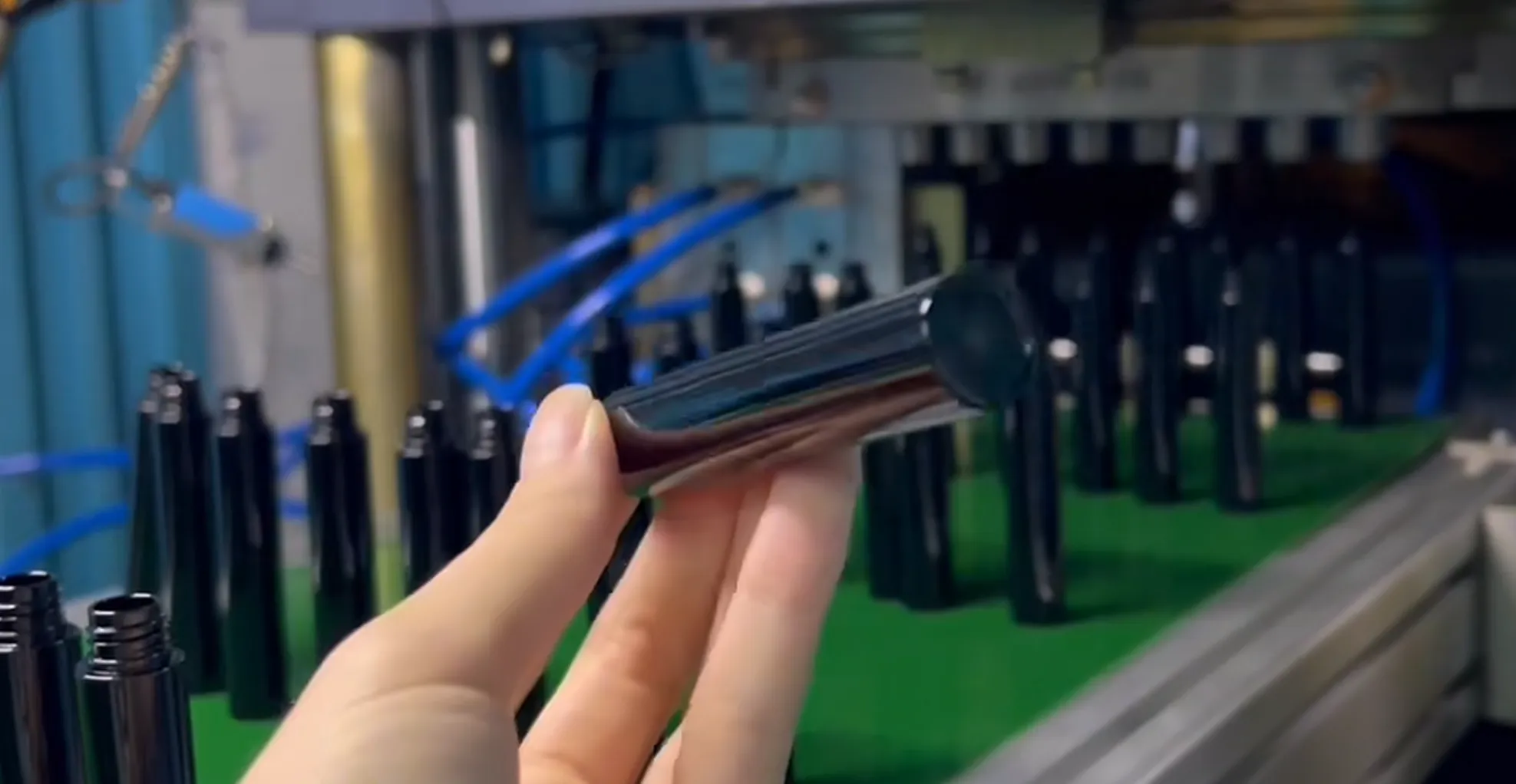
1. Koskematon pinnanlaatu
Koska aihio muovataan ja puhalletaan samassa koneessa ilman, että sitä heitetään varastosäiliöön, se ei koskaan joudu kosketuksiin muiden aihioiden kanssa. Tämä estää kaksivaiheisissa prosesseissa yleisen hankautumisen, naarmuuntumisen ja pölykontaminaation ja varmistaa virheettömän pinnanlaadun.
2. Kevytrakenteisuus
Kaksiaksiaalisen venytyksen aikaansaama lisääntynyt fyysinen lujuus antaa valmistajille mahdollisuuden pienentää pullon seinämän paksuutta vaarantamatta sen yläkuormituslujuutta. Tämä johtaa merkittäviin säästöihin raaka-ainekustannuksissa – usein pullontuotannon suurimmassa kustannuserässä.
3. Suunnittelun monipuolisuus
ISBM mahdollistaa myös pyöreiden muotojen (soikeiden, neliöiden) ja kaulan muotoisten pullojen valmistuksen, joita on vaikea käsitellä kaksivaiheisissa koneissa. Materiaalin jakautumisen tarkka hallinta mahdollistaa myös monimutkaisten esteettisten mallien luomisen, joita K-Beauty-brändit suosivat.
Miksi valita Ever-Power?
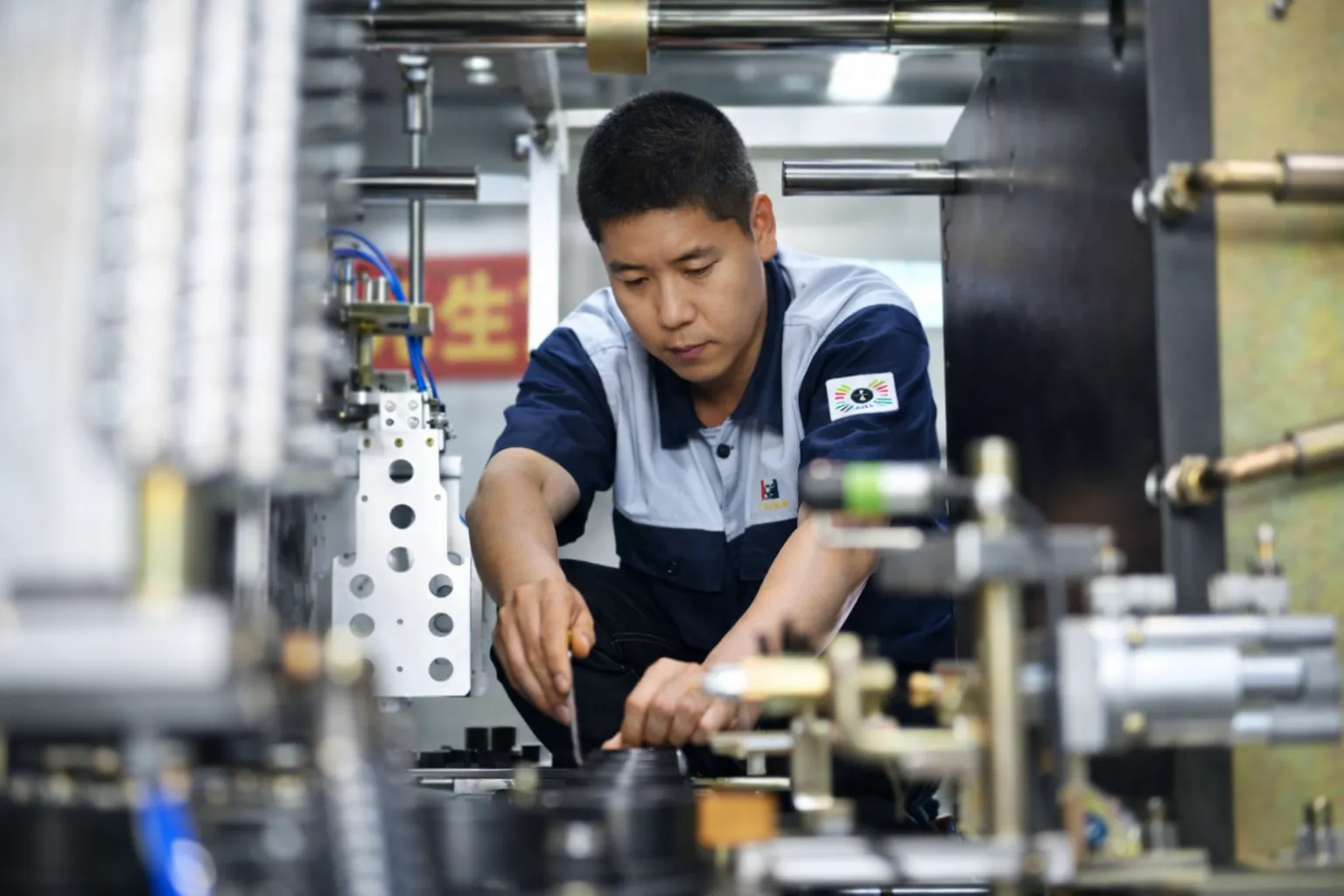
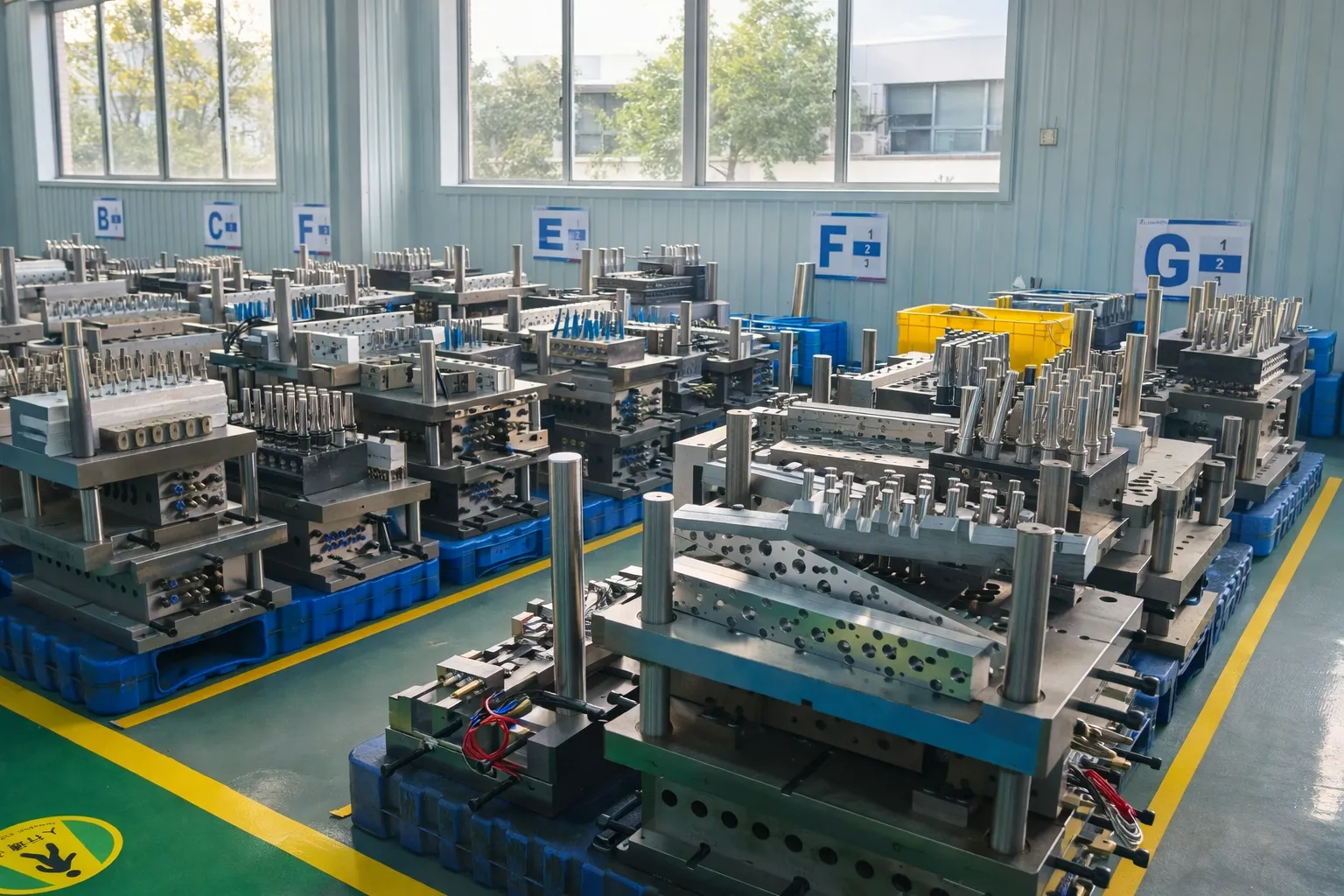
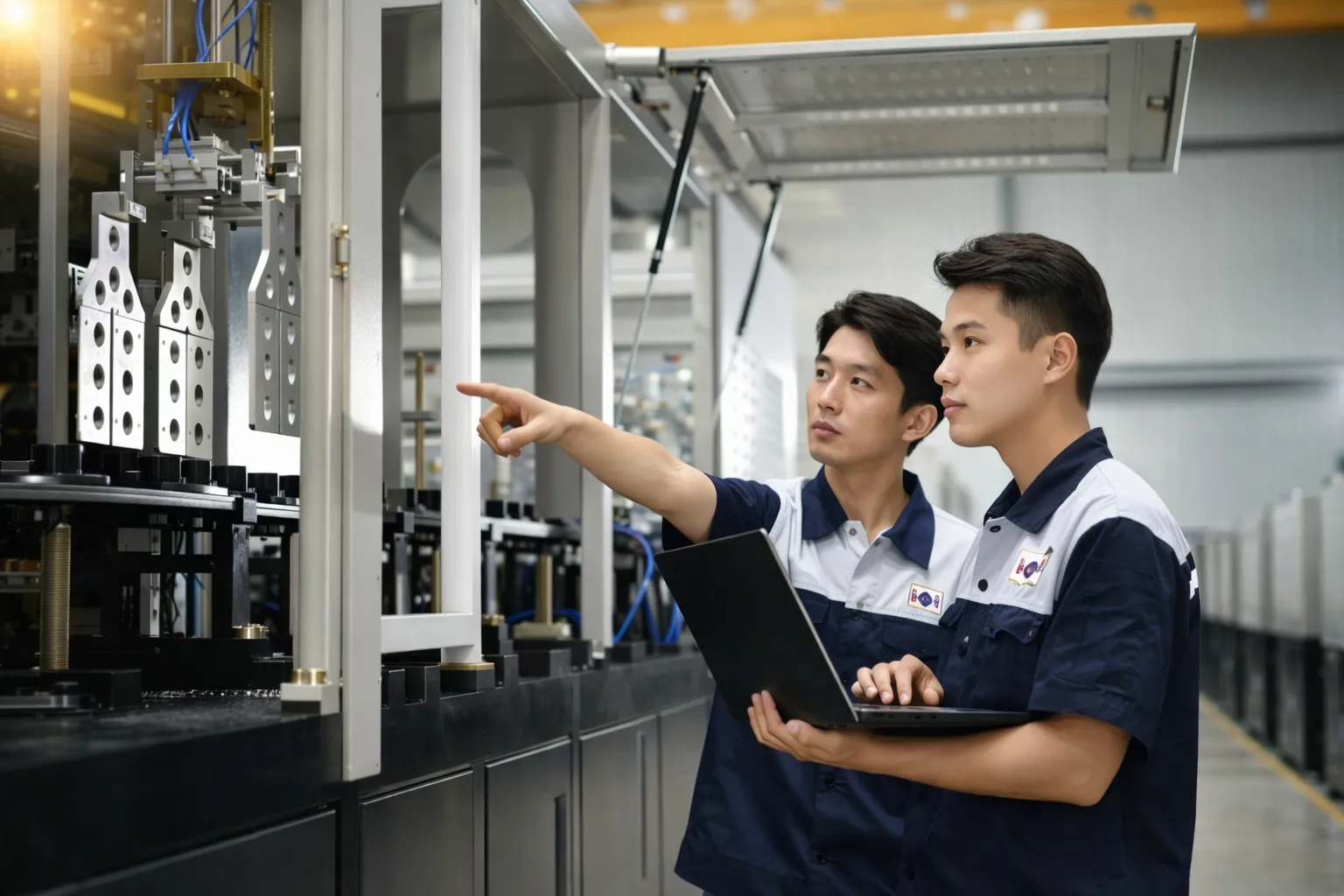
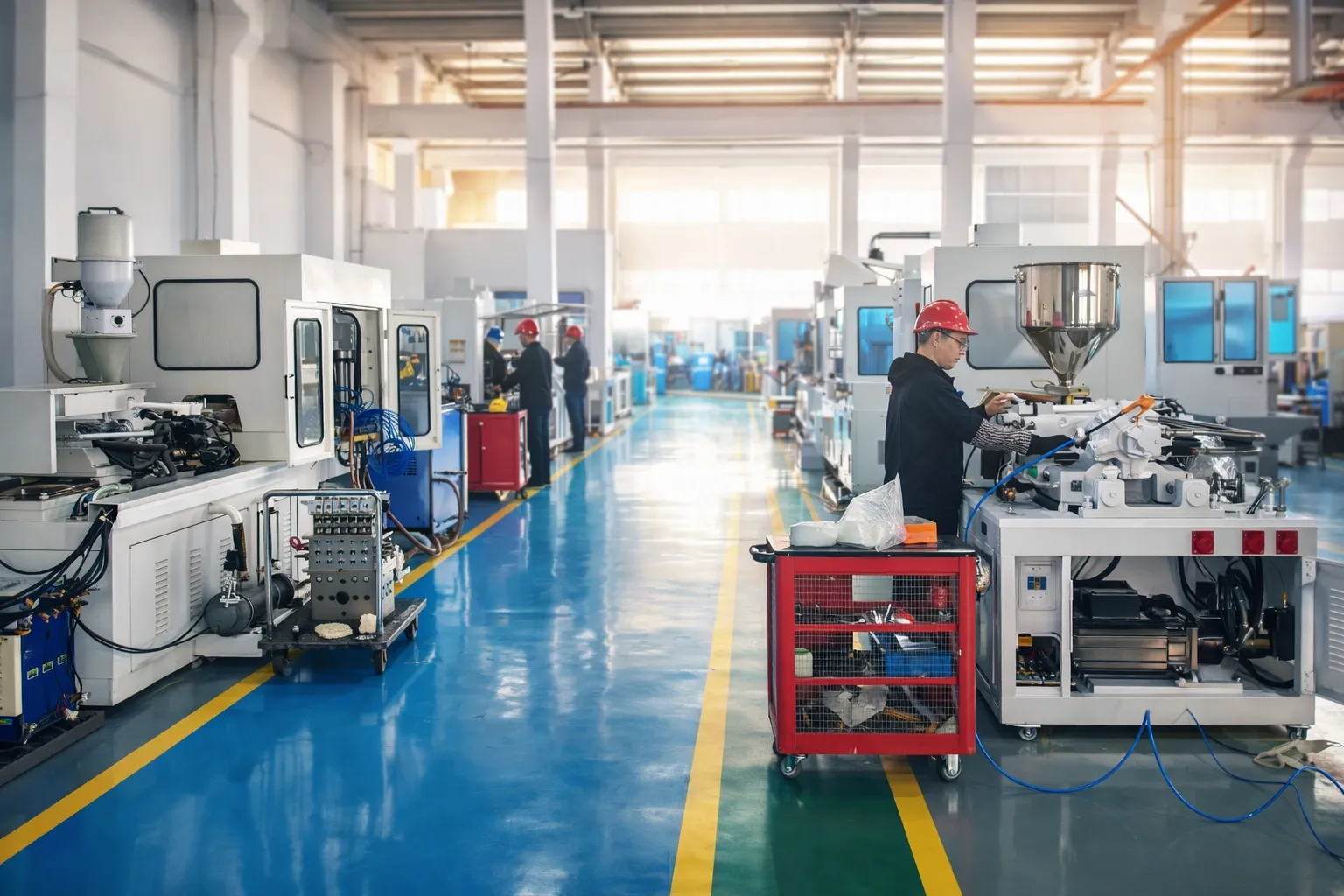
Ever-Power (Guangdong Henggang Machinery) ei ole vain toimittaja; olemme omistautunut kumppani ISBM-kone teollisuus. Yli 20 000 neliömetrin tuotantokapasiteetillamme ja yli kahden vuosikymmenen erikoiskokemuksellamme olemme onnistuneet kuromaan umpeen kuilua japanilaisten suorituskykystandardien ja kiinalaisen valmistustehokkuuden välillä. Koneemme toimivat tällä hetkellä tehtaissa Etelä-Koreassa, Vietnamissa, Thaimaassa ja Brasiliassa, ja ne tuottavat pakkauksia globaaleille huippubrändeille.
Ymmärrämme, että luotettavuus on ensiarvoisen tärkeää. Siksi HGY50-V3-EV on rakennettu ensiluokkaisten komponenttien globaalin toimitusketjun avulla: servomoottorit valmistajalta Yaskawa (Japani), Hydrauliset venttiilit valmistajalta Parker (USA) ja pneumatiikka AirTAC (Taiwan). This ensures that replacement parts are locally available to our international clients, minimizing maintenance downtime. Furthermore, we offer a "Turnkey Solution" that includes bottle design, 3D prototyping, mold manufacturing, and auxiliary equipment supply (Air Compressors, Chillers).
 |
 |
 |
 |
Täydentävät komponentit
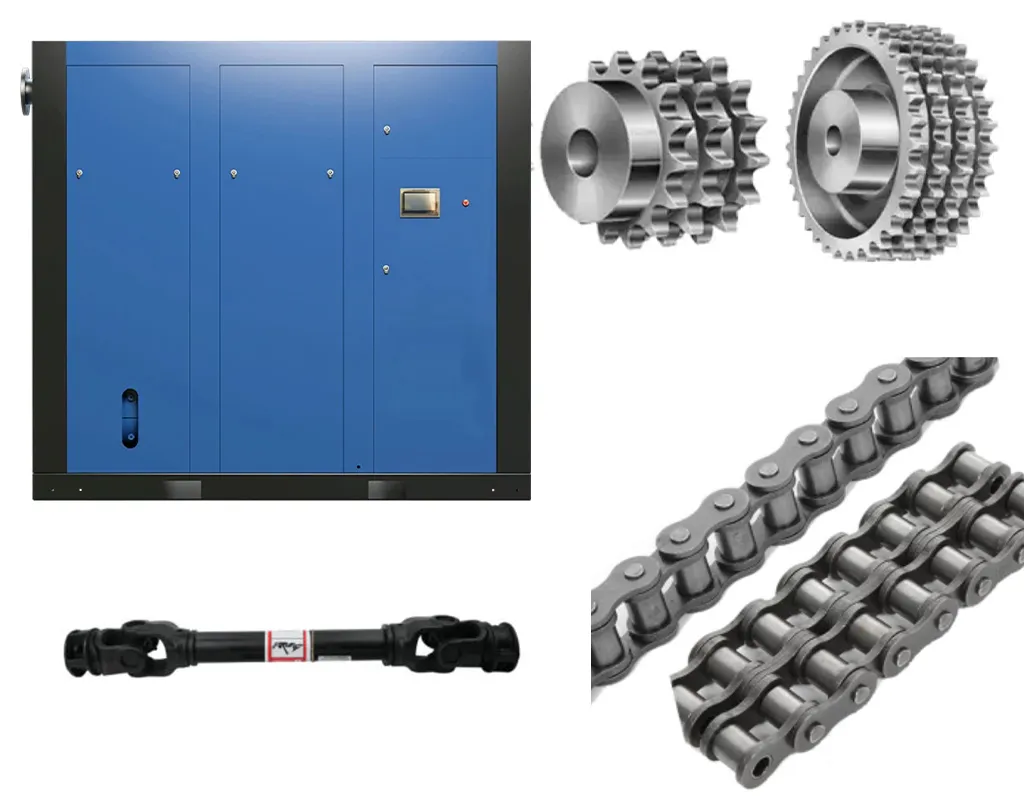
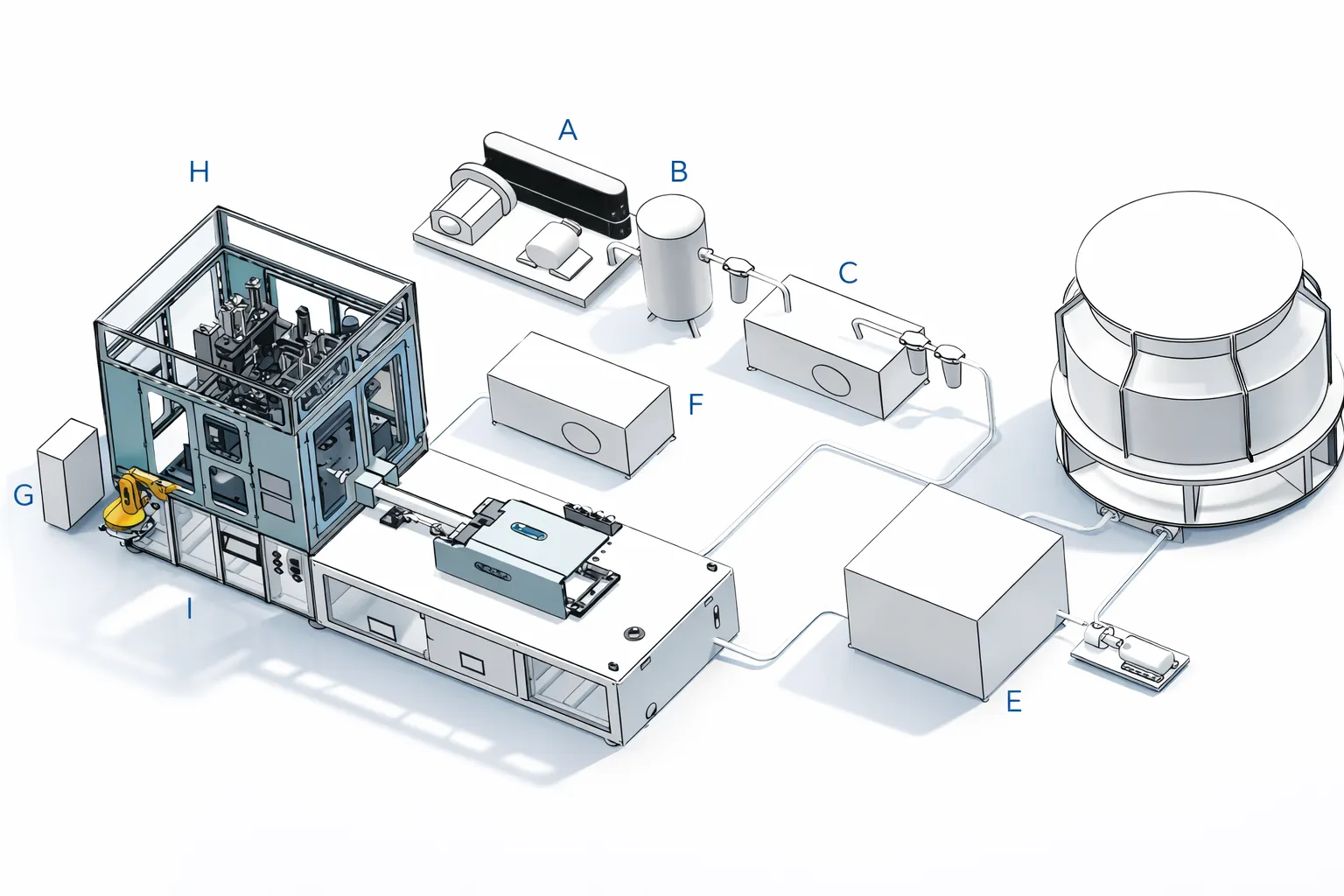
Ruiskutuspuhallusmuovauskone perustuu huolellisesti valittuihin apukomponentteihin, jotka takaavat nopean ja luotettavan tuotannon. Puhallusprosessin ytimessä on korkeapaineinen öljytön ilmakompressori, joka syöttää puhdasta ja kuivaa paineilmaa suoraan puhallusventtiileihin. Tämä estää PET-pullojen kosteuden pääsyn niihin ja varmistaa tasaisen säteittäisen laajenemisen venytyspuhallusvaiheen aikana. Korealaiset tehtaat yhdistävät koneen tyypillisesti EP-sarjan ruuvikompressoreihimme, joissa on integroidut jäähdytetyt kuivaimet ja suodattimet, jolloin voidaan tuottaa ISO 8573-1 luokan 1 standardien mukaista ilmanlaatua.
Mekaaninen synkronointi saavutetaan tarkkuusrullaketjujen avulla, ketjupyörätja pääservomoottorin käyttämät voimansiirtoakselit. Pyöröpöydässä käytetään Yaskawan servokäyttöistä Geneva-mekanismia tai nokka-asentajaa, joka on yhdistetty näiden ketjujen ja hammaspyörien avulla. Tämä varmistaa tarkan 120°:n indeksoinnin neljän aseman (ruiskutus, käsittely, venytyspuhallus, poisto) välillä ±0,05 mm:n paikannustarkkuudella. tvoimansiirtoakselit NSK:n tiivistetyt laakerit tukevat ja ne voidellaan automaattisella voitelujärjestelmällä, mikä mahdollistaa 24/7 toiminnan minimoimalla kulumisen. Kaikki komponentit on mitoitettu vastaamaan pääkoneen 34,8 kW:n servotehoa, mikä takaa tasaisen kiihdytyksen ja hidastuksen ja pitää sykliajat vakaina 12–18 sekunnissa iskua kohden.
Korkeapaineinen ilmakompressori (EP-22KW)
Öljytön ruuvityyppi, 3,5 MPa:n tuotto, integroitu kuivain ja suodattimet. Vähentää energiankulutusta 15 % mäntäyksiköihin verrattuna ja takaa, ettei valmiissa pulloissa synny öljysumua.
Käyttöjärjestelmä: Ketjut, vaihteet ja akselit
Nikkelöity ANSI #40 -rullaketju, karkaistut hammaspyörät (suhde 1:3) ja tarkkuushiotut voimansiirtoakselit NSK-laakereilla. Takaa 120° indeksointitarkkuuden 0,05 mm:n tarkkuudella.
Usein kysytyt kysymykset – Ruiskutuspuhallusmuovauskone
Miten huollan HGY50-V3-EV-ruiskutuspuhallusmuovauskoneen ruuvia ja runkoa?
Puhdista ruuvi 500 käyttötunnin välein hyväksytyllä puhdistusaineella. Tarkista rungon lämpötila-anturit kuukausittain. Voitele syöttöosa viikoittain. Korealainen huoltotiimimme suosittelee rungon täydellistä tarkastusta 6 kuukauden välein.
Mitä eroa on sykliajoissa 2- ja 4-pesäisten tuotantomenetelmien välillä?
Tyypillinen 500 ml:n pullo: 2-pesäinen 14–16 s, 4-pesäinen 18–20 s. Tuotto on edelleen suurempi 4-pesäisellä pullolla, koska sykliä kohden tuotetaan kaksinkertainen määrä pulloja.
Voiko kone käyttää PETG-muovia paksuseinäisille kosmetiikkapurkeille?
Kyllä. Säädä lämpötila 90–100 °C:een. Korealaiset asiakkaamme käyttävät sitä päivittäin 30 mm:n kaulaisten lasipurkkien kanssa, ja niiden kirkkaus on erinomainen.
Kuinka usein jäähdytysveden suodattimet pitäisi vaihtaa?
3 kuukauden välein tai 2000 käyttötunnin jälkeen. Puhtaat suodattimet estävät muotin lämpötilan vaihtelut ja pitävät sykliajat vakaina.
Onko HGY50-V3-EV yhteensopiva ASB-12M-muottien kanssa?
Kyllä. Muottiliitäntä on identtinen. Voit siirtää olemassa olevia muotteja minimaalisilla muutoksilla.
Minkä kokoista ilmakompressoria suositellaan?
15–22 kW:n öljytön ruuvikompressori, jonka tuotto on 2,5 m³/min ja paine 3,5 MPa. Toimitamme sopivia yksiköitä, joissa on integroitu kuivain.
Miten korjaan epätasaisen pullon seinämän paksuuden vian?
Tarkista aihion lämpötilan tasaisuus, venytyssauvan nopeus (yleensä 300–400 mm/s) ja puhallusajoitus. Huoltotiimimme voi etädiagnosoida tilanteen PLC:n kautta.
Mikä on koneen odotettu käyttöikä?
Asianmukaisella huollolla korealaiset asiakkaat saavuttavat 10–12 vuoden 24/7-toiminnan ilman suurempaa huoltoa.
Voiko kone käsitellä PP:tä kuumatäytettäviä purkkeja varten?
Kyllä, valinnaisella korkean lämpötilan sylinterillä ja erityisellä venytyssauvan jäähdytyksellä. Sykliaika pitenee hieman 22 sekuntiin 500 ml:n purkeissa.
Millaista koulutusta tarjoatte korealaisille operaattoreille?
Kaksi päivää paikan päällä tapahtuvaa korean kielen koulutusta sekä video-oppaat. Vuosittaiset kertauskurssit ovat ilmaisia ensimmäisten kolmen vuoden ajan.
Asiakasarvostelut
"We switched to the HGY50-V3-EV for our premium lotion bottle line last year. The difference in clarity compared to our old machines is night and day. We run it 24/7 with minimal downtime, and the electric servo system keeps our cleanroom spotless. Highly recommended for K-Beauty packaging."
Song Hye-jin, tuotantopäällikkö, Gyeonggi-do (loppu 2024)
Tuote: 150 ml:n PETG-voidepullot
"I was worried about the energy costs of running a blow molding line, but this machine really delivers on the 40% savings promise. The integration of injection and blowing in one unit saves us so much floor space in our Incheon facility. Spare parts delivery is always fast."
Park Min-soo, tehtaan omistaja, Incheon (alkuvuosi 2025)
Tuote: Lääkepullot
"We needed a machine that could handle Tritan for baby bottles. The temperature control on the HGY50-V3-EV is excellent, preventing the material from yellowing. It's a robust workhorse for our daily production needs. The local support helped us tune the cycle time down to 14 seconds."
Lee Wei, operaatiojohtaja, Busan (loppuvuosi 2024)
Tuote: Tritan-tuttipullot
"The precision on the neck finish is incredible. We produce pharmaceutical eye dropper bottles, and leakage is not an option. This machine holds tolerance perfectly. The Ever-Power team helped us design the mold, and it worked on the first try."
Kim Ji-hoon, laatujohtaja, Chungcheongbuk-do (vuoden 2024 puoliväli)
Tuote: 10 ml:n silmätipat
"Value for money is unbeatable. We looked at Japanese machines, but the ROI on the Ever-Power unit was much better. The build quality with Yaskawa servos gives us confidence. We are planning to buy a second unit next season."
Choi Soo-bin, valmistusinsinööri, Soul (tammikuu 2025)
Tuote: 500 ml:n vesipullot
Oletko valmis alentamaan kustannuksia ja parantamaan laatua?
Ota yhteyttä koreaa puhuviin insinööreihimme jo tänään saadaksesi ilmaisen tuotantosimulaation ja tarjouksen muotista.
Lisätiedot
| Toimittaja | Cxm |
|---|