
ISBM SMED vormivahetus:
Korea tootmisjuhend
Korea ISBM-i mitme SKU-ga tootjad kulutavad ilma SMED-metoodikat kasutamata vormivahetusele 3–6 tundi – see on aeg, mil masin on ebaproduktiivne ja Korea tootmisgraafik tiheneb. Korea ISBM-i üleminekul rakendatav SMED (single-Minute Exchange of Die) vähendab seda aega 45–90 minutini, eraldades töö, mis tuleb teha tootmisseisaku ajal, tööst, mida saab eelnevalt ette valmistada. See juhend annab täieliku Korea ISBM-i SMED-i ülemineku raamistiku.
3–6 tundi → 45–90 minutit
Korea mitme SKU-ga ISBM-raamistik
Korea ISBM-i üleminekuaeg: enne ja pärast SMED-i
| Ümberlülitustegevus | SMED-eelne aeg | SMED-klassifikatsioon | SMED-järgne aeg |
|---|---|---|---|
| Uue vormikomplekti leidmine ja transportimine | 25 minutit | Väline (eelnevalt ettevalmistatav) | 0 minutit |
| Uue vormikomplekti eelsoojendamine | 40 minutit | Väline (eelsoojendatud ahi) | 0 minutit |
| Masina jahtumine enne vormi eemaldamist | 20 minutit | Sisemine (vältimatu) | 20 minutit |
| Hallituse eemaldamine, paigaldamine, jahutusühendus | 35 minutit | Sisemine (tööriistade optimeerimine) | 20 minutit |
| Laadi uus retsept HMI-sse | 15 minutit | Väline (eelvalik) | 3 minutit |
| Masina soojenemine tootmise seadeväärtuseni | 35 minutit | Sisemine (EV servo abisüsteem) | 20 minutit |
| Esimese löögi kvalifikatsioon | 20 minutit | Sisemine (standardiseerimine) | 10 minutit |
| Kogu vahetusaeg | 190 minutit (3,2 tundi) | 73 minutit (1,2 tundi) |
1. Korea ISBM-i üleminekukulude probleem: miks 3 tundi on tulude probleem
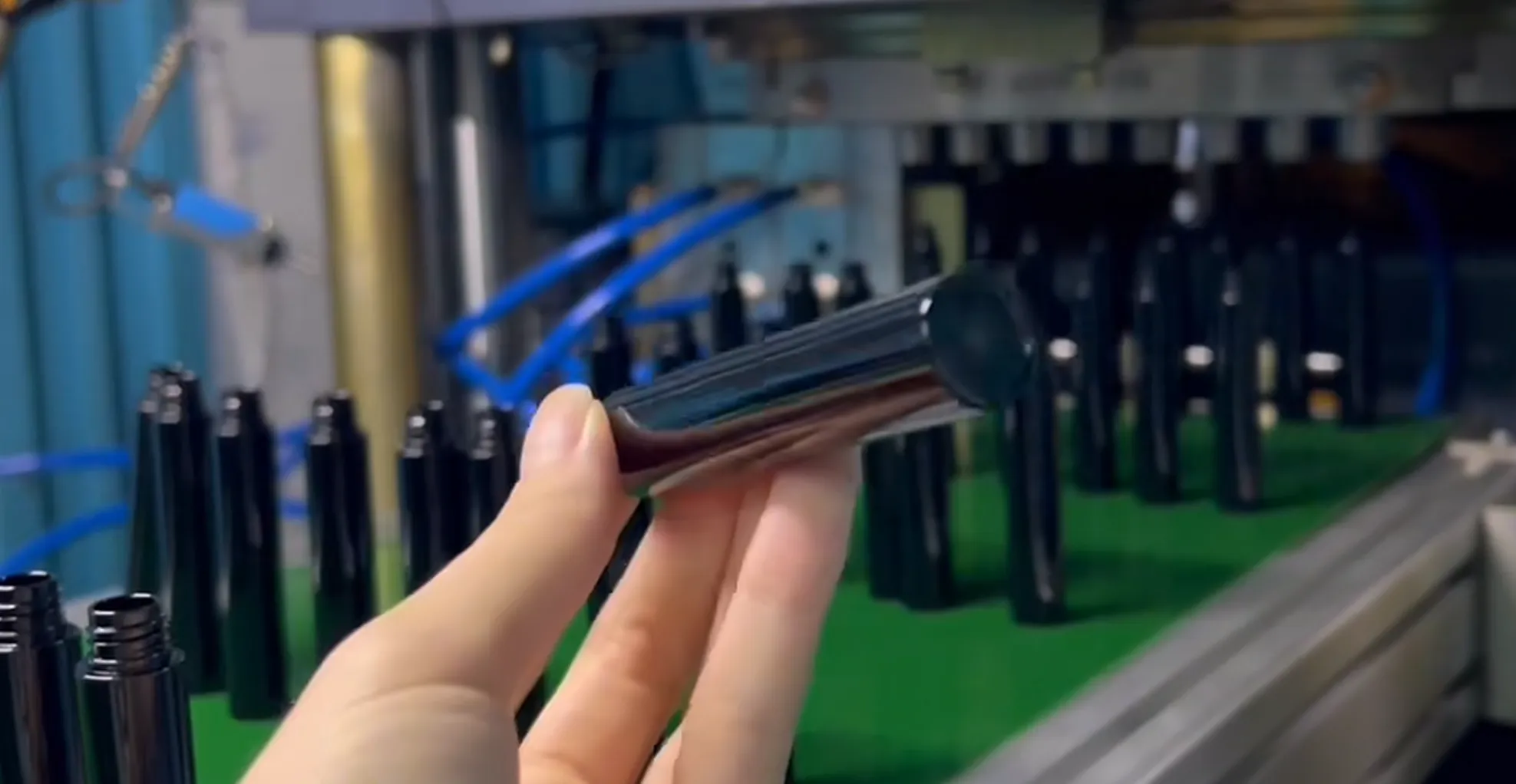
Korea ISBM-i üleminekuaeg on Korea mitme SKU-ga tootjate jaoks otsene tulupiirang – aeg, mis masinal kulub vormide vahetamisele, on aeg, mis kulub pudelite tootmiseks. Korea ISBM-i tootjate jaoks, kes käitavad ühel masinal 3–4 SKU-d 2–3 ümberlülitusega tootmispäevas, moodustab üleminekuaeg 40–651 TP3T masina koguajast – see on suurim üksik tegur, mis piirab Korea ISBM-i tulude väljundit masina kohta. Korea ISBM-i tootja, kes vähendab ümberlülitust 3,2 tunnilt 1,2 tunnini, lisab iga ümberlülituse kohta 2 tundi tootmisvõimsust. 3 ümberlülitust päevas × 300 tootmispäeva aastas × 2 tundi taaskasutatud × 4000 pudelit tunnis: 7,2 miljonit täiendavat pudelit aastases tootmisvõimsuses ainuüksi ümberlülituse vähendamisest – see on samaväärne teise ISBM-i masina lisamisega ilma kapitalikuludeta.
Toyota stantsimisliinide jaoks Shigeo Shingo poolt välja töötatud SMED-i (single-Minute Exchange of Die) metoodika on otseselt rakendatav Korea ISBM-i üleminekul, kuna põhianalüüs (tootmise peatamiseks vajaliku töö eraldamine tööst, mida saab teha tootmise jätkudes) vähendab sisemist üleminekuaega (masin seiskab), ilma et see kaotaks kogu töömahtu. Korea ISBM-i tsükliaja optimeerimise raamistik, millega SMED maksimaalse läbilaskevõime saavutamiseks integreerub, on ... Korea ISBM-i tsükliaja optimeerimise juhend.
2. SMED-põhimõte: sisemise ja välise töö eraldamine Korea ISBM-i üleminekul
SMED-i põhiprintsiip on kahe ümberlülitustöö kategooria tuvastamine ja eraldamine. Sisemine töö on ümberlülitustegevus, mida saab teha ainult siis, kui masin on seisatud – vormi eemaldamine, vormi paigaldamine, jahutusühenduse loomine, füüsikaliste parameetrite kontrollimine. Väline töö on ümberlülitustegevus, mida saab teha siis, kui masin veel eelmist tootmistsüklit käitab – uue vormi leidmine, selle transportimine masinasse, eelsoojendamine, uue retsepti laadimine, tööriistade ja kinnitusdetailide ettevalmistamine. Korea ISBM-i operatsioonis, kus SMED-teadlikkus puudub, tehakse suur osa välisest tööst pärast masina seiskamist, pikendades kunstlikult sisemise (seisva) ümberlülitusaega.
Korea ISBM SMED kõigi üleminekutegevuste klassifikatsioon
✗ Sisemine töö (masin peab olema peatatud)
- Masina jahtumine enne vormi eemaldamist
- Eemaldage masinast väljuv vorm
- Puhastage masina vormi kinnituspinnad
- Paigaldage sissetulev vormikomplekt
- Ühendage jahutusvee ahelad õõnsuse kaupa
- Laadige retsept ja kontrollige seda HMI-l
- Masina soojenemine uutele seadeväärtustele
- Esimese lasu kvalifitseerimine ja vabastamine
✓ Välised tööd (tehtud enne masina seiskumist)
- Sissetuleva vormi laost väljavõtmine
- Eelsoojenda sissetulevat vormi välises soojendusahjus
- Sissetuleva vormi mõõtmete kontrollimine (CMM-i baasjoone järgi)
- Valmistage masinal ette kõik tööriistad ja kinnitusdetailid
- Laadige uus retsept HMI-le (järjekorras, mitteaktiivne)
- Valmista vaigukuivati ette uue vaiguklassi jaoks
- Valmistage uue värvi jaoks ette põhisegu dosaator
- Operaatorite meeskonna lühiülevaade uue toote spetsifikatsioonist
Korea ISBM-i SMED-analüüs näitab, et tüüpilises SMED-eelses operatsioonis kulub pärast masina seiskamist välistöödele 40–55% kogu vahetusajast – peamiselt vormi väljavõtmisele, transportimisele, eelsoojendamisele ja tööriistade ettevalmistamisele. Kogu välise töö tagasiviimine tegelikuks masina seiskamiseelseks tegevuseks on Korea ISBM-i tootjatele kättesaadav suurim vahetusaja lühenemine, mis annab tavaliselt 50–60% kogu vahetusaja lühenemise enne mis tahes sisemise töö optimeerimise algust. Ennetav hooldusprogramm, mis hoiab vormikomplektid kiireks kasutuselevõtuks valmis, on olemas. Korea ISBM-i 5-astmeline hoolduskontrollnimekiri.
3. Väline töö — üleminekueelne ettevalmistusprotokoll
Kõik välised tööd tuleks lõpetada vähemalt 60 minutit enne masina planeeritud ümberlülitusseisakut. 60-minutiline ettevalmistusaeg võimaldab vormi eelsoojendamist (mis võtab spetsiaalses välises soojendusahjus aega 35–45 minutit) enne masina seiskumist lõpule viia – seega saabub saabuv vorm masinasse juba paigaldustemperatuuril (60–80 °C), mis välistab vajaduse vormi pärast paigaldamist masinal soojendada.
Korea ISBM-i vormi eelsoojenduse protokoll: Väline vormi soojendamine on Korea ISBM-i tegevuse jaoks kõige mõjukam SMED-i täiustus. Korea ISBM-i masinale paigaldatud külm vorm (ümbritseva õhu temperatuur 20 °C) vajab 25–35 minutit masina soojenemisaega, enne kui vorm saavutab töötemperatuuri, mis võimaldab esmast kvalifitseerimist – see 25–35 minutit on puhas sisemine (masina peatamise aeg). Masinale paigaldatud eelsoojendatud vorm (60–80 °C välisest ahjust) vähendab masina soojenemisvajadust 8–12 minutini, kuna vormi termiline mass on juba töötemperatuurile lähedal ja peab tasakaalustuma ainult jahutusvee temperatuuriga. Soovitatav Korea ISBM-i vormi eelsoojendusseade: spetsiaalne vormi eelsoojenduskapp (elektriküttega, maksimaalselt 80 °C, termopaari jälgimisega), mis asub masinast 5 meetri kaugusel – vorm liigub otse soojenduskapist masinasse ilma vahepealse ladustamiseta, mis võimaldaks sellel jahtuda.
Välise ettevalmistuse kontrollnimekiri (täitke 60 minutit enne masina planeeritud seiskamist):
- Võta laost sissetulev vorm välja; kontrolli, kas vormi seerianumber vastab tootmistellimusele.
- Asetage saabuv vorm välise soojenduskappi temperatuurile 60 °C; käivitage 40-minutiline taimer.
- Valmistage masina juures ette kõik tööriistad: momentvõti (kalibreeritud), jahutusvooliku kiirühendused, vormi joondustihvtid ja õõnsuse sisestuse paigaldusšabloon. Kõik tööriistad peaksid olema masina juures spetsiaalses vahetustööriistakastis – neid ei tohiks vahetuse ajal kunagi otsida.
- Laadige sissetuleva vormi tootmisretsept HMI-sse ootel retseptina – see pole veel aktiivne, kuid on masina taaskäivitamisel aktiveerimise järjekorras. Enne kinnitamist kontrollige retsepti versiooninumbrit tootmistellimuse spetsifikatsiooni alusel.
- Kontrollige ja valmistage ette vaigusüsteem: vaigu klassi muutmisel alustage väljuva vaigu tühjendamist kuivati punkrist 30 minutit enne masina planeeritud seiskamist; laadige sissetulev vaik kuivatisse. Veenduge, et kuivati kastepunkt oleks sissetuleva vaigu klassi vahemikus.
- Valmistage ette põhisegu dosaator: tühjendage väljaminev värv, kui värv muutub; veenduge, et sissetulev põhisegu on õige kvaliteediga ja LDR on retsepti järgi seadistatud.
- Juhendage vahetusmeeskonda (2 operaatorit) ülesannete järjestust ja ajaeesmärki – iga meeskonnaliige peaks enne masina seiskumist teadma oma konkreetset rolli sisemise vahetusfaasi ajal.
4. Sisemised tööd — hallituse eemaldamise ja paigaldamise järjekord

Sisemine ümberlülitusetapp algab hetkel, mil masin ümberlülituseks peatatakse. Iga sisemise ümberlülituse minut on otsene tootmiskaotus – SMED-i sisemise töö optimeerimise distsipliin kõrvaldab sisemise aja jooksul otsimise, otsuste tegemise ja improviseerimise, asendades need eelnevalt planeeritud, standardiseeritud füüsiliste toimingutega, mida juhendatud meeskond teostab kindla järjestuse järgi.
Korea ISBM-i vormide eemaldamine ja paigaldamine – 20-minutiline eesmärk, 2-liikmeline meeskond:
- 1
Masina seiskamine ja jahtumine (0–5 min)
Tehke 3 viimast tootmise puhastuslööki (tünni puhastamine vahetusvaigu jaoks) ja seejärel peatage masin. Hakake trumli temperatuuri alandama 150 °C-ni. Laske kuumal kanalil ja vormi pinnal 5 minutit jahtuda alla 70 °C – see on operaatori kokkupuute ja kummist jahutusvooliku lahtiühendamise seisukohalt ohutu. Selle 5-minutilise jahtumise ajal: võtab operaator 1 soojenduskapist eelsoojendatud sissetuleva vormi ja asetab selle masina kõrval asuvale vormi transpordikärule.
- 2
Väljamineva vormi lahtiühendamine ja eemaldamine (5–12 min)
Operaator 1: ühendage lahti jahutusvee kiirühendused iga õõnsuse kohta (5 sekundit liitmiku kohta surutavate kiirühenduste puhul – mitte keermestatud voolikuklambrite puhul, mille jaoks on vaja tööriistu). Operaator 2: eemaldage vormi kinnituspoldid eelseadistatud momentvõtme abil. Mõlemad: viige väljaminev vormi korpus masinast hoiukärule. Märkus: ainuüksi kiirühendustega jahutusliitmikele standardiseerimine (keermestatud ühenduste asendamine) säästab 4-õõnsusega vormikomplekti puhul 6–10 minutit vahetuse kohta.
- 3
Kinnituspinna puhastamine ja kontroll (12–14 min)
Mõlemad operaatorid: pühkige masina vormi kinnituspinda ebemevaba lapiga ja IPA-ga. Kontrollige visuaalselt polümeeriladestuste, kahjustatud juhttihvtide või prahi suhtes. Veenduge, et vormi kinnituspind on tasane ja puhas – üks polümeerihelves vormi eralduspinna all tekitab süstemaatilise kattedefekti kõigis järgnevates tootmisprotsessides. Selle etapi maksimaalne kestus on 2 minutit.
- 4
Sissetuleva vormi paigaldamine ja kommunikatsioonide ühendamine (14–20 min)
Operaator 1: langetage sissetulev vormi korpus masina juhttihvtidele; sisestage kinnituspoldid, kinnitades need sõrmedega. Operaator 2: ühendage jahutusvee kiirühendused iga õõnsuse kohta – veenduge, et iga ühendus on lukustatud (pärast ühendamist tehke iga liitmiku tõmbetest). Mõlemad: pingutage kinnituspolte vastavalt spetsifikatsioonile (vastavalt vormi paigaldusjuhiste kaardile – asetage see kaart alati masina juurde, mitte hoidke sahtlis). Kontrollige kaela sisetüki istme paika visuaalse kontrolliga.
5. Retsepti vahetamine ja parameetrite kontrollimine pärast vormi paigaldamist
Retsepti aktiveerimine ümberlülituse ajal on Korea ISBM-i sisemise ümberlülitusjärjestuse kõige riskikam samm – vale retsept, mis laaditakse äsja paigaldatud vormi, loob toote, mis ei vasta Korea kaubamärgi spetsifikatsioonile kohe algusest peale. SMED-i lähenemisviis retseptide haldamisele: uus retsept valitakse eelnevalt ja kuvatakse välise ettevalmistusfaasi ajal ootel retseptina; vormi paigaldamisel aktiveerib operaator ootel retsepti ühe kinnitustoiminguga, selle asemel, et navigeerida retseptiteegis, otsida toote nime järgi ja sisestada käsitsi parameetreid.
| Parameetri kategooria | Kontrollimismeetod | Aeg | Ebaõnnestumise oht vahelejätmise korral |
|---|---|---|---|
| Retsepti versioon | Võrdle HMI retsepti nime ja versiooni tootmistellimuse dokumendiga | 30 sekundit | Vale versioon = valed parameetrid; kogu esimene katse võib kvaliteedikontrolli ebaõnnestuda. |
| Konditsioneerimise seadeväärtused | Kontrollige HMI tsooni kuva retseptikaardi (füüsilise koopia masinas) alusel | 60 sekundit | Vale konditsioneerimine = esimese partii hägususe või seinajaotuse rike |
| Venitusvarda otspunkt | Liigutage varda käsitsi lõpp-punktini; kinnitage asukoht retsepti järgi ±0,3 mm täpsusega | 90 sekundit | Vale lõpp-punkt = liiga õhuke alussein või varda põhja löök vormiga (vormi kahjustus) |
| Puhumisrõhk | Kontrollige HMI-l akumulaatori seadeväärtust retsepti väärtuse suhtes | 20 sekundit | Madal puhumisrõhk = vormiga kokkupuude puudulik, hägusus + seina jaotuse tõrge |
| Eelpuhumispäästiku asend | Kontrollige HMI-l päästiku % sätet retseptikaardi väärtuse suhtes | 20 sekundit | Vale päästik = süstemaatiline seinajaotuse rike esimesest lasust alates |
Retsepti kontrollimise koguaeg eelvalmistatud retsepti ja füüsilise retseptikaardi abil: 3,5 minutit. See 3,5 minutit kõrvaldab Korea ISBM-i ülemineku kvaliteedi kõige levinuma vea – valed retseptiparameetrid taaskäivitamisel – ja asendab 15-minutilise „navigeerimine, laadimine, mälu abil kontrollimine” protsessi, mida kasutatakse eel-SMED-operatsioonides.
6. Esimese katse kvalifikatsioon pärast ümberlülitust: kiirem protokoll tootmise taaskäivitamiseks
Ümberlülitusjärgne esimese lasuga kvalifitseerimine on struktuurilt identne külmkäivitusega esimese lasuga kvalifitseerimisega, kuid sellel on kaks ajalist eelist: masina trumli temperatuur hoiti ümberlülituse ajal 150 °C juures (mitte külm), mis võimaldas kiiremini tootmise seadeväärtustele naasta; ja sissetulev vorm eelsoojendati, mis vähendas masinal tasakaalustumisaega. Ümberlülitusjärgse kvalifitseerimise protokolli eesmärk on 10 minutit masina taaskäivitamisest kuni tootmise lõpetamiseni – pool 20-minutilisest külmkäivituse kvalifitseerimisajast.
Kvalifitseerimisjärgne järjestus pärast ümberlülitumist: (1) Aktiveerige uus retsept; kinnitage kõigi tsoonide üleminekut uutele seadeväärtustele. (2) Oodake, kuni kõik tünni ja konditsioneerimistsoonid saavutavad uued seadeväärtused ±3 °C piires – EV servoblokeering takistab kruvi aktiveerimist, kuni see on täidetud. (3) Tehke 3 puhastusannust (mitte 5 – tünn oli ümberlülituse ajal soe, seega uue retsepti tingimustele üleminekuks on vaja vähem puhastusannuseid). (4) Tehke 5 kvalifitseerimisannust; koguge 1 pudel süvendi kohta. (5) Mõõtke süvendi kaal (eesmärk: uue retsepti baasjoon ±0,5 g) ja kaela välisläbimõõt süvendi kohta (eesmärk: ±0,04 mm K-Beauty/pharma puhul, ±0,10 mm standardjoogi puhul). (6) Visuaalne kontroll: 5000 K LED – eelmisest tootmisest ei ole musti täppe ega külma tükke. (7) Registreerige kvalifitseerimise tulemused ümberlülituslogisse; märkige üles kogu üleminekuaeg eelmise seeria viimasest tootmisannusest uue seeria esimese tootmisloendusannuseni.
7. Ümberlülitusaja jälgimine ja pidev täiustamine
SMED-i rakendamine ilma mõõtmiseta on teooria. Korea ISBM-i ülemineku täiustamine nõuab süstemaatilist aja mõõtmist igal üleminekul, kusjuures andmeid kasutatakse selleks, et teha kindlaks, millised sisemised tegevused jäävad aja vähendamise võimalustena alles pärast esialgset välist/sisemist eraldamist.
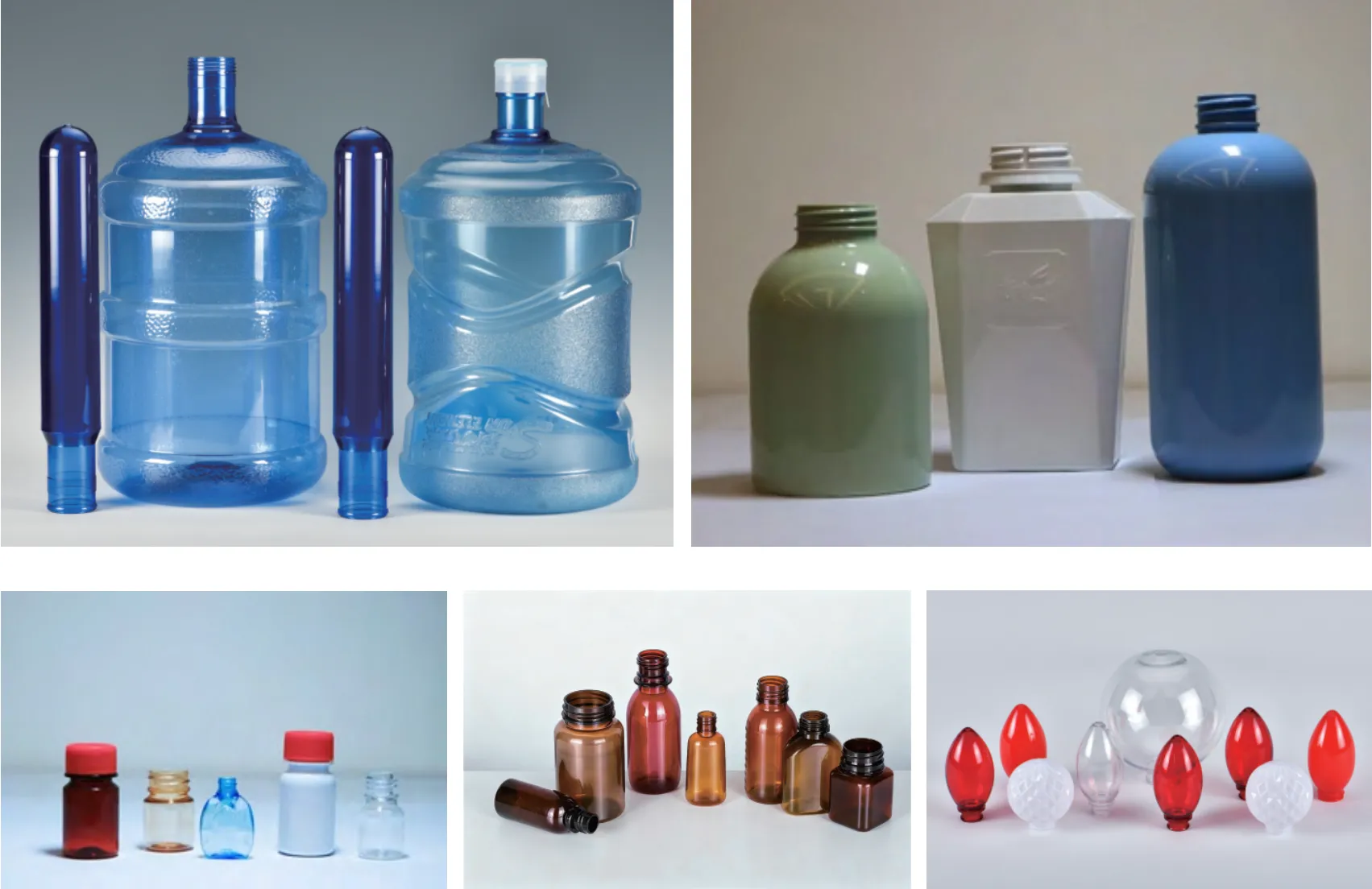
Korea ISBM-i vahetuslogi – SMED-i jälgimiseks kohustuslikud väljad:
- Väljamineva vormi SKU / sissetuleva vormi SKU — tuvastab trendianalüüsi jaoks konkreetse ümberlülituspaari (mõned ümberlülituspaarid on järjepidevalt kiiremad või aeglasemad kui teised; need andmed näitavad, millele parendustegevust suunata).
- Viimase tootmisvõtte ajatempel (väljaminev) ja esimese tootmisloenduse ajatempel (sissetulev) — vahe on kogu ümberlülitusaeg. Mõõdetakse masina tootmislogi ajatempli, mitte operaatori hinnangu järgi.
- Kas enne masina seiskamist oli väline ettevalmistus tehtud? — binaarne jah/ei. Iga „ei“ näitab kohe, et välist ettevalmistusprotokolli ei järgitud, lisades välditavat sisemist aega.
- Kas saabuv vorm oli eelnevalt soojendatud? — binaarne jah/ei. Iga „ei“ tähistab kohe SMED-i rakendamise viga, mis pikendab sisemist üleminekuaega 20–25 minuti võrra.
- Standardse üleminekuaja sihtväärtusest kõrvalekaldumise põhjus — kui ümberlülitus ületas 90-minutilise SMED-i sihtmärgi, registreerige konkreetne põhjus (vormi paigaldamise raskused, retsepti versiooni viga, kvalifitseerimise ebaõnnestumine, mis nõuab uuesti käivitamist). Need põhjuse andmed suunavad järgmist parendustsüklit.
Korea ISBM-i üleminekuaja täiustamistsükkel: jälgige 10 järjestikust üleminekut → tuvastage 3 kõige levinumat põhjust, miks aeg on eesmärgist pikem → rakendage iga põhjuse kohta üks parandusmeede → jälgige järgmisi 10 üleminekut → kontrollige paranemist. Korea ISBM-i ettevõtted, mis läbivad 3 täiustamistsüklit (30 jälgitavat üleminekut, 3 parandusmeedet), saavutavad järjepidevalt 55–65% lühenemise võrreldes oma SMED-eelse baasaja üleminekuajaga 6 kuu jooksul.
8. SMED Korea mitme SKU-ga ISBM-i tootjatele: ajakava ja masina valik

Korea ISBM-i mitme SKU-ga seadmete tootjad, kes on rakendanud SMED-üleminekut, peavad optimeerima ka oma tootmise ajakava, et maksimeerida kiire ülemineku läbilaskevõime kasu. Kaks ajakava põhimõtet, mis maksimeerivad Korea ISBM-i mitme SKU-ga seadmete tootmise efektiivsust:
Heledast tumedani tootmise järjestamine: Planeerige tootmistsüklid värvisügavuse suurenemise järjekorras – kõigepealt kahvatu PETG, seejärel tavaline PET, kolmandana toonitud PET, viimasena tume PET – iga päeva ajakava piires. Heledalt tumedaks üleminek nõuab 3 puhastuspritsi; tumedalt heledaks 8–12 puhastuspritsi (rohkem puhastusaega heledama toote puhul nähtava tumeda pigmendi eemaldamiseks). Korea ISBM-i tootja, kes järjestab tumedalt heledaks üleminekuid, raiskab iga ülemineku kohta 8–15 minutit täiendavat puhastusaega, mida saaks tootmisjärjekorra ümberjärjestamise abil vältida. Heledalt tumedaks ajastamine vähendab Korea mitme tooteühiku tootmispäeva jooksul järjepidevalt kogu puhastusjääki 35–50% võrra.
Sarnane vaigupere rühmitus: Korea ISBM-i kontserni tootmine toimub vaiguperekondade kaupa iga nädala ajakava piires – kõik PET SKU-d esmaspäeval/teisipäeval, kõik PETG SKU-d kolmapäeval/neljapäeval ja kõik Tritan reedel. See välistab vaigu ülemineku üleminekud (PET-lt PETG-le ja seejärel PET-ile), mis nõuavad iga SKU vahetuse korral tünni puhastamist, kuivati vahetust ja retsepti vahetamist. Vaiguperekonna sees toimuvad üleminekud nõuavad ainult vormi ja retsepti vahetamist – vaigu üleminekuks pole tünni puhastamist vaja – säästes iga vahetuse kohta 15–20 minutit. Masinaplatvormi võimalused, mis määravad Korea ISBM-i vormivahetuse kiiruse, on Korea ISBM-i ostja raamistikus peamine valikutegur.
Korduma kippuvad küsimused
Ümberlülituse tehniline tugi
Kas Korea ISBM-i üleminek võtab aega üle 3 tunni? Korea Ever-Poweri SMED-i ülemineku audit ja protokolli väljatöötamine.
Korea ettevõte Ever-Power pakub Korea mitme tooteühikuga ISBM-i tootjatele kohapealset SMED-i ümberlülitusaja uuringut, sisemise/välise töö eraldamise protokolli väljatöötamist, vormide eelsoojenduskapi spetsifikatsiooni ja ümberlülituslogi süsteemi seadistamist.