ISBM-i rakendamine · K-Beauty seerumi pakend · Korea ISBM 2026
ISBM K-Beauty seerumi ampull
Tootmine: Korea tootmisjuhend
Korea K-Beauty seerumipakend on Korea ISBM-i kõige nõudlikum optilise kvaliteedi rakendus – pudeli kristallselgus on toote peamine müügilolev teabeallikas, hägusus üle 1,5% ei läbi sissetulevat kontrolli ning kitsa kaelaga ampulli geomeetria, mis muudab pudeli ilusaks, on sama geomeetria, mis muudab ISBM-i tootmise tehniliselt keeruliseks. See juhend hõlmab kõiki muutujaid, mis määravad Korea K-Beauty seerumiampulli ISBM-i tootmisprogrammi edukuse.
Toimeainete ühilduvuse tabel
Korea K-ilubrändi kvalifikatsioon
Korea K-Beauty seerumi ISBM turuviide — 2026
4,2T Lõuna-Korea vonn
Korea seerumi ja ampullide jaemüügiturg, 2025
≤ 1,0%
Luksusliku Korea seerumiampulli hägususe standard (Sulwhasoo, Whoo tasand)
15–50 ml
Korea seerumiampulli mahuvahemik (kõige levinum: 30 ml)
±0,04 mm
Luksusliku astme kaela välisläbimõõdu tolerants tilguti pumbapea liidese jaoks
1. Korea K-Beauty seerumiturg ja ISBM-i konkurentsipositsioon klaasi vastu
Korea K-Beauty seerumipakend on üks maailma kõrgeima väärtusega ISBM-i rakendusi – kus pakendi disain on turundus, pakendi kvaliteet brändi positsioneerimine ja pakendi järjepidevus määrab, kas Korea bränd säilitab riiulipinna Korea Lotte kaubamajas (롯데백화점), Shinsegae (신세계) ja Korea Olive Youngi (올리브영) kauplustes. Korea seerumiturg (sh essentsid, ampullid ja võimendusvormid) ulatus 2025. aastal jaemüügiväärtuses 4,2 triljoni Korea vonnini, kusjuures pakendamiskulud moodustasid 12–221 TP3 triljonit valmistoote tehasehinnast – see on kõrgem kui peaaegu igas teises Korea ISBM-i rakenduskategoorias.
ISBM konkureerib klaasiga Korea K-Beauty seerumipudelite pärast 15–100 ml mahutavusega toodetes. Klaas on ajalooliselt domineerinud Korea prestiižsete seerumipakendite (Sulwhasoo, History of Whoo, Ohui) kaalu ja kombatava kvaliteedi poolest. ISBM PETG tungis sellesse segmenti umbes aastatel 2018–2020, kui Korea brändidisainerid avastasid, et Korea ISBM PETG optiline selgus (hägusus 0,5–1,0% versus klaas 0,0–0,2%) on Korea jaemüüja jaoks visuaalselt eristamatu klaasist Korea kaubamaja 4000K LED-valgustuse all – samas kui ISBM PETG pakkus olulisi eeliseid: 65–70% kergem kui klaas (vähendades saatmiskulusid ja süsinikdioksiidi heitkoguseid), null purunemisriski Korea e-kaubanduse täitmisel ja 35–45% madalam ühikpakendi hind samaväärsete mahtude juures.
Põhjalik Korea K-Beauty ISBM tootmisjuhend kosmeetikatoodete kategooria kohta on saadaval aadressil Korea K-Beauty kosmeetikapudelite tootmisjuhend; see juhend keskendub spetsiaalselt seerumi ja ampullide tootmisele, kus tehnilised väljakutsed ja kaubamärgi spetsifikatsiooninõuded erinevad Korea K-Beauty ISBM-i üldisest nõuetest.
2. Miks PETG domineerib Korea K-Beauty seerumiampullide tootmises
PETG (polüetüleentereftalaatglükool) on Korea K-Beauty seerumiampullide ISBM tootmisel eelistatud vaik kolmel polümeerfüüsikalisel põhjusel, mis otseselt määravad pudeli kvaliteedi Korea kaubamärkide nõutavate optiliste standardite kohaselt. Nende põhjuste mõistmine selgitab, miks Korea luksusseerumiampullide tootmine tavalisest PET-materjalist – mis tundub pealtnäha sarnane ja maksab 30–40% vähem – annab pidevalt halvema optilise kvaliteedi, mille Korea kaubamärkide siseneva kontrolli käigus tagasi lükatakse.
Esiteks kõrvaldab PETG amorfne struktuur kristallisatsioonihägu: Standardne PET on poolkristalliline polümeer – õigete (või valede) temperatuuri- ja pingetingimuste korral moodustab see sferuliitseid kristallilisi piirkondi, mis hajutavad valgust ja tekitavad hägusust. PETG glükooli komonomeer (1,4-tsükloheksaandimetanool, CHDM) lõhub kristallisatsiooni võimaldava korrapärase ahelastruktuuri, muutes PETG-d amorfseks. Amorfne polümeer ei saa moodustada kristallilisi hajumistsentreid olenemata temperatuurist, jahutuskiirusest või mehaanilisest pingest töötlemise ajal. Seetõttu saavutab PETG Korea ISBM-is pidevalt hägususe 0,5–1,0%, samas kui PET saavutab optimaalsetes tingimustes 1,0–2,0% ja mitteideaalsetes tingimustes 2,0–4,0% – PETG optiline eelis on struktuuriline, mitte protsessist sõltuv.
Teiseks on PETG murdumisnäitaja klaasile lähemal: PETG murdumisnäitaja on ligikaudu 1,571 (589 nm naatriumjoonel), võrreldes PET-i 1,575 kaksikmurdumisvahemikuga ja klaasi ~1,52-ga. Sarnasus klaasiga tähendab, et Korea K-Beauty kaubamärgi disainimeeskonnad, kes lähevad üle klaasilt PETG-le (ISBM), saavutavad klaaspudeli optilise sügavuse ja murdumisomaduste visuaalse efekti plastmaterjalis – see arusaam ajendab Korea luksuspudeli K-Beauty pakendidisainerit eelistama PETG-d PET-ile, olenemata hägususe mõõtmisest.
Kolmandaks, PETG madalam klaasistumistemperatuur võimaldab õrnemat orientatsiooni: PETG Tg ligikaudu 80–82 °C (võrreldes PET-i 75–80 °C-ga, mis on väiksem erinevus kui tavaliselt mainitud) nõuab termoelastse töötlemisakna saavutamiseks vähem agressiivset konditsioneerimist. Peamine erinevus seisneb PETG laiemas töötlemisplatoos – temperatuurivahemik, kus kahesuunaline orientatsioon toimub ilma kristalliseerumiseta, on PETG puhul laiem kui PET-i puhul, mistõttu PETG on tootmises vältimatute väikeste konditsioneerimistemperatuuri kõikumiste (±0,5 °C) korral ühtlasem. PET-i ja PETG täielik võrdlus Korea ISBM-i jaoks on ... Korea PET- ja PETG-vaigu valiku juhend, mis hõlmab seerumipakenditest kaugemale ulatuvaid rakendusi, sealhulgas funktsionaalsete jookide, ravimite ja kuumtäite rakendusi.
3. Kitsa kaelaga ampulli geomeetria: Korea ISBM-i tootmise väljakutsed ja lahendused
Korea K-Beauty seerumiampulli geomeetria esitab spetsiifilisi Korea ISBM-i tootmisväljakutseid, mida standardsete joogi- või kosmeetikapudelite puhul ei esine. Kitsa kaelaga seerumiampull (tavaliselt 13–18 mm kaela sisediameeter, 15/415 või 18/415 GPI viimistlus) ja kõrge saleda korpusega (kõrguse ja maksimaalse läbimõõdu suhe 3:1 kuni 5:1 tüüpilise 30 ml Korea seerumiampulli puhul) ühendab endas kolm geomeetrilist omadust, mis kõik loovad iseseisva tootmise keerukuse.
Kõrge kõrguse/sügavuse suhtega seinajaotus: Kõrguse ja läbimõõdu suhte 4:1 korral peab venitusvarras läbima pikema aksiaalse vahemaa kui sama mahuga tavalise joogipudeli puhul. Eelvormi põhjas (väravatsoonis) olev materjal tuleb jaotada suuremale aksiaalsele vahemaale, mistõttu on väravatsooni eelvormi seina paksuse disain seerumiampulli tootmisel veelgi kriitilisem kui tavalise ISBM-i tootmisel. Eelvormi väravatsoon, mis on tavalise gaseerimata veepudeli jaoks 0,3 mm liiga õhuke, annab marginaalselt õhukese aluse. Sama 0,3 mm puudujääk seerumiampulli eelvormi väravatsoonis annab dramaatiliselt õhukese aluse ja paksu õla, kuna täiendav aksiaalne venitus, mida õhuke materjal peab kohanduma, koondab materjali ümberjaotumise ülakeha tsooni.
Õlg-kaela ülemineku geomeetria: Korea seerumiampullide konstruktsioonidel on sageli terav õlaprofiil (õla koonusnurk üle 45°) ja piklik kaelasilinder – kombinatsioon, mis loob geomeetrilise pingekontsentratsiooni kohas, kus lai õlg läheb üle kitsale kaelale. Puhumise ajal peab selle üleminekutsooni materjal samaaegselt deformeeruma radiaalselt (väljapoole õla kõverusesse) ja jääma kaela välisdiameetri liideses stabiilseks. Kui eelvormi õlatsooni konditsioneerimistemperatuur on 2°C kaelatsoonist kõrgem, voolab õlamaterjal eelistatult, õhendades õlaseina ja tekitades üleorienteerimise tõttu õla ja kaela ühenduskohale nähtava hägusriba. Seerumiampulli konditsioneerimistsooni haldamiseks peab kaelatsooni seadeväärtus olema 2–4°C kõrgem kui õlatsoonil – vastupidiselt paljudele Korea ISBM-i standardi rakendustele –, et eelnevalt kompenseerida geomeetrilist materjali ümberjaotumist.
Kitsa korpuse õhukeseinalised optilised nõuded: Korea seerumiampullide korpuse seinad (tavaliselt 0,30–0,45 mm sildipaneelil) peavad vastama luksusstandardile hägusus ≤1,0%, olles samal ajal ligikaudu 30–40% õhemad kui sama mahuga Korea joogipudelite seinad. Õhemate seinte puhul on vaja täpsemat kahesuunalise orientatsiooni kontrolli – venitussuhte aken, mille piires orientatsioon on täielik (hägusus ≤1,0%) ilma ülevenituseta (õhukesed laigud ja pingevalgendus), on 0,35 mm sihtmärgi seinte puhul kitsam kui 0,28 mm joogiseinte puhul. See piirang muudab seerumiampullide tootmise Korea ISBM-i kõige nõudlikumaks rakenduseks elektriautode servo konditsioneerimise täpsuse osas – Korea K-Beauty standardi hägusus ≤1,5% nõutav ±0,3 °C tsooni ühtluse nõue muutub Korea luksusstandardi seerumi hägusus ≤1,0% puhul ±0,2 °C nõudeks.
4. Kristallselgus: vastab Korea K-Beauty seerumi hägususe spetsifikatsioonile Tier'ilt
Korea K-Beauty kaubamärgi seerumiampullide hägususe spetsifikatsioonid on tasemeti diferentseeritud – luksusbrändid (Sulwhasoo, History of Whoo, O HUI, Sum:37) määravad hägususe ≤1,0%; keskmise taseme premium-brändid (Laneige, IOPE, CNP) määravad ≤1,5%; ja taskukohased premium-brändid (Innisfree, Dr.Jart+) määravad ≤2,0%. Korea ISBM-i tootjad peavad oma tootmisprotsessi kvalifitseerima spetsiaalselt oma Korea brändikliendi taseme järgi – samad tootmistingimused, mis vastavad Innisfree lepingule, ei läbi Sulwhasoo sissetuleva toote kontrolli.
| Korea K-Beauty seerumitasand | Hägususe piirang | Kaela välisläbimõõdu tolerants | ISBM masina nõue |
|---|---|---|---|
| Luksus (Sulwhasoo, Whoo) | ≤ 1,0% | ±0,03 mm | EV servo ±0,2°C konditsioneerimine; spetsiaalne vorm H13 S136 terasest; Ra ≤ 0,03μm kere poleerimisvõime |
| Premium (Laneige, IOPE) | ≤ 1,5% | ±0,04 mm | EV servo ±0,3°C konditsioneerimine; 2316 SS vorm; Ra ≤ 0,05μm kere poleerimiskiht |
| Ligipääsetav (Innisfree, Dr.Jart+) | ≤ 2,0% | ±0,06 mm | Eelistatud on elektriline servomootor; vastuvõetav on P20 vorm Ra ≤ 0,10 μm-ga; harvem poleerimishooldus |
Korea ISBM-i luksusklassi seerum (hägusus ≤1,0%) nõuab lisaks Korea standardsele premium-klassi PETG tootmisele nelja spetsiifilist tootmiskontrolli: (1) puhumisõhu kastepunkt ≤ −40 °C (tihedam kui premium-klassi standard ≤ −35 °C) – Korea luksusklassi seerumi ostjad määravad puhumisõhu kastepunkti kontrollimise tootmisaruandena; (2) vormiõõnsuse poleerimisaste Ra ≤ 0,03 μm (teemantlihvitud, premium-klassi puhul tihedam kui ≤ 0,05 μm) – kontrollitakse profilomeetri sertifikaadiga esmasel tarnimisel ja seejärel iga 300 000 löögi järel; (3) konditsioneerimisvööndi termopaari kalibreerimine KRISS-jälgitav igal aastal (mitte iga kahe aasta tagant) – Korea luksusbrändide kvaliteedikontrolli meeskonnad auditeerivad termopaari kalibreerimisandmeid osana iga-aastasest tarnija kvalifitseerimisest; (4) luksusklassi eraldi tootmistsükkel (mitte jagada masinat kaubarakendustega samas vahetuses) – välditakse konditsioneerimissaastumist eelmistest erinevate seadeväärtustega tsüklitest, mis võib luksusklassi tsükli alguses tekitada jääksoojuse ebaühtlust.
5. Toimeainete keemiline ühilduvus: mida Korea ISBM-i tootjad peavad kontrollima
Korea K-Beauty seerumivalemid sisaldavad laia valikut toimeaineid – paljud neist loovad pakendi ühilduvusele spetsiifilisi nõudeid, mida Korea ISBM-i tootjad peavad enne tootmise kvalifitseerimist mõistma ja Korea kaubamärgi formuleerimismeeskonnaga kontrollima. Kontrollimata ühilduvuse tagajärjeks on pakendi pingepragunemine, toimeainete migratsioon pakkematerjali või toimeainete lagunemine kokkupuutel pakendis ekstraheeritavate ainetega – kõik need ilmnevad Korea kaubamärgi kvaliteedikontrolli või Korea tarbijakaebuste tasandil, mitte Korea ISBM-i tootmiskvaliteedi kontrolli käigus.
| Korea seerumi aktiivne | Tüüpiline Korea seerumi pH | PET-ühilduvus | PETG-ühilduvus | Korea peamine ISBM-i mure |
|---|---|---|---|---|
| Hüaluroonhape (HA) | 5,5–7,0 | ✓ Suurepärane | ✓ Suurepärane | Neutraalse pH-ga, veepõhine. Ühilduvusprobleeme pole. Domineeriva toimeainega Korea seerum. |
| Niatsiinamiid (vitamiin B3) | 4,0–6,5 | ✓ Suurepärane | ✓ Suurepärane | Vees lahustuv, stabiilne. Ühilduvusprobleeme pole. Enamik Korea sära andvaid seerumeid. |
| L-askorbiinhape (C-vitamiin) | 2,5–3,5 | ✓ Hea | ⚠ Kontrollige ≥10% | Väga happeline. PETG on pH ≤3,0 ja üle 10% kontsentratsiooni korral vastuvõtlik aeglasele keskkonnast tingitud pingepragunemisele. Enne tootmise alustamist taotlege 12-kuulist täidetud pudelis tehtavat pingepragunemise katset temperatuuril 40 °C. Mõned PETG klassid (Eastman TX2001H) toimivad happeliste toimeainete osas paremini kui TX2001 – täpsustage Korea kaubamärgi formuleerimismeeskonnaga. |
| Glükoolhape (AHA) | 3,0–4,0 | ✓ Suurepärane | ✓ Hea | Korea päritolu AHA seerumite puhul, mille glükoolhappe sisaldus on üle 10%, on PET eelistatud PETG-le. PET-i tugevam molekulaarne paigutus tagab parema AHA-kindluse. Kui Korea kaubamärk määrab AHA koostise jaoks PETG, kontrollige PETG klassi ja pingepragunemise vastupidavust. |
| Retinool (A-vitamiin) | 5,0–6,5 | ✓ Hea | ✓ Hea | Õlis lahustuv retinool (mitte veepõhises emulsioonis olev retinool). Peamine mure on UV-stabiilsus, mitte pakendi sobivus – Korea retinooli seerumite puhul, mille kontsentratsioon on üle 0,1%, on soovitatav kasutada UV-blokeerivat PETG-d või läbipaistmatut välispakendit. |
| Etanool (üle 30%) | Varieerub | ✓ Hea | ✗ Ei ole soovitatav | Etanool, mille alkoholisisaldus on üle 30%, põhjustab PETG järkjärgulist pingepragunemist ja hägusust – vältige PETG-d Korea kokkutõmbavate toonikute või kõrge alkoholisisaldusega seerumite puhul. PET ISBM on õige materjal Korea etanoolipõhiste seerumite jaoks, mille alkoholisisaldus on üle 30%. Mõned Korea kaubamärgid muudavad oma tooteid, et vähendada etanoolisisaldust alla 30%, et võimaldada PETG-pakendeid – arutage seda tootevalmistusmeeskonnaga. |
6. Korea seerumiampullide pumba, tilguti ja sulguri liidese projekteerimine
Korea K-Beauty seerumiampullide korkide ühilduvus on kaubanduslikult kõige olulisem mõõtmete kvaliteedinäitaja – kaela välisläbimõõt, mis on 0,15 mm spetsifikatsioonist suurem, põhjustab pumbapea kinnituse, mida Korea tarbija ei saa ilma tööriistadeta kinnitada; 0,10 mm spetsifikatsioonist väiksem läbimõõt põhjustab lekkiva pumbapea, mis kasutamise ajal tilgub. Mõlemad vead toovad kaasa toodete tagastamise, Korea kaubamärgi maine kahjustumise ja tarnelepingu kaotamise.
Korea K-Beauty seerumi sulgemisvormingud ja nende ISBM kaelanõuded:
- Korea pumbapeaga sulgurid (kõige levinumad 30–50 ml seerumi puhul): Standardne Korea K-Beauty pumbapea kinnitus kasutab 20/410 või 24/410 GPI kaelaviimistlust (20 mm või 24 mm kaela välisläbimõõt) ja 20/400 või 24/400 keermemustrit. Pumbapea sisemine ava tihend sõltub ISBM-i pudeli kaela välisläbimõõdust, mis jääb nominaalsest GPI spetsifikatsioonist ±0,04 mm piiresse – see on rangem tolerants kui GPI standardi ±0,10 mm, kuna Korea luksuslike seerumi pumbapeade puhul kasutatakse täppis-survevalu teel valmistatud kaelarõngaid, mitte standardset plasthülsi, mida kasutatakse Korea massturu joogikorkides. Korea ISBM-i tootjad peaksid hankima Korea kaubamärgi spetsiifilise pumbapea kinnituse 3D CAD-andmed, mitte ainult GPI nominaalmõõtmeid, ja kontrollima kaela välisläbimõõtu pumbapea tootja tehnilise spetsifikatsiooni alusel.
- Korea tilgutiühendused (tavalised 15–30 ml luksuslike seerumiampullide puhul): Korea seerumi tilgutite liitmikud kasutavad 13/415 GPI kaela viimistlust (13 mm kaela välisläbimõõt) koos kummist pipeti pirniga. Kitsas 13 mm kaela sisemine ava (tavaliselt 9–10 mm siseläbimõõt ISBM-i kaela ülekandeliinil) on üks täpsemaid Korea ISBM-i tootmissihtmärke – sisemine ava kontrollib tilguti pipeti sisestamise takistust ja takistab pipeti sisestamist nii sügavale, et pirn puutuks kokku seerumi pinnaga. Korea ISBM-i kaela sisestuse täpsus 13/415 tilguti liitmiku puhul: kaela siseläbimõõt ±0,06 mm (sisemine ava), kaela välisläbimõõt ±0,04 mm (keerme välisläbimõõt). Kontrollige esmase kvalifitseerimise käigus kõiki nelja ava läbimõõtu (kaela siseläbimõõt ülekandeliinil, kaela siseläbimõõt korpuse keskel, keerme välisläbimõõt suuremal läbimõõdul, keerme välisläbimõõt väiksemal läbimõõdul) – mitte ainult kaela välisläbimõõtu.
- Korea klapiga ja klõpsatava korgiga sulgurid (ligipääsetava taseme seerum): Lihtsamad mõõtmete nõuded (kaela välisläbimõõdu tolerants ±0,08 mm), kuid täiendava klõpskinnitusjõu spetsifikatsiooniga – kork peab kindlalt sulguma (taktiline klõps, jõud 3–8 N) ilma liigse avamisjõuta (≤ 15 N). Korea ISBM-i klõpskorgi liidese kvalifikatsioon: mõõtke klõpskinnitusjõudu 5 järjestikusel pudelil õõnsuse kohta käsitsi jõumõõturi abil; joonistage jõu jaotus ja kinnitage kõik väärtused Korea kaubamärgi jõu spetsifikatsiooni vahemikus. Spetsifikatsioonist väljaspool olev jõud näitab tavaliselt kaela välisläbimõõtu tolerantsi serval – reguleerige õõnsuse sisemist välisläbimõõtu spetsifikatsiooni keskpunkti, mitte servast mööda.
7. Korea K-ilubrändi kvalifitseerimisprotokoll: proovist heakskiidetud tarnijani

Korea K-Beauty kaubamärgi seerumiampullide ISBM-pakendite kvalifitseerimine toimub struktureeritud protokolli järgi, mis erineb kaubamärgi tasandil. Luksusklassi Korea kaubamärkidel (Sulwhasoo, History of Whoo) on kõige nõudlikumad kvalifitseerimisprotsessid – tavaliselt kulub esimesest proovist kuni heakskiidetud kaubandusliku tarnimiseni 6–12 kuud. Kvalifitseerimisprotsessil on neli väravat, mis tuleb järjestikku läbida:
- Värav 1 – Projekteerimistõendi näidised (T-01): 5–10 labori- või tootmiseelsetes tingimustes toodetud pudeli prototüüpi, mida Korea brändi pakendidisaini meeskond hindab visuaalselt ja mõõtmetelt. Eesmärk: kinnitada, et pudeli kuju ja läbipaistvus vastavad kinnitatud 3D-renderdusele. Hägususe ja mõõtmete mõõtmed on T-01-s ainult juhised – otsustuskriteeriumiks on visuaalne ja kombatav mulje. Ajakava: 4–8 nädalat vormi valmistamisest kuni T-01 Korea brändi ülevaatuseni.
- 2. värav – esimese artikli kvalifikatsioon (T-02): 200–500 pudelit, mis on toodetud tootmistingimustes (valideeritud masin, valideeritud retsept) ja esitatud Korea kaubamärgi kvaliteedikontrolli laborisse täielikuks vastuvõtukontrolliks: hägusus, kaela välisläbimõõt, kaal, seina paksus 5 asendis, pumbapea haardumine, täidetud pudeli kukkumiskatse ja täidetud pudeli stabiilsus kiirendatud tingimustes (40 °C/75% suhteline õhuniiskus, 4 nädalat). T-02 on esimene etapp, kus hägusus peab vastama astmespetsifikatsioonile (≤1,0% luksuspudeli puhul, ≤1,5% premium-pudeli puhul). Mitteläbinud T-02 korral on vaja algpõhjuse analüüsi ja parandatud proovi uuesti esitamist – see lisab kvalifitseerimise ajakavale 6–12 nädalat iga iteratsiooni kohta.
- 3. värav – täidetud toote ühilduvus (T-03): 1000–2000 pudelit, mis on täidetud seerumi tegeliku koostisega ja hinnatud Korea toatemperatuuril säilitamise tingimustes (25 °C/60% suhteline õhuniiskus, 6 kuud) ja Korea kiirendatud tingimustes (40 °C/75% suhteline õhuniiskus, 3 kuud). T-03 testid kinnitavad, et ISBM PETG pudel säilitab tegelikes kasutustingimustes mõõtmete stabiilsuse (kaela välisläbimõõt ±0,05 mm piires T-02 algtasemest), selguse (hägususe suurenemine ≤0,2% T-02 algtasemest) ja keemilise ühilduvuse (nähtavaid pingepragusid, seerumis nähtavat värvimuutust, seerumis ekstraheeritavat lõhnaainet ei ole). T-03 on pikim kvalifikatsiooniperiood – kiirendatud testimise puhul minimaalselt 3–6 kuud, toatemperatuuril kinnitamise puhul 6–9 kuud.
- 4. värav – tootmisaudit: Korea kaubamärgi pakendite kvaliteedikontrolli meeskond viib läbi Korea ISBM-i tarnija rajatise kohapealse auditi, kinnitades tootmiskeskkonda (puhasruumi klass, temperatuuri ja niiskuse andmed), protsessikontrolli (partii andmed, SPC-kaardid, kalibreerimisandmed) ja tarnija kvalifitseerimissüsteemi (vaigupartii jälgitavus, vormide hooldusandmed, muudatuste kontrolli protseduurid). Korea luksusbrändide puhul on tootmisaudit tarnija heakskiitmise eeltingimus – tehniline kvalifikatsioon üksi (T-01 kuni T-03) ei taga tarne heakskiitu ilma rahuldava tootmisauditi tulemuseta.
8. Tootmise efektiivsus: mitme SKU ajakava koostamine ja Korea K-ilutoodete jätkusuutlikkus
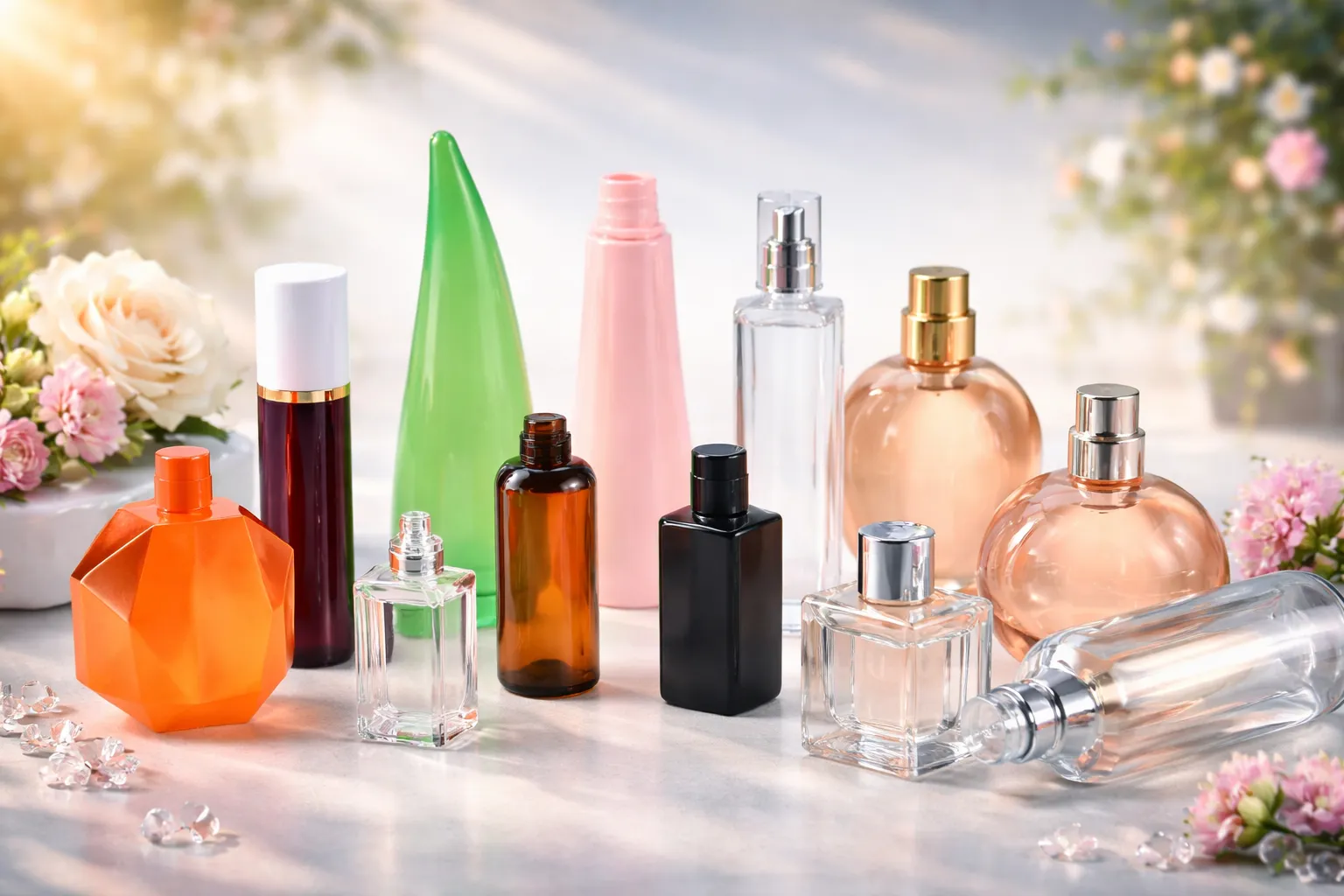
Korea K-Beauty seerumi ISBM tootjad haldavad tavaliselt 6–18 aktiivset seerumi ampulli SKU-d mitme Korea brändikliendi jaoks – igaühel on erinev maht, kaela viimistlus, korpuse geomeetria ja hägususe spetsifikatsioon. Tõhus mitme SKU tootmise haldamine on oluline, kuna Korea seerumi ampullide partiide suurused on väiksemad kui Korea jookide toodang (tavaliselt 200 000–2 miljonit ühikut SKU kohta aastas võrreldes Korea jookide 10+ miljoniga) ja vahetussagedus on suur (1–3 vahetust tootmispäeva kohta).
Korea seerumi ISBM mitme SKU tootmise ajastamise põhimõtted: (1) Grupeerige Korea kaubamärgi kvalifikatsioonitasemed tootmisvahetuste piires – vältige luksusliku astme (hägusus ≤1.0%) tootmise segamist ligipääsetava astme (hägusus ≤2.0%) tootmisega samas vahetuses, kuna konditsioneerimisvööndi seadeväärtused ja tootmiskeskkonna nõuded erinevad ning nende vaheline üleminek vahetuse jooksul loob kvalifikatsioonidokumentatsiooni lünga (millise tsükli parameetrid kehtivad millistele pudelitele üleminekul?). (2) Planeerige Korea seerumi värvimuutused igas vahetuses heledast tumedaks – läbipaistev PETG → punakasroosa → hele salvei → sügav merevaigukollane → läbipaistmatu – vähendades puhastusjääke 40–50% võrra juhusliku järjestuse asemel. (3) Hoidke iga Korea K-Beauty kaubamärgi kliendi jaoks eraldi vormikomplekte, et vältida brändispetsiifilise kvalifikatsioonidokumentatsiooni ristsaastumist – luksuslik Korea kaubamärk, mille vormi jagatakse ligipääsetava kaubamärgi tootmisega, kaotab mõõtmete jälgitavuse, mida nõuab tema iga-aastane tarnija audit.
Korea K-Beauty seerumi ISBM jätkusuutlikkus: Korea K-Beauty kaubamärgid on Korea ESG-teadlike tarbijate (ja Korea finantsturu ESG-aruandlusnõuete Korea konglomeraatidele, sealhulgas LG, Amorepacific ja Cosmax) üha suurema surve all pakendite süsiniku jalajälje vähendamiseks. Korea seerumiampullide ISBM tootjate jaoks nõuavad Korea kaubamärkidelt kõrgemat hinnakujundust kaks jätkusuutlikkuse strateegiat: kergendamine (pudeli kaalu vähendamine 10–15% praegusest Korea standardist 12–18 g 10–16 g-ni tooriku disaini optimeerimise ja seina ühtluse parandamise abil, vähendades PET/PETG vaigu kasutamist ja pakendi süsiniku intensiivsust) ning Korea tarbijajärgselt taaskasutatud PETG (rPETG) sisaldus – praegu on luksusklassi puhul optilise kvaliteedi piirangute tõttu piiratud 10–15% rPETG sisaldusega, kuid see suureneb, kuna Korea rPETG kogumise ja kvaliteedisorteerimise infrastruktuur paraneb Korea kosmeetikapakendite laiendatud tootjavastutuse eeskirjade (EPR) alusel.
Korduma kippuvad küsimused
Korea K-ilu seerum ISBM tugi
Korea K-Beauty seerumi ampullide programm – kvalifikatsioonitugi, PETG klassi valik või hägususe ≤1.0% tootmise optimeerimine?
Korea Ever-Power pakub K-Beauty seerumiampullide eelvormide disaini, PETG-klassi spetsifikatsiooni keemilise ühilduvuse kohta, EV servo hägususe optimeerimise protokolli ja Korea luksusbrändide T-01 kuni T-04 kvalifikatsioonidokumentatsiooni tuge.
Seotud ressursid
Sissepritsega venitus-puhumisvormimismasin HGY200-V4
±0,3 °C PETG konditsioneerimine hägususe saavutamiseks ≤1,5% premium-tase · 2–4 õõnsusega seerumiampullide valik · Korea K-Beauty kaubamärgi kvalifikatsioonidokumentatsiooni tugi · Mitme SKU kitsa kaelaga SMED-i võimalus.
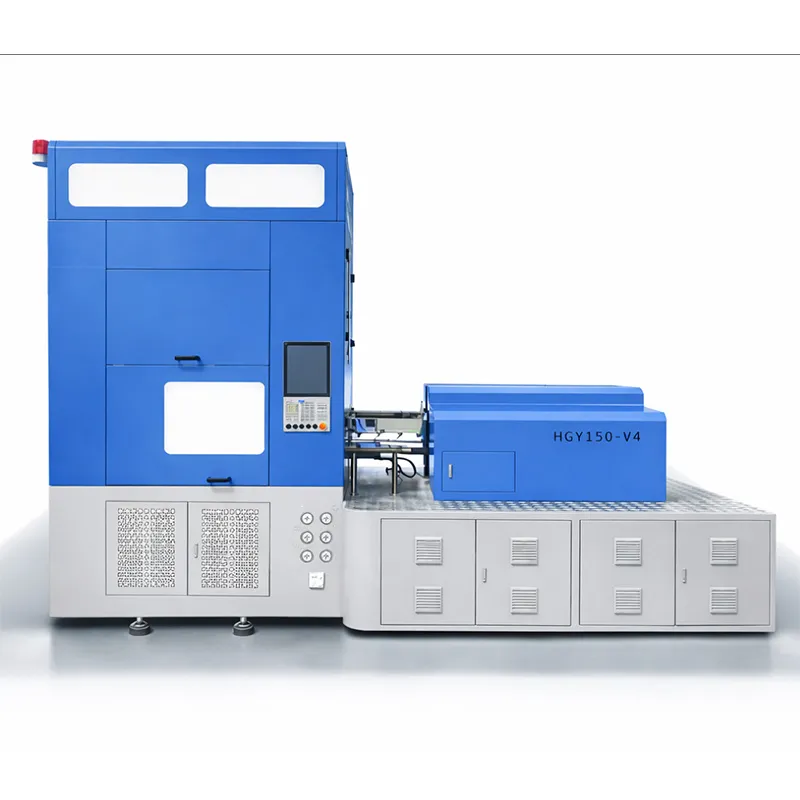
Sissepritsega venitus-puhumisvormimismasin HGY150-V4-EV
Täiselektriline EV servo Korea luksuskaupade jaoks K-Beauty hägusus ≤1.0% · ±0.2°C konditsioneerimistäpsus · 13/415 kitsa kaelaga tilguti kvalifikatsioon · Sulwhasoo ja Whoo-taseme T-02 heakskiidu dokumentatsioon.
Kohandatud üheastmeline ISBM vorm seerumi ampulli jaoks
Kitsa kaelaga ampulli eelvorm koonilise disainiga · S136 roostevaba teras PETG happelise seerumi ühilduvuse tagamiseks · Ra ≤0,03 μm kehapoleerimisvahend luksusliku taseme saavutamiseks · Profilomeetri sertifikaat kaasas · Esimese artikli hägususe kvalifikatsiooni dokumentatsioon.