ISBM Uygulaması · Kore Hazır Kahve ve Çay Ambalajları · 2026
ISBM Kore Hazır Kahve ve Çay
Şişe Üretim Kılavuzu
Kore'de hazır kahve ve çay pazarı yıllık 1,9 trilyon KRW'lik bir büyüklüğe sahip; Maxim TOP, Cantata, Georgia Korea ve her Kore marketinde 200'den fazla marka ürünü bulunuyor. Sıcak dolum HS-PET ile soğuk dolum PET arasında, Kore arpa çayının opaklığı ile premium yeşil çayın berraklığı arasında yapılacak seçim, her ürün kademesi için ISBM şişe spesifikasyonunu belirliyor ve makine platformunu, kalıp yatırımını ve sözleşme fiyatlandırmasını doğrudan belirliyor.
Sıcak Dolum 85–90°C
240–500 ml Baskın
Kore Ever-Power Mühendislik Masası · Ansan-si · Mayıs 2026
1. Kore Hazır İçilebilir Kahve ve Çay Pazarı: ISBM Ambalaj Bağlamı
Kore'de hazır içecek (RTD) kahve ve çay, sıcak dolum HS-PET ISBM için en büyük tek uygulama kategorisini oluşturuyor ve temelde farklı ambalaj yaklaşımları gerektiren ürünleri kapsadığı için teknik açıdan en çeşitli kategorilerden biri. Bir uçta: ISBM uzmanlığı gerektirmeyen alüminyum kutularda Kore konserve kahvesi (Maxim TOP, Georgia Korea, Cantata Max). Diğer uçta: Kristal PETG'de Kore premium soğuk demleme kahvesi, HS-PET'te premium Kore yeşil çayı ve standart sıcak dolum PP'de Kore geleneksel tahıl çayı (보리차, 옥수수수염차) - tek bir perakende ürün kategorisi içinde üç farklı ISBM uygulaması.
Kore'deki hazır kahve ve çay PET şişe ISBM pazarına dört marka ailesi hakimdir: Lotte Chilsung (Cantata, Chilsung elma çayı çeşitleri), Dongwon F&B (Dongwon hazır çay serisi), Haitai (Haitai arpa çayı, geleneksel tahıl çayı) ve premium kategori (Starbucks Korea RTD, Hollys RTD, Koreli özel kahve kavurucularının doğrudan satışa sunduğu hazır içecekler). Her marka ailesi, ürünlerinin dolum yöntemini, tüketici konumlandırmasını ve dağıtım kanalını (market, e-ticaret, kafe perakendesi) yansıtan farklı ISBM şişe spesifikasyonları kullanmaktadır. Daha geniş Kore içecek ISBM pazarı bağlamı ise şöyledir: Kore içecek ISBM üretim kılavuzu.
2. Sıcak Dolum mu Soğuk Dolum mu Hazır İçecek: Kore Çay ve Kahve Ambalajlamasında Temel Karar
Kore'deki hazır kahve ve çay ürünleri, temelde farklı ISBM şişe özelliklerini yönlendiren iki farklı dolum teknolojisi akımına ayrılıyor.
Sıcak Dolum (85–90°C) — Hacim Lideri
Kore arpa çayı (보리차), kavrulmuş mısır püskülü çayı (옥수수수염차), yeşil çay (녹차), hojicha, Kore karışık tahıl çayı - hepsi pastörizasyon için 85-90°C'de sıcak dolum yöntemiyle işlenir. Sıcak dolum, Kore hazır içecek çay markalarının pazarlama farklılaştırıcı unsuru olarak kullandığı koruyucu maddeleri ortadan kaldırır ("무보존제"). Şişenin dolum sıcaklığına dayanması gerekir: Ticari tahıl çayı için PP ISBM (maliyet odaklı), premium berrak yeşil çay için HS-PET (berraklık odaklı). Kore PP sıcak dolum mühendisliği şu aşamadadır: PP sıcak dolum biberon kılavuzu.
Şişe: PP (tane çayı) veya HS-PET (premium berrak çay) | 350–500 ml
Soğuk Dolum / Aseptik — Üstün Büyüme Sürücüsü
Kore soğuk demleme kahvesi, Kore özel çayı, oolong hazır içecek, Kore sütlü çayı (밀크티) - hepsi şişe sterilizasyonundan sonra aseptik soğuk dolum veya UHT+soğuk dolum yöntemiyle soğuk dolum yöntemiyle üretiliyor. Soğuk dolumda standart PET (veya üstün şeffaflık için PETG) ortam sıcaklığında kullanılıyor - ısı bozulması gereksinimi yok, standart ISBM işlemi. 2024-2026 yılları arasında Kore hazır içecek pazarındaki premium büyümenin neredeyse tamamı soğuk dolum formatlarında gerçekleşiyor: Kore soğuk demleme kahvesi (+28% CAGR), premium sütlü çay (+22%) ve Kore özel çayı (+18%).
Şişe: PET veya PETG (standart) | 240–350 ml premium formatlar
3. Kore Hazır İçilebilir Kahve ve Çay Şişelerinin Ürün Bazında Özellikleri
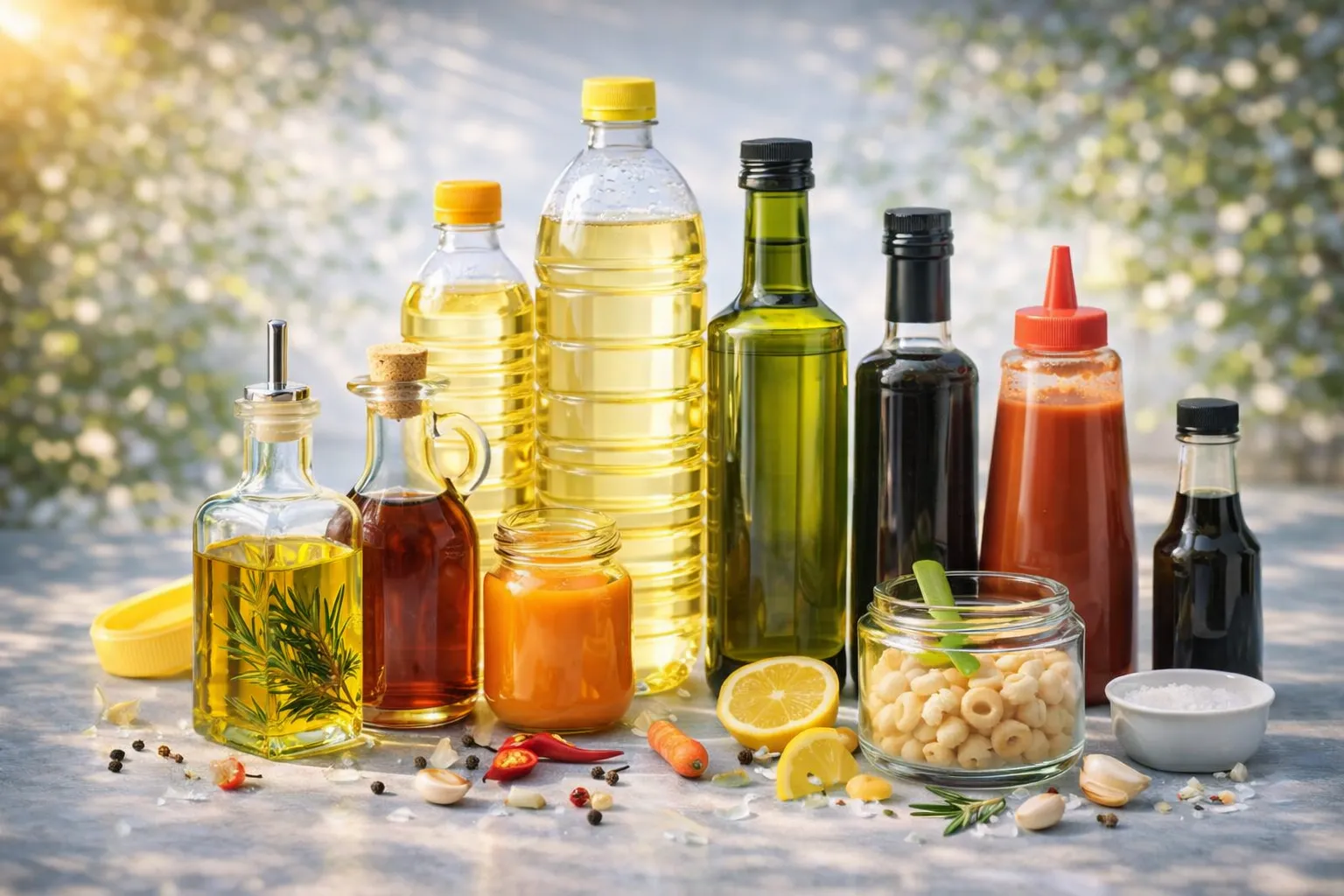
Kore ISBM hazır kahve ve çay şişe serisi; sıcak dolum tahıl ve arpa çayı için PP, premium berrak yeşil çay ve hojicha için HS-PET, Kore arpa limon çayı ve ana akım hazır kahve için soğuk dolum PET ve premium soğuk demleme ve özel Kore çayları için kristal PETG şişelerden oluşmaktadır ve marketlerin en iyi raflarında yer almaktadır.
| Kore Ürünü | Dolum Türü | Reçine | Hacim | Boyun | Öncelik Spesifikasyonu |
|---|---|---|---|---|---|
| Arpa çayı (보리차) | 85°C'de sıcak dolum | PP | 350–500 ml | 28–38 mm | Düşük maliyet; kabul edilebilir opaklık; kolay dökme için geniş ağızlı. |
| Mısır ipeği / tahıl çayı (혼합 곡물차) | Sıcak dolum 85–88°C | PP | 340–500 ml | 28–38 mm | Yüksek hacimli ürün; rPET zorunluluğu (PP muaf); etiket paneli düz |
| Birinci sınıf yeşil çay (녹차) | 85°C'de sıcak dolum | HS-PET | 350–500 ml | 38 mm | Kristal berraklık (soluk yeşil çay rengi görünür); bulanıklık ≤2%; ΔV ≤2% |
| Soğuk demlenmiş kahve | Soğuk dolum aseptik | Kristal PETG | 240–350 ml | 28 mm | Parlaklık ≥88 GU; üstün silüet; duvardan görülebilen koyu kahve rengi |
| Sütlü çay / kafe latte | Soğuk dolum aseptik | PET veya PETG | 280–350 ml | 28 mm | Kremsi ürün rengi görünür; süt bileşeni için O₂ bariyeri. |
| Geleneksel Kore çayı (홍차, 둥굴레차) | Sıcak dolum 85–88°C | HS-PET veya PP | 350–500 ml | 28–38 mm | Renk seçimi: açık çay rengi → HS-PET; opak/koyu renk → PP |
4. Kore Hazır İçecek Marka Manzarası ve Ambalaj Tedariki
Kore'de hazır içecek kahve ve çay ambalajı tedarikine, yıllık toplam PET şişe hacmi 1,5 milyar adede yaklaşan dört büyük marka grubu hakimdir. Kore'nin en büyük hazır içecek üreticisi olan ve Cantata hazır kahve (280 ml, 430 ml), Chilsung elma şarabı ve Lotte hazır çay serisinin sahibi Lotte Chilsung Beverage (롯데칠성음료), yıllık tedarikçi yeterlilik değerlendirmesi yapan 3 onaylı ISBM üreticisiyle kapalı bir tedarikçi sistemi aracılığıyla PET şişe satın almaktadır. Dongwon F&B, premium soğuk demleme kahve de dahil olmak üzere Dongwon hazır çay ve sağlıklı içecek portföyünün sahibidir; yıllık ihale yoluyla ve kalite ön yeterlilik değerlendirmesiyle satın alım yapmaktadır. Haitai Beverage, Kore'nin en büyük tahıl çayı markasıdır (Haitai arpa çayının Kore pazar payı 1 TP3T'dir); 650 ml PP sıcak dolum hattı ve 340 ml HS-PET yeşil çay hattı işletmektedir; çok yıllık tedarik anlaşmaları bulunmaktadır. CJ Freshway — Kore'deki marketlere yönelik B2B hazır kahve tedarikçisi; yüksek hacimli, düşük kar marjlı, sıkı fiyat rekabeti.
Koreli ISBM üreticileri için, hazır içecek çay ve kahve segmentine giriş için erişilebilir noktalar, Kore premium soğuk demleme ve özel çay segmentidir; burada Coupang ve Olive Young'da toplamda 80-250 milyon adet soğuk dolum PET talebini temsil eden 50-150 yeni Kore özel kahve ve çay markası bulunmaktadır ve bu segmente daha kısa yeterlilik süreçleriyle (büyük markaların yeterlilik süreçleri için 18-24 aya kıyasla 2-4 ay) ulaşılabilir. 350 ml, 4 gözlü Kore soğuk dolum PET hazır içecek çayı için kalıp yatırımı yaklaşık 35-55 milyon KRW'dir; bu, Kore kişisel bakım ISBM kalıp yatırımıyla karşılaştırılabilir ve yeni bir pazar segmenti oluşturan Koreli ISBM üreticileri için giriş seviyesi aralığındadır. Bu yatırımın, büyük marka fiyatlandırmasıyla Kore standart hazır içecek çayına kıyasla yatırım getirisi modellemesi şu şekildedir: Kore ISBM makinesi yatırım getirisi hesaplayıcısı.
5. Kore Hazır İçilebilir Çay ve Kahvelerinde Oksijen Duyarlılığı
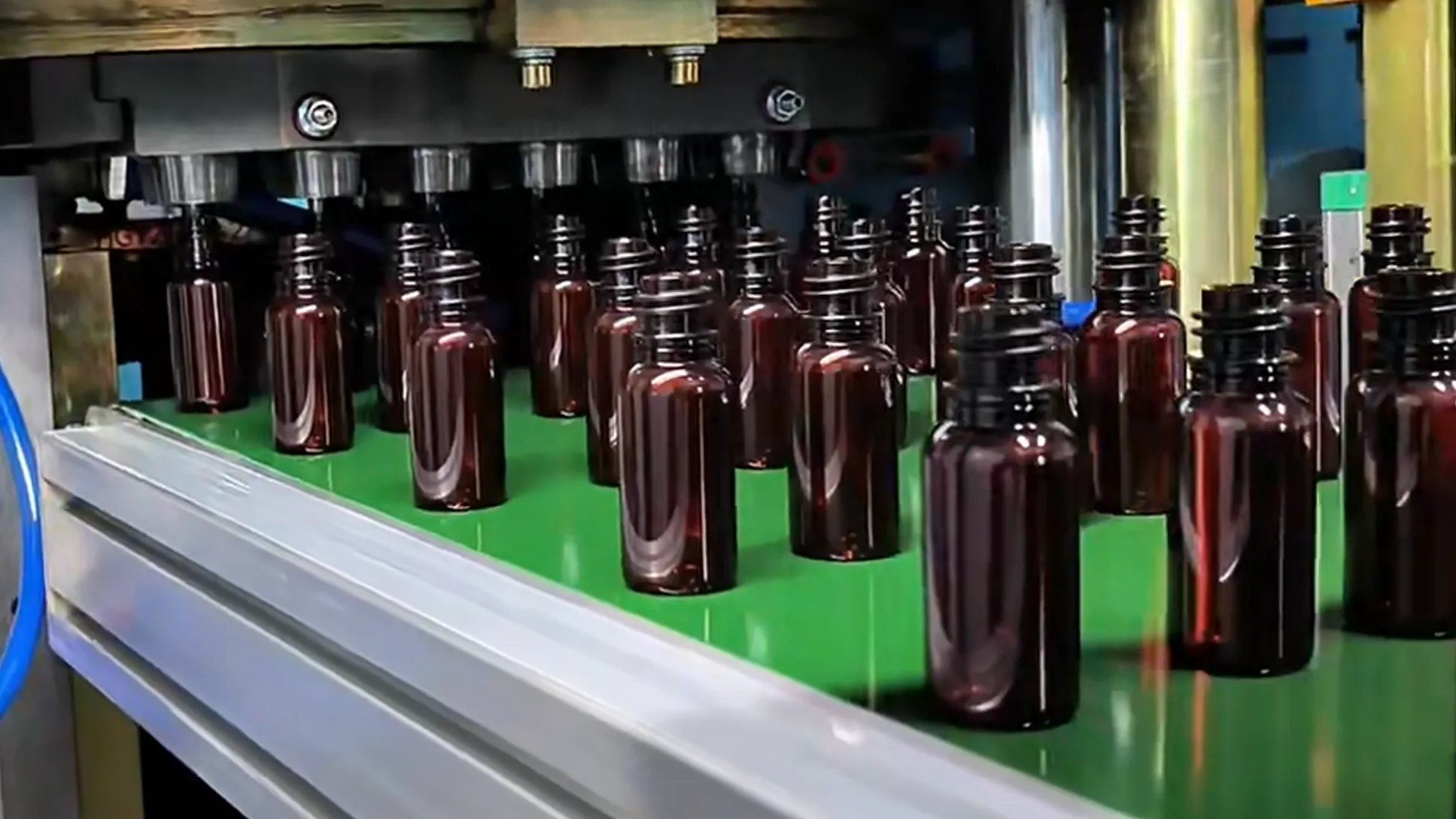
Kore'de oksijene en duyarlı iki hazır içecek kategorisi soğuk demlenmiş kahve ve yeşil çaydır. Soğuk demlenmiş kahve (Maillard esmerleşme ürünlerinden ve kahve yağlarından gelen katekol tipi fenolik bileşikler içerir) çözünmüş oksijen altında oksitlenerek Koreli kahve tüketicilerinin tanımaya alışkın olduğu tatsız, bayat bir koku üretir; Kore özel kahve kültürünün tazeliğe olan takıntısı, oksijen yönetimini kritik hale getirir. Standart soğuk dolum PET (28°C'de 350 ml için OTR 0,08–0,15 cc/gün), 90 günlük raf ömrü için sınırda yeterlidir; 120 günlük raf ömrünü hedefleyen Kore premium soğuk demlenmiş kahve markaları, PETG (OTR 0,04–0,08 cc/gün) veya oksijen emici PET belirtmelidir.
Kore yeşil çayındaki kateşinler (EGCG, ECG), çözünmüş oksijen altında kahverengi polimerlere oksitlenerek soluk yeşil-sarı çay rengini turuncu-kahverengiye doğru kaydırır; bu durum tüketiciler tarafından görülebilir ve ürünlerinin rengini tazelik sinyali olarak konumlandıran Kore yeşil çay markaları için ticari bir kalite başarısızlığıdır. Soğuk dolum PET şişelerdeki Kore yeşil çayı için, 6 aylık raf ömrü için duvar OTR'sinin ≤ 0,06 cc/gün olması gerekir; bu, PETG veya duvar kalınlığı ≥ 0,28 mm PET ile sağlanabilir. Sıcak dolum HS-PET Kore yeşil çayı, sıcak dolum işleminin kendisinden (85°C dolum sıcaklığı, sızdırmazlık işleminden önce üründen çözünmüş oksijeni uzaklaştırır) faydalanır; bu da şişenin üst kısmındaki oksijeni önemli ölçüde azaltır ve raf ömrünü, şişe duvar OTR'sinin tek başına önerdiğinden daha uzun süre uzatır. Kore RTD oksijene duyarlı uygulamaları için PETG ve PET arasında seçim yapmaya yönelik malzeme seçim çerçevesi şurada yer almaktadır: PET ve PETG reçine seçimi kılavuzu.
6. Kore Çayının Görsel Kimliği ve Şişe Tasarım Dili
Kore'de hazır içecek çay ambalajları, 2020'den beri kendine özgü bir görsel tasarım dili geliştirmiştir ve Koreli ISBM kalıp tasarımcılarının ticari olarak uygulanabilir şişe silüetleri oluşturmak için bu dili anlamaları gerekmektedir. Baskın Kore hazır içecek çay şişesi estetiği, aynı anda üç görsel kodu referans alır: geleneksel Kore seramik estetiği (ince incelme, dengeli oranlar, sessiz bir özgüven - şişe gövdesinin geometrisine uygulanır), Kore kırtasiye/yaşam tarzı premium estetiği (mat dokular, temiz, etiketsiz pencere alanları, kısıtlı renk paleti - kalıp boşluğundaki şişe yüzey dokusu aracılığıyla uygulanır) ve Kore sağlık bileşeni görsel ipucu (ürün içeriğinin saflığını ileten bir şişe gövdesi üzerine etiket sanatı olarak uygulanan botanik illüstrasyonlar).
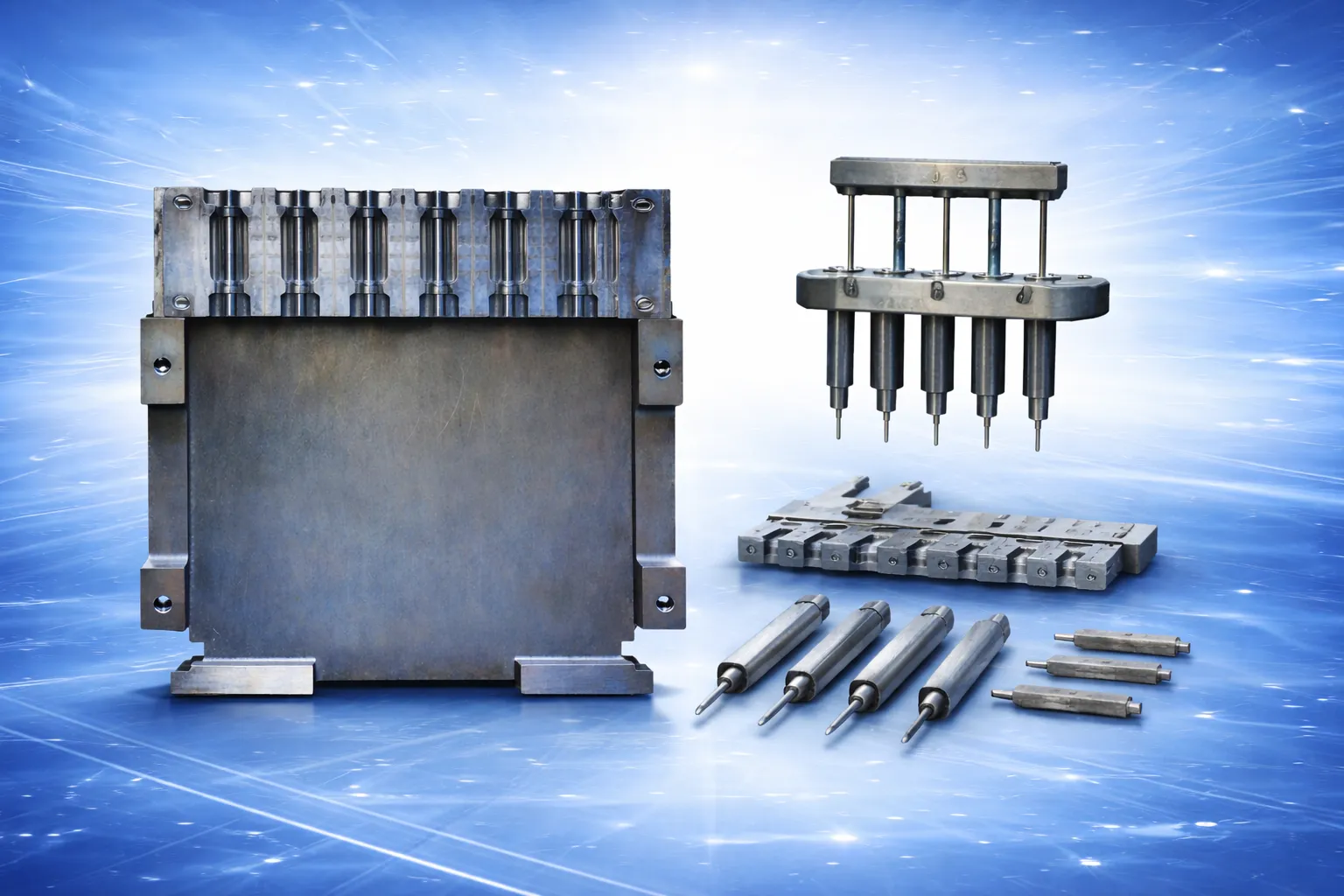
Kore'de hazır içecek çay şişeleri üreten ISBM (İç Mekan Kalıplama) tasarımcıları, yalnızca yapısal/mekanik kriterlere (yuvarlak kesit, dikdörtgen etiket paneli, standart oranlar) dayanarak, Kore'nin premium çay markalarının premium perakende konumlandırmaları için kabul etmeyeceği, sıradan şişeler üretmektedirler. Kore'nin premium hazır içecek çayları için kalıp tasarım şartnamesi, şişe estetiği spesifikasyonunu da içermelidir ve bu spesifikasyonla akıllıca etkileşim kurabilen (silüet varyasyonları, yüzey dokusu seçenekleri, vakum panelinin şişe estetiğine entegrasyonunu öneren) ISBM üreticisi, yalnızca teknik uyumluluk sunan rakiplerine karşı Kore'nin premium çay ISBM sözleşmesini kazanır. Tasarım şartnamesiyle etkileşimi ticari başarı faktörü olarak ele alan 9 faktörlü kalıp seçim çerçevesi şurada yer almaktadır: Kore ISBM kalıp seçimi kılavuzu.
7. Kore Soğuk Demleme Kahve ISBM: Premium Kanal ve PETG Premium
Kristal PETG ISBM şişelerde sunulan Kore soğuk demleme kahvesi, 2026 yılında en hızlı büyüyen ve en yüksek kar marjına sahip Kore hazır içecek kahve ambalaj formatı olacak. Piyasa bağlamı: Kore özel kahve kültürü (한국 스페셜티 커피), 2018'den bu yana 280'den fazla Kore özel kahve kavurma firması ortaya çıkardı ve bunların çoğu 2022-2025 yılları arasında Coupang'da ve Kore özel marketlerinde (현대 Hmall, CU cafe formatları) hazır içecek soğuk demleme kahve serileri piyasaya sürdü. Bu Kore özel soğuk demleme kahve markaları, 250 ml'lik şişe başına 3.500-7.500 KRW fiyatla satılıyor (hazır içecek kahve fiyatının 5-10 katı) ve tek kökenli Kore ve Etiyopya çekirdeklerinin üstün kalitesini görsel olarak iletmek için kristal PETG ambalaj kullanıyor.
Kore soğuk demleme PETG şişe özellikleri: bulanıklık ≤ 1,5%, parlaklık ≥ 88 GU (koyu kahverengi kahve renginin kristal PETG duvarına karşı kontrastı, birincil görsel üstünlük iddiasıdır - herhangi bir bulanıklık bu görseli önemli ölçüde bozar); 240–350 ml premium format; perakende rafından kahve rengini göstermek için ≥ 40 mm genişliğinde etiketsiz pencere alanı; şeffaf buzdolabı vitrinlerinde UV kaynaklı aroma bozulmasından endişe duyan markalar için kehribar tonlu PETG seçeneği (kahve polifenolleri 400 nm'nin üzerinde fotolabildir). Kore özel soğuk demleme PETG şişeleri için sözleşme fiyatı: 85–145 KRW/şişe - Kore RTD içecek ISBM'sinde birim başına en yüksek sözleşme fiyatı, Kore wellness shot ve K-Beauty PETG kozmetik sözleşme seviyeleriyle karşılaştırılabilir.
8. Kore Hazır Çay ve Kahve Sektöründe Makine Platformu ve Üretim Ekonomisi
Kore'de hazır içecek çay ve kahve için ISBM üretim platformu seçimi, ürün kademesi ve dolum yöntemine göre yapılır. 350–500 ml PP şişelerde Kore menşeli sıcak dolum tahıl çayı ve arpa çayı için: 4–6 gözlü PP dereceli kalıplama ekipmanına sahip HGY200-V4, günde 16 saat çalışarak yaklaşık 21–31 milyon adet/yıl üretim kapasitesine sahiptir; bu da Kore ulusal dağıtım markaları için şişe başına 32–42 KRW'lik sözleşme fiyatlandırmasına uygundur. 350 ml'lik Kore sıcak dolum HS-PET premium yeşil çayı için: Isıtmalı kalıp seçeneğine sahip HGY200-V4-EV, daha uzun HS-PET döngüsünde yaklaşık 15–18 milyon adet/yıl üretim kapasitesine sahiptir; bu da Kore'nin ikinci kademe çay markaları için şişe başına 52–68 KRW'lik fiyatlandırmaya uygundur. 280 ml'lik Kore soğuk dolum PETG soğuk demleme kahvesi için: 4-6 hazneli HGY150-V4-EV (en hassas Kore EV servo şartlandırma platformu), yılda 18-22 milyon adet üretim kapasitesine sahip olup, şişe başına 85-145 KRW fiyat aralığındaki Kore özel kahve markalarının toplu tedarikine uygundur ve Kore RTD ISBM segmentinde makine başına yıllık en yüksek geliri sağlar.
Sıkça Sorulan Sorular
Hazır Çay ve Kahve Ambalaj Desteği
Sıcak dolum HS-PET veya premium soğuk demleme PETG gerektiren Kore yapımı hazır çay veya kahve markası mı?
Koreli Ever-Power, Kore'deki hazır içecek çay ve kahve ISBM tedarik sözleşmeleri kapsamında yıllık 2 milyon ila 150 milyon adet arasında PP sıcak dolum, HS-PET kristalinite kalifikasyonu, PETG soğuk demleme berraklık spesifikasyonu, vakum paneli mühendisliği ve rPET dokümantasyon desteği sağlamaktadır.
İlgili Kaynaklar
RTD Çay Platformu
Kore Ever-Power HGY200-V4
Kore hazır içecek çayları için standart platform — PP sıcak dolum, HS-PET ısıtmalı kalıp seçeneği ve aynı makinede geçiş özelliğiyle soğuk dolum PETG soğuk demleme.
Makine Yelpazesi
4 İstasyonlu ISBM Menzili
Tam Kore yapımı Ever-Power 4 istasyonlu seri — 240 ml'lik premium soğuk demleme PETG için HGY150-V4-EV'den, büyük boy 500 ml'lik demlenmiş çay PP üretimi için HGY250-V4'e kadar.
RTD Çay Aletleri
Özel ISBM Kalıp Tasarımı
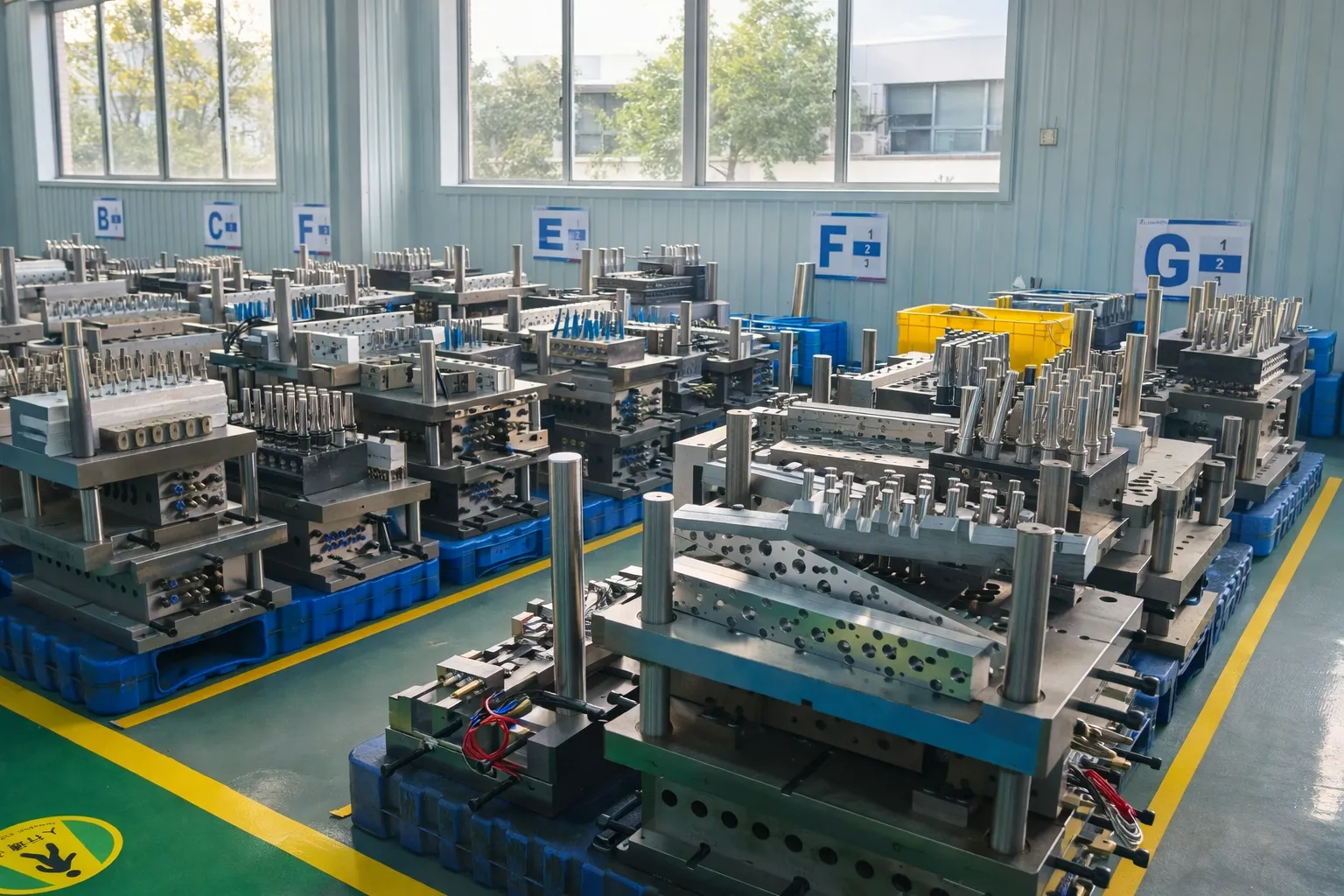
Kore RTD çay kalıpları — vakum paneli geometrisi mühendisliği, Kore çayının estetik silüet tasarımı, sıcak veya soğuk dolum özellikleri, ilk numune ΔV testi dahil.