KARAR ÇERÇEVESİ
ISBM Kalıp Seçim Kılavuzu: Koreli Alıcılar İçin 9 Faktörlü Çerçeve
12 gözlü bir ISBM kalıbı, 5-15 yıllık işletme ömrüyle 200-400 milyon KRW'lik bir sermayeyi temsil eder. Seçim hataları geri alınamaz. Bu çerçeve, Koreli satın alma yöneticilerine, göz sayısı, çelik kalitesi, sıcak yolluk mimarisi, soğutma tasarımı, boyun bitirme standartları ve Özel ile Standart arasındaki ekonomik farkları kapsayan dokuz karar faktörünü adım adım anlatmaktadır.
TL;DR — Kısa Özet
Kalıp seçimi, sırasıyla dokuz karar gerektirir: boşluk sayısı (2-12+), çelik kalitesi (S136/2316/NAK80), sıcak yolluk tipi (açık vs. vanalı yolluk), soğutma mimarisi (spiral vs. düz), boyun bitirme standardı (PCO 1810, 30/25, özel), boyun halkası işlemi (HRC 52-70), kapı tasarımı, fırlatma sistemi ve Özel vs. Standart tedarik. İsveç'ten gelen S136 paslanmaz çelik, 3-5 milyon atış ömrü sunarken; uygun fiyatlı çelik genellikle 800.000-1.500.000 atış ömrü sunar. ASB-12M veya AOKI 250 kurulu tabanlarına sahip Koreli üreticiler, mevcut envanteri koruyan uyumlu kalıp tedarikinden faydalanır. Özel kalıplar 30-60 milyon KRW ek maliyet getirir ancak benzersiz tasarımlar için yeniden takım ihtiyacını ortadan kaldırır. 12 boşluklu ASB-12M formatı için toplam kalıp yatırımı 280-400 milyon KRW arasında değişmektedir.
Bu Çerçevede
1. Kalıp Yatırımının Temelleri
ISBM kalıbı, makinenin kendisinden sonra şişe üretiminin en büyük ikinci sermaye bileşenidir ve tipik olarak toplam hat yatırımının 20-301 milyon KRW'sini temsil eder. Premium K-beauty uygulamaları için 12 gözlü bir kalıbın maliyeti 280-400 milyon KRW olabilir; daha uygun fiyatlı Çin menşeli 12 gözlü muadilleri ise 100-180 milyon KRW aralığındadır. 2-3 katlık fiyat farkı, çelik kalitesi, sıcak yolluk kalitesi, işleme hassasiyeti ve beklenen kullanım ömründeki temel farklılıkları yansıtır.
Üç ekonomik gerçek, kalıp seçimini özellikle önemli kılıyor. Birincisi, kalıp yatırımı esasen kalıcıdır: 12 gözlü bir kalıp satın alındıktan sonra, farklı göz sayısı veya tasarıma geçmek, kalıbın tamamen değiştirilmesini gerektirir. İkincisi, kalıp kusurları zamanla artar: 0,3% ek hurda oranı üreten kötü tasarlanmış bir soğutma kanalı, 5 yıllık kalıp ömrü boyunca milyonlarca şişenin atılması anlamına gelir. Üçüncüsü, kalıp ömrü kalite seviyesine göre önemli ölçüde değişir: birinci sınıf S136 paslanmaz çelik kalıplar düzenli olarak 3-5 milyon atış sağlarken, bütçe dostu kalıplar 800.000-1,5 milyon atışta arızalanır ve daha düşük başlangıç maliyetine rağmen şişe başına maliyette 3-4 kat dezavantaj yaratır.
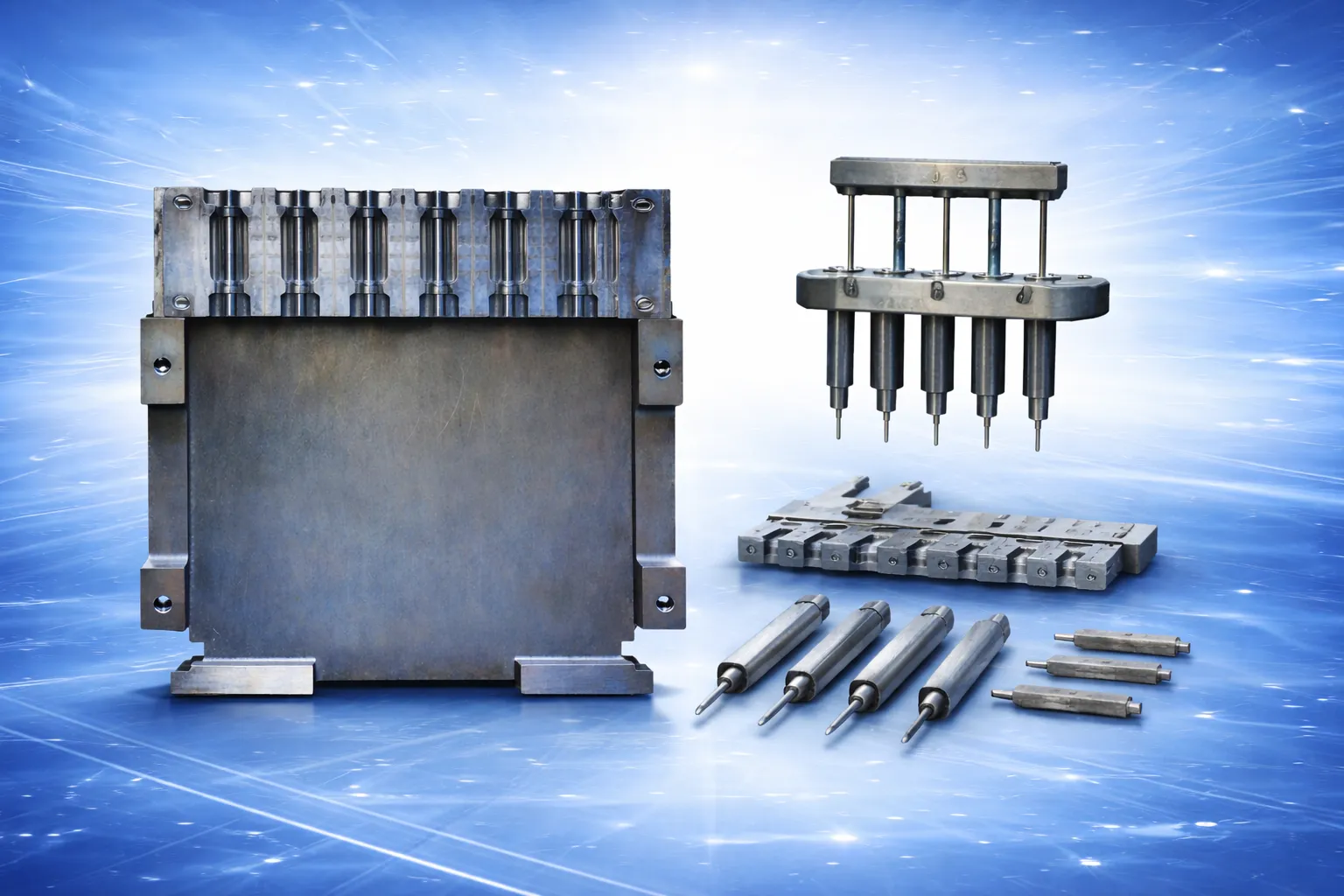
Koreli ISBM üreticileri, 20 yılı aşkın süredir Japon standardizasyonunun şekillendirdiği benzersiz bir kalıp ekosisteminde faaliyet göstermektedir. Nissei'nin ASB-12M formatı ve AOKI'nin AOKI 250 formatı, Kore şişe üretiminde fiili standartlar haline gelmiş olup, on milyarlarca KRW değerinde kurulu kalıp stoğuna sahiptir. Yeni kalıp alımlarında bu kurulu tabanla uyumluluk dikkate alınmalıdır; uyumsuz formatların seçilmesi, üretim esnekliğini sınırlayan kalıp izolasyonuna yol açar.
2. 9 Faktörlü Karar Genel Bakışı
Kalıp seçimi, her biri bir sonrakini kısıtlayan dokuz ardışık kararı içerir. Bunları sırayla uygulamak, tedarikçi teklifi için hazır eksiksiz bir şartname oluşturur.
| Karar Faktörü | Tipik Kore Seçimi | Maliyet Etkisi |
|---|---|---|
| 1. Çürük sayısı | 2-12 (tipik) | Doğrusal ölçeklendirme |
| 2. Çelik kalitesi | S136 (Kore premium) | +30-50% premium |
| 3. Sıcak yolluk tipi | Vana kapısı (premium) | +15-25% açık |
| 4. Soğutma tasarımı | Be-Cu ek parçalı spiral | +10-15% düz üzerinden |
| 5. Sap kaplama standardı | PCO 1810 / 30/25 / özel | Özel +20-40 milyon KRW |
| 6. Boyun halkası tedavisi | HRC 52 standart, 70 premium | +8-15 milyon KRW HRC 70 için |
| 7. Kapı tasarımı | Kristalleşme bölgesi bulunan sıcak uç | Standart olarak dahildir. |
| 8. Fırlatma sistemi | Sıyırma plakası + kaldırıcı | Standart olarak dahildir. |
| 9. Özel Üretim mi Standart Üretim mi? | ASB-12M / AOKI 250 Standardı | Özel +30-60 milyon KRW |
3. Çelik Kalitesi Seçimi: S136 ve Alternatifleri
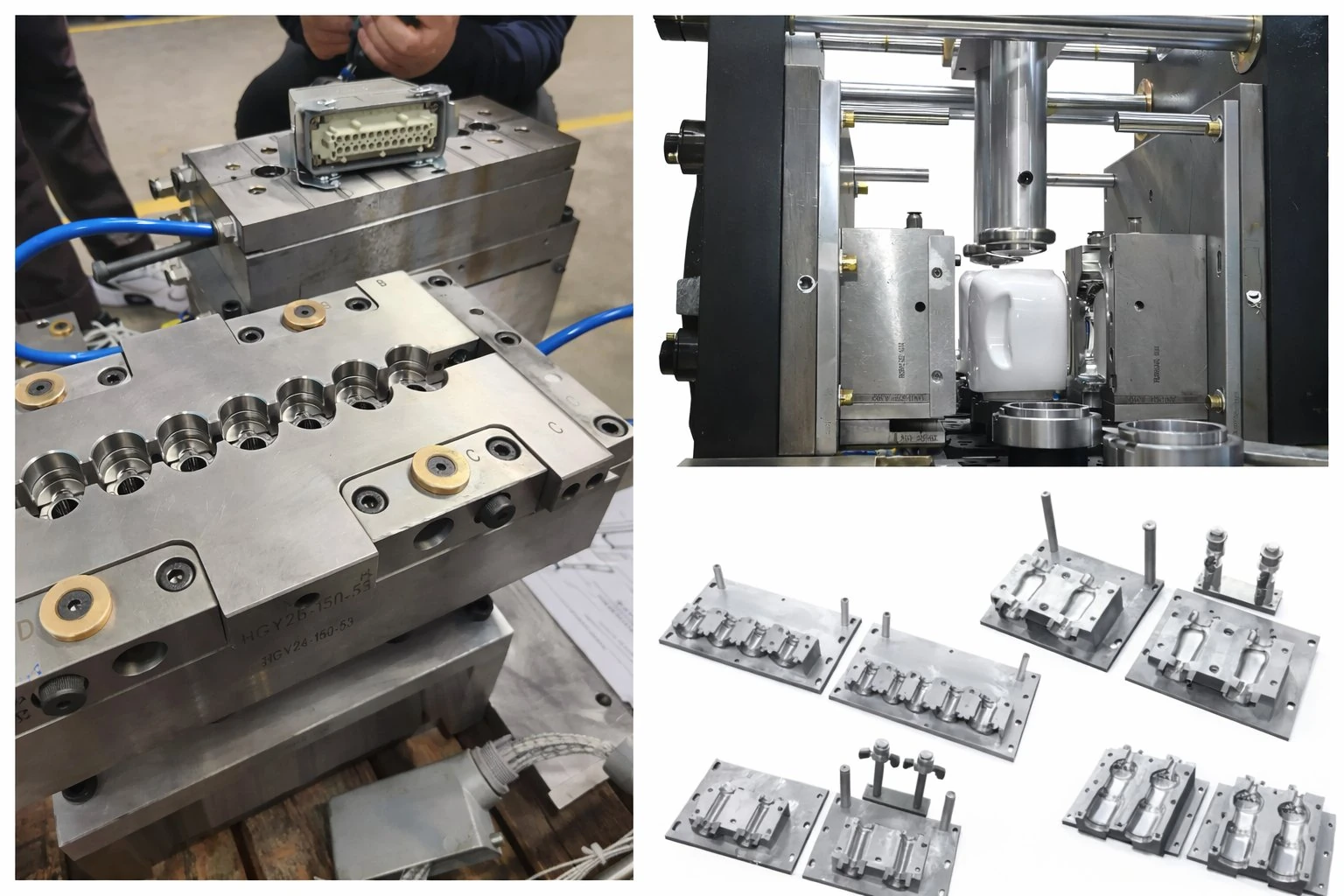
Çelik kalitesi, kalıp özelliklerinde en önemli faktördür. Kritik bileşenler (çekirdek, boşluk, boyun halkası), milyonlarca enjeksiyon döngüsü boyunca boyutsal kararlılığını koruyan, aşınmaya, korozyona ve termal yorgunluğa dayanıklı çelik gerektirir. Kore'deki ISBM kalıp üretiminde, her biri farklı performans ve maliyet özelliklerine sahip beş çelik kalitesi baskın konumdadır.
| Çelik Kalitesi | Sertlik | Yaşam süresi (aşı) | En İyisi İçin |
|---|---|---|---|
| S136 (İsveç) | HRC 52-54 | 3-5 milyon | Premium K-beauty, ilaç |
| 2316 (Almanya) | HRC 44-46 | 2-3 milyon | İçecek ürünü |
| NAK80 (Japonya) | HRC 38-42 | 1,5-2,5 milyon | Orta seviye uygulamalar |
| H13 (ABD) | HRC 48-52 | 2,5-3,5 milyon | Sıcak dolum, ısı ile sabitleme |
| 35CrMo (Çin yerel üretimi) | HRC 30-34 | 800 bin - 1,5 milyon | kısa vadeli bütçe |
Kore'de premium K-beauty, ilaç ve ihracat pazarlarına hizmet veren üreticiler için S136 paslanmaz çelik uygun bir seçimdir. 30-50% çeliğinin maliyet farkı, 3-5 milyon atışlık kullanım ömrü boyunca olumlu bir şekilde amorti edilir ve daha yüksek başlangıç maliyetine rağmen, bütçe dostu alternatiflere göre daha düşük şişe başına maliyet sağlar. Korozyon direnci ayrıca, yüzey bozulması olmadan kozmetik uygulamalar için PETG işlenmesine olanak tanır.
Boyun halkası işlemi, boşluk çeliğinden ayrı olarak ele alınmayı hak etmektedir. Standart S136 boyun halkaları, 3-5 milyon atış ömrüyle birlikte 52-54 HRC sertlik sunar. Üstün aşınmaya dayanıklı kaplama (tipik olarak krom nitrür PVD veya DLC), boyun halkasının sertliğini 70 HRC'ye ve ömrünü 30 milyondan fazla atışa kadar uzatır. 8-15 milyon KRW'lik fiyat farkı, boyun halkası değiştirme sıklığının operasyonel aksamalara yol açacağı yıllık 5 milyonu aşan yüksek hacimli operasyonlar için ekonomik olarak haklıdır.
4. Sıcak Yolluk Sistemi Seçimi
Sıcak yolluk sistemi, erimiş PET'i enjeksiyon ünitesinden ayrı ayrı boşluklara dağıtır. Çok boşluklu kalıplar için, sıcak yolluk mimarisi, boşluklar arası ağırlık tutarlılığını, çevrim süresi kararlılığını ve renk değiştirme kabiliyetini belirler. İki sıcak yolluk mimarisi, önemli performans farklılıklarıyla ISBM kalıp üretiminde baskın konumdadır.
| Sıcak Yolluk Tipi | Kavite Tutarlılığı | En İyi Uygulama |
|---|---|---|
| Açık hava ipucu (maliyet optimizasyonlu) | ±0,5-0,8% ağırlık varyansı | Dört bölmeli içeceklik |
| Vana kapısı (premium) | ±0,2-0,3% ağırlık varyansı | Premium 8-12 bölmeli |
Valfli kapılı sıcak yolluklarda, her bir kalıp kapısında mekanik iğne valfleri kullanılır ve enjeksiyondan sonra kesin kapanma sağlanır. Bu mimari, üstün ağırlık tutarlılığı sağlar, kapı kalıntısını (açık sıcak uçların bıraktığı küçük iz) ortadan kaldırır ve daha hızlı renk değişimine olanak tanır. 15-25%'nin açık sıcak uçlara göre maliyet farkı, çoklu SKU işlemlerinde hurda oranının azalması ve daha hızlı geçiş süresi sayesinde amorti edilir.
Sıcak yolluk markası seçimi, uzun vadeli güvenilirliği önemli ölçüde etkiler. Premium global markalar (Kore'den YUDO, Kanada'dan HUSKY, Almanya'dan INCOE, Kanada'dan Mould-masters) global servis desteğiyle 3-5 milyon+ atışlık güvenilirlik sunar. Uygun fiyatlı Çin menşeli sıcak yolluk markaları ise genellikle bileşen değişimi gerektirmeden önce 800.000-1.5 milyon atışlık güvenilirlik sağlar. Koreli üreticiler için YUDO, premium kalite ve Kore yerel servis desteğinin en uygun kombinasyonunu sunar.
5. Soğutma Kanalı Tasarımı
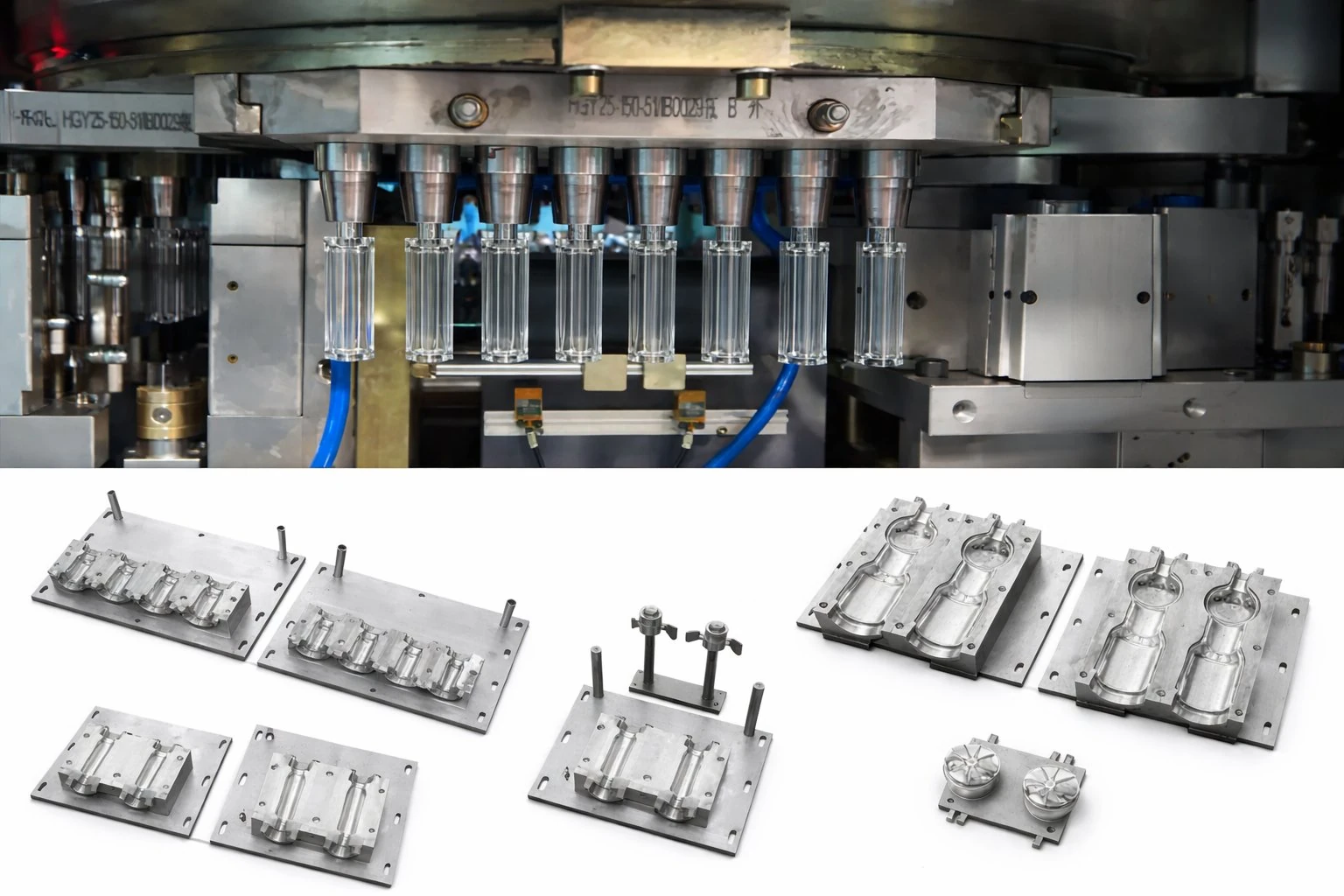
Soğutma kanalı tasarımı, enjeksiyondan sonra erimiş PET'ten ısının ne kadar hızlı çekileceğini belirler. Daha hızlı ve daha homojen soğutma, daha kısa çevrim süreleri ve daha sıkı boyutsal tutarlılık sağlar. Tasarım alanında üç farklı soğutma mimarisi mevcuttur.
| Soğutma Mimarisi | Döngü Süresi Etkisi | Maliyet Primi |
|---|---|---|
| Düz delikli kanallar | Temel | Standart |
| Spiral soğutma kanalları | 8-12% daha hızlı | +10-15% |
| Spiral + berilyum-bakır ekler | 15-20% daha hızlı | +18-25% |
Kritik ısı çekme bölgelerinde (tipik olarak şişe tabanı ve omuz kısmı) kullanılan berilyum-bakır insertler, çeliğe göre 4-5 kat daha yüksek termal iletkenlik sağlar. Bu, ana kalıp S136 paslanmaz çelikten üretildiği için kalıp dayanıklılığından ödün vermeden daha hızlı soğutma sağlar. 18-25% maliyet farkı, yüksek hacimli uygulamalarda çevrim süresindeki iyileşme sayesinde genellikle 12-18 ay içinde kendini amorti eder.
Soğutma suyu sıcaklık kontrolü, kanal tasarımı kadar önemlidir. Koreli üreticiler genellikle boşluk soğutma suyunu 8-12°C'de ve çekirdek soğutma suyunu 12-18°C'de çalıştırır ve bu da özel bir soğutucu kapasitesi gerektirir. Boşluk ve çekirdek arasında diferansiyel soğutma (boşluk çekirdekten daha soğuk) tutarlı duvar kalınlığı dağılımı sağlar; ters diferansiyel soğutma ise taban duvarında varyasyona neden olur. Soğutmayla ilgili arızalar için ayrıntılı parametre yönetimi için, 15 ISBM arıza giderme kılavuzuna bakın.
6. Sap Kaplama Standartları ve Uyumluluğu
Şişe boyun kısmının (kapak girişini sağlayan dişli kısım) kapak tedarikçisinin spesifikasyonlarıyla tam olarak eşleşmesi gerekir. Uyumsuz boyun kısımları sızdırmazlık sorununa, sızıntıya ve müşteri reddine neden olur. Kore şişe üretiminde beş farklı boyun kısmı standardı hakimdir.
| Boyun Standardı | Çap | Ortak Başvuru |
|---|---|---|
| PCO 1810 | 28 mm | Gazlı içecek |
| PCO 1881 | 28 mm (hafif) | Su, meyve suyu |
| 30/25 | 30 mm | Maden suyu |
| 38 mm taç | 38 mm | Büyük boy içecekler, spor içecekleri |
| Özel (kozmetik) | Değişken | K-güzellik, ilaç |
Nissei veya AOKI kalıp filolarına sahip Koreli üreticiler için, kalıp formatı uyumluluğu, boyun bitişinin ötesine geçerek tüm kalıp arayüzü spesifikasyonunu kapsar. ASB-12M formatı (Nissei) ve AOKI 250 formatı (AOKI), boyun tutucu geometrisini, sıkıştırma kuvveti aralığını, soğutma devresi bağlantılarını ve boşluk bloğu montajını tanımlar. Bu kurulu tabanlar için yeni kalıp alımları, dört spesifikasyonun tümüne tam olarak uymalıdır.
Ever-Power dahil olmak üzere Koreli kalıp tedarikçileri, doğrulanmış uyumluluğa sahip ASB-12M formatı için özel üretim yapmaktadır. 150 ml ASB-12M 1×12 bölmeli düzenek Bu mühendislik yaklaşımına örnek olarak, Nissei ASB-12M makinelerine hiçbir değişiklik yapılmadan doğrudan takılabilen, kurulu sistem uyumluluğunu koruyan ve Kore hassas üretim ekonomisini sunan komple kalıp düzeneği gösterilebilir.
7. Özel Kalıp mı, Standart Kalıp mı Kararı
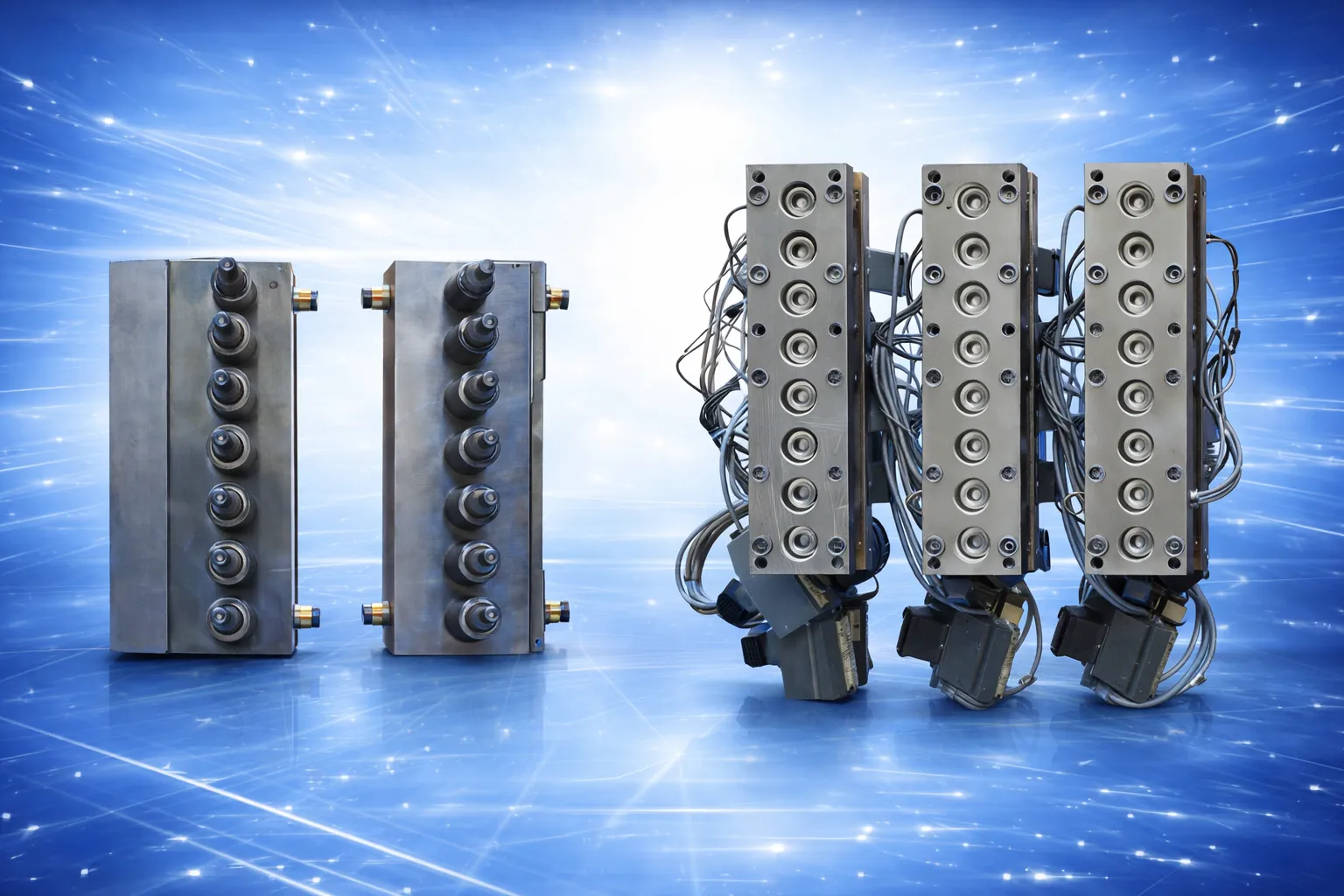
Özel kalıp mı yoksa standart kalıp mı tercih edileceği, nihai ve genellikle en stratejik kalıp seçimidir. Standart kalıplar, öngörülebilir teslim süreleri ve kanıtlanmış uyumluluk ile yerleşik formatlara (ASB-12M, AOKI 250) uyar. Özel kalıplar ise, Kore güzellik ürünlerini rekabetçi gümrüksüz ve premium segmentlerde farklılaştıran benzersiz şişe geometrilerine olanak tanır.
| Karar Faktörü | Standart Kalıp | Özel Kalıp |
|---|---|---|
| Kurşun zamanı | 6-10 hafta | 12-18 hafta |
| Maliyet primi | Temel | +30-60 milyon KRW |
| Marka farklılaştırması | Sınırlı | Yüksek |
| Ömrünün sonunda yeniden satış değeri | orijinal 15-25% | orijinal 5-10% |
| En iyi uygulama | Ticari içecek | Premium K-beauty, ilaç |
Koreli K-beauty markaları için, şişe estetiği farklılaştırmasıyla rekabet ederken, özel kalıp yatırımı genellikle yüksek fiyatlandırma yeteneğiyle haklı çıkarılır. Benzersiz bir şişe tasarımı, emsal ürünlere göre 15-25% daha yüksek fiyatlandırma sağlayarak, 30-60 milyon KRW'lik özel kalıp primini üretimden sonra 6-12 ay içinde geri kazandırır. Şişe farklılaştırmasının minimum fiyat primi sağladığı standart içecek uygulamalarında ise, standart kalıp formatları üstün yatırım getirisi sunar.
Özel tek aşamalı ISBM kalıpları, uzmanlaşmış mühendislik gerektiren belirli bir kategoriyi temsil eder. Standart ön şekillendirme kalıplarının aksine, tek aşamalı özel kalıplar, ön şekillendirme ve şişe üflemeyi tek bir entegre alette birleştirerek, iki aşamalı işlemlerin üretemediği benzersiz şişe geometrilerine olanak tanır. Tek aşamalı kalıp konusunda uzmanlığı olan Koreli mühendislik ekipleri sınırlıdır; belgelenmiş tek aşamalı deneyime sahip bir tedarikçi seçmek, proje başarısı için kritik öneme sahiptir.
8. Kore Kalıp Ömrü Kriterleri
Kalıp ömrü, üretim yaşam döngüsü boyunca şişe başına maliyet ekonomisini belirler. Uygun bakım ile birinci sınıf S136 kalıpları kullanan Koreli üreticiler, rutin olarak 4-5 milyon atışlık kullanım ömrüne ulaşarak, bütçe dostu alternatiflere kıyasla uygun şişe başına maliyet ekonomisi elde etmektedir.
| Kalıp Kalite Seviyesi | Maliyet (12 boşluklu) | Ömür | 1 milyon şişe başına maliyet |
|---|---|---|---|
| Premium S136 Kore | 320 milyon KRW | 4-5 milyon atış | ~5,3-6,7 milyon KRW |
| Orta sınıf Koreli | 220 milyon KRW | 2,5-3 milyon atış | ~6,1-7,3 milyon KRW |
| Premium Çin | 180 milyon KRW | 2-2,5 milyon atış | ~6.0-7.5M KRW |
| Bütçe Çin | 120 milyon KRW | 800 bin ila 1,5 milyon çekim | ~8.0-15.0M KRW |
Şişe başına maliyet karşılaştırması, yüksek kaliteli kalıpların, başlangıç maliyetinin 2-3 kat daha yüksek olmasına rağmen, genellikle daha düşük yaşam döngüsü maliyeti sunduğunu ortaya koymaktadır. Çin menşeli düşük kaliteli kalıplar, sık sık parça değişimi, aşınma ilerledikçe hurda oranındaki artış ve bakım için üretimde yaşanan duraksamalar nedeniyle gizli maliyetler içermektedir. Yüksek hacimli sürekli üretim yapan Koreli üreticiler için, yüksek kaliteli S136 kalıplar, düşük kaliteli alternatiflere kıyasla şişe başına yaşam döngüsü maliyetini genellikle 25-501.300 kat azaltmaktadır.
Kalıp bakım uygulamaları, gerçekleşen kullanım ömrünü önemli ölçüde etkiler. En yüksek kullanım ömrüne (5 milyon atıştan fazla) ulaşan Koreli üreticiler genellikle soğutma kanallarının üç ayda bir, boyun halkasının yıllık yüzey yenilemesinin ve sıcak yolluk nozullarının iki yılda bir kontrolünü uygularlar. Reaktif bakım programlarına sahip üreticiler ise, uygun önleyici bakımla önlenebilecek birikmiş aşınma ve hasar nedeniyle teorik kalıp kullanım ömrünün genellikle 60-70%'sini gerçekleştirirler.
9. Sıkça Sorulan Sorular
S: Satın almadan önce kalıp uyumluluğunu nasıl doğrulayabilirim?
Tedarikçiden dört kritik arayüz spesifikasyonunu içeren eksiksiz kalıp çizimlerini isteyin: boyun tutucu geometrisi (tolerans ile), sıkıştırma kuvveti aralığı, soğutma devresi port konumları ve boşluk bloğu montaj geometrisi. Mevcut makine özelliklerinizle tam olarak karşılaştırın. ASB-12M ve AOKI 250 uyumlu tedarikçiler için, uyumluluk iddialarının üretimde doğrulanmasını sağlamak amacıyla referans müşteri listesini isteyin. Satın alma öncesi teknik değerlendirme genellikle 2-3 hafta sürer ve en pahalı kalıp tedarik hatalarını önler.
S: Kalıpları makine üreticisinden mi yoksa bağımsız kalıp tedarikçisinden mi temin etmeliyim?
Her iki seçenek de farklı avantaj ve dezavantajlarla uygulanabilir. Makine üreticisi kalıpları (Nissei, AOKI) 15-30% marka primine sahip olmakla birlikte, garantili uyumluluk ve garanti entegrasyonu sunmaktadır. Bağımsız Koreli kalıp tedarikçileri, büyük formatlar için mühendislik tarafından doğrulanmış uyumlulukla 20-35% maliyet avantajı sunmaktadır (ASB-12M, AOKI 250). Standart dışı özel tasarımlar için, uzman kalıp mühendisleri genellikle makine üreticisi kalıp bölümlerine kıyasla daha üstün sonuçlar sunmaktadır. Koreli üreticiler giderek daha fazla farklı kaynaklardan yararlanmaktadır: basitlik için makine OEM'lerinden standart kalıplar ve uzman Koreli kalıp mühendislerinden özel tasarımlar.
S: Kalıp devreye alma işlemi genellikle ne kadar sürer?
İlk prototipin kalifikasyonu, tüm çalışma aralığında parametre optimizasyonu için genellikle 2-4 hafta gerektirir. Bu süre zarfında, parametreler yakınsadıkça hurda oranı kararlı durumun 3-5 katı seyreder. İlk üretim (5-12. haftalar), operatörler belirli kalıp özelliklerine hakim olana kadar genellikle hedef verimin 70-851 TP3T'si seviyesinde gerçekleşir. Tam kararlı durum üretimi, kalıp teslimatından itibaren genellikle 4-6 ay içinde elde edilir. Bu devreye alma artışını karşılayacak şekilde yatırım getirisi (ROI) projeksiyonlarını planlayın.
S: Kalıplar için ne tür yedek parça stoğu bulundurmalıyım?
Önerilen stok, komple boyun halkası seti (aktif kalıp başına 1 yedek), sıcak yolluk nozül uçları (12 boşluklu kalıp için 4-8 yedek), yüksek aşınma bölgeleri için boşluk ek parçaları ve komple ejeksiyon sistemi yedek parçalarını içerir. Toplam yedek parça stoğu, tipik olarak orijinal kalıp maliyetinin 15-25%'sini temsil eder. Koreli tedarikçiler, Kore içinde 2-3 gün teslimat süresiyle standartlaştırılmış ASB-12M ve AOKI 250 uyumlu yedek parçaları stoklarında bulundurmaktadır. Özel kalıp yedek parçaları genellikle 4-8 haftalık teslim süresi gerektirir ve önceden sipariş edilmelidir.
S: rPET içeriği küfün ömrünü kısaltabilir mi?
Tipik Kore karışım oranlarında mütevazı bir etki. Uygun malzeme hazırlığı ile 30%'ye kadar rPET içeriği, minimum kullanım ömrü azalmasına neden olur (100% saf baz değerine kıyasla 5-10%). Daha yüksek rPET içeriği (50%+), artan kirlenme ve kritik bileşenleri zorlayan termal değişkenlik nedeniyle kalıp kullanım ömrünü 15-25% azaltabilir. 30%+ rPET hedefleriyle K-EPR uyumluluğu planlayan üreticiler için, kullanım ömrü ekonomisini korumak için S136 paslanmaz çelik konstrüksiyon ve birinci sınıf sıcak yolluk sistemleri özellikle önemlidir.
10. Sonuç
ISBM kalıp seçimi, her seçimin bir sonrakini kısıtladığı ve hataların esasen kalıcı olduğu dokuz aşamalı bir süreçtir. Yukarıdaki çerçeve, tedarikçi teklifi için hazır eksiksiz özellikler üretir: üretim hacmine göre boşluk sayısı, üst düzey uygulamalar için S136 çelik kalitesi, 8-12 boşluklu formatlar için vana tipi sıcak yolluk, hızlı çevrim için berilyum-bakır insertli spiral soğutma, kapak tedarikçisine uygun boyun kaplaması, hacme uygun boyun halkası işlemi, kurulu tabanlar için ASB-12M veya AOKI 250 uyumluluğu ve farklılaşma stratejisine bağlı olarak Özel veya Standart seçenekleri.
Koreli üreticiler için en önemli kararlar genellikle çelik kalitesi (premium S136, daha yüksek başlangıç maliyetine rağmen şişe başına maliyet açısından avantajlıdır) ve özel kalıp mı yoksa standart kalıp mı kullanılacağıdır (özel kalıp yatırımı, Kore güzellik ürünleri farklılaştırması için 6-12 ay içinde geri kazanılırken, standart kalıplar standart uygulamaları tercih eder). Ucuz kalıp kullanma cazibesi, genellikle daha kısa kullanım ömrü ve artan hurda oranı nedeniyle şişe başına maliyet açısından daha kötü sonuçlar doğurur.
Belgelenmiş ISBM kalıp uzmanlığına sahip Koreli mühendislik ekipleri küresel olarak sınırlıdır. Ever-Power, ASB-12M format uyumluluğu, AOKI 250 format uyumluluğu ve özel tek aşamalı ISBM tasarımları için özel kalıp mühendisliği hizmeti sunmaktadır. Entegre makine ve kalıp çözümleri arayan üreticiler için, tek tedarikçiden tedarik, uzun vadeli kalıp ekonomisinin gerektirdiği mühendislik hassasiyetini korurken koordinasyonu ve garanti yönetimini basitleştirir.
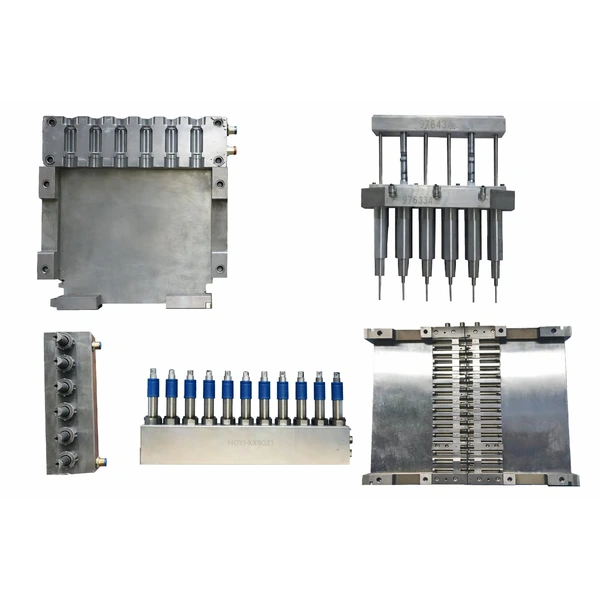
ISBM kalıbınızı belirlemeye hazır mısınız?
Şişe çiziminizi veya örneğinizi, hedef yıllık üretim hacminizi, makine modelinizi (varsa) ve özelleştirme gereksinimlerinizi paylaşın. Koreli kalıp mühendisliği ekibimiz, çelik kalitesi önerisi, kalıp boşluğu sayısı, sıcak yolluk tasarımı ve toplam maliyet analizini içeren eksiksiz spesifikasyonu 5 iş günü içinde size iletecektir.
Editör: Cxm