
Technische diepgaande analyse · Energietechniek · Koreaanse ISBM 2026
Energiebesparing van ISBM-machines:
EV-servo versus hydraulische cilinder: Koreaanse handleiding
De energiekosten voor de Koreaanse ISBM-productie zijn na de hars de grootste beheersbare productiekosten – en het is een variabele kostenpost die Koreaanse producenten het meest systematisch onderschatten. Bij Koreaanse industriële elektriciteitstarieven van 112–168 KRW/kWh (piektarief 2026) betaalt een Koreaanse ISBM-lijn met hydraulische technologie en een productiecapaciteit van 20 miljoen eenheden per jaar 35–55 miljoen KRW meer aan elektriciteit dan een vergelijkbare EV-servolijn – nog vóór aftrek van KETS-koolstofkredieten en vóór aftrek van vermeden kwaliteitsfouten. Deze gids kwantificeert het energievoordeel van EV-servolijnen aan de hand van Koreaanse productiecijfers.
Koreaanse K-ETS-koolstofkredieten
Terugverdienperiode van de EV Servo ROI
Vergelijking van de jaarlijkse energiekosten van ISBM in Korea — 20 miljoen eenheden/jaar, 500ml PET
Hydraulische ISBM
4,2 kWh
per 1.000 flessen
KRW 117 miljoen/jaar
tegen een gemiddelde prijs van KRW 140/kWh
EV Servo ISBM
2,6 kWh
per 1.000 flessen
KRW 73 miljoen/jaar
tegen een gemiddelde prijs van KRW 140/kWh
Jaarlijkse besparing
KRW 44M
elektriciteit alleen
+ K-ETS-credits
extra KRW 4–8M/jaar
1. Het Koreaanse ISBM-energiekostenprobleem
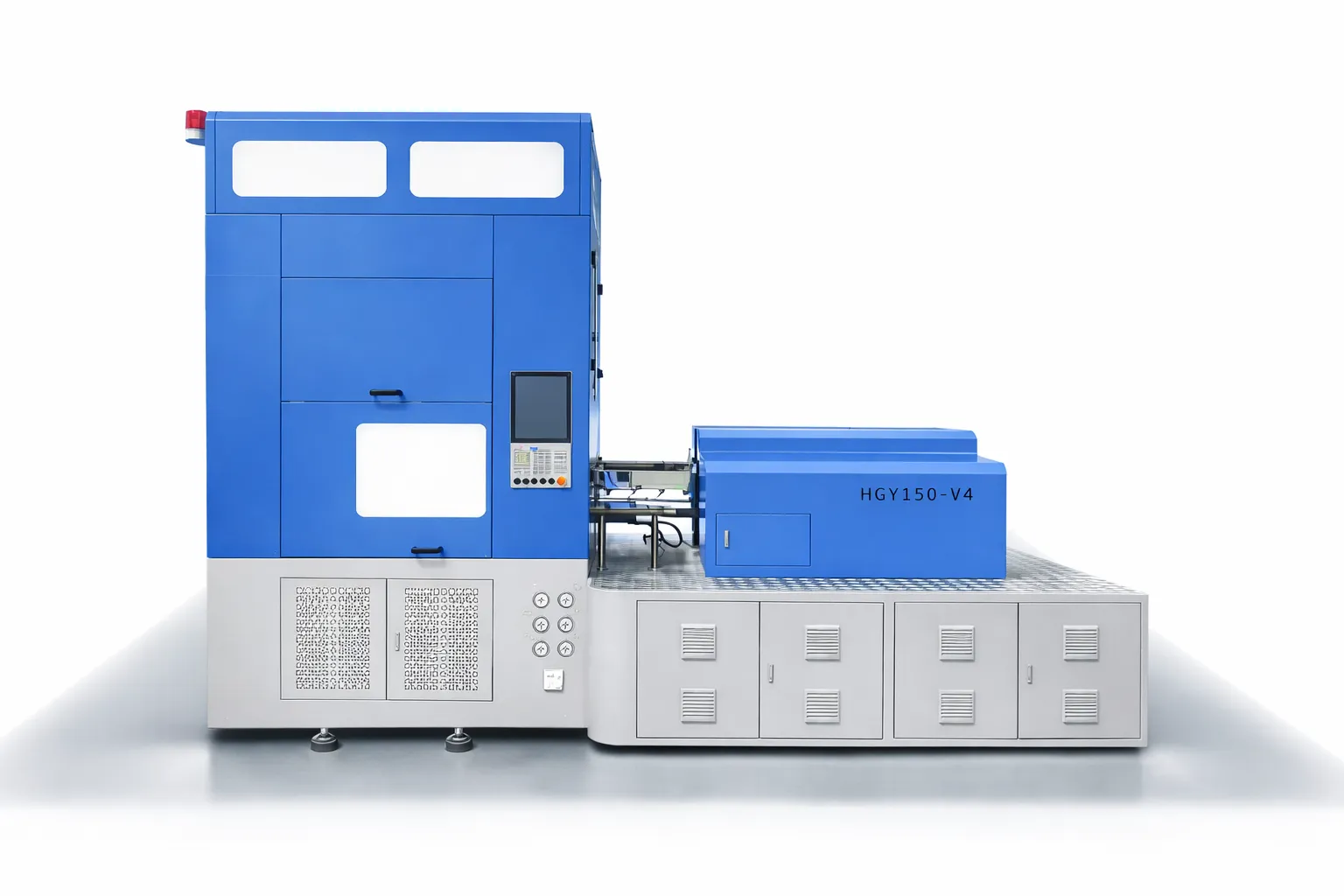
De energiekosten van Koreaanse ISBM-machines worden stelselmatig onderschat door Koreaanse verpakkingsproducenten bij de aanschaf ervan. De reden hiervoor is simpel: gesprekken over machinekeuze richten zich op de prijs van de machine, niet op de energiekosten over een periode van 10-15 jaar. Een Koreaanse ISBM-machine die 180 miljoen KRW (hydraulisch) kost, lijkt bij aanschaf 60 miljoen KRW goedkoper dan een machine met een elektrische servomotor die 240 miljoen KRW (elektrische servomotor) kost. Maar na 10 jaar ISBM-productie van 20 miljoen eenheden per jaar, lopen de elektriciteitskosten van de hydraulische machine op tot 440 miljoen KRW meer dan die van de elektrische servomotor. Hierdoor is de hydraulische machine in totaal 380 miljoen KRW duurder over de gehele levensduur, in plaats van 60 miljoen KRW goedkoper.
De energiekosten van Koreaanse ISBM-machines hebben een bijzonder grote impact, omdat de Koreaanse industriële elektriciteitsprijs een vraagafhankelijke toeslag bevat. Het industriële TOU-tarief (Time of Use) van KEPCO berekent voor Koreaanse producenten niet alleen de totale verbruikte kWh, maar ook de piekbelasting (kW) tijdens piekuren (09:00-22:00, juni-augustus). Hydraulische Koreaanse ISBM-machines, met hun continue stroomverbruik dat dicht bij het nominale vermogen ligt, leiden tot hogere vraagafhankelijke toeslagen dan elektrische servomachines, waarvan het vraagafhankelijke stroomverbruik een lagere piekbelasting oplevert. Het ROI-raamwerk dat dit verschil in energiekosten kwantificeert in de context van investeringsbeslissingen in Koreaanse ISBM-machines is te vinden in het volgende document: Koreaanse ISBM machine ROI-calculator.
2. Waarom hydraulische Koreaanse ISBM-systemen energie verspillen: de natuurkundige principes uitgelegd
De hydraulische ISBM-machines van Korea gebruiken een hydraulische pomp met vaste cilinderinhoud, aangedreven door een elektromotor met constante snelheid, om de oliedruk te genereren die de injectieklem, de strekstang, het blaasstation en de draaitafel aandrijft. Het fundamentele energieverlies in deze architectuur komt voort uit één fysieke realiteit: de hydraulische pomp moet continu op bijna de nominale snelheid draaien om de oliedruk in het hydraulische circuit te handhaven, zelfs tijdens de gedeeltes van de cyclus waarin de machine stilstaat (conditioneringspauze, blaaspauze, afkoelperiode) en er geen hydraulische actuator beweegt.
Een typische Koreaanse ISBM-cyclus met 4 stations van 10 seconden is als volgt opgebouwd: injectie vullen + persen (1,2 s, hoge hydraulische belasting), conditionering (2,5 s, vrijwel geen hydraulische belasting – de draaitafel staat stil), blaasstation (2,8 s, gemiddelde hydraulische belasting voor het inschakelen van de nozzle), blaaspauze (2,5 s, vrijwel geen hydraulische belasting – nozzle afgesloten, geen beweging), uitwerpen (1,0 s, gemiddelde hydraulische belasting). Van de 10 seconden durende cyclus bewegen de hydraulische actuatoren ongeveer 4,2 seconden (42%) actief en staan ze 5,8 seconden (58%) stil. Tijdens de 58% stilstaande fase verbruikt een hydraulische pomp nog steeds 55–70% van zijn nominale vermogen om de systeemdruk te handhaven. Dit genereert warmte in de hydraulische olie, waardoor het oliekoelcircuit moet draaien om die warmte af te voeren en de degradatie van de hydraulische olie toeneemt. Periodieke olieverversing en filtervervanging zijn daarom noodzakelijk.
Het gekwantificeerde energieverlies in de Koreaanse hydraulische ISBM door de stand-by pompwerking: bij een cyclus van 10 seconden, 58% stationaire fractie, hydraulische pomp nominaal 22 kW, stand-by verbruik 70% van het nominale vermogen = 15,4 kW × 5,8s/10s × 3600 cycli/uur = 32,2 kWh/uur aan stand-by energie voor de hydraulische pomp alleen, nog voordat de energie van de elektrische ventilator en warmtewisselaar van het oliekoelcircuit wordt meegerekend. Deze stand-by energie wordt volledig geëlimineerd in de Koreaanse EV-servo ISBM — de servomotor verbruikt vrijwel geen energie wanneer deze geen as versnelt.
3. Mechanica van het energievoordeel van EV Servo: vraaggestuurd vermogen en regeneratief remmen
De Koreaanse EV-servo ISBM-machines vervangen de motor en pomp met constante snelheid van het hydraulische systeem door een servoaandrijving en een servomotor op elke as: injectieklem, strekstang, blaasstationmondstuk en draaitafel. Elke servomotor verbruikt alleen stroom wanneer de as versnelt, en het verbruik is evenredig met het koppel dat op dat moment nodig is – niet een vaste hoeveelheid ongeacht de belasting. Dit vraaggestuurde stroomverbruik vormt de basis van het energievoordeel van EV-servo's.
Het tweede energievoordeel van de Koreaanse EV-servo ISBM is regeneratief remmen: wanneer een servomotor een as afremt (bijvoorbeeld de strekstang die afremt aan het eindpunt, of de draaitafel die afremt vóór de indexering), fungeert de servomotor als generator. De kinetische energie van de afremmende as wordt omgezet in elektrische energie die teruggevoerd wordt naar de DC-bus van de machine. Deze geregenereerde elektrische energie drijft andere assen aan die tegelijkertijd versnellen (de injectie-as die versnelt in de volgende cyclus terwijl de strekstang afremt), waardoor de netto energiebehoefte van het Koreaanse elektriciteitsnet wordt verminderd. Het regeneratieve remsysteem van de Koreaanse EV-servo ISBM wint 15–251 TP3T van de bruto-energie-input van de motor per cyclus terug – wat overeenkomt met het 18–27 minuten ongebruikt laten draaien van de machine gedurende een dienst van 2 uur op geregenereerde energie.
Aanvullende voordelen op het gebied van efficiëntie van elektrische servomotoren, naast vraaggestuurde aandrijving.
- Geen hydraulisch oliesysteem: Hiermee worden de ventilatormotor van de hydraulische olie-warmtewisselaar (doorgaans 2-4 kW continu), het hulpcircuit van de oliepomp en het koelwatercircuit van de olie geëlimineerd, wat alleen al een besparing oplevert van 8-151 TP3T op het totale energieverbruik van de machine ten opzichte van de hulpsystemen.
- Geen verliezen door debietregelkleppen: Hydraulische systemen gebruiken proportionele regelkleppen om de doorstroming te regelen — deze kleppen zetten overtollige hydraulische energie om in warmte (drukval over de klep). De servo-asbesturing van elektrische voertuigen is direct en verliesvrij — de servostroom drijft het koppel van de servomotor aan zonder smoorverliezen.
- Optimalisatie van variabele cycli: EV-servo-assen kunnen sneller accelereren en decelereren dan hydraulische actuatoren, waardoor de cyclustijd kan worden verkort zonder kwaliteitsverlies — aldus het Koreaanse ISBM-raamwerk voor cyclustijdoptimalisatie. Koreaanse ISBM-cyclusoptimalisatiehandleiding kwantificeert deze interactie tussen cyclustijd en energie.
4. kWh per 1.000 flessen: gekwantificeerde vergelijking per toepassing
De vergelijking van het energieverbruik tussen Koreaanse elektrische servo- en hydraulische ISBM-machines moet worden gemeten onder productieomstandigheden – niet bij het nominale machinevermogen – omdat het werkelijke energieverbruik tijdens de productie 35 tot 601 ton kan afwijken van het nominale vermogen, afhankelijk van de cyclussamenstelling. De volgende vergelijking is gebaseerd op gegevens van het Koreaanse Ever-Power-productie-energielogboek onder standaard Koreaanse ISBM-productieomstandigheden.
| Sollicitatie | EV-servo (kWh/1.000) | Hydraulisch (kWh/1.000) | Besparing (%) | Jaarlijkse KRW-besparing (20 miljoen eenheden) |
|---|---|---|---|---|
| Koreaanse PET-fles van 500 ml voor plat water (4 compartimenten) | 2.2–2.8 | 3.8–4.6 | 38–42% | KRW 38–50M |
| Koreaanse K-Beauty PETG 200ml (2-holtes) | 3.0–3.6 | 5.0–6.2 | 40–45% | KRW 28–42M |
| Koreaanse Tritan sportfles van 750 ml (2 compartimenten) | 4.2–5.0 | 7.0–8.5 | 40–44% | KRW 32–48M |
| Koreaanse farmaceutische orale vloeistof 100 ml PET (4-holtes) | 1.8–2.4 | 3.2–4.2 | 42–48% | KRW 30–45M |

*De jaarlijkse besparing in KRW is berekend op basis van een gemiddeld Koreaans industrieel tijdgebonden tarief van KRW 140/kWh, 20 miljoen eenheden per jaar, 16-urige productiedagen en 300 dagen per jaar.
5. De impact van Koreaanse elektriciteitstarieven en tijdgebruikstarieven (TOU) op de energiekosten van ISBM

De tariefstructuur voor industriële elektriciteit van het Koreaanse KEPCO (2026 Industrial TOU, middenspanning) berekent de kosten voor Koreaanse ISBM-producenten op basis van twee componenten: de energiekosten (KRW/kWh voor het totale energieverbruik) en de vraagkosten (KRW/kW voor de piekbelasting tijdens de piekuren van de factureringsmaand). Inzicht in beide componenten is essentieel voor een nauwkeurige berekening van het energiekostenverschil tussen Koreaanse elektrische servo- en hydraulische ISBM's.
Energiekosten: De Koreaanse KEPCO-tarieven voor industriële energieopwekking in 2026 zijn als volgt: zomerpiek (juni-augustus, 09:00-22:00): KRW 168,2/kWh. Daluren (23:00-08:00): KRW 84,6/kWh. Lente-/herfstpiek: KRW 112,1/kWh. Winterpiek: KRW 141,8/kWh. De Koreaanse ISBM-stations draaien 16-uursdiensten (06:00-22:00) en werken voornamelijk tijdens de piekperiode. Hierdoor is de energiebesparing van de EV-servowagens het meest waardevol tijdens de Koreaanse zomer, wanneer de piektarieven het hoogst zijn.
Vraagprijs: De Koreaanse energieleverancier KEPCO factureert 8.320 KRW/kW per maand voor de piekbelasting gedurende het 15-minuteninterval met de hoogste vraag binnen de factureringsmaand (tarief 2026). Een Koreaanse hydraulische ISBM-machine met een vermogen van 37 kW en een nominaal vermogen van 851 TP3T tijdens piekinjectiecycli genereert een vraag van 31,5 kW — vraagkosten: 31,5 × 8.320 KRW = 262.000 KRW/maand. Een equivalente Koreaanse elektrische servo-ISBM met een piekbelasting van 22 kW (vraaggestuurde afname tijdens acceleratie): vraagkosten: 22 × 8.320 KRW = 183.000 KRW/maand — een besparing van 79.000 KRW/maand, oftewel 948.000 KRW/jaar aan vraagkosten alleen, nog voordat de besparing op de energiekosten wordt meegerekend.
6. Mogelijkheid tot CO2-kredietverrekening via het Koreaanse K-ETS-systeem voor elektrische voertuigen (ISBM)
Het Koreaanse emissiehandelssysteem (K-ETS, 한국 배출권거래제) is qua volume de grootste koolstofmarkt van Azië en biedt Koreaanse ISBM-producenten een extra financieel rendement op investeringen in energie-efficiëntie. Onder K-ETS kunnen Koreaanse industriële bedrijven die hun broeikasgasemissies onder hun toegewezen basislijn reduceren, de ongebruikte emissierechten (KAU's – Korean Allowance Units) verkopen aan deelnemende bedrijven die hun toewijzing hebben overschreden.
Berekening van de energiebesparing en K-ETS-kredieten voor elektrische voertuigen in Korea door ISBM: bij een emissiefactor van 0,43 kg CO₂/kWh (factor van het Koreaanse Ministerie van Milieu voor 2025) en een energiebesparing van 1,6 kWh/1.000 flessen (van 4,2 naar 2,6 kWh) bij 20 miljoen eenheden per jaar:
CO₂-reductie = 1,6 kWh/1.000 × 20.000.000 × 0,43 kg/kWh = 13.760 kg CO₂/jaar = 13,76 ton CO₂/jaar
Waarde van K-ETS-kredieten bij KRW 18.000–22.000/ton CO₂ (Koreaanse koolstofmarktprijs 2026): KRW 248.000–303.000/jaar
Hoewel K-ETS-credits van 14 ton CO₂ per jaar een bescheiden direct financieel rendement opleveren (KRW 248.000–303.000 per jaar), besparen Koreaanse ISBM-producenten die meerdere productielijnen kunnen combineren – een Koreaanse ISBM-producent met 5 productielijnen voor elektrische voertuigen – 68,8 ton CO₂ per jaar, wat neerkomt op K-ETS-credits ter waarde van K-ETS-credits ter waarde van KRW 1,24–1,52 miljoen per jaar. Belangrijker nog is dat de gedocumenteerde en bij K-ETS ingediende energiebesparingen van Koreaanse ISBM-producenten voor elektrische voertuigen de geverifieerde gegevens over emissiereductie leveren die grote Koreaanse conglomeraten (대기업) steeds vaker eisen van hun verpakkingsleveranciers als onderdeel van de Scope 3-emissierapportage onder de equivalente eisen van de Koreaanse Corporate Sustainability Reporting Directive. De K-ETS-documentatie is daarom zowel een direct financieel rendement als een onderscheidend kenmerk voor Koreaanse ISBM-producenten die verpakkingen leveren aan Samsung, LG, Lotte, CJ en Amorepacific.
7. ROI-berekening: Terugverdientijd van de EV Servo ISBM-investering in Koreaanse productie
Bij de berekening van het rendement op investering (ROI) van een EV-servomotor versus een hydraulische Koreaanse ISBM moet rekening worden gehouden met het totale kostenverschil (meerprijs van de machine + bijkomende kosten) ten opzichte van de totale jaarlijkse baten (besparing op elektriciteit + besparing op piektarieven + besparing op onderhoud + voorkomen van kwaliteitsfouten). De volgende berekening gebruikt de Koreaanse Ever-Power HGY200-V4-EV (EV-servomotor) versus een equivalente Koreaanse hydraulische 4-stations ISBM bij een standaard Koreaanse productie van 20 miljoen eenheden PET-stilwater per jaar.
| Kosten/batencomponent | Koreaanse jaarlijkse waarde (KRW) |
|---|---|
| Extra investering voor EV-servo (eenmalig) | |
| De prijs van een EV-servomotor ligt hoger dan die van een hydraulische servomotor. | −KRW 55–65M |
| Jaarlijkse voordelen van EV Servo | |
| Besparing op elektriciteitskosten (38–42%) | +KRW 38–50M |
| Bespaar op vraagkosten | +KRW 0,9–1,2M |
| Geen olieverversing van de hydraulische olie meer nodig (2x per jaar) | +KRW 2,5–4,0M |
| Kostenreductie door kwaliteitsgebreken (K-Beauty / farmacie) | +KRW 5–20M |
| K-ETS-koolstofkredieten | +KRW 0,25–0,3M |
| Totale jaarlijkse uitkering | KRW 46,65–75,5M |
Berekening van de terugverdientijd van de EV Servo
Investering: premie van KRW 60 miljoen. Jaarlijkse uitkering: KRW 46,65–75,5 miljoen. Terugverdienperiode: 10-16 maanden bij een conservatieve schatting (alleen energiebesparing + onderhoud, exclusief kwaliteitsvoordeel) en 8–12 maanden Bij volledige winstberekening. Koreaanse producenten die zich richten op K-Beauty- of farmaceutische kwaliteitsmarkten – waar de waarde van het vermijden van kwaliteitsfouten het hoogst is – behalen de snelste terugverdientijd voor elektrische servomotoren.
8. Voorbij energie: Kwaliteits- en productiviteitsvoordelen van de Koreaanse EV Servo ISBM
De energiebesparing is het meest direct meetbare voordeel van elektrische servomotoren, maar Koreaanse ISBM-producenten die om energieredenen in elektrische servomotoren investeren, ontdekken vaak dat de voordelen op het gebied van kwaliteit en productiviteit de energiebesparing over de gehele levensduur van de machine overtreffen. De precisie van de elektrische servomotor is onlosmakelijk verbonden met de energie-efficiëntie: dezelfde vraaggestuurde servomotor die minder energie verbruikt, levert ook de timingprecisie, positioneringsnauwkeurigheid en procesdataregistratie die hydraulische systemen niet kunnen bieden.

Vier kwaliteits- en productiviteitsvoordelen die, in combinatie met de energiebesparing gedurende de levensduur van de EV-servomachine, nog eens extra voordelen opleveren:
- Logboekregistratie van processen per cyclus: De Koreaanse ISBM met EV-servomotor produceert een digitaal tijdgestempeld verslag van elke productiecyclus: injectiedruk, conditioneringstemperatuur, positie van de strekstang, blaasdruk en cyclustijd. Dit logboek maakt documentatie voor batchvrijgave volgens de Koreaanse GMP-normen voor farmaceutische producten mogelijk, evenals naleving van kwaliteitsaudits voor Koreaanse K-Beautymerken en vroegtijdige trendanalyse die procesafwijkingen 3-4 uur voordat ze leiden tot een schending van de Koreaanse merkspecificaties, identificeert. De Koreaanse ISBM met hydraulische motor kan dit logboek niet produceren zonder achteraf extra sensoren te installeren – een investering die de documentatiekloof gedeeltelijk dicht, maar niet de inherente timingprecisie van de EV-servomotor kan bieden.
- Tijdherhaalbaarheid ±0,05s versus hydraulisch ±0,3s: De herhaalbaarheid van de timing van de servocontroller van 0,05 seconde (6 keer beter dan de variatie van 0,3 seconde bij hydraulische systemen) vermindert direct de variatie in flesgewicht, wanddikte (CV%) en troebelheid. Dit resulteert in lagere afvalpercentages en hogere acceptatiepercentages bij de inkomende inspectie van Koreaanse merken. Koreaanse ISBM-producenten die zijn overgestapt van hydraulische naar elektrische servobesturing melden doorgaans een verlaging van het afvalpercentage met 15–35% binnen de eerste 6 maanden. Dit levert een productiviteitsvoordeel op dat gelijk staat aan 2–3 uur extra effectieve productie per week, zonder dat er extra machines nodig zijn.
- Snellere cyclustijdoptimalisatie: De profielen van de EV-servo-assen (snelheidsopbouw, pieksnelheid, vertraging) kunnen onafhankelijk van elkaar worden aangepast via de machinecontroller voor elke as. Hierdoor kunnen Koreaanse ISBM-ingenieurs de cyclustijd voor elk specifiek flesformaat optimaliseren zonder de beperkingen van een vast hydraulisch debiet. Koreaanse EV-servo ISBM-machines behalen consequent cyclustijden die 8 tot 151 ton sneller zijn dan vergelijkbare hydraulische ISBM-machines met een gelijke kwaliteit. Dit resulteert direct in een hogere doorvoer en omzet.
- Diagnose op afstand en voorspellend onderhoud: De Koreaanse EV-servo ISBM met Ethernet-connectiviteit ondersteunt de diagnoseservice op afstand van Ever-Power — realtime monitoring van de servostroom detecteert lagerslijtage, toegenomen wrijving in de assen en degradatie van besturingscomponenten voordat deze productiestops veroorzaken. De Koreaanse hydraulische ISBM vereist inspectie ter plaatse voor een gelijkwaardige diagnose. De Koreaanse ISBM Koreaans Ever-Power 4-stations ISBM-machineassortiment Inclusief diagnose op afstand als standaardfunctie op alle EV-servoplatformen.
Veelgestelde vragen
Ondersteuning op het gebied van energie en rendement op investering (ROI)
Audit van de energiekosten van ISBM in Korea of ROI-berekening van elektrische servomotoren versus hydraulische motoren?
Het Koreaanse Ever-Power biedt energieaudits per kWh/1.000 flessen, berekeningen van de impact van het Koreaanse KEPCO TOU-tarief, ondersteuning bij de documentatie voor K-ETS-koolstofkredieten en een 10-jarige TCO-vergelijking tussen elektrische servo- en hydraulische systemen voor investeringen in Integrated Supply Chain Management (ISBM) in Korea.
Vraag een consult aan over het rendement op uw energie-investering.