洗濯洗剤 IBM · アルカリ性 HDPE ESCR · 柔軟剤 · 韓国 エバーパワー
IBM洗剤:
洗濯用ボトル 射出ブロー成形ガイド
韓国の洗濯洗剤・柔軟剤ブランドIBMは、300~800mlの濃縮タイプおよびプレミアムボトルに対応しており、IBMの精密な注ぎ口、アルカリ性グレードのHDPE ESCR、ゼロボディパーティングラインは、韓国の国内洗濯ブランドのパッケージ仕様を満たしています。このガイドでは、HDPEアルカリ性ESCRの選定、韓国の洗剤ネック規格、柔軟剤およびベビー用洗濯洗剤のIBM仕様、韓国の洗濯洗剤IBM製品向けZQシリーズの選定について解説します。
38/400 注ぎ口 ±0.05 mm
300~800ml IBMオプティマム
KOREA EVER-POWER · 京畿道安山市 · 2026年7月
プロセスリファレンス · 韓国製洗濯洗剤 IBM 主要パラメータ
アルカリ性pH範囲
8.5~10.5
韓国製液体洗濯洗剤のpH値 ― 食器用洗剤よりもアルカリ性、ESCRメカニズムが異なる
HDPE密度目標
0.955–0.962
アルカリ性洗濯洗剤IBMのg/cm³ ― 食器用洗剤ESCRグレードよりも高い密度範囲
ZQ110 出力 @ 500ml
約9,600円/時
8キャビティ・5.0秒・年間約3360万個 韓国の2交代制洗濯洗剤生産
IBMボリュームオプティマム
300~800ml
韓国製濃縮洗濯洗剤のIBMシリーズ(800ml以上、取っ手付き)はEBMの領域である。
セクション01
韓国製洗濯洗剤IBM市場概要
韓国の洗濯洗剤とファブリックケアのIBMは、韓国の家庭用IBM容器市場において独自のセグメントを占めています。300~800mlの取っ手のないボトルに入った濃縮液体洗剤、300~600mlのポンプ式またはフリップトップ式のボトルに入った柔軟剤、そして500~700mlの低刺激性ベビー用液体洗剤です。これらのフォーマットはIBMの実用的なサイズ範囲の境界に位置し、特にIBMの精密な注ぎ口、ゼロボディパーティングライン、アルカリESCRグレードHDPEの恩恵を受けています。これらの特性は、韓国のナショナルランドリーブランド(LG H&H、Aekyung、P&G Korea、Henkel Korea)が韓国での契約包装要件で指定しているものです。韓国の家庭用化学製品のIBMに関するより広範な状況については、 家庭用化学薬品 IBMガイド.
韓国の洗濯市場におけるIBMの市場セグメント ― 量、フォーマット、用途
濃縮洗剤
300~600ml・注ぎ口38/400mm
韓国の高級濃縮洗濯洗剤(3~5倍濃縮)。小型ボトルタイプ – 標準の1~1.5リットル分を1本で置き換え可能。韓国ならではの利便性とプレミアム感を両立させたポジショニング。急成長中の韓国都市部アパート市場向け。
標準液体洗剤
500~800ml・38/400または38/410
韓国の大型スーパーで販売されている韓国製中級液体洗濯洗剤。IBMはZQ110(4~8槽)でこの範囲をカバー。800ml以上で取っ手付きはEBM。取っ手なしのIBM 800mlはZQ110(4槽)で入手可能。
柔軟剤
300~600ml・28/410ポンプ
ポンプ付き韓国製高級柔軟剤。酸性処方(pH 3~5)のため、アルカリ性洗剤とは異なるESCR(環境負荷低減)対策が必要です。IBM製精密ポンプネックは、韓国の自動充填ラインにおける韓国製28/410ポンプの取り付けに不可欠です。
ベビー用洗濯物
500~700ml・38/400注ぎ口またはポンプ
韓国製低刺激性ベビー用洗濯洗剤 ― 最高の外観と純度基準を満たしています。ゼロフラッシュIBMベースが必須(トリムHDPE粒子による汚染リスクなし)。韓国エコマーク認証および韓国MSDSフリー成分認証パッケージ。
IBMの韓国洗濯洗剤ボトル市場における位置づけは、ポンプの精度、ボトルの外観、アルカリESCRが選択基準となる300~800mlの範囲に集中している。 食器用洗剤 IBMガイド 関連する200~500mlのフォーマットをカバーしており、多くの韓国の家庭用IBMメーカーは、年間生産スケジュールを通じて、同じZQマシンで洗濯用洗剤と食器用洗剤の両方の成形セットを稼働させている。
セクション02
アルカリ性洗剤ESCR用HDPEグレード選定
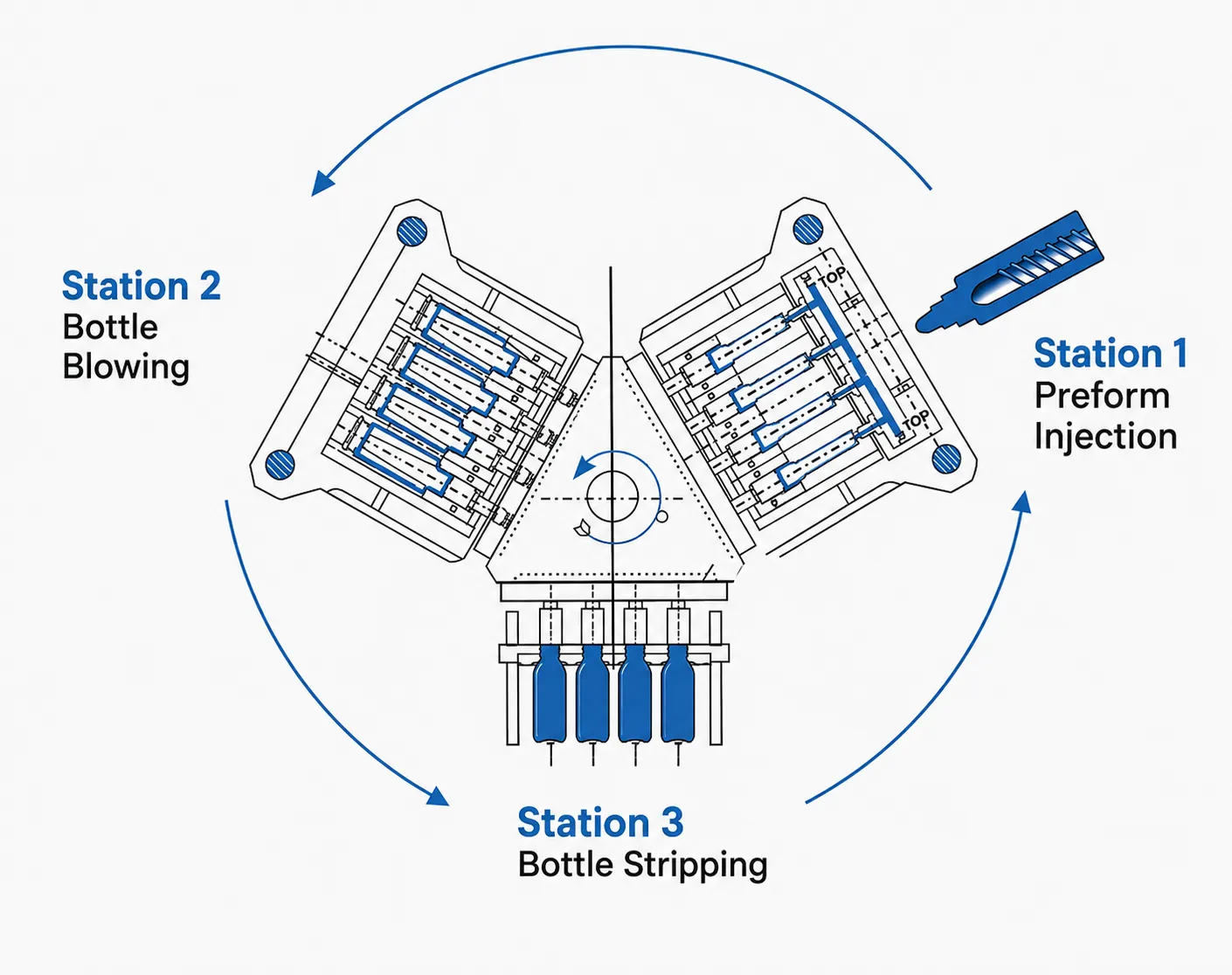
韓国の洗濯洗剤のHDPE ESCR選定には、食器用洗剤のIBM容器には当てはまらない2つの異なる破損メカニズムを理解する必要があります。1つ目のメカニズムである界面活性剤ESCR(食器用洗剤と同じ)は、洗濯洗剤に含まれる陰イオン界面活性剤(LAS、SLES、10~25%)がHDPE結晶界面に浸透し、高応力領域で応力亀裂の核生成を引き起こすことによって引き起こされます。2つ目のメカニズムであるアルカリ性抗酸化剤の鹸化は、洗濯洗剤に特有のもので、食器用洗剤には存在しません。pH 8.5~10.5では、アルカリ性洗濯洗剤の配合物が脂肪酸エステルをベースとしたHDPE抗酸化剤パッケージを加水分解(鹸化)し、容器壁接触領域で表面脆化を引き起こし、機械的応力とは無関係に表面の白化や微細亀裂として現れます。
メカニズム1 — 界面活性剤ESCR(食器用洗剤と洗剤)
洗濯用洗剤に含まれる陰イオン界面活性剤(LAS 15–20%、SLES 10–15%)は、HDPE結晶境界領域に浸透し、残留成形応力および充填内容ヘッド圧力下での亀裂伝播に対する表面エネルギー障壁を低減します。これは食器用洗剤のESCRと同じメカニズムであり、高タイ分子密度の低MI高分子量HDPE(MI 0.5–1.0、密度0.955–0.960 g/cm³)を選択することで対処されます。ASTM D1693 F50 10% Igepal ≥ 200時間(23℃):韓国の洗濯用洗剤の標準界面活性剤濃度で要求されます。
メカニズム2 — アルカリ性抗酸化剤の鹸化(洗剤特有のメカニズム)
pH 8.5~10.5では、アルカリ性洗濯洗剤の処方により、脂肪酸エステル化学に基づいてHDPE抗酸化剤分子(例えば、高アルカリ性条件下でのIrganox 1010)が徐々に鹸化(加水分解)されます。抗酸化剤による保護が失われると、容器壁面でHDPE鎖切断酸化が起こり、表面の脆化や微細な亀裂が生じ、韓国の常温保管で12~18か月後には容器の肩部や本体に表面の白化として現れます。このメカニズムは食器用洗剤のpH 7~9では発生せず、pH 8.0以上で活性化し、pH 9.0以上で加速します。
HDPEグレード要件 — 韓国製洗濯洗剤向けIBMアプリケーション
MIレンジ
0.5~1.0
食器用洗剤のESCRグレードと同じ - 界面活性剤のESCR耐性を高めるための高分子量
密度
0.955–0.962
g/cm³ — 大型洗濯用ボトルでは、食器用洗剤の硬度範囲よりもやや高い。
抗酸化タイプ
立体障害フェノール
pH9.0以上の韓国製洗濯洗剤用加水分解安定性酸化防止剤 ― 韓国のHDPE供給業者に確認してください
ESCR F50ターゲット
200時間以上
ASTM D1693 10% Igepal を 23℃ で使用した場合 - 韓国製洗濯用品の小売保管期間 24 か月の最低条件
セクション03
韓国の洗剤容器の形状とネック規格
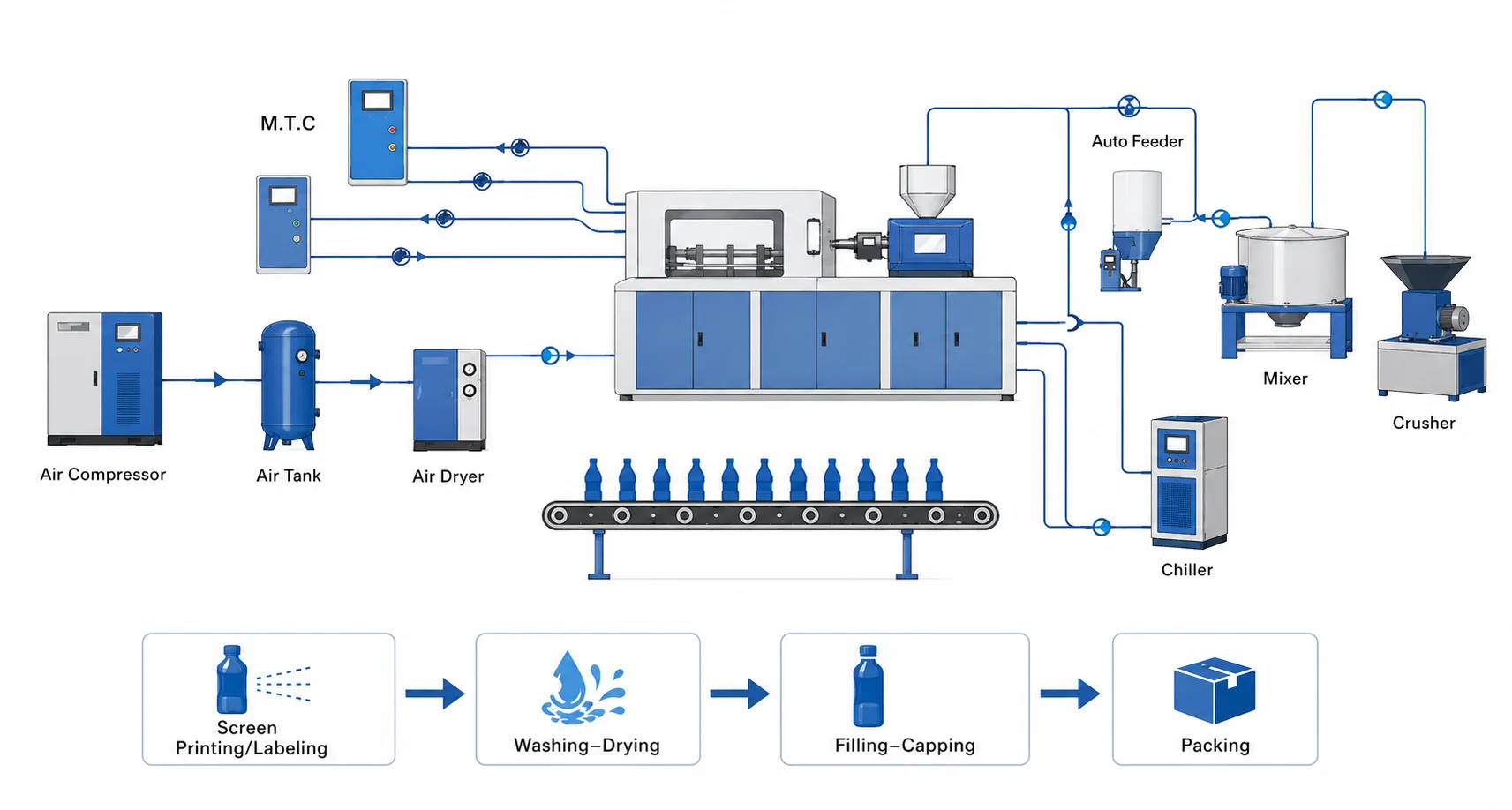
| フォーマット/製品 | ネック | 閉鎖 | ボディ幅 | ZQ REC。 | 注記 |
|---|---|---|---|---|---|
| 濃縮洗剤300ml | 38/400 | フリップトップ式の注ぎ口キャップ | 約62mm | ZQ80 | 韓国製濃縮5倍処方。虫歯8~10本用 ZQ80。韓国の薬局およびオンラインプレミアムチャネルで販売。 |
| 柔軟剤 500ml | 28/410 | ポンプディスペンサー | 約68mm | ZQ80~ZQ110 | ポンプネック部 ― 食器用洗剤と同じ28/410 IBM精度要件。酸性pH処方。 |
| 液体洗剤 500~600ml ★ | 38/400 | 注ぎ口キャップを測る | 約70~75mm | ZQ110 | 韓国のIBM規格洗濯機の中で最大容量を誇るZQ110。6~8個の収納スペースを備えた、韓国の大型スーパーマーケットで標準販売されている商品です。 |
| 500~700mlのベビー用洗濯洗剤 | 38/400 | 注ぎ口キャップまたはポンプ | 約68~75mm | ZQ110 | 韓国製低刺激性。ゼロフラッシュ義務。韓国エコマーク包装認証対応。 |
| 700~800mlの標準洗剤 | 38/400 | 注ぎ口キャップを測る | 約78~82mm | ZQ110–ZQ135 | IBMのハンドルレス設計における最大容量。ハンドル付きで800mlを超える場合はEBM領域となります。 |
★ ZQ110の500~600ml液体洗濯洗剤(注ぎ口径38/400mm)は、韓国の洗濯業界におけるIBMの主要アプリケーションです。注ぎ口径38/400mm(外径38.0mm、IBM射出成形による±0.05mm)により、韓国の計量注ぎ口キャップを精密にフィットさせることができます。キャップ内蔵の計量チャンバーは、漏れのないキャップシールを実現するために、ボトルネックの外径が±0.08mm以内である必要があります。IBMはこの要件を満たしています。EBMネック外径のばらつきが±0.20~0.30mmの場合、韓国の洗濯業界の充填ラインで計量注ぎ口キャップの漏れが発生します。
第4節
IBMとEBM、韓国製洗濯洗剤ボトル市場における競合
韓国の洗濯洗剤容器におけるIBMとEBMのどちらを採用するかの決定は、食器用洗剤の場合と同じ論理に基づいています。つまり、取っ手のない300~800mlの精密ネック型容器にはIBM、1L以上の取っ手付きファミリーサイズ容器にはEBMが採用されています。韓国の洗濯洗剤カテゴリーには、食器用洗剤にはないIBM特有の2つの要件があります。それは、計量注ぎ口付きキャップの液漏れ防止シール(IBMネックの精密さが必要)と、韓国のベビー用洗濯洗剤におけるゼロフラッシュ要件(低刺激性ベビー用品容器にトリム粒子による汚染がないこと)です。
IBMが韓国の洗剤メーカーにもたらすメリット
- ▸計量注ぎ口キャップの密封: 韓国の液体洗剤用計量注ぎ口キャップ(一体型計量チャンバー)は、液漏れを防ぐために、ネック外径が±0.08mm以内である必要があります。IBMは±0.05mmの精度を実現していますが、EBMの±0.20~0.30mmのばらつきにより、韓国の洗剤キャップでは充填ラインや消費者の使用時に液漏れが発生しています。
- ▸ゼロボディパーティングライン: 韓国の洗濯用品ブランドのラベル(韓国の洗剤デザインに合わせた360°全面熱収縮ラベル)は、IBMのパーティングラインのない本体に完璧にフィットします。EBMの本体の縦方向のパーティングラインは、韓国の小売店の照明下では、韓国の洗濯用品ラベルの下に目に見える線を作り出します。
- ▸ベビー用洗濯物ゼロフラッシュ: 韓国の低刺激性ベビー用洗濯洗剤容器は、製造工程からの汚染の可能性がゼロでなければならない。IBMのゼロトリムアーキテクチャは、EBMトリムが製造サイクルごとに発生させるHDPE粒子のリスクを排除する。
EBMが韓国の洗濯物に対して正しいのは、以下の場合です。
- ▸ハンドルが必要です: 韓国のファミリーサイズ洗濯洗剤(1.5L以上)は、人間工学に基づいたサイドハンドルを備えており、構造的にはEBM設計です。IBMは一体型の空洞ハンドルを成形することができません。韓国の大型スーパーマーケット、イーマート/ホームプラスで販売されているファミリーサイズの洗剤は、通常このフォーマットにEBMを採用しています。
- ▸容量が800mlを超える場合: 韓国の大型スーパーマーケットで販売されている標準的な液体洗濯洗剤(1~2リットル)の場合、この容量ではEBMの生産コストがIBMに比べて大きく優位であり、持ち手が便利な機能も韓国のバリューセグメントにおいてEBMを採用する理由となる。
- ▸年間販売量が非常に多く、利益率が低い: 韓国のプライベートブランドスーパーマーケット向け洗濯洗剤市場は年間1億台以上を販売しており、商品価格設定が主流となっている。EBMの機械の1台あたりのコストが低いことが、最低価格帯の韓国プライベートブランドチャネルにおいて、IBMの品質上の優位性を上回る可能性がある。
セクション05
IBMの洗剤用HDPE容器に関するプロセスパラメータ
500~800mlの洗濯洗剤用IBM容器は、IBM容量範囲の上限に位置しており、本体容量が大きく、外径が広く、プリフォームが重いため、300~500mlの食器用洗剤と比較してサイクル時間が長くなります。韓国の洗濯洗剤用IBMのプロセス最適化では、ベースゾーンの寸法安定性を維持しながら、ブロー成形時の水温を制御することでブロー保持時間を最小限に抑えることに重点を置いています。
より大きなプリフォームショット重量 - ZQ110が必要
平均肉厚0.75mmの600ml HDPE洗濯洗剤容器の重量は約24~28gです。ZQ110の6キャビティの場合:6×26g=156gのショット重量となり、ZQ110の定格ショット重量500gの範囲内で余裕があります。同じ6キャビティ600ml金型をZQ80(ショット重量制限250g)で使用する場合:156g=ZQ80制限の62%となり、実現可能ですが、より大きなフォーマットや肉厚のターゲットには余裕が限られます。Korea Ever-Powerは、将来的に機械を変更せずに肉厚を調整できるようにショット重量の余裕を確保するため、6キャビティ600ml洗剤にはZQ110の使用を推奨しています。
より長いブロードウェル - 600~800mlのワイドボディ径
韓国製洗濯用IBM 600 ml (本体外径約75 mm) のブロー保持時間は 2.0~2.8 秒であるのに対し、食器用洗剤 300 ml (本体外径約62 mm) では 1.4~2.0 秒である。本体が広いほどブロー成形金型と接触する壁面の総面積が大きくなるため、容器がステーション 3 で歪みなく剥離できるほど十分に固まるのに時間がかかる。ブロー成形金型の冷却水温度を 22 ℃ から 14 ℃ に下げると、600 ml でのブロー保持時間が約 0.3~0.4 秒短縮される。これは、底面の平坦度 (金型温度が低いほど、底面領域の固化は速くなるが均一性は低下する) を ±0.3 mm の平坦度基準に対して検証する必要がある有用な最適化である。
38/400 ネックインジェクションゲートバランス - 28/410 と比較してゲート幅が広い
韓国の洗濯洗剤用 38/400 の注ぎ口は、食器用洗剤用 28/410 よりもネックの内径が広くなっています。内径が大きいため、ホットランナーのゲート先端に広い射出ゲートを設けることができ、射出充填時間を短縮できます (ゲートのせん断速度が低いため、38/400 では 28/410 に比べて +0.1 秒)。ただし、ネックの断面が広いため、充填するにはわずかに高い保持圧力が必要になります。韓国の Ever-Power は、各ネックサイズに合わせてホットランナー先端の射出ゲート径を調整し、すべてのキャビティで充填の均一性を最適化しています。同じ ZQ マシンでは、洗濯洗剤 IBM の 38/400 ゲート径は、食器用洗剤 IBM の 28/410 ゲート径よりも通常 0.1~0.2 mm 大きくなっています。
第6条
柔軟剤とベビー用洗濯用品 IBMアプリケーション
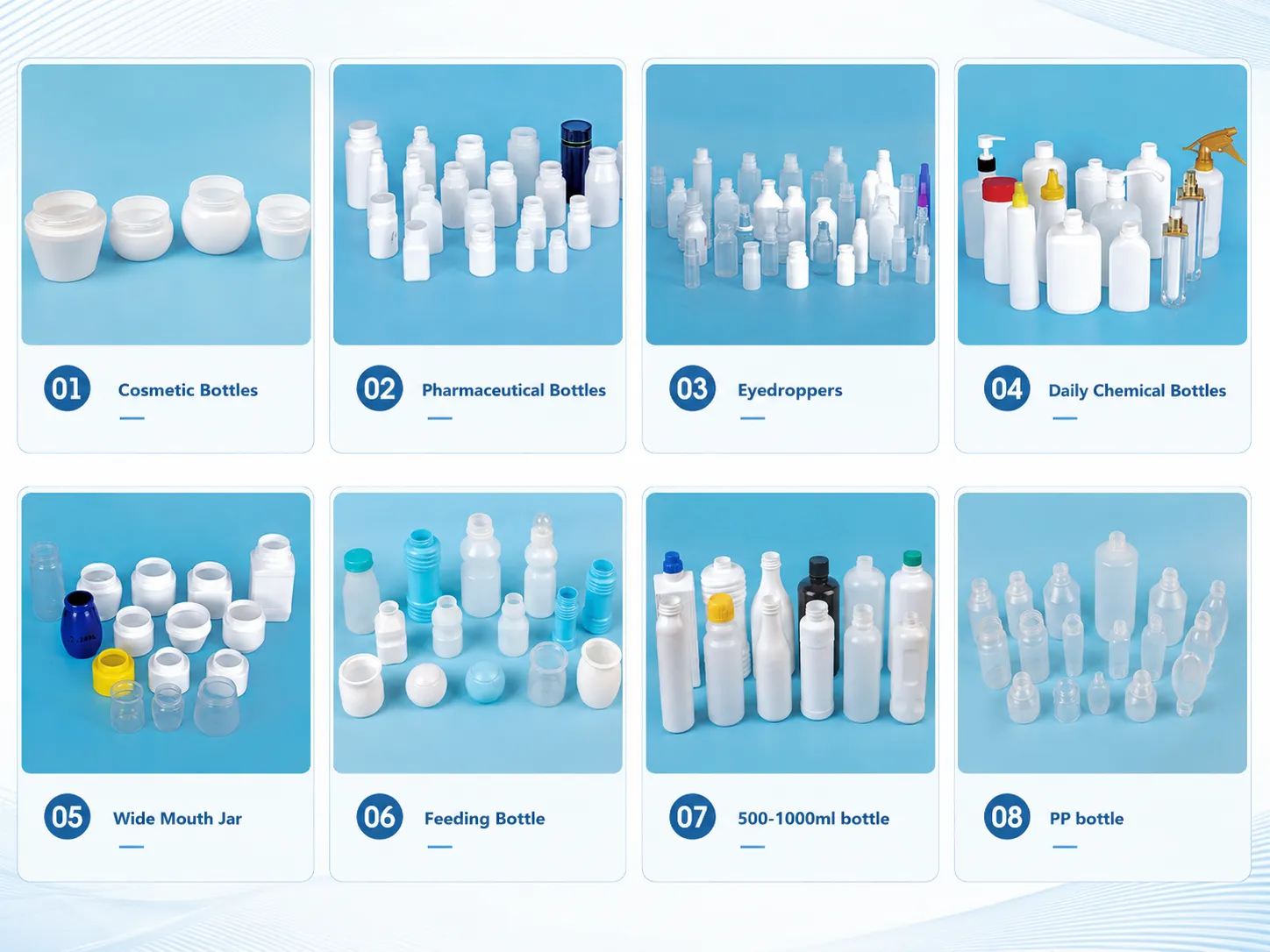
韓国製柔軟剤IBM — 酸性pHに関する考察
韓国製の柔軟剤(コンディショニング剤濃度5~15%、pH 3~5の場合クエン酸濃度0.5~2%)は、アルカリ性洗濯洗剤とは異なるHDPE化学環境を提供します。pH 3~5の酸性柔軟剤は、アルカリ性抗酸化剤の鹸化メカニズムを誘発しません。主なESCRドライバーはカチオン界面活性剤(DSDMAC、DEQA柔軟剤濃度5~15%)であり、これはアニオンLASよりもHDPE ESCRに対する攻撃性が低いです。
韓国のベビー用洗濯用品 IBM — 純度と認証要件
韓国製の低刺激性ベビー用洗濯洗剤(pH 6.5~7.5、酵素不使用、無香料)は、韓国のIBM家庭用洗剤の中で最も厳格な純度および認証要件を満たしており、その文書化レベルは、韓国の医薬品向けIBMの低刺激性処方と同等です。
- ▸フラッシュゼロ必須 ― 韓国のベビー用品ブランドの品質保証方針では、充填前に一次容器を汚染する可能性のある粒子を発生させる製造工程を一切禁止している。
- ▸韓国のHDPE食品接触材料に関する宣言が必要 ― 乳幼児用製品接触容器については、食品接触HDPEと同様の韓国食品医薬品安全処(MFDS)ポジティブリストへの適合が求められる
- ▸韓国エコラベル(환경표지)パッケージ適合性:IBM HDPE単一素材容器+PPキャップは、韓国環境省のリサイクル分類に基づき、容易にリサイクル可能な韓国製パッケージとして認定されています。これは、韓国エコマーク認証を受けたベビー用洗濯用品に必須の要件です。
- ▸容器の殺菌:韓国のベビー用洗濯洗剤ブランドの中には、空の容器が清潔であることが認証されている必要があるもの(残留粒子数が韓国のベビー用品規格以下)がある。トリミング作業のないIBM製容器は、韓国での充填前に空気洗浄工程が不要で、この要件を本質的に満たしている。
第7条
韓国の洗剤IBMパッケージングトレンド
集中型フォーマットの成長
韓国の洗濯洗剤ブランドは、マーケティング投資を3倍濃縮および5倍濃縮の300~500mlフォーマットにシフトさせています。これは、標準の1.5~2.5Lと同じ洗濯量です。このシフトはIBMの強みを活かしています。300~500mlの小型IBM容器は、より多くのキャビティ数(600mlのZQ80は8~10キャビティ、ZQ110は4~6キャビティ)とより速いサイクル時間(4.6秒対5.2秒)を実現し、IBM規模での単位生産コストを削減します。韓国の濃縮洗剤は、プレミアム価格帯(1個あたり12,000~22,000ウォン)のチャネルでもあり、IBMの優れたネックの精度と清潔な外観は、韓国の小売市場でEBM容器よりも高い価格設定となっています。
PCR HDPE統合
韓国環境省のグリーン調達ガイドラインに基づき、韓国の洗濯洗剤ブランドは、韓国のESG報告目標の一環として、10~30%のポストコンシューマーリサイクル(PCR)HDPEブレンドを韓国のIBM洗剤容器に導入しています。20%の濃度でバージンHDPEとブレンドされたPCR HDPEは、標準的な韓国の洗濯洗剤pH 8.5~9.5に対してIBM加工性(PCR源によってブレンドMIは約0.8~1.2)とESCR性能を維持します。ただし、PCR HDPE源の一貫性が変動するため、ブレンドMIを0.7~1.2のIBM加工範囲内に維持するにはバージンHDPEキャリアが必要となります。韓国エバーパワーは、韓国ブランドの承認前に、顧客から提供されたPCR/バージンブレンドを使用して、出荷前の生産試験でPCRブレンドの加工性とESCRを検証します。
詰め替えシステムの導入
韓国の洗濯用詰め替えシステム(耐久性のあるIBMプライマリーボトル+パウチ詰め替え)は、韓国の食器用洗剤詰め替えシステムの成功に続き、韓国市場での採用が進んでいます。韓国の洗濯用詰め替えIBM仕様:壁の最小厚さ0.85 mm(ポンプ/注ぎ口キャップアセンブリの繰り返し衝撃)、ESCR F50 ≥ 400 h(韓国での詰め替え期間中の24~36ヶ月の連続配合接触)、ネックねじの耐摩耗性は20回の組み立て/分解サイクルでテスト済み。韓国の洗濯用詰め替え用IBM容器は、使い捨ての韓国の洗濯用IBM容器と同じZQ110プラットフォームで製造されています。仕様が高いため、HDPEグレードのコストがわずかに高くなり、ブロー保持時間がわずかに長くなりますが、機械設備の追加はありません。
第8条
韓国の洗濯業界向けIBM ZQシリーズ選定
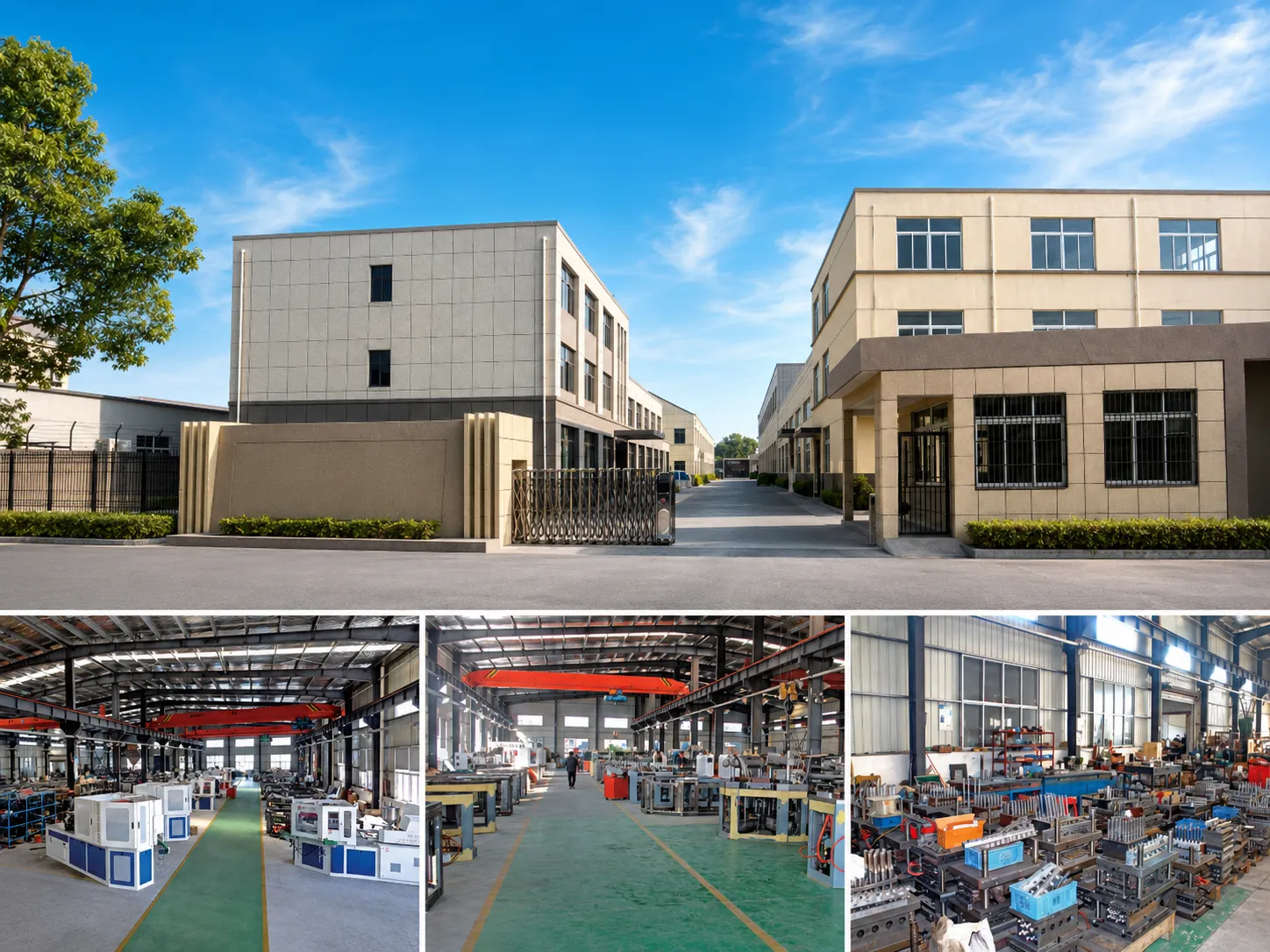
| ZQモデル | 300ml濃縮液(キャブ/時) | 500mlの布地用洗剤。(容量/時) | 洗剤600ml ★(消費量/時) | 韓国の洗濯業者プロフィール |
|---|---|---|---|---|
| EP-ZQ60 | 10 / ~8,700 | 5 / ~4,100 | 4 / ~3,000 | 韓国のオーガニックランドリー専門店、韓国のベビーランドリーの小規模スタートアップ |
| EP-ZQ80 | 14 / ~12,200 | 6~8 / 約5,800 | 4~5 / 約3,500 | 韓国の中規模濃縮洗剤OEM、韓国の高級柔軟剤 |
| EP-ZQ110 ★ | 18+ / ~15,700 | 8 / ~7,200 | 6~8 / 約5,400 | 韓国のナショナルブランド標準洗剤、韓国の大手ファブリックケアOEM、ベビー用洗濯洗剤ナショナルブランド |
| EP-ZQ135 | 20+ / ~17,400 | 10 / ~9,000 | 8~10 / 約7,200 | 韓国の洗濯用品大手の旗艦店、韓国の契約包装事業で年間6000万台以上の洗濯物を取り扱う |
★ 600ml洗濯洗剤用の6~8キャビティを備えたZQ110は、韓国のナショナルブランド洗濯洗剤IBMの生産標準です。6キャビティ、5.2秒での年間生産能力は、韓国の2交代制で約2850万個/年です。8キャビティでは、約3800万個/年となり、韓国の液体洗濯洗剤上位5製品の年間生産量の範囲内です。
エンジニアリングに関するよくある質問
洗濯洗剤 IBM — エンジニアリングに関する質問
Q01
HDPE製IBMコンテナの選定において、アルカリ性洗剤ESCRと食器用洗剤界面活性剤ESCRはどのように異なるのでしょうか?
アルカリ性洗濯洗剤は、2 つのメカニズムによって同時に HDPE 容器の破損を引き起こすが、食器用洗剤は 1 つのメカニズムによって破損を引き起こす。最初のメカニズムである界面活性剤 ESCR は、どちらにも同様に作用する。10 ~ 25% 濃度の陰イオン界面活性剤 (LAS、SLES) が HDPE 結晶境界に浸透し、亀裂伝播表面エネルギーを低下させ、成形残留応力領域での応力亀裂の発生を可能にする。これは、低 MI 高分子量 HDPE (MI 0.5 ~ 1.0) を選択することによって対処されるメカニズムであり、食器用洗剤と洗濯洗剤の IBM に共通する。2 番目のメカニズムであるアルカリ性抗酸化剤加水分解は、pH 8.5 ~ 10.5 の洗濯洗剤に特有のものであり、pH 7 ~ 9 の食器用洗剤には存在しない。 pHが8.0を超えると、水酸化物イオンがHDPE表面のエステル系抗酸化剤分子、特にIrganox 1010(ペンタエリスリトールテトラキス(3-(3,5-ジ-tert-ブチル-4-ヒドロキシフェニル)プロパノエート)などの脂肪酸エステル系抗酸化剤を鹸化します。HDPE表面領域での抗酸化剤保護の喪失は酸化安定性を低下させ、応力集中点で鎖切断を許容し、韓国の常温保管で12~24か月かけて表面の脆化と白化を引き起こします。解決策は、フェノール環に不安定なエステル結合を持たない立体障害フェノール系抗酸化剤を使用したHDPEを指定することです。チオジプロピオン酸ジエステル(DSTDP、DLTDP)をベースとした二次抗酸化剤を使用したグレードは、一次抗酸化剤のみを使用したパッケージよりも優れたアルカリ性pH安定性を提供します。韓国におけるHDPEの調達実務において、洗濯洗剤のブロー成形用HDPEを対象とする韓国のHDPEサプライヤーは、技術データシートに「アルカリ性洗剤に適している」と明記しています。韓国の洗濯洗剤IBM(pH9.0以上)には、これらのグレードのみを使用してください。食器用洗剤(pH7~9)に適したグレードは、酸化防止剤パッケージの検証なしに、アルカリ性洗濯洗剤(pH9~10.5)に自動的に適格とみなされるわけではありません。
Q02
韓国の洗剤の洗浄液濃度測定基準にはどのようなものが用いられており、それらは500~600mlにおけるZQの空洞数にどのような影響を与えるのか?
韓国の洗濯洗剤IBMは、液体洗濯洗剤用の38/400(注ぎ口キャップ)と柔軟剤用の28/410(ポンプ)という2つの主要なネック規格を使用しています。38/400ネックの外径は公称38.0 mmで、28.0 mmの28/410食器用洗剤ネックよりも約10 mm広くなっています。この広いネックは、大型洗濯洗剤IBMのZQマシンのプラテンキャビティ数に大きな影響を与えます。本体外径が約75 mmの600 ml HDPE洗濯洗剤容器の場合、38/400ネックゾーン自体がIBM射出成形金型キャビティ内で45~48 mmの面積を占めます(ネック外径 + ねじ山の周囲に必要なネックインサート鋼 = 38.0 + 両側5~7 mm)。 ZQ110タレットプラテン(有効半径約520mm)では、約80mmピッチで直線状に配置した38/400ネックキャビティにより、2列配置で最大6キャビティとなります。一方、同じ600mlボディ外径で28/410ネックの場合は8キャビティとなります。そのため、38/400ネックのネックインサート周辺の鋼材要件が広くなることが、500~800mlの大型韓国製洗濯洗剤のプラテンの制約となり、ボディ外径の制約よりも優先されます。Korea Ever-Powerは、問い合わせ段階で各容器+ネック+機械の組み合わせごとのキャビティ配置図を提供します。38/400洗濯洗剤IBMのプラテン配置計算は、プロジェクト契約前に実現可能なキャビティ数を確認するために、ZQ80、ZQ110、ZQ135で定期的に実施されます。実用的な推奨事項:韓国製600ml 38/400洗濯洗剤IBM ZQ110の場合、現実的な最大6キャビティを計画し、金型投資前に韓国エバーパワーのプラテンレイアウトサービスで確認してください。
Q03
IBMは、商業的に実現可能な個数で1リットル入りの洗濯洗剤容器を製造できるだろうか?
IBMは1リットルの洗濯洗剤容器を製造できますが、キャビティ数(ZQ135では2~4キャビティ)によって、韓国の2シフト操業での年間生産量が約1200万~1800万個/年に制限され、韓国のナショナルブランドの主力SKUの生産量にはぎりぎりの水準となっています。1リットルのIBMキャビティ数を制限する制約は、1リットル容器サイズにおける3つの要素の交点です。1つ目は、プラテンサイズです。1リットルのHDPE洗濯容器本体の外径は約88~95mmで、キャビティ中心間のピッチ間隔が80~90mmの場合、ZQ135のプラテン(韓国最大のEver-Powerモデル)は2×2の配置で最大4つのキャビティに対応します。2つ目は、ショット重量です。平均壁厚0.8mmの1リットルHDPEは、容器あたり約50~60gです。 4つのキャビティ × 55 g = 合計ショット重量 220 g — ZQ135 の 750 g 制限を下回り、余裕があるが、4 つのキャビティでは ZQ110 の 500 g 制限に近づいている。 3 番目に、ブロードウェル: 1 リットルのボディ OD を 90 mm で適切にベース ゾーンを固化するには 3.0~4.0 秒のブロードウェルが必要で、合計サイクル時間は 6.5~8.0 秒となり、500 ml (5.0~5.5 秒) よりもかなり長い。 4 つのキャビティ、7.0 秒サイクルで、ZQ135: 4 × (3600÷7.0) × 0.88 × 3,500 時間 = 約 640 万ユニット/年。年間1500万個以上の韓国の1リットル洗濯洗剤市場においては、ハンドル付きEBMが正しい商業的判断である。ハンドルなしの1リットルIBMは、単位当たりのIBM品質の優位性(精密なネック、ボディの分割線がない)が生産量の減少を正当化する、韓国の高級濃縮1リットルフォーマットにおいてのみ経済的に採算が取れる。
Q04
韓国製のベビー用洗濯洗剤容器の仕様が、一般的な洗剤容器の仕様よりも厳しいのはなぜですか?
韓国のベビー用洗濯洗剤のIBM容器の仕様は、標準的な韓国の洗剤のIBMよりも5つの点で厳格です。まず、フラッシュフリー:標準的な韓国の洗濯洗剤は、低価格帯のチャネルではEBM容器を受け入れる場合がありますが、韓国のベビー用洗濯洗剤ブランドの品質保証ポリシーでは、EBMトリム粒子の汚染リスクを排除するために一貫してIBMを指定しています。2021年に韓国の消費者向けベビー用品で可塑剤による汚染が懸念されて以来、韓国のどのチャネルでもEBM一次容器を受け入れた韓国のベビー用品ブランドはありません。次に、HDPE食品接触材料認証:韓国のベビー用洗濯洗剤ブランドは、容器のHDPEを食品接触グレードとして指定し、韓国のMFDSポジティブリスト添加物文書を完全に添付しています。これは、韓国の家庭用化学品のIBMだけでなく、韓国の食品包装用IBMと同じ文書レベルです。3つ目に、添加物の制限:韓国のベビー用洗濯洗剤ブランドは、HDPEマスターバッチ着色剤を食品グレードの顔料のみに制限し(工業用染料着色剤は使用しません)、UV安定剤を食品接触リストに掲載されているグレードに制限しています。これは、工業グレードの着色剤とUVパッケージを使用する大人用洗濯洗剤ブランドよりも厳格です。第 4 点、色の均一性: 韓国のベビー用洗濯洗剤ブランドは通常、韓国で生産されるバッチ全体で Delta E ≤ 1.5 の白色または淡いパステルカラー (白、淡い青、淡い緑) の容器を指定しています。これは、低仕様の EBM 家庭用洗濯洗剤の生産で使用される一般的な手動計量ではなく、IBM のクローズドループマスターバッチ計量によって実現されています。第 5 点、容器認証文書: 韓国のベビー用洗濯洗剤 IBM 容器には、HDPE グレード、添加剤パッケージ、生産プロセス (IBM、ゼロトリム)、寸法適合性を確認する容器仕様書 (Korea Ever-Power アプリケーション エンジニアリングによる署名) が必要です。これは、韓国の大人用洗濯洗剤の契約では要求されない文書パッケージです。この 5 つのより厳格な仕様セットは、韓国のベビー用洗濯洗剤 IBM プロジェクトに対する Korea Ever-Power の標準納入前文書であり、追加の文書料金なしで Korea Ever-Power の韓国ベビー用洗濯洗剤容器認定パッケージに含まれています。
Q05
韓国製の柔軟剤の配合化学は、洗濯洗剤と比較して、IBMの容器材料の選択にどのような影響を与えるのでしょうか?
韓国の柔軟剤と韓国の洗濯洗剤は、HDPE IBM 容器に対して異なる化学環境を提供します。これは主に、柔軟剤が酸性 (pH 3~5) であるのに対し、洗濯洗剤はアルカリ性 (pH 8.5~10.5) であること、および柔軟剤がカチオン界面活性剤を使用するのに対し、洗濯洗剤がアニオン界面活性剤を使用することによるものです。これらの化学的差異により、韓国の柔軟剤 IBM と韓国の洗濯洗剤 IBM の材料選択に 3 つの影響が生じます。まず、酸化防止剤パッケージ: 酸性 pH 3~5 では、韓国の柔軟剤はアルカリ性酸化防止剤の鹸化を引き起こしません。アルカリ性洗濯洗剤では避けるべきエステルベースの酸化防止剤パッケージ (アルカリ性環境では Irganox 1010) は、pH 3~5 の柔軟剤では完全に安定しています。標準的な HDPE 酸化防止剤パッケージ (Irganox 1010 または 1076) は、pH に特化した酸化防止剤の選択なしに、韓国の柔軟剤 IBM に使用できます。第二に、カチオン界面活性剤によるESCR:カチオン界面活性剤(韓国の柔軟剤では5~15%の第四級アンモニウム化合物DSDMAC、DEQA)は、同濃度の陰イオンLASよりもHDPE ESCR攻撃性が低い。これは、カチオン界面活性剤の正電荷がHDPEの非極性表面によって部分的に反発され、界面浸透が減少するためである。韓国の柔軟剤IBM(10% DSDMAC)は、韓国の食器用洗剤(20% LAS)よりも長い期間でF50 ESCR故障を引き起こし、24か月の韓国の柔軟剤の保存期間で許容可能なESCRを維持しながら、わずかに高いMI HDPE(MI最大2.0)を許容する。第三に、韓国の文脈における容器の外観:韓国の柔軟剤容器(プレミアム価格、韓国のプレミアムパーソナルケアチャネル)は外観で販売されている。 IBMのゼロボディパーティングラインと均一な表面仕上げは、韓国の柔軟剤にとって特に重要です。なぜなら、韓国の高級ブランドは透明または半透明のスリーブラベル(HDPE容器の表面が部分的に見える)を使用しているため、透明な韓国製柔軟剤スリーブラベルを通してEBMボディパーティングラインが見えると、容器の機能的なESCR準拠に関わらず、韓国ブランドの受入拒否理由となるからです。
Q06
韓国の計量注ぎ口キャップのシールに関する要件とは何でしょうか?IBMのネック部分の精度が、洗濯洗剤にとって商業的に非常に重要となる理由は何でしょうか?
韓国の液体洗濯洗剤は、計量注ぎ口付きキャップを使用して給水されます。このキャップには、計量チャンバー(通常40~100ml)が内蔵されており、韓国の消費者はボトルを逆さまにして洗剤を入れ、韓国の洗濯機のドラムに注ぎます。計量注ぎ口付きキャップの計量チャンバーは、ボトルの首のシールランド(首の上端にある平らな環状面)に接触する内部のエラストマー製シールリングによって、ボトルの首に密着します。液漏れを防ぐには、このエラストマー製シールが首の周囲360°全体に均一にシールランドに接触する必要があります。このシール条件を満たすには、シールランドが平坦であること(平面からのずれが0.05mm以下)と、首の外径がキャップメーカーが指定する接触範囲(通常公称±0.08~0.10mm)内である必要があります。 IBMの射出成形による38/400ネックは、シールランドの平坦度≤0.03 mm(射出成形金型のネックインサート加工公差±0.01 mmで制御)と、すべての生産キャビティにおけるネック外径±0.05 mmの両方を実現しています。一方、EBMのブロー圧成形による38/400ネックは、シールランドの平坦度が0.05~0.20 mm(ブロー圧とパリソン分布によりサイクルごとに変動)で、ネック外径が±0.20~0.35 mmであり、生産容器の一部で計量注ぎ口キャップのシール嵌合範囲外となることがよくあります。韓国製計量注ぎ口キャップのシール不良による商業的影響は重大です。韓国の小売店で計量注ぎ口キャップが緩んで韓国製液体洗濯洗剤が漏れると、韓国製品の汚染事故(韓国の薬局や大型スーパーの棚に洗濯洗剤が垂れる)が発生し、韓国の小売店から韓国ブランドの品質不適合報告が届き、顧客からの苦情が相次ぎ、韓国ブランドの内部品質調査が行われます。Korea Ever-Powerは、韓国製洗濯洗剤のIBMプロジェクトごとに、出荷前生産試作寸法報告書に38/400ネックシールランドの平坦度とOD値を記載し、韓国ブランドの承認が発行される前に、すべての生産キャビティが韓国製計量注ぎ口キャップメーカーのシール嵌合仕様を満たしていることを確認しています。
洗濯洗剤 IBM お問い合わせ · 韓国エバーパワー
韓国製洗濯洗剤のIBM生産計画?
Korea Ever-Powerは、韓国の国内洗濯ブランドおよび韓国の洗濯用IBM OEM包装メーカー向けに、アルカリ性HDPEグレードの検証、38/400測定注ぎ口キャップネックの寸法認定、およびZQ110生産試験を提供しています。