ISBM Agricultural Spray Bottle
Production: Korean Guide
Korean 농약 (agrochemical) container production is governed by some of the most specific packaging regulations in Korean manufacturing — the 농약관리법 (Pesticide Control Act) prescribes container approval requirements, mandatory markings, and collection obligations that ISBM packaging producers must build into their production qualification from day one. This guide provides the complete technical framework for Korean ISBM agricultural spray bottle production — from material chemistry to regulatory compliance to Korean container deposit system readiness.
Chemical Resistance Matrix
빈용기보증금 Compliance
Korean Agricultural ISBM Container Market Reference — 2026
KRW 1.2T
Korean 농약 (agrochemical) retail market 2025
250ml–2L
Korean ISBM agricultural container volume range
KRW 100–300
빈용기 보증금 deposit per container ≥ 300ml
1.0–1.5mm
Target body wall thickness for Korean agricultural ISBM (vs 0.25mm beverage)
1. 韓国の農業包装市場とISBMの競争力
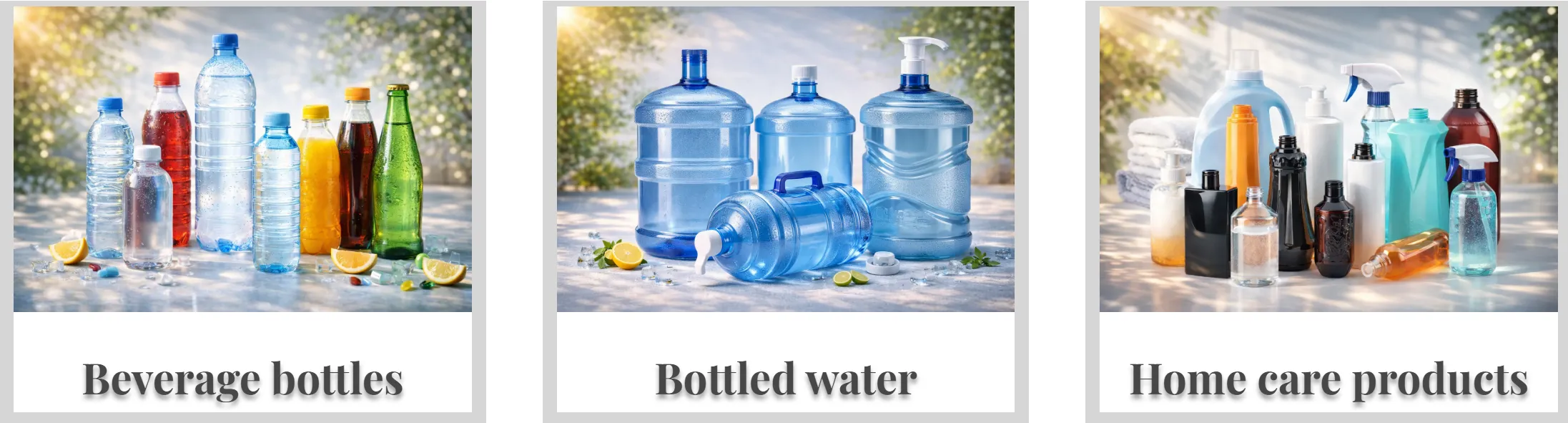
韓国の農薬市場は、除草剤、殺虫剤、殺菌剤、成長調整剤を合わせて2025年には1兆2000億ウォン規模に達すると予測されており、小売および農業資材の流通には、250ml~2Lの容器が年間約8500万個必要とされています。ISBM PETおよびPP容器は、ガラス(韓国の農業従事者の安全とリサイクル要件により急速に減少)やHDPE(油性製剤では依然として主流ですが、水性製剤ではPET ISBMに取って代わられつつあり、ISBMの寸法精度により韓国の農薬ブランドは複数の製品ラインで単一の蓋タイプに標準化できる)からシェアを奪っています。
ISBMが韓国の農業用容器にもたらす具体的な利点は、寸法の一貫性、重量、および向きによって強化される化学バリア性です。ISBM PETは、本体壁厚1.0~1.5mmで、4つのキャビティすべてにおいて壁厚CV%≦10%を実現し、韓国の農薬ブランドの品質保証チームが容器の認定要件で指定する、一貫した化学接触表面積、予測可能な溶出量、および確実な閉鎖トルクによるシール性を確保します。韓国の農村振興庁(RDA)の規制により、韓国の資源循環法の施行に伴い、2027年までに韓国の農業サプライチェーンにおける使い捨てガラス容器が段階的に廃止される中、ガラスと比較して40~50%の軽量化が韓国の農業流通においてますます高く評価されています。
韓国の農業用容器市場における韓国のISBM製造業者にとっての技術的な複雑さは、3つの相互に関連する要因に起因しています。それは、韓国の農薬製剤の化学的多様性(pH 3の水性除草剤から石油系殺虫剤まで)、韓国の規制システムの特定の容器承認要件(農薬管理法登録書類、韓国RDA容器材料承認リスト)、そして容器設計の選択(材料識別表示、預託金額の刻印、返却対応の蓋など)を金型製造前にISBM容器仕様に組み込むことを要求する韓国の容器預託金制度(預託金制度)です。
2. Korean 농약관리법 Container Regulatory Framework: What ISBM Producers Must Document
韓国農薬管理法(法律第15806号)およびその施行規則は、韓国のISBM包装製造業者が、韓国で登録された農薬製品に容器を使用する前に満たさなければならない、農薬容器に関する必須要件を定めています。これらの要件は、農薬ブランドの製品ラベルだけでなく、包装製造業者の生産資格に関する文書にも適用されます。
Korean RDA (농촌진흥청) container material approval: 韓国で登録されている農薬製品の容器には、韓国医薬品規制当局(RDA)が承認した容器材料リストに記載されている材料を使用しなければなりません。ISBM容器の場合、PET(ポリエチレンテレフタレート)は水性製剤の承認リストに、PP(ポリプロピレン)は油性および乳化濃縮製剤の承認リストに記載されています。PETGは韓国の農薬容器として明示的にリストに記載されていません。PETGは有機溶剤に敏感であるため、韓国RDAが評価していない乳化濃縮農薬製剤との化学的適合性にリスクが生じる可能性があるため、韓国ISBM製造業者は、事前に韓国RDAに相談することなく、農薬用途にPETGを使用すべきではありません。
Mandatory Korean agrochemical container markings (농약관리법 시행규칙 별표 3): Every Korean agricultural container must bear: (1) Korean resin identification code (삼각형 내 숫자: 1 for PET, 5 for PP) moulded into the container base — minimum 6mm triangle height; (2) Net volume marking moulded into the container (not label-printed) at the nominal fill level — for Korean volume accuracy, the ISBM container at 23°C must hold the declared volume within +2%/−0% tolerance; (3) Korean RDA container approval number (용기·포장 인증번호) embossed on the container shoulder or base — this approval number is issued after the Korean RDA reviews the container material, dimensional, and chemical compatibility documentation; (4) Hazard classification symbol in accordance with Korean GHS (화학물질의 분류·표지에 관한 세계조화시스템, K-GHS) requirements, if applicable to the specific agrochemical product.
UN certification for Korean agrochemical dangerous goods: Korean agrochemical concentrate formulations classified as dangerous goods under Korean Act on Dangerous Goods Safety Management (위험물 안전관리법) require containers meeting UN certification standards — specifically UN 3H1 (HDPE) or UN 3H2 (HDPE with composite) for liquids, or the equivalent PET classification where applicable. For Korean ISBM PET containers of concentrated agrochemical dangerous goods: UN certification tests under UN Recommendations on the Transport of Dangerous Goods include drop test, stacking test, hydraulic pressure test, and leakproofness test. Korean ISBM agricultural producers targeting the concentrated pesticide market (rather than the consumer-strength diluted product market) must obtain UN certification through a Korean Accredited Testing Body (한국산업표준인증원, KAS). Water-based diluted consumer-strength Korean agricultural products (already diluted to end-use concentration before bottling) typically do not require UN certification — this is the segment where Korean ISBM PET has greatest penetration.
3. Material Selection: PET and PP for Korean Agrochemical ISBM Containers
韓国のISBM(国際標準バルク金属容器)における農業用容器の材料選定は、韓国の飲料用または化粧品用ISBMにおける材料選定とは根本的に異なります。選定の決め手となるのは、主に農薬製剤の溶剤系とポリマーに対する化学的攻撃性であり、光学的な透明度や触感の美しさではありません。韓国でISBM加工可能な材料としては、PET、PP、そして(非常に特殊な用途向け)PCの3種類が挙げられますが、PETGは韓国の農薬用途からは明確に除外されています。
PET for Korean agricultural ISBM: PET (IV 0.78–0.84 dl/g, UV-stabilised grade) is the preferred Korean ISBM material for water-based Korean agrochemical formulations including: aqueous herbicide solutions (glyphosate, 2,4-D, glufosinate at water-based formulation concentrations), water-dispersible granule (WDG) diluents, aqueous fungicide solutions (mancozeb, propiconazole water-based), and water-soluble pouch outer packaging that holds a dry concentrate inside. Korean agricultural PET ISBM uses higher-IV resin than Korean beverage ISBM (IV 0.82–0.86 versus 0.78–0.82 for beverage) to maximise the molecular orientation achieved during blow — higher orientation improves chemical resistance by reducing the diffusion coefficient of agrochemical molecules through the PET wall, particularly important for acidic aqueous formulations (pH 3–5) that can slowly hydrolyse PET at the inner wall surface over the Korean 24-month agricultural product shelf life.
PP for Korean agricultural ISBM: PP ISBM(加熱式金型ベースインサートと120~145℃まで加熱可能なコンディショニングステーションを備えた韓国製ISBMプラットフォームを使用)は、韓国の農薬乳剤濃縮物(EC)や、キャリア溶媒(通常はC9~C11芳香族炭化水素溶媒、シクロヘキサノン、またはメチルナフタレン)が製品の保存期間中にPETに応力亀裂を引き起こす油性製剤に適した選択肢です。PPは非極性骨格と加水分解可能なエステル結合の欠如により優れた有機溶媒耐性を備えているため、濃縮有機リン系殺虫剤(クロルピリホスEC、ジアジノンEC)、芳香族キャリアのピレスロイド系殺虫剤(シペルメトリン10% EC、デルタメトリンEC)、および韓国の乳剤殺菌剤濃縮物に適した韓国製ISBMです。
Why PETG is excluded from Korean agricultural ISBM: PETGのグリコールコモノマーは、韓国のEC農薬製剤に使用される有機溶剤キャリアに対して特有の脆弱性を生み出します。PETGを高エタノール含有の韓国化粧品製剤による応力亀裂を受けやすくするのと同じエステル系ポリマー化学が、韓国のEC農薬に含まれる芳香族溶剤キャリアに対してさらに脆弱にしているのです。光学的な透明性を得るために農業用途でPETの代わりにPETGを使用する韓国のISBMメーカーは、製品の保存期間中に応力による容器破損のリスクが高い状況にあります。材料選択に関する詳細な技術比較は、 Korean ISBM PET vs PETG resin selection guide.
4. Chemical Resistance: Korean Agrochemical Formulation Categories and Container Compatibility
Korean agrochemical formulations span a wide range of chemical environments — from mildly acidic aqueous solutions that PET handles comfortably to concentrated organic solvent carriers that require PP. Understanding the formulation category is the prerequisite for correct Korean ISBM material selection; requesting the full formulation composition (active ingredient, solvent system, co-formulants, pH) from the Korean agrochemical brand before finalising the material specification is non-negotiable.
| Korean Agrochemical Category | Formulation Type | ペット | PP | Key Consideration |
|---|---|---|---|---|
| Herbicide (제초제) — glyphosate, 2,4-D, glufosinate | SL (solution), SG (granule) | ✓ 素晴らしい | ✓ 素晴らしい | Water-based pH 3–5. PET preferred for cost and clarity. 24-month shelf life compatible at ambient storage. |
| Fungicide (살균제) — mancozeb, propiconazole, tebuconazole | WP (wettable powder) SC (suspension) | ✓ Good–Excellent | ✓ 素晴らしい | Aqueous suspension (SC): PET compatible. EC format with organic solvent carrier: PP required. Verify formulation carrier before specifying PET for EC fungicide. |
| Insecticide (살충제) — pyrethroid (cypermethrin, deltamethrin) | EC (emulsifiable concentrate) | ⚠ Verify solvent | ✓ 素晴らしい | Aromatic hydrocarbon solvents (xylene, Solvesso) in Korean EC pyrethroid formulations cause PET stress cracking within 3–6 months. PP is the correct ISBM choice for EC insecticides. |
| Insecticide — organophosphate (chlorpyrifos, diazinon) | EC (emulsifiable concentrate) | ✗ 不適切 | ✓ 素晴らしい | Organophosphate EC carriers are strongly incompatible with PET — Korean RDA container approval for organophosphate EC requires PP ISBM or HDPE containers. No exceptions. |
| Growth regulator (생장조정제) — gibberellin, ethephon, mepiquat | SL (solution) | ✓ 素晴らしい | ✓ 素晴らしい | Aqueous solution at low concentration. Ethephon (2-chloroethylphosphonic acid) is strongly acidic (pH 1.5–2.5 as supplied) — verify PET compatibility with 12-month accelerated storage at 40°C before commercial commitment. |
Korean agrochemical chemical compatibility testing protocol for Korean ISBM containers: minimum 12-week accelerated compatibility test at 40°C (Korean summer ambient equivalent), measuring: wall thickness loss rate at contact surface (target ≤ 5% over 12 weeks), tensile strength retention (target ≥ 90% of baseline), chemical permeation through the ISBM wall (active ingredient concentration loss in the formulation from migration through the container wall, target ≤ 2% at 12 weeks), and container dimensional change (target: neck OD change ≤ 0.1mm, height change ≤ 0.5%). Korean RDA container approval applications must include the compatibility test results from a Korean accredited laboratory.
5. UV Stability for Korean Outdoor Agricultural Storage Conditions
Korean agricultural containers are stored and used in outdoor environments that create significantly more demanding UV exposure conditions than Korean retail or pharmaceutical packaging — Korean farm supply stores are often corrugated metal roof structures without UV shielding, Korean agricultural cooperative (농협) distribution centres store product outdoors under tarpaulin between April and October, and Korean farmers store agrochemical bottles on open farm shelving exposed to Korean solar radiation of 4.8–5.8 kWh/m²/day (among the highest in East Asia at Korean latitude of 33–38°N).
UV radiation affects Korean ISBM agricultural containers through two mechanisms: (1) polymer chain degradation (UV-induced photo-oxidation that yellows and embrittles the PET container wall, reducing mechanical integrity and chemical barrier); and (2) agrochemical active ingredient photodegradation (UV transmission through the container wall that photo-deactivates UV-sensitive Korean agrochemical active ingredients including pyrethroids, certain herbicides, and biological fungicides).
UV protection strategy for Korean ISBM PET agricultural containers:
- UV-stabilised PET resin grade: 韓国の農業用ISBMには、UV安定剤パッケージ(ヒンダードアミン光安定剤、HALS、およびUV吸収剤共添加剤)を含むPETグレードを指定してください。UV安定化剤を含まない標準的な飲料用PETは、韓国の屋外UVに6~12ヶ月さらされると黄変し、機械的に脆くなります。韓国の農業用PET ISBM樹脂の選択肢としては、イーストマンの工業用PETグレードと、韓国の国内樹脂サプライヤーのUV安定化PETグレード(SKケミカルズとHuvisはどちらも、韓国の農業用容器用途向けに検証済みのUV安定化PETグレードを提供しています)があります。
- Pigmented containers for UV-sensitive actives: 紫外線によって分解する韓国製のピレスロイド系および生物農薬製品は、不透明または高着色の韓国製ISBM容器に包装する必要があります。琥珀色のISBM PET(鉄系琥珀色マスターバッチを使用)は、400nm以下の紫外線を約95%遮断します。白色のISBM PP(二酸化チタン着色)は、可視光線と紫外線をほぼ完全に遮断します。適切な容器の色については、韓国農薬ブランドの製剤チームにご相談ください。製剤チームは、有効成分の光安定性データを持っているはずです。
- Korean agricultural UV exposure testing: Korean RDA container approval applications for Korean outdoor agricultural use require UV accelerated ageing testing per ISO 4892-2 (Xenon arc lamp, 300–400nm, 340nm irradiance 0.51 W/m², 500 hours minimum) confirming tensile strength retention ≥ 80% and no visible cracking or yellowing above ΔE 5 on the NCS colour scale after 500-hour exposure.
6. Korean 빈용기 보증금 Container Deposit Compliance: Design Requirements
韓国の農業用コンテナ寄託システム — 빈용기 보증금 제도 (空コンテナ寄託システム) — は、韓国電気電子機器の資源循環に関する法律に基づき、韓国農水産食品貿易公社 (한국농수산식품유통공사、aT) によって管理されています。および車両 (전기・전자제품 및 자동차의 자원순환에 관한 법률) および韓国の農薬容器返却率規制。韓国の ISBM 製造業者の場合、デポジット システムにより、金型仕様に統合する必要がある 3 つの特定の設計要件が作成されます。
- Deposit amount moulded-in identification: Korean agricultural containers ≥ 300ml must have the deposit amount (KRW 100, 200, or 300 depending on container volume category) embossed directly into the container surface as a moulded feature — not as a label. The ISBM mould must include this embossed marking in the container body design. Deposit amounts (2026 Korean schedule): containers 300ml–500ml: KRW 100; containers 500ml–2L: KRW 200; containers above 2L: KRW 300.
- Resin identification code: Korean 재활용 identification triangle with resin number (1 for PET, 5 for PP) moulded into the container base — minimum triangle height 6mm as specified in Korean KS M ISO 1043 standard, visible after container is emptied and rinsed at the Korean agricultural cooperative (농협) collection point.
- Rinsability design: Korean agricultural deposit system containers must be rinseable with water to below 1 ppm active ingredient concentration after 3 rinsing cycles — the Korean RDA rinsability specification. Korean ISBM containers designed for rinsability: avoid internal dead zones (no internal ribs that trap agrochemical residue), ensure neck inner diameter ≥ 22mm (allowing rinse water to flow freely from neck to base), and avoid ISBM gate zone designs that create an internal raised ridge at the bottle base that prevents complete drainage of rinsing water.
韓国の農業用容器顧客にISBMを供給する韓国の生産者は、韓国農業協同組合(농협)の流通ネットワークへのアクセスを希望する場合、韓国の農薬ブランドの顧客に、容器の韓国RDA容器承認証明書(용기·포장 인증서)とデポジットプログラム適格確認書を提出する必要があります。これらは、金型仕様図面と材料文書の韓国RDAによる審査後に発行されます。韓国の農業用容器の金型設計決定を導く9つの要素からなる金型選択フレームワーク(デポジットエンボス加工、樹脂識別、洗浄性機能を含む)は、 韓国ISBM金型選定ガイド.
7. Tamper Evidence and Safety Feature Engineering for Korean Agricultural ISBM
韓国の農薬登録容器には、韓国の農薬製造工場での充填以降、容器が開封されていないことを確認できる改ざん防止機能が組み込まれていなければなりません。韓国農薬管理法では、韓国の小売チャネルで販売されるすべての農薬容器に改ざん防止機能が義務付けられており、急性毒性区分1~3の農薬容器に対する韓国GHS危険有害性分類(K-GHS)では、韓国の農村家庭で子供が触れる可能性のある容器には、さらにチャイルドレジスタントクロージャー(CRC)機能が義務付けられています。
Korean ISBM agricultural tamper evidence options and their production design implications:
- Breakband (breakaway band) closure: The most common Korean agricultural tamper evidence method — a plastic ring moulded as part of the screw cap that breaks irreversibly when the cap is first opened. The ISBM container design must accommodate the breakband by including a moulded-in retaining bead or ledge on the neck below the thread end — this feature is moulded into the ISBM neck insert and must be included in the mould design specification. Korean agricultural breakband closure thread profile: standard Korean agricultural containers use 28/400 or 38/400 GPI thread with a 4mm retaining bead below the thread finish.
- Induction heat seal liner: An induction-heat-bonded foil liner applied over the container neck after filling — provides hermetic seal in addition to tamper evidence. Korean agrochemical brands using induction seal require ISBM neck finishes with flat sealing surface (GPI F217 style neck liner land) — a flat, smooth, and level sealing surface at the top of the neck that allows the induction seal foil to bond uniformly without gaps. ISBM neck insert surface quality for induction seal: Ra ≤ 0.05μm at the sealing surface, flatness ≤ 0.1mm TIR across the sealing land width.
- Korean child-resistant closure (CRC) compatibility: 韓国のK-GHS分類で急性毒性があるとされる農薬には、KS M ISO 8317規格に従ってチャイルドレジスタントクロージャーが必要です。CRC用途の韓国製ISBM容器は、38/400または45/400のネック仕上げで、プッシュアンドターン(P&T)式のCRCキャップを採用しています。このキャップを開けるには、下向きの圧力と回転を同時に行う必要があります。この動作は、韓国の成人農業従事者にとっては直感的ですが、5歳未満の韓国の子供は確実に行うことができません。CRCキャップの機能は、キャップとネックの干渉嵌合に依存するため、CRC容器用の韓国製ISBMネック仕上げには、標準的な農業用容器よりも厳しい寸法公差(ネック外径±0.06mm)が求められます。きつすぎると韓国の成人ユーザーは開けることができず、緩すぎるとCRC機能が韓国のKS M ISO 8317試験に合格しません。
8. Production Design: Wall Thickness, Volume Range, and Korean Agricultural ISBM Specification
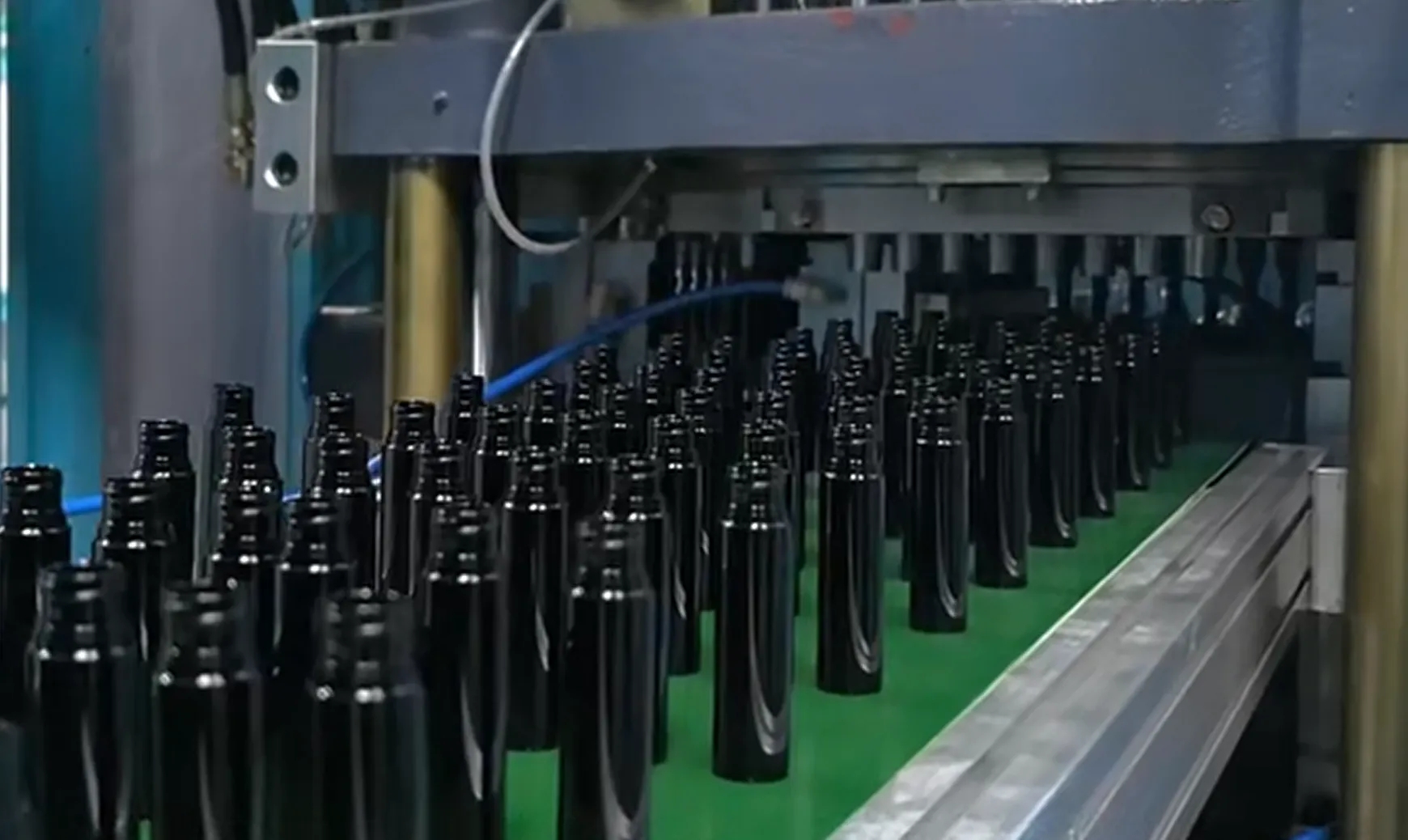
Korean ISBM agricultural container production — 500ml PET (left) and 1L PET (right) for Korean herbicide distribution. Body wall 1.2mm versus Korean beverage 0.25mm (4.8× heavier wall) provides chemical barrier, UV resistance, and the mechanical robustness to survive Korean farm supply chain handling — steel-shelved Korean agricultural cooperative stores, metal-floored Korean delivery trucks, and Korean farm corrugated metal storage floors where containers are occasionally dropped from 1.5–2m height.
韓国のISBM(工業用ISBM)農業用容器の製造設計は、韓国の飲料用ISBMとは、壁厚、ネック形状、ブロー圧力という3つの基本的なパラメータにおいて異なっている。それぞれの設計は、軽量化や美観ではなく、用途固有の要件(耐薬品性、閉鎖トルク、構造的堅牢性)に基づいて行われている。
Korean agricultural ISBM wall thickness specification: Body wall target 1.0–1.5mm (versus Korean beverage 0.22–0.28mm). The heavier wall serves three functions simultaneously: improved chemical barrier (diffusion path length for active ingredient migration through the wall is proportional to wall thickness, so 1.2mm wall has 5× the barrier of 0.25mm beverage wall); UV resistance (more polymer mass absorbs more UV before reaching the contained product); and mechanical robustness (Korean agricultural Korean distribution chain drop resistance — a 500ml PET agricultural bottle at 1.2mm wall absorbs the energy of a 1.5m corner drop onto Korean concrete agricultural cooperative flooring without leakage, where a 0.25mm beverage wall would split). To produce 1.2mm average body wall in Korean ISBM, the preform wall must be proportionally heavier than the standard beverage preform — Korean agricultural ISBM preforms typically weigh 28–35g for a 500ml container versus 14–18g for a Korean 500ml beverage preform.
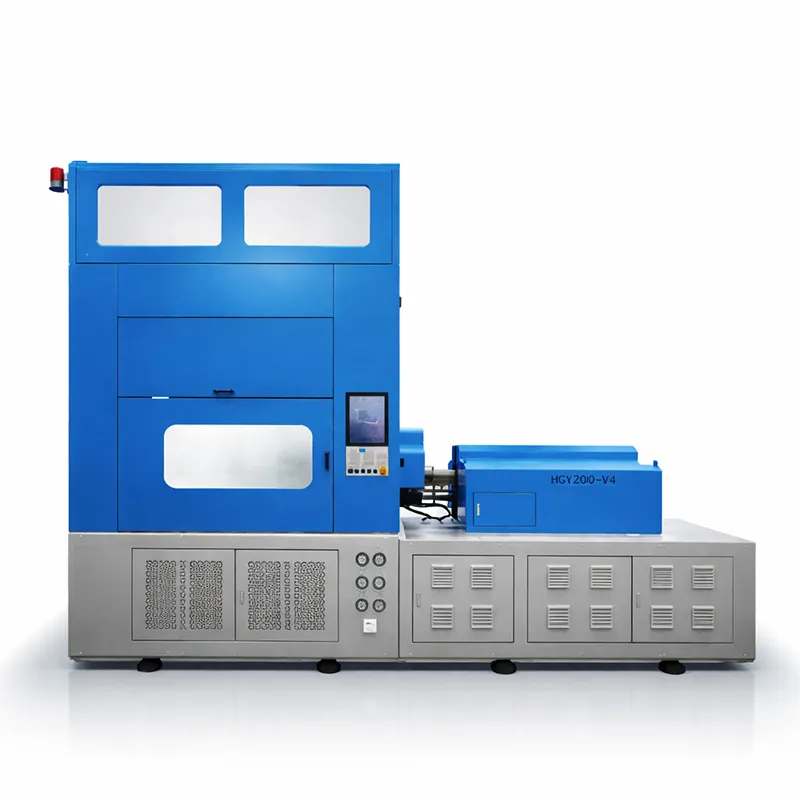
Korean agricultural ISBM neck profile: Wide-mouth necks (28/400, 38/400, 45/400 GPI finish) are standard for Korean agricultural containers — wider necks reduce the flow resistance when Korean farmers pour concentrated formulations from the bottle into mixing equipment, and they accommodate Korean agricultural CRC closures that are physically larger than Korean beverage closures. Wide-mouth Korean ISBM requires machines with injection clamping force appropriate for the larger preform gate area — the Korean Ever-Power HGY200-V4 (200 kN injection clamping, 63mm maximum neck) is the standard platform for Korean 28–38mm agricultural neck production; the HGY250-V4 (250 kN, 86mm maximum neck) covers Korean 45mm and above agricultural wide-mouth formats.
Korean agricultural ISBM blow pressure: The heavier-wall Korean agricultural ISBM preform requires higher pre-blow and high-blow pressure than Korean beverage production to achieve complete mould contact and orientation at the heavier wall. Korean agricultural ISBM blow pressure targets: pre-blow 7–9 bar (versus 6–8 bar beverage); high-blow 28–34 bar (versus 24–28 bar beverage). The Korean Ever-Power 4ステーションISBMマシンシリーズ これらのプラットフォームはすべて最大40バールの高圧ブローに対応しており、機械の最大定格圧力に近づくことなく、韓国の厚肉農業用コンテナの生産に十分な余裕を提供します。定格圧力95~100%ではなく70~80%で動作するため、サイクル数の多い韓国の農業生産環境においてブローバルブのPTFEシールの耐用年数が大幅に延長されます。
よくある質問
Agricultural Container Support
Korean Agricultural ISBM Container — Korean RDA Approval Documentation, Chemical Compatibility Testing, or 빈용기 보증금 Design Support?
Korean Ever-Power provides agricultural ISBM container documentation packages for Korean RDA approval, UV-stabilised PET and PP resin selection for Korean agrochemical formulations, and 빈용기 보증금 mould design compliance review.
関連リソース
射出延伸ブロー成形機 HGY200-V4
250ml–1L Korean agricultural container · UV-stabilised PET and PP · 200 kN injection clamping for 28/400 wide-mouth agricultural neck · Korean RDA qualification documentation support.
射出延伸ブロー成形機 HGY250-V4
1L–3L Korean agricultural container · Wide-mouth 86mm neck for Korean 1L CRC agricultural formats · Heavy-wall PP for Korean EC insecticide concentrate · Korean UN certification test support.
射出延伸ブロー成形機 HGY650-V4
高生産性の韓国農業用コンテナ生産・韓国農協の大規模供給規模・季節的な韓国除草剤生産ピーク時のUV安定化PET・韓国の完全な非使用用コンテナ設計資格。