Application de l'ISBM · Produits chimiques ménagers · Marché coréen 2026
ISBM Produits chimiques ménagers coréens
Guide des bouteilles
Les emballages de produits chimiques ménagers coréens doivent être fabriqués à partir de résines, de matériaux de moulage et de procédés de production capables de résister aux formulations chimiques exactes contenues dans le flacon, et non selon de simples allégations de « résistance chimique ». Une bouteille en PP qui se détériore après 3 mois d'exposition à la soude caustique 5%, ou une bouteille en PET qui se fissure sous l'effet de la tension dans une solution de nettoyage à l'éthanol 10%, entraîne un rappel de produit, et non une simple réclamation pour défaut de qualité.
Conformité SGH/CLP 2026
Normes de fermeture sécuritaires pour les enfants
Bureau d'ingénierie Ever-Power coréen · Ansan-si · Mai 2026
1. Pourquoi la compatibilité chimique est la première décision de conception ISBM
En Corée, le choix des emballages ISBM pour les produits chimiques ménagers ne peut se baser sur l'esthétique ou le volume ; il doit impérativement reposer sur la compatibilité chimique. La paroi du flacon constitue la première barrière entre un produit pouvant contenir des concentrations alcalines allant jusqu'à 51 TP3T de NaOH (déboucheurs de canalisations), des concentrations acides allant jusqu'à 91 TP3T de HCl (nettoyants pour cuvette de toilettes) ou des mélanges de tensioactifs à des concentrations de 15 à 401 TP3T de matière active (détergents concentrés), et l'environnement domestique du consommateur. Un matériau techniquement adapté à 500 ml d'eau plate n'offre aucune garantie valable pour 750 ml de lessive concentrée.
Les modes de défaillance des plastiques chimiquement incompatibles sont spécifiques et prévisibles. Le polypropylène (PP) exposé à l'acide nitrique concentré se fissure sous contrainte en quelques jours. Le PET exposé à des solutions d'hypochlorite de sodium (eau de Javel) à une concentration supérieure à 31 µg/L présente un jaunissement visible et une fragilisation en moins de six semaines. Le PETG exposé à l'éthanol à une concentration supérieure à 40 µg/L gonfle et perd sa stabilité dimensionnelle en moins de 30 jours. Ces défaillances ne correspondent pas à une dégradation progressive de la qualité ; il s'agit de défaillances structurelles soudaines provoquant des fuites, des déversements ou la rupture catastrophique des bouteilles lors de leur utilisation par le consommateur, ce qui peut entraîner des poursuites en responsabilité du fait des produits en vertu de la loi coréenne sur la responsabilité du fait des produits (제조물 책임법).

Pour les producteurs coréens d'ISBM, la validation de la compatibilité chimique n'est pas une simple formalité administrative : c'est l'étape de spécification qui détermine l'ensemble du processus de production. Une marque coréenne de lessive passant de bouteilles en PEHD à des bouteilles en PP ISBM doit réaliser des tests de compatibilité chimique explicites entre la qualité spécifique de PP ISBM et sa formulation exacte, et non se contenter d'une déclaration générique du type « le PP est chimiquement résistant ». Le contexte plus large du marché des produits chimiques ménagers, incluant le paysage des marques coréennes et l'environnement réglementaire, est abordé dans le document suivant : Guide de production ISBM des produits chimiques ménagers coréens.
2. Matrice de résistance chimique : PP vs PET vs PETG
| Produit chimique / Application | Conc. | PP ISBM | PET ISBM | PETG ISBM | Produit coréen typique |
|---|---|---|---|---|---|
| tensioactifs anioniques (LAS) | 5–30% | ✓ Excellent | ✓ Bien | ⚠ Modéré | Lessive, liquide vaisselle |
| hypochlorite de sodium (NaOCl) | 3–5% | ✓ Excellent | ✗ Pauvre | ✗ Pauvre | Eau de Javel, nettoyant pour salle de bain |
| Hydroxyde de sodium (NaOH) | 1–5% | ✓ Excellent | ✓ Bien | ⚠ Modéré | Déboucheur de canalisations, nettoyant pour four |
| Acide chlorhydrique (HCl) | 5–10% | ✓ Bien | ⚠ Modéré | ✗ Pauvre | nettoyant pour cuvette de toilettes, nettoyant pour carrelage |
| Éthanol / IPA | 50–75% | ✓ Excellent | ✓ Bien | ✗ Pauvre | Gel hydroalcoolique, désinfectant de surface |
| Acide citrique | 5–15% | ✓ Excellent | ✓ Excellent | ✓ Bien | Détartrant, nettoyant écologique |
| Désinfectant cationique (QAC) | 1–5% | ✓ Excellent | ✓ Excellent | ⚠ Modéré | Désinfectant de cuisine, spray de surface |
✓ Excellent = aucune dégradation observable après 6 mois à 23 °C. ✓ Bon = légère réduction de la brillance superficielle. ⚠ Moyen = acceptable pour une durée de conservation inférieure à 3 mois (test de confirmation requis). ✗ Mauvais = non recommandé – risque de défaillance structurelle en quelques semaines. Ces évaluations sont basées sur les concentrations standard des produits de consommation ; veuillez vérifier la conformité avec votre formulation exacte avant l’approbation de la production.
Le principal enseignement de cette matrice pour les producteurs coréens de matériaux ISBM : le PP est le choix universel pour les agents de nettoyage oxydants (eau de Javel, hypochlorite) et les produits alcalins (déboucheur, nettoyant pour four) ; le PET et le PETG ne peuvent tout simplement pas contenir ces formulations en toute sécurité. Pour les nettoyants non oxydants à base de tensioactifs (lessive, liquide vaisselle), le PET est une option viable et offre l’avantage d’une transparence optique que le PP ne peut pas fournir. Pour les nettoyants écologiques haut de gamme coréens utilisant de l’acide citrique et des tensioactifs d’origine végétale, le PET et le PP sont tous deux acceptables ; la marque fait son choix en fonction de ses préférences esthétiques. Le cadre de décision complet concernant le choix des matériaux (PP vs PET) pour les applications chimiques coréennes est présenté dans le document suivant : Guide de sélection des matériaux PP et PET.
3. Catégories de produits chimiques ménagers coréens et spécifications des flacons
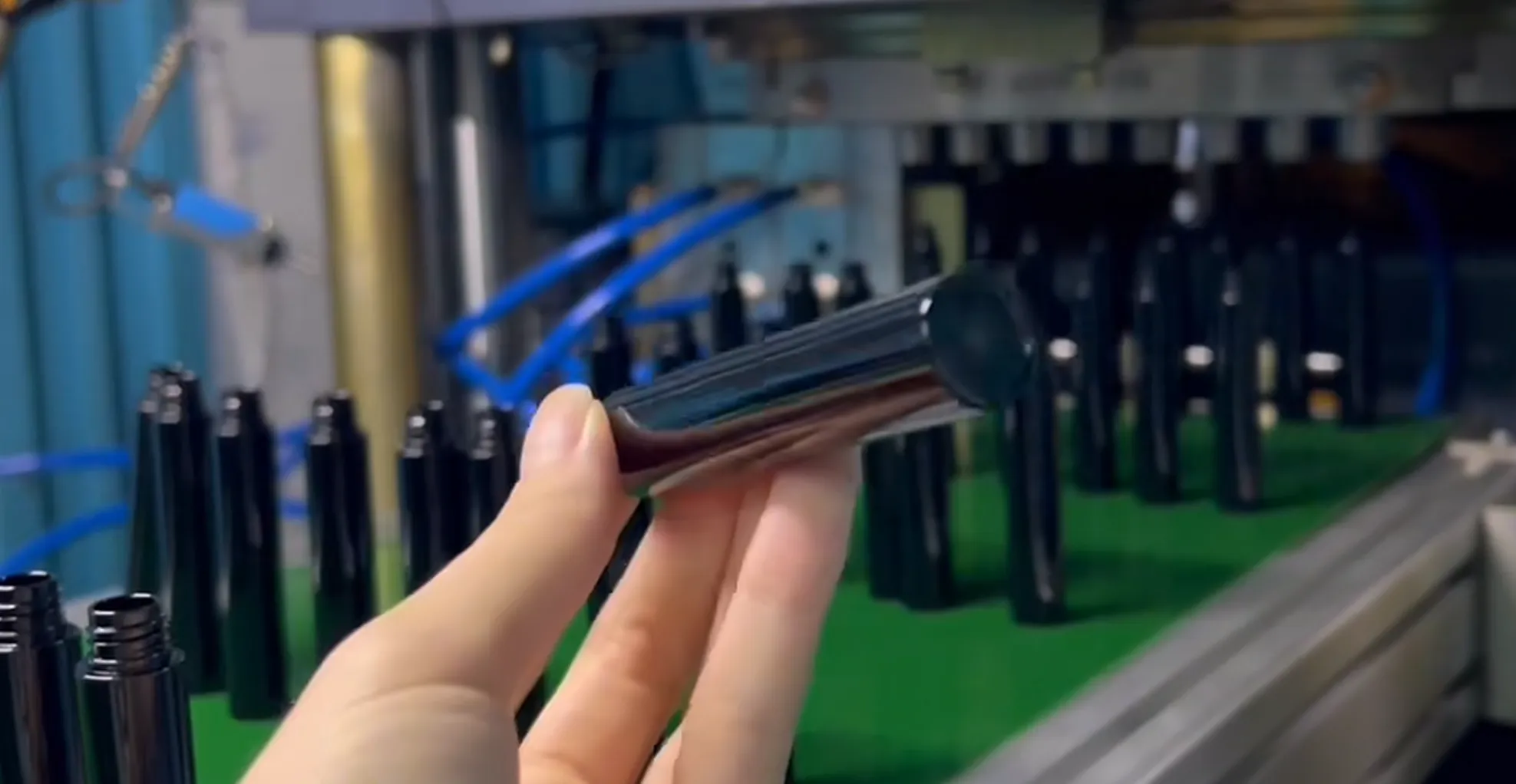
Lessive en poudre — PP ISBM, 750 ml à 2 l, flacon pulvérisateur ou bouchon verseur
Le secteur des flacons de produits nettoyants est le plus concurrentiel de Corée. Les marques dominantes (LG H&H Ecovista, Aekyung Le Chatelier, SK E&S Greenmate) génèrent un chiffre d'affaires annuel de 850 milliards de wons. Exigences relatives aux flacons : PP ISBM compatible avec les tensioactifs et les enzymes ; blanc opaque ou translucide/coloré pour masquer le jaunissement du produit au fil du temps ; bouchon à clapet ou distributeur à gâchette ; étiquetage des irritants de catégorie 3 selon le SGH.
Caractéristiques principales
Résine : PP homo/copo
Col : 28 mm ou 38 mm
Épaisseur minimale de paroi : 0,32 mm
Charge par le haut : ≥ 120 N
Produit chimique : LAS + enzyme OK
Eau de Javel / Désinfectant — PP ISBM, 500 ml à 1,5 l, flacon verseur ou à clapet
L'application ISBM la plus exigeante chimiquement. Les marques coréennes (Yuhanrox, SK Clenni) commercialisent de l'hypochlorite de sodium à une concentration de 3-5%, une formulation qui détruit le PET et le PETG en quelques semaines. Seul le PP ISBM offre une résistance adéquate. Le PP blanc ou translucide avec stabilisateur UV est la norme, car l'hypochlorite de sodium est photodégradé par l'exposition aux UV. La bouteille doit être conforme aux exigences de la K-EPA en matière de fermeture de sécurité enfant à partir de 2026 (voir section 5).
Caractéristiques principales
Résine : PP + stabilisateur UV
Col : 28 mm (sécurité enfant)
Épaisseur minimale de paroi : 0,35 mm
Charge par le haut : ≥ 100 N
Produit chimique : NaOCl 5% OK
Nettoyant écologique premium — PET ISBM transparent, 300–750 ml, spray ou pompe
La sous-catégorie des produits chimiques ménagers ISBM connaît la croissance la plus rapide en Corée, portée par la certification écologique K-EPA (녹색제품) et la demande croissante des parents coréens pour des produits d'entretien sûrs. Les formulations à base d'acide citrique et de tensioactifs d'origine végétale sont compatibles avec le PET, ce qui permet aux marques éco-responsables coréennes (Good Base, Toss & Wash, Creamo) de proposer des flacons ISBM en PET transparent. La couleur naturellement pâle du produit est ainsi mise en valeur comme gage de qualité, une stratégie esthétique proche de la K-Beauty appliquée aux produits d'entretien.
Caractéristiques principales
Résine : PET transparent
Cou : pulvérisation de 28 mm
Épaisseur minimale de paroi : 0,22 mm
Brillance : ≥ 88 GU
Produit chimique : Acide citrique OK
4. Exigences d'étiquetage SGH/CLP et conception des bouteilles coréennes
La loi coréenne sur le contrôle des produits chimiques et des biocides (생활화학제품 및 살생물제의 안전관리에 관한 법률, promulguée en 2019 et pleinement applicable en 2021) impose un étiquetage des dangers conforme au SGH sur tous les produits chimiques ménagers. Cet étiquetage doit comporter le pictogramme, la mention d'avertissement (위험/경고) et les conseils de prudence/précautions d'emploi, qui doivent figurer sur l'emballage primaire. Pour les concepteurs de flacons ISBM, cette obligation d'étiquetage SGH a trois conséquences directes sur l'emballage :
Zone du panneau d'étiquette
Le SGH exige que tous les éléments d'étiquetage obligatoires figurent sur l'étiquette principale sans se chevaucher. Les flacons de produits chimiques ménagers coréens doivent présenter une surface d'étiquetage minimale de 40 cm² pour les produits ≤ 500 ml et de 60 cm² pour les produits de 500 ml à 3 L. Ceci impose des exigences minimales en matière de diamètre du flacon et de hauteur de l'étiquette, que les concepteurs de moules ISBM doivent intégrer dès la conception du flacon ; toute modification de la surface d'étiquetage sur les flacons ISBM est impossible après la fabrication.
Visibilité des pictogrammes
Les pictogrammes SGH doivent couvrir une surface minimale de 1,0 cm² chacun sur les flacons de 500 ml à 3 l. La finition de surface de l'étiquette doit permettre l'impression à l'encre permanente ou l'adhérence d'étiquettes autocollantes, compte tenu des conditions d'exposition chimique spécifiques au produit (un flacon de NaOCl 5% mettra l'adhérence de l'étiquette à rude épreuve ; les spécifications de l'étiquette doivent en tenir compte). Pour les flacons en PP destinés à des produits fortement alcalins, un traitement corona de surface est requis afin d'améliorer l'adhérence de l'étiquette.
Couleur et opacité
La réglementation coréenne relative aux produits chimiques ménagers déconseille l'utilisation de contenants primaires transparents pour les produits classés comme toxiques par voie orale aiguë dans les catégories 1 ou 2 du SGH, car leur ressemblance visuelle avec les bouteilles de boissons crée un risque d'ingestion accidentelle. Les fabricants coréens de produits chimiques ménagers à usage interne (ISBM) commercialisant des marques dont les formulations sont classées dans les catégories 1 et 2 doivent privilégier, au minimum, un flacon teinté et semi-opaque plutôt qu'un flacon en PET transparent comme du verre. Cette exigence a été relevée par les autorités de réglementation lors des audits de sécurité des produits chimiques ménagers menés par l'Agence coréenne de protection de l'environnement (K-EPA) depuis 2023.
5. Compatibilité avec les dispositifs de sécurité enfant : norme K-EPA 2026
Le ministère coréen de l'Environnement (MOE) a publié la réglementation K-EPA relative à la sécurité enfant des emballages de produits chimiques ménagers, applicable à compter de janvier 2026. Cette réglementation impose que les produits chimiques ménagers classés comme hautement toxiques (catégories 1 à 3 du SGH) ou corrosifs soient conditionnés dans des emballages munis d'un système de fermeture à l'épreuve des enfants (SPE). La norme de référence est la norme KS M ISO 8317 (équivalente à la norme internationale ISO 8317 relative aux systèmes de fermeture à l'épreuve des enfants). Cette norme exige que le système de fermeture réussisse le test standard auprès d'un panel d'enfants (un enfant de 5 ans ne peut pas l'ouvrir en 5 minutes) tout en restant accessible à un adulte en 60 secondes.
Pour les fabricants coréens de bouteilles ISBM, l'obligation de fermeture sécurisée pour enfants (CRC) impose une exigence de compatibilité de la finition du col, qui doit être spécifiée dès la conception du moule. Les fermetures CRC pour les bouteilles de produits chimiques ménagers coréennes utilisent deux mécanismes : la fermeture par pression et rotation (nécessitant une géométrie de filetage spécifique avec un profil interrompu dans lequel la fermeture s'enclenche) et la fermeture par pression et rotation (nécessitant un diamètre extérieur et un profil de filetage du col permettant l'engagement du mécanisme de pression et de déviation). Ces deux mécanismes requièrent une géométrie de finition du col différente de celle des fermetures standard pour produits alimentaires ou boissons. Le moule ISBM coréen doit donc être conçu selon les spécifications de finition du col du fournisseur de fermetures CRC, et non selon un profil de col standard GPI.
Les fabricants coréens de bouteilles ISBM entrant sur le marché des produits chimiques ménagers doivent confirmer le fournisseur de bouchons CRC avant de finaliser l'outillage de finition du col. Ce fournisseur fournit le schéma de spécification de la finition du col auquel le moule doit se conformer. Les trois fournisseurs coréens de bouchons CRC desservant le marché des produits chimiques ménagers (Bericap Korea, Silgan Korea et Closure Systems International Korea) proposent chacun des spécifications de finition du col légèrement différentes pour leurs mécanismes à pousser et tourner, et ces spécifications ne sont pas interchangeables. Le cadre de sélection des moules en 9 points inclut la spécification de l'insert de col comme critère d'approvisionnement essentiel, comme indiqué dans le document suivant : Guide de sélection des moules ISBM coréens.
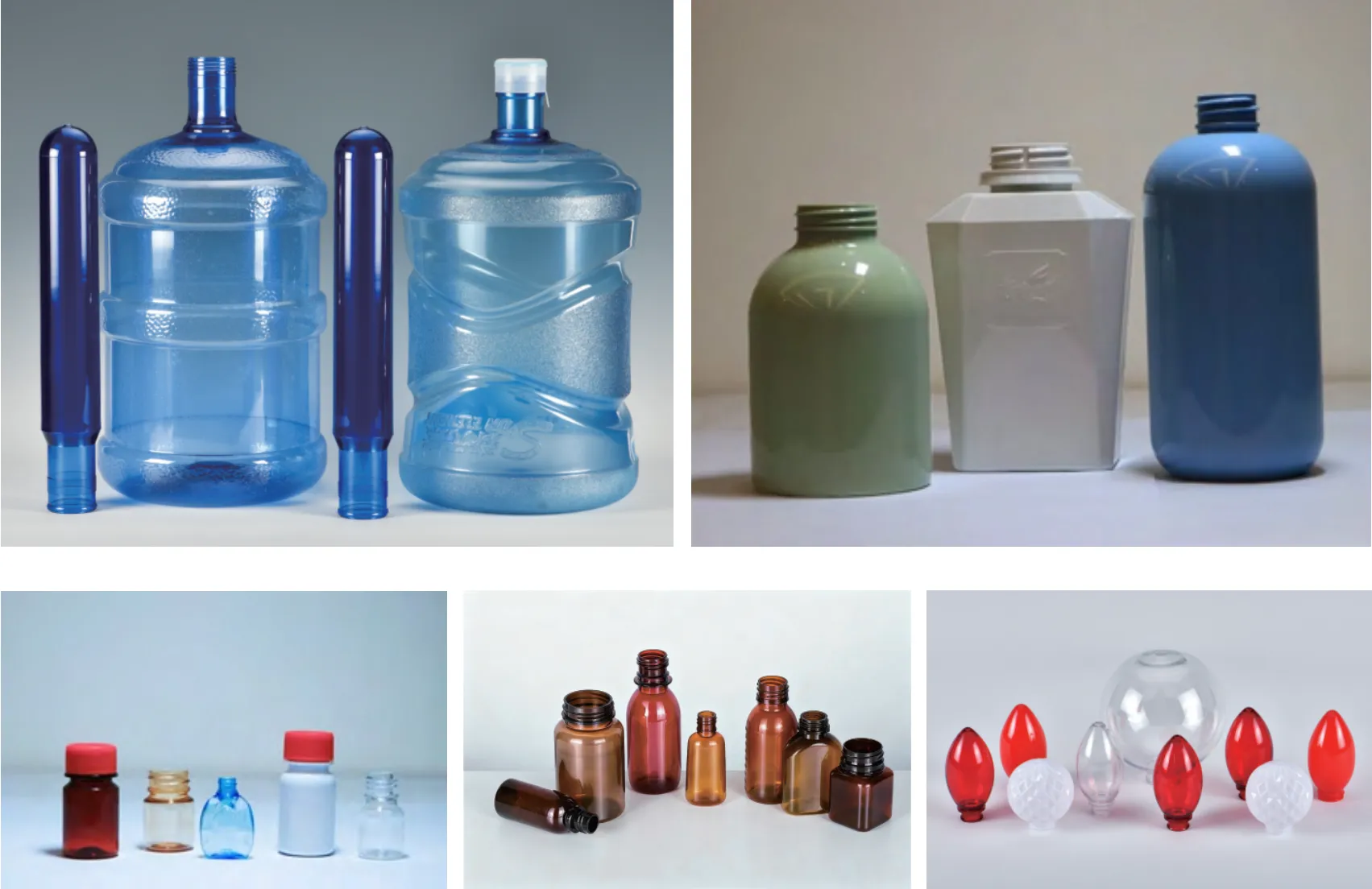
6. Dosage et distribution : Profils de col pour les formats de produits chimiques ménagers coréens
Les produits chimiques ménagers coréens utilisent une plus grande variété de systèmes de distribution que les boissons ou les produits d'hygiène personnelle. Chaque format de distribution requiert une finition de col spécifique que les concepteurs de moules ISBM coréens doivent prendre en compte. Voici les quatre principaux formats de distribution des produits chimiques ménagers coréens et leurs exigences en matière de finition de col :
| Format | Profil du cou | CRC requis ? | Application coréenne |
|---|---|---|---|
| Bouchon à clapet | CT de 28 mm ou 38 mm | SGH Cat 1–3 : Oui | lessive, assouplissant |
| Spray à gâchette | 28 mm (DIN 28 mm) | SGH Cat 1–3 : Oui | nettoyant de surface, spray désinfectant |
| Bouchon doseur (mesure) | 38 mm ou 48 mm | Cat 4 : Dépend | Lave-linge concentré, lave-vaisselle |
| Goulot de versement (incliné) | 38 mm ou 48 mm | Cat 4–5 : Optionnel | déboucheur de canalisations, détartrant pour toilettes |
Les flacons pulvérisateurs coréens pour produits de nettoyage présentent un défi spécifique en matière d'outillage ISBM : le profil de col DIN de 28 mm utilisé pour les bouchons des pulvérisateurs coréens (standard pour la plupart des marques de sprays ménagers coréennes) présente des tolérances dimensionnelles légèrement différentes de celles du col standard GPI de 28 mm pour les boissons. Le profil DIN possède une profondeur de filetage plus courte (2,5 tours contre 3,5 tours GPI), conçue pour le mécanisme de fixation/détachement en un quart de tour des pulvérisateurs. Les fournisseurs coréens de moules ISBM, sans expérience dans le domaine des produits chimiques ménagers, fournissent parfois des outils standard GPI de 28 mm pour les pulvérisateurs, créant ainsi des bouchons techniquement interchangeables mais dont les caractéristiques de couple différentes entraînent des plaintes de consommateurs concernant le desserrage des têtes de pulvérisateur pendant l'utilisation.
7. Leaders du marché coréen et exigences de qualification des fournisseurs
Le marché coréen des produits chimiques ménagers est dominé par quatre grands groupes : Aekyung (애경산업, propriétaire des marques 2080 et Sparkle), LG H&H (LG생활건강, propriétaire des marques Vim, Petal et Tech), SK E&S (division produits chimiques ménagers) et P&G Korea (Ariel, Fairy et Flash). En dessous de ce segment, un nombre important et croissant de marques coréennes de produits d'entretien naturels (Sonmat, Clean & Clear, Forest Life) ciblent le segment haut de gamme et écologique via Coupang et le réseau de distribution Maeil Dairy.
Les marques coréennes de produits chimiques ménagers de premier plan (Aekyung, LG H&H) appliquent des processus de qualification des fournisseurs d'une durée de 12 à 20 semaines. Ces processus comprennent : des tests de compatibilité chimique avec la formulation spécifique de chaque marque (le fournisseur doit soumettre 50 flacons échantillons pour un test de remplissage et de stockage de 90 jours à 40 °C avant approbation) ; un examen de conformité de l'étiquetage des produits chimiques ménagers par l'Agence coréenne de protection de l'environnement (K-EPA) (l'emballage doit comporter tous les éléments requis par le SGH aux dimensions minimales spécifiées) ; un test fonctionnel des bouchons CRC avec le fournisseur de bouchons agréé de la marque ; et un audit des installations axé sur la constance de la production (balance pondérale entre les cavités, documentation relative au contrôle des processus). Les producteurs coréens d'ISBM qui intègrent pour la première fois le marché des produits chimiques ménagers de premier plan doivent faire appel à un consultant en réglementation coréen pour préparer le dossier de conformité. Les exigences en matière de documentation sont plus importantes que pour les emballages alimentaires ou de soins personnels et le coût des erreurs est plus élevé (un échec à un test de compatibilité chimique après 90 jours est coûteux en temps et en matériaux d'échantillon). Le système de qualité de la production qui garantit ce niveau de constance documentaire repose sur le cadre de contrôle du taux de rebut. Guide coréen de réduction du taux de rebut des ISBM.
8. Sélection de la plateforme machine pour l'ISBM des produits chimiques ménagers coréens
La fabrication de PP par injection sous vide (ISBM) pour les produits chimiques ménagers coréens s'effectue à des températures de conditionnement plus basses (15 à 40 °C pour le PP contre 95 à 112 °C pour le PET) et nécessite des configurations de tige d'étirage et de buse de soufflage différentes de celles utilisées pour la production de PET. Les fabricants coréens d'ISBM qui envisagent de produire à la fois des produits alimentaires/de boissons en PET et des produits chimiques ménagers en PP sur la même machine doivent s'assurer que leur plateforme supporte l'ensemble de la plage de températures de conditionnement, du PP (15 °C, proche de la température ambiante) au PET (110 °C), soit un écart de 95 °C qui requiert un système de chauffage et de refroidissement efficace.
La HGY250-V4 est la plateforme ISBM recommandée en Corée pour les produits chimiques ménagers (750 ml à 2 L) destinés à la lessive et au nettoyage, grâce à sa force de serrage élevée (250 kN) et sa capacité de traitement des préformes (250 g), permettant l'utilisation de préformes en PP plus épaisses, nécessaires pour répondre aux exigences d'épaisseur en matière de résistance chimique. La densité du PP (0,905 g/cm³) étant inférieure à celle du PET (1,37 g/cm³), une préforme en PP d'épaisseur équivalente pèse environ 341 TP3T de moins. Cependant, les flacons en PP résistant aux produits chimiques nécessitent des parois plus épaisses que ceux en PET de qualité alimentaire, réduisant ainsi la différence de poids réelle. Le cadre de sélection des machines, basé sur 10 critères et permettant d'évaluer les exigences ISBM pour les produits chimiques ménagers, notamment la capacité de traitement du PP, est présenté dans [référence manquante]. Guide de sélection des machines ISBM coréennes.
Foire aux questions
Soutien à l'emballage des produits chimiques ménagers
Vous planifiez un programme de bouteilles ISBM pour les produits chimiques ménagers coréens ?
Korean Ever-Power propose une sélection de résines compatibles avec les produits chimiques, une spécification de finition du col de fermeture CRC, un support documentaire pour la conformité K-EPA et une configuration de machine PP ISBM pour les contrats d'emballage de produits chimiques ménagers coréens.
Demande de consultation sur l'emballage des produits chimiques ménagers
Ressources connexes
Plateforme recommandée
Coréen Ever-Power HGY250-V4
Machine ISBM robuste à 4 stations avec capacité de traitement PP complète pour les bouteilles de produits chimiques ménagers coréennes de 750 ml à 2 L.
Gamme de machines
Champ de tir ISBM à 4 stations
Gamme complète de stations Ever-Power coréennes à 4 compartiments avec capacité multi-résine PP et PET pour les formats de nettoyants chimiques ménagers et écologiques.
Outillage CRC
Conception de moules ISBM personnalisés
Moules de finition de cou compatibles CRC pour la conformité à la norme de sécurité enfant K-EPA 2026 — profils de cou à pousser et tourner et à presser et tourner.