APPLICATION INDUSTRIELLE
Guide de traitement du rPET : Norme ISBM relative au PET recyclé pour les emballages durables coréens
Les objectifs de la Responsabilité Élargie du Producteur (REP) coréenne imposent un taux de 301 TP3T (30 % de PET recyclé pour 3 % de matières grasses) d’ici 2027 et de 501 TP3T d’ici 2030 pour les emballages de boissons. La transformation du PET recyclé (rPET) nécessite des ajustements spécifiques des normes ISBM (Integrated Standards Management) : compensation de la baisse de viscosité intrinsèque, tolérance aux contaminants, gestion de la dérive de couleur et préservation des propriétés mécaniques. Ce guide décrit les paramètres de fabrication, la conception des préformes et les configurations de machines utilisées par les embouteilleurs coréens pour produire des bouteilles en rPET conformes aux exigences nationales de la REP et aux engagements internationaux en matière de développement durable.
Dans ce guide
- Paysage réglementaire K-EPR
- Classification des grades rPET
- Compensation de la chute de viscosité intrinsèque
- Tolérance et gestion des contaminants
- Ajustements de la fenêtre de processus ISBM
- Gestion des dérives de couleur et des aspects esthétiques
- Stratégies de mélange vierge/rPET
- Exigences de configuration de la machine
- Études de cas d'embouteilleurs coréens
- Conclusion
1. Paysage réglementaire K-EPR
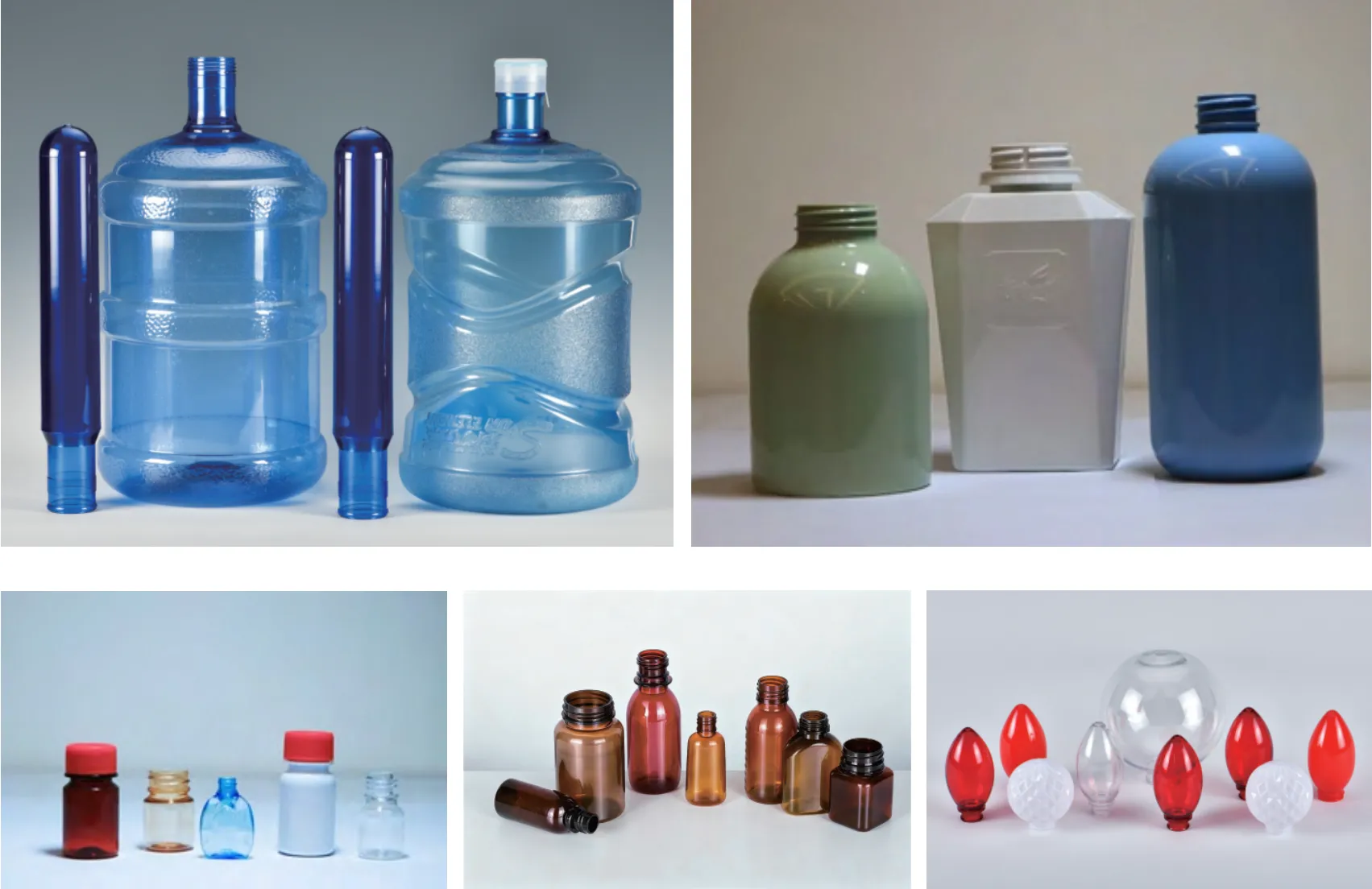
Bouteilles coréennes en rPET — Le cadre de responsabilité élargie des producteurs impose un taux de contenu recyclé de 30 % (TP3T) d'ici 2027 et de 50 % (TP3T) d'ici 2030.
Le dispositif coréen de responsabilité élargie des producteurs (K-EPR), administré par le ministère de l'Environnement en vertu des amendements à la loi sur le recyclage des ressources annoncés en 2023, impose aux producteurs coréens d'emballages de boissons d'incorporer progressivement une quantité minimale de PET recyclé. Les exigences actuelles sont les suivantes : un minimum de 151 TP3T de rPET pour l'année de production 2026, 301 TP3T pour 2027, 401 TP3T pour 2028 et un objectif de 501 TP3T pour 2030 et les années suivantes. Le non-respect de ces exigences entraîne une pénalité financière par bouteille, s'élevant à 12 KRW par bouteille pour un manquement en 2026 et à 45 KRW par bouteille pour un manquement en 2030. Pour un grand embouteilleur produisant 3 milliards de bouteilles par an, un manque de 101 TP3T de rPET représente une pénalité annuelle de 36 milliards de KRW (environ 27 millions de dollars américains).
Au-delà de la conformité à la réglementation coréenne sur la responsabilité élargie des producteurs (REP), les engagements internationaux en matière de développement durable des marques favorisent l'adoption du PET recyclé (rPET) à un rythme volontaire, avant même l'atteinte des seuils réglementaires coréens. Coca-Cola Korea vise un taux de 50% pour le rPET d'ici 2025, Lotte Chilsung un taux de 30% d'ici 2026, et les marques de cosmétiques coréennes haut de gamme privilégient de plus en plus le rPET 25-40% pour leurs gammes de produits destinés à l'exportation. Les embouteilleurs et fabricants d'emballages cosmétiques coréens qui ne sont pas en mesure de transformer le rPET sont confrontés à des restrictions d'accès au marché de plus en plus importantes, indépendamment des exigences légales de la REP.
Le traitement du PET recyclé (rPET) diffère de celui du PET vierge sur cinq points fondamentaux : la diminution de la viscosité intrinsèque due aux cycles thermiques de recyclage, la présence de contaminants (notamment des résidus d’adhésifs et des traces de couleur provenant des cycles de production précédents), la sensibilité à la température de transformation (nécessitant un contrôle plus strict de la température de fusion), la variation des propriétés d’un cycle à l’autre en fonction des fluctuations de la qualité de la matière première, et la dérive de la couleur vers un gris-jaune après plusieurs cycles de recyclage. Chaque aspect requiert des ajustements de procédé spécifiques, détaillés dans ce guide.
2. Classification des grades rPET
Tous les rPET ne sont pas équivalents. Leur classification détermine leur aptitude à la transformation, leur adéquation à l'application et leur conformité réglementaire. Quatre qualités de rPET commercialisées en Corée couvrent la norme 95% pour les applications commerciales.
NIVEAU 1 · LE PLUS ÉLEVÉ
rPET de qualité alimentaire, échange de bouteilles (B2B)
Source: Recyclage des bouteilles PET consignées avec un procédé de décontamination ultra-propre (polymérisation à l'état solide + décontamination approuvée par la FDA/KFDA). IV : 0,74-0,80 dL/g (à 0,04 dL/g de vierge). Prime de prix : 15-25% au-dessus du PET vierge. Applications : Bouteilles de boissons en contact avec les aliments, produits pharmaceutiques et cosmétiques avec sensibilité aux tests de migration.
2E ANNÉE · NORMES
rPET transparent pour consommateurs (qualité alimentaire)
Source: Recyclage mixte des bouteilles PET sans tri individuellement. IV : 0,68-0,74 dL/g (nécessite un coup de pouce de polymérisation à l'état solide 5-10% ou l'ajout d'un modificateur IV). Prime de prix : 5-10% au-dessus du PET vierge. Applications : Bouteilles de boissons en grande quantité, conformes à la norme K-EPR, volume principal du marché coréen.
3E ANNÉE · ÉCONOMIE
rPET coloré/mixte (non alimentaire)
Source: Bouteilles colorées, recyclage en flux mixte. IV : 0,62-0,68 dL/g avec une teinte visible. Prix: 10-15% en dessous du PET vierge. Applications : Emballages ménagers non alimentaires, bouteilles de détergent, conteneurs industriels. Ne convient pas au contact alimentaire sans décontamination supplémentaire.
4E ANNÉE · INDUSTRIEL
rPET industriel multi-cycles
Source: Matériau recyclé multicycle présentant une dégradation thermique accumulée. IV : en dessous de 0,62 dL/g, teinte jaune-brun, comportement cassant. Applications : Applications hors emballage (cerclage, fibres, isolation). Généralement inadaptées à la production de bouteilles ISBM en raison d'une conservation insuffisante des propriétés mécaniques.
Les embouteilleurs coréens utilisent principalement les grades 1 et 2 pour la production conforme à la norme K-EPR. Le grade 3 est destiné aux emballages de produits ménagers non alimentaires et de détergents. L'approvisionnement en rPET de qualité 1 (bouteille à bouteille) sur le marché coréen reste limité à environ 180 000 tonnes par an, contre une demande projetée de plus de 320 000 tonnes d'ici 2027. Cette situation crée une pression sur l'offre qui favorise les embouteilleurs ayant déjà établi des relations avec des fournisseurs de rPET.
3. Compensation de la chute de viscosité intrinsèque
La viscosité intrinsèque (VI) mesure la masse moléculaire moyenne du PET. Le PET vierge utilisé pour les bouteilles est généralement expédié avec une VI de 0,80 à 0,84 dL/g. Chaque cycle thermique de recyclage diminue la VI de 0,02 à 0,04 dL/g par rupture des chaînes polymères lors de la refusion. Sans compensation, les bouteilles en PET recyclé (rPET) produites à partir de matériaux recyclés 2 à 3 fois présentent une résistance à la charge réduite, une dégradation de la transparence dans les zones d'étirement extrême et une sensibilité accrue au blanchiment sous contrainte. Pour en savoir plus sur les principes scientifiques sous-jacents, consultez notre [lien/document/document]. guide d'orientation biaxiale.
Stratégies de rémunération IV :
- ✓Polymérisation à l'état solide (SSP) : Flocons de rPET chauffés à 200-220 °C sous vide pendant 8 à 12 heures, augmentant l'IV de 0,04 à 0,08 dL/g
- ✓Additifs pour allonger la chaîne : L'ajout de 0,3 à 0,81 dL/g de dianhydride pyromellitique ou d'un additif similaire à la solution IV permet de restaurer 0,03 à 0,06 dL/g.
- ✓Dilution de PET vierge : Le mélange de PET vierge 30-50% avec du rPET augmente proportionnellement l'IV efficace ; approche standard pour la conformité K-EPR
- ✓Réglage de la géométrie de la préforme : La paroi plus épaisse de la préforme 3-5% compense la valeur IV du rPET inférieure sans incidence sur les propriétés.
- ✓Réduction de la température de traitement : Une température de fusion inférieure de 5 à 10 °C à celle du matériau vierge réduit la dégradation supplémentaire de la viscosité intrinsèque lors du traitement ISBM.
!
Vérification IV avant la production
Chaque lot de rPET doit faire l'objet d'un test de viscosité induite (VI) avant son lancement en production. Les certificats d'analyse des fournisseurs peuvent présenter un écart de 0,02 à 0,05 dL/g par rapport à la valeur réelle, en raison de l'humidité de stockage et des variations d'un lot à l'autre. Les embouteilleurs coréens qui disposent d'un viscosimètre capillaire ou d'un testeur de viscosité à solvant sur site détectent les anomalies de viscosité induite avant l'accumulation de rebuts de production.
4. Tolérance et gestion des contaminants
L'utilisation de rPET comme matière première présente des risques de contamination que le PET vierge ne présente pas : résidus d'adhésif d'étiquette, contamination croisée par des fragments de bouchons en PE/PP, migration de colorants provenant de mélanges de bouteilles colorées et traces de contaminants issus de boissons précédemment utilisées. Le rPET de qualité alimentaire utilisé pour le réemploi de bouteilles subit une décontamination ultra-propre qui élimine plus de 99,951 % de ces contaminants, tandis que le rPET standard de grade 2 conserve des résidus détectables qui affectent sa transformation.
| Contaminant | Source | Spécifications maximales | Atténuation |
|---|---|---|---|
| Polymère PE/PP | Fragments de capuchon | < 50 ppm | Séparation de densité |
| résidus d'adhésif | Colle pour étiquettes | < 30 ppm | lavage caustique à chaud |
| pigment de couleur | Mélange de bouteilles colorées | < 0,02% | tri optique |
| Acétaldéhyde | Dégradation thermique | < 1 ppm | extraction par vide SSP |
| particules métalliques | Bague de bouchon, contamination | < 5 ppm | Tri magnétique et par courants de Foucault |
La filtration en ligne à l'état fondu (maille de 40 à 80 microns) capture les particules contaminantes lors de l'injection d'ISBM. La surveillance de la chute de pression du filtre détecte toute contamination supérieure aux seuils normaux ; une hausse soudaine de pression indique un colmatage du filtre dû à un lot contaminé et déclenche un arrêt de la production avant que les dommages ne s'accumulent. Les embouteilleurs coréens assurant une production continue de rPET remplacent généralement les filtres à l'état fondu 2 à 3 fois plus fréquemment que sur les lignes de production de rPET vierge.
5. Ajustements de la fenêtre de processus ISBM
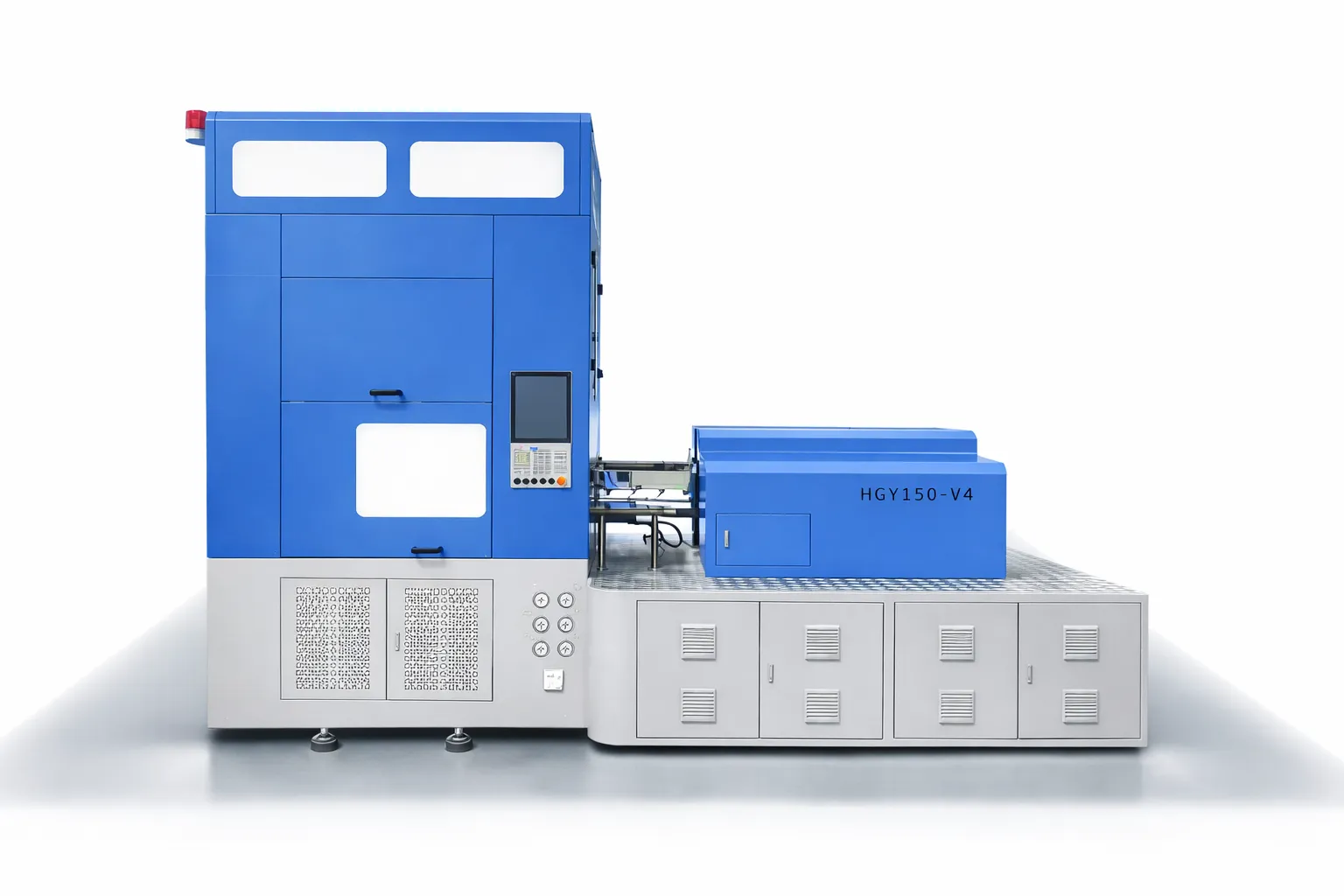
La production de rPET ISBM nécessite des paramètres de procédé adaptés : température de fusion plus basse, pression d’injection plus élevée et contrôle plus strict de la température de la préforme.
Le traitement du rPET modifie les paramètres de fonctionnement de l'ISBM de manière prévisible. Anticiper ces modifications permet d'économiser des jours d'essais et d'erreurs lors de la mise en service du rPET sur une ligne de production initialement conçue pour le PET vierge.
Ajustements de processus pour le mélange rPET 50% par rapport à la référence vierge 100% :
- ▸Température de fusion : Réduire la température de 5 à 10 °C (généralement de 272 à 282 °C contre 278 à 288 °C pour l'échantillon vierge) afin de minimiser la dégradation ultérieure de la substance active.
- ▸Pression d'injection : augmenter la concentration de 5-12% pour compenser l'indice de fluidité à chaud plus faible du rPET de poids moléculaire élevé.
- ▸Conditionnement préalable : Température inférieure de 2 à 3 °C (98-107 °C au lieu de 100-110 °C) pour un contrôle plus précis du taux d'étirement
- ▸Pression de soufflage : Pression principale augmentée de 1 à 2 bars pour compenser une résistance à l'écoulement du matériau légèrement supérieure
- ▸Temps de refroidissement : Prolonger la durée de vie de 5 à 8% pour assurer un équilibrage thermique complet ; le rPET durcit légèrement plus lentement que le PET vierge
- ▸Séchage: Objectif d'humidité élevé < 30 ppm (contre < 50 ppm pour le PET vierge) en raison de la plus grande tendance à l'absorption d'humidité du rPET
6. Gestion des dérives de couleur et de l'esthétique
Les bouteilles en rPET développent une teinte jaune-gris qui s'accentue avec le pourcentage de contenu recyclé et le nombre de cycles de recyclage. Le PET vierge standard présente les valeurs L*=96, a*=-0,5 et b*=0,5 (espace colorimétrique CIE Lab). Le rPET 30% affiche généralement une valeur b* comprise entre 1,5 et 2,5 (tendance vers le jaune). Le rPET 50% présente une valeur b* comprise entre 2,5 et 4,0. Le rPET 100% pur, de qualité supérieure à celle requise pour le contact alimentaire (niveau 1), peut atteindre une valeur b* de 5 à 8, induisant une teinte jaune visible.
Approches de gestion des couleurs :
- ✓Mélange-maître de virage bleu : Le toner bleu TP3T (0,02-0,081) compense visuellement la dominante jaune et rétablit la clarté perçue.
- ✓Azurant optique : L'additif de fluorescence UV émet une lumière bleu-blanc visible, neutralisant le jaune
- ✓Reformulation de la marque avec des bouteilles colorées : Certaines marques coréennes se repositionnent avec une teinte verte ou ambrée qui absorbe naturellement la dérive jaune.
- ✓Spécifications de qualité supérieure pour le rPET : Le passage de la catégorie 2 à la catégorie 1 d'une bouteille à l'autre réduit la dérive jaune de 50 % (70%).
- ✓Messages destinés aux consommateurs : Le positionnement éco-responsable d'une marque transforme un léger changement de couleur en un signal d'authenticité en matière de durabilité.
7. Stratégies de mélange vierge/rPET
Les décisions relatives au pourcentage d'incorporation visent à concilier les exigences de conformité à la réglementation coréenne sur les produits chimiques (K-EPR), l'optimisation des coûts, la faisabilité du processus de fabrication et le positionnement de la marque en matière de qualité. Quatre stratégies d'incorporation typiques dominent les pratiques de production coréennes.
STRATÉGIE 1
Conformité minimale K-EPR (15-30% rPET)
Marques de boissons coréennes grand public visant la conformité aux exigences minimales de la K-EPR sans différenciation qualitative. Utilisation de rPET transparent de grade 2 standard mélangé à du PET vierge dans les proportions cibles. Ajustements de traitement minimes ; approche typique pour une mise en œuvre progressive entre 2026 et 2027.
STRATÉGIE 2
Durabilité axée sur la marque (50% rPET)
Les marques coréennes se positionnent comme leaders du développement durable avant même l'entrée en vigueur des réglementations. L'utilisation de rPET de grade 1 pour l'assemblage de bouteilles est privilégiée afin de garantir la qualité. Un mélange-maître bleu corrige les variations de couleur. Le marketing s'appuie sur la certification rPET 50% pour un positionnement haut de gamme en rayon.
STRATÉGIE 3
100% rPET Certifié Écologique
Les marques haut de gamme soucieuses du développement durable utilisent du rPET de qualité 1 (100%) pour l'assemblage de bouteilles. Ce procédé, le plus coûteux en matières premières, exige une rigueur de fabrication extrême et constitue un gage d'authenticité visible pour les circuits de distribution premium. Actuellement, la production coréenne de bouteilles de boissons utilise entre 3 et 5%, mais ce chiffre croît de 40 à 60% par an.
STRATÉGIE 4
Système de crédit de bilan massique
L'utilisation de rPET certifié à l'échelle de l'entreprise, agrégé pour l'ensemble de la production, est attestée par la certification ISCC PLUS ou RSB. Le pourcentage de mélange physique au niveau de la bouteille peut être inférieur, tandis que les rapports de l'entreprise indiquent un pourcentage plus élevé. Un audit par un organisme tiers et une documentation de traçabilité sont requis.
8. Exigences de configuration de la machine
Les plateformes ISBM standard traitent le rPET dans leurs limites de fonctionnement normales lorsqu'elles sont correctement configurées. Aucune refonte fondamentale de la machine n'est requise pour la production conforme à la norme K-EPR jusqu'à une teneur en rPET de 50%. Cependant, des optimisations de configuration spécifiques améliorent le rendement et la régularité de la production de rPET.
Configuration machine optimisée pour le rPET :
- ▸Filtre à fusion : Tamis de 40 à 80 microns avec contrôle de la perte de charge ; prévoir un remplacement 2 à 3 fois plus fréquent qu’avec un tamis neuf.
- ▸Capacité du sèche-linge : dimensionné pour un taux d'humidité cible du rPET < 30 ppm ; environ 15 à 20% de plus que les exigences relatives au rPET vierge uniquement
- ▸Capacité du mélangeur : Mélangeur gravimétrique capable de mélanger du PET vierge, du rPET, un masterbatch de coloration et un extenseur de chaîne en option.
- ▸Bibliothèque de recettes PLC : Profil rPET distinct pour chaque pourcentage de mélange avec ajustements de température, de pression et de durée de cycle
- ▸Protection contre l'usure du cylindre : Le cylindre d'injection à revêtement bimétallique prolonge sa durée de vie de 2 à 3 fois en production continue de rPET.
- ▸Évent de canon allongé : Zone de ventilation à 2 étages pour l'extraction de l'humidité et des composés volatils lors de la fusion du rPET
Le Quai à 4 stations HGY150-V4 Livrée avec une configuration standard compatible rPET, la machine Ever-Power propose un ensemble d'options optimisé pour le rPET comprenant un cylindre d'injection bimétallique, un évent de canon allongé et des recettes PLC préprogrammées pour les mélanges rPET 15%, 30%, 50% et 100%. Des kits de modernisation sont disponibles pour les installations existantes de la série HGY afin de permettre une production conforme à la norme K-EPR sans remplacement complet de la plateforme.
9. Études de cas d'embouteilleurs coréens

L'usine de production coréenne de rPET – La conformité K-EPR s'applique aux gammes de boissons grand public, aux produits durables haut de gamme et aux produits écologiques certifiés.
Étude de cas 1 · Grand embouteilleur de boissons coréen
Transition 30% rPET sur ligne d'eau de 500 ml (180 millions d'unités/an)
Défi: Un embouteilleur de boissons coréen de premier plan passe du PET vierge 100% au mélange rPET 30% pour se conformer à la réglementation K-EPR 2027. Les essais initiaux ont révélé un taux de rejet élevé (5,2% contre 0,8% pour le PET vierge de référence) dû au blanchiment sous contrainte à la base et à une distribution irrégulière sur la paroi.
Résultat: La machine HGY150-V4, équipée d'un kit d'optimisation rPET (cylindre bimétallique, évent étendu et recette PLC rPET 30%), a vu son taux de rebuts chuter à 1,1% sur une période de validation de 3 mois. La conformité K-EPR a été obtenue 14 mois avant l'échéance réglementaire ; le rapport de développement durable de l'entreprise a suscité un accueil favorable auprès des investisseurs.
Étude de cas 2 · Recrutement sous contrat pour une marque de cosmétiques coréenne haut de gamme
100% rPET de qualité 1 pour flacons de sérum destinés à l'exportation (1,8 million d'unités/an)
Défi: Une marque coréenne de cosmétiques haut de gamme, destinée au marché européen, recherchait un rPET de qualité 1 (norme 100%) pour l'assemblage de ses flacons, avec une finition transparente comme du verre, conforme à ses spécifications premium pour le PET vierge. La teinte jaunâtre du rPET était incompatible avec le positionnement de la marque en matière de transparence.
Résultat: L'association d'un approvisionnement en rPET de qualité supérieure auprès d'un fournisseur spécialisé, d'un masterbatch de coloration bleue à 0,051 TP3T et d'un procédé de fusion à basse température a permis d'obtenir un coefficient b* de 1,2 (à 0,3 près de la valeur de référence du PET vierge). L'acceptation par le réseau de distribution européen a été assurée ; le contrat annuel de 1,8 million d'unités a été prolongé avec une prime de prix de 401 TP3T par rapport à la gamme de produits sans rPET.
Étude de cas 3 · Producteur industriel de bouteilles à Ulsan
rPET coloré de grade 3 pour emballage de détergent (28 millions d'unités/an)
Défi: Une marque de détergent ménager passe au rPET coloré de grade 3 (70%) afin d'optimiser les coûts de ses emballages non alimentaires. La variabilité de la matière première en rPET coloré a entraîné des incohérences de couleur d'une bouteille à l'autre, ne permettant pas d'atteindre l'objectif de couleur de la marque.
Résultat: L'introduction d'un mélangeur gravimétrique avec compensation colorimétrique en temps réel (dosage du mélange-maître bleu/jaune/rouge basé sur un spectrophotomètre en ligne) a permis d'obtenir une valeur b* inférieure à ±0,5 sur une période de production de 6 mois. Des économies ont été réalisées sur le coût de la matière première 14% sur la ligne de production de flacons de détergent ; la conformité à la directive K-EPR a été atteinte, parallèlement à une réduction des coûts.
10. Conclusion
La transformation du rPET, autrefois optionnelle en matière de développement durable, devient une obligation de conformité à la réglementation K-EPR pour l'ensemble de la production coréenne de boissons et d'emballages. Les seuils de 30% d'ici 2027 et de 50% d'ici 2030 imposent aux embouteilleurs coréens de maîtriser la compensation de la baisse de viscosité intrinsèque, la gestion des contaminants, l'ajustement des paramètres de procédé, la réduction des variations de couleur et le choix de la stratégie de mélange, tout en maintenant une rentabilité permettant de garantir un coût unitaire compétitif. Les embouteilleurs coréens qui développent rapidement leurs compétences en matière de rPET bénéficient d'une meilleure marge de conformité réglementaire, d'un positionnement de marque axé sur le développement durable et d'un accès aux circuits d'exportation haut de gamme, où les engagements en matière de développement durable des marques internationales sont accélérés avant même l'entrée en vigueur des réglementations nationales.
Les plateformes Ever-Power ISBM prennent en charge le traitement du rPET sur l'ensemble de la plage de conformité K-EPR grâce à une architecture machine standard et un pack d'optimisation rPET optionnel comprenant un cylindre d'injection bimétallique, un évent de cylindre étendu et des recettes PLC préprogrammées pour les pourcentages de mélange courants. Des kits de modernisation permettent aux installations existantes d'ajouter la capacité rPET sans remplacement complet de la plateforme. Associée à l'intégration d'un mélangeur gravimétrique, à la surveillance couleur en ligne et à un flux de travail de vérification IV, cette configuration répond aux exigences de production des embouteilleurs coréens pour garantir la conformité K-EPR sans compromettre la qualité ni la rentabilité.
Points clés du traitement rPET
- ✓Calendrier K-EPR : 15% (2026), 30% (2027), 40% (2028), 50% (2030) ; amende en cas de non-conformité : 12 à 45 KRW/bouteille
- ✓Quatre qualités de rPET : bouteille à bouteille (Grade 1), transparent pour le consommateur (Grade 2), mélange coloré (Grade 3), industriel (Grade 4)
- ✓Compensation IV : augmentation du SSP, additifs d’allongement de chaîne, dilution du mélange vierge, ajustement de la paroi de la préforme
- ✓Contaminants cibles : PE/PP < 50 ppm, adhésif < 30 ppm, pigment < 0,021 TP3T, acétaldéhyde < 1 ppm, métal < 5 ppm
- ✓Décalages de procédé : température de fusion -5 à 10 °C, pression d’injection +5 à 121 TP3T, température de la préforme -2 à 3 °C, pression de soufflage +1 à 2 bar
- ✓Gestion des couleurs : correction du bleu (0,02-0,08%), azurant optique, reformulation de la marque en couleur
- ✓Stratégies de mélange : conformité minimale (15-30%), axées sur la marque (50%), certifiées 100%, bilan massique
- ✓Configuration de la machine : filtre de fusion 40-80 µm, cylindre bimétallique, évent étendu, mélangeur gravimétrique, recettes PLC rPET
Prêt à intégrer la conformité K-EPR à votre production ?
Partagez les spécifications actuelles de vos bouteilles, le pourcentage cible de rPET, le volume annuel et les exigences de qualité de votre marque. Notre équipe d'ingénieurs coréens vous fournira sous 48 heures une feuille de route complète pour la mise en œuvre du rPET, incluant la configuration des machines, le périmètre de modernisation, le développement de la recette PLC et une analyse coûts/qualité prévisionnelle.