APPLICATION INDUSTRIELLE
Production de flacons pharmaceutiques conformes aux BPF : ISBM entièrement automatisé pour l’industrie pharmaceutique coréenne
Les fabricants pharmaceutiques coréens d'Osong, Daejeon et Chungju produisent des flacons pour formes orales solides et liquides, compléments alimentaires et applications de diagnostic spécialisées. Le respect des BPF, la préparation aux audits de la KFDA et la maîtrise de la contamination distinguent la production de flacons pharmaceutiques de celle des flacons destinés aux consommateurs à chaque étape du processus. Ce guide présente les plateformes ISBM entièrement automatisées, l'intégration en salle blanche et la documentation utilisée par les usines pharmaceutiques coréennes pour répondre aux exigences de la KFDA, des BPF de la FDA américaine et de la norme ISO 15378.
Demande de consultation sur la plateforme BPF pharmaceutique →
Dans ce guide
- Paysage des bouteilles pharmaceutiques coréennes
- Exigences en matière de BPF et de réglementation
- Pourquoi le Full-Servo est-il obligatoire pour l'industrie pharmaceutique ?
- Intégration en salle blanche et contrôle des particules
- Qualification des matériaux de qualité pharmaceutique
- Documentation et préparation à l'audit
- Catégories de flacons pharmaceutiques coréens
- Plateformes ISBM recommandées
- Études de cas de l'industrie pharmaceutique coréenne
- Conclusion
1. Paysage des bouteilles pharmaceutiques coréennes
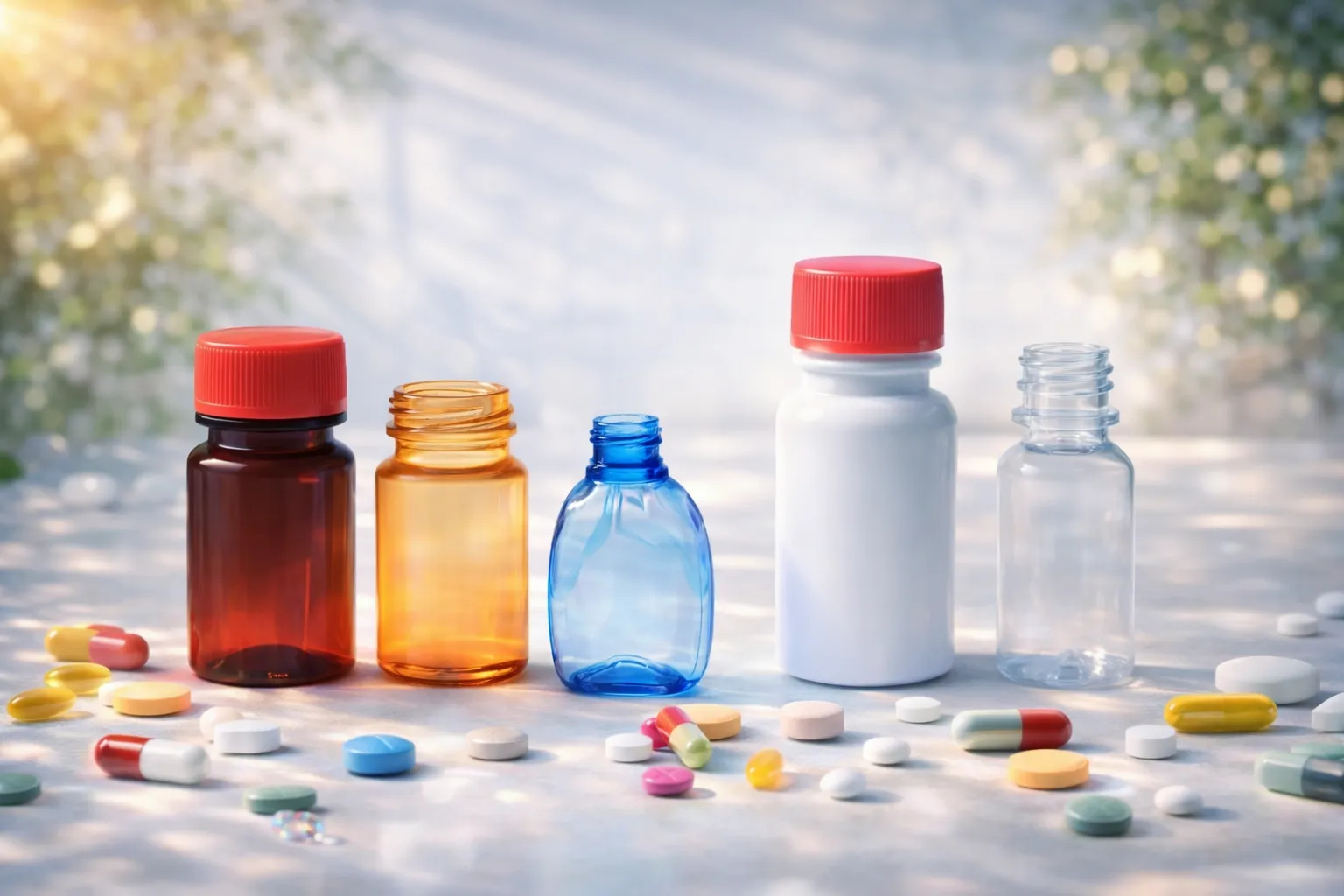
Flacons conformes aux normes BPF de l'industrie pharmaceutique coréenne — Osong Bio Valley et le cluster Daejeon Daedeok produisent des emballages de qualité supérieure pour les liquides oraux et les produits nutraceutiques
Les exportations pharmaceutiques coréennes ont atteint 9,2 milliards de dollars en 2024, portées par la Bio Valley d'Osong (Chungcheongbuk-do, pôle industriel pharmaceutique désigné au niveau national), le centre de recherche et développement de Daejeon Daedeok (qui abrite les instituts nationaux de recherche pharmaceutique de Corée) et la zone pharmaceutique spécialisée de Chungju. Les principales entreprises pharmaceutiques coréennes, telles que Samsung Biologics, Celltrion, Yuhan et Hanmi, exploitent des lignes de production de plusieurs milliards de dollars qui nécessitent des flacons en PET et PP conformes aux normes de contrôle de la contamination pharmaceutiques.
La production de flacons pharmaceutiques diffère de la fabrication de flacons pour produits de consommation sur cinq points fondamentaux : l’exigence d’une architecture de machines entièrement automatisée pour une reproductibilité absolue du processus, l’intégration en salle blanche de classe ISO 7 ou ISO 8, la qualification de la résine de qualité pharmaceutique avec documentation DMF (Drug Master File), la traçabilité complète des lots de production grâce à la liaison des numéros de série aux lots de matières premières, et la préparation continue aux audits réglementaires de la KFDA, de la FDA américaine, de l’EMA européenne et de la PMDA japonaise. Le non-respect de l’un de ces points disqualifie un fabricant de flacons pour les contrats pharmaceutiques, indépendamment de sa compétitivité en matière de prix ou de délais de livraison.
Les entreprises coréennes de remplissage pharmaceutique à façon produisent trois catégories de flacons : les flacons pour formes orales solides (comprimés, gélules en PEHD ou PP, généralement de 30 à 200 ml), les flacons pour formes orales liquides (sirop, suspension en PET ou PP transparent, généralement de 50 à 500 ml) et les flacons spéciaux (réactifs de diagnostic, compléments alimentaires, médicaments vétérinaires en divers matériaux et formats). Ce guide se concentre sur le segment des flacons en PET et PP transparent, le plus pertinent pour la technologie de production ISBM.
2. Exigences BPF et réglementaires
Les Bonnes Pratiques de Fabrication (BPF) constituent le cadre réglementaire fondamental régissant la production de flacons pharmaceutiques. Les BPF coréennes (KFDA cGMP) sont étroitement alignées sur les normes américaines (21 CFR Part 210/211) de la FDA et européennes (Annexe 15 de l'EMA), créant ainsi un environnement de conformité harmonisé à l'échelle mondiale que les sous-traitants pharmaceutiques coréens respectent grâce à des flux de travail documentaires standardisés.
PILIER 1 DES BPF
Validation et qualification des procédés
Chaque machine ISBM doit subir une qualification d'installation (QI), une qualification opérationnelle (QO) et une qualification de performance (QP) avant le lancement de sa première production. La QI vérifie la conformité de l'installation, la QO s'assure du bon fonctionnement de la machine dans les plages de paramètres spécifiées et la QP garantit la reproductibilité de la production sur plusieurs lots de validation. Le dossier de validation complet comprend entre 200 et 500 pages par machine.
PILIER GMP 2
Contrôle environnemental et particulaire
L'environnement de production doit répondre aux normes de salle blanche ISO 14644-1 (généralement ISO 7 classe 10 000 pour la production de bouteilles et ISO 8 classe 100 000 pour les zones d'entreposage et de conditionnement). La surveillance des particules de 0,5 µm et 5 µm est assurée en continu pendant la production, avec des seuils d'alarme. L'alimentation en air filtré HEPA sous pression positive empêche toute infiltration d'air non propre.
PILIER 3 des BPF
Enregistrements de lots et traçabilité
Chaque lot de bouteilles produites fait l'objet d'un dossier unique regroupant les numéros de lot des matières premières, les enregistrements des paramètres de la machine, l'identification de l'opérateur, les mesures de contrôle qualité en cours de production, les résultats des tests de libération et les documents d'expédition. Durée de conservation : 7 ans minimum pour la KFDA coréenne, 10 ans pour certaines destinations en Europe et aux États-Unis. Les enregistrements électroniques doivent être conformes à la norme 21 CFR Part 11.
PILIER 4 DES BPF
Gestion des changements et des écarts
Toute modification des paramètres machine, du fournisseur de résine, du moule, des conditions de salle blanche ou des procédures opératoires normalisées (SOP) nécessite une documentation formelle de gestion des changements, incluant une évaluation des risques et une revalidation si nécessaire. Tout écart de processus par rapport aux paramètres validés déclenche une enquête d'écart comprenant une analyse des causes profondes et un plan d'actions correctives et préventives (CAPA). Ces procédures engendrent un surcoût administratif de 40 à 60 heures par modification ou écart.
3. Pourquoi le système Full-Servo est-il indispensable pour l'industrie pharmaceutique ?
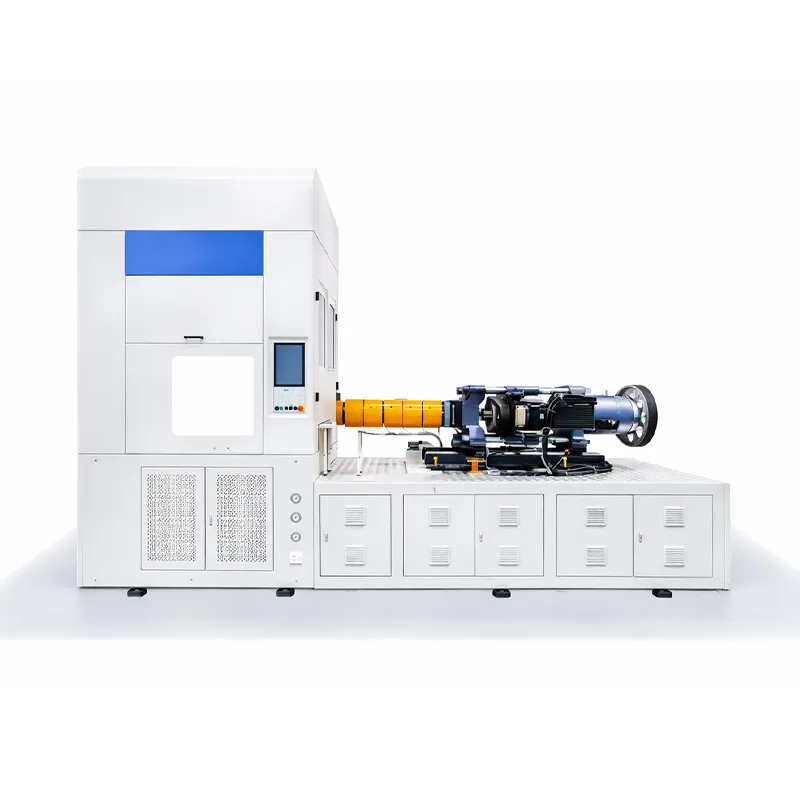
Plateforme premium entièrement servo HGY150-V4-EV — la norme ISBM de qualité pharmaceutique pour une production conforme aux BPF coréennes
Les machines ISBM hydrauliques, courantes dans la production de flacons de consommation, présentent trois problèmes majeurs pour les applications pharmaceutiques : le risque de contamination de l’huile hydraulique, la difficulté à prouver la reproductibilité des paramètres selon les normes d’audit et une plus grande variabilité des procédés pouvant entraîner des écarts aux BPF. Les machines entièrement servo-commandées éliminent ces trois problèmes et offrent l’architecture facilitant la validation dont l’industrie pharmaceutique coréenne a besoin.
Avantages du système Full-Servo pour la production pharmaceutique :
- ✓Risque zéro de contamination du fluide hydraulique : Absence de réservoir d'huile, absence de risque de fuite d'étanchéité, absence d'exposition de fluides dégradés à l'environnement de production.
- ✓Reproductibilité à ±0,05 mm : La commande de position par servomoteur offre une répétabilité cycle à cycle que les systèmes hydrauliques ne peuvent égaler.
- ✓Enregistrement des paramètres numériques : L'automate programmable enregistre chaque paramètre à chaque cycle, créant ainsi un historique complet des opérations sans saisie manuelle de données.
- ✓15-25% économies d'énergie : réduit les rapports d'impact environnemental des usines pour la conformité des entreprises coréennes en matière de développement durable
- ✓Diagnostic prédictif : Les servovariateurs surveillent l'état du moteur et signalent toute dégradation avant qu'une panne ne déclenche les bonnes pratiques de fabrication (BPF).
- ✓Documentation prête pour la validation : L'architecture servo correspond au cadre IQ/OQ/PQ attendu par les auditeurs pharmaceutiques.
!
Exclusion des machines hydrauliques dans les spécifications pharmaceutiques
La plupart des cahiers des charges des contrats pharmaceutiques coréens excluent explicitement les machines ISBM hydrauliques des listes d'équipements acceptables. Un producteur utilisant des machines hydrauliques peut fournir des boissons et des cosmétiques aux consommateurs, mais ne peut pas soumissionner pour des contrats pharmaceutiques sans investir dans des plateformes entièrement servo-motorisées. Le choix de la plateforme dès la conception initiale de l'usine constitue donc une décision stratégique d'accès au marché.
4. Intégration en salle blanche et contrôle des particules
La production de flacons pharmaceutiques en Corée se déroule dans des salles blanches certifiées ISO 14644-1. La machine ISBM est intégrée à l'enceinte de la salle blanche au lieu de constituer un îlot de production séparé, ce qui impose des exigences spécifiques en matière de ventilation, d'évacuation de la chaleur et de nettoyabilité des surfaces.
Spécifications ISBM compatibles avec les salles blanches :
- ▸Enveloppe machine ci-jointe : Boîtier entièrement en acier inoxydable sans pièces mobiles apparentes ; empêche la génération de particules dans l'air de la salle blanche
- ▸Surfaces résistantes à la contamination : Acier inoxydable 316L de préférence ; joints en silicone conformes aux normes FDA ; aucune finition de peinture susceptible de s’écailler.
- ▸Décharge de bouteille scellée : Les bouteilles sortent directement dans un tunnel de convoyage à filtration HEPA, sans échange d'air entre la salle blanche et l'air ambiant.
- ▸Circuit d'évacuation de la chaleur : L'air chaud extrait est évacué à l'extérieur de la salle blanche afin de maintenir le contrôle de la température et d'éviter la condensation.
- ▸Isolation de l'alimentation en eau glacée : Un circuit d'eau glacée dédié empêche la contamination croisée avec les équipements de process adjacents.
- ▸Accès aux installations sanitaires : Surfaces nettoyables accessibles sans outils pour la désinfection entre les lots avec de l'eau pour préparations injectables (WFI) ou de l'alcool isopropylique (IPA).
5. Qualification des matières premières de qualité pharmaceutique
La résine PET utilisée pour la fabrication de flacons pharmaceutiques doit être certifiée conforme aux normes pharmaceutiques et accompagnée d'un dossier de référence (DMF) déposé auprès de la KFDA coréenne et des autorités réglementaires compétentes du pays d'exportation. Le PET standard utilisé pour les boissons n'est pas conforme, quelles que soient les affirmations du fournisseur ou les spécifications du matériau.
| Essais de matériaux | Standard | Spécialiste pharmaceutique | Spécifications des boissons |
|---|---|---|---|
| Total des extractibles | USP | Panneau complet requis | Non requis |
| Métaux lourds (Pb, Cd, Hg, Cr) | USP | < 10 ppm chacun | < 100 ppm au total |
| Teneur en composés organiques volatils | USP | Requis | Non requis |
| Biocharge endotoxine | USP | < 0,25 UE/ml | Non testé |
| Fichier maître du médicament | 21 CFR 314.420 | DMF au dossier | Non applicable |
Les fournisseurs de PET de qualité pharmaceutique qualifiés pour le marché pharmaceutique coréen incluent Lotte Chemical (Corée du Sud), SK Chemicals (Corée du Sud), Eastman (importé) et Teijin (importé). Le coût de la résine pharmaceutique est environ 25 à 400 £ plus élevé que celui du PET de qualité alimentaire. Pour les dimensions des préformes spécifiques aux flacons pharmaceutiques, consultez notre [lien/référence manquante]. guide de conception des préformes, qui décrit la méthode de dimensionnement appliquée par les producteurs pharmaceutiques.
6. Documentation et préparation à l'audit
Les fabricants de flacons pharmaceutiques constituent des dossiers de documentation complets pour répondre aux inspections réglementaires inopinées de la KFDA, de la FDA américaine, de l'EMA européenne et des autorités des marchés de destination. Le périmètre de cette documentation est bien plus étendu que pour la production de biens de consommation et nécessite la présence de personnel dédié chez le sous-traitant remplisseur.
Catégories de documents requis :
- ▸Plan directeur de validation (MVP) : Document au niveau du site décrivant l'approche de validation pour l'ensemble des équipements, des utilités et des processus
- ▸Protocoles IQ/OQ/PQ : documentation de validation par équipement établissant un fonctionnement qualifié
- ▸Procédures opérationnelles standard (POS) : 80 à 120 procédures opératoires normalisées (SOP) typiques couvrant la configuration, le fonctionnement, le nettoyage, l'étalonnage et la gestion des écarts.
- ▸Dossiers de fabrication par lots : dossiers par lot contenant toutes les données de production, les résultats du contrôle qualité et les signatures du personnel
- ▸Dossiers de formation : Documentation de compétence signée pour chaque opérateur sur chaque procédure opératoire standard (SOP)
- ▸Journal de contrôle des modifications : Historique complet de toutes les modifications de processus, incluant l'évaluation des risques et la chaîne d'approbation.
- ▸Enregistrements des écarts et des actions correctives et préventives : documentation d'enquête pour tout écart par rapport aux paramètres validés
7. Catégories de flacons pharmaceutiques coréens
CATÉGORIE A
Contenants pour doses orales solides (30-200 ml)
Flacons pour comprimés et gélules ; généralement en PEHD moulé par injection plutôt qu’en ISBM. Petites versions en PET pour les compléments alimentaires haut de gamme et les produits pharmaceutiques de spécialité. Col étroit standard 22/415 ou 28/410 ; intégration d’un bouchon de sécurité enfant requise pour la plupart des catégories thérapeutiques.
CATÉGORIE B
Contenants pour doses orales liquides (50-500 ml)
Flacons pour sirops, suspensions et solutions buvables ; application ISBM dominante dans le secteur pharmaceutique. Bouteille en PET transparent pour vérification visuelle du produit par le patient ou le pharmacien. Contenances standard : 60 ml, 100 ml, 150 ml, 250 ml et 500 ml. Graduations de volume gravées sur la paroi du flacon.
CATÉGORIE C
Boissons nutraceutiques et fonctionnelles pour la santé (100-350 ml)
Les boissons fonctionnelles (Vita500, boissons énergisantes/vitaminées, boissons probiotiques) se situent à la frontière entre l'industrie pharmaceutique et l'agroalimentaire, avec la désignation d'aliment fonctionnel par la KFDA coréenne. Les bouteilles PET ISBM dominent ce segment. Contenance : 100 à 350 ml, col standard : 28/410. Le marché coréen représente à lui seul plus de 2 milliards de dollars américains par an.
CATÉGORIE D
Flacons de réactifs de diagnostic (50-500 ml)
Conteneurs de réactifs pour produits de diagnostic in vitro de laboratoire clinique. Compatibilité chimique requise pour les milieux acides, alcalins et les solvants. Résines anti-UV pour réactifs photosensibles. Volume réduit, valeur unitaire élevée ; les marques coréennes de diagnostic approvisionnent le réseau hospitalier régional et exportent vers l’Asie du Sud-Est.
8. Plateformes ISBM recommandées
Le choix de la plateforme ISBM pharmaceutique se restreint à une architecture entièrement servo-assistée avec une conception compatible avec les salles blanches. Plateforme servo premium HGY150-V4-EV représente le produit phare pharmaceutique d'Ever-Power, conçu spécifiquement pour les environnements de production conformes aux BPF.
VAISSEAU AMIRAL
Servo complet HGY150-V4-EV pour flacons pharmaceutiques de 60 à 500 ml
Injection, serrage, étirage et extraction entièrement servo-assistés. Boîtier en acier inoxydable de série. Documentation IQ/OQ/PQ incluse. Architecture à 4 stations, 2 à 6 cavités, serrage 150 kN. Idéal pour les doses orales liquides (60 à 500 ml), les boissons nutraceutiques et les flacons de réactifs de diagnostic. Consommation d'énergie inférieure de 15 à 251 T à celle d'un système hydraulique équivalent.
PETIT VOLUME
HGY50-V3-EV Précision pour petits flacons pharmaceutiques de 30 à 100 ml
Pour les flacons pharmaceutiques de 30 à 100 ml, y compris les solutions buvables spéciales, les flacons de microvolume pour le diagnostic et les flacons de compléments alimentaires haut de gamme. Plateforme de précision à 3 stations, capacité de 1 à 4 cavités. Coût d'investissement inférieur à celui du modèle HGY150-V4-EV pour les producteurs spécialisés dans le segment pharmaceutique haut de gamme des petits volumes.
9. Études de cas de l'industrie pharmaceutique coréenne
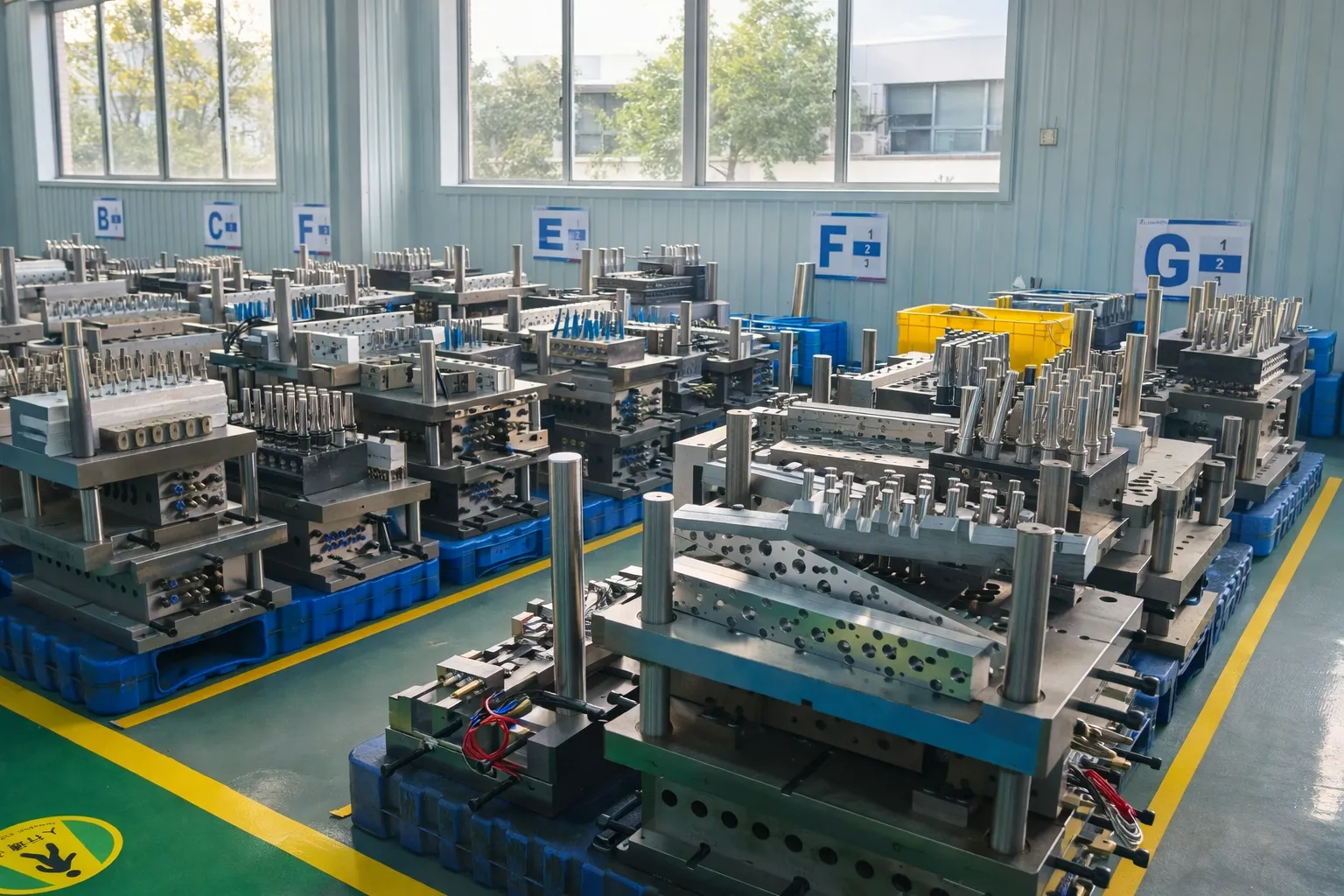
L'usine de production pharmaceutique coréenne conforme aux BPF — Osong Bio Valley abrite le pôle de fabrication pharmaceutique désigné au niveau national
Étude de cas 1 · Osong Oral Liquid Dose Contract Filler
Flacon de 250 ml de sirop contre la toux d'une grande marque pharmaceutique coréenne
Défi: Un sous-traitant de remplissage fournissant une grande marque pharmaceutique coréenne a exigé une mise à niveau de sa machine, passant d'un système hydraulique à un système entièrement servo, après qu'une inspection de la KFDA ait signalé un risque de contamination de l'huile hydraulique et une documentation insuffisante sur la reproductibilité des paramètres.
Résultat: La plateforme hydraulique traditionnelle HGY150-V4-EV, entièrement servo-hydraulique, a été remplacée par un dossier complet de documentation IQ/OQ/PQ. La reproductibilité des paramètres du cycle 99,98% a été validée sur 50 000 flacons. La réinspection KFDA a été réussie sans aucune non-conformité. Le contrat a été renouvelé pour un volume annuel de 4,2 millions d'unités, auquel s'ajoute l'augmentation du volume du cycle 40%.
Étude de cas 2 · Producteur de boissons fonctionnelles santé de Daejeon
Flacons de 100 ml de vitamines pour l'exportation vers le Japon et l'Asie du Sud-Est
Défi: L'expansion du marché coréen vers la distribution de produits de santé fonctionnels au Japon et en Asie du Sud-Est a nécessité une mise à niveau des normes BPF ainsi que la constitution d'un dossier de documentation réglementaire multi-marchés. L'ancien équipement hydraulique ne répondait pas aux exigences d'audit du ministère japonais de la Santé, du Travail et des Affaires sociales.
Résultat: Le système HGY150-V4-EV, entièrement servo-commandé et intégré à une salle blanche ISO 7, a permis de réussir l'audit PMDA japonais dès la première inspection. Les approbations réglementaires vietnamiennes et thaïlandaises ont suivi dans les huit mois suivants. L'expansion des exportations a généré 12 millions de dollars de revenus annuels supplémentaires dans les 18 mois suivant la mise à niveau de la plateforme.
Étude de cas 3 · Fabricant de flacons de réactifs de diagnostic de Chungju
Flacons de réactifs spéciaux de 50 ml pour la ligne d'exportation IVD
Défi: Un producteur coréen de réactifs de diagnostic s'étendant au marché américain du DIV exigeait une documentation d'équipement conforme à la FDA, des tests de matériaux USP et une vérification de compatibilité chimique pour cinq familles de réactifs acide/base/solvant.
Résultat: La plateforme de précision HGY50-V3-EV, dotée d'une ligne dédiée à la résine PET ambrée pour les réactifs photosensibles, a atteint les spécifications du produit dès le premier cycle de validation. L'autorisation de mise sur le marché de la FDA a été obtenue pour 12 variantes de réactifs. Le chiffre d'affaires annuel sur le marché américain a atteint 8,5 millions de dollars en 24 mois.
10. Conclusion
La production de flacons pharmaceutiques représente le niveau de conformité réglementaire le plus élevé dans la fabrication ISBM. Les producteurs pharmaceutiques coréens des zones d'Osong Bio Valley, de Daejeon Daedeok et de Chungju doivent gérer simultanément les réglementations de la KFDA, de la FDA américaine (cGMP), de l'EMA européenne et de la PMDA japonaise, tout en assurant une préparation continue aux audits pour la validation, le fonctionnement des salles blanches, la traçabilité des lots et la gestion des changements. Les plateformes ISBM entièrement servo-motorisées ne sont pas une option, mais une exigence du cahier des charges ; les machines hydrauliques ne répondent pas aux critères de reproductibilité et de contrôle de la contamination imposés par les protocoles d'audit pharmaceutiques.
Les plateformes haut de gamme entièrement servo HGY150-V4-EV et de précision HGY50-V3-EV d'Ever-Power couvrent ensemble la gamme de flacons pharmaceutiques, des flacons de diagnostic spécialisés de 30 ml aux flacons de 500 ml pour doses orales. Dotées d'un boîtier en acier inoxydable compatible avec les salles blanches, d'une documentation complète IQ/OQ/PQ, d'une manutention de matériaux de qualité pharmaceutique et d'un enregistrement des paramètres PLC conforme aux exigences de la norme 21 CFR Part 11, ces plateformes répondent aux spécifications réglementaires requises par les entreprises coréennes de remplissage à façon pour être compétitives sur le marché national et à l'export.
Points clés de la production de flacons pharmaceutiques conformes aux BPF
- ✓Les exportations pharmaceutiques coréennes s'élèvent à 9,2 milliards de dollars américains ; le pôle de production est le complexe d'Osong, Daejeon et Chungju.
- ✓Une architecture entièrement servo-hydraulique est obligatoire ; les machines hydrauliques sont exclues des spécifications pharmaceutiques.
- ✓Les quatre piliers des BPF : validation des procédés, contrôle environnemental, traçabilité des lots, gestion des changements
- ✓Intégration en salle blanche ISO 7 : enceinte fermée en acier inoxydable, tunnel d’évacuation HEPA
- ✓Qualification des matériaux : tests USP , , , + documentation du dossier de référence du médicament
- ✓Documentation : MVP, IQ/OQ/PQ, 80 à 120 SOP, dossiers de lots, dossiers de formation, journaux des modifications
- ✓Catégories de flacons : formes orales solides, formes orales liquides, boissons fonctionnelles nutraceutiques, réactifs de diagnostic
- ✓Compatibilité avec les plateformes : HGY150-V4-EV (60-500 ml) / HGY50-V3-EV (30-100 ml, petite industrie pharmaceutique)
Prêt à passer à l'ISBM de qualité pharmaceutique ?
Partagez les spécifications de vos flacons pharmaceutiques cibles, les marchés réglementaires visés et les exigences relatives aux salles blanches. Notre équipe d'ingénieurs coréens vous fournira sous 48 heures une recommandation complète de plateforme servo-commandée, incluant le périmètre des tests IQ/OQ/PQ, le calendrier et le coût estimatif de la validation.