Detaljan tehnički pregled · Vodič za kupce · Korejski ISBM 2026
Kako odabrati ISBM mašinu:
10-faktorski korejski vodič
Korejski proizvođači ambalaže koji kupuju po povoljnoj cijeni obično zamjenjuju mašinu za 4 godine - ili troše 3 puta veću uštedu na kvarovima u kvaliteti i zastojima. Prava mašina odgovara geometriji vaše boce, smoli, zapremini, usklađenosti i tržištu. Ovih 10 faktora određuje koja je mašina prava za vas.
Inženjering + Komercijalno
Kalibrirano za korejsko tržište
10 faktora na prvi pogled — dodirnite za skok
Formula za izračunavanje korejskog kapaciteta
Potrebno vrijeme ciklusa = Godišnja potražnja ÷ (Operacijski dani × Sati/dan × 3.600 × Šupljine)
Primjer: 8 miliona jedinica/god. · 300 dana · 16 sati/dan · 4 šupljine → ≤ 11,6 s ciklus
Najčešća greška pri odabiru ISBM mašine u Koreji je specificiranje brzine mašine (boce na sat) umjesto godišnjih potreba za proizvodnjom. Brzina mašine je nominalna brojka; stvarna godišnja proizvodnja zavisi od radnih sati, učestalosti promjene, vremena zastoja prilikom održavanja i OEE - faktora koji nisu obuhvaćeni specifikacijom na natpisnoj pločici.
75–80%
Preporučeni cilj iskorištenja — nikada ne specificirati na 100%
±20%
Potreban je vršni sezonski tampon potražnje u Koreji
16 sati dnevno
Korejski ISBM standardni rad u dvije smjene
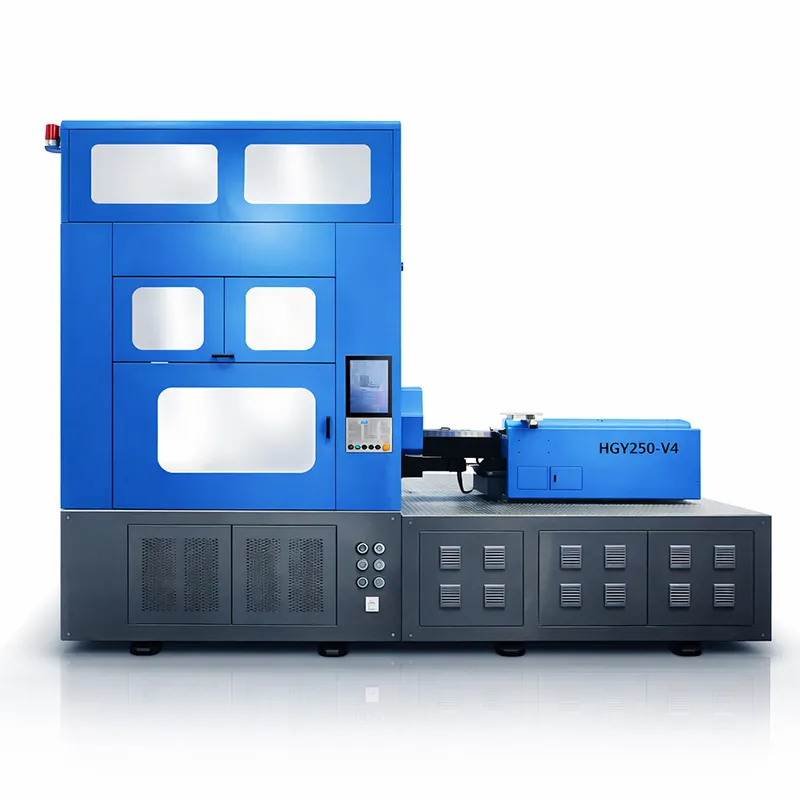
Dimenzionišite mašinu na 75–80% iskorištenosti teorijskog kapaciteta — ne 100%. Ugovori s korejskim premium brendovima redovno uključuju kaznene klauzule za manjak u isporuci. Mašina za brizganje i istezanje duvanjem HGY250-V4 dimenzioniran je za ciljeve iskorištenja 75% od 20 do 35 miliona jedinica godišnje, pružajući proizvodni prostor koji štiti korejske proizvođače u njihovim najvećim ugovorima s kupcima.
Nisu sve ISBM mašine u stanju da proizvedu sve geometrije boca. Sila stezanja ubrizgavanjem, sila stezanja duvanjem, hod rastezljive šipke i prečnik otvora mlaznice za duvanje zajedno definišu geometrijsku proizvodnu oblast. Specifikacija izvan ove oblasti dovodi do mehaničkih smetnji ili neadekvatnog strukturnog kvaliteta.
| Model mašine | Volumen | Max Neck | Stezaljka za injekcije | Najbolje prilagođena korejska aplikacija |
|---|---|---|---|---|
| HGY150-V4 / EV | 10–500 ml | 38mm | 150 kN | K-Beauty kozmetika, oralna tečnost za farmaceutske proizvode, mala hrana |
| HGY200-V4 | 30 ml–2 l | 63 mm | 200 kN | Negazirana voda, K-Beauty, lična njega, funkcionalno piće |
| HGY250-V4 | 50 ml–3 l | 86mm | 250 kN | Gazirano piće, dodatak prehrani sa širokim otvorom, velika tegla za hranu, vruće punjenje |
| EP-BPET-70V4 | 10–300 ml | 38mm | 70 kN | Korejski mali i srednji kozmetički proizvodi, farmaceutski proizvodi malog formata |
| HGYS280-V6 | 50 ml–2 l | 63 mm | 280 kN | Korejski napitak velike zapremine, dvostruko ubrizgavanje sa 6 stanica |
Kontrolna lista za provjeru geometrije - Zatražite pismeni odgovor prije kupovine
1
Dostavite tačan crtež boce (visina, maksimalni vanjski promjer, vanjski promjer grla, zapremina) - zatražite pismenu potvrdu da se uklapa u proizvodni okvir mašine.
2
Potvrdite krajnji položaj rastezljive šipke za vašu specifičnu visinu boce - šipka koja mora ići dalje od maksimalnog hoda mašine ne može proizvesti vašu bocu.
3
Provjerite da li prečnik otvora mlaznice za duvanje odgovara unutrašnjem otvoru vašeg vrata – prevelika mlaznica neće zaptiti, što će uzrokovati curenje pritiska duvanja i kvar u distribuciji zida.
Mašina kalibrirana za PET možda nema odgovarajući raspon kondicioniranja za Tritan TX1001 (150–165°C u odnosu na 95–110°C za PET), ili odgovarajući pritisak duvanja za formiranje petaloidne baze CSD-a (42 bara u odnosu na 28 bara za mirnu vodu). Provjerite s bocama za uzorke prije kupovine.
| Smola | Barel (°C) | Kondicioniranje (°C) | Udarac (bar) | Ključna napomena |
|---|---|---|---|---|
| PET | 265–285 | 95–110 | 24–42 | Kompatibilno sa svim platformama. IV 0,78–0,86 dl/g. |
| PETG | 255–275 | 85–95 | 28–34 | EV servo je obavezan za izmaglicu ≤1,5%. |
| Tritan | 250–275 | 135–165 | 26–34 | Provjerite poklopac za kondicioniranje ≥165°C prije kupovine — neke mašine imaju gornji limit od 130°C. |
| PP | 220–245 | 120–145 | 24–30 | Potreban je uložak za zagrijanu bazu kalupa. Prije kupovine provjerite da li platforma uključuje ovaj uložak. |
Protokol za korejske kupce: Prije kupovine zatražite uzorke proizvodnje u vašoj specifičnoj vrsti smole od demonstracijske mašine dobavljača mašine. Kvalifikovani uzorci Tritan dječjih flašica (zamućenost ≤1,5%, prošli test pada sa 1,5 m) dokazuju da mašina može obraditi vašu smolu - ne samo da to tvrdi u brošuri.
4
Broj šupljina: Multiplikator koji mijenja sve
Svaka dodatna šupljina dodaje troškove alata za 8–25 miliona KRW po šupljini, zahtijeva veću silu stezanja ubrizgavanjem i zahtijeva veću ujednačenost procesa. Uravnotežite zahtjeve za izlazom s ulaganjem u alate i specifikacijama stroja.
| Godišnja potražnja | Preporučene šupljine | Strateška napomena |
|---|---|---|
| Ispod 5 miliona jedinica | 2 šupljine | Najisplativiji odnos ulaganja u alate i proizvodnje za korejska mala i srednja preduzeća |
| 5M–15M jedinica | 4 šupljine ★ | Korejski standard — uravnotežena ekonomija između alata i rezultata |
| 15M–35M jedinica | 6 šupljina ili 4+6 stanica | HGY250-V4 ili HGYS280-V6 platforma |
| Preko 35 miliona jedinica | Višestruki stroj ili 6 stanica 8+ | EP-HGYS280-V6 ili višelinijska konfiguracija |
Korejski proizvođači s više SKU-ova (brendovi K-Beauty sa 6-12 SKU-ova, od 500.000 do 2 miliona jedinica svaki) trebali bi specificirati mašinu za svoj najveći pojedinačni SKU s 4 rupe, a manje SKU-ove s 2 rupe pokretati na istoj mašini - najfleksibilnija korejska ISBM strategija s više SKU-ova.
6
Servo motori za električna vozila u odnosu na hidrauliku: Podjela na kvalitet i preciznost
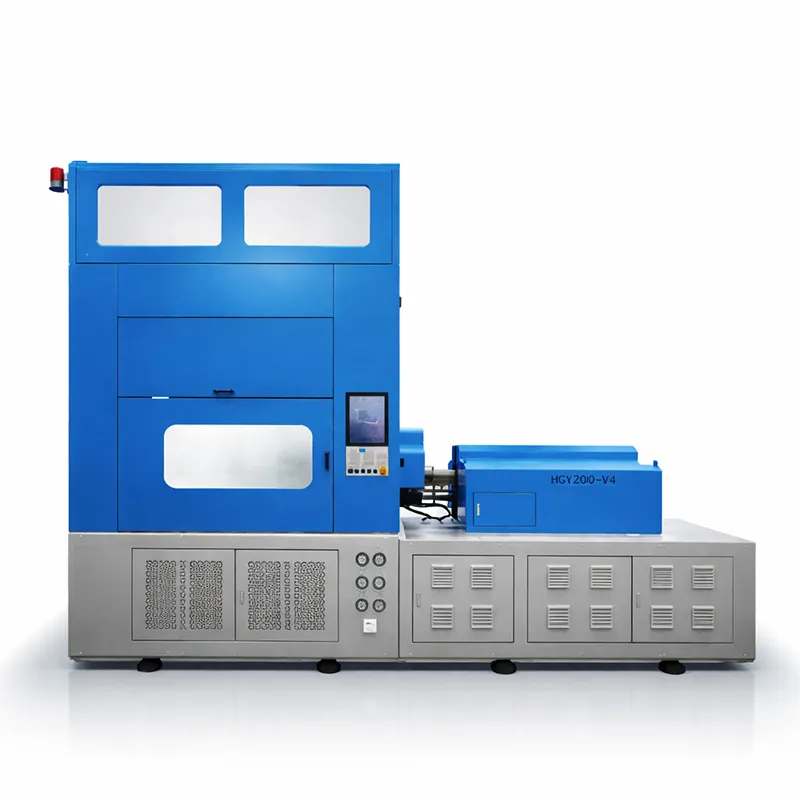
| Parametar | Hidraulični | Servo za električna vozila ★ |
|---|---|---|
| Vrijeme zadržavanja puhanja | ±0,3 s | ±0,05 s |
| Ujednačenost uvjetovanja | ±2°C | ±0,3°C |
| Energija na 1.000 boca | 3,2–5,2 kWh | 2,0–3,2 kWh |
| Zapisivanje zapisa ciklus po ciklus | Ne | Da — spremno za GMP |
| K-Beauty / Prikladnost za farmaceutske proizvode | Nije prikladno | Svi segmenti ✓ |
| Cijena kupovine mašine | Donja | Srednje-više |
Pravilo za korejske kupce: Ako vaše ciljno tržište uključuje K-Beauty, farmaceutsku industriju, proizvode za dojenčad/bebe ili premium hranu, EV servo nije opcionalan - to je minimalna specifikacija. Kako se zahtjevi za kvalitetom korejskih brendova nastavljaju pooštravati, pokrivenost tržišnog segmenta EV servo uređaja se širi, dok se raspon primjene hidraulike svake godine sužava.
U brošurama o korejskim ISBM mašinama navedena je instalirana snaga (kW) - ukupna nazivna snaga svih motora i grijača. Ovaj broj je beznačajan za predviđanje troškova energije jer instalirani kW mjere vršnu potrošnju, a ne operativnu potrošnju. Po korejskim industrijskim cijenama električne energije (112–168 KRW/kWh, 2026.), svaka razlika u kWh/1.000 boca u proizvodnji od 20 miliona jedinica godišnje predstavlja godišnju razliku u troškovima električne energije od 2,2–3,4 miliona KRW.
Zatražite ove podatke od dobavljača — nije instalirano kW
2,0–3,2
kWh na 1.000 boca — EV Servo ISBM
3.2–5.2
kWh na 1.000 boca — Hidraulični ISBM
2,24 miliona KRW
Godišnja ušteda energije od 10 miliona jedinica godišnje (električna vozila u odnosu na hidraulična vozila)
U okviru korejskog K-ETS-a (Shema trgovanja emisijama), korejski proizvođači koji dokumentiraju potrošnju energije po jedinici proizvodnje ispunjavaju uvjete za dodjelu ugljičnih kredita - disciplinu koju platforme za električna vozila s bilježenjem podataka ciklus po ciklus prirodno podržavaju.
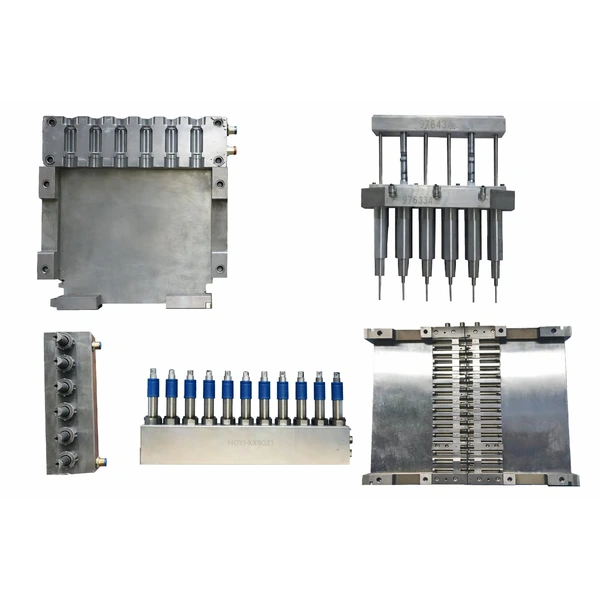
Korejska ISBM mašina koja postiže teorijski OEE od 85% uz adekvatan servis postaje mašina od 65% OEE bez njega. Prije kupovine procijenite ova četiri postprodajna kriterija:
- 1
Korejsko skladište rezervnih dijelova
Kritični dijelovi koji se troše (PTFE brtve mlaznice za upuhavanje, elementi grijača za kondicioniranje, čahure rastezljivih šipki, kuglice nepovratnog ventila) moraju biti dostupni u Koreji u roku od 24-48 sati. Prije kupovine pismeno zatražite popis zaliha korejskih rezervnih dijelova i lokaciju skladišta.
- 2
Servisna dokumentacija na korejskom jeziku
Operateri koji ne mogu pročitati priručnik za održavanje na korejskom jeziku su strukturno u nepovoljnom položaju pri obavljanju održavanja prvog i drugog nivoa. Zatražite priručnike za održavanje na korejskom jeziku, liste kodova alarma i vodiče za rješavanje problema kao isporuku prilikom kupovine mašine, a ne kao dodatnu opciju.
- 3
Mogućnost daljinske dijagnostike
EV servo ISBM mašine sa daljinskim pristupom putem Etherneta omogućavaju servisnim inženjerima korejske kompanije Ever-Power da dijagnosticiraju alarmna stanja, pregledaju zapise procesa i vode operatere kroz korektivne mjere na daljinu - smanjujući prosječno vrijeme oporavka (MTTR) za 60–80% za probleme povezane sa softverom i parametrima.
- 4
Pismena garancija vremena odziva na uslugu
Zahtjev za pismenu obavezu: odgovor na udaljenu dijagnostiku u roku od 4 sata, inženjer na licu mjesta u Koreji u roku od 48 sati za kvar kritične opreme. Dobavljači koji se ne mogu obavezati na ove nivoe usluga ne bi trebali biti odabrani za korejsku farmaceutsku ili proizvodnju kritičnih brendova.
Cijena mašine obično iznosi 55–701 TP3T ukupne korejske investicije u ISBM. Kupovina mašine od 220 miliona KRW postaje ukupna investicija od 310–380 miliona KRW kada se uključe svi prateći troškovi. Budžetirajte samo cijenu mašine, a ostatak saznajte u fazi narudžbenice - rutinska zamka koja dodaje 35–501 TP3T preko početnog budžeta.
Kompletna analiza investicija u ISBM u Koreji
185–245 miliona KRW
35–55 miliona KRW
15–30 miliona KRW
12–22 miliona KRW
8–15 miliona KRW
4–8 miliona KRW
259–375 miliona KRW
K-Beauty / Povrat sredstava u farmaceutskim proizvodima
12–18 mjeseci
Po cijeni od 45–85 KRW/boca · 4 miliona jedinica/godišnje
Povrat robe za pića
24–36 mjeseci
Po cijeni od 28–42 KRW/boca · 15 miliona jedinica/godišnje
| Kategorija KFDA-a | Test migracije | Zapisivanje podataka | Dodatni zahtjev |
|---|---|---|---|
| Standardna hrana | 60°C / 30 minuta | Samo serija | Potvrda pozitivne liste smole |
| 건강기능식품 (HFF) | 70°C / 1 sat | Ciklus po ciklus | Stroža ograničenja migracije |
| 의약품 (Pharma) | Ekstrakt KP-kvaliteta | Obavezno ≥90 dana | GMP IQ/OQ/PQ · Dokument o puštanju serije u rad |
Kritično upozorenje: Korejski kupci ISBM-a koji izostave specifikacije usklađenosti iz narudžbenice, a zatim pokušaju farmaceutsku kvalifikaciju nakon isporuke, konstantno se suočavaju s kašnjenjima od 6 do 18 mjeseci, dok se hardverski nedostaci rješavaju retroaktivno uz značajne dodatne troškove. Navedite evidentiranje ciklusa servo motora električnog vozila kao zahtjev za kupovinu, a ne kao naknadnu misao.
Korejske ISBM mašine imaju produktivni vijek trajanja od 12-18 godina uz redovno održavanje. Specifikacija mašine za današnji obim i ignorisanje projekcija rasta prisiljava ili kupovinu druge pune mašine (200-400 miliona KRW) ili gubitak tržišnog udjela zbog ograničenja kapaciteta - oboje se može izbjeći petogodišnjim planiranjem.
Pravilo planiranja skalabilnosti ISBM-a u Koreji
PLATFORMA
Navedite platformu mašine na 2× vašu trenutnu godišnju potrebu za proizvodnjom kako biste osigurali prostor za rast broja šupljina i visine stezanja kroz dodatna ulaganja u kalupe (30–60 miliona KRW), a ne kroz dodatna ulaganja u mašine (200–400 miliona KRW).
ALATI
The EP-BPET-70V4 Kompaktna ISBM mašina sa 4 stanice primjer je skalabilnosti početnog nivoa — korejski proizvođači malih i srednjih preduzeća počinju s alatima s 2 šupljine i dodaju do alata s 4 šupljine kako obim raste, udvostručujući proizvodnju bez zamjene mašine.
VIŠE SKU-A
Korejski proizvođači K-Beauty proizvoda koji ciljaju na 4-6 različitih SKU-ova brendova trebali bi provjeriti da li platforma mašine može istovremeno primiti više setova kalupa - neke korejske ISBM platforme podržavaju brzu promjenu kalupa s prethodnim zagrijavanjem vanjskih stalaka.
Često postavljana pitanja
Podrška za odabir mašine
Spremni ste primijeniti 10-faktorski okvir na vašu kupovinu ISBM-a u Koreji?
Korejski Ever-Power inženjerski tim će analizirati vašu specifičnu geometriju boce, vrstu smole, godišnju količinu i zahtjeve usklađenosti u odnosu na svih 10 faktora - i dati preporuku za mašinu sa pismenom potvrdom specifikacije prije bilo kakve obaveze kupovine.
Povezani resursi
Mašina za brizganje i istezanje duvanjem HGY200-V4
EV servo ±0,3°C kondicioniranje · Višeslojni PET / PETG / Tritan · Ciklusno evidentiranje procesa · Zadovoljava faktore 2, 3, 5, 6, 9 za K-Beauty i farmaceutske primjene.
Mašina za brizganje i istezanje duvanjem HGY250-V4
Stezanje od 250 kN za visokoučinkoviti CSD krug sa 6 šupljina · 42-barni CSD krug · Široki vrat od 86 mm · Zadovoljava faktore 1, 2, 4 za korejske primjene velikog volumena i CSD.