ISBM Agricultural Spray Bottle
Production: Korean Guide
Korean 농약 (agrochemical) container production is governed by some of the most specific packaging regulations in Korean manufacturing — the 농약관리법 (Pesticide Control Act) prescribes container approval requirements, mandatory markings, and collection obligations that ISBM packaging producers must build into their production qualification from day one. This guide provides the complete technical framework for Korean ISBM agricultural spray bottle production — from material chemistry to regulatory compliance to Korean container deposit system readiness.
Chemical Resistance Matrix
빈용기보증금 Compliance
Korean Agricultural ISBM Container Market Reference — 2026
KRW 1.2T
Korean 농약 (agrochemical) retail market 2025
250ml–2L
Korean ISBM agricultural container volume range
KRW 100–300
빈용기 보증금 deposit per container ≥ 300ml
1.0–1.5mm
Target body wall thickness for Korean agricultural ISBM (vs 0.25mm beverage)
1. سوق التغليف الزراعي الكوري ودور ISBM التنافسي
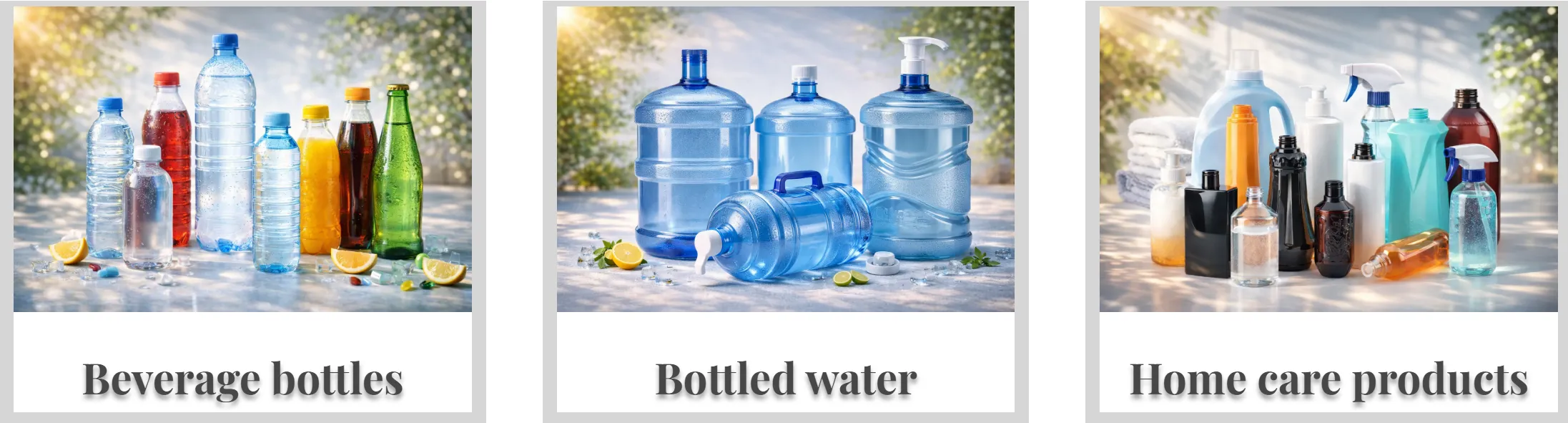
يحتاج سوق الكيماويات الزراعية في كوريا، الذي بلغت قيمته 1.2 تريليون وون كوري في عام 2025 ويشمل مبيدات الأعشاب، والمبيدات الحشرية، ومبيدات الفطريات، ومنظمات النمو، إلى ما يقارب 85 مليون عبوة سنويًا بسعة تتراوح بين 250 مل و2 لتر لتوزيعها في متاجر التجزئة والمزارع. وتشهد عبوات ISBM المصنوعة من البولي إيثيلين تيريفثالات (PET) والبولي بروبيلين (PP) نموًا في حصتها السوقية على حساب الزجاج (الذي يشهد انخفاضًا سريعًا بسبب متطلبات السلامة وإعادة التدوير الخاصة بالعمال الزراعيين الكوريين)، وعلى حساب البولي إيثيلين عالي الكثافة (HDPE) (الذي لا يزال مهيمنًا على التركيبات الزيتية ولكنه يتراجع لصالح عبوات ISBM المصنوعة من البولي إيثيلين تيريفثالات (PET) في التركيبات المائية، حيث تُمكّن دقة أبعاد عبوات ISBM العلامات التجارية الكورية للكيماويات الزراعية من توحيد نوع الغطاء عبر خطوط إنتاج متعددة).
تتميز عبوات ISBM بمزايا خاصة بالنسبة للحاويات الزراعية الكورية، منها ثبات الأبعاد، والوزن، والحماية الكيميائية المحسّنة بغض النظر عن اتجاهها. يحقق غلاف ISBM المصنوع من البولي إيثيلين تيريفثالات (PET) بسماكة جدار تتراوح بين 1.0 و1.5 مم سماكة جدار CV% ≤ 10% في جميع التجاويف الأربعة، مما يضمن مساحة سطح تلامس كيميائي متجانسة، ومستويات قابلة للاستخلاص يمكن التنبؤ بها، وقوة إغلاق موثوقة، وهي متطلبات أساسية تحددها فرق ضمان الجودة للعلامات التجارية الكورية للمواد الكيميائية الزراعية في معايير تأهيل الحاويات. ويحظى انخفاض الوزن بمقدار 40-50% مقارنةً بالزجاج بتقدير متزايد في قطاع التوزيع الزراعي الكوري، حيث تعمل لوائح إدارة التنمية الريفية الكورية (RDA) على التخلص التدريجي من الحاويات الزجاجية ذات الاستخدام الواحد في سلاسل التوريد الزراعية الكورية بحلول عام 2027، وذلك بموجب قانون تداول الموارد الكوري (자원순환법).
ينبع التعقيد التقني لسوق الحاويات الزراعية الكورية بالنسبة لمنتجي ISBM الكوريين من ثلاثة عوامل متقاطعة: التنوع الكيميائي لتركيبات المواد الكيميائية الزراعية الكورية (التي تشمل مبيدات الأعشاب المائية عند درجة حموضة 3 إلى مبيدات الحشرات الحاملة للبترول)، ومتطلبات الموافقة الخاصة على الحاويات في النظام التنظيمي الكوري (وثائق تسجيل 농약관리법، وقائمة الموافقة على مواد الحاويات الصادرة عن RDA الكورية)، وبرنامج إيداع الحاويات الكوري (빈용기 보증금 제도) الذي يتطلب تضمين خيارات تصميم الحاويات - علامات تعريف المواد، ونقش مبلغ الإيداع، والإغلاقات المتوافقة مع الإرجاع - في مواصفات حاوية ISBM قبل تصنيع القالب.
2. Korean 농약관리법 Container Regulatory Framework: What ISBM Producers Must Document
ينص قانون مكافحة المبيدات الكوري (농약관리법، القانون رقم 15806) ولائحته التنفيذية (농약 등의 안전성 심사에 관한 규정) على متطلبات إلزامية لعبوات المبيدات، يجب على مُصنِّع عبوات المبيدات الكورية (ISBM) استيفاؤها قبل استخدام عبواته لمنتجات الكيماويات الزراعية المسجلة في كوريا. وتنطبق هذه المتطلبات على وثائق تأهيل الإنتاج الخاصة بمصنِّع العبوات، وليس فقط على ملصق المنتج الخاص بالعلامة التجارية للكيماويات الزراعية.
Korean RDA (농촌진흥청) container material approval: يجب أن تُصنع عبوات منتجات المبيدات المسجلة في كوريا من مواد مدرجة في قائمة المواد المعتمدة من قبل هيئة تنظيم المبيدات الكورية. بالنسبة لعبوات المبيدات الحشرية المُصنّعة (ISBM): يُعدّ البولي إيثيلين تيريفثاليت (PET) من المواد المعتمدة للتركيبات المائية، بينما يُعدّ البولي بروبيلين (PP) من المواد المعتمدة للتركيبات الزيتية والمركزات القابلة للاستحلاب. أما البولي إيثيلين تيريفثاليت (PETG) فهو غير مدرج صراحةً في قائمة المواد المعتمدة لعبوات المواد الكيميائية الزراعية الكورية، لذا لا ينبغي لمنتجي المبيدات الحشرية المُصنّعة (ISBM) في كوريا استخدام البولي إيثيلين تيريفثاليت (PETG) في تطبيقات المواد الكيميائية الزراعية دون استشارة مسبقة من هيئة تنظيم المبيدات الكورية، وذلك لأن حساسية البولي إيثيلين تيريفثاليت (PETG) للمذيبات العضوية تُشكّل مخاطر عدم توافق كيميائي مع تركيبات المبيدات المركزة القابلة للاستحلاب، والتي لم تُقيّمها هيئة تنظيم المبيدات الكورية بالنسبة للبولي إيثيلين تيريفثاليت (PETG).
Mandatory Korean agrochemical container markings (농약관리법 시행규칙 별표 3): Every Korean agricultural container must bear: (1) Korean resin identification code (삼각형 내 숫자: 1 for PET, 5 for PP) moulded into the container base — minimum 6mm triangle height; (2) Net volume marking moulded into the container (not label-printed) at the nominal fill level — for Korean volume accuracy, the ISBM container at 23°C must hold the declared volume within +2%/−0% tolerance; (3) Korean RDA container approval number (용기·포장 인증번호) embossed on the container shoulder or base — this approval number is issued after the Korean RDA reviews the container material, dimensional, and chemical compatibility documentation; (4) Hazard classification symbol in accordance with Korean GHS (화학물질의 분류·표지에 관한 세계조화시스템, K-GHS) requirements, if applicable to the specific agrochemical product.
UN certification for Korean agrochemical dangerous goods: Korean agrochemical concentrate formulations classified as dangerous goods under Korean Act on Dangerous Goods Safety Management (위험물 안전관리법) require containers meeting UN certification standards — specifically UN 3H1 (HDPE) or UN 3H2 (HDPE with composite) for liquids, or the equivalent PET classification where applicable. For Korean ISBM PET containers of concentrated agrochemical dangerous goods: UN certification tests under UN Recommendations on the Transport of Dangerous Goods include drop test, stacking test, hydraulic pressure test, and leakproofness test. Korean ISBM agricultural producers targeting the concentrated pesticide market (rather than the consumer-strength diluted product market) must obtain UN certification through a Korean Accredited Testing Body (한국산업표준인증원, KAS). Water-based diluted consumer-strength Korean agricultural products (already diluted to end-use concentration before bottling) typically do not require UN certification — this is the segment where Korean ISBM PET has greatest penetration.
3. Material Selection: PET and PP for Korean Agrochemical ISBM Containers
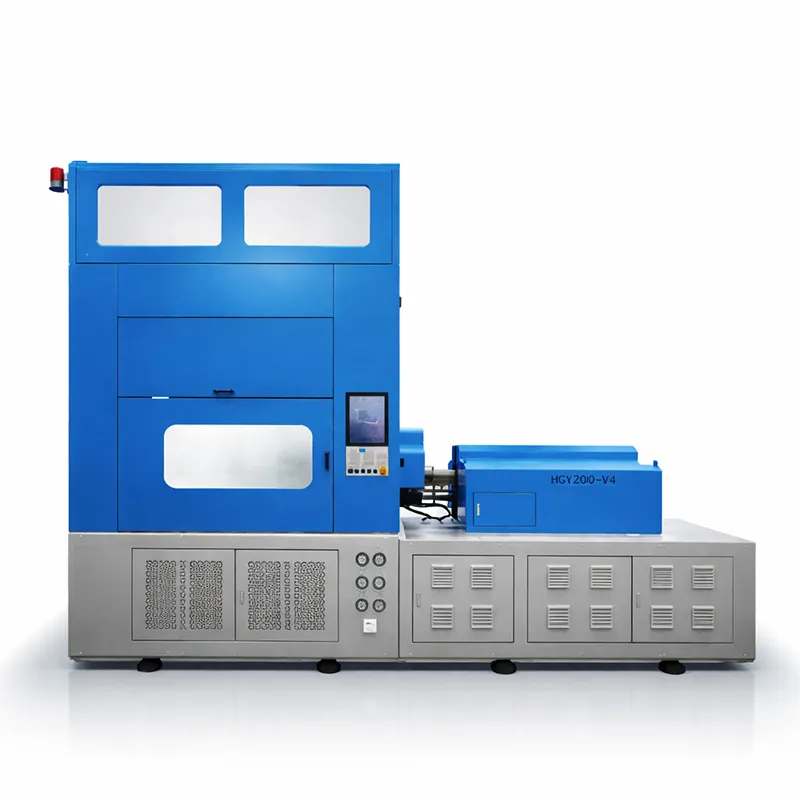
يختلف اختيار مواد التعبئة والتغليف الزراعية في كوريا الجنوبية، وفقًا لمعايير ISBM، اختلافًا جوهريًا عن اختيارها في كوريا الجنوبية، سواءً للمشروبات أو مستحضرات التجميل. ويعتمد القرار بشكل أساسي على نظام المذيبات في تركيبة المواد الكيميائية الزراعية وتأثيرها الكيميائي على البوليمر، وليس على الشفافية البصرية أو الملمس الجمالي. وتُعدّ ثلاث مواد قابلة للمعالجة وفقًا لمعايير ISBM في كوريا الجنوبية ذات صلة: البولي إيثيلين تيريفثالات (PET)، والبولي بروبيلين (PP)، والبولي كربونات (PC) (لتطبيقات محددة جدًا)، مع استبعاد البولي إيثيلين تيريفثالات جليكول (PETG) تحديدًا من تطبيقات المواد الكيميائية الزراعية في كوريا الجنوبية.
PET for Korean agricultural ISBM: PET (IV 0.78–0.84 dl/g, UV-stabilised grade) is the preferred Korean ISBM material for water-based Korean agrochemical formulations including: aqueous herbicide solutions (glyphosate, 2,4-D, glufosinate at water-based formulation concentrations), water-dispersible granule (WDG) diluents, aqueous fungicide solutions (mancozeb, propiconazole water-based), and water-soluble pouch outer packaging that holds a dry concentrate inside. Korean agricultural PET ISBM uses higher-IV resin than Korean beverage ISBM (IV 0.82–0.86 versus 0.78–0.82 for beverage) to maximise the molecular orientation achieved during blow — higher orientation improves chemical resistance by reducing the diffusion coefficient of agrochemical molecules through the PET wall, particularly important for acidic aqueous formulations (pH 3–5) that can slowly hydrolyse PET at the inner wall surface over the Korean 24-month agricultural product shelf life.
PP for Korean agricultural ISBM: يُعدّ البولي بروبيلين المُصنّع بتقنية ISBM (باستخدام منصات ISBM الكورية المزودة بقواعد قوالب مُسخّنة ومحطة تكييف قادرة على العمل عند درجات حرارة تتراوح بين 120 و145 درجة مئوية) الخيار الأمثل للمركزات المُستحلبة للمواد الكيميائية الزراعية الكورية والتركيبات الزيتية، حيث قد يتسبب المذيب الحامل (عادةً ما يكون مذيبات هيدروكربونية عطرية C9-C11، أو سيكلوهكسانون، أو ميثيل نفثالين) في حدوث تشققات إجهادية في البولي إيثيلين تيريفثالات (PET) خلال فترة صلاحية المنتج. إن مقاومة البولي بروبيلين الفائقة للمذيبات العضوية - بفضل هيكله غير القطبي وعدم احتوائه على روابط إسترية قابلة للتحلل المائي - تجعله الخيار الأمثل في كوريا لتصنيع مبيدات الحشرات الفوسفاتية العضوية المركزة (مثل الكلوربيريفوس EC، والديازينون EC)، ومبيدات الحشرات البيريثرويدية في حامل عطري (مثل السيبرمثرين 10% EC، والدلتا مثرين EC)، ومركزات مبيدات الفطريات المُستحلبة الكورية.
Why PETG is excluded from Korean agricultural ISBM: يُسبب مونومر الجليكول في مادة PETG حساسيةً خاصةً تجاه المذيبات العضوية المستخدمة في تركيبات المبيدات الزراعية الكورية. إن نفس التركيب الكيميائي للبوليمرات القائمة على الإستر، والذي يجعل PETG عرضةً للتشقق الناتج عن الإجهاد في تركيبات مستحضرات التجميل الكورية عالية الإيثانول، يجعله أكثر عرضةً للمذيبات العطرية المستخدمة في المبيدات الزراعية الكورية. يُعرّض مُصنّعو المبيدات الزراعية الكورية الذين يستبدلون PETG بـ PET في التطبيقات الزراعية لتحسين الشفافية البصرية، أنفسهم لمخاطر عالية لتلف العبوات الناتج عن الإجهاد خلال فترة صلاحية المنتج. يُمكن الاطلاع على المقارنة الفنية الكاملة لاختيار المواد في [المصدر]. Korean ISBM PET vs PETG resin selection guide.
4. Chemical Resistance: Korean Agrochemical Formulation Categories and Container Compatibility
Korean agrochemical formulations span a wide range of chemical environments — from mildly acidic aqueous solutions that PET handles comfortably to concentrated organic solvent carriers that require PP. Understanding the formulation category is the prerequisite for correct Korean ISBM material selection; requesting the full formulation composition (active ingredient, solvent system, co-formulants, pH) from the Korean agrochemical brand before finalising the material specification is non-negotiable.
| Korean Agrochemical Category | Formulation Type | حيوان أليف | PP | Key Consideration |
|---|---|---|---|---|
| Herbicide (제초제) — glyphosate, 2,4-D, glufosinate | SL (solution), SG (granule) | ✓ ممتاز | ✓ ممتاز | Water-based pH 3–5. PET preferred for cost and clarity. 24-month shelf life compatible at ambient storage. |
| Fungicide (살균제) — mancozeb, propiconazole, tebuconazole | WP (wettable powder) SC (suspension) | ✓ Good–Excellent | ✓ ممتاز | Aqueous suspension (SC): PET compatible. EC format with organic solvent carrier: PP required. Verify formulation carrier before specifying PET for EC fungicide. |
| Insecticide (살충제) — pyrethroid (cypermethrin, deltamethrin) | EC (emulsifiable concentrate) | ⚠ Verify solvent | ✓ ممتاز | Aromatic hydrocarbon solvents (xylene, Solvesso) in Korean EC pyrethroid formulations cause PET stress cracking within 3–6 months. PP is the correct ISBM choice for EC insecticides. |
| Insecticide — organophosphate (chlorpyrifos, diazinon) | EC (emulsifiable concentrate) | ✗ غير مناسب | ✓ ممتاز | Organophosphate EC carriers are strongly incompatible with PET — Korean RDA container approval for organophosphate EC requires PP ISBM or HDPE containers. No exceptions. |
| Growth regulator (생장조정제) — gibberellin, ethephon, mepiquat | SL (solution) | ✓ ممتاز | ✓ ممتاز | Aqueous solution at low concentration. Ethephon (2-chloroethylphosphonic acid) is strongly acidic (pH 1.5–2.5 as supplied) — verify PET compatibility with 12-month accelerated storage at 40°C before commercial commitment. |
Korean agrochemical chemical compatibility testing protocol for Korean ISBM containers: minimum 12-week accelerated compatibility test at 40°C (Korean summer ambient equivalent), measuring: wall thickness loss rate at contact surface (target ≤ 5% over 12 weeks), tensile strength retention (target ≥ 90% of baseline), chemical permeation through the ISBM wall (active ingredient concentration loss in the formulation from migration through the container wall, target ≤ 2% at 12 weeks), and container dimensional change (target: neck OD change ≤ 0.1mm, height change ≤ 0.5%). Korean RDA container approval applications must include the compatibility test results from a Korean accredited laboratory.
5. UV Stability for Korean Outdoor Agricultural Storage Conditions
Korean agricultural containers are stored and used in outdoor environments that create significantly more demanding UV exposure conditions than Korean retail or pharmaceutical packaging — Korean farm supply stores are often corrugated metal roof structures without UV shielding, Korean agricultural cooperative (농협) distribution centres store product outdoors under tarpaulin between April and October, and Korean farmers store agrochemical bottles on open farm shelving exposed to Korean solar radiation of 4.8–5.8 kWh/m²/day (among the highest in East Asia at Korean latitude of 33–38°N).
UV radiation affects Korean ISBM agricultural containers through two mechanisms: (1) polymer chain degradation (UV-induced photo-oxidation that yellows and embrittles the PET container wall, reducing mechanical integrity and chemical barrier); and (2) agrochemical active ingredient photodegradation (UV transmission through the container wall that photo-deactivates UV-sensitive Korean agrochemical active ingredients including pyrethroids, certain herbicides, and biological fungicides).
UV protection strategy for Korean ISBM PET agricultural containers:
- UV-stabilised PET resin grade: حدد نوع PET مزودًا بمجموعة مثبتات للأشعة فوق البنفسجية (مثبت ضوئي من نوع الأمينات المعاقة، ومادة مضافة ماصة للأشعة فوق البنفسجية) للاستخدام في عبوات ISBM الزراعية الكورية. يُذكر أن عبوات PET القياسية المستخدمة في المشروبات، والتي لا تحتوي على مثبتات للأشعة فوق البنفسجية، تصفر وتصبح هشة ميكانيكيًا بعد 6-12 شهرًا من التعرض للأشعة فوق البنفسجية في الهواء الطلق في كوريا. تشمل خيارات راتنج PET المستخدم في عبوات ISBM الزراعية الكورية أنواع PET الصناعية من شركة Eastman، وأنواع PET المثبتة للأشعة فوق البنفسجية من موردي الراتنجات المحليين في كوريا (تقدم كل من شركتي SK Chemicals وHuvis أنواع PET مثبتة للأشعة فوق البنفسجية ومعتمدة للاستخدام في العبوات الزراعية الكورية).
- Pigmented containers for UV-sensitive actives: يجب تعبئة منتجات البيرثرويد والمنتجات الكيميائية الزراعية البيولوجية الكورية التي تتحلل تحت تأثير الأشعة فوق البنفسجية في عبوات ISBM كورية معتمة أو ذات صبغة قوية. على سبيل المثال، تحجب عبوات ISBM PET ذات اللون الكهرماني (المصنوعة من مزيج رئيسي كهرماني أساسه الحديد) حوالي 95% من الأشعة فوق البنفسجية التي تقل أطوال موجاتها عن 400 نانومتر، بينما تحجب عبوات ISBM PP البيضاء (المصبوغة بثاني أكسيد التيتانيوم) جميع أنواع الضوء المرئي والأشعة فوق البنفسجية تقريبًا. يُرجى تحديد لون العبوة المناسب مع فريق تركيبات العلامة التجارية الكورية للمنتجات الكيميائية الزراعية، حيث يجب أن تتوفر لديهم بيانات الثبات الضوئي للمكون النشط.
- Korean agricultural UV exposure testing: Korean RDA container approval applications for Korean outdoor agricultural use require UV accelerated ageing testing per ISO 4892-2 (Xenon arc lamp, 300–400nm, 340nm irradiance 0.51 W/m², 500 hours minimum) confirming tensile strength retention ≥ 80% and no visible cracking or yellowing above ΔE 5 on the NCS colour scale after 500-hour exposure.
6. Korean 빈용기 보증금 Container Deposit Compliance: Design Requirements
نظام إيداع الحاويات الزراعية في كوريا - 빈용기 보증금 제도 (نظام إيداع الحاويات الفارغة) - تتم إدارته من قبل الشركة الكورية لمصايد الأسماك الزراعية وتجارة الأغذية (한국농수산식품유통공사، aT) بموجب القانون الكوري بشأن تداول موارد المعدات والمركبات الكهربائية والإلكترونية (전기·전자제품 및 자동차의 자원순환에 관한 법률) ولوائح معدل إرجاع حاويات مبيدات الآفات الكورية. بالنسبة لمنتجي ISBM الكوريين، يقوم نظام الإيداع بإنشاء ثلاثة متطلبات تصميم محددة يجب دمجها في مواصفات القالب:
- Deposit amount moulded-in identification: Korean agricultural containers ≥ 300ml must have the deposit amount (KRW 100, 200, or 300 depending on container volume category) embossed directly into the container surface as a moulded feature — not as a label. The ISBM mould must include this embossed marking in the container body design. Deposit amounts (2026 Korean schedule): containers 300ml–500ml: KRW 100; containers 500ml–2L: KRW 200; containers above 2L: KRW 300.
- Resin identification code: Korean 재활용 identification triangle with resin number (1 for PET, 5 for PP) moulded into the container base — minimum triangle height 6mm as specified in Korean KS M ISO 1043 standard, visible after container is emptied and rinsed at the Korean agricultural cooperative (농협) collection point.
- Rinsability design: Korean agricultural deposit system containers must be rinseable with water to below 1 ppm active ingredient concentration after 3 rinsing cycles — the Korean RDA rinsability specification. Korean ISBM containers designed for rinsability: avoid internal dead zones (no internal ribs that trap agrochemical residue), ensure neck inner diameter ≥ 22mm (allowing rinse water to flow freely from neck to base), and avoid ISBM gate zone designs that create an internal raised ridge at the bottle base that prevents complete drainage of rinsing water.
يتعين على منتجي حاويات ISBM الكوريين الذين يزودون عملاء الحاويات الزراعية الكوريين الراغبين في الوصول إلى شبكة توزيع التعاونية الزراعية الكورية (농협) تزويد عملائهم من العلامات التجارية الكورية للمواد الكيميائية الزراعية بشهادة اعتماد الحاوية الصادرة عن هيئة التنمية الإقليمية الكورية (용기·포장 인증서) وتأكيد أهلية برنامج الإيداع - وكلاهما يُصدر بعد مراجعة هيئة التنمية الإقليمية الكورية لرسومات مواصفات القالب ووثائق المواد. ويستند إطار اختيار القالب المكون من 9 عوامل، والذي يوجه قرارات تصميم القوالب للحاويات الزراعية الكورية (بما في ذلك نقش الإيداع، وتحديد نوع الراتنج، وخصائص سهولة الشطف)، إلى... دليل اختيار قوالب ISBM الكورية.
7. Tamper Evidence and Safety Feature Engineering for Korean Agricultural ISBM
يجب أن تتضمن عبوات المنتجات الزراعية الكورية المسجلة للمبيدات علامات مانعة للعبث تؤكد عدم فتحها منذ تعبئتها في منشأة الشركة المصنعة للمواد الكيميائية الزراعية الكورية. وتشترط هيئة تنظيم المواد الكيميائية الزراعية الكورية (농약관리법) وجود علامات مانعة للعبث على جميع عبوات المبيدات المخصصة لقنوات البيع بالتجزئة في كوريا، كما يشترط نظام التصنيف العالمي المنسق للمواد الكيميائية (K-GHS) الخاص بعبوات المواد الكيميائية الزراعية من الفئة 1-3 ذات السمية الحادة، وجود علامات إضافية لإغلاق مقاوم للأطفال على العبوات التي قد يكون في متناول الأطفال الكوريين في المنازل الريفية.
Korean ISBM agricultural tamper evidence options and their production design implications:
- Breakband (breakaway band) closure: The most common Korean agricultural tamper evidence method — a plastic ring moulded as part of the screw cap that breaks irreversibly when the cap is first opened. The ISBM container design must accommodate the breakband by including a moulded-in retaining bead or ledge on the neck below the thread end — this feature is moulded into the ISBM neck insert and must be included in the mould design specification. Korean agricultural breakband closure thread profile: standard Korean agricultural containers use 28/400 or 38/400 GPI thread with a 4mm retaining bead below the thread finish.
- Induction heat seal liner: An induction-heat-bonded foil liner applied over the container neck after filling — provides hermetic seal in addition to tamper evidence. Korean agrochemical brands using induction seal require ISBM neck finishes with flat sealing surface (GPI F217 style neck liner land) — a flat, smooth, and level sealing surface at the top of the neck that allows the induction seal foil to bond uniformly without gaps. ISBM neck insert surface quality for induction seal: Ra ≤ 0.05μm at the sealing surface, flatness ≤ 0.1mm TIR across the sealing land width.
- Korean child-resistant closure (CRC) compatibility: تتطلب المواد الكيميائية الزراعية الكورية المصنفة ضمن فئة السمية الحادة وفقًا لنظام K-GHS أغطية مقاومة للأطفال، وذلك وفقًا لمعيار KS M ISO 8317. تستخدم حاويات ISBM الكورية لتطبيقات CRC غطاءً بفتحة عنق 38/400 أو 45/400 مع آلية دفع ودوران (P&T) لفتحه، وهي حركة يجدها عمال المزارع الكوريون البالغون بديهية، بينما لا يستطيع الأطفال الكوريون دون سن الخامسة القيام بها بثقة. تتطلب فتحات أعناق حاويات CRC في حاويات ISBM الكورية دقة أبعاد أعلى (±0.06 مم للقطر الخارجي للعنق) مقارنةً بالحاويات الزراعية القياسية، لأن وظيفة غطاء CRC تعتمد على مدى إحكام إغلاقه مع عنق الحاوية؛ فإذا كان محكمًا جدًا، فلن يتمكن المستخدمون الكوريون البالغون من فتحه، وإذا كان فضفاضًا جدًا، فلن يجتاز اختبار KS M ISO 8317 الكوري.
8. Production Design: Wall Thickness, Volume Range, and Korean Agricultural ISBM Specification
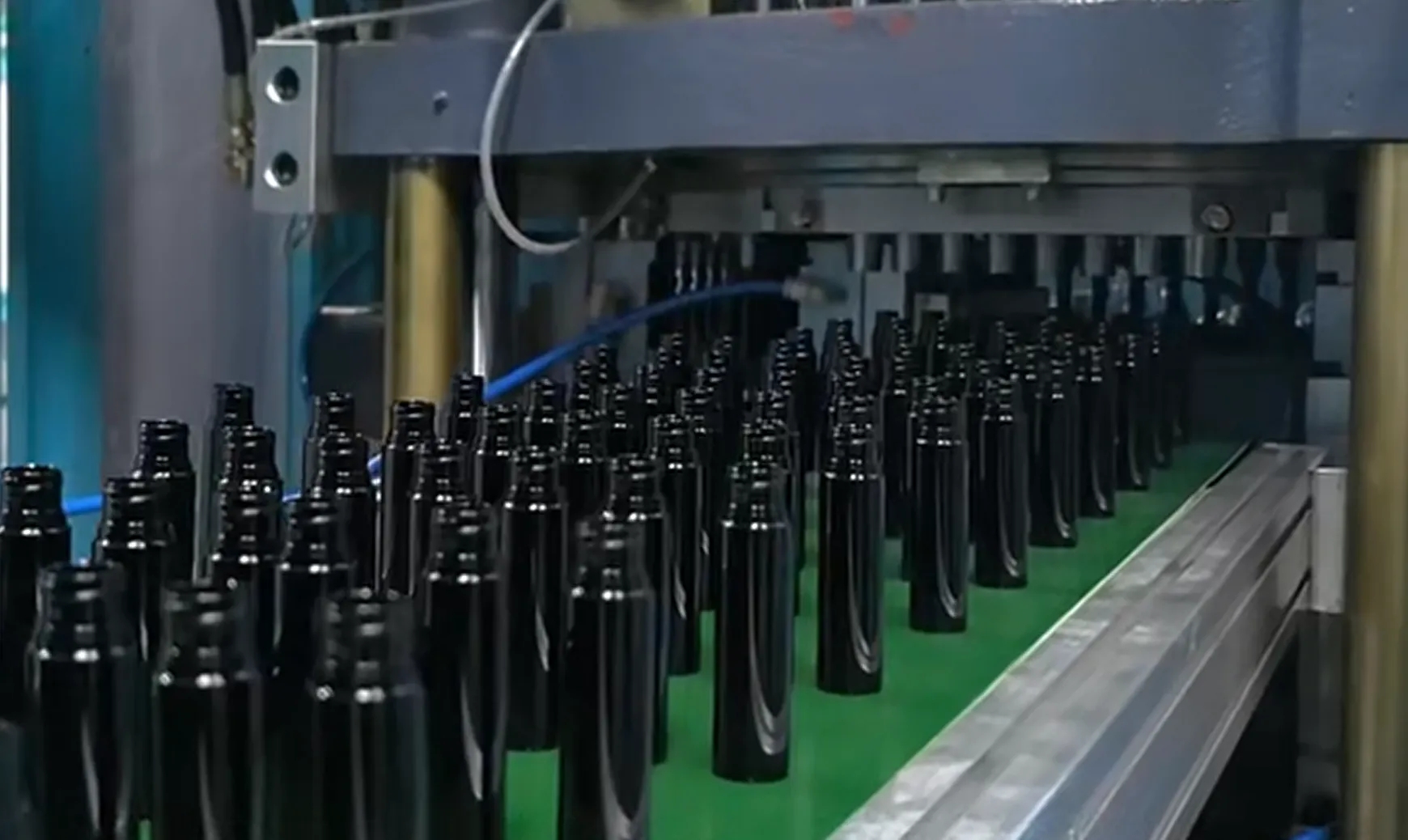
Korean ISBM agricultural container production — 500ml PET (left) and 1L PET (right) for Korean herbicide distribution. Body wall 1.2mm versus Korean beverage 0.25mm (4.8× heavier wall) provides chemical barrier, UV resistance, and the mechanical robustness to survive Korean farm supply chain handling — steel-shelved Korean agricultural cooperative stores, metal-floored Korean delivery trucks, and Korean farm corrugated metal storage floors where containers are occasionally dropped from 1.5–2m height.
يختلف تصميم إنتاج الحاويات الزراعية الكورية (ISBM) عن تصميم إنتاج الحاويات للمشروبات (ISBM) في ثلاثة معايير أساسية: سماكة الجدار، وشكل العنق، وضغط النفخ. ويُحدد كل معيار منها وفقًا لمتطلبات التطبيق المحددة - كالحماية الكيميائية، وعزم الإغلاق، والمتانة الهيكلية - وليس وفقًا لتقليل الوزن أو المظهر الجمالي.
Korean agricultural ISBM wall thickness specification: Body wall target 1.0–1.5mm (versus Korean beverage 0.22–0.28mm). The heavier wall serves three functions simultaneously: improved chemical barrier (diffusion path length for active ingredient migration through the wall is proportional to wall thickness, so 1.2mm wall has 5× the barrier of 0.25mm beverage wall); UV resistance (more polymer mass absorbs more UV before reaching the contained product); and mechanical robustness (Korean agricultural Korean distribution chain drop resistance — a 500ml PET agricultural bottle at 1.2mm wall absorbs the energy of a 1.5m corner drop onto Korean concrete agricultural cooperative flooring without leakage, where a 0.25mm beverage wall would split). To produce 1.2mm average body wall in Korean ISBM, the preform wall must be proportionally heavier than the standard beverage preform — Korean agricultural ISBM preforms typically weigh 28–35g for a 500ml container versus 14–18g for a Korean 500ml beverage preform.
Korean agricultural ISBM neck profile: Wide-mouth necks (28/400, 38/400, 45/400 GPI finish) are standard for Korean agricultural containers — wider necks reduce the flow resistance when Korean farmers pour concentrated formulations from the bottle into mixing equipment, and they accommodate Korean agricultural CRC closures that are physically larger than Korean beverage closures. Wide-mouth Korean ISBM requires machines with injection clamping force appropriate for the larger preform gate area — the Korean Ever-Power HGY200-V4 (200 kN injection clamping, 63mm maximum neck) is the standard platform for Korean 28–38mm agricultural neck production; the HGY250-V4 (250 kN, 86mm maximum neck) covers Korean 45mm and above agricultural wide-mouth formats.
Korean agricultural ISBM blow pressure: The heavier-wall Korean agricultural ISBM preform requires higher pre-blow and high-blow pressure than Korean beverage production to achieve complete mould contact and orientation at the heavier wall. Korean agricultural ISBM blow pressure targets: pre-blow 7–9 bar (versus 6–8 bar beverage); high-blow 28–34 bar (versus 24–28 bar beverage). The Korean Ever-Power مجموعة آلات ISBM ذات 4 محطات تدعم جميع المنصات ضغط نفخ عالي يصل إلى 40 بار، مما يوفر مساحة كافية لإنتاج الحاويات الزراعية الكورية ذات الجدران السميكة دون الاقتراب من أقصى ضغط مصنف للآلة - حيث تعمل عند ضغط مصنف يتراوح بين 70-80% بدلاً من 95-100%، مما يطيل عمر خدمة ختم صمام النفخ المصنوع من مادة PTFE بشكل كبير في بيئة الإنتاج الزراعي الكورية ذات الدورات الأعلى.
الأسئلة الشائعة
Agricultural Container Support
Korean Agricultural ISBM Container — Korean RDA Approval Documentation, Chemical Compatibility Testing, or 빈용기 보증금 Design Support?
Korean Ever-Power provides agricultural ISBM container documentation packages for Korean RDA approval, UV-stabilised PET and PP resin selection for Korean agrochemical formulations, and 빈용기 보증금 mould design compliance review.
موارد ذات صلة
ماكينة نفخ القوالب بالحقن والتمديد HGY200-V4
250ml–1L Korean agricultural container · UV-stabilised PET and PP · 200 kN injection clamping for 28/400 wide-mouth agricultural neck · Korean RDA qualification documentation support.
ماكينة حقن ونفخ القوالب HGY250-V4
1L–3L Korean agricultural container · Wide-mouth 86mm neck for Korean 1L CRC agricultural formats · Heavy-wall PP for Korean EC insecticide concentrate · Korean UN certification test support.
ماكينة نفخ القوالب بالحقن والتمديد HGY650-V4
إنتاج حاويات زراعية كورية عالية الإنتاجية · حجم توريد تعاوني كوري كبير · مادة البولي إيثيلين تيريفثالات المقاومة للأشعة فوق البنفسجية لذروة إنتاج مبيدات الأعشاب الموسمية الكورية · تأهيل تصميم حاويات كورية كاملة.