MATERIAALBESLISSINGSGIDS
Tritan versus polycarbonaat: vergelijking van materialen voor babyflessen van Koreaanse fabrikanten
Korean K-baby brands competing in global export markets face critical material decisions affected by BPA regulations, sterilization requirements, and clarity expectations. This guide compares Tritan copolyester, polycarbonate, and PPSU across regulatory, technical, and ISBM processing dimensions for baby bottle and infant feeding product applications.
TL;DR — Korte samenvatting
Polycarbonate (PC) was the legacy baby bottle material from the 1990s-2000s but has been banned for infant feeding bottles in the EU since 2011 due to BPA leaching concerns. Tritan copolyester (Eastman, 2007) is now the dominant alternative offering BPA-free safety with FDA/EFSA/Korean MFDS approval, though working temperature is limited to ~109°C versus PC’s 130°C+. PPSU is the premium upgrade for steam sterilization applications. For Korean K-baby brands exporting to TPP markets, Tritan is the standard choice; PC is no longer commercially viable for infant feeding products. ISBM processing requires 260-290°C melt temperature for Tritan versus 280-310°C for PC, with both materials requiring rigorous drying to prevent hydrolysis.
In deze handleiding
- Why Material Choice Matters for Baby Bottles
- Polycarbonate: Legacy Material with BPA Concerns
- Tritan: Modern BPA-Free Alternative
- Property Comparison Matrix
- Verschillen in ISBM-verwerking
- Regulatory Landscape: FDA, EFSA, Korean MFDS
- Korean K-Baby Market Context
- PPSU: Premium Sterilization Alternative
- Veelgestelde vragen
- Conclusie
1. Why Material Choice Matters for Baby Bottles
Baby bottle material selection carries dual stakes that no other ISBM application matches. First is infant safety: feeding bottles undergo repeated sterilization cycles (boiling water, steam, microwave, dishwasher) that stress materials beyond typical food packaging conditions. Materials that perform adequately at room temperature can leach unwanted compounds when exposed to repeated sterilization heat, with directly measurable health implications for infants whose hormonal and developmental systems are particularly vulnerable.
Second is global regulatory complexity. Baby bottle materials face the most stringent food contact regulations of any consumer product category. The European Commission banned BPA in baby bottles in 2011. The U.S. FDA prohibited BPA-based polycarbonate in baby bottles and sippy cups in 2012. Canada listed BPA as toxic substance in 2010. Korean MFDS aligns with international standards on BPA restrictions. For Korean K-baby brands exporting to TPP markets (Trans-Pacific Partnership countries), material decisions must satisfy the strictest applicable jurisdiction across the entire export portfolio.
Three material families dominate modern baby bottle production: Tritan copolyester (Eastman, BPA-free, dominant for clear bottles), polypropylene (PP, low cost but cloudy appearance limits premium positioning), and PPSU (polyphenylsulfone, premium sterilization-grade for medical baby applications). Polycarbonate, the dominant material from 1990-2010, has been effectively eliminated from infant feeding applications worldwide.
2. Polycarbonate: Legacy Material with BPA Concerns
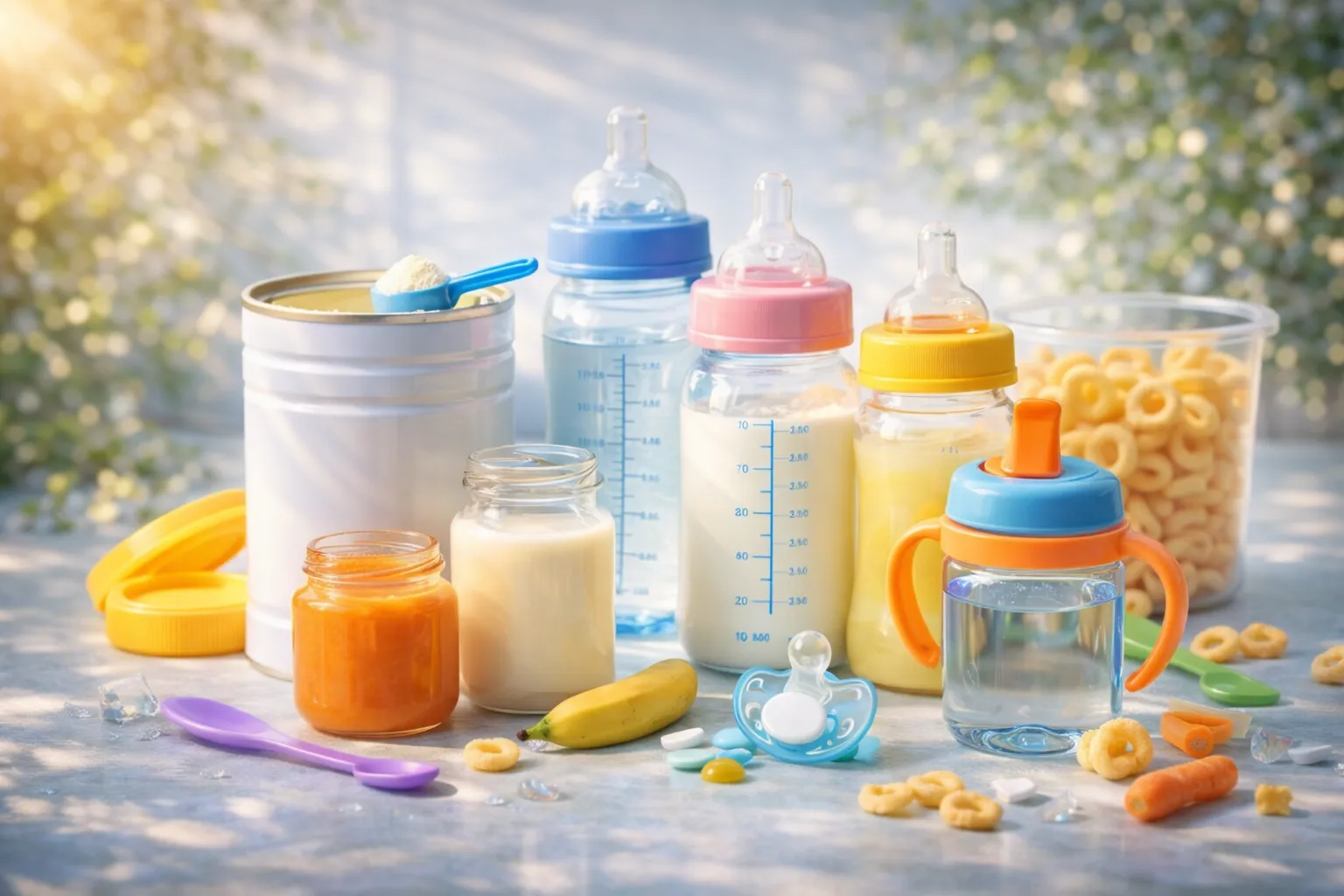
Polycarbonate (PC) dominated baby bottle production from the 1990s through 2010 due to exceptional combination of clarity, impact resistance, sterilization tolerance, and low cost. PC’s optical clarity matches glass, its impact strength is approximately 8x stronger than PET, and its working temperature range comfortably accommodates boiling water sterilization. These technical advantages drove PC adoption across global baby bottle production.
The fundamental challenge with PC for baby bottles is its molecular structure. PC polymerization combines bisphenol A (BPA) with phosgene to produce the polymer chain, with trace BPA monomer remaining in the finished material. Under repeated heat exposure (sterilization cycles), the polymer can undergo partial hydrolysis releasing additional BPA monomer into bottle contents. BPA is recognized as an endocrine disruptor by major regulatory bodies, with documented effects including hormonal disruption, reproductive system effects, and developmental concerns particularly relevant for infants.
Regulatory restrictions accelerated rapidly between 2010 and 2014. Canada listed BPA as toxic substance in 2010. The EU banned BPA-based polycarbonate baby bottles in 2011 with specific migration limit of 600 μg/kg established for residual food contact applications. The U.S. FDA prohibited BPA-based PC for baby bottles and sippy cups in 2012. China followed with similar restrictions in 2013. By 2014, PC was effectively eliminated from new baby bottle production in regulated markets globally.
3. Tritan: Modern BPA-Free Alternative
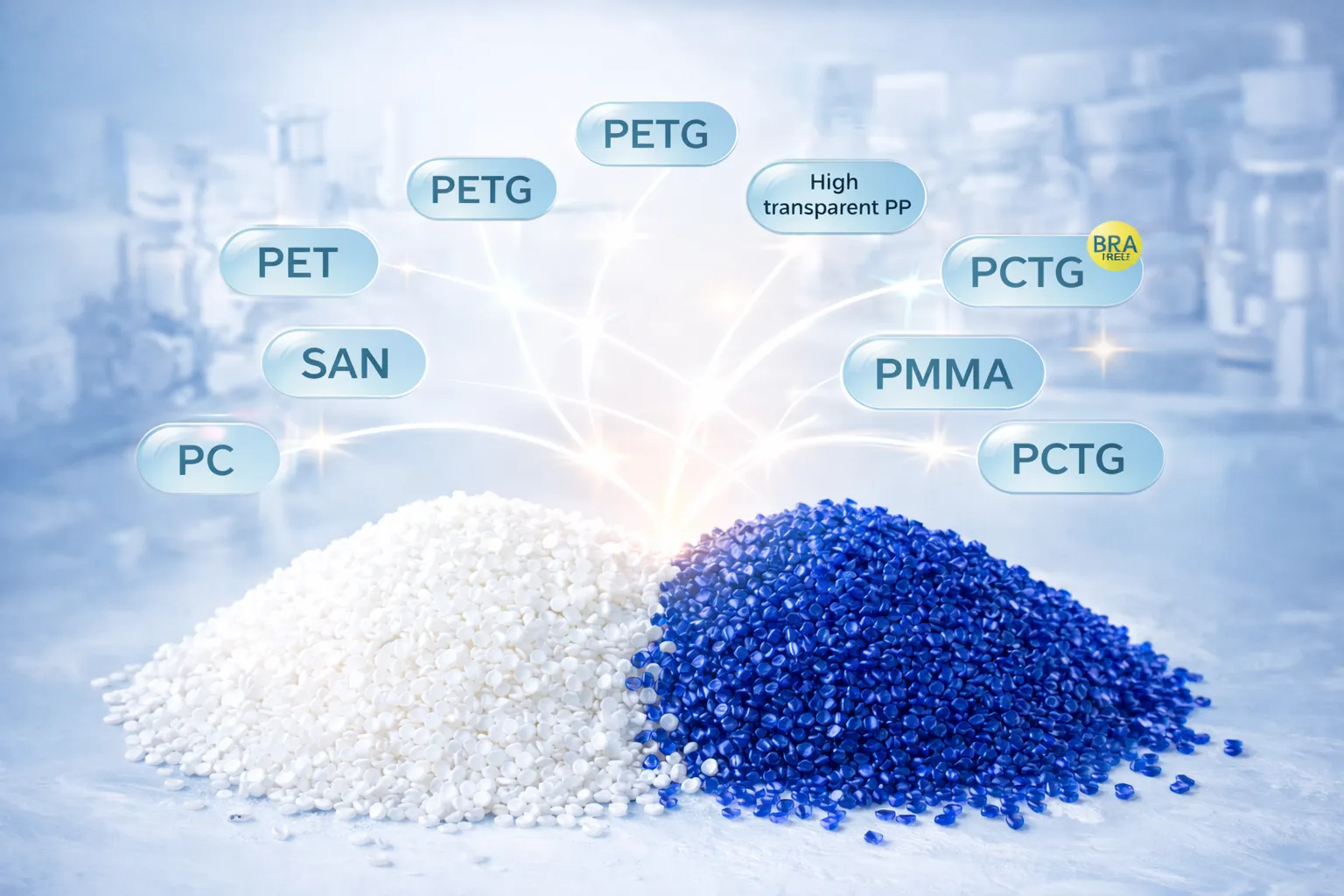
Tritan copolyester was developed by Eastman Chemical Company in 2007 specifically as a BPA-free alternative to polycarbonate, addressing the safety concerns that drove regulatory action against PC. Unlike PC, Tritan polymerization does not use any bisphenol compounds (BPA, BPS, or other bisphenols). Multiple third-party laboratory tests have confirmed Tritan is free of estrogenic activity and androgenic activity, addressing the endocrine disruption concerns that defined PC’s regulatory problems.
Tritan offers near-PC performance across most application requirements. Optical clarity matches glass and PC. Impact resistance is excellent for typical drop and impact stresses, though not quite at PC’s 8x-PET level. Working temperature range covers -40°C to approximately 109°C, with specialty grades like Tritan EX401 reaching 129°C. Dishwasher cycles exceed 1,000 without optical degradation. The material is FDA, EFSA, NSF, LFGB (Germany), and Korean MFDS approved for food contact applications including infant feeding.
Three Tritan limitations require consideration for baby bottle applications. First, working temperature ceiling at 109-129°C is below PC’s 130°C+, which can affect repeated steam sterilization tolerance. Second, Tritan typically costs 30-50% more per kilogram than commodity PC equivalents, increasing finished bottle cost. Third, Eastman has had ongoing legal disputes regarding Tritan’s complete absence of all estrogenic activity, with most third-party studies supporting Tritan’s safety claims but some research raising concerns under specific conditions. For practical Korean baby bottle production, Tritan remains the standard choice with broad regulatory acceptance.
4. Property Comparison Matrix
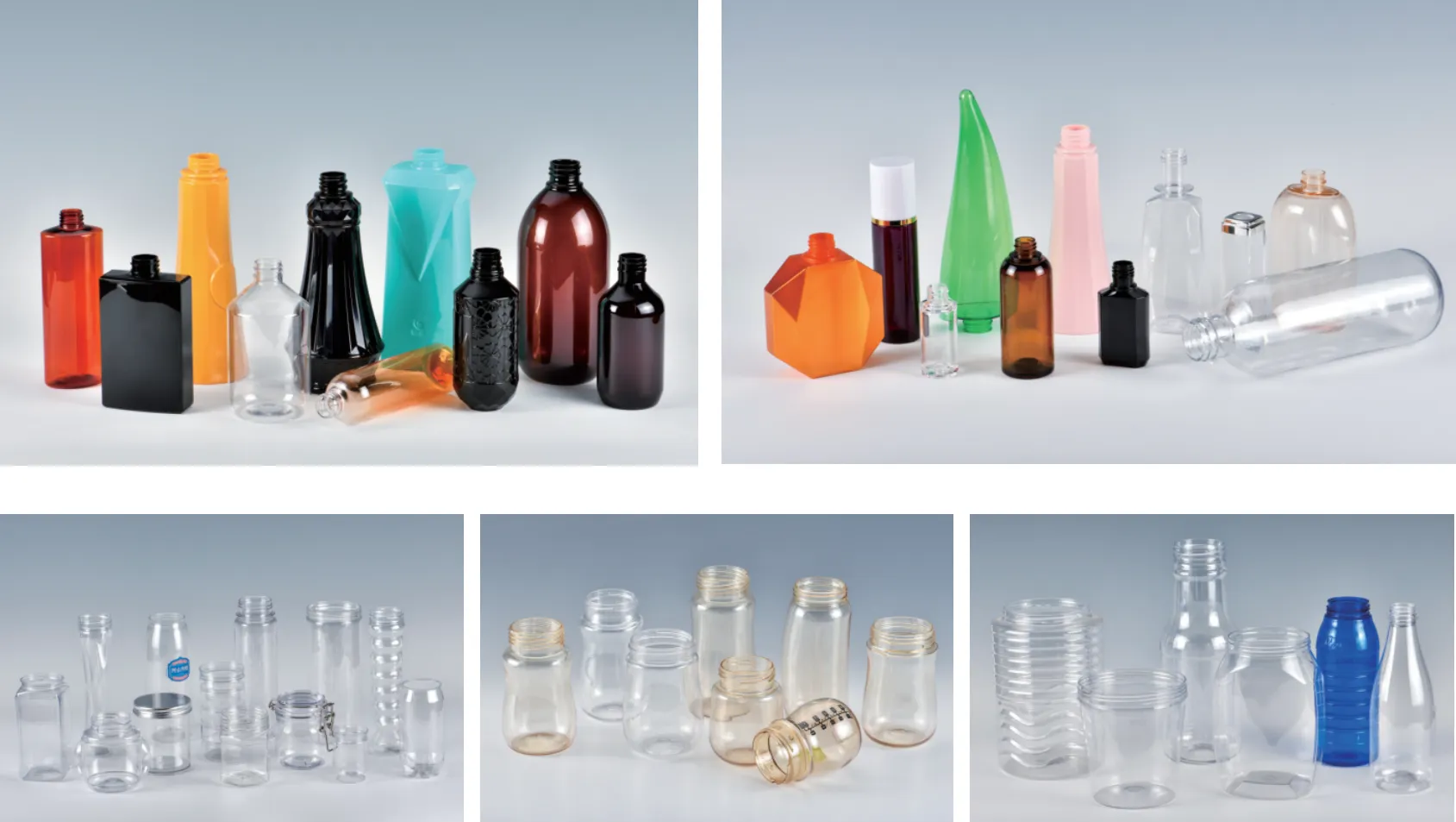
Direct technical comparison across baby bottle requirements illustrates the practical trade-offs between Tritan, polycarbonate, and PPSU. The following matrix uses standardized testing data from material suppliers and independent third-party studies.
| Eigendom | Tritan | Polycarbonaat (PC) | PPSU |
|---|---|---|---|
| BPA-gehalte | Geen | Contains BPA | Geen |
| Bedrijfstemperatuur | -40 to 109°C | -40 to 130°C | -40 to 180°C |
| Optische helderheid | Glasachtig | Glasachtig | Amber-tinted |
| Impact strength | Uitstekend | Outstanding | Uitstekend |
| Stoomsterilisatie | Limited (avoid prolonged) | Excellent (legacy) | Outstanding |
| Dishwasher cycles | 1,000+ | 1,500+ | 2,000+ |
| Materiaalkosten (ten opzichte van PET) | 2.5-3x | 2-2.5x | 5-7x |
| Baby bottle suitability | Aanbevolen | Banned 2011-2014 | Premium choice |
For mainstream baby bottle production, Tritan delivers the optimal combination of safety, clarity, and cost. PC’s regulatory restrictions effectively eliminate it from contemporary infant feeding applications regardless of technical merits. PPSU’s superior sterilization performance justifies its 2-3x cost premium only for premium medical-grade applications where steam sterilization frequency exceeds normal consumer use patterns.
5. Verschillen in ISBM-verwerking
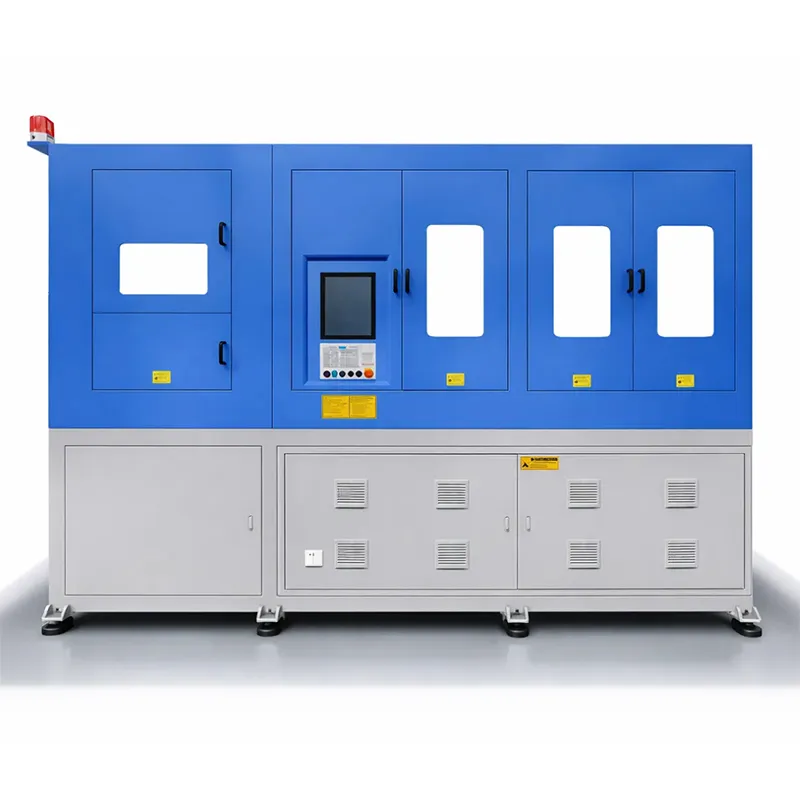
Tritan and PC require distinct ISBM processing parameters reflecting their different molecular structures. Tritan processes at lower melt temperatures than PC, but both materials require rigorous drying to prevent hydrolysis-induced quality defects. The processing parameters below reflect typical Korean ISBM operations producing 150-300ml baby bottle SKUs.
| Verwerkingsparameter | Tritan | Polycarbonate |
|---|---|---|
| Droogtemperatuur | 75-85°C, 4-6 hours | 120°C, 4-6 hours |
| Doelvochtgehalte | <0.04% | <0.02% |
| Melt temperature range | 260-290°C | 280-310°C |
| Schimmeltemperatuur | 25-50°C | 85-120°C |
| Conditioneringstemperatuur | 95-105°C | 125-145°C |
| Stretch ratio (typical) | 2,5-3,5x | 2.0-3.0x |
Drying is the most critical processing step for both materials. Insufficient drying produces hydrolysis during melt processing, which appears as splay marks (silvery streaks on bottle surface), reduced impact strength, and increased haze. Tritan tolerates slightly higher residual moisture than PC but still requires dedicated dehumidifying dryers; ambient air drying is not adequate for either material. Korean producers typically use desiccant dryers achieving -40°C dew point for both materials.
For baby bottle production, the typical Korean platform choice is small-format 4-station ISBM machines optimized for 100-300ml capacity bottles with 6-12 cavity moulds. The HGY50-V3-EV represents this category, engineered for precision small-bottle production with full-servo architecture supporting both Tritan and PC processing through standard parameter selection. Cavity count typically ranges 6-12 depending on production volume requirements.
6. Regulatory Landscape: FDA, EFSA, Korean MFDS
For Korean K-baby brands exporting globally, regulatory compliance across multiple jurisdictions is the dominant material selection constraint. The following matrix summarizes current (2026) baby bottle material regulations across Korean export markets.
| Regulatory Body | PC (BPA) Status | Tritan Status | PPSU Status |
|---|---|---|---|
| U.S. FDA | Banned (2012) | Approved | Approved |
| European EFSA | Banned (2011) | Approved | Approved |
| Canada Health | Banned (2010) | Approved | Approved |
| Korea MFDS | Restricted | Approved | Approved |
| China NHC | Banned (2013) | Approved | Approved |
| Japan MHLW | Restricted | Approved | Approved |
PC’s regulatory status is uniformly negative for infant feeding applications across all major Korean export destinations. Tritan and PPSU enjoy uniform approval. For Korean K-baby brands, this regulatory clarity simplifies material selection: PC is not a viable option regardless of technical performance, leaving Tritan as the standard choice and PPSU as the premium alternative for specific applications.
Specific migration limits for residual food contact applications still using PC (not infant feeding) require attention. The EU specifies 600 μg/kg specific migration limit; the U.S. FDA references 50 μg/kg/day tolerable daily intake. For Tritan, which contains no BPA, these limits are not relevant. Korean producers should maintain documentation of material certifications including FDA Letter of No Objection, EU Declaration of Compliance, and Korean MFDS food contact approval for export market customs and regulatory inspection.
7. Korean K-Baby Market Context
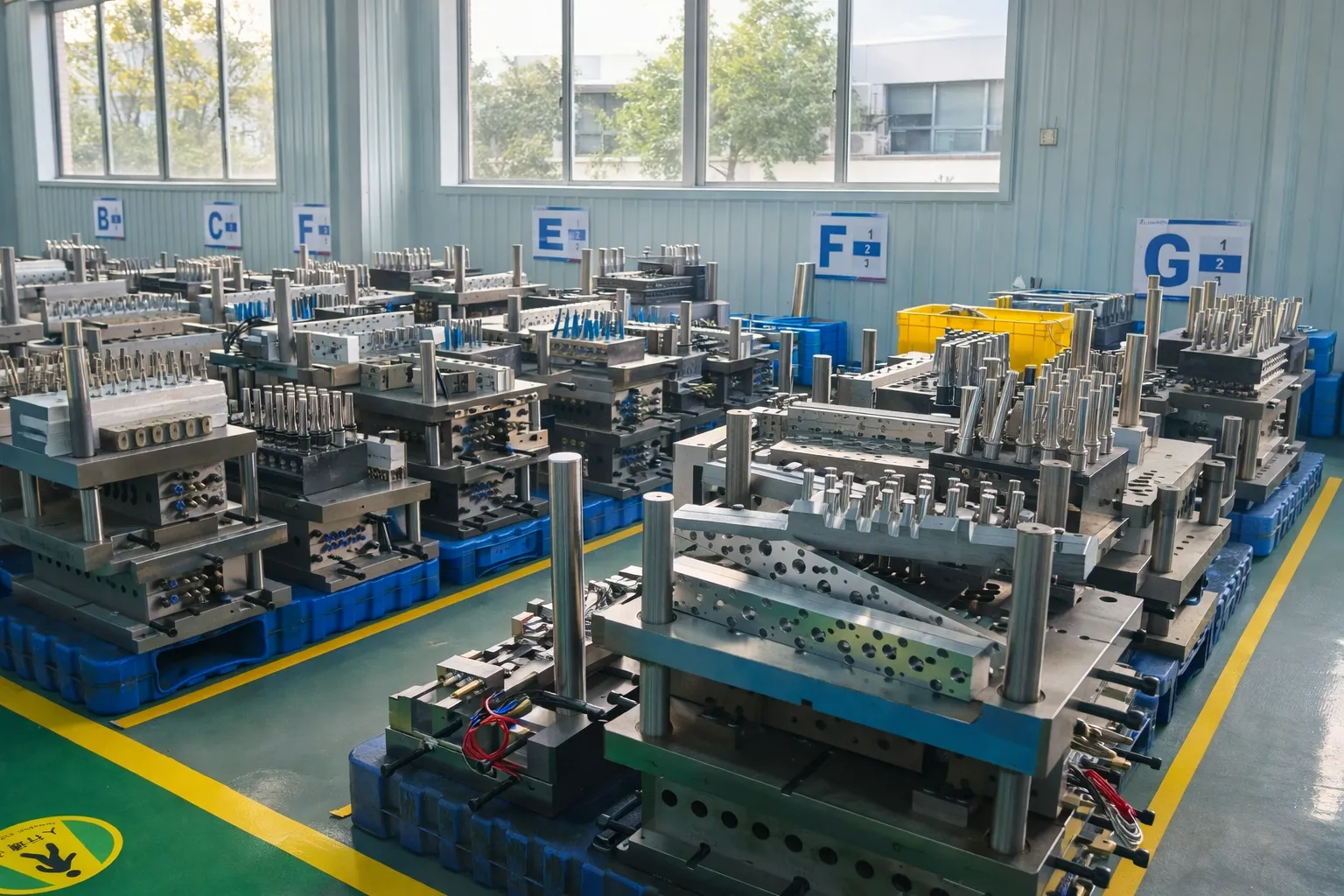
Korean K-baby brands have built strong global market position through quality differentiation in premium baby product segments. Major Korean brands include Mom-A-Roo, Pigeon Korea, Kissbaby, and various K-beauty brand extensions into infant care. Common export destinations include China (largest market), Southeast Asia (rapidly growing), United States (premium positioning), and Middle East (premium positioning).
For Korean brands competing in these markets, three strategic considerations affect material selection beyond pure regulatory compliance. First, premium positioning: K-baby brands typically command 30-80% price premium over commodity alternatives, justifying material premiums for safety differentiation. Tritan’s BPA-free messaging supports this premium positioning effectively. Second, social media credibility: Korean parents and infant care influencers are sophisticated consumers who research material safety in detail; material claims must be substantiated through verifiable certifications. Third, supply chain transparency: increasingly common buyer audits require complete material traceability from polymer producer through ISBM processing to finished bottle.
Korean ISBM equipment selection for K-baby production typically prioritizes precision platforms with full-servo architecture. The cycle-to-cycle consistency of full-servo platforms is particularly valuable for baby bottle applications where dimensional consistency affects nipple fit, leak performance, and brand quality perception. For dedicated baby bottle production lines, see the HGY50-V3-EV precision platform specifications.
8. PPSU: Premium Sterilization Alternative
PPSU (polyphenylsulfone) represents the premium tier of baby bottle materials, offering superior sterilization tolerance and durability at meaningfully higher cost. PPSU’s working temperature of 180°C+ supports steam sterilization, autoclave processing, and repeated boiling without degradation. The material is widely used in medical baby applications including hospital newborn care and premature infant feeding where maximum sterilization assurance is required.
Three trade-offs limit PPSU adoption for mainstream baby bottle applications. First, optical clarity: PPSU is naturally amber-tinted rather than transparent, which limits aesthetic appeal compared to glass-like Tritan. Some parents specifically prefer transparent bottles to monitor formula consumption visually. Second, material cost: PPSU runs 5-7x PET cost versus Tritan’s 2.5-3x, increasing finished bottle cost meaningfully. Third, ISBM processing: PPSU requires higher melt temperatures (340-380°C) and specialized hot runner systems, limiting compatible equipment.
For Korean K-baby brands, PPSU is typically positioned as a premium product line tier rather than the standard offering. Common market positioning includes “PPSU edition” SKUs at 50-100% price premium over Tritan baseline, targeting parents prioritizing maximum sterilization safety for infants under 6 months. Volume typically represents 10-20% of total baby bottle output. Tritan remains the standard choice for 80-90% of Korean K-baby production volume.
9. Veelgestelde vragen
Q: Can I still produce PC baby bottles for non-EU markets?
Technically possible in some markets, but commercially impractical. PC baby bottles are banned in EU, US, Canada, China, Australia, and many Korean export destinations. Limited markets without explicit BPA bans (some Southeast Asian and African nations) have weak retail demand for PC baby bottles because consumer awareness has spread globally through social media. Korean brands attempting PC baby bottle production for restricted markets typically face supply chain and channel resistance. Tritan is the practical standard for all Korean K-baby export production.
Q: How does Tritan compare to glass for baby bottles?
Glass offers absolute material safety (zero leaching) and unlimited sterilization tolerance but suffers from breakage risk and significant weight (2-3x heavier than Tritan). For Korean parents, Tritan typically wins on practical use criteria while glass wins on absolute safety perception. Many Korean K-baby brands offer both options: glass for home use, Tritan for travel and daycare. The two material categories serve different use occasions rather than directly competing.
Q: What about PETG for baby bottles?
PETG is similar to Tritan as a BPA-free copolyester but offers slightly lower temperature resistance (~80°C versus Tritan’s 109°C). PETG is commonly used for cosmetic K-beauty bottles and food containers but is generally not preferred for baby bottles due to insufficient sterilization tolerance. Tritan’s higher temperature ceiling makes it the appropriate choice for products requiring repeated sterilization.
Q: Can existing PC moulds be used for Tritan production?
Generally no without modification. PC and Tritan have different shrinkage rates, requiring slight cavity dimension adjustments to maintain target bottle dimensions. Mould temperature ranges also differ significantly (PC mould 85-120°C versus Tritan 25-50°C), affecting cooling channel design. For Korean producers transitioning from PC to Tritan, mould engineering review is required and modifications typically cost 30-50% of new mould price. New Tritan-specific moulds typically deliver superior performance to modified PC moulds.
Q: Does K-EPR rPET legislation apply to baby bottles?
K-EPR rPET mandates do not directly apply to baby bottles because baby bottles use Tritan or PPSU rather than PET. However, the underlying sustainability trend toward recycled content extends to baby product packaging (outer cartons, secondary packaging) where PET-based materials are common. Korean baby brands increasingly market both BPA-free baby bottle material AND sustainable packaging as combined safety and environmental positioning.
10. Conclusie
Baby bottle material selection has evolved decisively since 2010-2014 regulatory restrictions on BPA. Polycarbonate, the dominant material for two decades, has been effectively eliminated from infant feeding applications across all major Korean export markets. Tritan copolyester is now the standard choice offering BPA-free safety with regulatory approval across FDA, EFSA, Canadian Health, Korean MFDS, Chinese NHC, and Japanese MHLW. PPSU represents the premium alternative for steam sterilization-intensive applications.
For Korean K-baby brands competing globally, Tritan delivers the optimal combination of regulatory compliance, technical performance, premium aesthetic, and reasonable cost. ISBM processing parameters require dedicated dehumidifying drying and adjusted melt temperatures versus PC baseline, but established Korean ISBM platforms handle Tritan production with standard parameter selection. Premium positioning supports the 30-50% material cost premium over PC equivalents.
For Korean producers seeking ISBM equipment specifically engineered for baby bottle production, precision compact 4-station platforms with full-servo architecture deliver the cycle-to-cycle consistency that brand quality requires. Ever-Power Korean engineering team provides material processing parameter consultation including Tritan and PPSU baby bottle production, sterilization-tolerant mould design, and regulatory documentation support for Korean K-baby brands entering or expanding global export markets.
Planning Korean K-Baby Bottle Production?
Share your bottle specification, target volume, material choice (Tritan/PPSU), and export market portfolio. Our Korean engineering team returns ISBM platform recommendation with material processing parameters, mould specification, and regulatory documentation guidance within 5 business days.