De groene toekomst: verwerking van biologisch afbreekbare PLA-flessen op Koreaanse Ever-Power ISBM-platforms voor ESG-leiderschap en K-EPR-toekomstbestendigheid.
PLA (polymelkzuur) is het meest commercieel aantrekkelijke biologisch afbreekbare polymeer voor hoogwaardige consumentenverpakkingen — een biobased grondstof, industrieel composteerbaar en geaccepteerd door ESG-georiënteerde K-Beauty- en voedingsmiddelenmerken wereldwijd. Het is echter ook een van de lastigste polymeren om succesvol te verwerken met ISBM (Industrial Substance Beam Manufacturing). Vochtgevoeligheid, een smal thermisch venster en het risico op hydrolytische degradatie maken tweestapslijnen en budgetmachines volledig ongeschikt. Hier leest u hoe de Koreaanse Ever-Power 4-stations EV-platforms de PLA-productie haalbaar maken voor Koreaanse producenten die voorop lopen in de duurzaamheidstransitie.
PLA-biopolymeren De ontwikkeling van PLA-verpakkingen is geëvolueerd van een niche-experiment naar een commercieel haalbare optie voor hoogwaardige Koreaanse consumentenverpakkingen, met name voor K-Beauty cosmeticaproducten gericht op ESG-bewuste consumenten (Innisfree, Beauty of Joseon, COSRX duurzaamheidslijnen) en voor voedings- en drankproducten in markten waar composteerbare verpakkingen een hogere prijs opleveren. De wereldwijde productiecapaciteit van PLA is gestegen van circa 250.000 ton per jaar in 2020 naar meer dan 800.000 ton per jaar in 2026, waarbij de prijzen zich op een concurrerend niveau hebben gestabiliseerd.
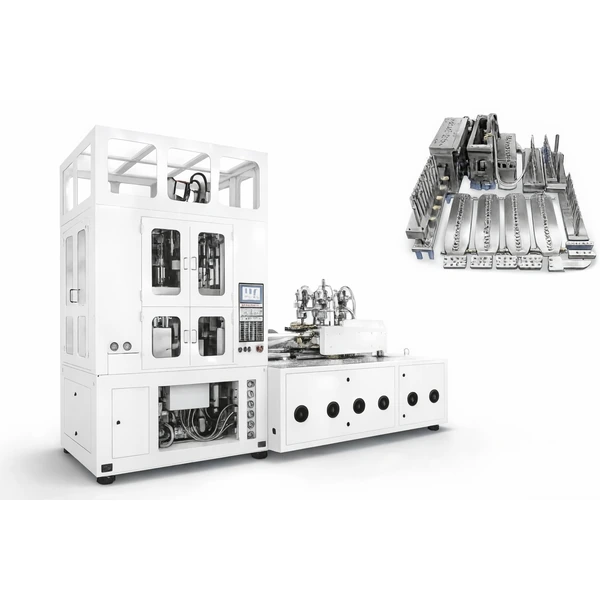
PLA verwerken op ISBM Dit vereist specifieke platformmogelijkheden die tweetrapslijnen en de meeste budgetvriendelijke eentrapsmachines uitsluiten: ontvochtigend drogen met gesloten vochtregeling, geïntegreerde temperatuurprecisie binnen ±1,5 °C, een thermische architectuur met een smal rekvenster en procesrecepten die zijn ontworpen om de hydrolytische afbraak van PLA tegen te gaan. De Koreaanse Ever-Power 4-stations EV-platforms – met name de HGY150-V4-EV volledig servogestuurde configuratie – zijn gevalideerd voor de PLA-productie voor Koreaanse producenten die zich voorbereiden op zowel de huidige ESG-gedreven vraag als op een mogelijke toekomstige uitbreiding van de K-EPR naar bioplastics.
1. De ESG-drijfveer: Waarom Koreaanse merken PLA omarmen
De ESG-strategieën van Koreaanse consumentenmerken zijn in de periode 2023-2026 geëvolueerd van public relations naar operationele realiteit. Tot de koplopers behoren Innisfree (een dochteronderneming van Amorepacific, met expliciete doelstellingen voor afvalvrije verpakkingen), Beauty of Joseon (een van de meest succesvolle K-Beauty-exporteurs wereldwijd, met een sterke positionering op het gebied van duurzaamheid), COSRX (duurzaamheidslijnen die expliciet onderscheiden zijn van het hoofdportfolio), Klairs (vergelijkbare segmentatie op het gebied van duurzaamheid), de huismerken van Hyundai Department Store en een groeiend aantal CJ CheilJedang en Lotte foodmerken die zich richten op de ESG-voorkeuren van jongere Koreaanse consumenten.
De Europese en Amerikaanse exportmarkten – waar Koreaanse K-Beauty-merken een aanzienlijke groei doormaken – zijn nog een stap verder gegaan. EU-lidstaten die beperkingen opleggen aan plastic voor eenmalig gebruik, Amerikaanse staten (Californië, Washington, Oregon, Vermont) die wetgeving inzake uitgebreide producentenverantwoordelijkheid invoeren, en grote retailers (Sephora, Ulta, Whole Foods) die duurzaamheidsscorekaarten voor leveranciers vereisen, zetten Koreaanse merken onder druk om aantoonbaar duurzame verpakkingen aan te bieden voor hun exportproducten.
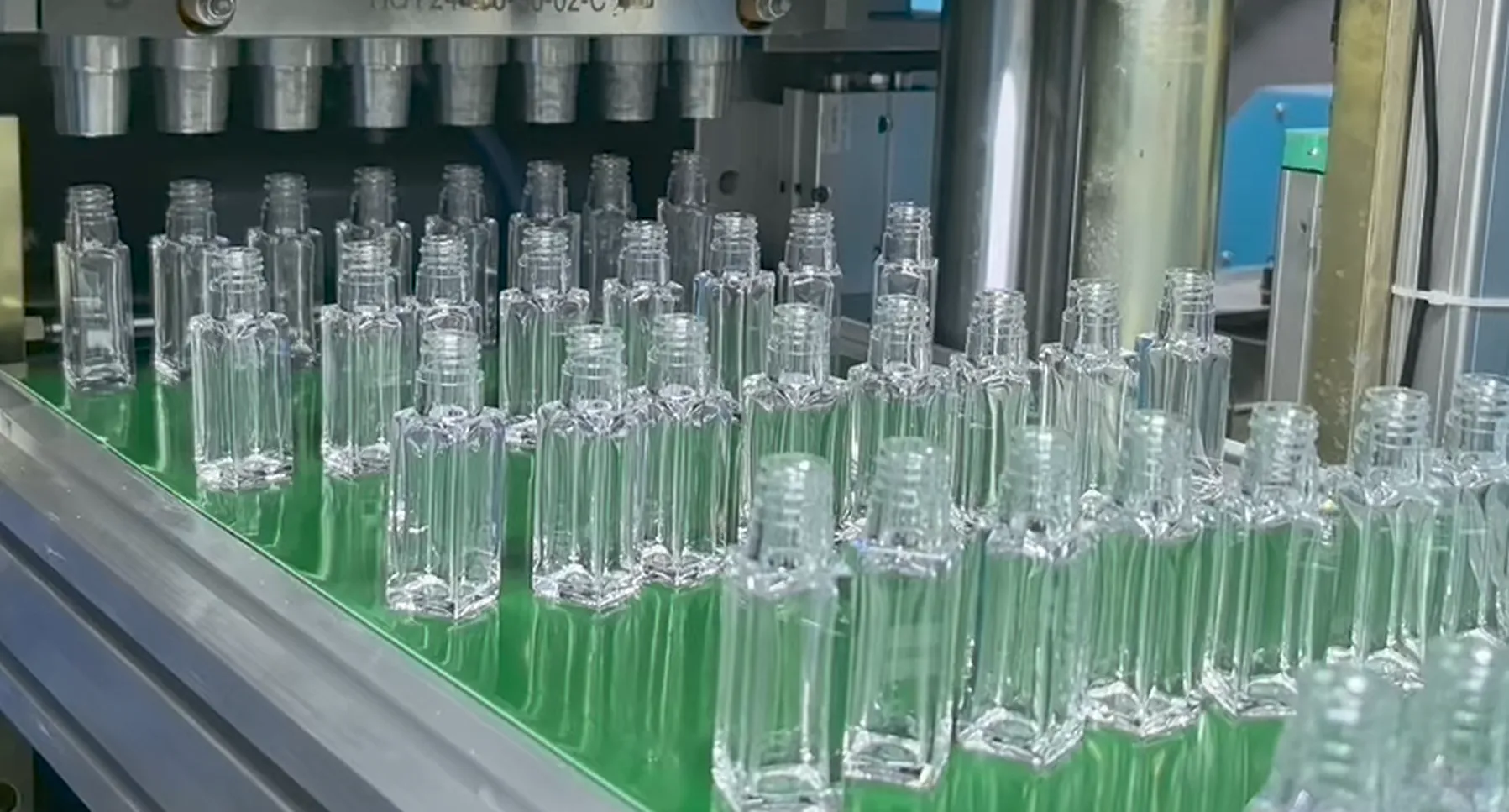
PLA is commercieel gezien het meest haalbare antwoord op deze gecombineerde druk. Het is biobased (doorgaans gemaakt van maïs of suikerriet), industrieel composteerbaar (volgens ASTM D6400 / EN 13432), recyclebaar via speciale PLA-recyclingstromen waar beschikbaar, en produceerbaar via dezelfde algemene ISBM-processen als PET. Dit maakt het voor Koreaanse producenten operationeel haalbaar om PLA-producten toe te voegen aan hun bestaande productiecapaciteit.
2. K-EPR vandaag en de toekomst van bioplastics
De Koreaanse regelgeving inzake uitgebreide producentenverantwoordelijkheid (K-EPR), zoals die momenteel van kracht is (2024-2026), richt zich primair op de verplichting tot het gebruik van gerecycled PET: 101 ton gerecycled PET (rPET) is vereist vanaf januari 2026 voor producenten met een jaarlijkse productie boven de drempel van 5.000 ton, oplopend tot 301 ton in 2027 en 501 ton in 2030. De systematische aanpak voor naleving van de K-EPR-regelgeving met betrekking tot rPET wordt gedetailleerd beschreven in ons document. rPET-verwerking in ISBM Koreaanse producentenhandleiding.
De belangrijke vraag die Koreaanse producenten zich moeten stellen is: zal de Koreaanse producentenverantwoordelijkheid (K-EPR) zich in de periode 2027-2030 uitbreiden van rPET naar bioplastics? Signalen uit het Koreaanse beleid wijzen op een uitbreiding. De EU en verschillende Amerikaanse staten hebben al bioplasticvriendelijke, uitgebreide producentenverantwoordelijkheidsregelingen ingevoerd. Beleidsdocumenten van het Koreaanse Ministerie van Milieu en Visserij verwijzen naar internationale best practices als referentiepunten.
Koreaanse producenten die in 2026-2027 een verwerkingscapaciteit voor PLA opzetten, positioneren zich vooruit op een mogelijke uitbreiding van de regelgeving in 2028-2030. Producenten die wachten tot de verplichtingen formeel zijn aangekondigd, worden geconfronteerd met een gehaaste capaciteitsuitbreiding onder tijdsdruk vanwege de deadlines – over het algemeen het slechtste moment om kapitaalbeslissingen te nemen. Deze strategische positioneringsstrategie weerspiegelt hoe producenten zich voorbereidden op K-EPR rPET in de aanloop naar de ingangsdatum in januari 2026.
3. Wat PLA nu precies is en wat het niet is.
Een eerlijke discussie over de verwerking van PLA vereist duidelijkheid over wat het materiaal nu eigenlijk is – waarbij de technische realiteit wordt gescheiden van de marketingpraatjes over duurzaamheid.
Wat PLA is
PLA is een thermoplastisch polyester dat wordt geproduceerd uit melkzuur, dat op zijn beurt wordt gewonnen uit gefermenteerde plantaardige suikers (meestal maïs of suikerriet). Het heeft een glasovergangstemperatuur van ongeveer 55-62 °C, een smelttemperatuur van 190-230 °C en een treksterkte die vergelijkbaar is met PETG. De optische helderheid van commerciële kwaliteiten is uitstekend – bijna net zo goed als die van PET, maar niet gelijk. Belangrijke commerciële PLA-producenten zijn onder andere NatureWorks (VS), TotalEnergies Corbion (Europa) en een groeiend aantal Aziatische producenten, waaronder SK Chemicals en soortgelijke Koreaanse bedrijven die de bioplasticmarkt betreden.
Wat PLA niet is
PLA is niet Universeel biologisch afbreekbaar — het is industrieel composteerbaar onder specifieke omstandigheden (60 °C, gecontroleerde luchtvochtigheid, microbiële activiteit, doorgaans 90-180 dagen). Het breekt niet biologisch af op stortplaatsen, in de oceanen of in thuiscompostbakken binnen een redelijke tijd. Het is niet Compatibel met standaard PET-recyclingstromen — PLA-verontreiniging van PET-stromen vermindert de kwaliteit van gerecycled PET. Het is niet Hittebestendig tot boven circa 50 °C in onbelaste toestand — PLA-toepassingen voor het vullen met hete materialen vereisen aangepaste kwaliteiten of specifieke bewerkingen om hittebestendigheid te bereiken.
De rol van het PLA in de Koreaanse productie
PLA wordt gebruikt voor primaire cosmetische verpakkingen (K-Beauty serumflesjes, proefverpakkingen), voedsel- en drankverpakkingen (premium sapflesjes, portieverpakkingen voor zuivelvervangers, knijpflesjes voor sauzen) en specialistische toepassingen waarbij biobased grondstoffen het marketingvoordeel vormen. PLA is niet geschikt voor toepassingen waarbij hete vloeistoffen nodig zijn (gebruik hittebestendig PET of PP), farmaceutische toepassingen (vanwege regelgevingsproblemen) of toepassingen die een langere houdbaarheid bij hoge temperaturen vereisen.
4. De drie technische uitdagingen van PLA ISBM
De verwerking van PLA op ISBM kent drie complexe technische uitdagingen die het onderscheiden van de productie van PET, PETG of zelfs rPET.
Uitdaging 1 — Hydrolytische afbraak
PLA is extreem gevoelig voor vocht. Bij een restvochtgehalte van meer dan ongeveer 50 ppm in de hars ondergaat PLA hydrolytische ketenbreuk tijdens de smeltverwerking — de polymeerketens breken af, waardoor broze, troebele onderdelen met een verminderde slagvastheid ontstaan. Standaard PET-droging (4 uur bij 160 °C, dauwpunt -40 °C) is onvoldoende voor PLA. PLA vereist 4-6 uur drogen bij 70-85 °C (temperaturen die geschikt zijn voor PLA-drogers) met een streefwaarde voor het vochtgehalte onder de 30 ppm, vaak zelfs onder de 15 ppm voor hoogwaardige toepassingen.
Uitdaging 2 — Smal rekvenster
Het temperatuurbereik voor het rekken van PLA ligt tussen ongeveer 88 en 105 °C – smaller dan dat van PET (95-115 °C) en bovendien lager in absolute temperatuur. Tweetraps infrarood opwarmovens kunnen dit temperatuurbereik niet betrouwbaar en met de vereiste precisie voor PLA bereiken; de voorvormen vertonen thermische variaties die leiden tot spanningsverbleking, brosbreuk tijdens het rekken of een ongelijke wanddikte in de uiteindelijke fles.
Uitdaging 3 — Langzame kristallisatie
Net als PP kristalliseert PLA langzamer dan PET. De afkoelfase moet langer zijn om PLA de kans te geven zijn kristallijne structuur te vormen vóór het uitwerpen. Compacte ISBM-platforms met drie stations en een beperkte afkoeltijd produceren PLA-flessen die zacht uit de verpakking komen en tijdens het transport verder vervormen – wat zich meestal uit in ingezakte zijwanden of maatafwijkingen die worden gedetecteerd bij de daaropvolgende kwaliteitscontrolepunten.
5. Vochtgevoeligheid: Het hydrolyseprobleem
De hydrolysegevoeligheid van PLA is de belangrijkste oorzaak van productiefouten. Producenten die PLA proberen te verwerken zonder adequate drooginfrastructuur, zien een kenmerkend faalpatroon: de eerste productieruns lijken acceptabel, vervolgens worden de flessen broos en vertonen ze zichtbare troebele plekken naarmate de droogprestaties verslechteren, en uiteindelijk loopt het afvalpercentage op tot boven de 25–40% wanneer het molecuulgewicht van het polymeer onder de functionele drempelwaarde daalt.
Het gesloten vochtbeheersingssysteem dat de Koreaanse Ever-Power EV-platforms ondersteunen, maakt de PLA-productie cyclus na cyclus duurzaam. Specificaties omvatten: een ontvochtigingsdroger met een dauwpuntcapaciteit van -40 °C, geschikt voor een constante PLA-doorvoer, geïntegreerde vochtmonitoring van de harsstroom die de injectiecilinder binnenkomt, automatische alarmen wanneer het vochtgehalte de ingestelde waarde overschrijdt, en receptkoppeling die procesparameters aanpast wanneer het vochtgehalte de bovengrens nadert.
De hydrolysegevoeligheid heeft ook invloed op de manier waarop PLA vóór de verwerking kan worden behandeld. De hars moet worden aangeleverd in dampdichte verpakkingen, opgeslagen in klimaatgecontroleerde magazijnen en op temperatuur komen voordat de verpakking wordt geopend. De inbedrijfstellingsondersteuning van het Koreaanse Ever-Power omvat training van de operators specifiek voor de behandeling van PLA — doorgaans 2-3 dagen training bovenop de standaard machinebediening.
6. Nauw rekbereik: tolerantie van 88–105 °C
Het brede rekbereik van PLA van 17 °C (88–105 °C) is qua dichtheid vergelijkbaar met Tritan en PETG, en brengt dezelfde fundamentele technische uitdaging met zich mee: het conditioneringsstation moet een uniforme temperatuur van de voorvorm binnen dit bereik over de gehele wanddikte van de voorvorm leveren.
Voor dunwandige PLA-flessen (cosmetische flessen van 30 ml, drankflessen van 200 ml in standaardkwaliteiten) is dit haalbaar op goed ontworpen 4-stations ISBM-platforms. Voor dikwandige, hoogwaardige PLA-cosmetische potjes (3-5 mm wanden, met een beoogde K-Beauty-uitstraling en een glasachtige dikte) wordt de conditioneringsuitdaging groter. Veel producenten vinden de dubbele conditioneringsmogelijkheid van de 6-stations HGYS280-V6-architectuur noodzakelijk voor een stabiele productie.
Koreaanse producenten die te maken hebben met chronische spanningsverbleking of brosbreukdefecten bij de productie van PLA, dienen de systematische diagnostische methodologie te volgen die in onze handleiding wordt beschreven. Handleiding voor het oplossen van defectenMet de aanvullende kanttekening dat de smallere marge van PLA betekent dat correcties preciezer moeten zijn dan bij standaard PET-werk.
7. Koreaanse Ever-Power 4-Station EV-oplossing voor PLA
De Koreaanse Ever-Power EV-platforms — met name de HGY150-V4-EV volledig servo-aangedreven configuratie — zijn gevalideerd voor de productie van PLA-biopolymeer met de volgende specifieke aanpassingen:
Ontvochtigende droogintegratie. In de fabriek geïntegreerde PLA-compatibele drogers met een dauwpunt van -40 °C en gesloten vochtbewaking; het vochtgehalte van de hars wordt vóór elke productierun gecontroleerd en er wordt een alarm afgegeven als de afwijking het ingestelde punt overschrijdt.
Nano-verre-infrarood loopverwarming. Nauwkeurige PLA-smelttemperatuur binnen ±1,5 °C gedurende volledige productiecycli, aanzienlijk nauwkeuriger dan de mogelijkheden van een elektrische weerstandsband. Dezelfde architectuur als in onze beschrijving. all-servo EV ISBM-analyse als een belangrijke factor die de verwerking van harsen met een smal venster mogelijk maakt.
Geïntegreerde temperatuurregelaar. Coördineert de injectiecilinder, het conditioneringsstation, de matrijstemperatuur en de koelvloeistofstroom als één thermisch systeem in plaats van als afzonderlijke subsystemen. Cruciaal voor PLA-verwerking met een smal venster.
Gevalideerde PLA-procesrecepten. Het Koreaanse Ever-Power beheert receptenbibliotheken voor de belangrijkste commerciële PLA-kwaliteiten, waaronder NatureWorks Ingeo, TotalEnergies Corbion Luminy en SK Chemicals SKYGREEN bio-PETG-varianten. Klanten die nieuwe productielijnen in gebruik nemen, ontvangen startrecepten waarmee binnen 8-14 dagen stabiele productiecycli worden bereikt.
Hoogwaardige componenten. Yaskawa servomotoren, NSK kogelomloopspindels, Parker pneumatiek — de precisie die nodig is voor het nauwe productievenster van PLA vereist hoogwaardige componenten met een lange levensduur.
8. Einde van de levenscyclus: Industriële compostering versus de realiteit
Een eerlijk gesprek met Koreaanse merken die PLA overwegen, moet een realistische bespreking van de levenscyclus van het product omvatten. Het duurzaamheidsverhaal van PLA is reëel, maar wel specifiek.
De realiteit van industrieel composteren
PLA wordt onder industriële composteeromstandigheden afgebroken tot CO₂ en water: een constante temperatuur van 60 °C, gecontroleerde luchtvochtigheid en actieve microbiële inoculatie gedurende 90 tot 180 dagen. Er bestaat wel degelijk een infrastructuur voor industriële compostering in Korea, maar deze is geografisch ongelijk verdeeld: Seoul en Busan hebben een aanzienlijke capaciteit, terwijl kleinere steden beperkte of geen infrastructuur hebben. De Koreaanse composteerinfrastructuur breidt zich weliswaar uit, maar langzaam.
Wat gebeurt er als PLA op de stortplaats terechtkomt?
Onder stortomstandigheden (lage temperatuur, beperkt vocht, anaërobe omgeving) breekt PLA extreem langzaam af – vergelijkbaar met PET, waarvan de afbraaktijd in eeuwen wordt gemeten. Merken die beweren "biologisch afbreekbaar" te zijn, moeten zorgvuldig worden gekwalificeerd volgens de EU-wetgeving en in toenemende mate ook de Koreaanse wetgeving inzake consumentenbescherming. Een eerlijke positionering van een merk communiceert "industrieel composteerbaar via deelnemende gemeentelijke programma's" in plaats van een impliciete universele biologische afbreekbaarheid.
Recyclingtraject voor PLA
Wereldwijd, en ook in Korea, ontstaan er steeds meer recyclingstromen voor PLA. PLA kan mechanisch worden gerecycled via speciale stromen (die niet compatibel zijn met PET-recycling), en chemische recycling tot melkzuurmonomeer is technisch bewezen en wordt langzaam op commerciële schaal toegepast. Koreaanse producenten die PLA selecteren voor ESG-positionering, zouden hun materiaalkeuze moeten combineren met investeringen vanuit het merk in inzamelings- of terugnameprogramma's ter ondersteuning van de infrastructuur aan het einde van de levenscyclus.
9. Productie-economie: PLA versus rPET versus nieuw PET
De eerlijke productie-economie voor Koreaanse producenten in 2026:
Virgin PET: KRW 1.400–1.650
rPET (afkomstig van consumenten): KRW 1.650–2.200
PLA (commerciële kwaliteit): KRW 2.800–3.800Impact van de cyclusduur (ten opzichte van de basislijn van een nieuwe PET-scan):
rPET: +5–15% cyclustijd
PLA: +30–50% cyclustijd
Meerprijs behaald in de detailhandel:
Standaard PET SKU: basislijn
rPET-gepositioneerde SKU: +5–12% verkoopprijs
PLA-gepositioneerde SKU: +18–35% verkoopprijs (premium ESG-positionering)
De hogere harskosten en de langere productietijd van PLA zijn reëel, maar de hogere verkoopprijs die merken met een ESG-positionering kunnen realiseren, compenseert dit doorgaans ruimschoots – met name voor premium K-Beauty-contractprogramma's die exportmarkten bedienen waar ESG een sterk onderscheidend kenmerk is. Het Koreaanse Ever-Power is daar een voorbeeld van. ROI-calculator raamwerk Deze analyse is rigoureus gestructureerd voor specifieke merkpositioneringsscenario's.
10. Koreaans implementatieplan voor PLA-productie
Van de beslissing tot de commerciële productie van PLA-flessen duurt het doorgaans 9 tot 13 maanden bij een gestructureerde implementatie van Ever-Power in Korea.
Fase 1 — Merk- en SKU-strategie (week 1-4). De Koreaanse ingenieurs van Ever-Power analyseren uw merkenportfolio, beoogde ESG-positionering, doelklantenmarkten (focus op de Koreaanse binnenlandse markt versus export naar de EU/VS), specifieke PLA-kwaliteitsstrategie en aannames met betrekking tot de infrastructuur aan het einde van de levenscyclus. Resultaat: een realistisch productiecapaciteitsplan, machinespecificaties en een matrijsgereedschapsplan.
Fase 2 — Kant-en-klare machine + matrijs + drogerproductie (week 4-18). De HGY150-V4-EV wordt geproduceerd in Ansan-si met een PLA-specifieke configuratie; een PLA-compatibele ontvochtigingsdroger is geïntegreerd; de matrijs wordt parallel geproduceerd (doorgaans 12-16 weken voor hoogwaardige flessenmatrijzen).
Fase 3 — PAT met PLA-classificatie (week 19-20). Door de klant begeleide pre-acceptatietest met de door de klant gespecificeerde PLA-kwaliteit. De commerciële productieparameters van het PLA worden gevalideerd aan de hand van de contractspecificaties.
Fase 4 — Installatie en PLA-specifieke training voor operators (week 21-24). Koreaanse Ever-Power-technici ter plaatse voor installatie; training in het hanteren van PLA en de procesvoering (3-5 dagen specifieke PLA-training bovenop de standaard machinetraining).
Fase 5 — Stabilisatie van de productie en ESG-documentatie (week 25-36). De eerste commerciële productieruns vinden plaats met een gemiddeld volume; de volledige nominale capaciteit wordt doorgaans in week 30 bereikt. Ontwikkeling van ESG-documentatie (koolstofvoetafdrukanalyse, certificering van de levenscyclus, naleving van marketingclaims) ter ondersteuning van de merkcommunicatie. Koreaans Ever-Power voert gedurende de eerste 16 weken wekelijks een procesevaluatie op afstand uit.
Veelgestelde vragen
Vraag 1. Kan één enkele Koreaanse Ever-Power-productielijn zowel PLA als standaard PET produceren?
Technisch gezien wel, maar operationeel gezien een uitdaging. PLA en PET vereisen verschillende drooginstellingen, verschillende matrijstemperaturen en verschillende procesrecepten. De meeste Koreaanse producenten die beide materialen verwerken, gebruiken aparte PLA-lijnen omdat de omstelkosten en het risico op contaminatie gedeelde lijnen economisch onaantrekkelijk maken. Producenten die 80%+ PET verwerken met af en toe PLA-producten, gebruiken soms een gedeelde lijn met strikte omstelprotocollen; producenten die zich serieus richten op PLA-volumes, gebruiken doorgaans dedicated machines.
Vraag 2. Wat is het realistische afvalpercentage bij de productie van PLA?
Na 30 dagen productiestabilisatie op een correct uitgerust Koreaans Ever-Power EV-platform met training van de operators, bedraagt het afvalpercentage van PLA 3,5–61 TP3T — hoger dan bij nieuw PET (1,5–2,51 TP3T), maar economisch acceptabel gezien de hogere prijzen die ermee behaald kunnen worden. Een aanhoudend afvalpercentage van meer dan 81 TP3T bij PLA duidt op onvoldoende droging (verhelpbaar door aanpassingen aan de apparatuur) of problemen met de verwerkingstechniek (verhelpbaar door training en verfijning van het recept).
Vraag 3. Is PLA geschikt voor de verpakking van hoogwaardige K-Beauty cosmetica?
Ja, voor veel K-Beauty-toepassingen, met name serums, proefverpakkingen, reisverpakkingen en producten met een korte houdbaarheid. Standaard PLA-kwaliteiten bieden een acceptabele optische helderheid en chemische compatibiliteit voor de meeste cosmetische formuleringen. Voor dikwandige, hoogwaardige potten die een glasachtige uitstraling nastreven bij wanden van 4 mm of meer, is PLA een grotere uitdaging. PETG blijft de gebruikelijke keuze voor speciale kunststoffen in dit soort hoogwaardige toepassingen.
Vraag 4. Hoe zit het met toepassingen die in contact komen met voedsel – voldoet die aan de PLA-normen?
Ja, de belangrijkste commerciële PLA-kwaliteiten beschikken over KFDA Artikel 6, FDA 21 CFR 177.1630 (of een equivalent) en EU 10/2011 certificeringen voor contact met levensmiddelen. PLA wordt wereldwijd veel gebruikt in wegwerptoepassingen voor levensmiddelen. Koreaanse producenten dienen te controleren of de specifieke PLA-kwaliteit overeenkomt met de beoogde categorie voor contact met levensmiddelen alvorens met de commerciële productie te beginnen.
Vraag 5. Hoe verhoudt PLA zich tot rPET voor de K-EPR-vooruitplanning?
Voor de K-EPR rPET-mandaten van 2026-2030 is rPET specifiek het materiaal dat direct aan de eisen voldoet: 30% rPET moet in 2027 worden opgenomen en 50% in 2030. PLA voldoet niet aan de K-EPR rPET-vereisten; het is een aparte materiaalstrategie. Producenten die beide nalevingstrajecten serieus nemen, gebruiken vaak hybride rPET-PLA-portfolio's: rPET voor het wettelijk verplichte standaardportfolio en PLA voor SKU's met een ESG-premium positionering. De Koreaanse Ever-Power EV-platforms ondersteunen beide materialen met de juiste procesrecepten.
Ben je klaar om de leiding te nemen in de duurzame flessenproductie in Korea?
Het engineeringteam van het Koreaanse Ever-Power in Ansan-si analyseert uw ESG-positioneringsstrategie, ontwerpt de juiste mix van PLA/rPET/virgin PET-elektriciteit, adviseert over de geschikte configuratie van het 4-stations EV-platform en stelt een implementatieplan op waarmee u binnen 9-13 maanden commerciële productie kunt starten. Zo bent u goed gepositioneerd voor een leidende rol op het gebied van ESG in Korea en een potentiële uitbreiding van K-EPR.