Toepassing van ISBM · Traditionele Koreaanse dranken · 2026
Soju & Makgeolli ISBM Flessenproductie:
Gids voor traditionele Koreaanse dranken
Traditionele Koreaanse dranken genereren een jaarlijkse omzet van 3,8 biljoen KRW, waarvan soju alleen al goed is voor 2,9 miljard liter. De productie van PET-flessen voor deze categorie voldoet aan specificaties die aanzienlijk verschillen van de standaardproductie van dranken – wat betreft kleur, halsprofiel, wandgeometrie en het specifieke Koreaanse regelgevingskader voor alcoholverpakkingen.
Groen getint PET
PCO 1810 / 1881
Koreaans Ever-Power Engineering Desk · Ansan-si · mei 2026
1. De markt voor traditionele Koreaanse drankflessen in 2026
De traditionele Koreaanse dranken – soju (소주), makgeolli (막걸리), sikhye (식혜) en bori-cha (보리차) – vertegenwoordigen een verpakkingscategorie met structurele bijzonderheden die de meeste ISBM-producenten die vanuit de drankensector de markt betreden, onderschatten. De volumes zijn groot, maar de producten zijn niet onderling verwisselbaar: soju wordt volgens de Koreaanse belastingwetgeving als alcoholische drank beschouwd en de verpakking moet tegelijkertijd voldoen aan de eisen van de Koreaanse Voedselhygiënewet (식품위생법) en de Drankbelastingwet (주세법) met betrekking tot de informatievoorziening over verpakkingen. Makgeolli is een gefermenteerde drank die na het afvullen interne CO₂ produceert, waardoor er andere eisen aan de verpakkingsdruk gelden dan voor niet-koolzuurhoudende of koolzuurhoudende dranken. Sikhye, een traditionele Koreaanse rijstpunch, is een niet-koolzuurhoudende warme drank met unieke eisen ten aanzien van de zuurstofbarrière en hittebestendigheid.
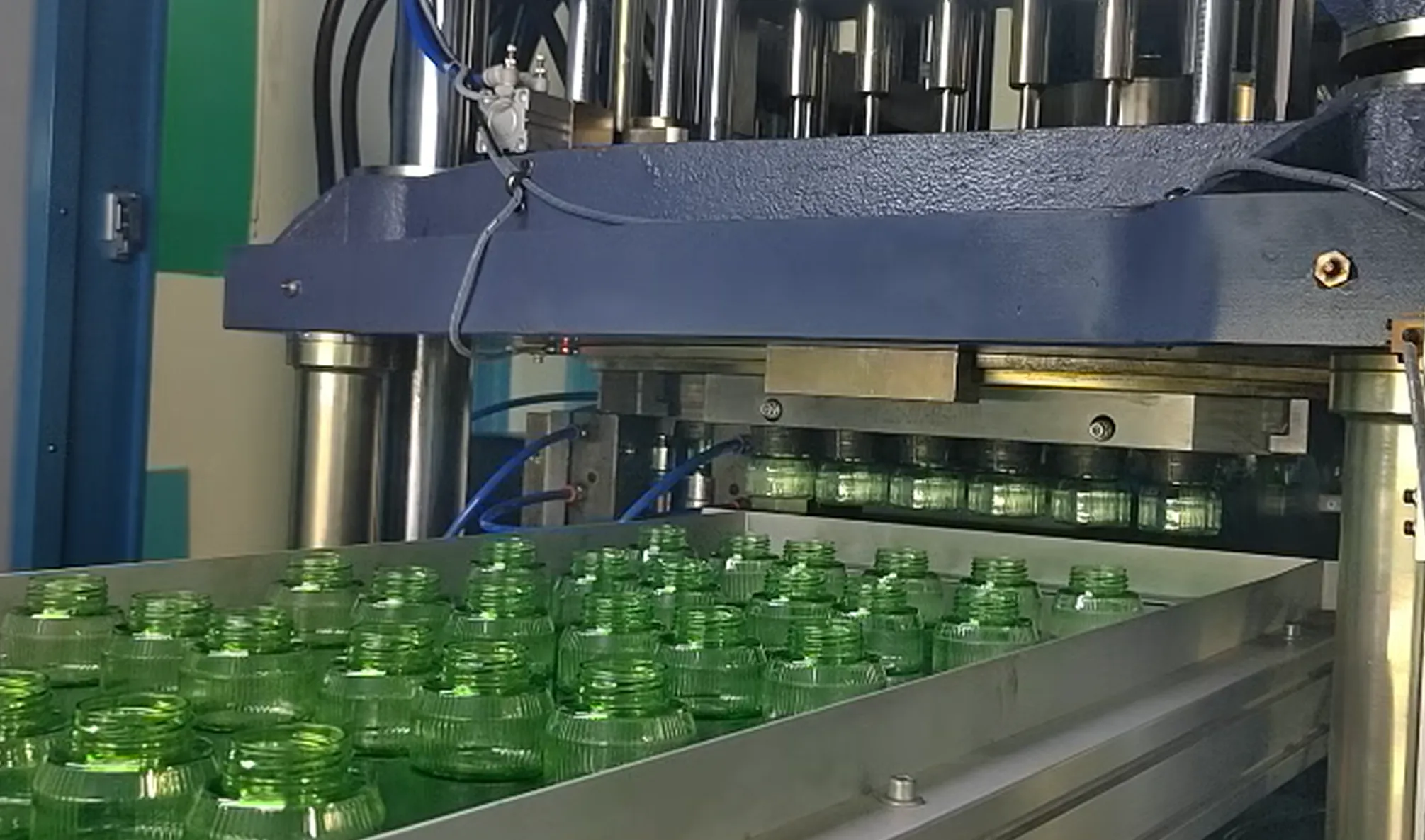
De overstap naar PET voor traditionele Koreaanse dranken is sinds 2022 versneld, gedreven door drie commerciële factoren: de snelle groei van consumptiemomenten buitenshuis (festivals, sportevenementen, kamperen – waar glazen flessen problemen opleveren met veiligheid en draagbaarheid), de verschuiving van exportkanalen naar retailformats waar PET voordelen biedt op het gebied van vrachtkosten en schapruimte ten opzichte van glas, en de premium makgeolli-merken die hun producten bewust in PET-verpakkingen aanbieden als onderscheidend kenmerk ten opzichte van de gangbare glazen verpakking. Voor ISBM-producenten creëren deze dynamieken een markt waar specificatieprecisie net zo belangrijk is als volume – een soju-bottelaar die 201 TP3T volume van glas naar PET overschakelt, vertegenwoordigt een productieverplichting van tientallen miljoenen flessen per jaar, maar alleen met een leverancier die de Koreaanse regelgeving en kwaliteitseisen voor alcoholverpakkingen begrijpt.
De bredere context van Koreaanse drankverpakkingen wordt beschreven in de Koreaanse drankenindustrie ISBM-gidsDit artikel richt zich specifiek op het traditionele drankensegment en de productietechnieken die de flessen voor soju, makgeolli en sikhye onderscheiden van standaard PET-flessen voor dranken.
2. Soju PET-fles: Specificaties, groene tint en halsprofiel
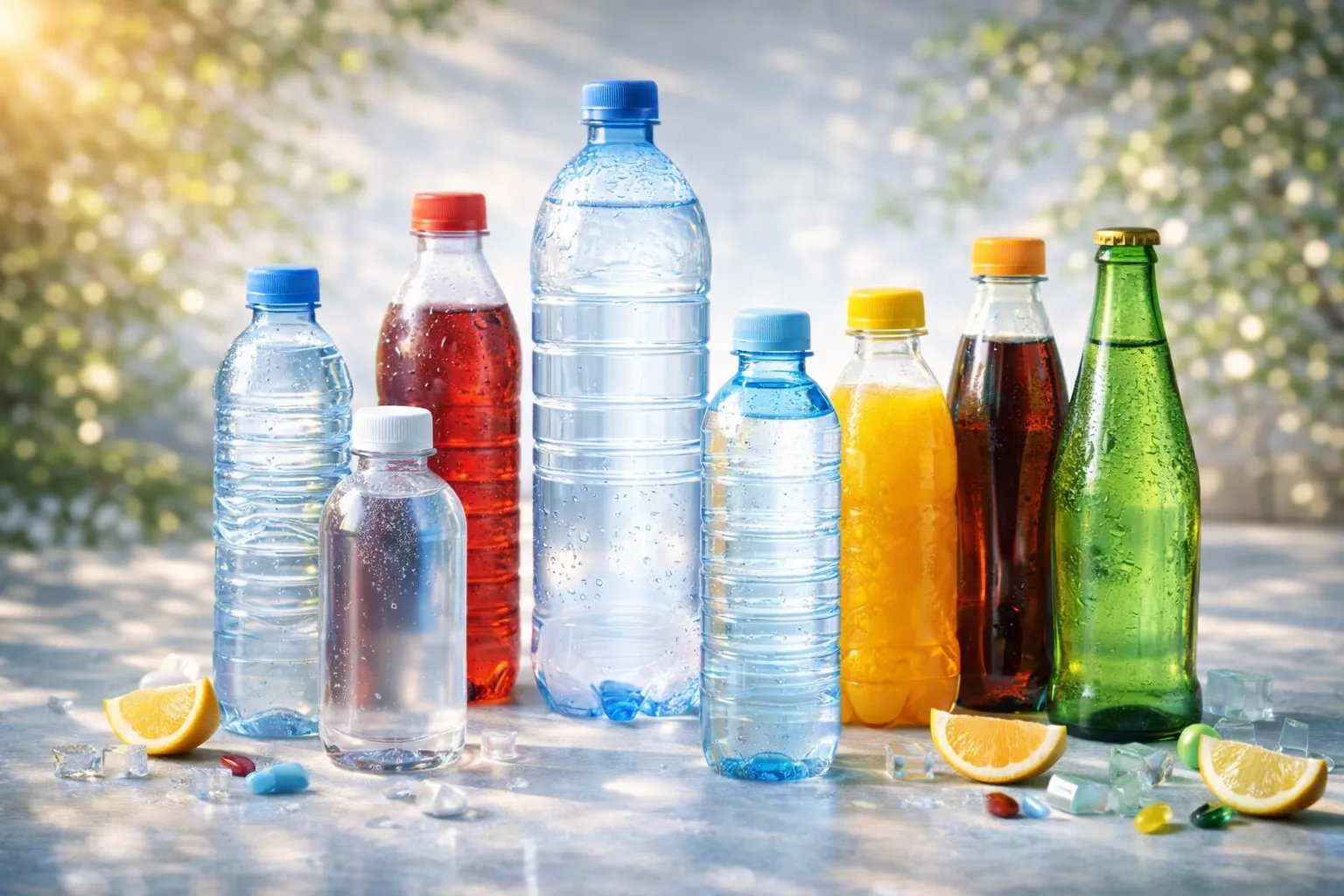
De ISBM-flesformaten voor traditionele Koreaanse dranken – de groengetinte PET-fles van 360 ml voor soju en de makgeolli-fles met brede opening van 750 ml – vertegenwoordigen twee fundamenteel verschillende uitdagingen bij de ISBM-productie op hetzelfde machineplatform.
De standaard PET-fles voor soju in Korea heeft een inhoud van 360 ml en een karakteristieke groene tint. Deze kleur is sinds de overstap van Jinro Chamisul naar PET eind jaren negentig de standaard in de Koreaanse soju-industrie. De groene kleur heeft een dubbele functie: het filtert gedeeltelijk de UV-straling die de smaakstoffen in soju aantast, en het is het visuele merksymbool dat Koreaanse consumenten associëren met het product. De precieze groene kleurspecificatie verschilt per merk – Jinro, Lotte Chilsung (처음처럼) en Muhak (좋은데이) hanteren elk hun eigen, op Pantone gebaseerde groene kleurstelling – maar ze vallen allemaal binnen een smal CIE L*a*b*-venster (L* 45–58, a* −12 tot −22, b* +8 tot +18).
─────────────────────────────────────────────────────
Inhoud: 360 ml (standaard) / 200 ml (miniatuur) / 500 ml (export)
Gewicht: 18–22 g (standaard 360 ml)
Halsafwerking: PCO 1810 (oude merken) / PCO 1881 (nieuwe merken)
Kleur: Groen getint PET, masterbatch 0,4–0,8% ftalocyaninegroen
Wanddikte: minimaal 0,22 mm voor het lichaam / 0,28 mm voor de schouderzone.
Bovenlader: ≥80N (enkele fles, niet vullen)
Helderheid: Doorschijnend groen — niet volledig dekkend
Labelpaneel: vlak of licht afgeschuind, hoogte 110–120 mm
Bodemvorm: Plat/licht bloembladachtig (niet-koolzuurhoudend, lage druk)
De keuze voor het halsprofiel tussen PCO 1810 en PCO 1881 is merkgebonden en is de meest gestelde vraag over specificaties die Koreaanse ISBM-producenten van soju-klanten ontvangen. Koreaanse soju-merken met vulapparatuur die vóór 2015 is geïnstalleerd, gebruiken doorgaans de PCO 1810-configuratie; merken die investeren in nieuwe vullijnen kiezen voor de PCO 1881. Belangrijk is dat PET-soju-flessen met PCO 1881-profiel niet kunnen worden gevuld op een PCO 1810-geconfigureerde sluitlijn zonder aanpassing van de sluitkop. De overgang vereist dus investeringen in de vullijn én in de matrijs voor de flessen. Koreaanse ISBM-matrijzenleveranciers moeten de specificaties voor de halsafwerking duidelijk vaststellen voordat ze met de matrijsproductie beginnen.
De keuze van hars voor Koreaanse soju-flessen volgt een andere logica dan voor PET-flessen voor dranken of levensmiddelen. Omdat soju een gedistilleerde drank is met een alcoholpercentage van 16–251 TP3T, moet de hars niet alleen gecertificeerd zijn voor contact met levensmiddelen, maar specifiek voor toepassingen met alcoholcontact (extractietesten bij de relevante ethanolconcentratie volgens KFDA Hoofdstuk 2, Sectie 5). Standaard PET van levensmiddelenkwaliteit is acceptabel voor contact met soju, maar de documentatie van de migratietest moet verwijzen naar de ethanol-voedselsimulant (doorgaans 151 TP3T vol/vol ethanol) in plaats van de waterige simulant die gebruikt wordt voor plat water of alcoholvrije dranken. De harsvergelijking die ten grondslag ligt aan de materiaalkeuze is te vinden in de Keuzegids voor PP- versus PET-materialen.
3. Makgeolli Flesontwerp: Brede opening, CO₂-druk en hoogwaardig PE versus PET.
Makgeolli (막걸리) is de traditionele Koreaanse rijstwijn – een ongefilterde, natuurlijk gefermenteerde drank met koolzuur en een alcoholpercentage van 6 tot 81 ton. De verpakkingseisen zijn aanzienlijk complexer dan die van soju, omdat makgeolli na het afvullen door restfermentatie nog steeds CO₂ produceert. Dit betekent dat de fles bestand moet zijn tegen een voortdurende interne drukopbouw van 0,5 tot 2,5 bar gedurende de gekoelde houdbaarheid van 10 tot 30 dagen. Dit is niet de druk die wordt gebruikt bij koolzuurhoudende frisdranken (die worden afgevuld met gecontroleerde CO₂-niveaus en constant blijven), maar een variabel en toenemend drukprofiel dat de fles gedurende de gehele houdbaarheid moet kunnen weerstaan.
Traditionele Koreaanse makgeolli wordt verpakt in PE-flessen (polyethyleen). De flexibele PE-wand fungeert als een drukontlastingsmechanisme en bolt lichtjes uit naarmate de interne CO₂-druk toeneemt, in plaats van dat de fles volledig bezwijkt. Deze HDPE-makgeollifles is al decennialang op de markt en is geen ISBM-product. De kansen voor Koreaanse ISBM-producenten liggen in het premiumsegment van makgeolliflessen: glasheldere PETG-potten en -flessen met een brede opening die ambachtelijke kwaliteit uitstralen. Koreaanse makgeollimerken zijn bereid de CO₂-zelfregulering van het PE-formaat in te ruilen voor de aantrekkelijke uitstraling van een PETG-verpakking met een goed ontworpen drukontlastingssluitsysteem.
Premium makgeolli ISBM-flessen in formaten van 500 ml tot 750 ml vereisen specifieke technische aanpassingen vanwege de CO₂-druk: de fles moet zo ontworpen zijn dat de structurele integriteit behouden blijft bij een kopruimtedruk van 2,5 bar (gelijk aan de maximale druk van actieve fermentatie in een gekoeld product met een houdbaarheid van 7 dagen), en het sluitsysteem moet een CO₂-afvoermechanisme bevatten (doorgaans een terugslagklep of een geperforeerde afdichting die ontlucht voordat de fles de barstdruk bereikt). Deze eisen aan de drukbestendigheid leiden tot aanzienlijk hogere minimale wanddiktes dan die van flessen voor niet-koolzuurhoudend plat water — premium PETG makgeolli-flessen vereisen een gemiddelde wanddikte van minimaal 0,38–0,45 mm voor formaten van 750 ml, waarbij de bodemvorm de ontwerpprincipes van champagneflessen benadert.
Het formaat met brede opening (hals van 63 mm) dat door premium Koreaanse makgeolli-merken wordt gebruikt voor het schenken en serveren, vereist dezelfde matrijsontwikkeling als andere Koreaanse voedselpotformaten — de ISBM-productiehandleiding voor Koreaanse productie van voedselpotten met brede opening Dit artikel behandelt de uitdagingen op het gebied van rekverhouding en de ontwerpprincipes van mallen die direct van toepassing zijn op hoogwaardige Makgeolli-flessen met brede opening.
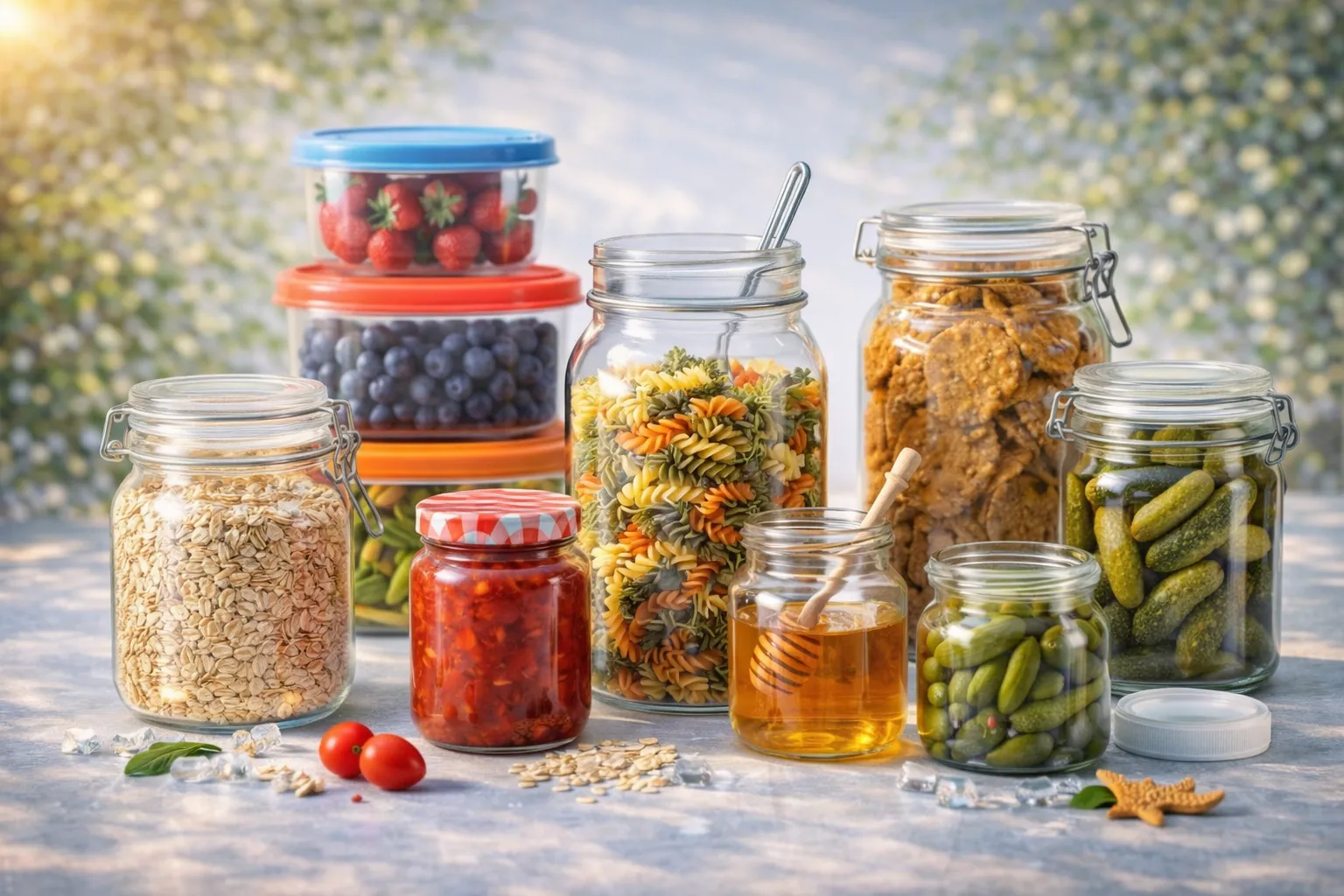
4. Sikhye en Bori-cha: Vereisten voor hete vulling en zuurstofbarrière.
Sikhye (식혜) – een traditionele Koreaanse zoete rijstdrank – en bori-cha (보리차, geroosterde gerstenthee) vormen een andere uitdaging op het gebied van verpakkingsontwerp dan soju en makgeolli. Beide zijn niet-koolzuurhoudende dranken die heet worden afgevuld (sikhye op 82-88 °C voor pasteurisatie, bori-cha op 85-92 °C), wat betekent dat de fles de hete vultemperatuur moet kunnen weerstaan zonder te vervormen en vervolgens zijn vorm moet behouden wanneer de inhoud afkoelt en er een vacuüm ontstaat tijdens het afsluiten.
Standaard PET ISBM-flessen zijn niet geschikt voor hete vulling bij deze temperaturen — standaard georiënteerd PET begint te krimpen en te vervormen boven ongeveer 65 °C (Tg-zone voor biaxiaal georiënteerd PET onder belasting). Voor hete vulling van sikhye- en bori-cha-flessen zijn twee benaderingen nodig: polypropyleen (PP) ISBM, dat een warmtevervormingstemperatuur heeft die compatibel is met vullen bij 85-92 °C, of hittebestendig PET (HS-PET), waarbij de blaasvorm tijdens het blaasvormen wordt verwarmd tot 130-160 °C om het PET thermisch te fixeren in een hogere kristalliniteitstoestand die bestand is tegen hoge vultemperaturen. PP ISBM voor hete vullingstoepassingen wordt specifiek behandeld in de handleiding voor de productie van PP-flessen voor hete vulling op de website van het Koreaanse Ever-Power en is de voorkeursmethode voor sikhye en bori-cha vanwege de superieure temperatuurbestendigheid van PP ten opzichte van HS-PET bij hete vulling.
Voor sikhye in het bijzonder is een goede zuurstofbarrière een cruciale vereiste die het onderscheidt van bori-cha: de rijst- en moutcomponenten in sikhye zijn zeer gevoelig voor oxidatieve bruining, waardoor zuurstofdoorlaatbaarheid van meer dan 0,08 cc/dag in een fles van 500 ml binnen 2-3 weken na het vullen al een zichtbare kleurverandering veroorzaakt. Premium Koreaanse sikhye-merken gebruiken PET met een verbeterde zuurstofbarrière (doorgaans meerlaags PET met een EVOH-barrièrelaag of een stikstofafdichting) die verder gaat dan de standaard ISBM-wanddikte voor zuurstofbeheer.
5. Koreaans regelgevingskader voor de verpakking van alcoholische dranken
KFDA Hoofdstuk 2, §5
PET-verpakkingen voor contact met levensmiddelen moeten voldoen aan de eisen voor toepassingen met contact met alcohol. Bij migratietesten moet 15%-ethanolsimulant worden gebruikt, geen waterige simulant. Documentatie van de harsleverancier is vereist per productielot. Verplicht voor alle Koreaanse soju-, makgeolli- en sikhye-PET-verpakkingen.
Wet op de drankbelasting (주세법)
Verpakkingen van alcoholische dranken moeten de volgende informatie bevatten: type alcohol, alcoholpercentage (ABV), volume en naam van de producent. De hechting van etiketten op PET-flessen moet een test doorstaan die een opslag in de koelkast gedurende 6 maanden doorstaat (etiketten mogen niet loslaten door condensatie). ISBM-producenten moeten documentatie over de etiketvriendelijke oppervlakteafwerking aanleveren.
K-EPR Alcoholverpakking
Vanaf 2027 vallen PET-flessen voor alcoholische dranken volgens de Koreaanse EPR-regelgeving onder de verplichting om rPET te gebruiken (minimaal 101 TP3T). Soju-merken zijn al in gesprek met verpakkingsleveranciers over de rPET-kwalificatie voor hun specifieke groengetinte formules. Het afstemmen van de kleur met rPET-mengsels vereist namelijk een herformulering van de masterbatch, omdat de inherente geelheid van rPET de groene tint beïnvloedt.
6. Referentie voor traditionele drankflesspecificaties
| Drank | Formaat | Volume | Hars | Nek | Min Wall | Belangrijkste specificaties |
|---|---|---|---|---|---|---|
| Soju (소주) | PET transparant/groen | 200/360/500 ml | Groene PET | PCO 1810/1881 | 0,22 mm | Migratietest met ethanol-simulant; hechting van het label 6m koud |
| Soju Premium Export | Transparant PETG | 300–500 ml | Kristal PETG | PCO 1881 | 0,28 mm | Glans ≥90GU, belastingvrij / export schap |
| Makgeolli Premium | PETG-breedmond | 500–750 ml | PETG | 63 mm GPI | 0,40 mm | CO₂-ontluchtingssluiting; barstdruk ≥3 bar; bovenbelasting ≥100 N |
| Sikhye (식혜) | PP-hete vulling | 300–500 ml | PP | 28–38 mm | 0,32 mm | Vullen met hete vloeistof ≥85 °C; vacuümpaneel of flexibele basis |
| Bori-cha (보리차) | PP-hete vulling | 340–500 ml | PP | 28 mm | 0,30 mm | Warm vullen ≥88 °C; zuurstofbarrière voor rijstinhoud |
7. Matrijsontwerp en machinekeuze voor traditionele Koreaanse dranken
De matrijzen voor soju-PET-flessen vertonen veel overeenkomsten met matrijzen voor plat water: de flessen bevatten geen koolzuur, zijn relatief licht (18-22 g voor een fles van 360 ml) en worden geproduceerd volgens de standaard PET ISBM-parameters. Het belangrijkste verschil in matrijzen voor Koreaanse soju is de geometrie van het etiketpaneel: Koreaanse soju-etiketten zijn voorzien van drukgevoelige lijm (PSA) die onder fabrieksomstandigheden met strikte registratie-eisen worden aangebracht. Het oppervlak van het etiketpaneel moet over de volledige hoogte exact vlak zijn binnen ±0,15 mm om kreukels of luchtbellen te voorkomen die visuele defecten in de winkel veroorzaken. De oppervlakteafwerking van de matrijs voor het etiketpaneel moet worden gespecificeerd als Ra ≤ 0,2 μm (spiegelglans), wat strenger is dan de standaardspecificatie voor drankmatrijzen.
Voor de groen getinte soju-fles moet bij het matrijsontwerp rekening worden gehouden met het effect van de masterbatch op de smeltreologie: een groene masterbatch met een belading van 0,4–0,81 TP3T verhoogt de smeltviscositeit met ongeveer 2–41 TP3T ten opzichte van ongekleurd PET bij dezelfde temperatuur. Deze viscositeitsverhoging beïnvloedt de vulbalans in matrijzen met meerdere caviteiten, met name bij een groot aantal caviteiten (8–10 caviteiten). Koreaanse ISBM-producenten die 8-caviteits soju-matrijzen gebruiken, moeten de gewichtsbalans tussen de caviteiten controleren met het groen getinte harsmengsel voordat de productie wordt goedgekeurd, aangezien de balans die met helder PET tijdens de matrijsinbedrijfstelling wordt bereikt, mogelijk niet wordt gerepliceerd met het getinte mengsel. Het raamwerk voor matrijsselectie en -validatie met 9 factoren, inclusief verificatie van de caviteitsbalans, is te vinden in de documentatie. Koreaanse ISBM-malselectiegids.
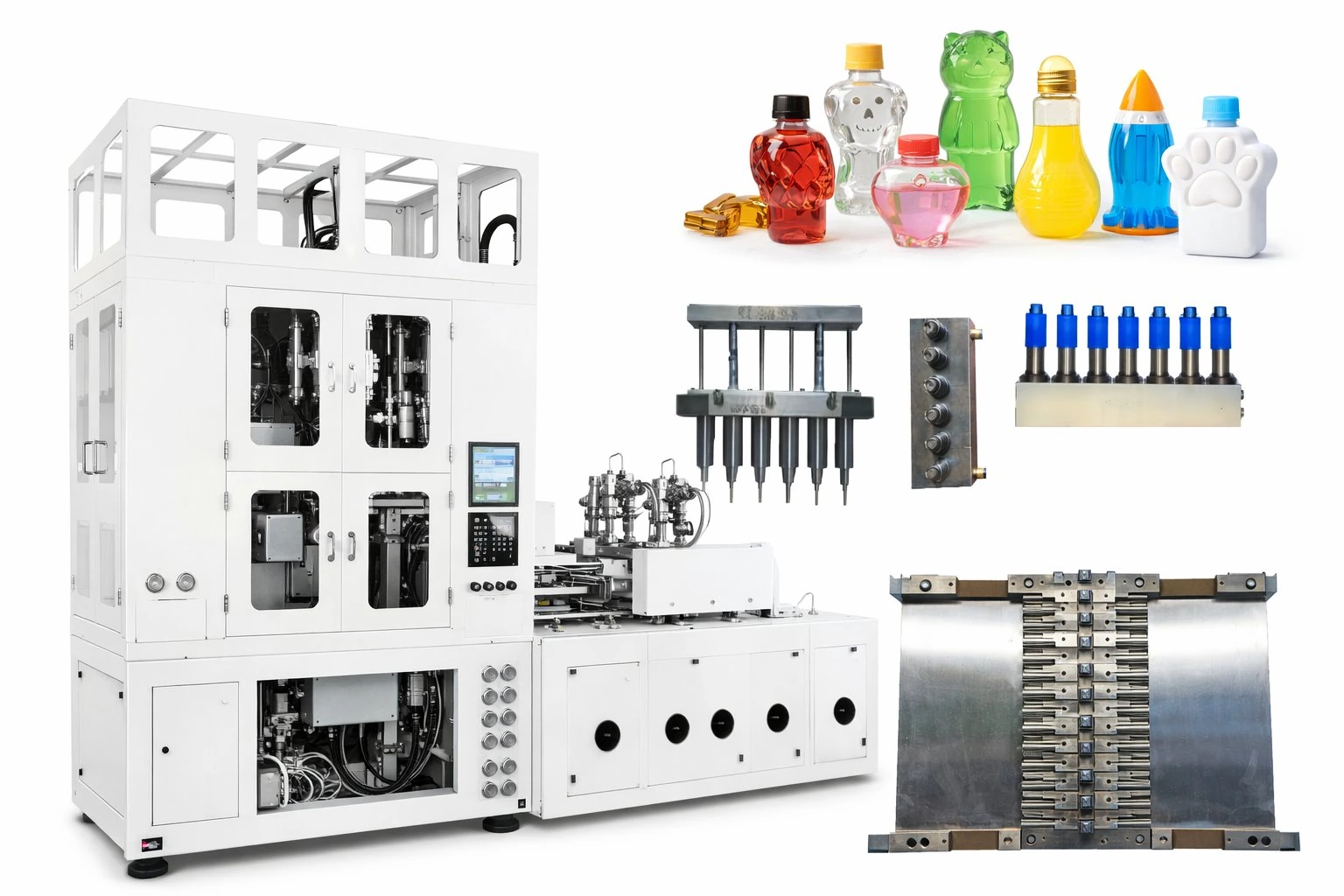
De HGY200-V4 met 6-8 caviteiten is het standaard Koreaanse soju PET ISBM-platform — afgestemd op de productievolumes (15-30 miljoen eenheden per jaar voor een middelgroot Koreaans soju-merk) en de flesspecificaties (lichte voorvorm, standaard hals, niet-koolzuurhoudend). Optimalisatie van de cyclustijd is met name waardevol voor de Koreaanse soju-productie gezien de prijsontwikkeling van deze grondstof. Raamwerk voor cyclustijdoptimalisatie met 5 stappen Voor de Koreaanse markt biedt ISBM een traject om de standaard soju-cyclus van 8 seconden te verkorten naar een concurrerende streefwaarde van 6,5 seconden, wat de kosten per eenheid op grote schaal aanzienlijk verbetert.
8. Exportverpakkingen en de kansen voor premium soju
De Koreaanse soju-export overschreed in 2024 de grens van 120 miljoen dollar, met de Verenigde Staten, Japan en Zuidoost-Azië als de drie grootste afzetmarkten. Exportflessen soju verschillen van de binnenlandse, groen getinte standaardflessen van 360 ml op een aantal punten die een unieke kans creëren voor de productie van premium soju: exportflessen zijn gemaakt van helder of licht gematteerd PETG (wat de premiumkwaliteit benadrukt bij consumenten die niet bekend zijn met de groene Koreaanse fles), vaak in volumes van 200 ml, 375 ml of 500 ml om te voldoen aan de lokale detailhandelsnormen, en met sluitingen die compatibel zijn met de sluitmachines van de importmarkt.
Premium export soju-merken (Jinro 24, Hwayo, Chum Churum Premium) gebruiken flessen die qua uiterlijk kunnen concurreren met premium Japanse sake en Amerikaanse ambachtelijke sterke drank: helder kristal PETG, elegante vormen en sluitingen die premium kwaliteit uitstralen. Deze export soju-flessen vormen een premium segment voor ISBM, vergelijkbaar met de mogelijkheden van K-Beauty cosmeticaflessen: meerdere SKU's, premium prijzen, gemiddelde volumes (500.000–3 miljoen eenheden per SKU) en hoge specificatie-eisen. De vereiste discipline voor defectbeheersing om consistent te voldoen aan de kwaliteitsspecificaties van export soju-merken – geen troebelheid, geen strepen, geen dimensionale afwijkingen – is gedocumenteerd in de Koreaanse ISBM-flesdefecten veldgids.
Veelgestelde vragen
Traditionele ondersteuning voor drankverpakkingen
Een Koreaans Soju-, Makgeolli- of Sikhye PET-flessenproject ontwikkelen?
Het Koreaanse Ever-Power biedt beoordeling van flesspecificaties, advies bij de selectie van halsafwerkingen, beoordeling van de compatibiliteit van masterbatches en volledige ondersteuning bij de kwalificatie van matrijzen voor traditionele Koreaanse drankverpakkingsprojecten, inclusief coördinatie van ethanol-simulantmigratietesten.
Gerelateerde bronnen
Aanbevolen platform
Koreaanse Ever-Power HGY200-V4
Standaard 4-stations ISBM voor de productie van soju-PET-flessen in Korea — configuratie met 6-8 caviteiten bij een productie van 15-30 miljoen eenheden per jaar.
Machineassortiment
4-stations ISBM-machineassortiment
Complete Koreaanse Ever-Power 4-stations opstelling voor soju, makgeolli premium en sikhye PP hot-fill toepassingen.
Gereedschap op maat
Maatwerk ISBM-matrijsontwerp
Soju-groengetinte PET-matrijzen, makgeolli-PETG-matrijzen met brede opening en sikhye PP-warmvulmatrijzen.