
化粧品用PETボトル製造 ― Kビューティーおよび高級パッケージ向けISBMマシン
Korean cosmetic brands — from mass-market skincare to the ultra-premium K-Beauty segment exported globally — apply a standard of packaging quality that is genuinely difficult to achieve consistently with any bottle-making process other than 射出延伸ブロー成形. A serum bottle with a single visible surface scratch will be rejected at brand incoming inspection. A PETG toner bottle with 2% haze fails the clarity benchmark. A pump neck that is 0.12 mm out of specification creates fitment resistance on the filling line capper that stops production. These are not aspirational standards — they are the baseline expectations of Korean cosmetic packaging quality management, and they are why ISBM has become the de facto standard for cosmetic PET bottle manufacturing in Korea, Japan, and the premium cosmetics markets of Southeast Asia — and why the cosmetic PET bottle machine of choice across these markets is, in almost every case, an injection stretch blow moulding platform.
This guide explains why the one-step ISBM process is structurally suited to K-Beauty packaging requirements, which resins and container formats it handles, how to select the right machine specification for your bottle programme, what cleanroom and GMP considerations apply, and what a real ISBM cosmetic bottle production setup looks like in practice.
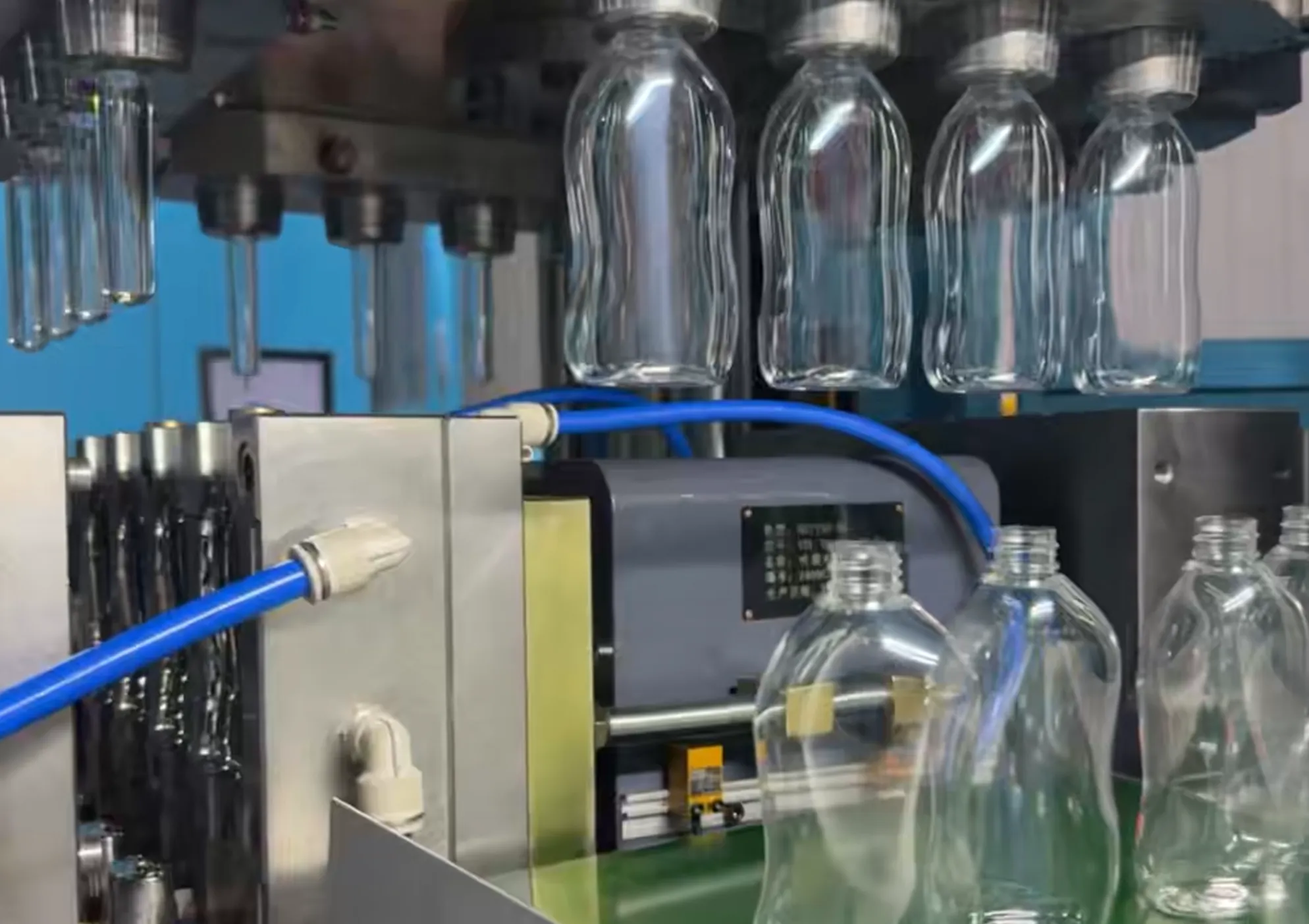
Why Cosmetics Demand a Different Standard of Bottle Production
The cosmetics industry — and K-Beauty in particular — applies packaging quality criteria that are genuinely more demanding than almost any other consumer goods category. Three requirements in particular drive the choice of bottle manufacturing process:
Zero Surface Defects — No Scuffing, No Haze, No Inclusions
A cosmetic bottle is a brand’s most visible physical communication. In the Korean premium skincare market, a serum bottle sits on a bathroom shelf alongside its product claims — and its surface quality is the first signal the consumer reads about the brand’s quality positioning. A bottle with a hairline scratch from preform-to-preform contact in bulk storage, a tiny inclusion from contaminated preform handling, or even a slight cloudiness from inadequate temperature control during blowing will be rejected — not reworked, rejected — at the brand’s incoming inspection.
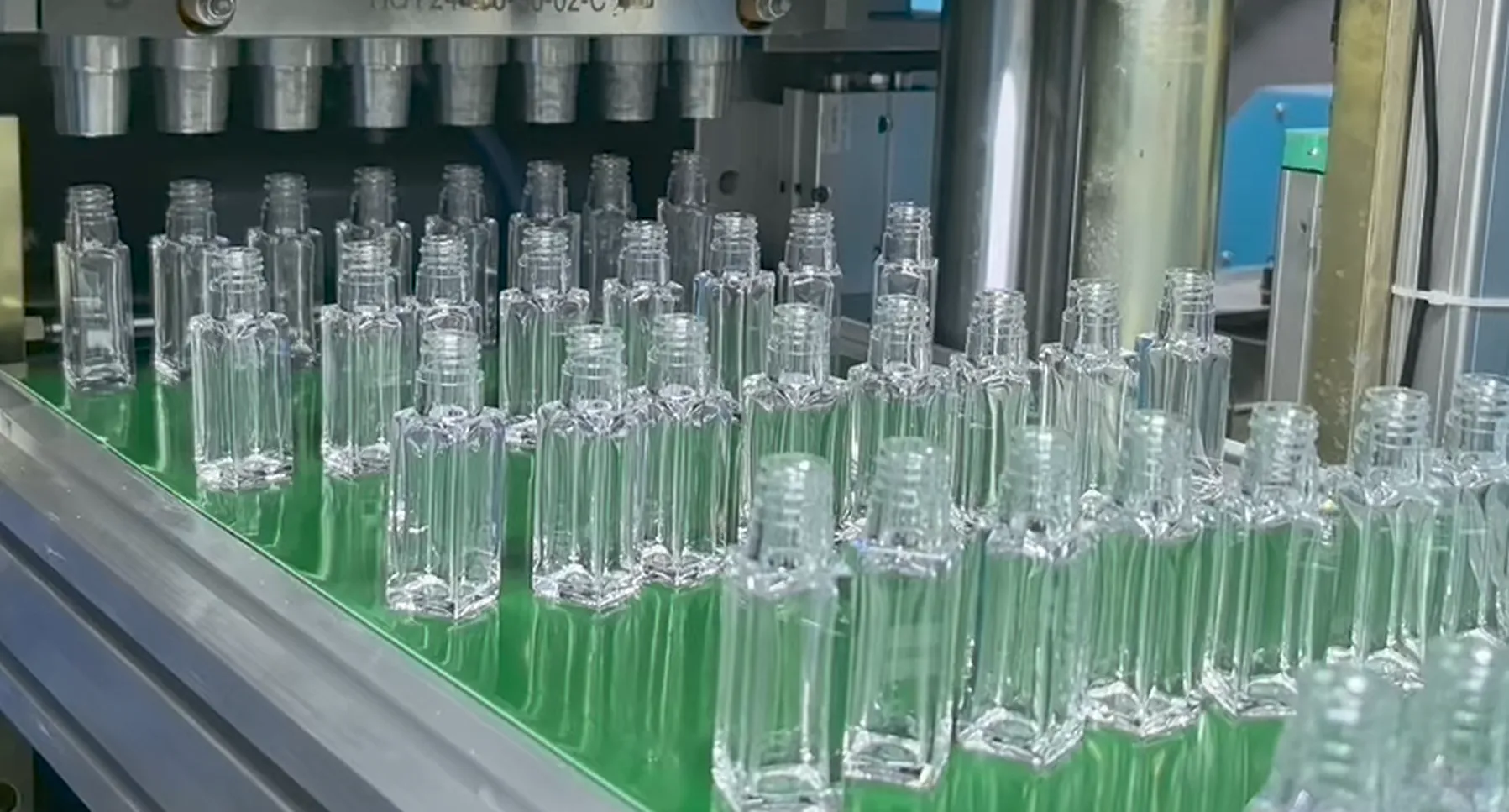
This zero-tolerance standard for surface defects is the primary reason two-step reheat blow moulding is rarely used for premium cosmetic bottle production. In two-step production, preforms are stored in bulk gaylords where surface-to-surface contact is unavoidable, creating scratches that survive the blow cycle in the finished bottle. ISBM’s closed-loop one-step process eliminates this risk entirely: the preform is injected and blown in the same machine cycle without ever being ejected into a storage container or handled between machines.
Optical Clarity — PETG at Below 0.5% Haze
Premium K-Beauty packaging increasingly specifies PETG rather than standard PET — because PETG’s amorphous, non-crystallising structure produces a genuinely glass-like transparency at thick wall gauges where PET would haze through spherulitic crystallisation. An ISBM machine producing PETG at the correct conditioning station temperature (90–100 °C body zone, carefully profiled to stay within ±3 °C of target) regularly achieves haze values below 0.5% in the finished bottle wall — a clarity level that requires close inspection under direct light to distinguish from glass.
Achieving this clarity consistently in a production run requires temperature control precision that only ISBM’s dual-surface conditioning station (temperature-regulating barrel and core operating in separate circuits) can deliver for thick-wall PETG preforms. If the conditioning temperature drifts above 102 °C on PETG, strain-induced crystallisation begins during the blow cycle and the bottle wall hazes permanently. This is not a reject that can be sorted away — the entire production window of bottles affected must be scrapped. Consistent PETG clarity is a process engineering discipline, not an outcome that can be achieved by any blow moulding machine regardless of its specification.
Neck Finish Precision — Pump and Airless Dispenser Fitment
The dispensing system — pump, airless mechanism, mist sprayer, or dropper — is usually selected and sourced before the bottle design is finalised. The neck finish thread form, diameter, and pitch must conform to the dispenser manufacturer’s specified fitment tolerance, which for premium dispensers is typically ±0.05–0.08 mm. A neck that is 0.12 mm out of specification on diameter will create fitment resistance on the capper or will produce a closure that slips under use — both commercially unacceptable outcomes. ISBM’s injection-formed neck finish — formed around the core pin and cooled before the preform leaves the injection station — consistently achieves neck dimensional tolerances within ±0.05 mm, a precision level that other blow moulding processes cannot reliably replicate.
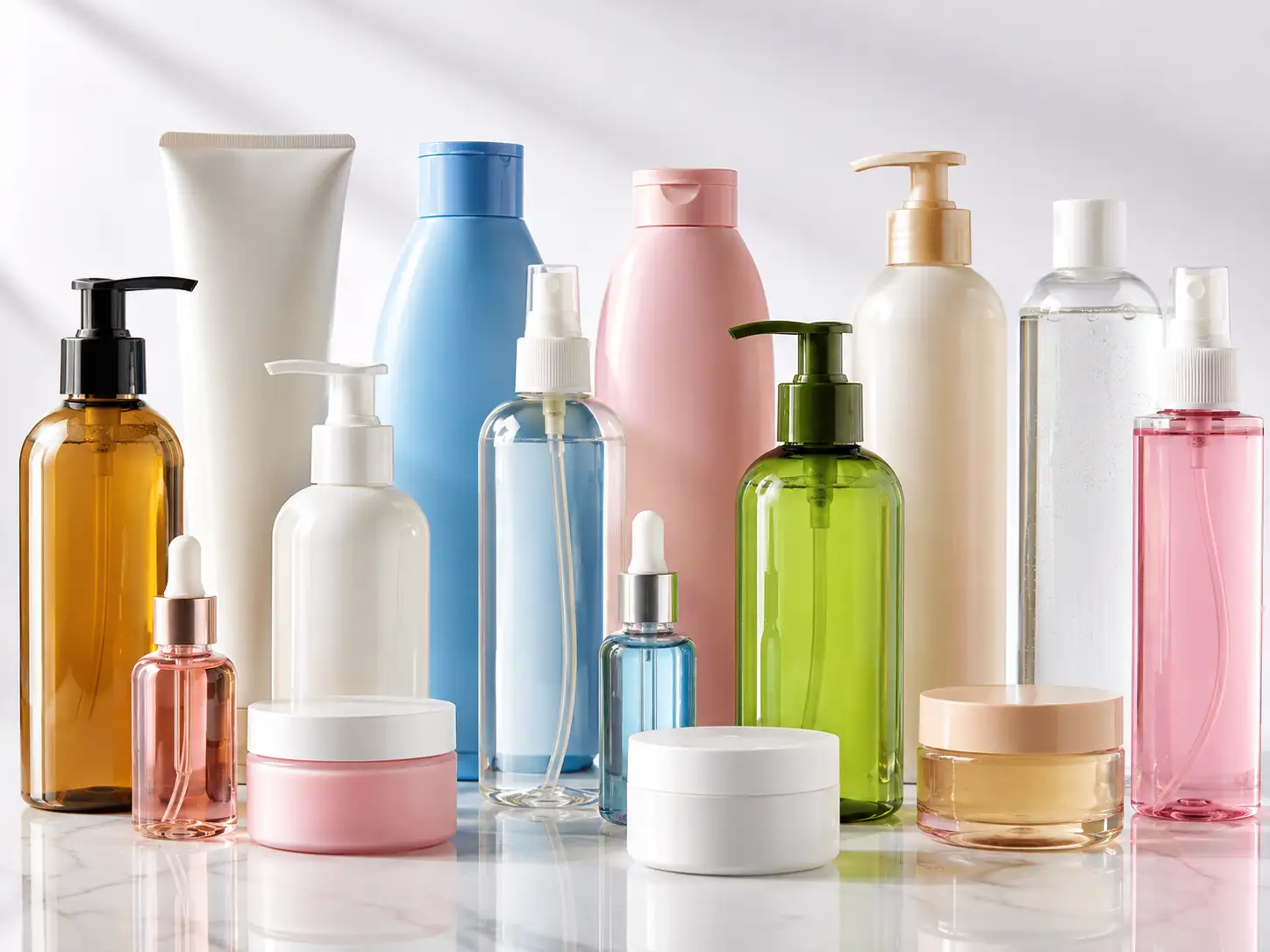
Why ISBM Is the Standard for Premium Cosmetic Packaging
The case for ISBM as the standard process for premium cosmetic blow moulding rests on four structural advantages that are inherent to the one-step process architecture, not achievable by process optimisation of alternative methods.
Zero Scuffing — Closed-Loop Process
The preform is injected and blown inside a single machine without being handled between stations. No preform-to-preform contact occurs at any point. The bottle exits the machine already in its final form, with a surface that has never touched another preform or a conveyor surface. This is the only process architecture that structurally eliminates scuffing as a quality risk, not merely reduces it.
Glass-Like Clarity — PETG in One Step
PETG’s glass-like clarity at thick wall gauges is only consistently achievable in ISBM’s dual-surface conditioning environment. The conditioning station’s barrel-and-core system maintains the preform body at 90–100 °C — within PETG’s narrow 10 °C stretch window — across the full preform wall thickness, something infrared reheating in two-step systems cannot achieve at thick gauges without surface overheating.
Neck Precision — ±0.05 mm from Injection
The neck finish is formed in the injection station and dimensionally locked by cooling before the preform reaches the blow station. It is never deformed by the stretch-blow cycle. The result is neck thread geometry formed to the same tolerances as injection moulding — ±0.05 mm — which is what premium pump and airless dispenser fitment specifications require.
Design Versatility — Non-Round Shapes
ISBM’s stretch rod and blow pressure control allows precise material distribution in non-cylindrical cavities — oval cross-sections, squared bodies, faceted shoulders, and offset-neck designs that K-Beauty brands specify for shelf differentiation. The dual-axis orientation control available through independent stretch rod speed and blow pressure profiling distributes material more uniformly in asymmetric cavities than two-step infrared reheating can achieve.
Resins Used in Cosmetic ISBM Production
The cosmetic packaging industry uses a broader range of resins in ISBM production than any other sector — because the combination of material properties, aesthetic attributes, and regulatory requirements varies significantly across product categories, price points, and markets. Selecting the correct resin is the first decision in a cosmetic bottle project, and it determines the machine specification, mould design, and processing parameters for every subsequent stage.
Among these, PETG is the fastest-growing resin in Korean cosmetic ISBM production. The K-Beauty premium segment’s preference for glass-like packaging aesthetics has driven significant demand for PETG bottles that genuinely appear indistinguishable from glass on shelf — thicker walls, heavier feel, higher refractive clarity — while maintaining the practical advantages of plastic (lightweight, shatter-proof, lower shipping cost, design flexibility). PETG’s chemical resistance to high-alcohol formulations (toners, essences, and serums frequently exceed 50% ethanol content) also addresses a compatibility concern that standard PET does not fully resolve at long contact times.
Container Formats Produced for K-Beauty
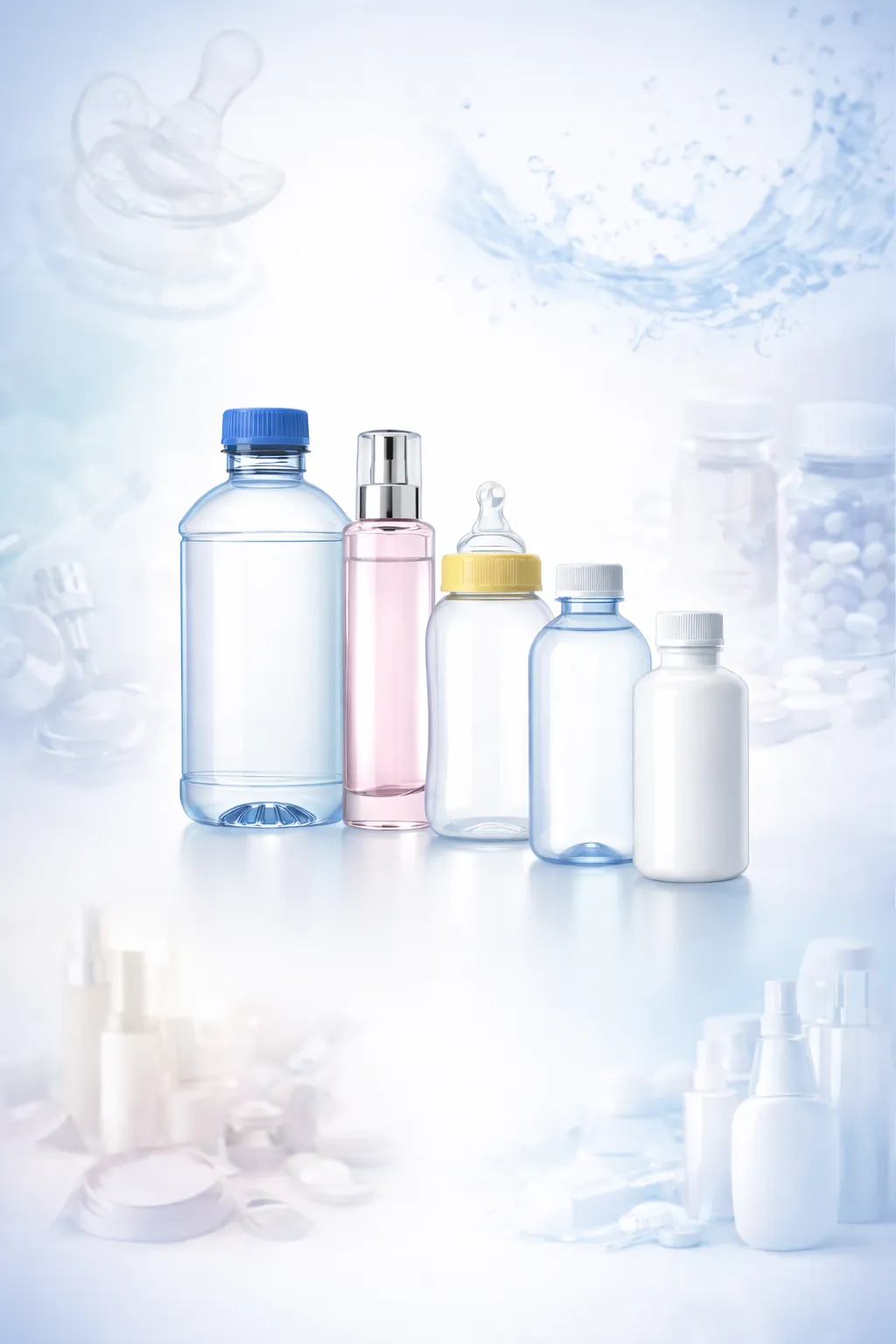
Korean cosmetic brands produce a wider range of distinct container formats per product range than almost any other personal care market — driven by the industry’s intense focus on packaging as a brand communication and gifting vehicle. The following formats represent the core ISBM production programme for a typical mid-to-premium K-Beauty manufacturer:
Serum & Ampoule Bottles
Volume: 15–50 ml | Height: 120~200 mm
樹脂: PETG or PET | ネック: 18/410 or 20/410
Typically 1–2 cavities; requires high surface polish; elongated shoulder geometry; pump or dropper neck. The most demanding format for surface clarity and neck precision.
Toner & Essence Bottles
Volume: 100–200 ml | Height: 150–200 mm
樹脂: PET or PETG | ネック: 24/410 または 28/410
High production volume; 2–4 cavity configurations common; chemical resistance important for alcohol-based toners above 50% ethanol content.
Lotion & Emulsion Bottles
Volume: 100–250 ml | Height: 150–220 mm
樹脂: PET or PETG | ネック: 24/410 pump or 28/415
Pump dispenser neck is standard — neck torque specification (pump application and removal torque) is a critical quality parameter requiring ±0.05 mm neck dimension conformance.
Wide-Neck Cream Jars
Volume: 30–200 ml | Height: 50–120 mm
樹脂: PETG (preferred) or PET | ネック: 48–80 mm wide
Thick walls (2–4 mm) require PETG for clarity. Wide neck formed in injection — the defining ISBM advantage for jars, since IBM cannot produce PETG clarity and two-step REHB cannot manage PETG preform temperature consistently.
Mist & Facial Sprayers
Volume: 80–150 ml | Height: 140–180 mm
樹脂: PET or PETG | ネック: 24/410 fine mist
Fine-mist sprayer neck fitment is the most demanding neck specification in cosmetic packaging — typically ±0.04 mm on inner diameter — because the sprayer’s dip tube seal depends on a precise interference fit with the neck inside diameter.
Tall Slim Premium Bottles
Volume: 30–100 ml | Height: 180–250 mm
樹脂: PETG | ネック: 15–22 mm
The hallmark of ultra-premium K-Beauty — elongated, slim, architecturally proportioned bottles. Requires an ISBM machine with a 460 mm upper mould stroke to accommodate heights above 200 mm. This format is exclusively producible on mid-range machines such as the HGY150-V3.
Machine Selection for Cosmetic ISBM — HGY50-V3 vs HGY150-V3
For most Korean cosmetic ISBM programmes, the machine selection decision comes down to two questions: how tall is the tallest bottle in the programme, and how heavy is the heaviest preform? These two parameters — maximum bottle height and maximum shot weight — are the hard mechanical constraints that determine which machine platform is appropriate.
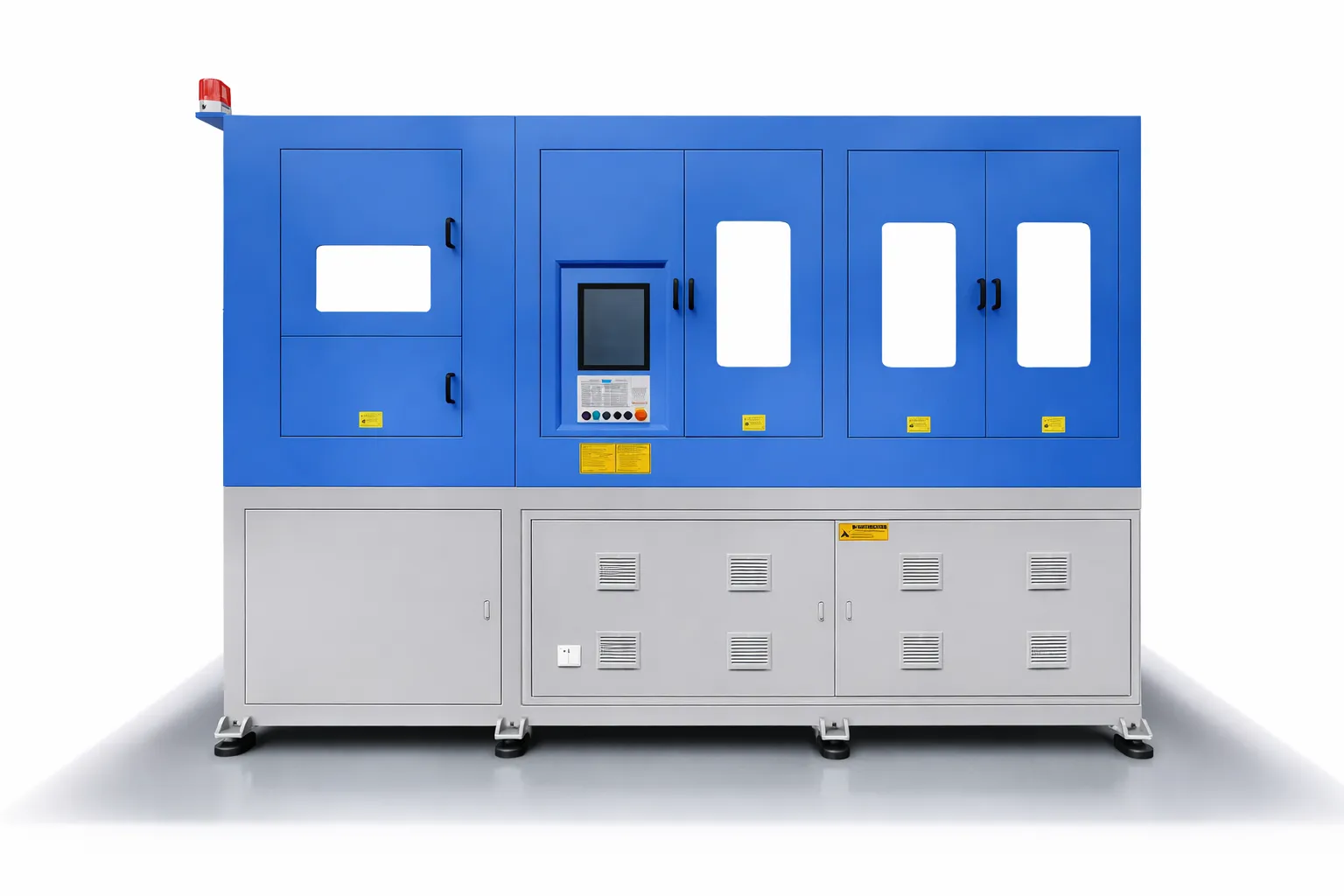
For most Korean cosmetic manufacturers producing toners, lotions, mist sprayers, and serum bottles up to 200 mm in height, the HGY50-V3 or HGY50-V3-EV platform covers the full product range with 1–6 cavity flexibility. Operations producing ultra-premium tall slim bottles (180–250 mm), large PETG wide-neck jars, or heavy Tritan luxury containers where preform weight exceeds 188 g need the HGY150-V3‘s 315 g injection capacity and 460 mm upper mould stroke.
Mould Design for Cosmetic Containers
High-Polish Cavity Surface — Grade A for Premium Cosmetics
Premium cosmetic bottle cavities are finished to Grade A mirror polish — Ra below 0.05 µm — across the entire bottle body and shoulder. This level of finish is achieved through a progressive hand-polishing sequence: rough grinding with #320 abrasive, through #600, #1200, #2000 papers, and finishing with diamond paste on felt. The polishing sequence must follow the cavity contour precisely — any swirl marks or directional scratches in the polishing pattern will transfer to the bottle surface and become visible in PETG or PET under direct lighting.
Mould material for Grade A cosmetic cavities is typically S136 or equivalent stainless tool steel, hardened to HRC 50–54. Stainless steel is specified over conventional tool steels because it prevents the rust staining that develops in water-cooled cavity blocks in humid Korean factory environments — rust contamination from cavity surfaces can transfer to PETG bottle surfaces and is extremely difficult to detect until bottles reach brand incoming inspection.
Neck Finish Tooling for Pump and Sprayer Fitment
Cosmetic dispensing systems — pumps, airless mechanisms, fine mist sprayers — are precision assemblies manufactured to tight tolerances that assume a corresponding tolerance in the bottle neck. The critical neck dimensions for pump fitment are the external thread outer diameter (controls pump closure thread engagement), the neck inside diameter (controls dip tube seal and internal pump fit), and the neck height from support ledge to top (controls headspace and pump depth). Each of these dimensions must be held to ±0.05–0.08 mm across a full production batch for consistent dispenser fitment on the filling line capper.
韓国エバーパワー cosmetic bottle mould design process includes verification of neck finish conformance to the specified dispenser manufacturer’s interface drawing before steel is committed. Where the dispenser specification requires dimensions tighter than ±0.05 mm (some high-specification airless mechanisms require ±0.03 mm on neck ID), the neck thread insert is machined from beryllium copper rather than hardened steel — exploiting BeCu’s superior machinability at very high tolerance levels, and its thermal conductivity advantage for rapid neck cooling.
Cavity Count for Cosmetic Production Volumes
Cosmetic production schedules are typically multi-SKU and seasonal — a brand launching a new collection may produce 30,000–80,000 units of each new SKU for the launch quarter, then adjust volume based on retail sell-through. This volume profile typically favours 1–2 cavity configurations for premium formats (serum, luxury jar), where lower per-batch quantities make multi-cavity tooling cost uneconomical, and 2–4 cavity configurations for higher-volume standard formats (toner, lotion pump). The Korea Ever-Power HGY50 range’s 1–6 cavity flexibility within a single machine platform allows a cosmetic manufacturer to match cavity count to volume requirements across a product range without purchasing additional machines.
Cleanroom and GMP Considerations
韓国の化粧品メーカーは、韓国食品医薬品安全処(MFDS)の化粧品規制に基づき、医薬品グレードの化粧品(コスメシューティカル)、一般用医薬品(OTC)に分類されるスキンケア製品、およびアイコンタクト製品を製造する。 GMP ガイドラインでは、包装材の製造は管理された環境下で行うことが求められています。ブロー成形の場合、これは特に次のような意味を持ちます。
● 韓国化粧品GMPにおけるクリーンルームISBM要件
作動油なし: 従来のブロー成形機から発生する油圧オイルミストは、クリーンルームの分類基準に適合しません。オイル粒子はボトル表面に付着し、通常の目視検査では検出できません。GMPクリーンルーム設備では、オイルフリーの機械駆動装置が必要です。
HEPAフィルターを通した圧縮空気: 高圧の吹き出し空気は、吹き出し弁に入る前に、凝縮フィルターとHEPAポストフィルターを通過する必要があります。吹き出し空気中の油分や微粒子などの汚染物質は、ボトルの内側、つまり化粧品成分と直接接触する表面に付着します。
密閉型機械設計: 機械は、ブロー成形工程中に粉塵や空気中の微粒子がプリフォームや完成したボトルに付着するのを防ぐため、密閉された作業エリアを備えるように設計されるべきである。
トレーサビリティに関する文書: GMP文書作成の目的で、各製造バッチは、原材料ロット番号、機械パラメータ記録、および作業者資格記録と関連付けられなければならない。
完全電気自動車 HGY50-V3-EV 韓国のエバーパワー社製この装置は、化粧品GMPおよびクリーンルーム環境への設置に特化しています。完全サーボ電動駆動システムを採用しているため、油圧オイルを一切使用せず、オイルタンク、油圧ライン、オイルミストも発生しません。そのため、韓国の化粧品GMPガイドラインで求められるクリーンルーム環境要件に本質的に適合します。また、この装置は、より高い射出圧力(油圧式V3の160MPaに対し210MPa)と±0.1gの射出量再現性を実現しており、容器仕様のGMP文書化に必要なボトル間の一貫性を直接的にサポートします。
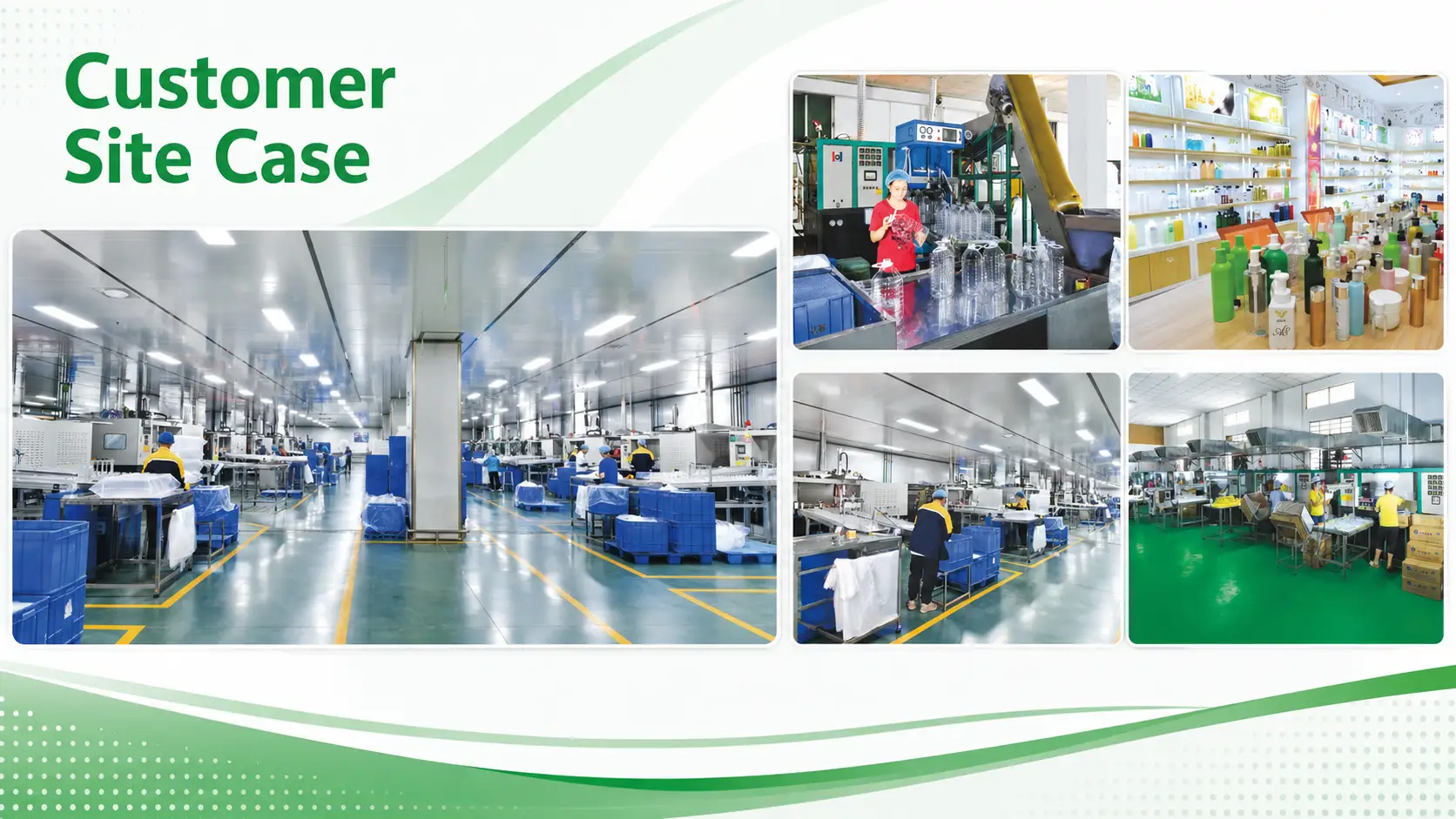
製造事例紹介 — Kビューティープレミアムセラムボトルライン
以下の事例研究は、韓国のエバーパワー社製化粧品ISBM(インスタント・スプレー・マシン)の典型的な設置状況に基づいた、代表的な生産構成を示しています。顧客に関する具体的な情報は開示されていませんが、構成、機械設定、および品質結果は、実際の生産プログラムのパラメータを反映しています。
◆重要なポイント
のために cosmetic PET bottle manufacturingISBMは単なる代替プロセスオプションではなく、プリフォームの擦り傷を構造的に排除し、0.5%ヘイズ以下の一貫したPETG透明度を実現し、高級ポンプディスペンサーやスプレーディスペンサーに必要な±0.05mmのネック精度を提供する唯一のプロセスです。機械の選択は、ボトルの高さ、プリフォームの重量、および生産環境の要件に基づいて行うべきであり、機械の価格だけで決めるべきではありません。標準的な化粧品フォーマット(最大200mm)にはHGY50、背が高くスリムで重量のある高級プリフォームフォーマットにはHGY150-V3、GMPクリーンルーム環境には完全電動EVバージョンがあります。
結論
韓国の化粧品業界における品質基準は、世界で最も厳しいパッケージング基準の一つであり、これはKビューティー市場が常にプレミアムな製品体験を提供するブランドを評価し、そうでないブランドを罰するからです。ISBMプロセスは、適切な機械仕様と適切に設計されたツールを用いることで、これらの基準を常に満たすプラットフォームとなります。クローズドループワンステッププロセスによる傷のない表面品質、デュアルサーフェスコンディショニングステーションによるガラスのようなPETGの透明度、射出成形ネック仕上げによるポンプ対応の精密なネック形状を実現します。
韓国エバーパワー HGYシリーズ 3ステーションISBMマシン 15mlの高級美容液ボトルから200mlの広口PETGジャーまで、韓国の化粧品容器のあらゆるフォーマットに対応し、金型設計、DFMレビュー、3Dプロトタイピング、試運転サポートを各プロジェクトに含めて提供します。ボトル図面とディスペンサー仕様書を添えてKorea Ever-Powerまでご連絡いただければ、3営業日以内に金型の実現可能性レビューと機械の推奨結果をお届けします。
編集者: Cxm