Analisis Teknis Mendalam · Teknik Energi · ISBM Korea 2026
Penghematan Energi Mesin ISBM:
Panduan Korea untuk Servo EV vs Hidrolik
Biaya energi ISBM Korea adalah biaya produksi terbesar yang dapat dikendalikan setelah resin — dan variabel ini paling sistematis diremehkan oleh produsen Korea. Dengan tarif listrik industri Korea sebesar KRW 112–168/kWh (puncak TOU 2026), lini ISBM Korea berkapasitas 20 juta unit/tahun dengan teknologi hidrolik membayar KRW 35–55 juta lebih banyak per tahun untuk listrik daripada lini servo EV yang setara — sebelum memperhitungkan kredit karbon K-ETS dan sebelum memperhitungkan kegagalan kualitas yang dihindari. Panduan ini mengkuantifikasi keunggulan energi servo EV dengan angka produksi Korea.
Kredit Karbon K-ETS Korea
Periode Pengembalian Investasi (ROI) Servo EV
Perbandingan Biaya Energi Tahunan ISBM Korea — 20 Juta Unit/Tahun, PET 500ml
Sistem ISBM Hidraulik
4,2 kWh
per 1.000 botol
KRW 117 juta/tahun
dengan harga rata-rata KRW 140/kWh
EV Servo ISBM
2,6 kWh
per 1.000 botol
KRW 73 juta/tahun
dengan harga rata-rata KRW 140/kWh
Penghematan Tahunan
KRW 44 juta
listrik saja
+ Kredit K-ETS
tambahan KRW 4–8 juta/tahun
1. Masalah Biaya Energi ISBM Korea
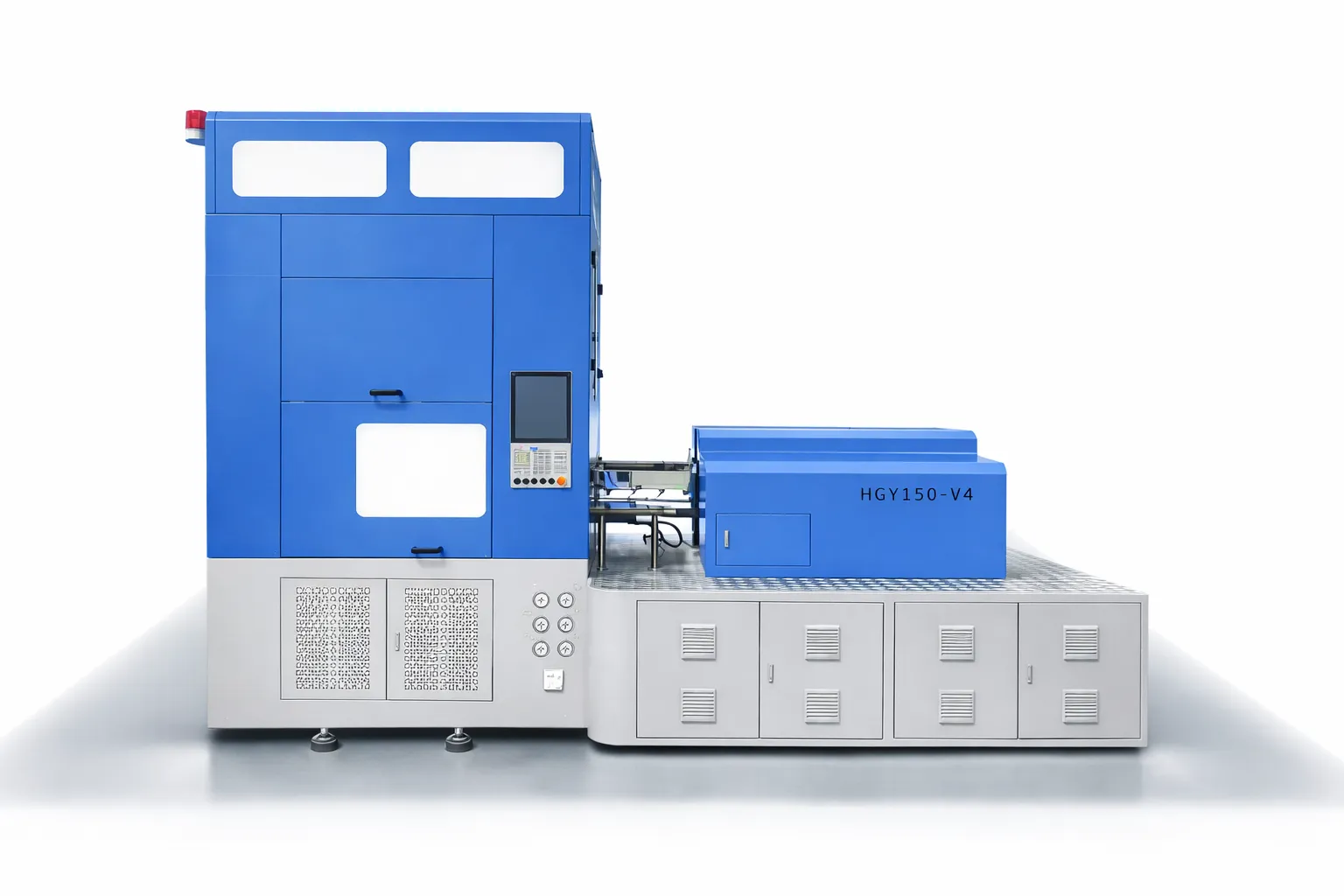
Biaya energi ISBM Korea secara sistematis diremehkan oleh produsen kemasan Korea pada saat pembelian mesin — karena alasan sederhana: percakapan pemilihan mesin berfokus pada harga mesin, bukan pada biaya energi pengoperasian mesin selama 10–15 tahun. Mesin ISBM Korea yang harganya KRW 180 juta (hidrolik) dibandingkan dengan KRW 240 juta (servo EV) tampak KRW 60 juta lebih murah saat pembelian. Tetapi selama 10 tahun produksi ISBM Korea dengan 20 juta unit/tahun, mesin hidrolik mengakumulasi biaya listrik tambahan sebesar KRW 440 juta dibandingkan dengan servo EV — sehingga mesin hidrolik menjadi KRW 380 juta lebih mahal secara total selama masa operasionalnya, bukan KRW 60 juta lebih murah.
Biaya energi ISBM Korea sangat berdampak karena penetapan harga listrik industri Korea memiliki komponen biaya permintaan — tarif TOU (Time of Use) industri KEPCO Korea mengenakan biaya kepada produsen Korea bukan hanya untuk total kWh yang dikonsumsi, tetapi juga untuk permintaan puncak (kW) yang ditarik selama jam-jam puncak (09:00–22:00, Juni–Agustus). Mesin ISBM hidrolik Korea dengan penarikan daya mendekati nilai nominal secara terus menerus menghasilkan biaya permintaan yang lebih tinggi daripada mesin servo EV yang penarikan daya berbasis permintaannya menghasilkan permintaan puncak yang lebih rendah. Kerangka ROI yang mengukur perbedaan biaya energi ini dalam konteks keputusan investasi ISBM Korea terdapat pada Kalkulator ROI mesin ISBM Korea.
2. Mengapa Sistem Hidrolik ISBM Korea Memboroskan Energi: Penjelasan Fisika di Baliknya
Mesin ISBM hidrolik Korea menggunakan pompa hidrolik perpindahan tetap yang digerakkan oleh motor listrik kecepatan konstan untuk menghasilkan tekanan oli yang menggerakkan klem injeksi, batang peregang, stasiun peniupan, dan meja putar. Pemborosan energi mendasar dalam arsitektur ini berasal dari satu realitas fisik: pompa hidrolik harus berjalan terus menerus pada kecepatan mendekati kecepatan nominal untuk mempertahankan tekanan oli dalam sirkuit hidrolik — bahkan selama bagian siklus di mana mesin hanya menunggu (waktu tunggu pengkondisian, waktu tunggu peniupan, periode pendinginan) dan tidak ada aktuator hidrolik yang bergerak.
Siklus ISBM 4 stasiun khas Korea selama 10 detik terbagi sebagai berikut: pengisian injeksi + pengemasan (1,2 detik, permintaan hidrolik tinggi), waktu diam pengkondisian (2,5 detik, permintaan hidrolik mendekati nol — meja putar diam), stasiun peniupan (2,8 detik, permintaan hidrolik moderat untuk pengaktifan nosel), waktu diam peniupan (2,5 detik, permintaan hidrolik mendekati nol — nosel tertutup rapat, tidak ada pergerakan), ejeksi (1,0 detik, permintaan hidrolik moderat). Dari siklus 10 detik tersebut, aktuator hidrolik aktif bergerak selama kurang lebih 4,2 detik (42%) dan diam selama 5,8 detik (58%). Selama fase diam 58%, pompa hidrolik masih menggunakan 55–70% dari daya nominalnya untuk mempertahankan tekanan sistem — menghasilkan panas pada oli hidrolik, menjalankan sirkuit pendingin oli untuk menghilangkan panas tersebut, dan berkontribusi pada degradasi oli hidrolik yang memerlukan penggantian oli dan filter secara berkala.
Pemborosan energi terukur pada ISBM hidrolik Korea dari pengoperasian pompa siaga: pada siklus 10 detik, fraksi stasioner 58%, daya nominal pompa hidrolik 22 kW, konsumsi daya siaga 70% dari daya nominal = 15,4 kW × 5,8s/10s × 3.600 siklus/jam = 32,2 kWh/jam dalam energi siaga untuk pompa hidrolik saja, sebelum menghitung energi kipas listrik dan penukar panas sirkuit pendingin oli. Energi siaga ini sepenuhnya dihilangkan pada ISBM servo EV Korea — motor servo mengkonsumsi daya mendekati nol ketika tidak mempercepat sumbu.
3. Mekanika Keunggulan Energi Servo EV: Daya Berdasarkan Permintaan dan Pengereman Regeneratif
Mesin ISBM servo EV Korea menggantikan motor dan pompa kecepatan konstan sistem hidrolik dengan penggerak servo dan motor servo pada setiap sumbu — penjepit injeksi, batang peregang, nosel stasiun tiup, meja putar. Setiap motor servo hanya menggunakan daya saat sumbunya berakselerasi, dan menggunakan daya secara proporsional terhadap torsi yang dibutuhkan pada saat itu — bukan jumlah tetap tanpa memperhatikan beban. Penggunaan daya berdasarkan permintaan ini adalah dasar dari keunggulan energi servo EV.
Keunggulan energi kedua dari ISBM servo EV Korea adalah pengereman regeneratif: ketika motor servo memperlambat sumbu (misalnya, batang peregang melambat di titik akhir, atau meja putar melambat sebelum penguncian indeks), motor servo bertindak sebagai generator — mengubah energi kinetik sumbu yang melambat menjadi energi listrik yang dialirkan kembali ke bus DC mesin. Energi listrik yang diregenerasi ini memberi daya pada sumbu lain yang secara bersamaan berakselerasi (sumbu injeksi berakselerasi pada siklus berikutnya saat batang peregang melambat), mengurangi permintaan energi bersih dari jaringan listrik Korea. Pengereman regeneratif ISBM servo EV Korea memulihkan 15–25% dari input energi bruto motor per siklus — setara dengan menjalankan mesin tanpa beban selama 18–27 menit per shift 2 jam dari energi yang diregenerasi.
Keunggulan efisiensi servo EV tambahan di luar daya berbasis permintaan
- Tidak ada sistem oli hidrolik: Menghilangkan motor kipas penukar panas oli hidrolik (biasanya 2–4 kW kontinu), sirkuit bantu pompa oli, dan sirkuit air pendingin oli — menghemat 8–15% total konsumsi energi mesin hanya dari sistem tambahan saja.
- Tidak ada kehilangan daya akibat katup pengatur aliran: Sistem hidrolik menggunakan katup kontrol proporsional untuk mengatur aliran — katup ini mengubah kelebihan energi hidrolik menjadi panas (penurunan tekanan di seluruh katup). Kontrol sumbu servo EV bersifat langsung dan tanpa kehilangan daya — arus servo menggerakkan torsi motor servo tanpa kehilangan daya akibat pengaturan aliran.
- Optimasi siklus variabel: Sumbu servo EV dapat berakselerasi dan deselerasi lebih cepat daripada aktuator hidrolik, sehingga memungkinkan pengurangan waktu siklus tanpa memengaruhi kualitas — kerangka kerja optimasi waktu siklus ISBM Korea pada Panduan optimasi waktu siklus ISBM Korea mengukur interaksi waktu-energi siklus ini.
4. kWh Per 1.000 Botol: Perbandingan Terukur Berdasarkan Aplikasi
Perbandingan konsumsi energi antara servo EV Korea dan ISBM hidrolik harus diukur pada kondisi produksi — bukan pada daya mesin nominal — karena konsumsi energi produksi di dunia nyata berbeda dari daya nominal sebesar 35–60% tergantung pada komposisi siklus. Perbandingan berikut didasarkan pada data log energi produksi Ever-Power Korea pada kondisi produksi ISBM Korea standar.
| Aplikasi | Servo EV (kWh/1.000) | Hidrolik (kWh/1.000) | Tabungan (%) | Penghematan KRW tahunan (20 juta unit) |
|---|---|---|---|---|
| Botol PET Korea 500ml untuk air mineral (4 rongga) | 2.2–2.8 | 3.8–4.6 | 38–42% | KRW 38–50 juta |
| Korea 200ml K-Beauty PETG (2 rongga) | 3.0–3.6 | 5.0–6.2 | 40–45% | KRW 28–42M |
| Botol olahraga Tritan Korea 750ml (2 rongga) | 4.2–5.0 | 7.0–8.5 | 40–44% | KRW 32–48 juta |
| Cairan oral farmasi PET Korea 100ml (4 rongga) | 1.8–2.4 | 3.2–4.2 | 42–48% | KRW 30–45 juta |

*Penghematan KRW tahunan dihitung dengan tarif TOU industri Korea rata-rata KRW 140/kWh, 20 juta unit/tahun, 16 jam hari produksi, 300 hari/tahun.
5. Tarif Listrik Korea dan Dampak Waktu Penggunaan (TOU) terhadap Biaya Energi ISBM

Struktur tarif listrik industri KEPCO Korea (2026 Industrial TOU, Tegangan Menengah) mengenakan biaya kepada produsen ISBM Korea berdasarkan dua komponen: biaya energi (KRW/kWh untuk total energi yang dikonsumsi) dan biaya permintaan (KRW/kW untuk permintaan puncak yang ditarik selama jam-jam puncak bulan penagihan). Memahami kedua komponen ini sangat penting untuk menghitung secara akurat perbedaan biaya energi antara ISBM servo EV dan hidrolik Korea.
Pengisian energi: Tarif TOU industri KEPCO Korea 2026 — Puncak musim panas (Juni–Agustus, 09:00–22:00): KRW 168,2/kWh. Di luar puncak musim panas (23:00–08:00): KRW 84,6/kWh. Puncak musim semi/gugur: KRW 112,1/kWh. Puncak musim dingin: KRW 141,8/kWh. Operasi ISBM Korea yang beroperasi dengan shift 16 jam (06:00–22:00) terutama berada pada periode tarif puncak — sehingga pengurangan energi SPBU EV paling berharga selama musim panas Korea ketika tarif puncak paling tinggi.
Biaya permintaan: KEPCO Korea mengenakan biaya KRW 8.320/kW per bulan untuk permintaan puncak yang ditarik selama interval 15 menit permintaan tertinggi dalam bulan penagihan (tarif 2026). Mesin ISBM hidrolik Korea dengan daya 37 kW yang beroperasi pada daya nominal 85% selama siklus injeksi puncak menghasilkan permintaan sebesar 31,5 kW — biaya permintaan: 31,5 × KRW 8.320 = KRW 262.000/bulan. ISBM servo EV Korea yang setara dengan permintaan puncak 22 kW (penggunaan berdasarkan permintaan servo EV hanya selama akselerasi): biaya permintaan: 22 × KRW 8.320 = KRW 183.000/bulan — menghemat KRW 79.000/bulan, KRW 948.000/tahun hanya untuk biaya permintaan, sebelum menghitung penghematan biaya energi.
6. Peluang Kredit Karbon K-ETS Korea untuk ISBM Servo Kendaraan Listrik
Skema Perdagangan Emisi Korea (K-ETS, 한국 배출권거래제) adalah pasar karbon terbesar di Asia berdasarkan volume dan memberikan pengembalian finansial tambahan kepada produsen ISBM Korea atas investasi efisiensi energi. Di bawah K-ETS, emiten industri Korea yang mengurangi emisi gas rumah kaca mereka di bawah batas dasar yang dialokasikan dapat menjual kuota emisi yang tidak terpakai (KAU — Korean Allowance Units) kepada entitas yang tercakup yang telah melampaui alokasi mereka.
Perhitungan pengurangan energi SPBU kendaraan listrik ISBM Korea dan kredit K-ETS: pada faktor emisi jaringan listrik Korea sebesar 0,43 kg CO₂/kWh (faktor Kementerian Lingkungan Hidup Korea 2025) dan penghematan energi SPBU kendaraan listrik sebesar 1,6 kWh/1.000 botol (dari 4,2 menjadi 2,6 kWh) pada 20 juta unit/tahun:
Pengurangan CO₂ = 1,6 kWh/1.000 × 20.000.000 × 0,43 kg/kWh = 13.760 kg CO₂/tahun = 13,76 ton CO₂/tahun
Nilai kredit K-ETS pada KRW 18.000–22.000/ton CO₂ (harga pasar karbon Korea 2026): KRW 248.000–303.000/tahun
Meskipun kredit K-ETS sebesar 14 ton CO₂/tahun mewakili pengembalian finansial langsung yang sederhana (KRW 248 ribu–303 ribu/tahun), produsen ISBM Korea yang dapat menggabungkan beberapa lini produksi — produsen ISBM Korea dengan 5 lini servo EV menghemat 68,8 ton CO₂/tahun untuk KRW 1,24–1,52 juta/tahun dalam kredit K-ETS. Lebih signifikan lagi, pengurangan energi servo EV ISBM Korea yang didokumentasikan dan diserahkan ke K-ETS memberikan data pengurangan emisi terverifikasi yang semakin dibutuhkan oleh pelanggan merek konglomerat besar Korea (대기업) dari pemasok kemasan mereka sebagai bagian dari pengungkapan emisi Lingkup 3 berdasarkan persyaratan yang setara dengan Arahan Pelaporan Keberlanjutan Perusahaan Korea. Oleh karena itu, dokumentasi K-ETS merupakan pengembalian finansial langsung dan pembeda kualifikasi pemasok bagi produsen ISBM Korea yang memasok kebutuhan kemasan Samsung, LG, Lotte, CJ, dan Amorepacific.
7. Perhitungan ROI: Pengembalian Investasi EV Servo ISBM di Produksi Korea
ROI investasi ISBM Korea servo EV versus hidrolik harus memperhitungkan total perbedaan biaya (premium harga mesin + biaya tambahan) terhadap total manfaat tahunan (penghematan listrik + penghematan biaya permintaan + penghematan perawatan + pencegahan kegagalan kualitas). Perhitungan berikut menggunakan Ever-Power HGY200-V4-EV (servo EV) Korea dibandingkan dengan ISBM 4-stasiun hidrolik Korea yang setara pada produksi air diam PET standar Korea sebesar 20 juta unit/tahun.
| Komponen Biaya/Manfaat | Nilai Tahunan Korea (KRW) |
|---|---|
| Investasi Tambahan untuk Servo EV (sekali bayar) | |
| Harga mesin servo EV lebih mahal daripada mesin hidrolik. | −KRW 55–65M |
| Manfaat Tahunan dari EV Servo | |
| Penghematan biaya energi listrik (38–42%) | +KRW 38–50 juta |
| Penghematan biaya permintaan | +KRW 0,9–1,2 juta |
| Penghapusan penggantian oli hidrolik (2 kali setahun) | +KRW 2,5–4,0 juta |
| Pengurangan biaya kegagalan kualitas (K-Beauty / farmasi) | +KRW 5–20 juta |
| Kredit karbon K-ETS | +KRW 0,25–0,3 juta |
| Total manfaat tahunan | KRW 46,65–75,5 juta |
Perhitungan Periode Pengembalian Modal Servo EV
Investasi: Premi KRW 60 juta. Manfaat tahunan: KRW 46,65–75,5 juta. Periode pengembalian modal: 10–16 bulan berdasarkan perkiraan konservatif (penghematan listrik + pemeliharaan saja, tidak termasuk manfaat kualitas) dan 8–12 bulan dengan akuntansi manfaat penuh. Produsen Korea yang menargetkan pasar K-Beauty atau pasar berkualitas farmasi — di mana nilai penghindaran kegagalan kualitas paling tinggi — mencapai pengembalian servo EV tercepat.
8. Lebih dari Sekadar Energi: Manfaat Kualitas dan Produktivitas dari ISBM Servo EV Korea
Penghematan biaya energi adalah keuntungan servo EV yang paling mudah diukur secara langsung — tetapi produsen ISBM Korea yang berinvestasi dalam servo EV karena alasan energi sering menemukan bahwa manfaat kualitas dan produktivitas melebihi penghematan energi selama masa pakai mesin. Kemampuan presisi servo EV tidak dapat dipisahkan dari efisiensi energinya: penggerak servo berbasis permintaan yang sama yang menggunakan lebih sedikit energi juga memberikan presisi waktu, pengulangan posisi, dan pencatatan data proses yang tidak dapat diberikan oleh sistem hidrolik.

Empat manfaat kualitas dan produktivitas yang berlipat ganda bersamaan dengan penghematan energi selama masa operasional mesin servo EV:
- Pencatatan proses siklus demi siklus: EV servo Korean ISBM menghasilkan catatan digital dengan cap waktu untuk setiap siklus produksi — tekanan injeksi, suhu pengkondisian, posisi batang peregang, tekanan tiup, waktu siklus. Log ini memungkinkan dokumentasi pelepasan lot GMP farmasi Korea, kepatuhan audit kualitas merek K-Beauty Korea, dan analisis tren peringatan dini yang mengidentifikasi penyimpangan proses 3–4 jam sebelum menyebabkan kegagalan spesifikasi merek Korea. Hydraulic Korean ISBM tidak dapat menghasilkan log ini tanpa memasang sensor tambahan — investasi yang sebagian menutup kesenjangan dokumentasi tetapi tidak dapat memberikan presisi waktu asli EV servo.
- Pengulangan waktu ±0,05 detik vs hidrolik ±0,3 detik: Pengulangan waktu pengontrol servo sebesar 0,05 detik (6 kali lebih baik daripada variansi hidrolik sebesar 0,3 detik) secara langsung mengurangi variasi berat antar botol, ketebalan dinding CV%, dan variasi kekeruhan — yang berarti tingkat barang cacat lebih rendah dan tingkat penerimaan lot lebih tinggi pada inspeksi penerimaan merek Korea. Produsen ISBM Korea yang telah beralih dari hidrolik ke servo EV biasanya melaporkan pengurangan tingkat barang cacat sebesar 15–35% dalam 6 bulan pertama — manfaat produktivitas yang setara dengan penambahan 2–3 jam produksi efektif per minggu tanpa penambahan mesin.
- Optimalisasi waktu siklus yang lebih cepat: Profil sumbu servo EV (peningkatan kecepatan, kecepatan puncak, deselerasi) dapat disesuaikan secara independen melalui pengontrol mesin untuk setiap sumbu — memungkinkan para insinyur ISBM Korea untuk mengoptimalkan waktu siklus untuk setiap format botol tertentu tanpa batasan aliran hidrolik tetap. Operasi ISBM servo EV Korea secara konsisten mencapai waktu siklus 8–15% lebih cepat daripada ISBM hidrolik yang setara dengan kualitas yang sama — peningkatan throughput dan pendapatan secara langsung.
- Diagnostik jarak jauh dan pemeliharaan prediktif: ISBM servo EV Korea dengan konektivitas Ethernet mendukung layanan diagnostik jarak jauh Ever-Power Korea — pemantauan arus servo secara real-time mendeteksi keausan bantalan, peningkatan gesekan poros, dan degradasi komponen kontrol sebelum menyebabkan penghentian produksi. ISBM hidrolik Korea memerlukan inspeksi di lokasi untuk diagnostik yang setara. ISBM Korea Mesin ISBM 4 Stasiun Ever-Power Korea Termasuk diagnostik jarak jauh sebagai fitur standar pada semua platform servo EV.
Pertanyaan yang Sering Diajukan
Dukungan Energi dan ROI
Audit Biaya Energi ISBM Korea atau Perhitungan ROI EV Servo vs Hidrolik?
Ever-Power Korea menyediakan audit energi kWh/1.000 botol, perhitungan dampak tarif TOU KEPCO Korea, dukungan dokumentasi kredit karbon K-ETS, dan perbandingan TCO 10 tahun antara servo dan hidrolik untuk kendaraan listrik (EV) bagi keputusan investasi ISBM Korea.