Detaljan tehnički pregled · Inženjering kalupa · Korejski ISBM 2026
ISBM Vodič za kalupe čelika:
P20, 718H i 2316 za korejske kupce
Odabir vrste čelika za ISBM kalup određuje vijek trajanja šupljine, mogućnost poliranja radi optičke jasnoće, otpornost na korozivne smole i ukupne troškove vlasništva tokom proizvodnog ciklusa od 5-15 godina. Pogrešan izbor čelika ne može se ispraviti nakon što je kalup mašinski obrađen - ovaj vodič daje korejskim kupcima ISBM-a osnovu nauke o materijalima kako bi ispravno odredili od prvog puta.
HRC raspon 28–56
Vijek trajanja šupljine 500K–5M+
Korejski odjel za inženjering Ever-Power · Ansan-si · Maj 2026.
Kratki vodič za vrstu čelika — Nabavka korejskih ISBM kalupa 2026.
| Ocjena | Tvrdoća | Termički kond. | Poliranje | Život u šupljini | Otpornost na koroziju. | Najbolje za |
|---|---|---|---|---|---|---|
| P20 (1.2311) | HRC 28–34 | 36 W/m·K | Dobro (A3) | 500 hiljada – 1 milion | Nisko | Prototip, niskovolumenski, robni PET/PP |
| 718H (1,2738) | HRC 36–42 | 34 W/m·K | Vrlo dobro (A2) | 1,5 miliona–3 miliona | Nisko-srednje | Standardni PET, PETG, K-Beauty, pića |
| 738H (1,2738M) | HRC 38–44 | 33 W/m·K | Odlično (A1) | 2M–4M | Nisko-srednje | Premium K-Beauty, optička jasnoća PETG |
| 2316 (1.2316) | HRC 30–36 | 15 W/m·K | Ogledalo (A1) | 3M–6M+ | Visoko (nerđajući čelik) | Farmaceutski, PVC, rPET s visokim sadržajem kiselina |
| H13 (1,2344) | HRC 48–56 | 25 W/m·K | Dobro (A2) | 2M–5M | Srednji | Vruće punjenje PP-a, primjene na visokim temperaturama |
Ocjena poliranja: A1=ogledalo/optička čistoća; A2=visoki sjaj; A3=standardno. Vijek trajanja šupljine pretpostavlja standardnu PET/PP proizvodnju s preventivnim održavanjem - sterilna okruženja farmaceutskog kvaliteta ili rPET s visokim sadržajem neorganskog punila smanjuju vijek trajanja za 30–40%.
1. Zašto vrsta čelika definira ISBM kalup Ukupni trošak vlasništva
Odluke o nabavci korejskih ISBM kalupa rutinski se donose isključivo na osnovu troškova alata - cijena od 30-80 miliona KRW navedena za set kalupa procjenjuje se prvenstveno kao stavka kapitalnih izdataka, pri čemu se vrsta čelika pojavljuje kao manji detalj specifikacije, a ne kao primarni faktor koji određuje da li će investicija biti isplativa tokom predviđenog vijeka trajanja. Ovaj pristup dosljedno proizvodi najskuplje rezultate u korejskoj industriji ISBM: kalupi koji se prerano troše, zahtijevaju ranu obnovu ili ne uspijevaju postići kvalitet površine potreban za premium primjene - sve zato što je vrsta čelika specificirana zbog troškova, a ne zbog zahtjeva primjene.
Proračun ukupnih troškova koji korejski kupci ISBM-a trebaju primijeniti je: (kapitalni trošak kalupa + troškovi održavanja tokom vijeka trajanja + troškovi obnove) ÷ ukupan broj injekcija u kalupu tokom vijeka trajanja = cijena po injekciji u kalupu. Na ovom nivou, premija u kvalitetu čelika koja razdvaja P20 od 718H - približno 3-8 miliona KRW po setu kalupa - obično obrće jednačinu troškova: premium čelik traje 2,5-3 puta duže, smanjujući godišnje troškove kalupa za 40-60% u poređenju s jeftinijom opcijom. Za korejskog proizvođača ISBM-a koji proizvodi 8 miliona jedinica godišnje na kalupu sa 4 šupljine, razlika između P20 (koji zahtijeva ponovnu obradu ili zamjenu nakon 500.000 injekcija) i 718H (koji traje do 2 miliona injekcija) iznosi 12-18 miliona KRW u troškovima kalupa koji se mogu izbjeći tokom četiri godine, na kalupu koji je koštao 5 miliona KRW više prilikom kupovine.
Okvir za odabir kalupa koji pozicionira vrstu čelika unutar šire evaluacije od 9 faktora - uključujući broj šupljina, dizajn kanala za hlađenje, specifikaciju vrućeg kanala i vrijeme isporuke - dokumentiran je u Vodič za odabir korejskog ISBM kalupa s 9 faktora.
2. P20 (DIN 1.2311): Ulazni razred i njegova specifična ograničenja
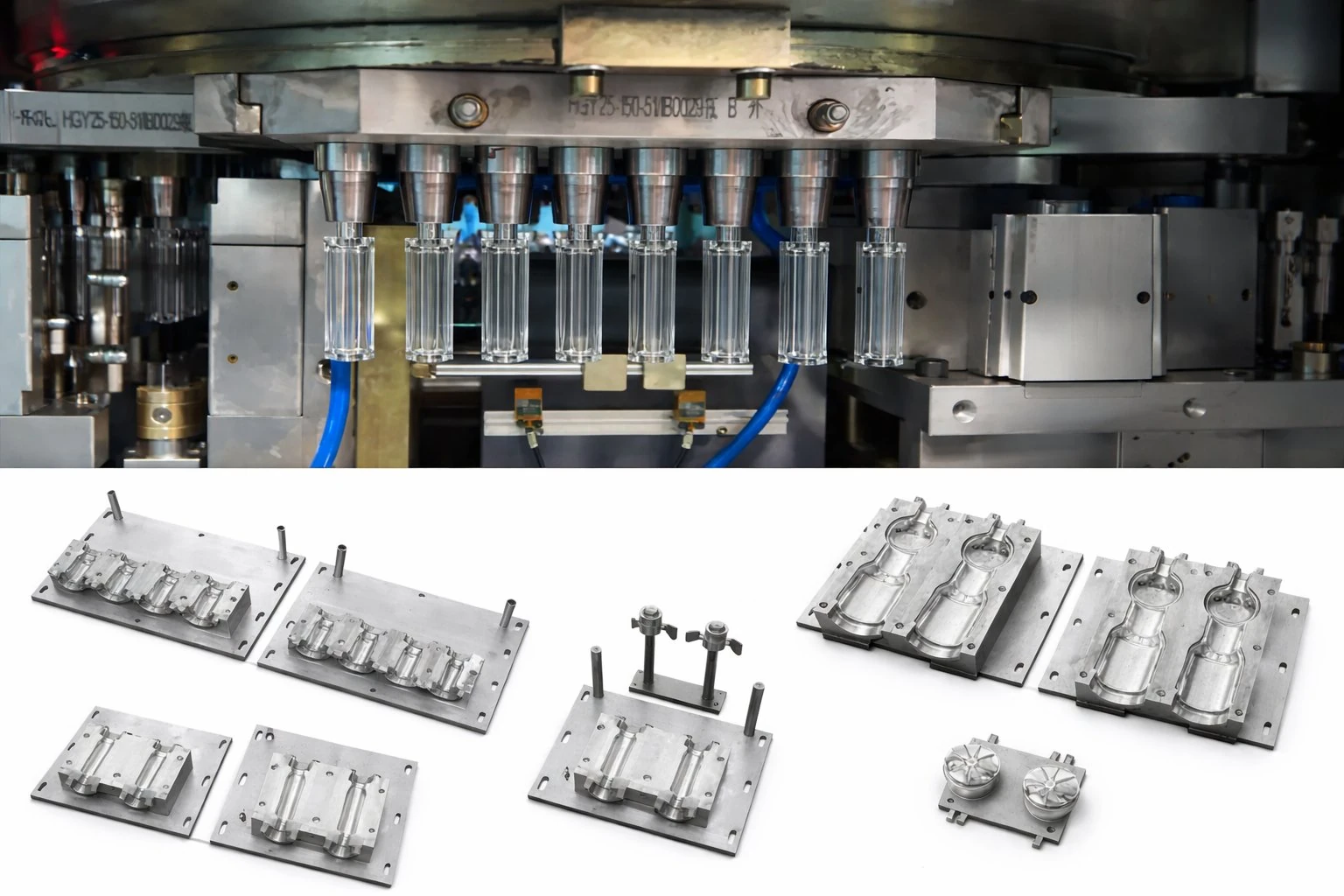
P20 (DIN 1.2311, također se isporučuje pod korejskom oznakom SCM415M i sličnim ekvivalentima) je prethodno kaljeni alatni čelik od hroma i molibdena, isporučuje se s tvrdoćom HRC 28-34. Njegova pozicija u korejskoj proizvodnji ISBM kalupa je kao prototip ili robna klasa malog obima - najjeftiniji je od ozbiljnih alatnih čelika, lako se obrađuje bez daljnje termičke obrade i lako se popravlja zavarivanjem kada je potrebna korekcija šupljina nakon početnog ispitivanja. Iz tih razloga, P20 je prikladan za primjenu u korejskim ISBM kalupima gdje projekcije obima proizvodnje ne prelaze 500.000-700.000 ispucanih šupljina ili gdje je kalup razvojni alat namijenjen validaciji dizajna boce prije nego što se odluči za čelik proizvodne klase.
Glavno ograničenje P20 za korejsku proizvodnju ISBM-a je njegova relativno niska tvrdoća (HRC 28–34 u poređenju sa 718H na HRC 36–42). Na ovom nivou tvrdoće, abrazivno trošenje od čestica PET i PETG smole - posebno u proizvodnim serijama koje uključuju pigmente masterbatch sa sadržajem neorganskih čestica (TiO₂, željezni oksid) - napreduje brže nego kod tvrđih vrsta. Hrapavost površine šupljine se povećava tokom proizvodne serije, što se manifestuje kao progresivno povećanje zamućenja u K-Beauty PETG bocama ili kao vidljivo proširenje linije zavara u zoni završne obrade vrata kako površina šupljine gubi svoj početni sjaj ogledala. Degradacija kvaliteta površine obično postaje komercijalno značajna nakon 400.000–600.000 pucanja za P20 u korejskoj proizvodnji K-Beauty PETG-a - znatno ranije od 1,5–2,0 miliona pucanja koje bi šupljina 718H postigla pri ekvivalentnom kvalitetu.
P20 je ispravno specificiran za korejske ISBM primjene gdje je obim proizvodnje zaista nizak (farmaceutske nišne primjene na <200.000 jedinica/godišnje, prilagođeni formati dodataka prehrani, izvozne pilot serije), gdje budžet za razvoj alata ne obuhvata premiju za 718H ili gdje se očekuju revizije dizajna šupljina tokom faze kvalifikacije proizvoda. Specifikacija P20 za korejski standardni kalup za proizvodnju pića ili lične njege za koji se očekuje da će proizvesti 2M+ doza je greška u specifikaciji koja najpredvidljivije generira izbježive troškove zamjene kalupa u korejskoj ISBM industriji.
3. 718H i 738H: Korejski standard proizvodnje ISBM-a
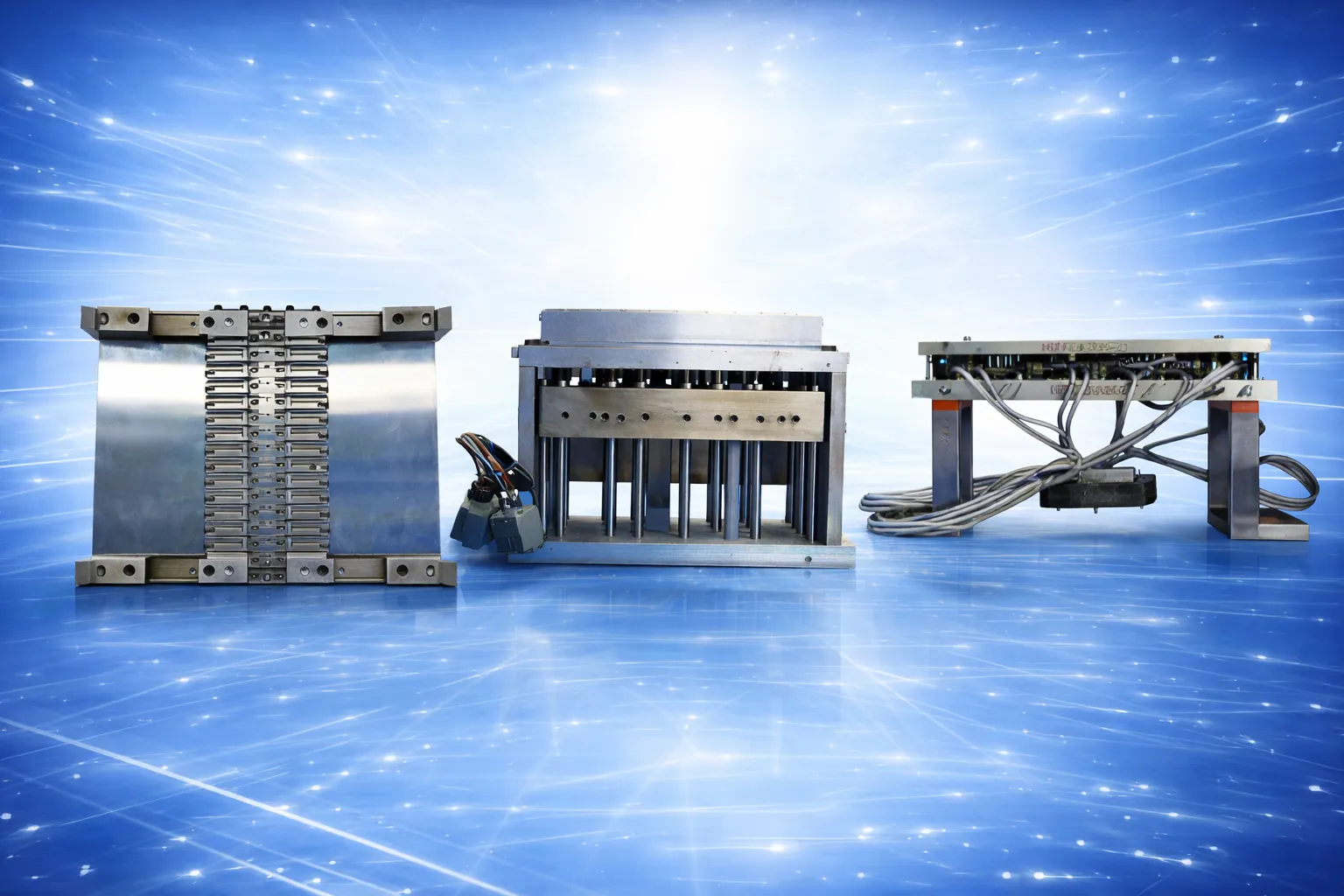
718H (DIN 1.2738, također nazvan P20+Ni u nekim korejskim katalozima dobavljača) je osnovni proizvodni standard za korejske ISBM kalupe u standardnim PET, PETG, K-Beauty i primjenama za pića. To je nikl-hrom-molibdenski prethodno kaljeni čelik isporučuje se na HRC 36–42 - tvrđi od P20, poliraniji i približno 2,5–3× duži vijek trajanja šupljine pri ekvivalentnim rasporedima održavanja. Dodatak nikla u 718H u poređenju sa P20 pruža dvije prednosti u proizvodnji: veću žilavost jezgre (smanjeni rizik od pucanja u kalupima sa složenom geometrijom vodenih kanala) i bolji odziv poliranja, postižući konzistentne A2 visokosjajne površine koje zahtijevaju revizori kvalitete marke K-Beauty.
738H (DIN 1.2738M) je modificirani 718H sa poboljšanom čistoćom (niži nivoi nečistoća sumpora i fosfora) i profinjenom strukturom zrna, što pruža vrhunsku poliranost do A1 optičke čistoće - klase potrebne za premium K-Beauty PETG boce gdje je specificiran sjaj ≥92 GU. Razlika između 718H i 738H je najvidljivija u optičkim performansama boce u zoni linije razdvajanja šupljine: šupljine 718H mogu pokazati vrlo slab otisak linije razdvajanja u visokosjajnim K-Beauty bocama pri velikom uvećanju pod direktnim LED osvjetljenjem; šupljine 738H polirane do A1 standarda su u suštini nevidljive u zoni linije razdvajanja. S obzirom na premium cijenu koju korejski K-Beauty brendovi plaćaju za PETG boce sa staklenom čistoćom, ova razlika u optičkom kvalitetu opravdava premiju 738H od približno 2-5 miliona KRW po setu kalupa.
Za standardnu korejsku proizvodnju pića, hrane i lične njege gdje su specifikacije sjaja ≤90 GU (visoki sjaj, ali ne i optička čistoća), 718H je ispravna specifikacija. Nadogradnja na 738H za ove primjene povećava troškove bez pružanja komercijalno značajne prednosti u kvaliteti. Specifikacija sistema vrućih kanala koja prati blokove šupljina 718H - i kompatibilnost između vrsta čelika za vruće kanale i vrsta čelika za šupljine na spoju razvodnika - obuhvaćena je u Vodič za inženjering sistema vrućih kanala.
4. Nehrđajući čelik 2316: Farmaceutska industrija, korozivne smole i proizvodnja rPET-a
2316 (DIN 1.2316, martenzitni nehrđajući alatni čelik sa sadržajem hroma 16–17%) je korejski čelik za kalupe ISBM za primjene gdje je otpornost na koroziju najvažniji zahtjev. Njegov sastav od nehrđajućeg čelika pruža inherentnu zaštitu od korozije od tri glavna vektora korozivnog napada u korejskoj proizvodnji ISBM-a: kondenzacijska vlaga u proizvodnim okruženjima s visokom vlažnošću (korejski proizvodni pogoni tokom ljeta, 85–95% relativna vlažnost), kiseli produkti razgradnje PVC-a ili određenih pigmenata masterbatcha i viši sadržaj organskih kiselina u nekim sirovinama za rPET smolu.
Za korejsku farmaceutsku proizvodnju ISBM-a - bočice za kapi za oči, spremnike za oralne tekućine - 2316 se sve više specificira kao čelik za šupljine jer farmaceutski GMP auditori procjenjuju standarde čistoće šupljina koje standardni alatni čelici ne mogu dosljedno ispuniti bez tretmana pasivizacije površine. Šupljina od nehrđajućeg čelika 2316 može se čistiti oksidirajućim sredstvima farmaceutske kvalitete (rastvori vodikovog peroksida, persirćetna kiselina) između proizvodnih serija bez oštećenja površine šupljine, dok bi 718H zahtijevao ponovno poliranje nakon istog protokola čišćenja. Ova prednost čišćenja, uz mogućnost poliranja do sjaja, čini ga vrstom čelika 2316 specificiranom u korejskoj Ever-Power farmaceutskoj liniji ISBM kalupa - u skladu sa Vodič za proizvodnju farmaceutske GMP ISBMzahtjevi specifikacije.
Primarni kompromis između 2316 i 718H je toplinska provodljivost: 2316 provodi toplinu s približno 15 W/m·K u odnosu na 34 W/m·K kod 718H. Ova niža toplinska provodljivost znači da blokovi šupljine 2316 zahtijevaju znatno agresivniji dizajn kanala za hlađenje kako bi se postiglo ekvivalentno vrijeme ciklusa hlađenja kalupa - obično 40–55% veću površinu kanala za hlađenje, s kanalima manjeg promjera postavljenim bliže površini šupljine. Korejski dizajneri ISBM kalupa koji specificiraju 2316 i koriste isti raspored kanala za hlađenje kao dizajn kalupa 718H će dosljedno proizvoditi vremena ciklusa 25–40% duža od njihovog ekvivalenta 718H, što ekonomiju proizvodnje po jedinici čini znatno lošijom, osim ako dizajn kanala za hlađenje nije odgovarajuće optimiziran za nižu provodljivost 2316.
Implikacije održavanja čelika 2316 u odnosu na 718H također se razlikuju: tvrdoća čelika 2316 (HRC 30–36, nešto niža od 718H) znači da je površina šupljine podložnija mehaničkim oštećenjima od rukovanja tokom promjene kalupa. Korejski programi održavanja ISBM-a za kalupe 2316 trebaju uključivati zaštitne prakse skladištenja umetaka za šupljine (umetci od polietilenske pjene specifični za šupljine) i strogu zabranu kontakta metalnih alata s površinama šupljina tokom promjene - zahtjevi dokumentirani u korejskom 5-slojnom okviru održavanja ISBM-a na Kontrolna lista preventivnog održavanja korejskog ISBM-a.
5. H13 (1.2344): Vruće punjenje PP-a i primjena na povišenim temperaturama
H13 (DIN 1.2344) je alatni čelik za vruću obradu, kaljen na HRC 48–56 kroz ciklus termičke obrade u vakuumu nakon grube mašinske obrade. Njegova glavna prednost za korejski ISBM je otpornost na termički zamor: ciklično zagrijavanje i hlađenje ISBM-a prilikom puhanja - od kontaktne temperature vrućeg predforme (~110–140°C na površini šupljine tokom puhanja) do temperature vode za hlađenje kalupa (~10–25°C) - predstavlja ciklus termičkog zamora koji vremenom akumulira oštećenja od mikropukotina u mekšim alatnim čelicima. Za standardne PP i PET primjene, 718H dobro podnosi ovaj termički ciklus. Za proizvodnju PP ISBM-a vrućim punjenjem na temperaturama kalupa od 130–160°C (kalupi za termičko fiksiranje za boce vrućeg punjenja), superiorna otpornost H13 na termički zamor značajno produžava vijek trajanja kalupa u poređenju sa 718H pri ekvivalentnim ciklusima temperature kalupa.
H13 je posebno ispravna klasa za korejske termofiksirane ISBM kalupe za duvanje (ne za komponentu kalupa za brizganje - kalup za brizganje i dalje koristi 718H ili 738H) gdje tijelo kalupa mora izdržati radnu temperaturu od 130–160°C tokom proizvodnje. Greška u specifikaciji koju korejski kupci najčešće prave sa H13 je njegova primjena na cijeli sklop kalupa, a ne samo na tijelo kalupa za duvanje - razvodnik vrućeg kanala, umeci za vrat i komponente šupljine za brizganje ne zahtijevaju otpornost na zamor na povišenim temperaturama koju nudi H13, a korištenje H13 za ove komponente dodaje nepotrebne troškove i složenost obrade bez poboljšanja performansi. Komponente kalupa H13 trebaju biti jasno dokumentirane odvojeno od komponenti 718H u specifikaciji korejskog ISBM kalupa, a samo tijelo kalupa za duvanje treba nositi oznaku H13.
6. Korejski izvori: Domaći naspram uvoznog čelika za ISBM kalupe
Korejski ISBM čelik za kalupe nabavlja se iz dva kanala: POSCO-ove domaće linije alatnih čelika i uvezenih evropskih vrsta od Böhlera (Austrija), Uddeholma (Švedska) i Assaba. Odluka o kvalitetu između korejskog domaćeg i evropskog uvoznog čelika za 718H nije toliko jasna kao što je bila prije pet godina - POSCO-ovi prethodno kaljeni čelici NAK80 i S-STAR sada ispunjavaju standarde čistoće i konzistencije potrebne za poliranje K-Beauty A2 po konkurentnim cijenama. Praktična razlika na korejskom tržištu kalupa 2026. godine:
Korejski POSCO / Domaći
Isporuka za standardne klase u roku od 2-4 sedmice (718H-ekvivalent NAK80, P20-ekvivalent DHA1). 10-25% ima nižu cijenu materijala od uvoza iz Evrope. Adekvatno za standardne ISBM kalupe za pića, hranu i robu široke potrošnje. Postoje određene varijacije u ujednačenosti tvrdoće kod blokova sa velikim šupljinama (>400 mm) u poređenju sa vrhunskim evropskim klasama. Preferiraju ga korejske radionice kalupa srednjeg nivoa zbog konkurentnih cijena ponuda.
Böhler / Uddeholm Import
Isporuka za 4-8 sedmica, distributer iz Koreje; premija od 180–420 hiljada KRW/kg u odnosu na domaće ekvivalente za klase 738H i 2316. Vrhunska mikročistoća (niži broj uključivanja sulfida) kod 738H (Böhler M238 ISOPLAST, Uddeholm STAVAX za 2316) — mjerljivo bolja A1 poliranje za premium K-Beauty i farmaceutske primjene. Zahtijeva se od strane korejskih farmaceutskih revizora kvaliteta za GMP umetke za šupljine. Specificira korejski Ever-Power za sve farmaceutske i premium K-Beauty setove kalupa.
Praktična preporuka za nabavku za korejske kupce ISBM kalupa: koristite domaći čelik POSCO kvalitete za standardne PET kalupe za proizvodnju pića i hrane sa specifikacijom ekvivalentnom 718H; navedite evropski uvozni čelik Böhler ili Uddeholm za K-Beauty PETG kalupe koji zahtijevaju poliranje A1 i za farmaceutske umetke za šupljine 2316. Premija performansi pri standardnim količinama proizvodnje pića ne opravdava troškove uvoznog čelika; pri premium cijenama K-Beauty i farmaceutske industrije, prednost u poliranju je komercijalno nadoknadiva unutar prve proizvodne serije.
7. Termička obrada i dimenzijska stabilnost šupljine
Prethodno kaljeni čelici (P20, 718H, 738H) se isporučuju u potpuno kaljenom stanju od strane proizvođača čelika - nije potrebna daljnja termička obrada nakon mašinske obrade, što eliminira rizik od dimenzionalne distorzije usljed ciklusa termičke obrade koji bi utjecali na uske dimenzijske tolerancije geometrije šupljine ISBM-a. To je glavni razlog zašto korejski proizvođači ISBM kalupa favoriziraju prethodno kaljene klase u odnosu na klase potpuno kaljene: dimenzije šupljine ISBM-a (tolerancija ±0,05 mm na kritičnoj geometriji umetka vrata) ne mogu se pouzdano održavati naknadnom termičkom obradom, jer se čelik neravnomjerno deformira tokom kaljenja i otpuštanja proporcionalno promjenama debljine presjeka.
Kalupi H13 zahtijevaju naknadno kaljenje i otpuštanje u vakuumu - obično na 1.020–1.050 °C austenitizacija, gašenje plinom, dvostruko popuštanje na 530–580 °C - a dimenzijska deformacija od 0,05–0,15 mm mora se očekivati i uzeti u obzir u dodatku za obradu. Korejske radionice za izradu ISBM kalupa s iskustvom u vakuumskom kaljenju H13 pouzdano održavaju konačne dimenzije šupljine unutar ±0,08 mm nakon termičke obrade, ali to zahtijeva promišljeno upravljanje dodacima i verificiranu specifikaciju termičke obrade. Korejski kupci koji naručuju kalupe H13 ISBM iz radionica bez dokumentirane mogućnosti vakuumskog kaljenja riskiraju dimenzijsku neusklađenost koja se ne može ispraviti nakon kaljenja bez potpune ponovne obrade šupljine. Veza između dimenzijske tačnosti kalupa i njenog utjecaja na stopu otpada dokumentirana je u Vodič za smanjenje stope otpada ISBM u Koreji.
8. Odabir vrste čelika prema korejskoj ISBM aplikaciji
| Aplikacija | Šupljina tijela | Umetak za vrat | Jezgrene šipke | Obrazloženje |
|---|---|---|---|---|
| Standardni PET napitak (voda, sok) | 718H | 718H | 718H | Vijek trajanja doze od 1,5–3 miliona ispunjava standardne korejske zahtjeve za količinu pića |
| K-Beauty PETG premium (>90 GU) | 738H | 718H ili 738H | 718H | Obavezna poliranost A1; optička čistoća PETG-a zahtijeva minimalno 738H šupljinu |
| Farmaceutska KFDA-GMP | 2316 | 2316 | 718H ili 2316 | Farmaceutski protokoli čišćenja zahtijevaju nehrđajući čelik na svim kontaktnim površinama. |
| Vruće punjenje PP sikhye / bori-cha | H13 (udarac) | 718H | H13 | Tijelo kalupa za duvanje na 130–160°C zahtijeva otpornost na termički zamor H13 |
| rPET ≥30% inkluzija | 2316 ili 718H | 2316 | 718H | rPET neorganski ostaci ubrzavaju abraziju umetka za vrat; preporučuje se 2316 umetaka za vrat |
| Prototip / razvoj | P20 | P20 | P20 | Jeftin, popravljiv zavarivanjem — prihvatljiv za validaciju dizajna pri <300.000 pucanja |
Često postavljana pitanja
Podrška za specifikaciju kalupa
Nabavljate novi ISBM kalup i niste sigurni koju vrstu čelika odabrati?
Korejski Ever-Powerov tim za inženjering kalupa pregleda vašu primjenu u proizvodnji boca, godišnju prognozu količine, vrstu smole i zahtjeve za kvalitetom površine - i daje preporuku za vrstu čelika s očekivanim vijekom trajanja šupljine i modeliranjem troškova po ubacivanju prije nego što se odlučite za ulaganje u alate.
Povezani resursi
Prilagođeni alati
Dizajn i isporuka prilagođenih ISBM kalupa
Svi korejski Ever-Power prilagođeni kalupi specificiraju vrstu čelika za svaku primjenu - P20, 718H, 738H, 2316 ili H13, u skladu s vašim zahtjevima za količinu i kvalitetu.
Asortiman kalupa
ISBM asortiman kalupa — Sve vrste
Standardni ASB-12M kompatibilni umeci i prilagođeni setovi šupljina — svi s dokumentiranim certifikatom o kvaliteti čelika.
Referentni proizvod
150ml ISBM kalup za sklapanje ASB-12M
Set umetaka za šupljine 718H sa 12 šupljina — demonstrira standardnu specifikaciju čelika za korejsku farmaceutsku i K-Beauty proizvodnju.