INDUSTRY VERTICAL GUIDE
K-Beauty ISBM Production: Complete 2026 Guide for Korean Cosmetic Brands
Korean cosmetic exports reached $11.43 billion in 2025 with the United States overtaking China as the largest market for the first time. K-beauty packaging innovation, particularly airless pump systems and PETG premium bottles, drives global category growth. This guide documents the complete ISBM production framework for K-beauty brands across material selection, bottle categories, sustainability compliance, and Korean supply chain partner selection.
TL;DR — Quick Summary
K-beauty ISBM production divides into seven primary bottle categories: serum droppers (5-30ml), airless pumps (30-100ml), toner bottles (150-300ml), lotion pumps (100-200ml), cream jars (50-100ml), sun protection (50-150ml), and cleansing bottles (150-500ml). Material selection drives premium positioning: PETG dominates clear premium aesthetic, Tritan serves baby skincare extensions, PP enables airless pump mechanisms, rPET addresses K-EPR sustainability mandates. Korean ISBM platforms with full-servo architecture and S136 mould steel deliver the precision Korean K-beauty brands require for global premium positioning. Custom mould investment of 30-60M KRW typically recovers within 6-12 months through 15-25% premium pricing capability over standard formats. Supplier selection should prioritize ISO 22716 GMP compliance, custom mould engineering capability, and global export certification support.
In This Guide
- K-Beauty Industry Context: Why ISBM Matters
- 2026 K-Beauty Export Market Outlook
- 7 Critical K-Beauty Bottle Categories
- Material Selection for K-Beauty Quality
- ISBM Processing for K-Beauty Standards
- Sustainability & K-EPR Compliance
- Custom vs Standard Mould Decision
- Choosing Korean ISBM Partner
- Frequently Asked Questions
- Conclusion
1. K-Beauty Industry Context: Why ISBM Matters
Korean cosmetics have transformed from regional category to global beauty leader over the past decade. South Korea is now the world’s second-largest cosmetics exporter, driving innovation in beauty packaging that combines functionality with stunning aesthetics. Korean manufacturers lead the industry in airless technology, cushion compacts, and sustainable packaging solutions. For K-beauty brands competing in premium global markets, packaging quality is not a peripheral consideration but a core competitive differentiator equal in importance to formula efficacy.
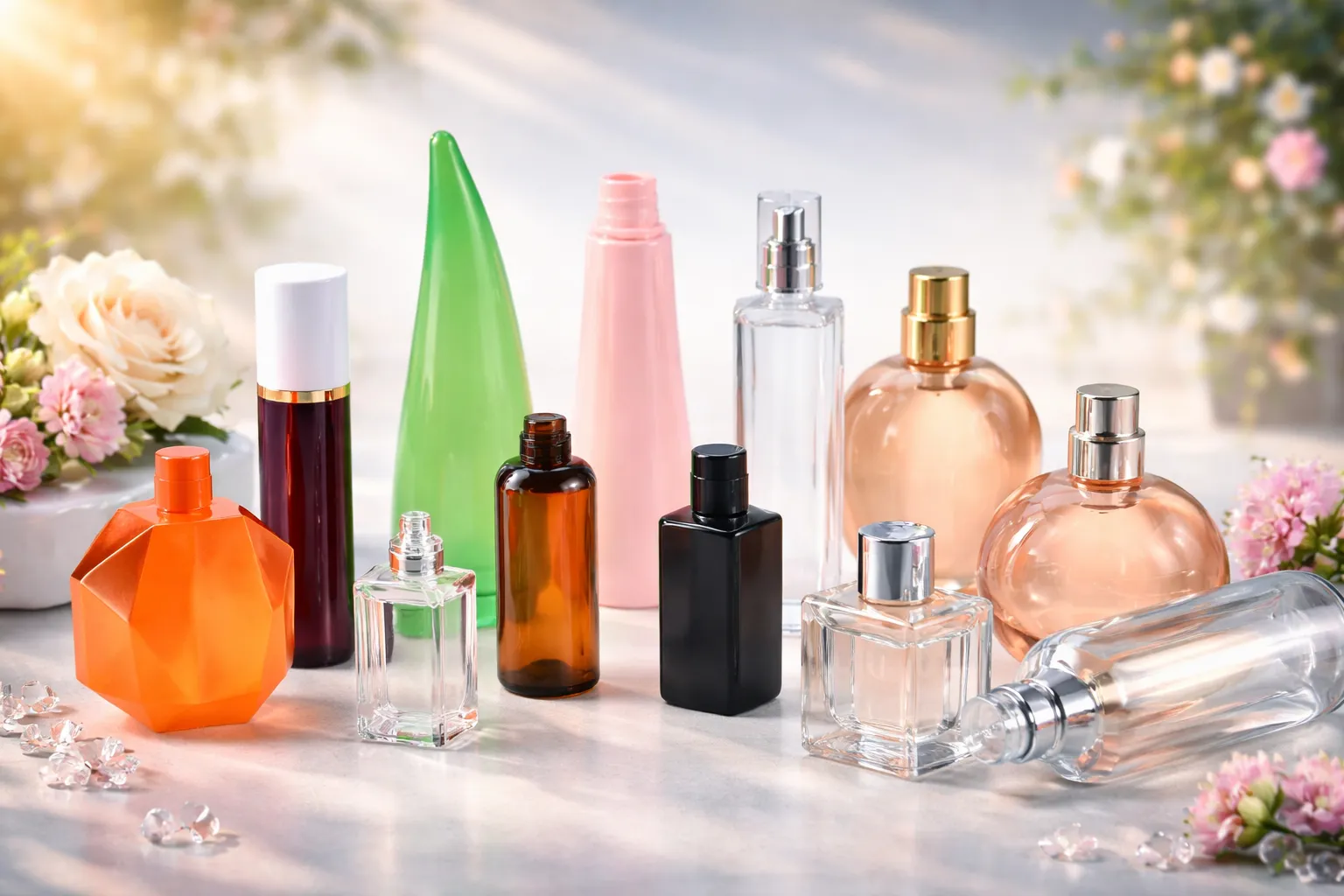
ISBM (injection stretch blow moulding) production sits at the heart of K-beauty’s packaging excellence. Three K-beauty packaging characteristics depend directly on ISBM precision: glass-like clarity that showcases formula color and texture, dimensional consistency that enables precise pump and dropper mechanisms, and lightweight efficiency that supports the premium-yet-portable aesthetic K-beauty consumers expect. Korean ISBM producers have developed specialized expertise serving these requirements that international competitors struggle to match.
For K-beauty brand procurement directors, ISBM partner selection involves multiple decision dimensions beyond pure cost optimization. Material selection (PETG, Tritan, PP, or rPET) must match formula requirements and brand positioning. Mould customization (standard vs custom) affects both differentiation potential and capital cost. Production scale (cavity count, machine architecture) must align with annual volume forecasts. Sustainability compliance (K-EPR, ISO 22716, export market requirements) increasingly shapes long-term supplier viability. The framework below addresses each dimension systematically.
2. 2026 K-Beauty Export Market Outlook
Korean cosmetic exports hit a new high in 2025 according to statistics from the Ministry of Food and Drug Safety (MFDS). Total exports exceeded $11.43 billion, a 12.3% increase from the previous year’s $10.18 billion. Most significantly, the largest export destination shifted from China to the United States for the first time. The geographic restructuring of K-beauty demand has direct implications for packaging and material decisions.
| Export Market | 2025 Value | YoY Change | Share |
|---|---|---|---|
| United States 🇺🇸 | $2.186B | +15.1% | 19.1% |
| China 🇨🇳 | $2.014B | -19.2% | 17.6% |
| Japan 🇯🇵 | $1.087B | +5.0% | 9.5% |
| Other 199 destinations | $6.143B | +18% | 53.8% |
| Total K-beauty exports | $11.43B | +12.3% | 100% |
The shift toward Western markets affects packaging requirements meaningfully. US consumers favor minimalistic premium aesthetic over the elaborate Korean domestic style. Western retailers (Sephora, Ulta, Target) impose strict packaging durability requirements for shipping and shelf handling. Compliance documentation including ISO 22716 GMP, FDA Letter of No Objection, and California Prop 65 testing has become standard for Korean K-beauty brands targeting the US market.
Within product categories, basic skincare (toners, serums, lotions, creams) accounts for 74.7% of K-beauty exports at $8.54 billion. Color cosmetics grew 12% year-over-year. Personal care expanded 27.3%. Fragrance saw the highest growth at 46.2% indicating premium category expansion. For ISBM producers, basic skincare bottle production represents the dominant volume opportunity while specialty applications (airless pumps, dropper systems, premium fragrance bottles) deliver the highest per-unit margins.
3. 7 Critical K-Beauty Bottle Categories
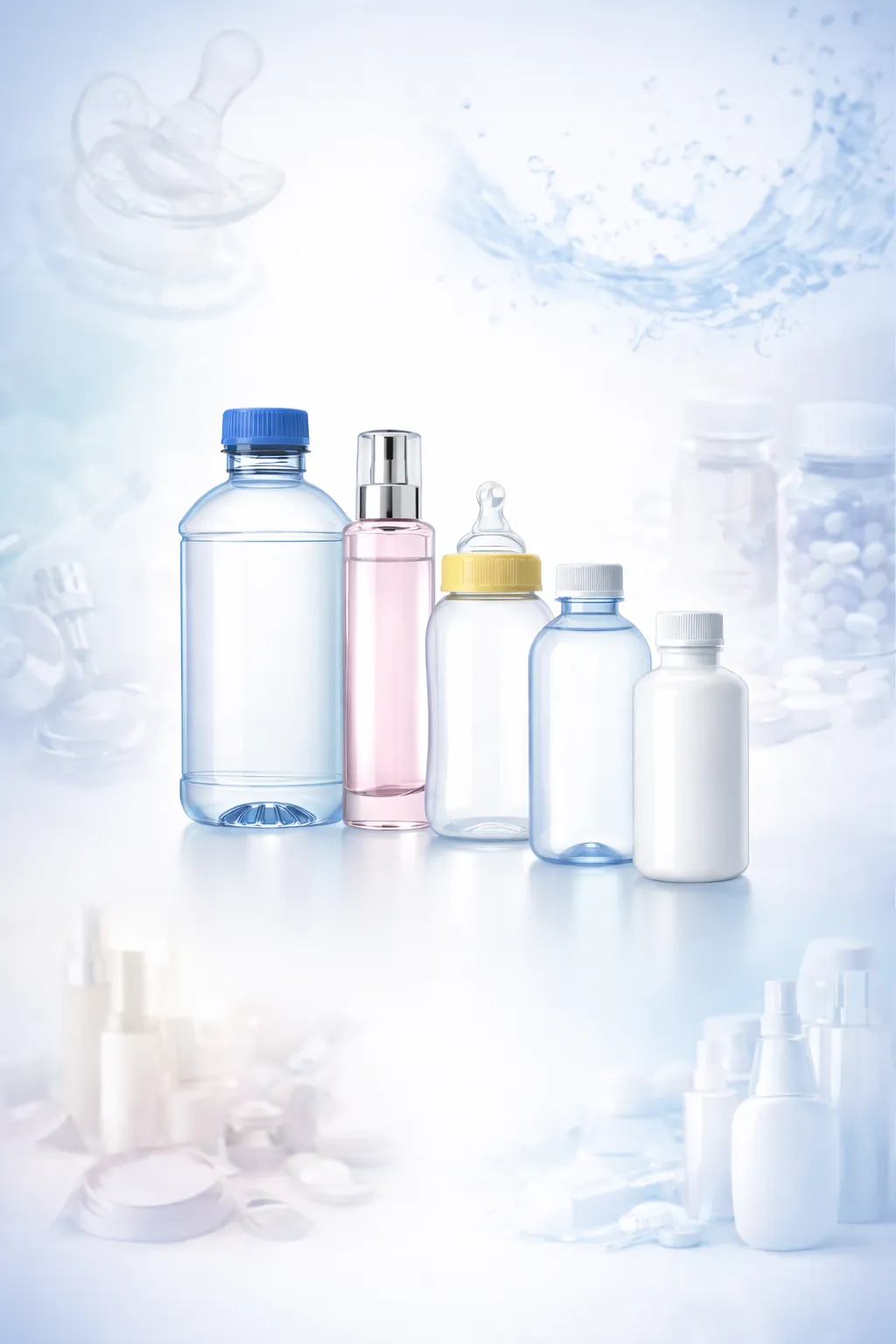
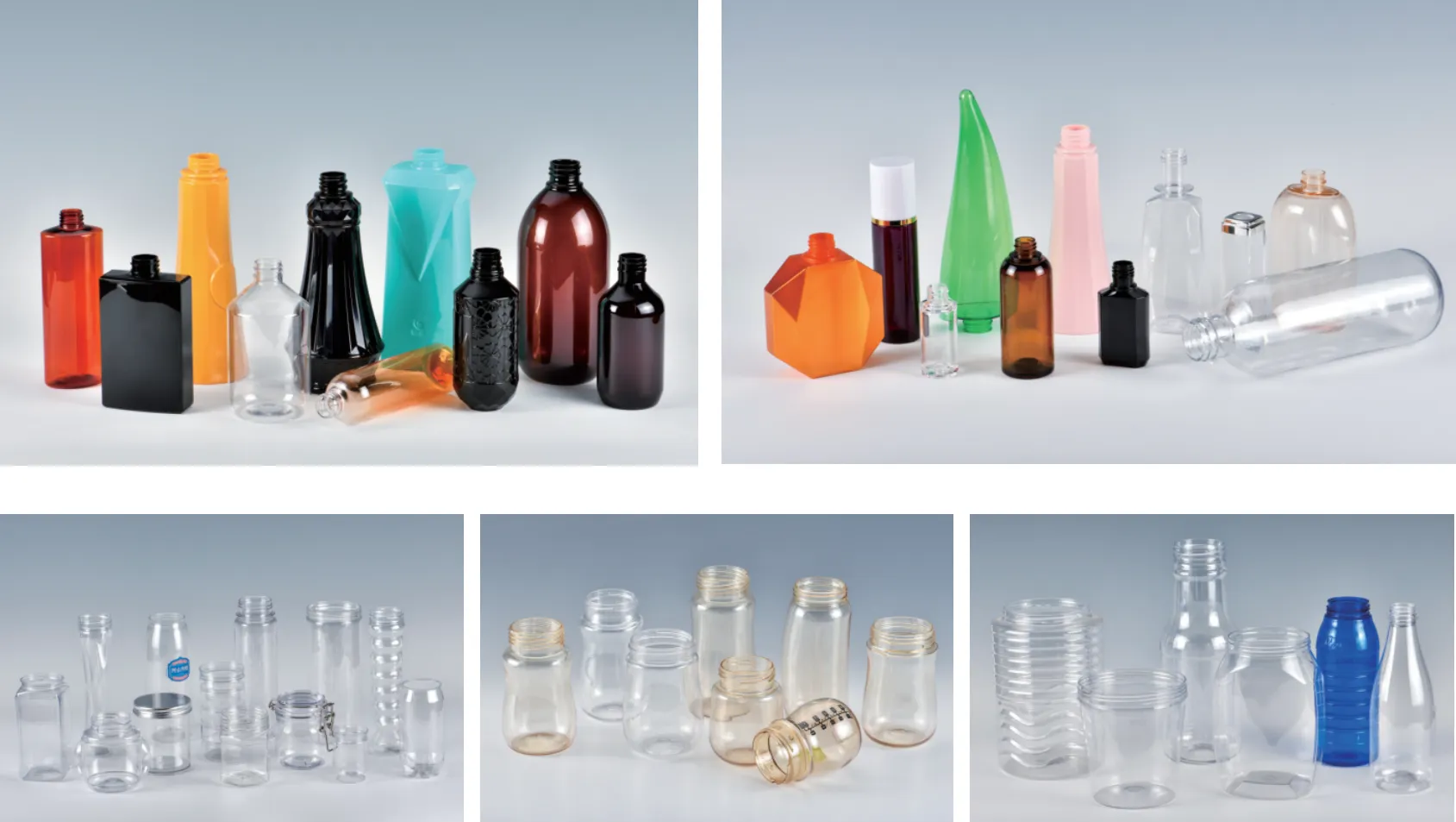
K-beauty product portfolio decomposes into seven primary bottle categories, each with distinct ISBM production requirements. Understanding category-specific specifications enables Korean brands to optimize platform selection, material choice, and cavity count across the full product portfolio.
| Bottle Category | Capacity Range | Primary Material | Typical Cavity |
|---|---|---|---|
| 1. Serum dropper bottle | 5-30ml | PETG / Glass | 12 cavity |
| 2. Airless pump bottle | 30-100ml | PP (pump) + PETG (outer) | 8 cavity |
| 3. Toner bottle | 150-300ml | PET / PETG | 6-8 cavity |
| 4. Lotion pump bottle | 100-200ml | PETG | 8 cavity |
| 5. Cream jar | 50-100ml | PETG / PP | 8 cavity |
| 6. Sun protection bottle | 50-150ml | PETG / PP | 8 cavity |
| 7. Cleansing bottle | 150-500ml | PET / rPET | 6 cavity |
Three categories deserve specific attention for Korean K-beauty producers. First, airless pump bottles represent the fastest-growing segment globally, with K-beauty brands holding category innovation leadership. The dual-material construction (PP pump mechanism + PETG outer bottle) requires multi-material ISBM capability and precise dimensional matching between components. Second, serum dropper bottles command the highest per-unit margins (typically 800-2,000 KRW per bottle wholesale) and demand exceptional clarity supporting active ingredient color visibility. Third, refillable cleansing bottles emerging under K-EPR sustainability pressure require structural durability for 5+ refill cycles.
For comprehensive cavity sizing across category portfolio, see the cavity count calculator framework. K-beauty brands operating across multiple categories typically benefit from dedicated mould sets per category rather than attempting universal cavity configurations.
4. Material Selection for K-Beauty Quality
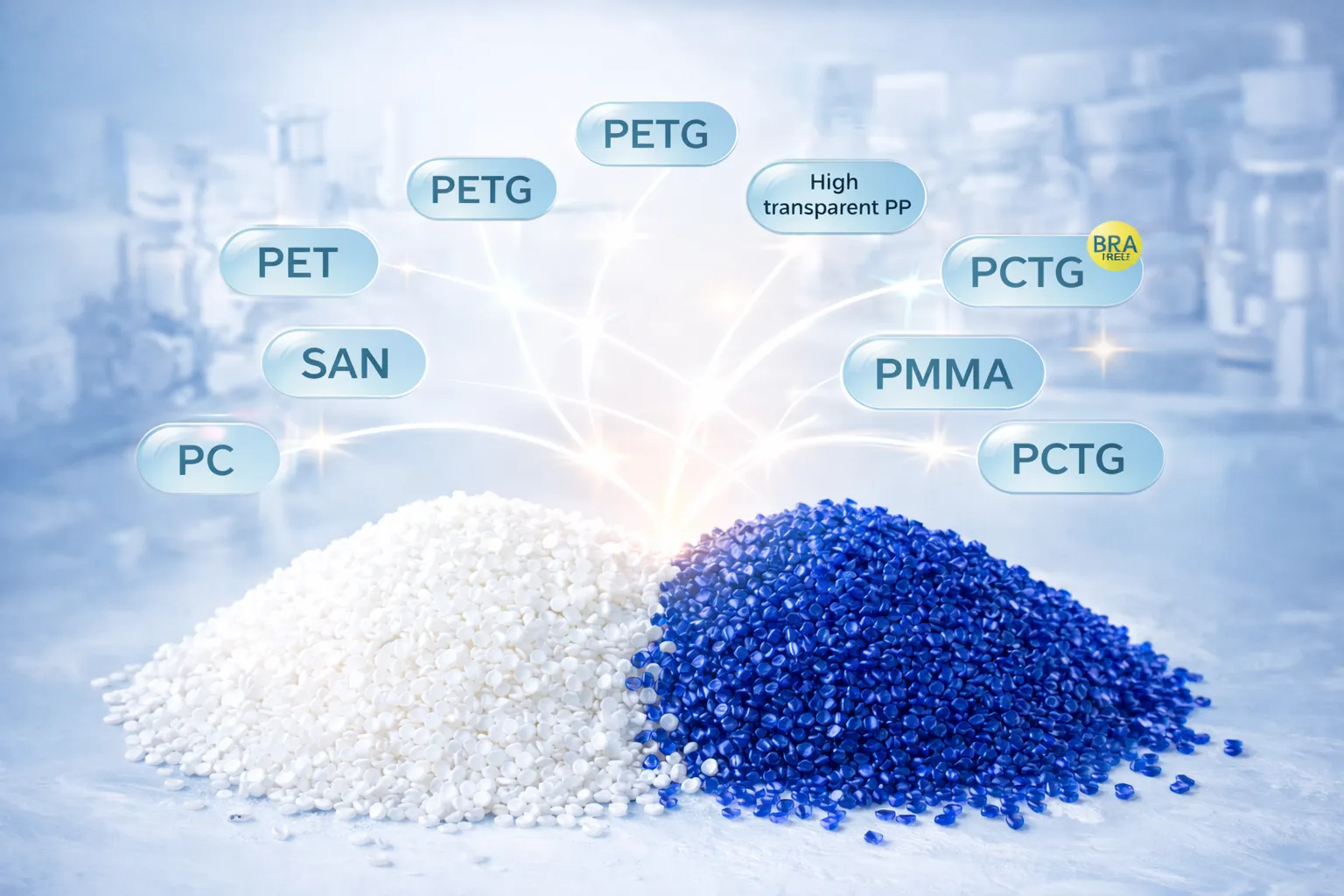
K-beauty material selection drives premium positioning and global market acceptance. Four materials dominate K-beauty ISBM production, each serving specific application contexts and regulatory requirements.
| Material | K-Beauty Use Case | Cost vs PET |
|---|---|---|
| PETG | Premium clear bottles, lotion, cream | +25-40% |
| PET (virgin) | Standard toner, cleansing bottles | Baseline |
| PP | Airless pump components, tubes | -5-15% |
| rPET (10-30%) | K-EPR compliant standard SKUs | +8-15% |
| Tritan (specialty) | Baby skincare line extensions | +150-200% |
PETG is the default premium choice for K-beauty bottle production. The copolyester delivers superior optical clarity, chemical resistance to cosmetic actives, and the dimensional precision K-beauty mechanical components require. The 25-40% material cost premium over standard PET is easily absorbed in premium retail pricing where K-beauty bottles typically wholesale at 2-8x material cost. For comprehensive PETG processing details, see the PET vs PETG selection guide.
PP serves a specialized but growing role in K-beauty airless pump systems. The pump piston, dip tube, and chamber components require PP’s mechanical fatigue resistance and chemical resistance properties that PETG cannot match. K-beauty airless innovation has driven Korean producers to develop multi-material expertise combining PP pump components with PETG outer bottles in integrated production. For PP processing context, see the PP vs PET comparison guide.
5. ISBM Processing for K-Beauty Standards
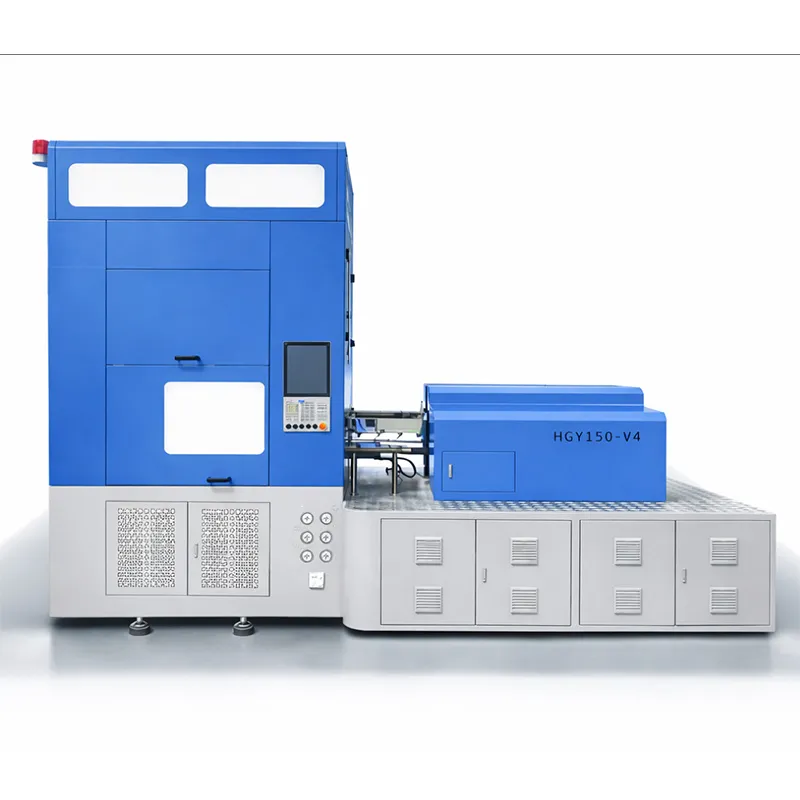
K-beauty production demands ISBM precision standards that exceed commodity packaging requirements. Three quality dimensions distinguish K-beauty production from standard ISBM operation: dimensional consistency, surface finish, and material handling discipline.
| Quality Dimension | K-Beauty Standard | Commodity Standard |
|---|---|---|
| Bottle weight tolerance | ±0.3-0.5% | ±1.0-1.5% |
| Neck finish tolerance | ±0.05mm | ±0.10mm |
| Wall thickness consistency | ±3-5% | ±8-12% |
| Surface defect rate | <0.5% | <2.0% |
| Optical clarity haze | <1.5% | <3.0% |
| Color match (vs target) | ΔE <1.0 | ΔE <3.0 |
Achieving K-beauty quality standards requires specific platform and process choices. Full-servo ISBM platforms deliver the cycle-to-cycle parameter consistency necessary for tight weight and dimensional tolerances; older hydraulic platforms typically cannot achieve K-beauty specifications regardless of operator skill. S136 stainless mould steel maintains dimensional precision over millions of shots; budget steel grades produce gradual dimensional drift that fails K-beauty quality acceptance.
Material handling discipline distinguishes K-beauty operations particularly. Premium PETG processing requires desiccant drying achieving -40°C dew point, dedicated material handling systems preventing cross-contamination from other materials, and rigorous purge protocols during material changeover. Korean K-beauty contract fillers typically dedicate specific ISBM platforms to premium materials rather than attempting multi-material switching on single platforms. For detailed cycle time optimization, see the cycle time optimization framework.
6. Sustainability & K-EPR Compliance
Sustainability has evolved from optional differentiator to mandatory compliance requirement for K-beauty brands. South Korea’s national carbon neutrality goal for 2050 has driven progressive packaging sustainability mandates. Industry analysts predict that by 2030, up to 80% of cosmetic packaging in South Korea will be recyclable, compostable, or refillable. K-beauty brands that fail to align with this trajectory face both regulatory and market access challenges.
| Sustainability Dimension | 2026 Status | 2030 Target |
|---|---|---|
| K-EPR rPET mandate | 10% (effective Jan 2026) | 30% |
| Refillable packaging share | ~15% | 35-50% |
| Mono-material design | ~40% | 75%+ |
| Recyclability labeling | Mandatory | Mandatory + grade-tiered |
| PCR plastic adoption | ~25-30% | 50%+ |
For Korean K-beauty brands serving global markets, sustainability investments serve dual purposes. First, regulatory compliance with K-EPR domestic mandates and emerging international requirements (EU Packaging and Packaging Waste Regulation, US state-level mandates). Second, marketing differentiation in increasingly sustainability-conscious consumer markets. Major K-beauty brands including Amorepacific and LG Household & Health Care have made sustainability commitments that smaller brands must match to maintain competitive positioning.
Practical K-EPR compliance for K-beauty brands typically involves rPET integration in standard PET applications (cleansing bottles, larger toner formats) while maintaining virgin PETG for premium applications where rPET clarity limitations are unacceptable. The 10% rPET requirement effective January 2026 typically adds 8-15 million KRW annual material cost for mid-size K-beauty brands; this cost is recoverable through premium positioning combined with consumer willingness to pay sustainability premiums.
7. Custom vs Standard Mould Decision
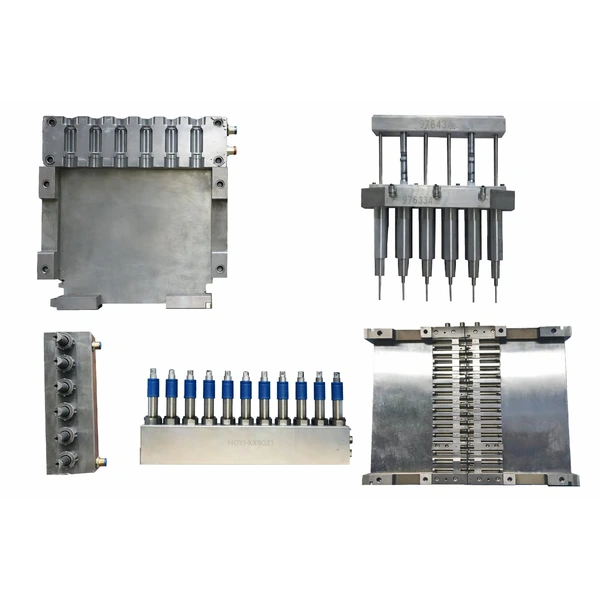
For K-beauty brands competing on bottle aesthetic differentiation, custom mould investment is typically justified by premium pricing capability. The standard versus custom decision deserves systematic analysis incorporating brand strategy, capital availability, and production scale.
| Dimension | Standard Mould | Custom Mould |
|---|---|---|
| Capital cost | 120-220M KRW | 180-380M KRW |
| Lead time | 6-10 weeks | 12-18 weeks |
| Brand differentiation | Limited | High |
| Premium pricing capability | Baseline | +15-25% |
| Minimum viable volume | 500K-1M bottles | 2-3M bottles |
| Best application | Indie brands, line extensions | Hero SKUs, premium ranges |
For typical K-beauty hero SKUs (top 3-5 products driving brand recognition), custom mould investment recovers within 6-12 months through premium pricing capability. A serum bottle commanding 25,000 KRW retail (vs 18,000 KRW commodity equivalent) generates 7,000 KRW additional gross margin per unit. At 1 million annual units, this produces 7 billion KRW incremental gross profit, easily recovering 380M KRW custom mould investment. For lower-volume line extensions and supporting SKUs, standard mould formats deliver superior ROI.
Korean K-beauty brand strategy increasingly mixes custom and standard moulds across product portfolio. Hero SKUs justify custom mould investment for differentiation; supporting line extensions use standard formats for capital efficiency. This portfolio approach optimizes total brand investment across the SKU mix. For comprehensive mould selection framework, see the mould selection guide.
8. Choosing Korean ISBM Partner
K-beauty ISBM partner selection involves evaluation across six dimensions that distinguish premium-capable suppliers from commodity-focused alternatives. Korean K-beauty brands typically engage 2-3 candidate suppliers in detailed evaluation before committing to long-term partnerships.
| Evaluation Criterion | Premium-Capable Indicator |
|---|---|
| 1. Quality certification | ISO 9001 + ISO 22716 + GMP |
| 2. Material capability | PETG + PP + rPET dedicated lines |
| 3. Custom mould engineering | In-house design + 3D prototyping |
| 4. Decoration capability | Screen print + hot stamp + UV coating |
| 5. Export documentation | FDA / EFSA / Prop 65 / SGS test |
| 6. Sustainability practice | PCR processing + carbon documentation |
For typical K-beauty brand procurement, MOQ (minimum order quantity) considerations significantly affect supplier selection. Korean K-beauty packaging suppliers typically operate stock packaging MOQs from 5,000 units and custom packaging MOQs from 10,000 units. Custom mould lead times typically run 6-8 weeks; production lead times typically 4-6 weeks following mould readiness. Indie K-beauty brands with smaller initial volumes should prioritize suppliers offering flexible MOQ structures rather than committing to high-MOQ relationships before market validation.
9. Frequently Asked Questions
Q: How do US export requirements differ from Korean domestic?
US export requires FDA Letter of No Objection for material food contact equivalence, California Prop 65 compliance documentation, and increasingly retailer-specific durability testing (Sephora, Ulta, Target each maintain specific shipping and shelf testing requirements). Packaging weight must accommodate US tier-pricing structures that often exclude heavy glass for shipping cost reasons, favoring lightweight PETG over glass. ISO 22716 GMP compliance is increasingly required by US retailers as baseline manufacturing quality standard. Plan 4-6 month additional lead time for first US export shipments to accommodate certification documentation.
Q: Can I produce both PETG bottles and PP airless components on the same line?
Technically yes with material changeover protocols, but typically not recommended for premium K-beauty production. Premium K-beauty contract fillers typically dedicate ISBM platforms to specific materials to prevent cross-contamination risks and minimize changeover quality variability. For multi-material production, two-platform configuration (one for PETG, one for PP) is standard. Smaller operations attempting single-platform multi-material runs typically sacrifice 15-25% of premium quality margin through changeover discipline limitations.
Q: How does K-beauty ROI differ from commodity beverage ISBM ROI?
K-beauty per-bottle margins typically run 3-5x commodity beverage equivalents, dramatically accelerating ROI. A K-beauty serum bottle producing 800 KRW gross margin per unit compares to 35-50 KRW for commodity water bottle. This margin differential supports faster ROI on equivalent capital investment, making custom mould and full-servo platform investments more economically justified for K-beauty than commodity applications.
Q: What’s the realistic timeline from concept to first K-beauty production?
For custom K-beauty bottle development, typical timeline is 18-26 weeks from initial concept to first production. Phases: design and 3D prototyping (4-6 weeks), mould engineering and manufacturing (6-8 weeks), first article qualification (2-4 weeks), pre-production testing including export certification (4-6 weeks), production launch (2-3 weeks). Standard mould scenarios typically run 8-12 weeks total. Indie brands targeting fast launches should plan minimum 6-month timeline from initial supplier engagement; established brands with strong supplier relationships can achieve 4-month timelines on follow-on SKUs.
10. Conclusion
K-beauty has reached global beauty leadership through combination of formulation innovation and packaging excellence. The 2025 transition with US overtaking China as the largest export market at $2.186 billion signals long-term geographic diversification opportunities for Korean cosmetic brands. ISBM production excellence remains foundational to K-beauty competitive positioning across the seven primary bottle categories from serum droppers through cleansing bottles.
For Korean K-beauty brands, ISBM partner selection involves multi-dimensional evaluation across material capability, custom mould engineering, decoration services, export documentation support, and sustainability practice. Premium-capable suppliers integrate ISO 22716 GMP compliance with PETG/PP/rPET material expertise, custom mould design, and global certification support. The capability gap between commodity-focused and premium-capable suppliers has widened significantly with K-beauty’s global expansion; brands selecting suppliers based purely on cost optimization typically face quality and certification challenges that constrain long-term growth.
Sustainability investments through K-EPR rPET integration, refillable packaging adoption, and mono-material design alignment serve dual roles: regulatory compliance and brand differentiation in increasingly sustainability-conscious global markets. Korean K-beauty brands implementing sustainability strategy ahead of regulatory mandates typically capture both compliance buffer and consumer marketing advantages over reactive competitors. For 2026, the optimal strategic posture combines premium PETG production for hero SKUs, rPET integration for standard SKUs, and selective custom mould investment for category differentiation.
Ready to Launch K-Beauty Production?
Share your bottle category, target volume, material preference, and export market portfolio. Our Korean engineering team returns ISBM platform recommendation, mould specification, certification roadmap, and complete production timeline within 5 business days.
Editor: Cxm