テクニカルガイド · IBMマシン構成 · 韓国エバーパワー
射出ブロー成形
虫歯の数 選択ガイド
キャビティ数は、IBM機械選定において最も重要な仕様であり、機械1台あたりの年間生産量、単位生産能力あたりの設備投資額、KFDA認証コスト、および生産の柔軟性を決定づける要素です。このガイドでは、韓国の医薬品、家庭用化学品、化粧品向けIBM生産において、あらゆる年間生産量に対応する適切なキャビティ数の計算方法を詳細に解説します。
ZQ40 → ZQ135シリーズ
韓国の工場経済
KOREA EVER-POWER · 京畿道安山市 · 2026年7月
システムリファレンス・ZQシリーズキャビティカウントパラメータ
最大キャビティ数 @ 10ml
30
ZQ135フラッグシップモデル · 約23,800本/時
サイクル時間(乾燥時)
4.0秒
すべてのZQモデル · 4秒乾燥サイクル
目標利用率
70–85%
韓国の2交代制年間生産目標
効率係数
88%
能力計画のための定格出力に適用
セクション01
なぜ虫歯数測定がIBMの重要な仕様なのか
で IBMマシン 選定において、キャビティ数は最も重要な決定事項であり、機械のクランプ力、バレルサイズ、制御システムの仕様よりも重要です。なぜなら、特定の容器フォーマットにおけるキャビティ数は、機械年当たりの年間生産量、年間生産能力単位当たりの設備投資コスト、生産目標当たりに必要なKFDA医薬品認証の数、および韓国工場の生産スケジュールの柔軟性を直接決定するからです。機械発注時にキャビティ数を正しく設定することで、韓国のIBM投資における最も高額なミス、すなわちキャビティ数の過少指定(機械が必要な年間生産量を達成できず、2台目の機械の購入を余儀なくされる)またはキャビティ数の過剰指定(機械の稼働率が50%を下回り、資本に対する許容できないリターンを生み出す)を回避できます。
IBMの生産方式はEBMとは構造的に異なります。EBMでは、生産速度は主にサイクルタイム(機械のサイズと容器の重量によって変動する)によって決まりますが、IBMでは、ZQシリーズはモデルに関係なくサイクルタイムが基本的に4秒に固定されているため、生産量はほぼ完全に同時に稼働するキャビティの数によって決まります。9キャビティのZQ40と30キャビティのZQ135はどちらも約4秒のサイクルで稼働しますが、ZQ135が1時間あたり3.33倍多くのボトルを生産するのは、稼働速度が速いからではなく、1サイクルあたり3.33倍多くのボトルを生産するからです。つまり、IBMではキャビティ数は文字通り生産能力に相当し、キャビティを追加するたびに生産速度が固定的に増加するのであって、サイクル速度が向上するわけではありません。
韓国のIBM(インライン成形機)メーカーが、容器フォーマットに応じた具体的なキャビティ数を確認せずに、機械の型締め力(KN)や機種番号のみに基づいて投資判断を行うと、サイズ選定に誤りが生じることがよくあります。例えば、1,100 KNのZQ110は、10 mlの医薬品容器であれば24個のキャビティを成形できますが、500 mlの家庭用化学薬品容器であれば6~8個しか成形できません。これは、同じ機械でも全く異なる生産量です。このガイドでは、韓国のIBMメーカーが、自社の容器フォーマット、年間生産量、韓国工場のシフトスケジュールに合わせてキャビティ数を正しく指定するために必要な計算フレームワークと参考データを提供します。
セクション02
IBM虫歯数計算式
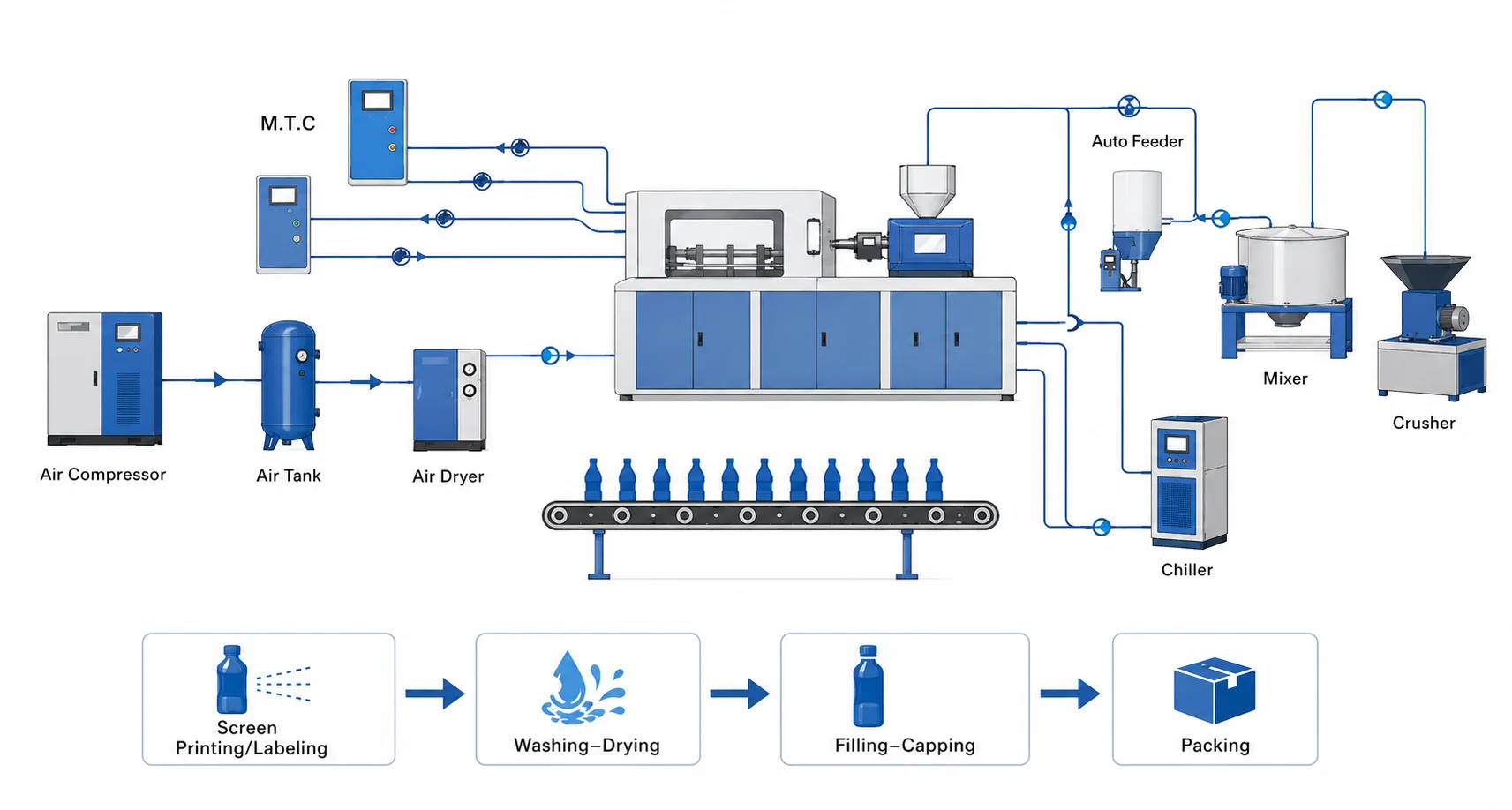
計算フレームワーク · IBMキャパシティプランニング
ステップ1 — 必要な年間販売量
季節的なピーク時のバッファを含めた年間必要生産量を算出する。韓国の小売業における販促需要と生産設備のメンテナンスによるダウンタイムのバッファとして、基本年間生産量に15~20%を加算する。
ステップ2 ― 韓国工場の勤務時間
韓国の2交代制は、1日14時間×250日=年間3,500時間です。韓国の3交代制は、1日21時間×250日=年間5,250時間です。韓国の労働状況から3交代制の実施が確定しない限り、計画の基準は2交代制とします。
ステップ3 — 虫歯数計算式
N = V_annual ÷ (3,600 ÷ T_cycle × E × H_annual)
N = 必要最小限の空洞数
V_annual = 年間目標単位数
T_cycle = 4.0秒(ZQシリーズ)
E = 0.88 (88%効率)
年間労働時間 = 3,500時間(2交代制)
ステップ4 — 利用状況の確認
Nを次の利用可能なZQキャビティ数に切り上げます。機械稼働率 = V_annual ÷ (N × 793/時 × 3,500時間) が65%~85%の間であることを確認します。65%未満の場合は、キャビティ数を減らしてダウングレードします。90%を超える場合は、キャビティ数を増やしてアップグレードします。
韓国の製薬会社 · 10ml点眼薬 · 年間4000万個 · 2交代制
入力
V = 40,000,000
T = 4.0 秒 · E = 0.88
H = 3,500時間
計算
N = 40M ÷ (793 × 3,500)
N = 40M ÷ 2,775,500
N = 14.4 → 20に切り上げ
結果
ZQ80 20 キャビティ
処理能力:5540万トン/年
利用: 72% ✓
ヘッドルーム
年間1540万台以上
成長のために利用可能
新しい機械なしで
セクション03
ZQシリーズ 空洞数参考表
以下の表は、韓国で最も一般的な4つの生産フォーマットにおける、Korea Ever-Power社のZQシリーズのキャビティ数の参考値をすべて示しています。年間生産能力の数値は、韓国の2交代制操業(年間3,500生産時間)、機械効率88%、ドライサイクル4.0秒を前提としています。
| ZQモデル | クランプ(KN) | 10ml キャブ・百万ユニット/年 |
30ml キャブ・百万ユニット/年 |
100ml キャブ・百万ユニット/年 |
500ml キャブ・百万ユニット/年 |
|---|---|---|---|---|---|
| EP-ZQ40 入場 · 3+Nゾーン |
400 | 9 約1980万 |
6 約1320万 |
4 約880万 |
2~3 約440万~660万 |
| EP-ZQ60 標準・3+Nゾーン |
600 | 14 約3080万 |
9 約1980万 |
5~6 約1100万~1320万人 |
3~4 約660万~880万 |
| EP-ZQ80 デュアル油圧・角度分割・3+N |
800 | 20 約4400万 |
12~14 約2640万~3080万 |
8~10 約1760万~2200万 |
5~6 約1100万~1320万人 |
| EP-ZQ110 デュアル油圧式・65mmスクリュー・4+N |
1,100 | 24 約5280万 |
16~18 約3520万~3960万 |
12~14 約2640万~3080万 |
6~8 約1320万~1760万 |
| EP-ZQ135 フラッグシップモデル · 70mm · 6+N · 37+37KW |
1,350 | 30 約6600万 |
20~22 約4400万~4840万人 |
14~16 約3080万~3520万人 |
8 約1760万 |
年間生産能力:3,500時間/年(2交代制)×88%効率×(3,600÷4.0秒)×キャビティ数
第4節
虫歯の最大数を制限する要因
特定の容器フォーマットにおける最大キャビティ数は、3つの独立した機械制限によって制約されます。これら3つの制限はすべて同時に満たされなければなりません。キャビティ数が増加するにつれて、最初に到達する制限が最終的な制約となります。
締め付け力
プラテンサイズ
ショット重量
ZQシリーズ
400~1,350 kN
ZQ40 → ZQ135 クランプ範囲
主要寸法
60mm以上
プラテンが最初に制限する本体直径
リスクフォーマット
1.0 mm以上
壁は500mlでショット限界に近づいています
最大射出型締め力(KN)を、射出圧力時のキャビティごとの投影面積で割った値。10 mlのHDPE医薬品プリフォームの場合、キャビティごとの締め力要件は約35~45 KNであり、ZQ40(400 KN)では9キャビティ、ZQ135(1,350 KN)では30キャビティを成形できる。
容器本体が大きいほど、プリフォームの投影面積が大きくなり、定格クランプ力1kNあたりに利用できるキャビティの数が少なくなる。
ZQタレットプラテンは、射出成形金型の最大設置面積を物理的に制限します。また、プラテン上の幾何学的配置によってキャビティ数も制限されます。隣接するキャビティ間に冷却チャネルと金型構造の完全性を確保するためには、キャビティの中心間隔を十分に確保する必要があります。
幅広容器(本体直径 > 60 mm)は、同じ ZQ モデルのクランプ力限界に達する前に、プラテンの限界に達します。
スクリュー射出成形機には、1サイクルあたりの最大射出重量(すべてのキャビティに同時に射出されるHDPEまたはPPの総量)が定められています。肉厚の大型容器の場合、型締め力やプラテン面積が十分に利用される前に、総射出重量がZQモデルの定格バレル容量を超える可能性があります。
肉厚容器(500mlで本体厚さ1.0mm以上)は、ZQ110では8個未満のキャビティでショット重量の制限値に近づくため、大型フォーマットでキャビティ数を指定する前にショット重量の計算を確認してください。
その バインディング 特定のフォーマットにおける制約条件は、3つの制限値のうち最初に到達した値となります。3つの制限値はすべて個別に検証する必要があります。すべてのコンテナフォーマットとZQモデルの組み合わせにおいて、クランプ力が常に主要な制約条件であると想定しないでください。
セクション05
製薬会社IBMの空洞数計画

韓国の医薬品用IBM金型のキャビティ数計画には、非医薬品用IBM金型にはない制約があります。それは、キャビティ数が韓国食品医薬品安全庁(KFDA)の認定に拘束されるという点です。IBM金型セットの各キャビティは、韓国のKFDA医薬品容器認定において個別に文書化されており、KFDAの初回承認後にキャビティ数を変更するには、容器変更届出が必要となります。このような規制上の拘束があるため、韓国の医薬品用IBM金型の製造開始時に正しいキャビティ数を指定することが極めて重要であり、後から変更することはできません。
医薬品向けIBMのより詳細なコンテキストについては、医薬品向けIBMガイドを参照してください。医薬品向けキャビティ数決定ルール:予測される3年目の年間生産量で70~80%の利用率が得られるキャビティ数を指定します(1年目の生産量ではありません)。韓国の医薬品生産の立ち上げでは、医薬品ブランドの韓国KFDA認証が完了し、韓国市場の需要が高まるにつれて、通常2~4年目に年間生産量が15~25%増加します。1年目のキャビティ数で認証を取得すると、3年目には90%以上が利用される機械となり、認証のアップグレードまたは2台目の機械が必要になります。どちらも、最初の認証で1つ高いキャビティ数を指定するよりも費用がかかります。
医薬品空洞数判定マトリックス · 10 ml 眼科用
3年目の目標
25M未満
→ ZQ60 · 14騎兵
3080万の容量・81%の利用率。
3年目の目標
25~38歳男性
→ ZQ80 · 20騎兵
4400万キャップ · 57~86%利用率
3年目の目標
38~50M
→ ZQ110 · 24騎兵
5280万キャップ · 72~95%利用率。
3年目の目標
5000万以上
→ ZQ135 · 30騎兵
6600万の容量・76%以上の利用率。
第6条
家庭用化学薬品および化粧品による虫歯のカウント計画
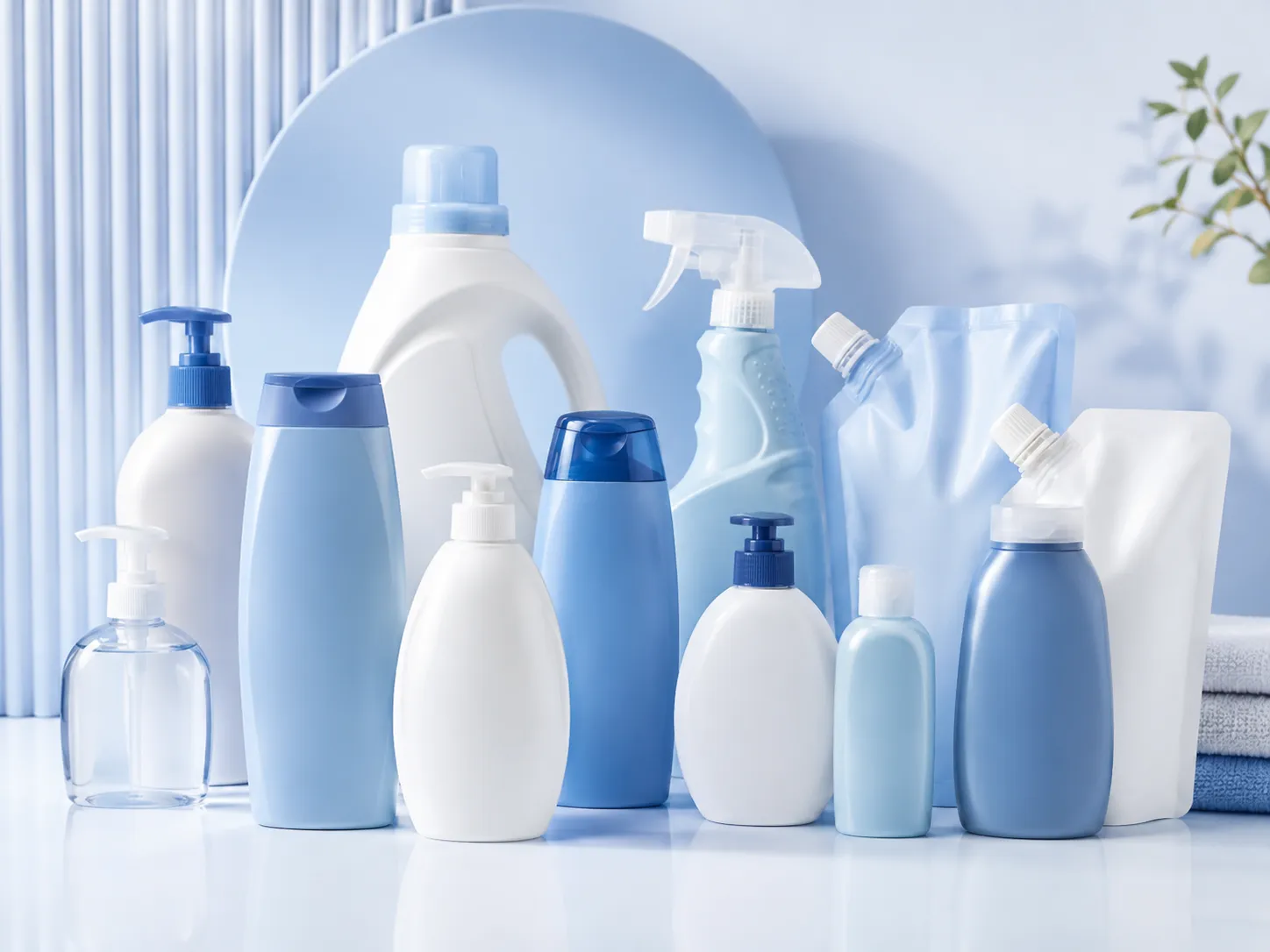
家庭用化学品および化粧品用IBMのキャビティ数計画は、医薬品とは2つの重要な点で異なります。1つは、特定のキャビティ数に対する規制上の制約がないこと(KFDAの医薬品認証は適用されない)、もう1つは、フォーマット変更の頻度が高いことです。韓国の家庭用化学品受託包装工場では、1台の機械につき年間8~15回金型セットを交換するのに対し、韓国の医薬品用IBM機械では2~4回です。つまり、家庭用化学品および化粧品用IBMのキャビティ数は、年間生産量だけでなく、金型交換効率も考慮して最適化する必要があるということです。
500ml シャンプー/家庭用化学薬品
約950万~1260万人/年
約1580万~1890万人/年
約1890万~2520万人/年
約2520万人/年
★ 最も一般的な韓国製シャンプーのIBM構成
100ml ABS樹脂製化粧品容器
約1100万~1320万人/年
約1540万~1760万人/年
約2200万~2640万人/年
約2640万~3080万/年
★ 韓国KビューティーナショナルブランドOEM規格
第7条
マルチフォーマットマシンキャビティカウント戦略
韓国のIBM委託包装工場では、同一機械で複数の容器フォーマットを処理できるシステム(韓国におけるIBMの商用導入事例で最も一般的なもの)を採用しており、単一フォーマットではなく、機械時間を共有するすべてのフォーマットの年間加重生産量に基づいてキャビティ数を最適化する必要があります。年間6種類のフォーマットを異なるキャビティ数で処理するZQ80は、単一のクランプ力とプラテンサイズによって各フォーマットの最大キャビティ数が個別に制限されます。そのため、機械の選定にあたっては、計画されているすべてのフォーマットにおいてこの制約を満たす必要があります。
| 形式 | 年間単位 | 最小空洞数(計算値) | ZQ80 入手可能 | 必要な生産時間 | 機械利用率 |
|---|---|---|---|---|---|
| 10ml点眼液 | 20,000,000 | 7.2 → 20 キャブ | 騎兵20名 | 1,263時間 | 36% |
| 100mlのCRC治療薬 | 8,000,000 | 2.9 → 10キャブ | 騎兵10人 | 1,009時間 | 29% |
| シャンプー500ml | 12,000,000 | 4.3 → 6キャブ | 騎兵6名 | 2,222時間 | 63% |
| 合計 | ZQ80 ✓ | 4,494時間 | 128% |
⚠ 容量競合: 総必要生産時間(4,494時間)は、韓国の2交代制年間平均生産時間(3,500時間)を上回っています。このフォーマット構成では、ZQ110(眼科用フォーマットのキャビティ数に余裕を持たせることで眼科用フォーマットの生産時間を短縮)またはシャンプーフォーマット専用のZQ80をもう1台導入する必要があります。韓国エバーパワーのアプリケーションエンジニアは、受注前のコンサルティングの一環として、韓国の受託包装工場向けにこのマルチフォーマット分析を実施しています。
第8条
資本とKFDA資格取得費用(空洞1つあたり)
IBMのキャビティ数選定における設備投資コスト分析では、機械コストだけでなく、年間生産能力単位当たりの金型コストも比較する必要があります。キャビティ数の多い金型はセット当たりのコストは高くなりますが、キャビティ当たりの金型コストの増加分は、次のZQモデルにアップグレードすることで得られる生産能力向上単位当たりの機械コストよりもはるかに少なくなります。ZQ80金型にキャビティを4つ追加する(10mlで16個から20個に増やす)コストは、ZQ80からZQ110にアップグレードするコストよりも大幅に低く抑えられますが、より小型のZQ110構成と同等の生産量向上効果が得られます。常に問うべきは、「現在のZQモデルはどのキャビティ数で飽和状態になるのか、そしてアップグレードする前に同じモデルでキャビティ数を増やすことで生産量をさらに伸ばせるのか」ということです。
| 構成 | 年間生産能力 | 医薬品KFDA資格 | 相対資本指数 | 100万ユニット当たりの資本 |
|---|---|---|---|---|
| ZQ40×3個・9キャブ・10ml | 5940万 | 3つの資格 | 3.0倍 | 最高 |
| ZQ80×2個・20キャブ・10ml | 8800万 | 2つの資格 | 2.0倍 | 中くらい |
| 1× ZQ135 · 30キャブ · 10ml ★ | 6600万 | 1 等 | 1.0倍 | 最低 |
| 1× ZQ110 · 24キャブ · 10ml | 5280万 | 1 等 | 1.2倍 | 低い |
★ 年間5,000万個以上の眼科用医薬品を必要とする韓国の製薬メーカーに最適 — 生産能力単位あたりの資本コストが最小限で、KFDAの認証取得要件も最小限。Korea Ever-Powerの EP-ZQ80 これは、年間生産台数4000万~5500万台の韓国の生産者にとって、最も費用対効果の高い参入ポイントを提供する。
エンジニアリングに関するよくある質問
虫歯数に関する工学的質問
IBMキャビティ数を増やしても、なぜサイクルタイムは増加しないのでしょうか?
IBMの4秒サイクルタイムは、3つのステーションの中で最も長い連続プロセスステップによって決まります。これは通常、HDPE医薬品薄肉容器の場合、ステーション2でのブロー冷却の保持時間です。キャビティを追加すると、各ステーションでの同時操作の数は増えますが、特定のステーションのすべてのキャビティが同時に動作するため(すべて同じプラテンに取り付けられ、一緒に開閉します)、個々のステーションの処理時間は長くなりません。ZQ40の9キャビティ金型とZQ135の30キャビティ金型は、どちらもほぼ同じ4秒の総サイクル時間になります。プラテンはキャビティ数に関係なく、1サイクルにつき1回開閉します。キャビティ数によって変化する唯一のプロセス要因は射出充填時間です。キャビティ数が多いほど総射出重量が増加するため、キャビティ数が非常に多い場合、バレル容量が限界に近い場合は、充填時間がわずかに長くなる可能性があります。しかし、Korea Ever-PowerのZQシリーズのバレルサイズは、参照表に示されている定格キャビティ数ではこれが制限にならないことを保証します。
IBM製品の品質は、キャビティ数を機械の限界付近で最大化した場合、どうなるのでしょうか?
特定の ZQ モデルと容器フォーマットに対して最大定格キャビティ数で運転しても、品質が本質的に低下するわけではありません。Korea Ever-Power の ZQ シリーズマシンは、標準的な韓国の医薬品製造条件下で参照表のキャビティ数で定格されています。つまり、これらのキャビティ数は理論上の限界ではなく、検証済みの生産構成です。品質リスクは、キャビティ数がフォーマットに対するマシンの定格限界を超えた場合に発生します。これは通常、金型投資を削減するために、韓国の顧客が標準構成よりも多くのキャビティを要求することが原因です。定格を超えるキャビティ数では、次の 3 つの品質リスク要因が発生します。ホットランナーゲートの不均衡 (同じマニホールド圧力でゲート数が増えると、ランナーツリーの外側ゲートと内側ゲート間の流量変動が大きくなります)。射出クランプマージンの低下 (射出圧力がキャビティごとの平均を超えてピークに達すると、どのゲートでもバリに対するマージンが減少します)。金型冷却の不十分さ (同じプラテンフットプリントでキャビティ数が増えると、キャビティあたりの冷却チャネル面積が減少し、サイクルごとの温度変動と寸法変動が増加します)。 Korea Ever-Powerは、ZQシリーズの機械において定格キャビティ数を超える加工を承認していません。定格キャビティ数は、Korea Ever-Powerのプロセスエンジニアが生産条件下で検証した設計上の基準値です。特定のフォーマットで定格キャビティ数を超える加工を希望される場合は、次期ZQモデルをお勧めいたします。
IBMのZQシリーズの機械で、同じ機械で異なるタイミングで異なるキャビティ数で加工することは可能ですか?
はい、これはIBMが韓国の受託包装工場に提供する主要な商業的メリットの1つです。ZQマシンの機械パラメータ(射出圧力、バレル温度、ブロー空気圧、サイクルタイミング)は、金型セットごとに個別に設定され、ZQ制御システムに生産レシピとして保存され、金型セットが変更される際にオペレーターによって呼び出されます。20キャビティの10ml医薬品用金型セットを2シフト稼働させ、その後6キャビティの500mlシャンプー用金型セットに切り替え、さらに10キャビティの100ml化粧品用ジャー金型セットに切り替えた場合、3つの異なる生産レシピが呼び出され、機械ハードウェアを再構成することなく、各フォーマットごとに異なるキャビティ数、サイクルパラメータ、材料温度で動作します。フォーマット変更時に変更されるハードウェアは、3つのコンポーネントからなる金型セット(射出成形金型、ブロー成形金型、剥離ツール)と、材料が変更される場合は材料間のバレルパージのみです。韓国エバーパワー社のZQ制御システムは、最大99種類の名称付き生産レシピを保存でき、韓国におけるIBMの商用生産環境の大部分を占める、マルチフォーマットの韓国向け受託パッケージング業務をサポートしています。
ZQシリーズのデュアル油圧システムは、ZQ80以上の機種におけるキャビティ数計画にどのような影響を与えますか?
韓国エバーパワーのデュアル油圧システム(ZQ80、ZQ110、ZQ135に標準装備)は、射出工程専用の油圧回路とブローおよびストリッピング工程専用の油圧回路の2つの独立した回路を、順次ではなく同時に作動させます。この並列動作は、キャビティ数計画に2つの直接的な効果をもたらします。まず、シングル回路の競合IBMマシンで発生する射出回路とブロー回路間の圧力相互汚染を排除します。シングル回路マシンでは、油圧システムはブロー工程に移行する前に射出工程を完全に完了する必要があり、残留射出圧力の変動がキャビティ間のブロー空気圧の一貫性に影響を与える可能性があります。キャビティ数が多い場合(20~30)、シングル回路マシンではこの相互汚染により、キャビティ間の重量標準偏差が5~8%となり、韓国の医薬品IBM容器の±4% CV%制限を超えます。韓国エバーパワーのデュアル油圧システムでは、定格キャビティ数でキャビティ間の重量標準偏差が2~4%となり、医薬品規格を満たします。第二に、デュアル油圧システムは、同等の定格キャビティ数を持つシングル回路機と比較して、20~30%のエネルギー節約を実現します。これは、デュアル回路では、高圧射出フェーズと低圧吹き出しフェーズの両方を1つのポンプで交互に処理するのではなく、各ポンプを最適な効率点で動作させる必要があるためです。このエネルギー節約効果はキャビティ数が増えるにつれて大きくなります。ZQ135の30キャビティの場合、シングル回路の30キャビティ競合機と比較して20~30%のエネルギー節約により、韓国の2交代制でフル稼働した場合、1年間で約15,000~25,000kWhの節約となり、韓国の工場の電気代を1台あたり年間約250万~400万ウォン削減できます。
IBMの金型製造コストはキャビティあたりいくらで、ZQモデルではどのように変化するのでしょうか?
IBM金型のコストは、射出成形金型とブロー成形金型の部品について、キャビティ数にほぼ比例して増加します。キャビティ数を2倍にすると金型コストもほぼ2倍になりますが、ホットランナーマニホールド設計と金型ベースには固定費の償却があります。韓国の医薬品用10ml HDPE IBM金型(S136ステンレス鋼、医薬品グレード仕上げ)のキャビティあたりの金型コストは、3つの部品からなる金型セット(射出成形金型+ブロー成形金型+ストリッピングツール)全体で約250万~400万ウォンです。つまり、20キャビティのZQ80医薬品用金型セットは約5,000万~8,000万ウォン、30キャビティのZQ135金型セットは約7,500万~1億2,000万ウォンとなります。キャビティ数が増えるにつれて、キャビティあたりの金型コストはわずかに減少します。これは、ホットランナーマニホールドの設計コストが、12キャビティを超えるゲート数に関係なく固定されているためです。つまり、同じマニホールドでは、19番目と20番目のゲートを追加するコストが、1番目と2番目のゲートを追加するコストよりも低くなります。これは、特定のZQモデル内でキャビティ数を最大化する(利用可能なすべての型締め力とプラテン面積を使用する)と、年間生産能力あたりの設備投資コストが最小になることを意味します。これは、追加キャビティあたりの金型コストが、ZQモデルの境界での機械のステップアップコストよりも低いためです。Korea Ever-Powerは、キャビティ数の多い同一モデルの金型と、キャビティ数の少ない次世代モデルの機械とのトレードオフを評価する韓国のお客様向けに、特定のキャビティ数における金型コストの詳細な見積もりを提供しています。
韓国の製薬工場と家庭用化学工場におけるIBMの適切な利用範囲はどれくらいでしょうか?
韓国の製薬工場と家庭用化学工場では、操業プロファイルが異なるため、IBM マシンの目標稼働率が異なります。韓国の製薬工場では、目標稼働率は年間フル生産時で 65~80% です。65% 未満の場合、資本が十分に活用されておらず、機械の償却費と KFDA 認証の単位当たりのコストが高すぎます。85% を超えると、生産計画に影響を与えることなく、韓国の GMP 機器のメンテナンス、KFDA が要求する定期的なプロセス検証、キャビティ検査を行うための計画的なダウンタイムが不足します。韓国の製薬工場の IBM マシンは通常、キャンペーン全体 (一度に数週間から数か月) で単一製品または単一フォーマットの生産に特化しており、家庭用化学工場の IBM マシンが抱えるフォーマット変更時のダウンタイムを削減しています。韓国の家庭用化学工場の IBM マシンでは、すべてのフォーマットを合わせた目標稼働率は 70~85% で、フォーマット変更ごとに 1~5 生産日を個別のフォーマットキャンペーンとしています。韓国の家庭用化学品向けIBMマシンは、医薬品GMP生産よりも柔軟なスケジュールでフォーマット変更やメンテナンス期間が計画されているため、より高い稼働率(最大85%)に耐えることができます。韓国の家庭用化学品向けIBMマシンは、KFDAへの通知なしに金型交換やメンテナンスのために停止することができます。家庭用化学品向けIBMマシンの稼働率が90%を超えると、韓国のOEM供給リスクが生じます。韓国のナショナルブランドは、韓国のOEM包装サプライヤーに100%の納期遵守を要求しており、稼働率が90%以上のマシンは、顧客サービスに支障をきたすことなく需要の急増(韓国のプロモーションイベント、韓国の季節限定発売)を吸収する能力バッファーがありません。Korea Ever-Powerの事前注文コンサルティングには、韓国の顧客の具体的な年間生産量予測とフォーマットポートフォリオを各ZQモデルの能力にマッピングする生産シナリオ分析が含まれています。 射出ブロー成形機 ZQ40からZQ135までの範囲は、スタートアップの製薬規模の9キャビティから、全国供給の製薬およびFMCG規模の30キャビティまで、韓国のIBMキャビティ数のあらゆる要件を網羅しており、提案された機械とキャビティ数が、5年間の計画期間にわたって70~85%のゾーンで目標稼働率を達成することを検証しています。
虫歯数相談 · 韓国エバーパワー
正しい虫歯数を計算する
あなたの韓国のIBM製品
韓国エバーパワーのアプリケーションエンジニアは、スタートアップの製薬会社から全国規模の家庭用化学品製造会社まで、韓国のあらゆるIBMアプリケーションに対し、キャビティ数計算、年間生産量分析、KFDA認証戦略、ZQシリーズ機械の選定などのサービスを提供しています。