Primjena ISBM-a · Pakovanje korejskog vrhunskog ulja za kuhanje · 2026
ISBM korejska vrhunska kuhinja
Vodič za boce s uljem
Korejsko premium ulje za kuhanje — ekstra djevičansko maslinovo ulje, hladno prešano ulje perile (들기름), korejsko susamovo ulje i korejsko premium ulje avokada — predstavlja tržište vrijedno 480 milijardi KRW s rastom od +18%. ISBM PET boca za premium korejsko ulje za kuhanje mora riješiti problem fotodegradacije koji uništava spojeve okusa maslinovog ulja u roku od nekoliko sedmica nakon izlaganja UV zračenju, prenijeti zlatnu bistrinu ulja kao signal premium kvalitete i zadovoljiti EU FPR standarde za simulator ulja za rastuće korejsko tržište izvoza premium ulja.
UV blok ≤5% na 400nm
EU FPR simulator masti D1
480 milijardi korejskih wona
Korejsko tržište ulja za kuhanje 2025.
+18%
Rast prodaje vrhunskog korejskog ulja za kuhanje u 2024. godini
들기름 / 참기름
Korejsko ulje perile i susama — premium domaći segment
250–500 ml
Standardno korejsko premium ulje za kuhanje ISBM format
58–92 korejskih wona
Ugovorena cijena boce premium ulja za kuhanje (300ml jantarna PET boca)
1. Korejsko tržište premium ulja za kuhanje: Prelazak na premium i prilika za ISBM
Potrošnja premium korejskog ulja za kuhanje porasla je od nišnog korejskog tržišta zdravstvene zaštite do opšte prakse korejske kuhinjske kulture. Segment premium korejskog ulja dijeli se na tri različite potrošačke klase s različitim zahtjevima za pakovanje. Uvezeno korejsko premium maslinovo ulje (Kirkland Signature, Maison Orphée Korea, De Cecco Korea): 250-500ml ISBM PET jantarne boce zamjenjuju staklo u korejskoj e-trgovini; za korejski uvoz potrebna je usklađenost sa EU FPR simulatorom masti. Korejska domaća specijalna ulja (들기름 ulje perile, 참기름 ulje sezama, korejsko hladno prešano ulje od sjemenki bundeve): 150-300ml ISBM PET jantarne boce; korejska estetika komunicira zanatski kvalitet hladno prešanja kroz vidljivu zlatnu boju ulja. Korejski premium nivo ulja za kuhanje (premium ulje od sjemenki grožđa Lotte CJ Hetban, korejsko ulje avokada): 300-500ml prozirnog ili jantarnog PET-a koji se takmiči sa staklom na premium polici korejskog hipermarketa.
Korejski okvir za usklađenost ambalaže za domaće jestivo ulje — KFDA za kontakt s hranom za jestivo ulje — dio je šireg korejskog ISBM pejzaža ambalaže za hranu na Vodič za proizvodnju ISBM-a za korejsku ambalažu za hranu.
2. Inženjering UV zaštite za boce korejskog vrhunskog ulja za kuhanje
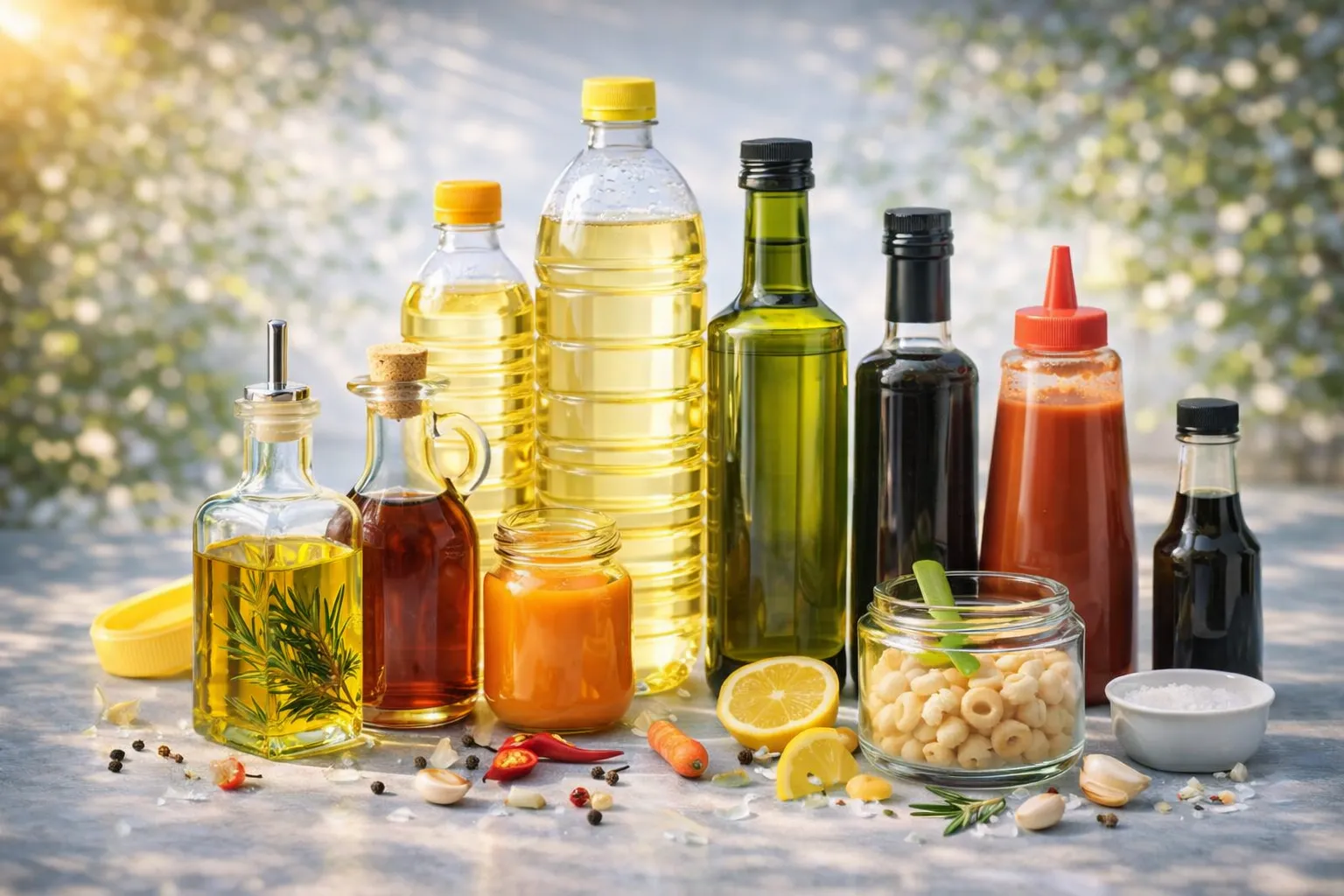
Korejski ISBM asortiman boca za premium ulje za kuhanje — tamno ćilibarno PET ekstra djevičansko maslinovo ulje od 300 ml (masterbatch željeznog oksida 0,8–1,2% LDR, UV ≤5% na 400 nm za očuvanje polifenolnih antioksidansa), ćilibarno PET korejsko hladno prešano ulje perile od 200 ml (ALA omega-3 masne kiseline UV zaštita), nijansirano ćilibarno premium ulje susama od 150 ml (sezamol/sezamolin zaštita) i prozirno UV-apsorbirajuće PET ulje avokada od 500 ml za korejske potrošače zdravstvene zaštite koji žele vidjeti zeleno-zlatnu boju ulja bez žrtvovanja UV zaštite.
UV-inducirana fotooksidacija je primarni mehanizam degradacije okusa korejskih premium ulja za kuhanje u maloprodajnim okruženjima. Reakcija: UV zračenje na 300–450 nm pobuđuje fotosenzitivne spojeve ulja - klorofil (u maslinovom ulju i ulju avokada), sezamol (susamovo ulje), ruzmarinsku kiselinu (ulje perile) - koji zatim reagiraju s otopljenim kisikom stvarajući perokside i sekundarne produkte oksidacije (trans-2-nonenal, heksanal) koji proizvode karakterističan "kartonski" ili "bojeni" užegli okus koji potrošači korejskog premium ulja odmah primjećuju. Brzina fotooksidacije korejskog premium ulja direktno ovisi o UV propusnosti: pri UV propusnosti od 100% (prozirno staklo), korejsko ekstra djevičansko maslinovo ulje pri tipičnom LED osvjetljenju korejskog supermarketa (400 luksa, 8 sati/dan) pokazuje primjetnu promjenu okusa u roku od 3 sedmice. Pri UV propusnosti od 5% (ćilibarno staklo), isto maslinovo ulje je stabilno tokom cijelog deklariranog roka trajanja od 18 mjeseci.
Ciljevi UV propusnosti za korejski ISBM ćilibarni PET materijal za primjenu u ulju za kuhanje: ekstra djevičansko maslinovo ulje ≤ 5% na 400 nm; korejsko hladno prešano ulje perile (ALA omega-3) ≤ 8% na 400 nm; korejsko ulje susama ≤ 10% na 450 nm (sezamol ima veću termičku stabilnost od polifenola maslinovog ulja - nešto manja UV zaštita je adekvatna). Ove ciljne vrijednosti propusnosti zahtijevaju punjenje masterbatča željeznog oksida od 0,7–1,2% LDR u standardnom PET-u - tačno punjenje ovisi o specifičnoj debljini stijenke boce i klasi masterbatča željeznog oksida. Okvir za upravljanje bojom ćilibarnog masterbatča koji osigurava konzistentnu UV propusnost od serije do serije nalazi se u... Vodič za upravljanje bojama za korejske ISBM masterbatche.
3. Kompatibilnost kontakta s PET uljem za korejsko ulje za kuhanje ISBM
Korejsko ulje za kuhanje (biljno ulje, trigliceridi masnih kiselina) ima specifičan problem kompatibilnosti s PET-om koji vodeni prehrambeni proizvodi nemaju: ulja su lipofilni rastvarači koji različito reagiraju s površinskim slojem PET-a od vode ili alkohola. PET je općenito otporan na ekstrakciju lipida - orijentirana kristalna struktura PET-a ima vrlo nisku propusnost ulja - ali specifične komponente korejskog ulja za kuhanje mogu uzrokovati probleme kompatibilnosti pri produženom vremenu kontakta.
| Vrsta korejskog ulja | PET kompatibilnost. | Kontaktna temperatura | EU simulator | Posebne napomene |
|---|---|---|---|---|
| Ekstra djevičansko maslinovo ulje | Dobro | Ambijentalno | D1 ili D2 | Rok trajanja 18 mjeseci u jantarnoj PET boci; manja ekstrakcija polifenola uočljiva GC-MS metodom, ali ispod korejskog organoleptičkog praga. |
| Korejsko hladno prešano ulje perile | Dobro | Ambijentalno | D1 | Visok sadržaj ALA (40–65%) — visok sadržaj PUFA povećava brzinu oksidacije ulja; neophodna je UV zaštita; ciljni rok trajanja od 12 mjeseci |
| Korejsko susamovo ulje | Odlično | Ambijentalno | D1 | Sezamovi lignani su prirodni antioksidansi - najstabilnije korejsko ulje za kuhanje u PET ambalaži; rok trajanja je dostižan do 18 mjeseci. |
| Ulje avokada | Dobro | Ambijentalno | D1 ili D2 | Visok nivo hlorofila uzrokuje brzu fotooksidaciju u prozirnom PET-u; prozirni PET koji apsorbuje UV zračenje je poželjniji od jantarnog za komunikaciju zelene boje. |
| Kokosovo ulje (korejski wellness) | Oprez* | Ambijentalna/25°C | D1 | *Kokosovo ulje je čvrsto na <25°C — termički ciklusi između čvrstog i tečnog stanja stvaraju promjene unutrašnjeg pritiska; za kokosovo ulje koristite PET ili PP bocu sa širokim grlom. |
Sistematski odabir korejske PET u odnosu na PETG smolu za primjenu u kontaktu s prehrambenim uljem - uključujući prag usklađenosti sa EU propisima o simulatorima masti koji razlikuju PET od alternativnih smola - nalazi se u Vodič za odabir korejske PET vs. PETG smole.
4. Inženjering kontrolisanog izlijevanja za korejske boce za premium ulje
Doziranje vrhunskog korejskog ulja za kuhanje razlikuje se od doziranja umaka za začine: ulje se obično sipa u kontroliranom tankom mlazu iz nagnute boce direktno na korejsku hranu - brzinu sipanja koju potrošač kontrolira kutom nagiba boce i geometrijom grla. Potrošači vrhunskog korejskog ulja za kuhanje (posebno korejski kuhari koji koriste skupo ekstra djevičansko maslinovo ulje ili korejsko hladno prešano ulje perile) žele preciznu kontrolu porcija - ne žele prelijevati i trošiti skupo ulje, ali žele da ulje sipa glatko bez prekida uzrokovanih klokotanjem zraka.
Specifikacija geometrije grla premium korejskog ISBM ulja za kuhanje za kontrolirano sipanje: unutarnji promjer grla 8–14 mm (uži od standardnih zatvarača od 28 mm - postignuto ograničenim unutarnjim promjerom sipanja na umetku grla, pri čemu vanjski navoj ostaje standardnih 28 mm radi kompatibilnosti zatvarača); ugao izljeva za sipanje 25–35° od vertikale (omogućava kontrolirano nagnuto sipanje pri tipičnom korejskom kutu sipanja od 60–70° nagiba boce); radijus unutarnjeg ruba protiv kapanja 0,3–0,5 mm na otvoru za sipanje. Kombinacija uskog unutarnjeg promjera i ruba protiv kapanja postiže cilj sipanja korejskog premium ulja: gladak, kontrolirani mlaz sipanja od 2–5 ml/sekundi koji se čisto zaustavlja kada se boca vrati u vertikalni položaj bez zaostalog kapanja ulja.
Inženjering proizvodnje tegli za hranu sa širokim otvorom koji utvrđuje specifikaciju površine zaptivanja za korejske boce vrhunskog ulja za kuhanje sa indukcijskim folijskim zatvaračima - potrebnim za zaštitu od neovlaštenog otvaranja i isključivanje kisika tokom transporta i maloprodaje - nalazi se u Vodič za proizvodnju korejskih tegli za hranu sa širokim otvorom.
5. Usklađenost sa EU FPR simulatorom masti za izvoz korejskog ulja za kuhanje
Izvoz korejskog vrhunskog ulja za kuhanje u EU — Korejsko sezamovo ulje i korejsko ulje perile rastu u izvozu u korejske dijasporske zajednice i glavne azijske trgovce hranom u Njemačkoj, Velikoj Britaniji, Francuskoj i Holandiji — zahtijeva usklađenost sa EU FPR 10/2011 simulatorom masti za PET boce. EU FPR simulator masti za kontakt s uljem za kuhanje: simulant D1 = biljno ulje (suncokretovo ili maslinovo ulje kako je navedeno) na 40°C tokom 10 dana. Ovo je najzahtjevniji EU FPR uslov ispitivanja — biljno ulje na 40°C tokom 10 dana je znatno ekstraktivnije od bilo kojeg vodenog simulanta hrane, jer se lipofilni simulant razdvaja u površinski sloj PET-a i ekstrahuje lipofilne aditive za preradu i PET oligomere kojima vodeni simulanti ne bi pristupili.
Odabir korejske ISBM PET smole za usklađenost izvoza ulja za kuhanje s EU propisima: navedite vrstu PET smole s registracijom tvari prema EU FPR Prilogu I za sve aditive smole (stabilizatore, antioksidanse, pomoćna sredstva za obradu) - evropske vrste smole od Indorama, Selenis ili Invista koje imaju EU FPR deklaracije o usklađenosti za primjenu u kontaktu s masnoćama. Korejske domaće vrste PET smole (LG Chem, Huvis) imaju usklađenost s KFDA propisima za jestivo ulje, ali možda nemaju EU FPR validaciju simulatora masti - provjerite s korejskim dobavljačem smole prije nego što se obavežete na ugovor o izvozu ulja za kuhanje s EU propisima. Dodatna masterbatch željeznog oksida boje jantara također mora imati usklađenost s EU FPR simulatorom masti: sam željezni oksid je u Prilogu I EU, ali stabilizatori noseće smole moraju biti potvrđeni kao usklađeni s EU propisima za kontakt s simulatorom masti putem zasebne deklaracije o aditivu nosaču.
6. Estetika korejskih boca vrhunskog ulja: Pozicioniranje UV apsorbera u boji ćilibara naspram prozirnog
Dizajneri korejskih brendova premium ulja za kuhanje suočavaju se s odlukom o strategiji boja ambalaže: ćilibarni PET (komunicira UV zaštitu farmaceutskog nivoa i zanatsko naslijeđe, slično estetici ćilibarne boce korejskog ginsenga) naspram prozirnog PET-a koji apsorbira UV zračenje (komunicira transparentnost i omogućava da prirodna boja ulja bude vidljiva kao komunikacija kvalitete). Dva pristupa služe različitim segmentima korejskih potrošača. Tradicionalni korejski brendovi premium ulja (korejski proizvođači premium ulja 들기름 i 참기름, korejsko hladno prešano sezamovo ulje od tradicionalnih proizvođača iz Gyeonggi-doa): ćilibarni PET je prirodan izbor - korejski potrošači povezuju tamno ćilibarno staklo s autentičnim korejskim kvalitetom zanatskog ulja, a ćilibarni ISBM PET replicira ovu estetiku uz manji rizik od loma i težinu za korejsku e-trgovinu. Korejski moderni premium brendovi ulja (korejski startup za ulje avokada, korejsko organsko maslinovo ulje D2C, korejsko maslinovo ulje za restorane sa Michelinovom zvjezdicom): prozirni UV-apsorber PET (UV propusnost ≤ 15% na 400nm - manja UV zaštita od ćilibarne, ali dovoljna za 12-mjesečni rok trajanja u korejskim zatvorenim maloprodajnim uslovima) - prozirna boca prenosi boju premium ulja (zeleno-zlatna za avokado, blijedo zlatna za hladno prešane masline) kao primarnu prisutnost na polici. Upravljanje bojama ćilibarne naspram UV-apsorbera koje održava konzistentnu UV zaštitu boca korejskog ulja za kuhanje od serije do serije - ključno jer varijacije u seriji u punjenju ćilibarne masterbatche mijenjaju i UV propusnost i izgled boje boce - nalazi se u korejskom vodiču za upravljanje bojama masterbatcha ISBM.
7. Pejzaž brenda korejskog vrhunskog ulja za kuhanje i opskrba ISBM-om
Snabdijevanje korejskog premium ulja za kuhanje (ISBM) pokriva četiri različita nivoa. Domaći korejski brendovi zanatskih ulja (premium hladno prešano korejsko ulje od sezama i perile od proizvođača iz Gyeonggija, Chungnama i Jeonnama): 100.000–1,5 miliona jedinica/godišnje; tamno ćilibarni PET; korejska online platforma za gurmansku hranu (Kurly, Market Kurly Korean natural food) i premium korejska robna kuća s hranom; kvalifikacija ISBM od 6 do 9 mjeseci; 68–92 KRW/boca. Korejsko premium ulje za kuhanje za mainstream publiku (CJ Hetban premium, Ottogi premium ulje sjemenki grožđa, korejsko ulje avokada): 3–20 miliona jedinica/godišnje; prozirni UV apsorber ili ćilibarni PET; premium polica korejskog hipermarketa; kvalifikacija od 12 do 18 mjeseci; 45–68 KRW/boca. Distribucija uvoza korejskog maslinovog ulja (Kirkland Signature Korea, De Cecco Korea, uvoznici korejskog premium mediteranskog ulja): 500.000–5 miliona jedinica/godišnje; potrebna je usklađenost sa EU FPR simulatorom masti uz KFDA; kvalifikacija od 9 do 15 mjeseci; 55–80 KRW/boca. Izvoz korejskog ulja za kuhanje (izvoz korejskog ulja od susama u Japan, izvoz korejskog ulja perile u korejsku dijasporu u SAD-u i EU): 300.000–3 miliona jedinica/godišnje; usklađenost s KFDA + EU FPR ili FDA 21 CFR propisima o kontaktu s masnoćom; kvalifikacija od 9–15 mjeseci; 65–88 KRW/boca. Odluke o broju šupljina za korejsko ulje za kuhanje na svakom nivou količine su u Kalkulator broja šupljina u korejskom ISBM-u.
8. Ekonomija proizvodnje korejskog vrhunskog ulja za kuhanje (ISBM)
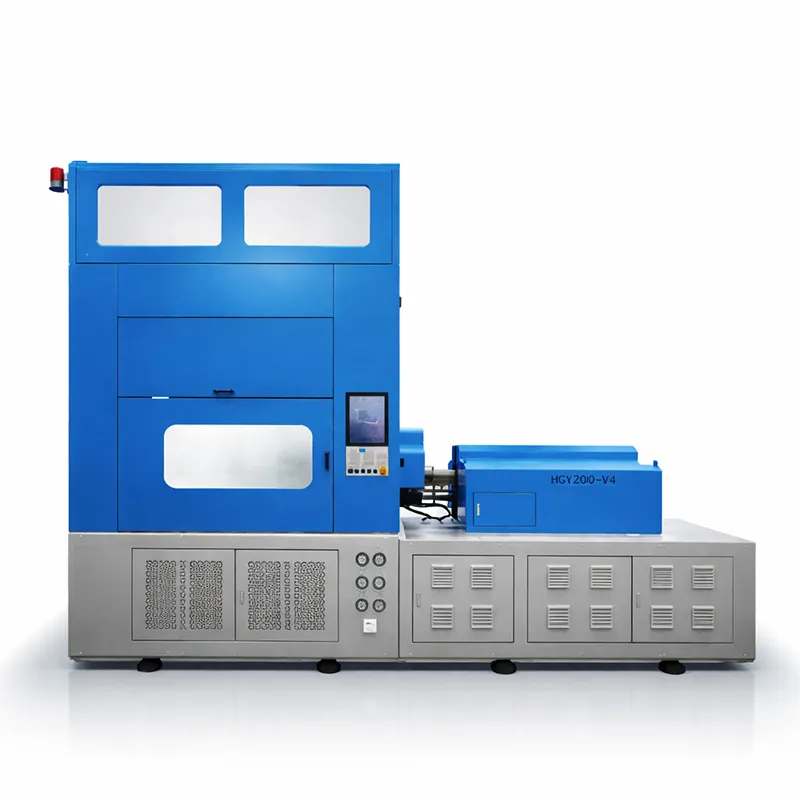
Proizvodnja korejskog premium PET ulja za kuhanje (ISBM) u ćilibarnoj boci (APBM) na HGY200-V4-EV sa 4 šupljine od 300 ml (ciklus od 10 sekundi) proizvodi približno 18,4 miliona boca godišnje, pri radnom danu od 16 sati. Po prosječnoj cijeni od 72 KRW/boci za korejsko zanatsko sezamovo/perila ulje i premium mješavinu maslinovog ulja, ovo predstavlja godišnji prihod od 1,32 milijarde KRW po mašini. Trošak masterbatcha za ćilibarsku bocu dodaje približno 4-6 KRW/boci na listu materijala u odnosu na prozirni PET - trošak koji korejski brendovi zanatskog jestivog ulja u potpunosti apsorbiraju u svoju premium strukturu cijena (premium korejsko zanatsko sezamovo ulje prodaje se po cijeni od 12.000-28.000 KRW za 150-200 ml u odnosu na standardno sezamovo ulje po cijeni od 4.500-6.000 KRW za 300 ml). Korejski proizvođači ISBM-a koji ulaze u segment premium ulja za kuhanje, a koji već imaju iskustvo u proizvodnji jantarnih masterbatcheva iz korejskog sezamovog ulja, korejskog sojua ili korejskih vitaminskih dodataka, mogu preusmjeriti ovu sposobnost za ulje za kuhanje uz minimalan dodatni napor za kvalifikaciju - ciljana UV propusnost jantarnih masterbatcheva za ulje za kuhanje (≤ 5–10% na 400 nm) je iste specifikacije kao i korejski jantarni PET u drugim primjenama, zahtijevajući samo test migracije simulatora masti specifičnog za ulje za kuhanje i dokumentaciju o usklađenosti s EU FPR-om, uz postojeći paket dokumentacije za kvalifikaciju jantarnog PET-a.
Često postavljana pitanja
Podrška za vrhunsko ulje za kuhanje
Korejski brend premium ulja Potreban vam je Amber PET ≤5% UV sa usklađenošću sa EU propisima o simulatoru masti?
Korejski Ever-Power nudi jantarnu PET UV propusnost ≤5% na 400nm, gravimetrijsko doziranje masterbatcha željeznog oksida, EU FPR simulator masti D1 u skladu s PET standardima, KFDA test migracije jestivog ulja, uložak za kontrolirano izlijevanje i HGY200-V4-EV za isporuku ISBM korejskog vrhunskog ulja za kuhanje.
Povezani resursi
Platforma za boce s uljem
Korejski Ever-Power HGY200-V4
Gravimetrijsko doziranje jantarne masterbatch smjese ±0,05% LDR; UV propusnost ≤5% na 400nm konzistencija serije; EU FPR simulator masti D1 kompatibilan s PET nabavkom; 4-šupljina 300ml pri 18M jedinica/godišnje.
Domet mašine
ISBM poligon sa 4 stanice
HGY200-V4-EV za korejsko ulje od 150–300 ml zanatskog sezamovog/perila ulja do HGY250-V4 za 500 ml standardnih korejskih formata premium maslinovog ulja i ulja avokada.
Alat za boce s uljem
Dizajn prilagođenog ISBM kalupa
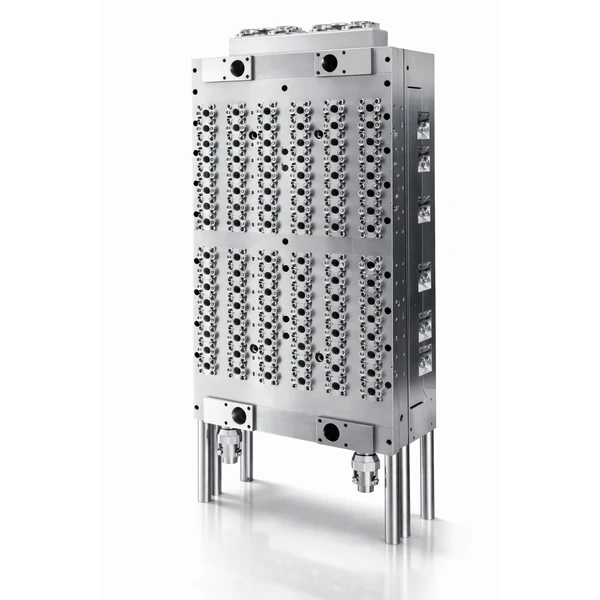
Korejski kalupi za ulje za kuhanje — umetak za kontrolirano sipanje izljeva (unutarnji promjer 8–12 mm, rub protiv kapanja 0,4 mm), tijelo ogledala Ra ≤ 0,05 μm, površina indukcijskog zaptivanja ±0,08 mm, verifikacija UV propusnosti na prvom artiklu.