Primjena ISBM-a · Korejska ambalaža za mliječne proizvode · 2026
ISBM korejski mliječni napitak i
Vodič za boce jogurta
Ambalaža korejskih mliječnih napitaka i jogurta obuhvata najširi tehnički raspon ISBM-a od bilo koje pojedinačne kategorije hrane - od 65 ml PP boce za jogurt za piće s uskim grlom koju Yakult i Maeil proizvode milijardu jedinica godišnje već 30 godina, do kristalne PETG premium tegle za grčki jogurt sa širokim grlom koju korejski brendovi mliječnih proizvoda koriste kako bi se takmičili s uvoznim evropskim premium jogurtima u korejskim premium supermarketima.
PP jogurt napitak · PETG grčki jogurt
KRW 1.4T Tržište mliječnih proizvoda
Korejski odjel za inženjering Ever-Power · Ansan-si · Maj 2026.
KRW 1.4T
Korejsko tržište ambalaže za mliječne proizvode (2025.)
1 milijarda+ jedinica
Korejski jogurt za piće u PP bocama godišnje
+22%
Premium mliječni proizvodi (grčki jogurt, premium kefir) po složenoj godišnjoj stopi rasta (CAGR)
PP / PETG
Dominantne smole po segmentima
Maeil · Namyang
Dva najveća korejska brenda mliječnih proizvoda — ukupni tržišni udio od 65%
1. Korejsko tržište mliječnih proizvoda ISBM: Od jogurta za piće od 65 ml do premium kefira od 500 ml
Korejska ambalaža za mliječne proizvode predstavlja kategoriju ISBM s najdužom kontinuiranom historijom proizvodnje u Koreji - kultna boca korejskog jogurta za piće od 65 ml (요구르트 병 u korejskom potrošačkom rječniku, ranije boca tipa Yakult) proizvodi se u PP ISBM-u od 1970-ih, prije većine drugih korejskih ISBM primjena. Ova naslijeđena proizvodna baza - koncentrirana na ISBM linijama korejskog pogona mliječnih proizvoda u Gyeonggi-dou, provinciji Sjeverni Chungcheong i provinciji Južni Gyeongsang - proizvodi preko milijardu PP boca mliječnih napitaka godišnje i predstavlja jednu od najefikasnije optimiziranih korejskih ISBM proizvodnje u svijetu.
Uz ovo naslijeđe robe, korejska ambalaža za mliječne proizvode doživljava svoju najznačajniju inovaciju formata od 1970-ih: premiumizaciju ambalaže za korejski jogurt, potaknutu ulaskom globalnog grčkog jogurta i kefira na korejsko tržište (distribucija Chobani Korea, Fage Korea), porast pozicioniranja korejskih brendova fermentiranih mliječnih proizvoda u odnosu na uvozne evropske proizvode i rastuću preferenciju korejskih potrošača za mliječnim proizvodima bogatim proteinima i probioticima u premium ambalaži koja komunicira funkcionalno zdravstveno pozicioniranje proizvoda.
Korejska ambalaža za mliječne proizvode spada u širi pejzaž ISBM-a hrane koji je obuhvaćen Vodič za proizvodnju ISBM-a za korejsku ambalažu za hranu.
2. PP jogurt za piće s uskim grlom: Najveća primjena ISBM-a u Koreji
Korejska boca za jogurt od 65 ml s uskim grlom od polipropilena (prečnik grla približno 18–22 mm, visina 95–110 mm, debljina zida 0,30–0,38 mm) predstavlja referentnu vrijednost za svu raspravu o proizvodnji korejskog ISBM-a — nijedan drugi pojedinačni SKU u korejskom ISBM-u ne proizvodi više jedinica godišnje. Proizvodni parametri za ovu kultnu bocu usavršavani su tokom pet decenija i predstavljaju praktična ograničenja efikasnosti korejskog PP ISBM-a:
────────────────────────────────────────────────────────────────────────
Težina predforme: 5,8–6,5 g PP slučajnog kopolimera
Broj šupljina: 12–16 šupljina (ultra visoka efikasnost)
Vrijeme ciklusa: 5,5–7,0 sekundi
Godišnja proizvodnja/linija: 62–92 miliona boca/godišnje (16 sati/dan, 350 dana)
Debljina zida: Tijelo min. 0,30 mm; vrat min. 0,38 mm
Profil vrata: 18–22 mm vanjski promjer; konusni do slamke ili push-top
Ugovorena cijena: 18–26 KRW po boci
────────────────────────────────────────────────────────────────────────
Po cijeni od 22 KRW/boca × 80 miliona jedinica/godišnje: godišnji prihod od 1,76 milijardi KRW/linija
Marža na 18% EBITDA: 317 miliona KRW/godišnje po proizvodnoj liniji
Izbor smole za PP bocu za jogurt s uskim grlom - slučajni kopolimer PP umjesto homopolimera PP - pruža prozirnost i otpornost na udarce koja razlikuje bijelu/prozirnu korejsku bocu za jogurt od neprozirnog PP-a koji se koristi u drugim kućanskim primjenama. Kompromisi u odabiru smole za korejsku PP primjenu u mliječnim proizvodima su u Vodič za odabir PP vs. PET materijala.
3. Kategorije i specifikacije korejskih mliječnih proizvoda u bocama
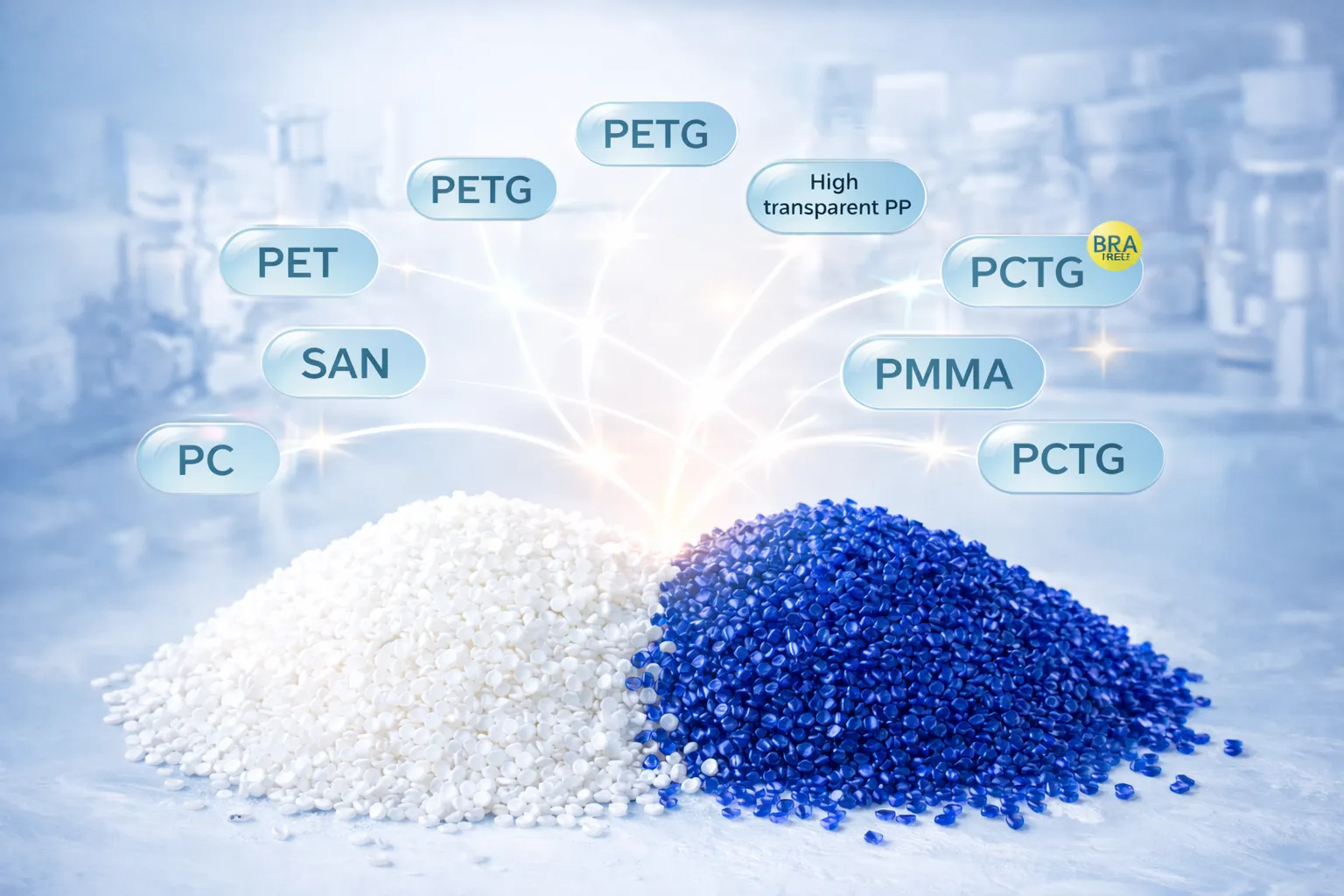
| Proizvod | Volumen | Smola | Vrat | Min Wall | Ključni zahtjev |
|---|---|---|---|---|---|
| Korejski jogurt za piće (요구르트) | 65–100 ml | PP RCP | 18–22 mm | 0,30 mm | Velika zapremina; kompatibilno sa slamkom; AA ≤5 ppm (kontakt s mliječnim proizvodima); punjenje odozgo za slaganje 12 pakovanja |
| Napitak od aromatiziranog mlijeka / mliječne kiseline | 150–250 ml | PP RCP | 28–38 mm | 0,25 mm | Zaštitna nijansa za mliječne proizvode osjetljive na riboflavin; zatvarač na preklop |
| Premium kefir / probiotički napitak | 300–500 ml | PET ili PETG | 38mm | 0,25 mm | Kristalno čisto za vidljivost boje proizvoda; O₂ barijera za žive kulture |
| Premium tegla grčkog jogurta | 150–450 g | Kristalni PETG | 63–86 mm WM | 0,28 mm | Konkurencija sa staklom; izmaglica ≤1,5%; bijeli mliječni prah vidljiv kroz zid; pristup kašikom |
| Jogurtov smoothie | 250–350 ml | PET | 38mm | 0,22 mm | Široko za guste proizvode; kompatibilnost sa šejkerom; hladno punjenje standardnog PET-a |
| korejsko školsko mlijeko (학교우유) | 200–250 ml | PP neprozirni | 28mm | 0,30 mm | Neprozirno za blokiranje svjetlosti; otvor za umetanje slamke za kompatibilnost s bušilicom za slamke |
4. Zaštita od svjetlosti za pakovanje korejskih mlečnih proizvoda: Riboflavin i oksidacija masti
Korejski mliječni proizvodi sadrže riboflavin (vitamin B₂) — visoko fotolabilnu hranjivu tvar koja se fotodegradira pod fluorescentnim osvjetljenjem u maloprodaji na 380–520 nm. Fotodegradacija riboflavina u mlijeku i jogurtu proizvodi vodikov peroksid i slobodne radikale koji kataliziraju oksidaciju masti, stvarajući neugodne okuse (korejski potrošači opisuju mlijeko oksidirano svjetlošću kao 빛내 — „lagani okus“) i uništavajući nutritivni sadržaj riboflavina. Korejski propisi o mliječnim proizvodima specificiraju zadržavanje riboflavina ≥80% deklarirane vrijednosti na etiketi na kraju roka trajanja — što se može postići samo ako ambalaža pruža adekvatnu zaštitu od svjetlosti.
Korejske PP boce za jogurt za piće postižu zaštitu od svjetlosti putem neprozirnosti - bijeli ili obojeni PP raspršuje svu dolaznu svjetlost, blokirajući 95%+ na svim talasnim dužinama. Korejske boce za mlijeko i mliječnu kiselinu s okusom (150-250 ml PP) trebale bi koristiti ili bazu bijelog pigmenta (masterbatch titan dioksida pri punjenju od 2-4%) za potpunu neprozirnost ili svjetlosno obojenu barijeru (masterbatch s UV blokatorom pri punjenju od 0,8-1,5% u prozirnom PP-u) za djelomičnu zaštitu s vidljivom bojom proizvoda. Prozirne PET ili PETG boce za kefir i jogurt u premium segmentu moraju se oslanjati ili na: UV-apsorbirajući aditiv u smoli (UV stabilizator masterbatch koji smanjuje UV transmisiju za 60–80% bez značajnog utjecaja na jasnoću vidljivog raspona), ili na proces vrućeg punjenja (koji smanjuje otopljeni kisik i time usporava pokretanje lančane reakcije fotooksidacije), ili jednostavno na korejski zahtjev za hladnim lancem (korejski premium mliječni proizvodi koji se prodaju na 4–6°C u cijelom lancu snabdijevanja, na kojoj su temperature fotooksidacije 3–4 puta sporije nego na 20°C).
Obrada PP vrućim punjenjem koja se primjenjuje na korejske mliječne proizvode koji zahtijevaju termičku pasterizaciju je ista inženjerska metoda kao i ona obuhvaćena u Vodič za ISBM za PP boce s vrućim punjenjem.
5. Kristalna PETG tegla za jogurt sa širokim grlom vrhunskog kvaliteta: Ambalaža za mliječne proizvode koja konkurira staklu
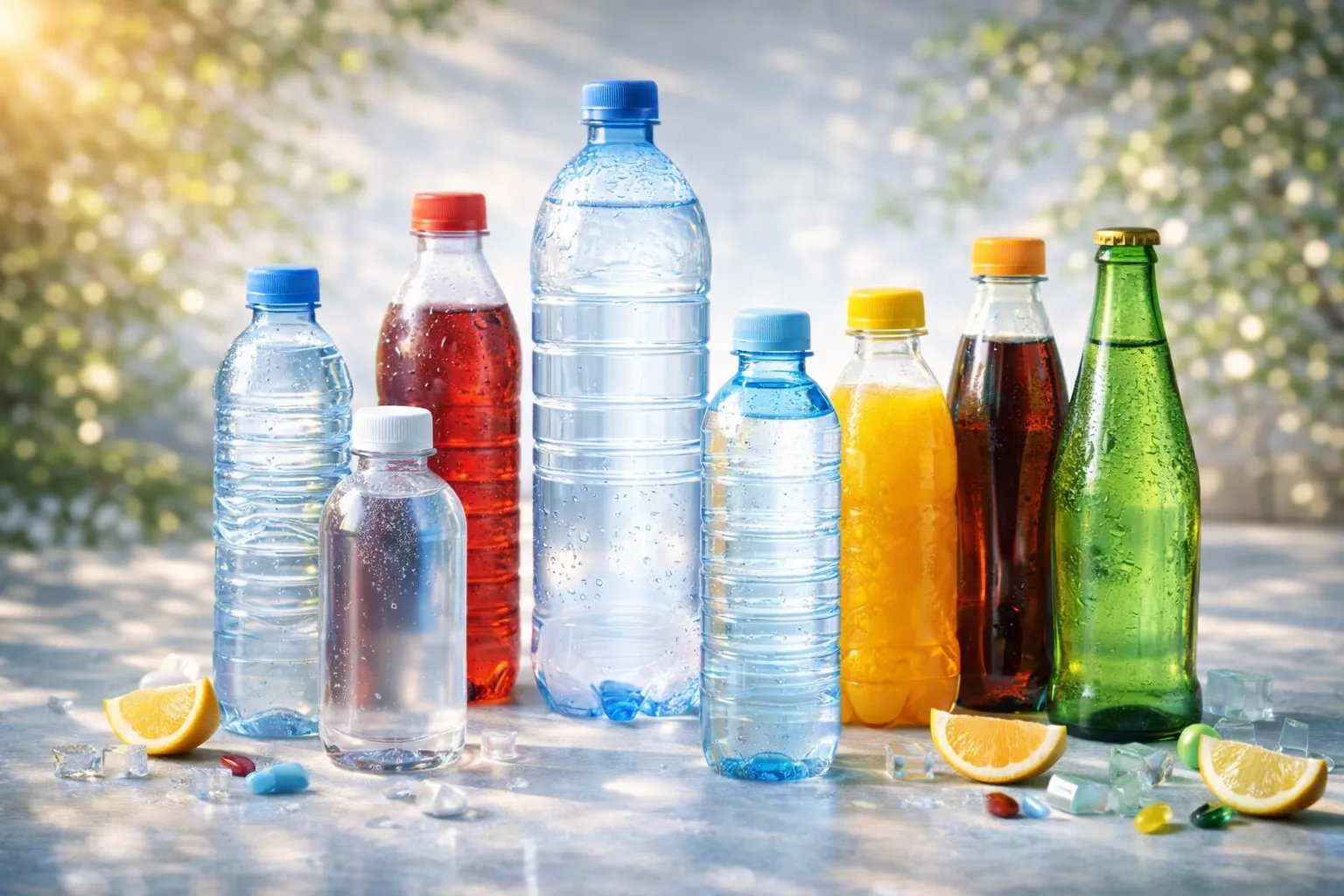
Korejski premium jogurt u staklenci ISBM u PETG-u jedna je od najbrže rastućih i najprofitabilnijih korejskih mliječnih proizvoda ISBM u periodu 2025–2026. Pokretač tržišta: Korejski premium lanci supermarketa (Hyundai Hmall Premium, Shinsegae Food Market) utrostručili su svoj prostor na policama premium grčkog jogurta i kefira od 2022. godine, potaknuti prihvaćanjem visokoproteinskih mliječnih proizvoda u korejskoj kulturi zdrave hrane. Evropski uvozni brendovi (Chobani, Fage, Danone Activia premium asortiman) prodaju se u staklenim teglama po cijeni od 4.500–9.500 KRW po 200 g — Korejski domaći brendovi mliječnih proizvoda lansiraju konkurente u PETG staklenkama sa širokim otvorom po cijeni od 2.800–4.500 KRW koji su direktno usmjereni na istog potrošača.
Specifikacija korejske premium PETG tegle za jogurt odražava specifikaciju K-Beauty kozmetičke PETG tegle u gotovo svakoj dimenziji: zamućenost ≤ 1,5% (tekstura bijelog grčkog jogurta je vizualno specifična kao i svaki K-Beauty proizvod - optički kvalitet komunicira čistoću sastojka), sjaj ≥ 88 GU, široki otvor vanjskog promjera 63–86 mm s ravnom površinom zaptivanja (±0,10 mm ravnost za indukcijsko zaptivanje folijom) i debljina stijenke ≥ 0,28 mm za mehaničku krutost na temperaturama hladnjaka. Glavni zahtjev specifičan za mliječne proizvode dodan je specifikaciji K-Beauty PETG: površina zaptivanja mora odgovarati indukcijskom zaptivaču od aluminijske folije koji korejski premium brendovi mliječnih proizvoda koriste za zaštitu od neovlaštenog otvaranja - ravnost površine zaptivanja i radijus unutrašnjeg ruba moraju biti unutar ±0,08 mm od specifikacije za konzistentnu čvrstoću zavara folije u svim šupljinama.
Korejski proizvođači ISBM-a koji su se već kvalifikovali za K-Beauty PETG tegle sa širokim otvorom mogu ući na korejsko tržište premium PETG tegli za mliječne proizvode uz minimalne dodatne kvalifikacije - proizvodni proces je identičan, a dokumentacija dodaje KFDA kontakt s hranom (testiranje migracije vodenog simulatora mliječnih proizvoda, 10% etanol za kefir s alkoholom iz fermentacije) uz već postojeću usklađenost s kozmetičkim proizvodima. Ugovorene cijene za korejske premium PETG tegle za mliječne proizvode: 85-140 KRW po boci - usporedivo s ugovornim nivoima K-Beauty PETG i wellness shot-ova, uz održavanje istog profila visoke marže za ovaj format.
6. KFDA Ko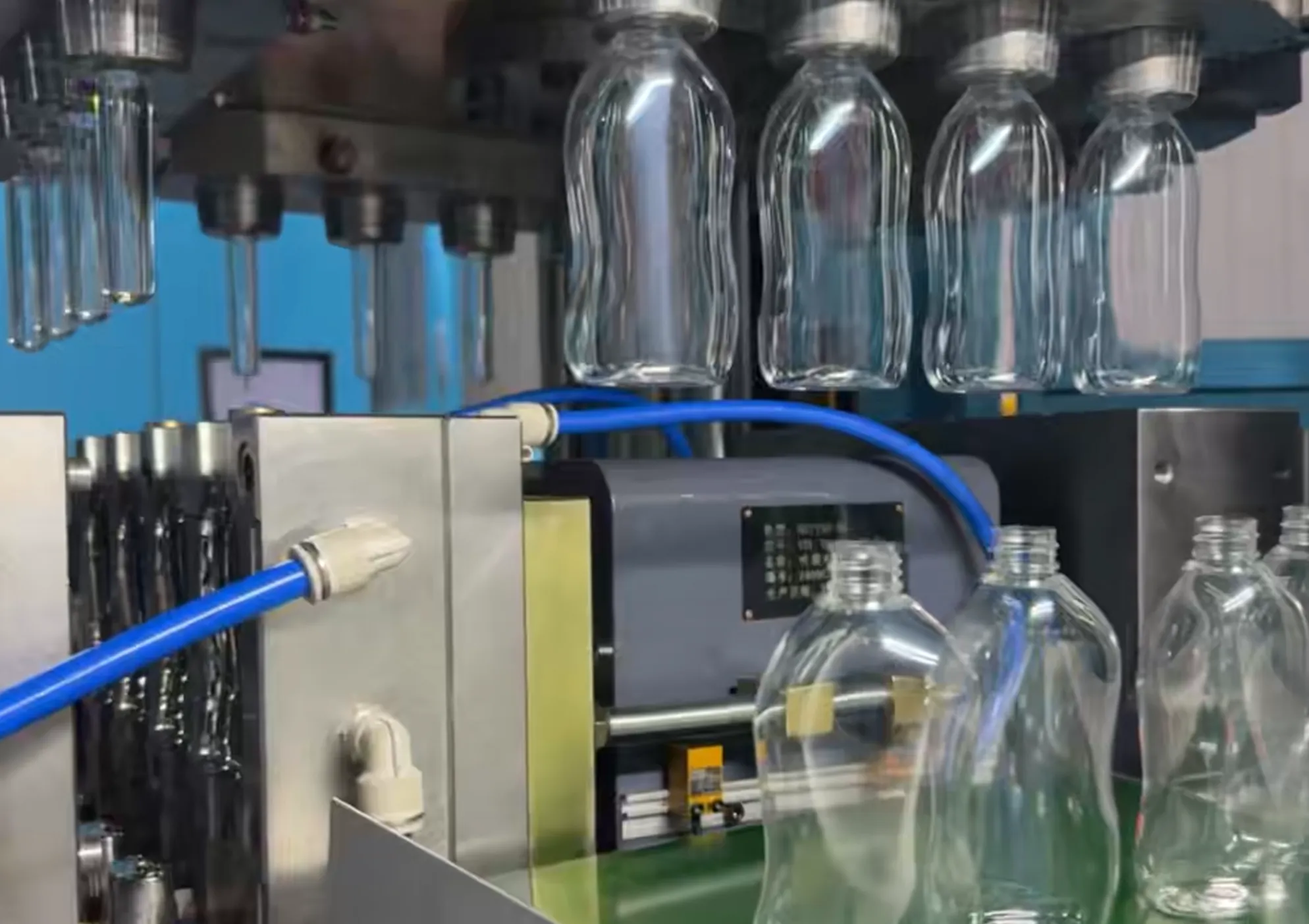 Usklađenost s propisima o ambalaži za mliječne proizvode
Usklađenost korejske ambalaže za mliječne proizvode sa KFDA slijedi istu pozitivnu listu za kontakt s hranom iz Poglavlja 2 kao i korejska ambalaža za hranu općenito, ali sa specifičnim zahtjevima za mliječne proizvode. Simulant hrane za korejske mliječne proizvode je D-vodena otopina (destilirana voda - mliječni proizvodi su vodene matrice u kojima dominira aktivnost vode) za većinu jogurta i mliječnih proizvoda, te simulant etanola 10% za fermentirane mliječne proizvode s detektabilnim sadržajem alkohola iz prirodne fermentacije (kefir, prirodno fermentirani korejski jogurt s aktivnim kulturama). AA specifikacija za korejske mliječne proizvode od polipropilena: ≤ 5 ppm (specifična granica za polipropilen u kontaktu s mliječnim proizvodima iz Poglavlja 2 KFDA). PP boce za korejski jogurt za piće moraju se testirati na 60°C/30 minuta u skladu s uvjetima ispitivanja kontakta s hranom iz Poglavlja 2 KFDA za termički obrađene mliječne proizvode.
Korejski nacionalni program školskog mlijeka (학교우유 프로그램) uključuje približno PP boce za mliječne proizvode od 200 ml koje se opskrbljuju korejskim učenicima osnovnih i srednjih škola putem besplatnog programa mlijeka Ministarstva obrazovanja. Ambalaža školskog mlijeka zahtijeva posebne standarde sigurnosti djece (kompatibilnost sa rupom probušenom slamkom, glatka ivica nakon probijanja slamke - bez oštre PP ivice koja bi mogla porezati djetetovu ruku), zajedno sa standardnom usklađenošću s KFDA-om za kontakt s hranom. Korejski proizvođači ISBM-a koji opslužuju program školskog mlijeka prolaze godišnju inspekciju objekata MFDS-a (Ministarstva za sigurnost hrane i lijekova) i moraju održavati status registrovanog objekta u Koreji od strane MFDS-a. Ova registracija objekta predstavlja konkurentsku barijeru jer ambalaža ISBM-a za školsko mlijeko nije otvorena za opće korejske proizvođače ISBM-a - za to je potrebno 2-3 godine historije dobavljača korejskog programa školskog mlijeka.
7. Pejzaž korejskih brendova mliječnih proizvoda i struktura snabdijevanja ISBM-om
Opskrba korejskom ambalažom za mliječne proizvode (ISBM) strukturirana je oko pet grupa brendova. Maeil Dairy (매일유업) — druga najveća korejska mliječna kompanija i najveći korejski potrošač ISBM boca za mliječne proizvode — proizvodi Maeil jogurt, Maeil mlijeko s okusom (바이오거트) i premium proizvode porijeklom iz Arle koje distribuira u Koreji. Namyang Dairy (남양유업) — vlasnik brenda grčkog jogurta Bulgaris, BIO jogurta i premium Sora kefira lansiranog 2024. godine. Hy (한국야쿠르트, rebrendiran 2021.) — najveći korejski proizvođač jogurta za piće (jogurt tipa Yakult od 65 ml), s više od 8.000 dostavljača koji svakodnevno posjećuju korejska domaćinstva — Hy-ova boca jogurta za piće od 65 ml je referentna vrijednost za sve korejske ISBM proizvode s jednim SKU-om. Seulska mliječna industrija (서울우유) — najveća korejska mliječna zadruga, koja proizvodi aromatizirano mlijeko i jogurt u svim glavnim formatima. Binggrae (빙그레) — specijalista za aromatizirano mlijeko (mlijeko s okusom banane u kultnoj boci u obliku bureta, klasik korejskog dizajna).
Za korejske proizvođače ISBM-a, strategija ulaska na tržište mliječnih proizvoda je slojevita prema težini segmenta. Najlakše: Korejski zanatski i specijalizirani mliječni proizvodi (100+ novih korejskih brendova zanatskih mliječnih proizvoda u premium supermarketima) — vrijeme kvalifikacije 3–6 mjeseci, količine 500.000–3 miliona/godišnje, ugovorne cijene 65–140 KRW/boca za PETG formate. Umjereno: Korejski mljekari srednjeg nivoa (regionalni brendovi, proizvođači mlijeka s okusom) — vrijeme kvalifikacije 6–12 mjeseci, količine 5–15 miliona/godišnje, ugovorne cijene 35–55 KRW/boca. Najteže: Korejski mljekari nacionalnog obima (Maeil, Namyang, Hy) — vrijeme kvalifikacije 12–24 mjeseca, količine 80 miliona–1 milijarda+/godišnje, ugovorne cijene 18–35 KRW/boca. Optimizacija broja šupljina koja skalira ISBM investiciju na tačan obim proizvodnje na svakom nivou je u... Korejski vodič za kalkulator broja šupljina ISBM.
8. rPET i održivost u ISBM ambalaži za korejske mliječne proizvode
Održivost ambalaže za mliječne proizvode u Koreji u 2026. godini suočava se s dvostrukim izazovom. Za korejske PET boce za mliječne proizvode (kefir, jogurt, premium mliječni proizvodi): minimalni mandat K-EPR rPET 10% primjenjuje se od januara 2026. godine — korejski brendovi mliječnih proizvoda iznad praga moraju uključivati rPET u svoje PET boce. Kvalifikacija za rPET za korejski PET mliječnih proizvoda mora koristiti test migracije simulatora vode kako bi se provjerilo da ekstrakti izvedeni iz rPET-a ne prelaze ograničenja korejske KFDA za ambalažu za hranu koja dolazi u kontakt s mliječnim proizvodima. Za korejske PP boce za mliječne proizvode (jogurt za piće, mlijeko s okusom, školsko mlijeko): mandat K-EPR rPET se ne primjenjuje na PP ambalažu u 2026. godini — mandati za sadržaj recikliranog PP-a nalaze se u zasebnom korejskom EPR ciklusu koji se trenutno preispituje za uvođenje u 2028. godini. Korejski proizvođači PP mliječnih proizvoda ISBM stoga još nisu zakonski obavezni da ugrade reciklirani PP, iako su Maeil Dairy i Hy dobrovoljno preuzeli obaveze do 2027. godine da će u svoje boce za mliječne proizvode uključiti 15–20% reciklirani PP kao dio svojih korejskih obaveza izvještavanja o ESG-u. Dokumentacija o rPET-u i protokol proizvodnje koji se primjenjuju na korejske PET boce za mliječne proizvode nalaze se u Korejski vodič za obradu rPET-a.
Često postavljana pitanja
Podrška za pakovanje mliječnih proizvoda
Korejski mljekarski startup lansira premium PETG tegle za jogurt ili PP jogurt za piće?
Korejski Ever-Power nudi alate za tegle jogurta PETG stupnja zamućenosti ≤1,51 TP3T, specifikacije površine za indukcijsko brtvljenje folijom, dizajn kalupa za jogurt od PP s velikom šupljinom od 65 ml, dokumentaciju za kontakt s mliječnim proizvodima KFDA i kvalifikaciju masterbatcha za zaštitu od svjetlosti za ISBM ugovore s korejskim mliječnim proizvodima.
Povezani resursi
Platforma za mliječne proizvode
Korejski Ever-Power HGY200-V4
Standardna platforma sa 4 stanice za korejske premium PETG tegle za jogurt sa 4-6 šupljina; EV servo za specifikaciju zamućenja ≤1.5%.
Domet mašine
ISBM poligon sa 4 stanice
Korejski Ever-Power asortiman sa 4 stanice — HGY150-V4 za PP jogurt za piće od 65 ml sa 12 udubljenja do HGY200-V4-EV za premium PETG tegle za mliječne proizvode.
Alati za mljekarsku industriju
Dizajn prilagođenog ISBM kalupa
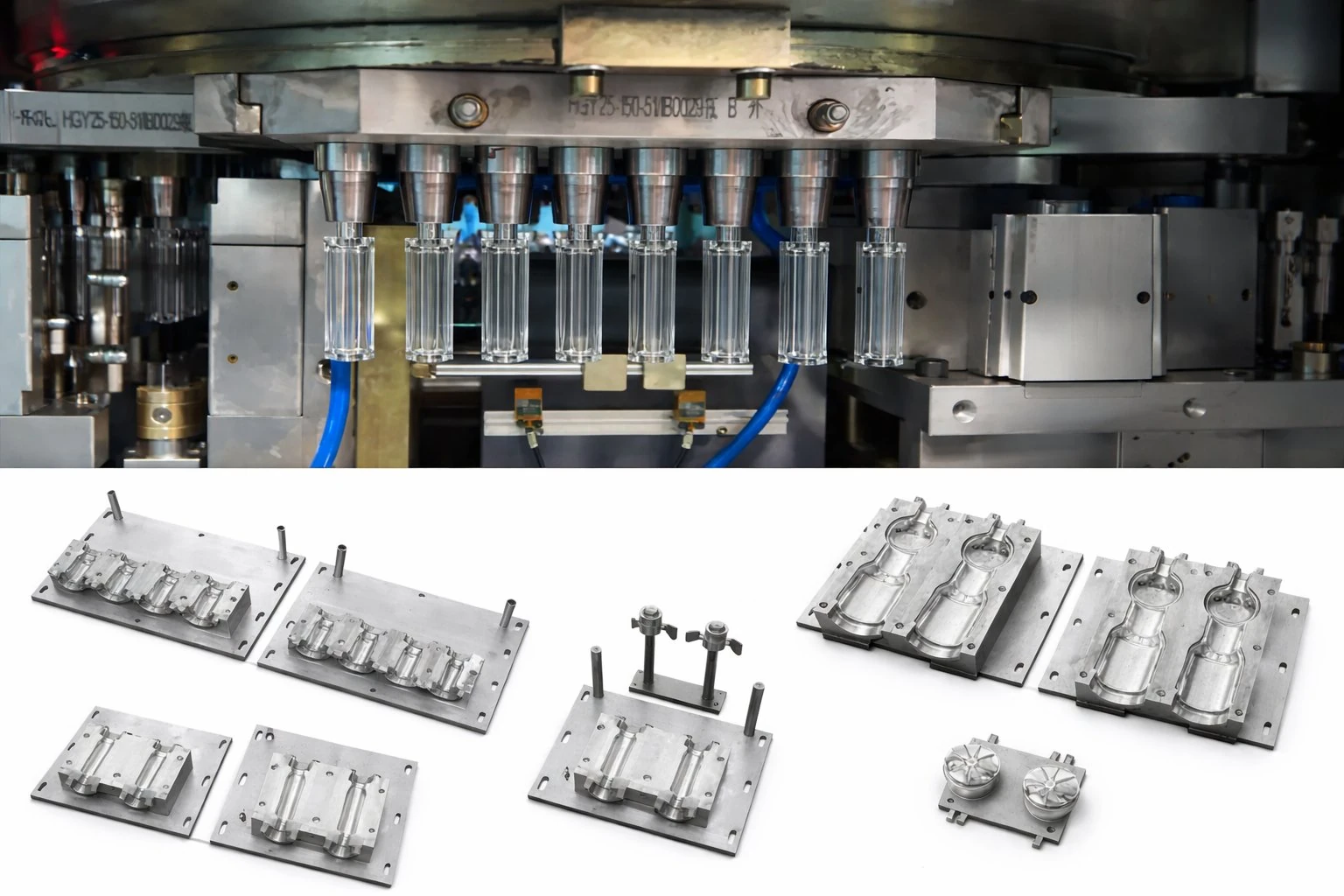
Korejski kalupi za mliječne proizvode — jogurt za piće od 65 ml s 12 udubljenja od PP-a, PETG tegla za grčki jogurt sa širokim otvorom i folijom za zatvaranje, te alat za kristalne boce za kefir.