Primjena ISBM-a · Organska i prirodna ambalaža · 2026
ISBM za korejske organske proizvode i
Ambalaža prirodnih proizvoda
Korejsko tržište organskih i prirodnih potrošačkih proizvoda dostiglo je 4,1 bilion KRW u 2025. godini. Za proizvođače ISBM-a, ovo tržište zahtijeva nešto što robna ambalaža ne može ponuditi: ambalažu koja vjerodostojno komunicira prirodnost kroz izbor materijala, boju i certificiranu održivost - a istovremeno ispunjava iste dimenzionalne standarde i standarde kontakta s hranom kao i bilo koja premium potrošačka ambalaža.
K-EPR 10–30% Spreman za rPET
Masterbatch u zemljanim tonovima
Zašto je „prirodna“ ambalaža prilika za ISBM
Korejski potrošač organskih i prirodnih proizvoda ne kupuje samo proizvod - on daje izjavu o identitetu. Kada korejski potrošač plati 32.000 KRW za prirodno ulje za lice od 200 ml umjesto 8.000 KRW za standardni ekvivalent, ambalaža direktno učestvuje u opravdanju te kupovine. Dizajn ambalaže koji potkopava narativ o prirodnosti - sjajna plastika brizgana u kalupu s hromiranim zatvaračima, generička geometrija boce identična proizvodima masovnog tržišta - uništava premium pozicioniranje proizvoda čak i ako formulacija to zaista opravdava.
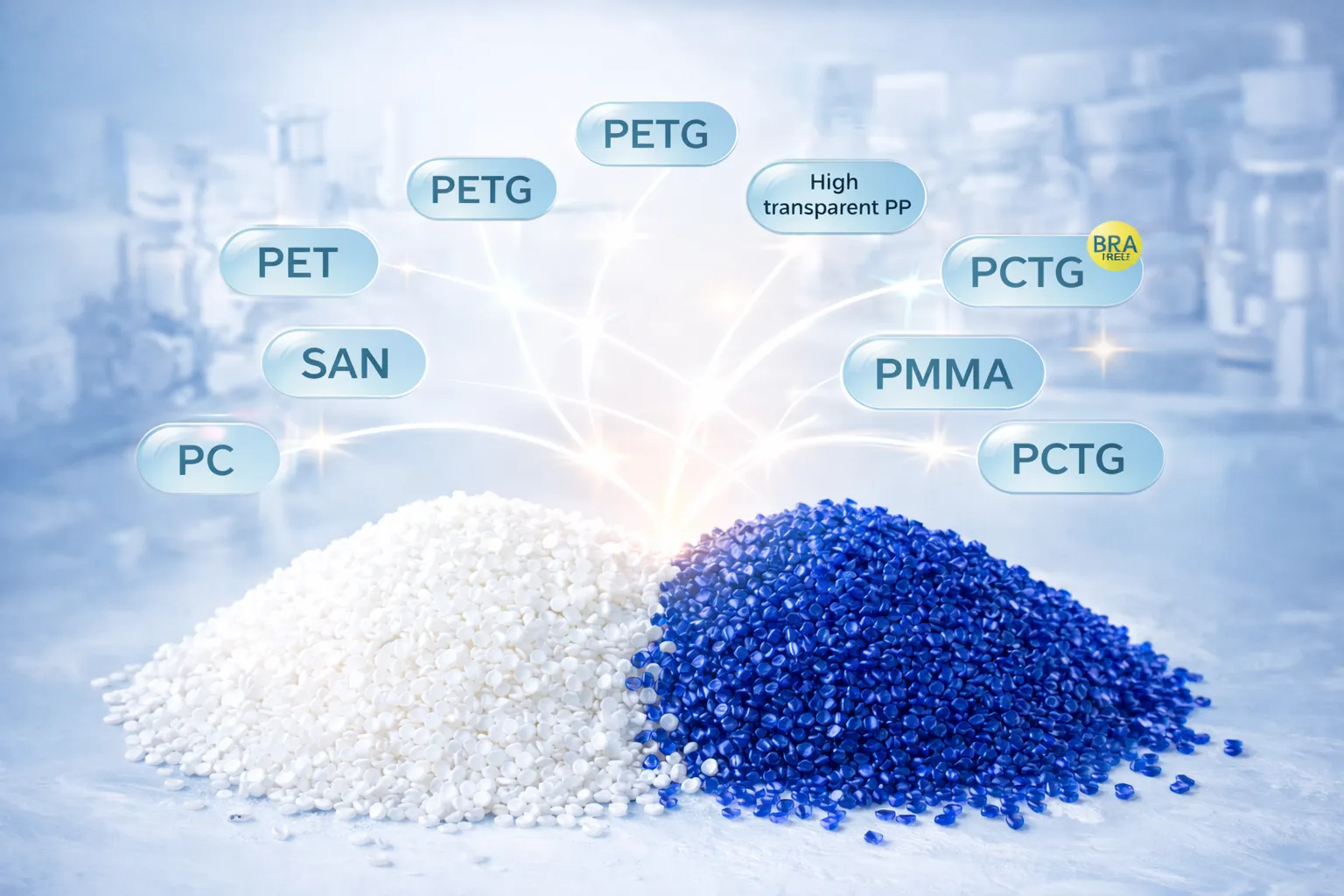
Korejski proizvođači organskih i prirodnih proizvoda (ISBM) koji razumiju ovu dinamiku mogu pružiti specifične vrijednosti ambalaže koje zahtijevaju korejski brendovi organskih i prirodnih proizvoda: mat PETG boce sa zanatskom siluetom, jantarno obojeni PET koji prenosi čistoću sastojaka, rPET ambalažu sa certificiranim procentima recikliranog sadržaja otisnutim na etiketi i Tritan posude koje prenose sigurnost bez BPA za linije porodičnih i bebi proizvoda. Sve su to mogućnosti ISBM proizvoda - ali svaka zahtijeva specifično znanje o proizvodnji koje standardno iskustvo u proizvodnji ISBM proizvoda za pića ili ličnu njegu ne pruža automatski.
Tržište na prvi pogled
2. COSMOS certifikacija i šta ona znači za korejsku ISBM ambalažu
COSMOS (Cosmetics Organic Standard) je vodeći međunarodni certifikat za organsku i prirodnu kozmetiku, kojim upravlja COSMOS-standard AISBL (belgijska neprofitna organizacija). Preko 180 korejskih kozmetičkih brendova posjeduje COSMOS certifikat ili ga namjerava dobiti 2026. godine, vođeni zahtjevima za izvoz na tržišta EU, Velike Britanije i Sjeverne Amerike gdje je COSMOS ili ekvivalentni certifikat preduvjet za maloprodaju pozicioniranja proizvoda prirodne ljepote.
COSMOS ne nameće specifične zahtjeve za materijal za pakovanje vanjskog pakovanja - fokusira se na standarde sastojaka i formulacije. Međutim, smjernice brenda COSMOS (tehnički dokument koji prati certifikaciju) preciziraju da ambalaža treba biti "kompatibilna s ekološkom obavezom brenda" i preporučuju materijale za recikliranje gdje je to izvodljivo. Obvezujuća obaveza pakovanja za korejske COSMOS brendove proizilazi iz njihove komunikacije brenda, a ne iz samog standarda: brend koji se marketinga kao "čist" ili "prirodan" suočava se s kritičkom analizom potrošača i trgovaca na malo pri svakom izboru ambalaže, uključujući vrstu plastike, mogućnost recikliranja i da li je ugrađen bilo kakav reciklirani sadržaj. 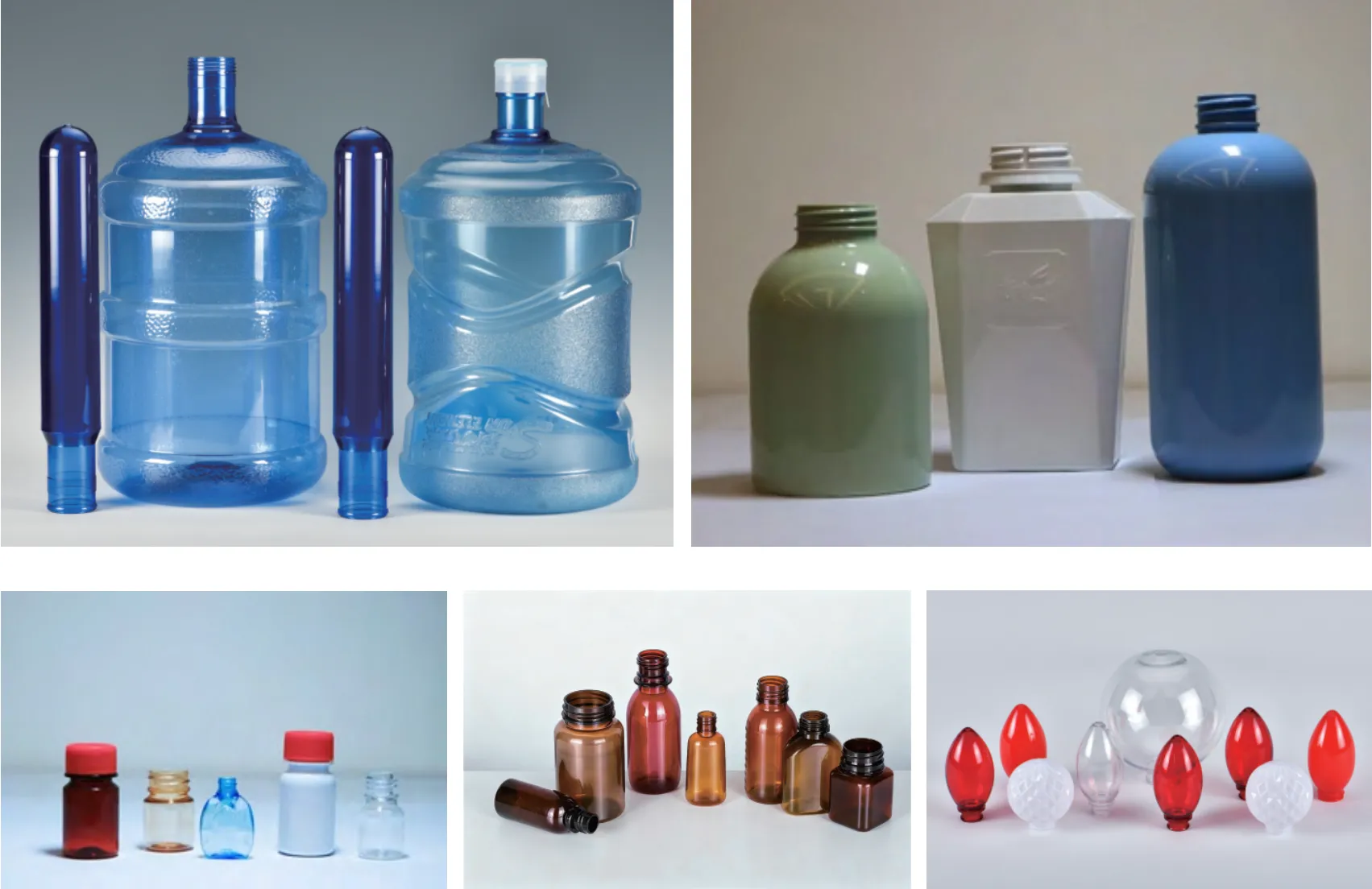
Za korejske proizvođače ISBM-a koji snabdijevaju kupce COSMOS-a ili prirodnih brendova, praktične obaveze u vezi s pakovanjem su: (1) dokumentacija o usklađenosti s propisima KFDA o kontaktu s hranom sa svim certifikatima (isto kao i za standardnu premium kozmetiku); (2) dokumentacija o mogućnosti recikliranja u kojoj se navodi da je boca proizvedena od reciklirajućeg PET-a ili PETG-a s mogućnošću recikliranja na ivici puta u korejskom EPR sistemu; (3) certifikacija sadržaja rPET-a gdje brend uključuje reciklirani sadržaj u svoje tvrdnje o održivosti ambalaže; i (4) deklaracija o odsustvu BPA (svi ISBM PET i PETG-ovi su inherentno bez BPA, ali dokumentacija mora biti eksplicitna za upotrebu prirodnih brendova). Korejski proizvođači ISBM-a trebali bi pripremiti „Paket dokumentacije za ambalažu prirodnih brendova“ koji objedinjuje sve četiri ove vrste dokumenata kao paket usklađenosti po ključu u ruke za kupce prirodnih brendova - smanjujući opterećenje dokumentacijom za brend i diferencirajući proizvođača ISBM-a od konkurencije koji isporučuju samo boce bez dokumentacije.
3. rPET ambalaža za korejske organske brendove: tvrdnje, usklađenost i proizvodnja
Sadržaj recikliranog PET-a je komercijalno najznačajnija tvrdnja o održivosti ambalaže za korejske prirodne brendove u 2026. godini. Korejski potrošači prepoznaju oznaku "PCR-PET" (Post-Consumer Recycled PET) kao vjerodostojan signal održivosti - više nego nejasne tvrdnje o "ekološkoj prihvatljivosti" bez konkretnih materijalnih dokaza. Korejski prirodni i organski brendovi koji na svojoj ambalaži štampaju određeni postotak rPET-a (npr. "Napravljeno od 30% recikliranog PET-a") ostvaruju mjerljive prednosti na policama, kako na domaćem, tako i na izvoznom tržištu.
Za korejske proizvođače ISBM-a, isporuka boca koje sadrže rPET kupcima prirodnih brendova zahtijeva potpuni okvir upravljanja proizvodnjom rPET-a detaljno opisan u Korejski vodič za obradu K-EPR rPET-aUpravljanje IV-om, podešavanje protokola sušenja, provjera obradivosti pri svakom omjeru miješanja i dokumentacija o kvaliteti. Dodatni zahtjev za dokumentaciju za kupce prirodnih brendova je lanac certifikacije sadržaja rPET-a — postotak sadržaja rPET-a mora se moći pratiti od certifikata reciklera, preko otpremnice dobavljača smole, kroz zapis o seriji proizvođača ISBM-a do gotove serije boca. Ovaj lanac sljedivosti omogućava korejskom brendu prirodnih proizvoda da odštampa određenu tvrdnju o postotku na svojoj ambalaži uz dokumentarnu podršku.
Interakcija između uključivanja rPET-a i prirodne estetike koju zahtijevaju korejski organski brendovi zahtijeva pažljivo upravljanje. Boje masterbatcha u zemljanim tonovima (žaludno zelena, topla terakota, prirodna bež, zobeno bijela) obično specificiraju korejski prirodni brendovi - a inherentna žutost rPET-a pomiče b* vrijednost na načine koji više utiču na ove zemljane tonove nego jarke zasićene boje. Mješavina rPET-a 30% s udjelom masterbatcha od 0,6% žalfije zelene boje proizvest će vidljivo drugačiji (više žutomaslinasti) rezultat od iste masterbatcha s 0% rPET-om. Korejski proizvođači ISBM-a moraju ponovo kvalificirati standarde boja na svakom nivou uključivanja rPET-a, umjesto da pretpostavljaju da se odobrenja boja za djevičanski PET automatski prenose na proizvodnju mješavina rPET-a.
4. Bio-bazirane i alternativne smole: Stvarnost korejskog tržišta u 2026. godini
Korejski brendovi prirodnih proizvoda često se raspituju o bio-baziranom PET-u (bio-PET, dobiven iz etanola šećerne trske, a ne iz nafte) i PLA-u (poliklitička kiselina, kompostabilni biopolimer) kao materijalima za pakiranje koji bi ojačali njihovu priču o prirodnosti. Stvarnost u korejskoj proizvodnji ISBM-a 2026. godine je nijansirana: bio-PET je zaista održiv; PLA ISBM u komercijalnom obimu u Koreji ima značajna ograničenja.
5. Estetika ambalaže koja komunicira prirodno: Zemljani tonovi i površinske obrade
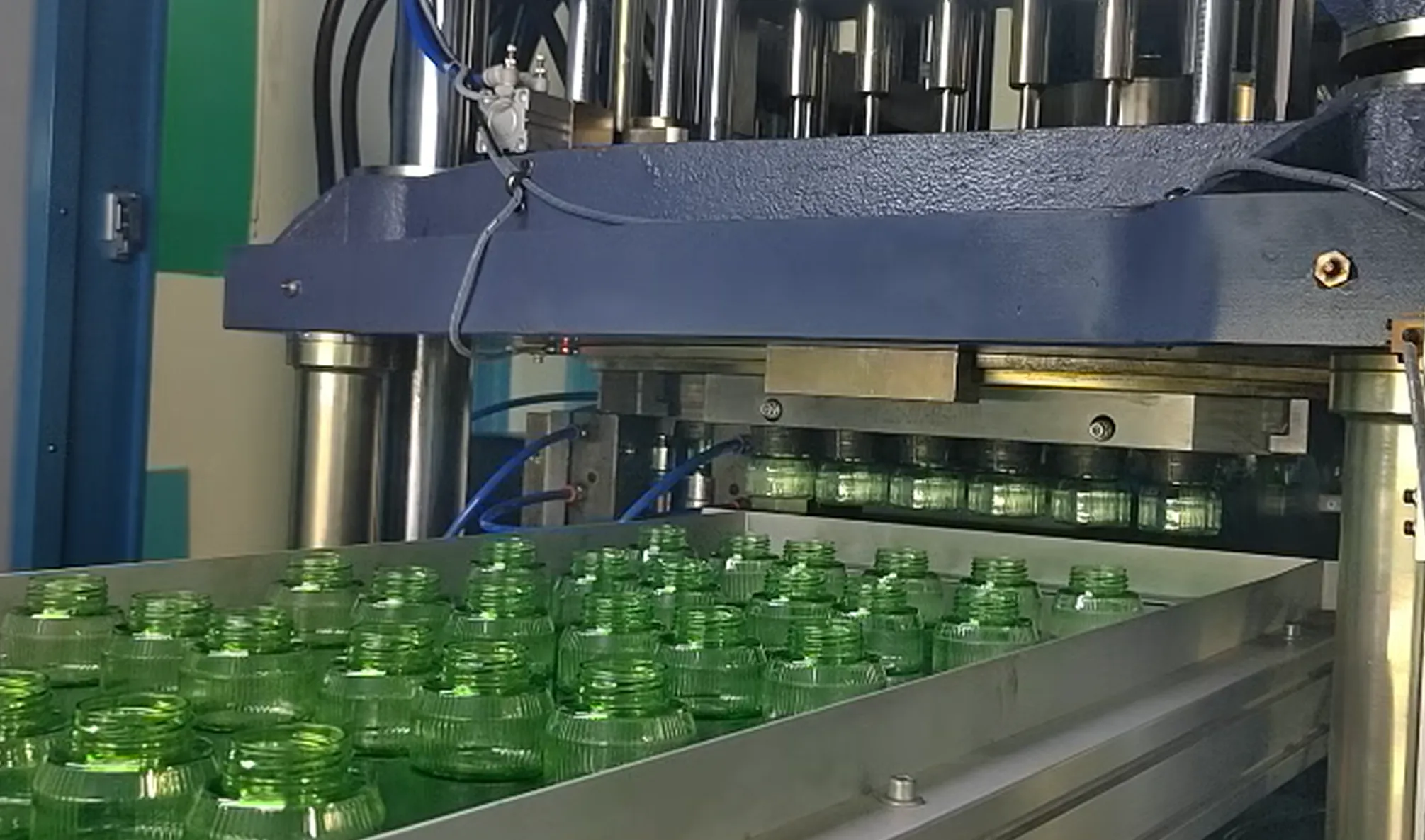
Ambalaža korejskih prirodnih brendova u 2026. godini koristi prepoznatljiv vizualni vokabular - zemljane tonove, mat ili mat površine, jednostavne siluete bez dekorativnog utiskivanja - koji signalizira prirodnost korejskim potrošačima, obučenim godinama komunikacije brenda K-Beauty. Ključne porodice boja koje korejski organski brendovi koriste u svojim specifikacijama ISBM boca:
Zelena žalfija / bilje
L* 62–72, a* −12 do −18, b* +8 do +14. Ftalocijanin zeleni + žuti oksid pri opterećenju od 0,4–0,71 TP3T. Prenosi botanički, biljni sadržaj proizvoda.
Prirodni topli ćilibar
L* 45–58, a* +8 do +18, b* +22 do +35. Okrid željeza oker pri opterećenju od 0,6–1,2%. Jak prirodni signal; također pruža UV slabljenje za fotolabilne prirodne sastojke.
Zob / Lan Bijela
L* 78–88, a* −1 do +2, b* +4 do +10. TiO₂ s niskim opterećenjem (0,8–1,2%) s toplom žutom nijansom. Decentna vrhunska prirodna estetika bez potpune neprozirnosti.
Škriljasta / Plavo-siva
L* 45–60, a* −3 do −8, b* −8 do −15. Crna boja + ftalo plava boja na 0,5–0,9%. Komunicira pozicioniranje proizvoda mineralnog/vodenog porijekla; rastuća pozicija u korejskoj prirodnoj njezi kože.
Matirana površinska završna obrada – postignuta pjeskarenjem stijenke šupljine ISBM kalupa za duvanje do Ra 1,0–1,8 μm – je najefikasniji signal za pakovanje „prirodnog“ dostupnog korejskim proizvođačima ISBM-a bez dodatnih koraka obrade. Matirana PETG boca u boji žalfije košta samo premiju za površinsku obradu kalupa (800.000–2 miliona KRW po kalupu, naneseno jednom), ali zahtijeva znatno veće ugovorne cijene od korejskih prirodnih brendova nego isti dizajn boce sa standardnom sjajnom završnom obradom. Izbor PETG smole koji omogućava najbolji mat izgled nakon pjeskarenja – i ključni kompromis između prozirnosti i neprozirnosti kod prozirnih boca zemljanih tonova – obuhvaćen je u Vodič za odabir PET vs. PETG smole.
6. Specifičnosti pakovanja korejske prirodne i organske hrane
Korejski certificirani organski prehrambeni proizvodi (유기농 인증) koriste ISBM boce za hladno prešana ulja, prirodni ocat, organske umake i fermentirane zdrave napitke. Zahtjevi za pakovanje razlikuju se od konvencionalnog korejskog pakovanja hrane na dva važna načina: organski certifikat zahtijeva da svi materijali za pakovanje budu dokumentovani kao nekontaminirajući (bez migracije plastifikatora, bez prelijevanja boje u proizvod) i marketinška komunikacija zahtijeva pakovanje koje vizuelno podržava premium cjenovnu poziciju u odnosu na konvencionalne alternative na istoj polici.
Korejske ISBM boce za organsku hranu obično su izrađene od prozirnog ili blago obojenog PET materijala, zapremine od 250 ml do 750 ml, s GPI profilima vrata od 28 mm do 38 mm i indukcijskim folijskim brtvljenjem za zaštitu od neovlaštenog otvaranja i produženje roka trajanja. Korejsko tijelo za certifikaciju organske hrane (한국유기농업협회 i GAP Korea) ne nameće posebne certifikate za ambalažu osim usklađenosti s KFDA-om za kontakt s hranom, ali korejski trgovci organskom hranom (Hansem, Orga, Coupang Fresh Organic) provode vlastite revizije kvalitete dobavljača koje uključuju pregled dokumentacije o ambalažnom materijalu.
Obim proizvodnje ISBM boca za korejsku organsku hranu obično se kreće u rasponu od 300.000 do 2 miliona godišnjih jedinica po SKU-u — korejsko tržište organske hrane je premium, ali i dalje nišno u poređenju sa konvencionalnim količinama hrane. Ova fragmentacija SKU-a čini ekonomiju proizvodnje sa više SKU-ova o kojoj se raspravljalo u Vodič za proizvodnju ISBM-a za korejsku ambalažu za hranu posebno relevantno — proizvođačima organske hrane ISBM potrebna je efikasnost promjene kalupa i mogućnost korištenja više vrsta smola kako bi održivo služili portfoliju SKU-a.
7. Izjave o održivosti, ugovorne cijene i povrat ulaganja za korejski prirodni brend ISBM
Ambalaža korejskih prirodnih brendova zahtijeva ugovorene cijene koje su za 40–90% iznad ekvivalentne konvencionalne ambalaže proizvoda – premija koja je potaknuta kombinacijom vrhunske smole (PETG, Tritan, bio-PET, rPET), viših specifikacija (strože tolerancije boja, vrhunska površinska završna obrada, opterećenje dokumentacijom) i manjih proizvodnih količina koje povećavaju opće troškove po jedinici. Argument povrata ulaganja za korejska ISBM ulaganja u segment prirodnih brendova je snažan, ali zahtijeva pažljivo planiranje obima.
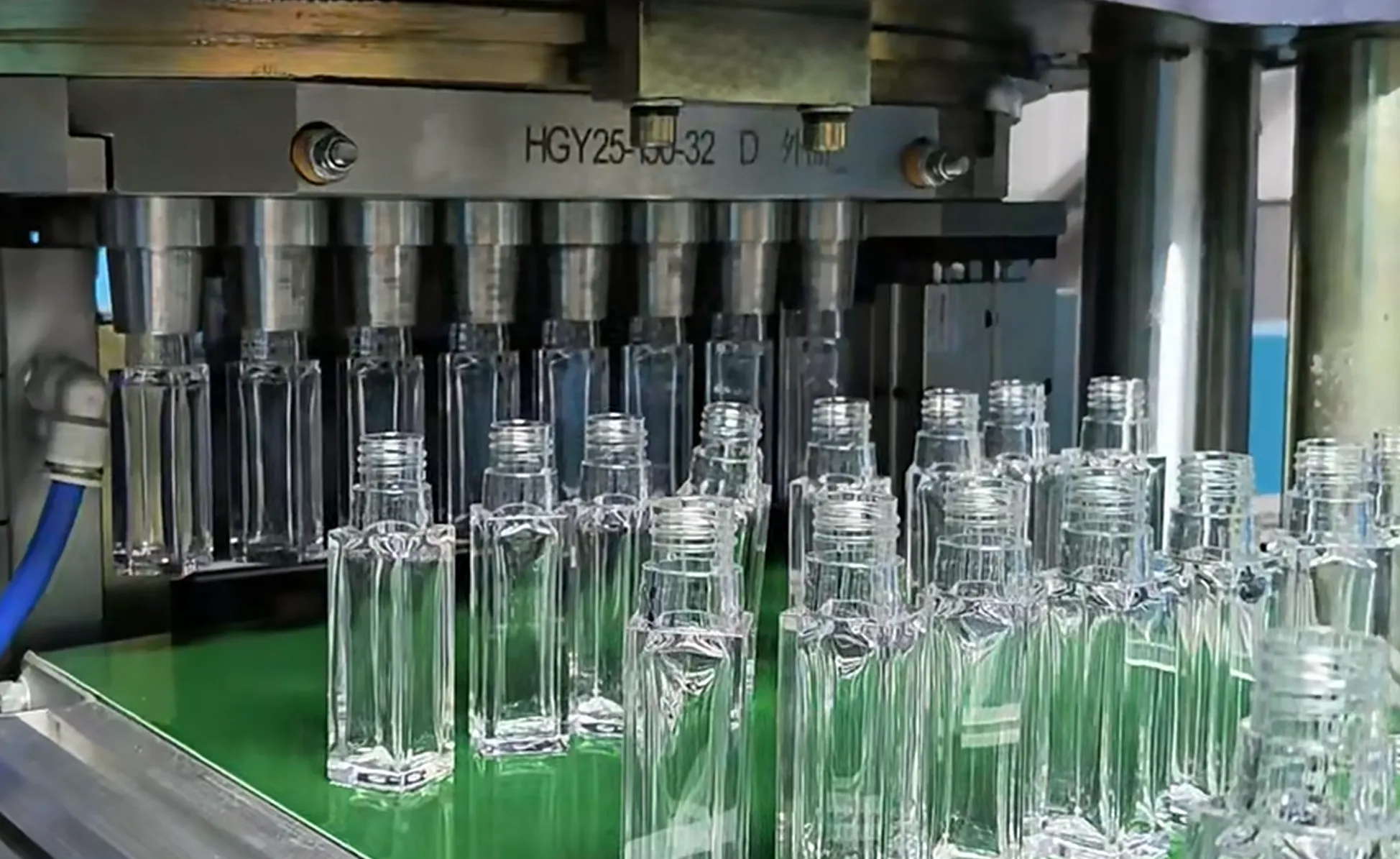
Korejski proizvođač ISBM-a koji cilja na segment prirodnih brendova sa namjenskim HGY200-V4 EV sa 4 šupljine trebao bi planirati pristup portfolija s više brendova: usluživanje 8-15 korejskih prirodnih brendova u kategorijama K-Beauty, organske hrane i dodataka prehrani, agregirajući svoje pojedinačne količine SKU-ova (300.000-2 miliona jedinica svaki) u kombinovano korištenje linije od 8-12 miliona jedinica godišnje. Po prosječnoj ugovorenoj cijeni od 85-150 KRW za cijeli miks SKU-ova prirodnih brendova, profil prihoda i marže je znatno bolji od ekvivalentnog obima u proizvodnji pića ili proizvoda za ličnu njegu.
Okvir punog povrata investicije za ovu vrstu specijalizirane premium ISBM strategije - uzimajući u obzir amortizaciju mašina, troškove portfelja alata za kalupe, režijske troškove dokumentacije i cijene premium ugovora - modeliran je u Vodič za kalkulator povrata ulaganja za korejske ISBM mašineZa ISBM prirodnih brendova po realnim cijenama u Koreji iz 2026. godine, tipični periodi otplate su 22-30 mjeseci - što je brže od standardnih ISBM-ova za pića, gdje cijene roba smanjuju marže uprkos većim količinama.
8. Tvrdnje o ne-BPA i sigurnosti za djecu u korejskim prirodnim proizvodima
Značajan segment korejskih organskih i prirodnih proizvoda usmjeren je na porodice s malom djecom - organska hrana za bebe, prirodni dodaci prehrani za djecu, proizvodi za njegu djece bez hemikalija. U ovom segmentu, ambalaža bez BPA nije samo preferencija, već i kriterij kupovine o kojem se ne može pregovarati. Sve ISBM PET i PETG boce su inherentno bez BPA (BPA je komponenta polikarbonata, a ne poliestera), ali deklaracija o odsustvu BPA mora biti eksplicitna u dokumentaciji dobavljača i idealno odštampana na samoj boci za korejske kategorije porodičnih proizvoda. Za korejske prirodne brendove koji ciljaju kategoriju dječjih proizvoda i žele Tritan (Eastmanov kopoliester, koji nudi izuzetnu prozirnost i otpornost na padove uz status bez BPA),... Vodič za proizvodnju Tritan ISBM-a Pokriva parametre obrade i put certifikacije. Tritan ima najvišu ugovorenu cijenu po jedinici u pakovanju korejskih prirodnih porodičnih proizvoda - 120-200 KRW po boci zapremine od 200-500 ml - što ga čini pojedinačnom kategorijom ISBM proizvoda s najvećom maržom dostupnom korejskim proizvođačima ambalaže prirodnih brendova u 2026. godini. Kontekst K-Beauty za strategiju pakovanja prirodnih brendova obuhvaćen je u Vodič za proizvodnju K-Beauty ISBM-a, koji se bavi preklapajućim certifikatima i pozicioniranjem korejskih brendova prirodne kozmetike.
Često postavljana pitanja
Podrška za pakovanje prirodnih brendova
Izgradnja korejske linije za pakovanje organskih i prirodnih proizvoda?
Korejski Ever-Power pruža pakete dokumentacije za rPET, podršku za kvalifikaciju masterbatcha u zemljanim tonovima, obradu površine matiranim kalupima i kompletne pakete dokumentacije za certifikaciju za ugovore o pakovanju korejskih organskih i prirodnih brendova.
Povezani resursi
Domet mašine
ISBM poligon sa 4 stanice
Potpuno servo platforme za električna vozila za obradu rPET-a, proizvodnju PETG-a u zemljanim tonovima i porodične linije proizvoda Tritan bez BPA.
Platforma za prirodne brendove
Korejski Ever-Power HGY200-V4
Višenamjenska stanica sa 4 smole za proizvodnju prirodnih marki s više SKU-ova — PET, PETG, bio-PET, Tritan na jednoj platformi.
Vodič za alate
Vodič za odabir ISBM kalupa
Obrada površine kalupa matiranim premazom, specifikacija Ra za pjeskarenje i odluke o kvalifikaciji kalupa u boji zemljanih tonova.