دراسة فنية معمقة · هندسة القوالب · المؤتمر الدولي الكوري لبناء القوالب 2026
قناة تبريد قالب ISBM
الهندسة: الدليل الكوري
يمثل وقت التبريد ما بين 35 و551 طنًا لكل دورة إنتاج في مصانع الصب الكورية. ويتراوح الفرق بين تصميم قناة تبريد مُحسّن وتصميم عادي بين 1.5 و3.5 ثانية لكل دورة، وهو ما يُترجم، عند استخدام 8 تجاويف ونوبات عمل مدتها 16 ساعة، إلى زيادة في الإيرادات السنوية تتراوح بين 40 و95 مليون وون كوري باستخدام نفس الآلة والقالب. يقدم هذا الدليل للمنتجين الكوريين الأساس الهندسي اللازم لتحقيق هذا الفرق.
عمق القناة: 8-12 مم
الماء عند درجة حرارة 10 مئوية = دورة -1.8 ثانية
مكتب الهندسة الكوري للطاقة الدائمة · مدينة أنسان · مايو 2026
مرجع تصميم قنوات التبريد لمحطة الطاقة النووية الكورية ISBM — 2026
| المعلمة | معيار PET | PETG / مستحضرات التجميل الكورية | تعبئة ساخنة من البولي بروبيلين | السبب الهندسي |
|---|---|---|---|---|
| قطر القناة | 8-10 ملم | 8-10 ملم | 10-12 ملم | قطر أكبر لـ PP: يعوض عن انخفاض الموصلية الحرارية للفولاذ H13 المستخدم في قوالب التعبئة الساخنة |
| العمق من التجويف (د) | 8-12 ملم | 8-10 ملم | 12-16 ملم | كلما اقتربنا من التجويف، زادت سرعة استخلاص الحرارة؛ استخدام PETG أقرب لضمان الشفافية البصرية؛ استخدام PP أبعد لتجنب التبريد الزائد وتصلب البلورات |
| درجة صوت القناة (p) | 2-2.5 يوم | 1.8–2.2d | 2-3 أيام | المسافة بين القنوات هي مضاعفات لعمق القناة؛ مسافة أضيق لـ PETG لضمان درجة حرارة سطح موحدة |
| درجة حرارة مدخل الماء | 8-12 درجة مئوية | 8-12 درجة مئوية | 10-25 درجة مئوية | البولي بروبيلين: ارتفاع درجة حرارة الماء يمنع التبريد السريع جدًا للتبلور؛ البولي إيثيلين تيريفثالات/بولي إيثيلين تيريفثالات جلايكول: الماء البارد يزيد من معدل استخلاص الحرارة |
| هدف معدل التدفق | Re > 10,000 | Re > 10,000 | Re > 8,000 | يُعدّ التدفق المضطرب (Re > 4000) ضروريًا؛ إذ يضمن Re > 10000 معامل انتقال حرارة أعلى بمقدار 3-4 مرات من التدفق الصفائحي. |
| أقصى فرق في درجة الحرارة بين المدخل والمخرج | ≤ 3 درجة مئوية | ≤ 2 درجة مئوية | ≤ 4 درجة مئوية | فرق درجة الحرارة الكبير = تبريد غير منتظم للتجويف = تباين في سمك الجدار؛ مادة PETG أكثر إحكامًا لتحسين الجودة البصرية |
1. لماذا يُعد تصميم قنوات التبريد استثمارًا ذا عائد استثماري أعلى في مجال القوالب؟
تحسين زمن دورة ISBM الكورية - تمت معالجته بشكل منهجي في إطار عمل دورة إدارة الأعمال المتكاملة الكورية ذو الخمس مراحل يُشير هذا إلى أن التبريد هو العامل الذي يُحقق أعلى إمكانية لتوفير الوقت. تُوزّع دورة تصنيع المشروبات الكورية النموذجية في عبوات PET، والتي تستغرق 10 ثوانٍ، الوقت تقريبًا على النحو التالي: الحقن 2.5 ثانية، نقل التكييف 1.0 ثانية، فترة التكييف 2.5 ثانية، النفخ 1.5 ثانية، فترة التبريد 2.0 ثانية، الإخراج/التدوير 0.5 ثانية. تمثل فترة التبريد البالغة 2.0 ثانية في هذا المثال الوقت الذي يلي إطلاق هواء النفخ قبل أن تصبح الزجاجة صلبة بما يكفي لإخراجها دون تشوه، وتُحدد كفاءة قناة التبريد في القالب هذه الفترة الدنيا للتبريد بشكل كامل.
حساب عائد الاستثمار لتحسين قنوات التبريد مباشر: في قالب ISBM كوري ذي 8 تجاويف، يعمل بدورة مدتها 10 ثوانٍ لمدة 16 ساعة يوميًا، يؤدي كل تقليل بمقدار 0.5 ثانية في مدة التبريد إلى زيادة الإنتاج السنوي بحوالي 2.16 مليون تجويف. وبسعر عقد 45 وون كوري للزجاجة، يمثل ذلك 97 مليون وون كوري كإيرادات سنوية إضافية لكل مجموعة قوالب، يمكن استردادها من خلال إعادة تصميم قنوات التبريد التي قد تتراوح تكلفتها بين 5 و12 مليون وون كوري. لا يوجد أي تغيير هندسي آخر في إنتاج ISBM الكوري يحقق هذه النسبة من عائد الاستثمار.
يُعد نظام القنوات الساخنة العنصر الهندسي الحراري الأساسي الآخر في قوالب ISBM الكورية - ويتم تغطية تفاعله مع نظام التبريد في دليل هندسة أنظمة القنوات الساخنةيجب مراعاة تصميم قناة التبريد جنبًا إلى جنب مع مدخلات الحرارة في القناة الساخنة - حيث تضيف القناة الساخنة حرارة إلى القالب يجب على قنوات التبريد إزالتها في نفس الوقت، ويمكن أن يؤدي وضع قناة التبريد بالقرب من مناطق مشعب القناة الساخنة إلى حدوث تداخل حراري يؤدي إلى تدهور كلا النظامين.
2. أساسيات نقل الحرارة: ما الذي يزيل الحرارة فعليًا من الزجاجة
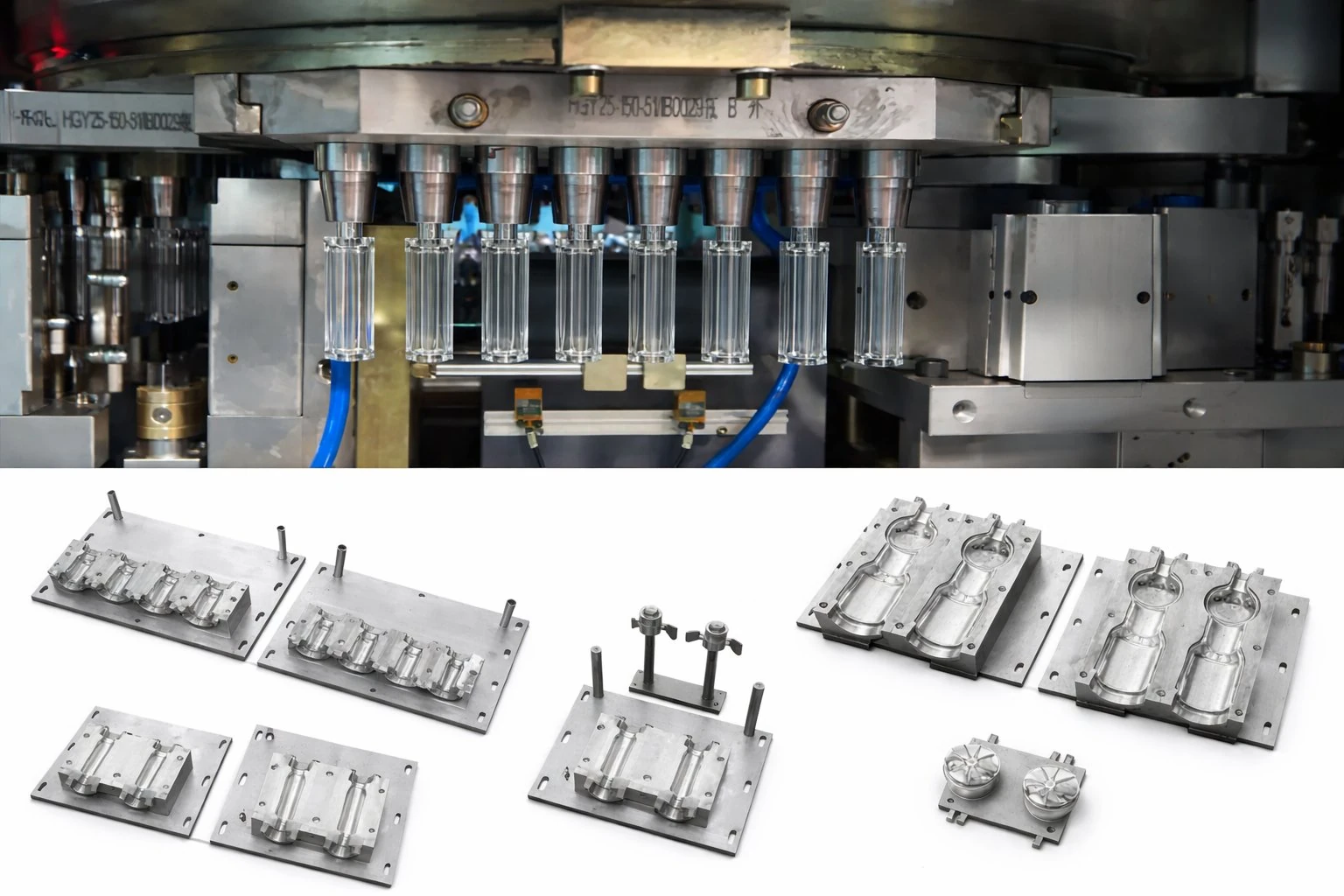
تتم إزالة الحرارة من الزجاجة المنفوخة في قالب ISBM من خلال سلسلة من المقاومات الحرارية بالتتابع: (1) تنتقل الحرارة من جدار الزجاجة عبر مادة PET إلى السطح الخارجي للزجاجة؛ (2) تنتقل الحرارة عبر السطح الفاصل بين السطح الخارجي للزجاجة وسطح تجويف القالب (مقاومة التلامس، التي تتأثر بضغط النفخ ومساحة التلامس بين الزجاجة والقالب)؛ (3) تنتقل الحرارة عبر فولاذ القالب من سطح التجويف إلى جدار قناة التبريد؛ (4) تنتقل الحرارة من سطح جدار القناة إلى ماء التبريد عن طريق الحمل الحراري القسري.
تُحدد المقاومة الرئيسية في هذه السلسلة - أي الخطوة التي تحد من معدل إزالة الحرارة الإجمالي - التغيير الهندسي الذي يُحقق أكبر تحسن في زمن الدورة. بالنسبة لقوالب ISBM الكورية ذات تصميمات قنوات التبريد القياسية (القنوات على بُعد 15-20 مم من سطح التجويف)، تكون المقاومة الرئيسية عادةً هي مسار التوصيل الحراري للفولاذ (الخطوة 3) - ويُوفر تحسين قرب القناة من سطح التجويف أكبر فائدة فورية. أما بالنسبة للقوالب ذات القنوات الموجودة بالفعل على بُعد 8-10 مم من التجويف، فتتحول المقاومة الرئيسية إلى مقاومة الحمل الحراري عند جدار القناة (الخطوة 4) - ويُوفر تحسين معدل التدفق لتحقيق تدفق مضطرب أكبر فائدة إضافية.
تبدأ الحسابات الحرارية التي تحدد زمن التبريد لزجاجة ISBM كورية محددة - والتي تُستخدم لتحديد الحد الأدنى لكثافة قنوات التبريد اللازمة لتحقيق زمن دورة مستهدف - من الكتلة الحرارية لجدار الزجاجة (الكتلة × الحرارة النوعية × انخفاض درجة الحرارة من درجة حرارة النفخ إلى درجة حرارة الإخراج)، ثم تُجرى الحسابات عكسيًا عبر سلسلة المقاومة الحرارية لتحديد مساحة سطح قناة التبريد المطلوبة ومعدل تدفق الماء. يُقدم فريق هندسة القوالب في شركة إيفر-باور الكورية هذه الحسابات كخدمة قياسية لمشاريع تأهيل القوالب.
3. عمق القناة وقطرها وميلها: المتغيرات الرئيسية الثلاثة
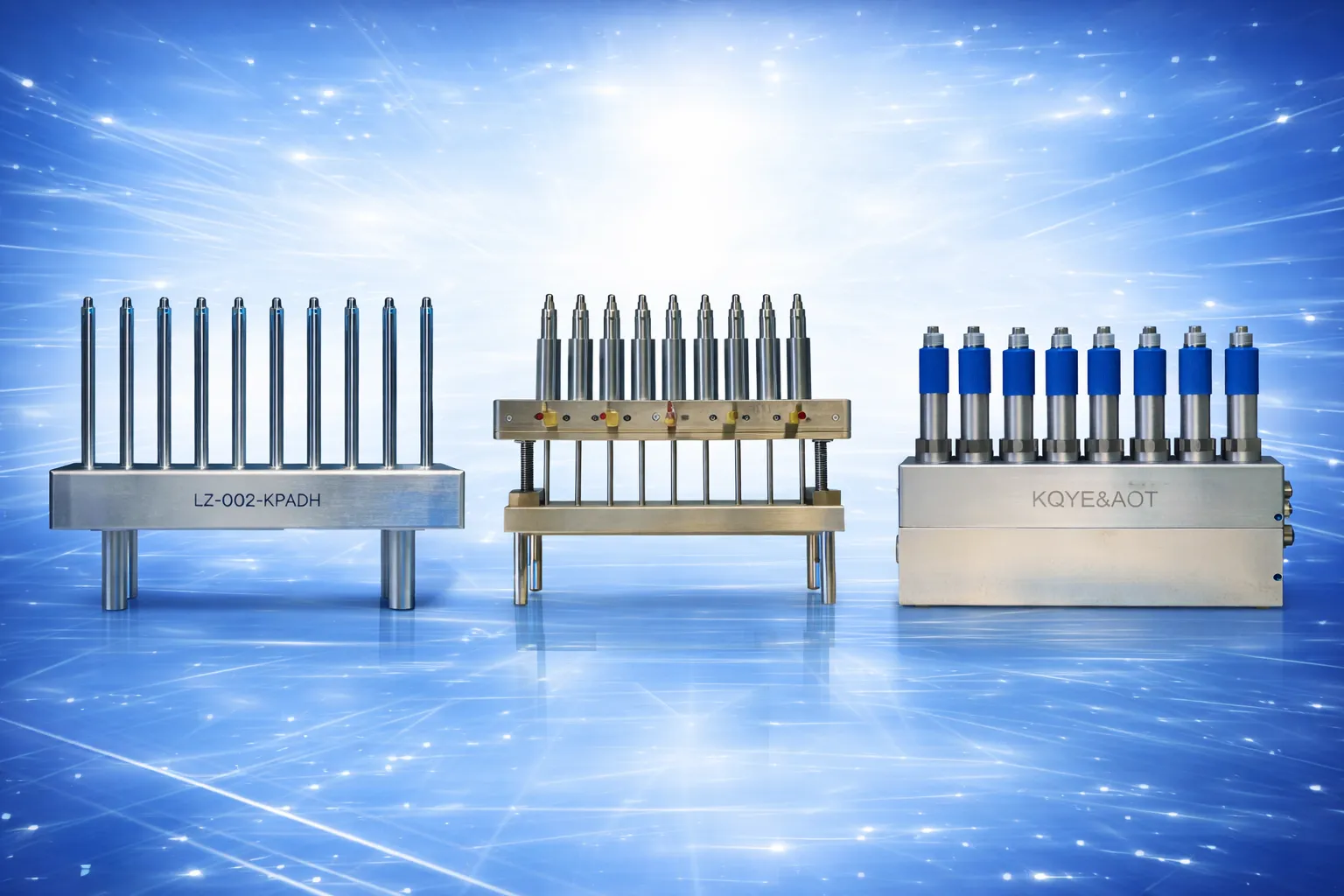
عمق القناة من سطح التجويف (د): تستهدف مواصفات قوالب ISBM الكورية القياسية مسافة تتراوح بين 8 و12 مم من مركز قناة التبريد إلى أقرب سطح للتجويف. عند مسافة أقل من 8 مم، يصبح المقطع العرضي للفولاذ في القالب ضعيفًا ميكانيكيًا (خطر التصدع الناتج عن دورات ضغط الحقن)؛ وعند مسافة أعلى من 12 مم، تزداد المقاومة الحرارية للفولاذ بشكل ملحوظ، وتنخفض كفاءة استخلاص الحرارة. بالنسبة لقوالب PETG المستخدمة في صناعة مستحضرات التجميل الكورية، حيث تتطلب الشفافية البصرية تبريدًا سريعًا ومتجانسًا، يُفضل أن تتراوح المسافة بين 8 و10 مم. يوضح الجدول المرجعي السريع في أعلى هذا الدليل نطاق المعلمات الكامل حسب نوع الراتنج.
قطر القناة: يُعدّ قطر 8-10 مم معيارًا قياسيًا لقوالب النفخ الكورية ISBM. تزيد القنوات الأكبر (12 مم) من سعة التدفق، لكنها تُقلّل من المتانة الميكانيكية لصلب القالب بين القناة والتجويف، وهو حلٌّ غير مُبرَّر إلا إذا أظهرت حسابات معدل التدفق أن قنوات 10 مم لا تستطيع تحقيق رقم رينولدز المطلوب عند سعة تدفق المُبرِّد المُتاحة. يؤثر قطر القناة أيضًا على الحد الأدنى للمسافة بين القنوات؛ ففي فولاذ 718H مع قنوات 10 مم، تبلغ المسافة الآمنة الدنيا حوالي 20 مم (ضعف القطر)، مما يُوفِّر سُمكًا هيكليًا للجدار يبلغ 5 مم بين القنوات المتجاورة.
عرض القناة: تُحدد المسافة بين قنوات التبريد المتجاورة (من المركز إلى المركز) مدى تجانس التبريد على سطح التجويف. تُؤدي القنوات المتباعدة إلى ظهور "بقع ساخنة" على سطح التجويف في منتصف المسافة بين القنوات، وتُنتج هذه البقع الساخنة مناطق أكثر دفئًا في الزجاجة تتطلب وقتًا أطول للتبريد حتى تتصلب. بالنسبة لإنتاج البولي إيثيلين تيريفثالات (PET) وفقًا للمعايير الكورية، تُعد مسافة بين القنوات تتراوح بين 2 و2.5 ضعف عمق القناة (16-25 مم للقنوات بعمق 10 مم) كافية. أما بالنسبة لإنتاج البولي إيثيلين تيريفثالات (PETG) المستخدم في مستحضرات التجميل الكورية والأدوية، حيث يتطلب التجانس البصري تباينًا في درجة حرارة سطح التجويف أقل من ±2 درجة مئوية، فيجب تقليل المسافة بين القنوات إلى 1.8-2.2 ضعف العمق (14-18 مم للقنوات بعمق 8 مم). تُوجد قرارات تصميم القالب التي تُدمج هندسة التبريد مع عوامل مواصفات القالب التسعة الأخرى في... دليل اختيار قوالب ISBM الكورية.
4. درجة حرارة الماء ومعدل التدفق: مواصفات المبردات الكورية
تُحدد درجة حرارة ماء تبريد قوالب نظام الصب بالحقن المتكامل (ISBM) الكوري بواسطة مبرد الإنتاج، وعادةً ما تُحدد عند 8-12 درجة مئوية لمدخل الماء لإنتاج عبوات PET وPETG القياسية. وتكون العلاقة بين درجة حرارة الماء وزمن الدورة في نظام الصب بالحقن المتكامل الكوري خطية تقريبًا ضمن نطاق التشغيل العادي: فكل انخفاض بمقدار 10 درجات مئوية في درجة حرارة ماء التبريد الداخل يقلل من الحد الأدنى لوقت التبريد بحوالي 0.8-1.2 ثانية (لعبوة PET قياسية سعة 500 مل بمتوسط سمك جدار 0.22 مم). ويبلغ الحد الأدنى العملي لدرجة حرارة ماء التبريد في نظام الصب بالحقن المتكامل الكوري حوالي 6 درجات مئوية - فإذا انخفضت درجة الحرارة عن هذا الحد، يتشكل التكثيف على الأسطح الخارجية للقالب في ظروف الرطوبة العالية خلال فصل الصيف الكوري، مما يُشكل خطرًا لتسرب الماء إلى داخل العبوة وخطرًا كهربائيًا في محطة النفخ.
يجب أن تحقق مواصفات معدل التدفق لدوائر التبريد في مفاعلات ISBM الكورية تدفقًا مضطربًا (رقم رينولدز Re > 4000؛ والهدف Re > 10000 لتحقيق أقصى قدر من نقل الحرارة). يُحسب رقم رينولدز لقناة تبريد دائرية بالمعادلة Re = (سرعة التدفق × قطر القناة) / اللزوجة الحركية. بالنسبة لقنوات قطرها 10 مم عند درجة حرارة ماء 10 درجات مئوية (لزوجة حركية ≈ 0.00131 سم²/ث)، يتطلب تحقيق Re = 10000 سرعة تدفق تبلغ حوالي 1.31 م/ث، ما يعادل معدل تدفق حجمي قدره 0.62 لتر/دقيقة لكل قناة. تتطلب دوائر التبريد الكورية ISBM ذات 8 قنوات لكل مجموعة تجويف (وهي نموذجية لجسم قالب زجاجة سعة 500 مل) تدفقًا إجماليًا يبلغ حوالي 5 لتر/دقيقة عند هذه المواصفات - وهو ما يقع بسهولة ضمن قدرة المبردات الصناعية الكورية القياسية، ولكن غالبًا ما لا يتم تحقيقه عمليًا لأن مشغلي ISBM الكوريين يضبطون معدلات تدفق المبرد بواسطة مقياس الضغط (الذي لا يشير مباشرة إلى معدل تدفق القناة) بدلاً من مقياس التدفق.
يُعدّ تركيب عدادات تدفق القنوات الفردية (عدادات التدفق الدورانية، بتكلفة تتراوح بين 35,000 و85,000 وون كوري لكل قناة) على دوائر التبريد في مصانع القوالب الكورية (ISBM) الاستثمارَ الأكثر تأثيرًا في مجال أجهزة القياس المتاحة لمصانع القوالب الكورية الراغبة في التحقق من أداء التبريد. فبدون عدادات التدفق، يكون تحسين دائرة التبريد نوعيًا، أما معها، فيصبح هندسيًا. وتتضمن برامج صيانة القوالب الكورية قياس تدفق دائرة التبريد ربع سنويًا (كجزء من إطار الصيانة الوقائية ذي المستويات الخمسة في...). قائمة فحص صيانة نظام إدارة الآلات الدولية (ISBM) الكوري) تحديد انخفاض التدفق الناتج عن تراكم الترسبات قبل أن يؤدي ذلك إلى زيادة أوقات الدورة.
5. تصميم قنوات التبريد لجسم قالب النفخ ISBM
يتكون جسم قالب النفخ في نظام ISBM الكوري ذي الأربع محطات من هيكل ذي تجويفين منفصلين، يحيطان بالزجاجة المنتفخة. في معظم تصاميم قوالب ISBM الكورية، تمتد قنوات التبريد في جسم القالب بشكل طولي (موازٍ لمحور الزجاجة)، حيث تدخل من أحد طرفي التجويف وتخرج من الطرف الآخر. تتميز القنوات الطولية بسهولة تصميمها وتصنيعها، وسهولة الوصول إليها للفحص والتنظيف. أما عيبها فيكمن في عدم انتظام التبريد على امتداد ارتفاع الزجاجة: إذ يدخل ماء التبريد باردًا عند مدخل القناة ويخرج دافئًا عند المخرج، مما يُحدث تدرجًا حراريًا يتراوح بين 2 و4 درجات مئوية على امتداد ارتفاع الزجاجة في الإنتاج الكوري القياسي لنظام ISBM.
بالنسبة لقوالب ISBM الكورية، حيث يُعدّ توحيد درجة حرارة التجويف أمرًا بالغ الأهمية - مثل عبوات PETG المستخدمة في مستحضرات التجميل الكورية، وعبوات PETG للمكملات الغذائية الفاخرة، وعبوات الأدوية - يتمثل الحل الكوري القياسي لمشكلة تدرج درجة الحرارة بين المدخل والمخرج في تصميم قناة متعرجة (مزودة بحواجز) تلتف على نفسها، مما يُنشئ منطقتي دخول وخروج في نفس نهاية التجويف، مع تناوب مسارات القنوات الساخنة والباردة عبر ارتفاع التجويف. يزيد هذا التصميم المتعرج من طول دائرة قناة التبريد (وبالتالي انخفاض الضغط ومتطلبات الضخ)، ولكنه يُحقق توحيدًا في درجة حرارة التجويف بمقدار ±1 درجة مئوية مقابل ±3-4 درجات مئوية للقنوات الطولية المستقيمة - وهو تحسين يرتبط ارتباطًا مباشرًا بتحسين اتساق الشفافية البصرية عبر كامل ارتفاع الزجاجة في إنتاج PETG.
في قوالب ISBM الكورية متعددة التجاويف (6 تجاويف، 8 تجاويف)، يحصل كل تجويف على دائرة تبريد مستقلة خاصة به - دوائر متوازية وليست متسلسلة. يُعدّ التوصيل المتسلسل للتجاويف المتعددة (دائرة واحدة تمر عبر جميع التجاويف بالتتابع) أسلوبًا شائعًا في قوالب ISBM الكورية لخفض التكاليف، ولكنه يؤدي إلى ارتفاع درجة حرارة التجاويف اللاحقة بشكل منهجي، وبالتالي زيادة تباين الوزن بين مواقع التجاويف. غالبًا ما يُعزى تباين الوزن بين التجاويف الذي يتجاوز CV% 4% في إنتاج ISBM الكوري إلى التبريد المتسلسل - ويمكن تصحيحه عن طريق تحديث وصلات التوزيع المتوازية، والتي تتراوح تكلفتها عادةً بين 800 ألف و2 مليون وون كوري لكل مجموعة قوالب.
6. تبريد المنطقة الأساسية: المنطقة الأقل تحديدًا في قوالب ISBM الكورية
تُعدّ منطقة قاعدة قالب النفخ ISBM - وهي الجزء الذي يُشكّل قاعدة الزجاجة، بما في ذلك قاعدة الشمبانيا للمشروبات الغازية أو القاعدة المسطحة للزجاجات غير الغازية - المنطقة الأكثر تطلبًا للحرارة في القالب، والأكثر إهمالًا في تصميمات قوالب ISBM الكورية. تستقبل منطقة القاعدة الجزء الأكثر سمكًا من الزجاجة (حيث تحتوي منطقة البوابة عند قاعدة القالب الأولي على أكبر كمية من المواد لكل وحدة مساحة)، ويجب أن تُبرّد بنية القاعدة ثنائية المحور عالية الإجهاد، وفي إنتاج المشروبات الغازية، يجب أن تُبرّد الشكل البتلي لقاعدة الشمبانيا من خلال تحولات هندسية معقدة لا تستطيع تصميمات القنوات الأسطوانية القياسية التعامل معها بكفاءة.
يستخدم تصميم قاعدة قالب النفخ الكوري القياسي ISBM قناة مياه مركزية واحدة أو قناتين متوازيتين تمتدان عبر قاعدة القالب خلف شكل قاعدة زجاجة الشمبانيا. يحقق هذا التصميم عادةً معدل استخلاص حرارة يتراوح بين 60 و75% فقط مقارنةً بمعدل قنوات تجويف جسم الزجاجة، مما يُحدث فرقًا في درجة الحرارة بين جسم الزجاجة (المبرد جيدًا) وقاعدتها (غير المبردة جيدًا)، الأمر الذي يتطلب تحديد مدة التبريد بناءً على زمن تصلب القاعدة وليس زمن تصلب الجسم. عمليًا، تُحدد القاعدة مدة التبريد التي تنتظرها الزجاجة بأكملها، ويُعد تحسين تبريد القاعدة تحديدًا التدخل الأكثر فعالية في تقليل زمن دورة الإنتاج في عمليات ISBM الكورية التي سبق لها تحسين هندسة قنوات تبريد الجسم.
يُعدّ استبدال نظام التبريد البسيط ذي القنوات المتقاطعة بتصميم مُنَوِّط أو حاجز، يُولِّد تيارًا مائيًا صغير القطر (عادةً 4-6 مم) مُوجَّهًا نحو مركز قاعدة القالب - وهي النقطة ذات أعلى درجة حرارة - التحسين الأكثر فعالية لتبريد قاعدة قوالب ISBM الكورية. يُولِّد هذا التيار تبريدًا عالي السرعة بالصدمة في الموضع الذي يحتاج إليه بشدة، مما يُخفِّض درجة حرارة منطقة القاعدة بمقدار 8-15 درجة مئوية مقارنةً بالقاعدة المُبرَّدة بالقنوات عند معدل تدفق إجمالي مُكافئ. تتراوح تكلفة تركيب مُنَوِّط القاعدة في قالب ISBM الكوري عادةً بين 450 ألف و1.2 مليون وون كوري لكل تجويف، ويتم استرداد تكلفته في غضون 2-4 أشهر من خلال تقليل زمن الدورة بمقدار 0.3-0.8 ثانية. وقد تم توثيق العيوب الناتجة عن عدم كفاية تبريد القاعدة - مثل تشوه القاعدة، وانزلاق القاعدة في نظام التبريد، وضبابية منطقة البوابة - في... دليل ميداني لعيوب زجاجات ISBM الكورية.
7. تشخيص مشاكل التبريد من خلال أدلة جودة الزجاجة
| أعراض جودة الزجاجة | السبب الجذري للتبريد | تأكيد التشخيص | تصحيح هندسي |
|---|---|---|---|
| تشوه القاعدة بعد الإخراج | منطقة القاعدة غير مبردة بشكل كافٍ؛ تم قذفها قبل اكتمال التصلب | مقياس حرارة بالأشعة تحت الحمراء على القاعدة مباشرة بعد الإخراج - إذا كانت درجة الحرارة أعلى من 45 درجة مئوية، فإن القاعدة لا تزال لينة | أضف فقاعة القاعدة أو زد مدة التبريد بمقدار 0.5 ثانية في كل مرة. |
| لوحة ملصقات متموجة / غير منتظمة | تبريد غير منتظم للتجويف عبر الجسم؛ بقع ساخنة بين القنوات | مسح سطح القالب بالأشعة تحت الحمراء بعد الإنتاج في حالة الاستقرار — يكشف عن نمط النقاط الساخنة | قلل من درجة صوت القناة في منطقة الجسم؛ تحقق من وجود قنوات مسدودة |
| تباين الوزن من تجويف لآخر (>CV 4%) | دائرة تبريد متسلسلة - تعمل التجاويف في اتجاه المصب بدرجة حرارة أعلى | قم بقياس درجة حرارة مخرج مياه التبريد لكل تجويف - ستكون التجاويف الواقعة في اتجاه مجرى الماء أكثر دفئًا | قم بتحويل نظام التبريد إلى نظام تبريد متوازي؛ أضف سعة تبريد مخصصة |
| ضبابية في الجزء العلوي من الجسم / الكتف في مادة PETG | عدم كفاية تبريد التجويف العلوي؛ بقاء المادة فوق درجة حرارة التحول الزجاجي لفترة طويلة جدًا بعد النفخ | خفّض درجة حرارة التكييف بمقدار درجتين مئويتين - إذا انخفض الضباب، فالتبريد ليس السبب. إذا استمر الضباب، فتأكد من قرب قناة التبريد في منطقة التجويف العلوي. | أضف منطقة تبريد التجويف العلوي؛ تحقق من عمق القناة في منطقة الكتف. |
| زيادة تدريجية في وقت الدورة على مدار الوردية | تراكم الترسبات في القنوات يقلل من التدفق؛ زيادة حمولة المبرد في الصيف | قم بقياس درجات حرارة الماء الداخل/الخارج خلال نوبة العمل - يشير ارتفاع ΔT إما إلى انخفاض التدفق أو زيادة الحمل الحراري | معالجة إزالة الترسبات الكيميائية؛ تحقق من درجة حرارة الضبط للمبرد مقابل درجة حرارة التسليم الفعلية في ظروف الصيف الكوري. |
8. صيانة نظام التبريد ومنع تراكم الترسبات
يُعدّ ترسب القشور في قنوات التبريد (كربونات الكالسيوم والمغنيسيوم من مياه الصنبور الكورية) السبب الرئيسي لتدهور أداء تبريد قوالب آلات الطحن الكورية على المدى الطويل. وتختلف صلابة مياه الصنبور الكورية باختلاف المناطق؛ ففي مقاطعة غيونغي (حيث يتركز معظم إنتاج آلات الطحن الكورية)، تتراوح الصلابة عادةً بين 60 و120 جزءًا في المليون من كربونات الكالسيوم، وهي نسبة كافية لتكوين ترسبات قابلة للقياس خلال 6 إلى 12 شهرًا من التشغيل المتواصل دون معالجة المياه. وتُقلل هذه الترسبات، التي لا يتجاوز سمكها 0.5 مم، معامل انتقال الحرارة لجدار القناة بمقدار 20 إلى 35 ضعفًا، مما يُضيف 0.4 إلى 0.8 ثانية إلى الحد الأدنى لفترة التبريد.
ينبغي على منتجي قوالب التشكيل بالحقن في كوريا الجنوبية تطبيق ممارستين لإدارة مياه التبريد: الأولى هي مراقبة جودة المياه (إما بتغذية المبرد ودوائر التبريد بمياه مُعالجة بنسبة عسر ≤ 50 جزءًا في المليون، أو باستخدام برنامج مثبطات كيميائية مع إضافة مواد مضادة للترسبات ومثبطات للتآكل في خزان المبرد)، والثانية هي إزالة الترسبات بشكل دوري (باستخدام حمض الستريك المخفف أو عامل إزالة الترسبات الخاص، وتدويره عبر قنوات التبريد سنويًا، أو نصف سنويًا في المناطق ذات المياه العسرة). تتطلب عملية إزالة الترسبات عزل دوائر تبريد القوالب عن المبرد (لحماية الأجزاء الداخلية للمبرد من الحمض)، وتوصيل مضخة وخزان إزالة الترسبات مباشرةً بدوائر تبريد القوالب، وتدوير محلول إزالة الترسبات لمدة تتراوح بين ساعتين وأربع ساعات عند درجة حرارة 40 درجة مئوية قبل شطفه بالماء النظيف. عادةً ما تستعيد عملية إزالة الترسبات السنوية هذه ما بين 80 و90% من أداء التبريد الأصلي في القنوات التي كانت تعمل دون معالجة للمياه.
يمكن الوقاية من تراكم الترسبات، لكن لا يمكن عكسها بمجرد تفاقمها. تتطلب القنوات المسدودة لأكثر من 30% من مقطعها العرضي الأصلي تنظيفًا ميكانيكيًا (حفر أو تنظيف بالقضيب) مما قد يُلحق الضرر بسطح جدار القناة ويقلل من قدرتها على نقل الحرارة على المدى الطويل. ينبغي على منتجي قوالب ISBM الكوريين الذين يواجهون زيادة في أوقات دورات الإنتاج دون تغيير معايير العملية، تضمين قياس معدل تدفق دائرة التبريد وفحص الترسبات كخطوة تشخيصية أولى، قبل افتراض أن المشكلة متعلقة بالعملية. يندرج برنامج الصيانة الأوسع نطاقًا، الذي يدمج إدارة دائرة التبريد مع جدول صيانة القالب الكامل، ضمن إطار الصيانة ذي المستويات الخمسة في قوالب ISBM الكورية.
الأسئلة الشائعة
دعم هندسة التبريد
هل تعمل قوالب ISBM الكورية الحالية بدورات أطول من المتوقع؟
يقوم فريق هندسة القوالب في شركة إيفر باور الكورية بتقييم تصميم قناة التبريد ومواصفات المبرد وبيانات تدفق المياه - ويقدم خطة محددة لتحسين التبريد مع توقعات كمية لتقليل وقت الدورة قبل بدء أي عمل هندسي.
موارد ذات صلة
أدوات مخصصة
تصميم قوالب ISBM مخصصة
تتضمن قوالب Ever-Power الكورية المصممة حسب الطلب مواصفات هندسية لقناة التبريد مع رسم خرائط درجة حرارة سطح التجويف للنموذج الأول.
مجموعة القوالب
مجموعة قوالب ISBM
تتضمن جميع تصميمات قوالب Ever-Power الكورية القياسية دوائر تبريد متوازية محسّنة مع مواصفات موثقة لعمق القناة وخطوة القناة.
منصة الآلة
مولد الطاقة الكوري إيفر باور HGY200-V4
منصة ISBM ذات 4 محطات مع تحكم مستقل في مياه التبريد لكل دائرة - مما يتيح تحسين التبريد الخاص بالتجويف.