التصميم الكوري المتكامل لزجاجات الشامبو والبلسم: هندسة التصميم، والامتثال لمعايير البولي إيثيلين تيريفثالات المعاد تدويره، وإطار الإنتاج بكميات كبيرة لمنتجات العناية الشخصية الكورية
تُعدّ عبوات الشامبو والبلسم من أكثر منتجات العناية الشخصية رواجًا لدى شركة ISBM الكورية، حيث تتراوح أحجامها بين 200 مل و1 لتر، وتُصنّع في مصانع ذات 6-8 تجاويف، وتستغرق دورات الإنتاج من 8 إلى 12 ثانية، لتلبية احتياجات علامات تجارية كورية للعناية بالشعر، بدءًا من العلامات التجارية الشعبية (مثل Elastine وPantene Korea) وصولًا إلى صالونات التجميل الفاخرة (مثل MOREMO وDr.FORHAIR). وتجعل متطلبات K-EPR الكورية لمادة البولي إيثيلين تيريفثالات المعاد تدويرها (rPET) الفترة من 2026 إلى 2030 فترة استثمارية حاسمة لجميع مُصنّعي عبوات الشامبو في كوريا.
K-EPR rPET 2026–2030
غطاء قلاب ومضخة إغلاق
مكتب الهندسة الكوري للطاقة الدائمة · مدينة أنسان، مقاطعة غيونغي · مايو 2026
1. سوق عبوات الشامبو الكورية: الحجم، ومستويات العلامات التجارية، وحصة ISBM
يُعد سوق عبوات الشامبو والبلسم في كوريا الجنوبية أكبر فئة منفردة لتطبيقات عبوات منتجات العناية الشخصية في البلاد، حيث يُقدّر حجمه بأكثر من 800 مليون وحدة سنويًا بجميع الأحجام من 200 مل إلى 1 لتر. وتستحوذ هذه العبوات على ما يقارب 751 تريليون طن من إجمالي إنتاج عبوات الشامبو في كوريا (مع استخدام تقنية النفخ بالبثق للبولي إيثيلين عالي الكثافة في العبوات المعتمة). وينقسم سوق عبوات الشامبو في كوريا الجنوبية إلى ثلاث فئات ذات متطلبات جودة وإنتاج متباينة: العلامات التجارية الكورية الموجهة للسوق العامة (مثل إيلاستين، وبانتين كوريا، وكلير كوريا - بسعر يتراوح بين 5000 و15000 وون كوري للعبوة)، والعلامات التجارية المتوسطة المتميزة (مثل ميز أون سين، وتي إس شامبو، وريو - بسعر يتراوح بين 15000 و35000 وون كوري)، والعلامات التجارية المتميزة لصالونات التجميل (مثل موريمو، ودكتور فور هير، وأموس بروفيشنال - بسعر يتراوح بين 35000 و80000 وون كوري فأكثر).
يعني الهيكل ثلاثي المستويات أن إنتاج عبوات الشامبو بتقنية ISBM الكورية يغطي نطاقًا واسعًا، بدءًا من الإنتاج التجاري ذي الإنتاجية القصوى (للسوق الشامل، 8 تجاويف، أسرع دورة إنتاج) وصولًا إلى الإنتاج عالي الجودة بكميات صغيرة (علامات تجارية خاصة بالصالونات، 4 تجاويف، تصميم هندسي معقد، بولي إيثيلين تيريفثالات عالي الشفافية). ويحافظ منتجو ISBM الكوريون الذين يخدمون كلا المستويين على خطوط إنتاج منفصلة، إذ أن محاولة تشغيل إنتاج السوق الشامل وإنتاج الصالونات على نفس الآلة يضر بكليهما: فإنتاج السوق الشامل يتطلب إعطاء الأولوية لمعدل الإنتاج، مما يؤثر سلبًا على جودة إنتاج الصالونات.
2. نطاق الأحجام: من 200 مل إلى 1 لتر، وفقًا لمعايير تصميم عبوات الشامبو الكورية

| شكل | الوزن النموذجي للشكل الأولي | عدد التسوس (النموذجي) | قطاع السوق الكوري |
|---|---|---|---|
| 200 مل | 18-22 غرام | 8 | حجم مناسب للسفر، من مستلزمات الفنادق، للاستخدام لمرة واحدة في الصالون |
| 300 مل | 28-34 غرام | 6-8 | متاجر التجزئة الكورية التقليدية - مستخدم واحد، متوسطة الجودة |
| 400 مل | 38-44 غرام | 6 | متاجر التجزئة الكورية القياسية - حجم عائلي |
| 500 مل | 48-55 غرام | 4-6 | باقة اقتصادية عائلية للمحترفين في صالونات التجميل |
| 1 لتر | 90-110 غرام | 2-4 | صالونات التجميل الاحترافية بالجملة، ومتاجر كورية اقتصادية |
3. تصميم مريح: لوحة مسك، توازن الصب، وثبات رف الحمام
يُراعى في تصميم عبوات الشامبو الكورية المريحة طبيعة الاستخدام النهائي: الاستخدام بيد واحدة في بيئة الاستحمام الرطبة، غالباً مع إغلاق العينين أو وجود شعر يحجب الرؤية. ثلاثة عناصر تصميمية تخدم هذا السياق مباشرةً، ويمكن تحقيقها في عبوات الشامبو الكورية: ألواح مانعة للانزلاق، وهندسة صب متوازنة، وقاعدة مانعة للتدحرج.
ألواح التثبيت: تتيح ألواح الإمساك الغائرة على الجدار الجانبي للزجاجة إمساكًا آمنًا بيد واحدة حتى لو كانت مبللة ومغطاة بطبقة رقيقة من الصابون. يمكن لقوالب النفخ الكورية ISBM إنتاج ألواح إمساك بعمق يصل إلى 4 مم، وتتطلب ألواح الإمساك الأعمق تصميمًا لسمك جدار القالب الأولي يراعي الترقق الموضعي في المنطقة الغائرة دون أن يقل عن الحد الأدنى لسمك الجدار الهيكلي. هندسة وزن القوالب الأولية ونسبة الطول إلى القطر يمنع هذا التصميم، الذي يُستخدم في مناطق لوحة الإمساك، حدوث ترقق مبكر في تجاويف الإمساك.
موازنة الصب: يجب أن يبقى مركز ثقل زجاجة الشامبو الكورية الممتلئة أسفل مركز قاعدة الزجاجة عند جميع زوايا الصب حتى 75 درجة من الوضع الرأسي، وإلا ستنقلب الزجاجة أثناء الصب. يحقق مصممو زجاجات الشامبو الكوريون هذا من خلال نسب انحدار واسعة بين القاعدة والكتف، والتأكد من أن مركز الثقل عند الامتلاء يقع ضمن نطاق استقرار الزجاجة. الحد الأدنى لأبعاد قاعدة زجاجات الشامبو الكورية: 45 مم كحد أدنى لحجم 300 مل، و55 مم لحجم 500 مل.
4. الامتثال لمعايير K-EPR الكورية لزجاجات الشامبو والبلسم 2026-2030
يشترط قانون K-EPR الكوري لتغليف منتجات العناية الشخصية (الشامبو، والبلسم، وغسول الجسم) استخدام محتوى rPET بنسبة 10% بدءًا من عام 2026، و30% بحلول عام 2027، و50% بحلول عام 2030، وهو نفس الجدول الزمني لتغليف المشروبات. وتختلف إدارة الامتثال لمعايير K-EPR في تغليف منتجات العناية الشخصية الكورية عن إدارة الامتثال في تغليف المشروبات، لأن سلسلة التوريد الكورية لمنتجات العناية الشخصية تشمل كلاً من الإنتاج المملوك للعلامة التجارية الكورية والإنتاج المتعاقد عليه من قبل شركة ISBM الكورية: يقع التزام K-EPR على عاتق شركة العلامة التجارية الكورية (بصفتها منتجة المنتج)، ولكن يجب على شركة ISBM الكورية المتعاقدة توريد عبوات تحتوي على rPET تُمكّن شركة العلامة التجارية من تحقيق هدفها في K-EPR.
يُضيف إنتاج عبوات الشامبو الكورية المصنوعة من البولي إيثيلين تيريفثالات المعاد تدويره (rPET) ثلاثة متغيرات في العملية يجب على فرق التصنيع المتكاملة للزجاجات الكورية (ISBM) إدارتها: تباين اللزوجة (تتراوح لزوجة rPET من 0.72 إلى 0.82 ديسيلتر/غرام مقابل 0.80 إلى 0.84 ديسيلتر/غرام للبولي إيثيلين تيريفثالات الخام، مما يتسبب في تباين اللزوجة في أسطوانة الحقن)، وصبغة اللون (يتميز rPET بلون رمادي مخضر يظهر في المناطق الشفافة من العبوة - تتم إدارته باستخدام مُركّز لون أزرق أو عن طريق تشغيل عبوات ملونة معتمة حيث يتم إخفاء الصبغة بلون العبوة)، وخطر التلوث (يحتوي rPET من المجموعة الكورية المختلطة أحيانًا على شظايا غير مصنوعة من البولي إيثيلين تيريفثالات - يجب على منتجي ISBM الكوريين الذين يستخدمون rPET طلب شهادة ترشيح من مورد rPET الخاص بهم). دليل شامل لمعالجة الصور المقطعية بالإصدار البوزيتروني (rPET) وفقًا لمعيار ISBM 2026 يغطي الإطار الكامل لإدارة التصوير المقطعي بالإصدار البوزيتروني (rPET) الكوري K-EPR لتطبيقات العناية الشخصية.
يُعدّ إنتاج عبوات الشامبو الكورية المصنوعة من البولي إيثيلين تيريفثالات المعاد تدويره (rPET) أسهل تقنيًا من إنتاج عبوات المشروبات المصنوعة من البولي إيثيلين تيريفثالات المعاد تدويره، وذلك من ناحية مهمة: فمعظم عبوات الشامبو الكورية معتمة أو شبه معتمة (باستخدام مركزات لونية) - مما يعني أن لون البولي إيثيلين تيريفثالات المعاد تدويره، الذي يُشكّل مشكلة في عبوات المشروبات الشفافة، يُخفى تمامًا بلون العبوة في عبوات الشامبو. وبالتالي، يُمكن لمصنّعي عبوات المشروبات الشفافة في كوريا استخدام نسب أعلى من البولي إيثيلين تيريفثالات المعاد تدويره (تصل إلى 50%) في إنتاج عبوات الشامبو الكورية دون تعقيدات إدارة الألوان المطلوبة لإنتاج المشروبات الشفافة، مما يُتيح لهم تحقيق أهداف K-EPR لعام 2030 قبل الموعد المُحدد في فئة الشامبو.
5. توافق المواد الفعالة بالسطح: أداء عبوات البولي إيثيلين تيريفثالات مع تركيبات الشامبو الكوري
تعتمد تركيبات الشامبو الكوري بشكل أساسي على مواد فعالة سطحية أنيونية (كبريتات لوريل الصوديوم، كبريتات لوريث الصوديوم) بتركيز 10-20%، ودرجة حموضة 4.5-6.5، وهي ظروف تتوافق فيها مادة PET ISBM بشكل ممتاز. أما تركيبات البلسم الكوري فتعتمد على مواد فعالة سطحية كاتيونية (كلوريد سيتريمونيوم، كلوريد بيهينتريمونيوم) بتركيز 1-5%، ودرجة حموضة 4.0-5.5، وهي متوافقة أيضاً مع مادة PET في درجات حرارة التخزين المعتادة وفترة صلاحية المنتج في كوريا التي تتراوح بين 18 و24 شهراً.
ينبغي على منتجي عبوات الشامبو الكورية عالية الجودة (ISBM) الراغبين في دخول سوق الشامبو الكوري الفاخر أن يدركوا أن أنواع الشامبو الكورية عالية الأداء المستخدمة في صالونات التجميل تتضمن بشكل متزايد مركبات السيليكون (ثنائي الميثيكون، أموديميثيكون) التي أظهرت تاريخيًا نفاذية ضئيلة عبر جدران البولي إيثيلين تيريفثالات (PET) منخفضة التبلور عند التركيزات العالية. تُنتج آلات منصة ISBM EV الكورية، التي تُصنّع عبوات شامبو PET وفقًا لمعايير التكييف المثلى (لتحقيق تبلور ثنائي المحور يتراوح بين 28 و32%)، جدران عبوات ذات تبلور كافٍ للحد من نفاذية السيليكون إلى ما دون حدود الكشف عند التخزين لمدة 24 شهرًا. مع ذلك، قد يواجه منتجو ISBM الكوريون الذين يستخدمون آلات ذات تحكم ضعيف في درجة حرارة التكييف، والذين ينتجون جدران PET منخفضة التبلور، مشاكل في نفاذية السيليكون مع تركيزات عالية من السيليكون في أنواع الشامبو الكورية المستخدمة في صالونات التجميل.
6. اختيار الغطاء: غطاء قلاب، غطاء قرصي، وموزع بمضخة للشامبو الكوري
يُعد اختيار غطاء زجاجة الشامبو الكوري عاملاً رئيسياً للتمييز بين مستويات السوق الكورية:
غطاء قلاب (28 مم)
معيارٌ للشامبو الكوري المُباع في الأسواق. يُفتح بيدٍ واحدة أثناء الاستحمام. غطاءٌ كوريٌّ من نوع PCO 1881 أو GPI بقطر 28 مم. الأكثر اقتصاديةً من حيث التكلفة. سعر الغطاء الواحد يتراوح بين 25 و45 وون كوري.
غطاء القرص (38 مم)
شامبو كوري متوسط الجودة. فتحة أوسع تسمح بسكب المنتج بسلاسة دون انسكابه على جدران عنق العبوة الداخلية. مناسب للشعر المصفف ذي اللزوجة العالية. السعر: 40-65 وون كوري للغطاء.
موزع بمضخة (28 مم)
شامبو كوري فاخر مُستخدم في صالونات التجميل. جرعة مُقاسة، بدون هدر. يتطلب جدارًا مُقوّى لمنطقة عنق الشعر (1.8 مم كحد أدنى). الجرعة: 1-3 مل. سعر مضخة الشامبو: 120-250 وون كوري.
7. منصة آلات ISBM الكورية لإنتاج كميات كبيرة من الشامبو
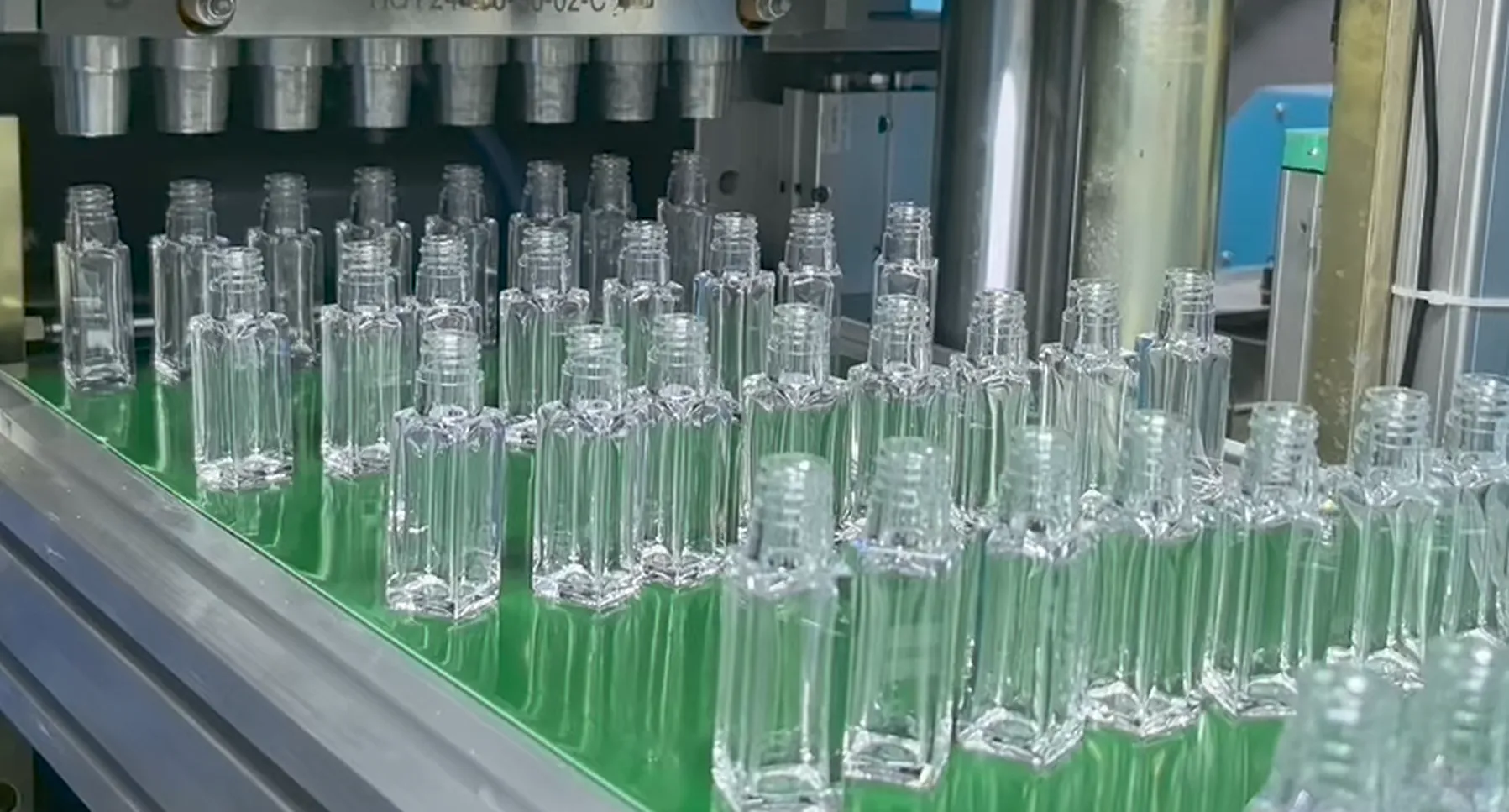
بالنسبة لإنتاج عبوات الشامبو الكورية ذات الإنتاج الضخم والمتوسطة الجودة (200 مل - 500 مل، 6-8 تجاويف)، فإن منصة HGY200-V4 EV هي منصة ISBM الكورية الأكثر استخداماً - حيث تتعامل مع أوزان القوالب الأولية حتى 200 غرام بدقة التكييف المطلوبة لإنتاج rPET بنسب الخلط التي يفرضها قانون K-EPR. تحسين عدد التجاويف لأحجام الإنتاج الكورية عادةً ما يتم تحديدها إلى 6 تجاويف لعلامات الشامبو الكورية ذات الأحجام السنوية من 4 إلى 8 ملايين وحدة لكل وحدة تخزين، و8 تجاويف لمنتجي ISBM الكوريين المتعاقدين الذين يجمعون أحجام علامات الشامبو المتعددة على تنسيقات إنهاء العنق الموحدة.
بالنسبة لإنتاج شامبو الصالونات الكوري الفاخر (300-500 مل، 4 تجاويف، تصميم معقد للوحة التحكم)، توفر آلة HGY150-V4 EV سعة وزن كافية للقوالب الأولية مع التكييف الدقيق المطلوب لعبوات الصالونات الشفافة أو شبه الشفافة. ينبغي على منتجي ISBM الكوريين الذين يرغبون في تلبية احتياجات كل من سوق الشامبو الشامل وسوق الصالونات الفاخر الاحتفاظ بآلات منفصلة، حيث أن تعارض جدولة الإنتاج بين إنتاج السلع الأساسية عالي السرعة وإنتاج الصالونات الدقيق بكميات قليلة يخلق تعارضات في عملية التحويل، مما يقلل من كفاءة كلا فئتي المنتجات عند تشغيلهما على نفس الآلة.
8. خيارات الملصقات والأغلفة لتزيين زجاجات الشامبو الكوري

الملصقات الحساسة للضغط (PSL): الزخرفة القياسية لمعظم عبوات الشامبو الكورية. يجب أن تكون منطقة لوحة الملصق مسطحة أو ذات انحناء بسيط بنصف قطر انحناء يزيد عن 100 مم لتطبيق ملصق PSL دون فقاعات هواء. يجب على عبوات ISBM الكورية المخصصة لملصق PSL تجنب زوايا التناقص في اللوحة التي تزيد عن 3 درجات، والتي قد تتسبب في تقشر ملصق PSL عند الحافة خلال فترة صلاحية المنتج في المتاجر الكورية.
غلاف قابل للانكماش (لكامل الجسم أو جزئي): تستخدم علامات الشامبو الكورية واسعة الانتشار (مثل إيلاستين وكلير) تقنية التغليف الجرافيكي الشامل بزاوية 360 درجة، والذي يغطي سطح الزجاجة بالكامل، بما في ذلك القاعدة. يجب أن تتميز زجاجات الشامبو الكورية المزينة بغلاف انكماشي بتصميم هندسي خالٍ من أي نتوءات أو تجاويف أو مقابض قد تُسبب تشوه الغلاف أثناء عملية الانكماش. غالبًا ما تكون أشكال ألواح الإمساك المعقدة، التي تتوافق مع تقنية التغليف الجرافيكي الشامل، غير متوافقة مع هذا النوع من التغليف. لذا، يجب على مصممي زجاجات الشامبو الكوريين معرفة طريقة التغليف التي سيستخدمها عميل العلامة التجارية الكورية قبل وضع التصميم النهائي للزجاجة.
9. شامبو الصالونات الكورية مقابل شامبو السوق الشامل: اختلافات الإنتاج
تختلف عبوات الشامبو الكورية المستخدمة في الصالونات (موريمو، دكتور فور هير، آموس، ميز أون سين بريميوم) عن عبوات السوق الكورية ذات الإنتاج الواسع في أربعة جوانب متعلقة بالإنتاج: (1) عادةً ما تكون شفافة أو شبه شفافة من مادة PET/PETG مقابل العبوات المعتمة المستخدمة في السوق ذات الإنتاج الواسع - مما يتطلب تحكمًا أفضل في درجة حرارة التكييف لضمان شفافية الجدار؛ (2) أحجام أصغر لكل وحدة تخزين (500 ألف - 3 ملايين وحدة مقابل 5-20 مليون وحدة للسوق ذات الإنتاج الواسع) - مما يتطلب تغييرًا أسرع في الإنتاج؛ (3) هندسة أكثر تعقيدًا (كتف منحوت، خصر مانع للانزلاق، شكل قاعدة فاخر) - مما يتطلب أدوات قوالب ذات مواصفات أعلى؛ و(4) قيمة أعلى لكل وحدة (50-150 وون كوري للزجاجة مقابل 25-55 وون كوري للسوق ذات الإنتاج الواسع) - مما يبرر استثمارًا أكبر في القوالب لكل تجويف ولكنه يزيد أيضًا من تكلفة حالات فشل الجودة.
تتجاوز متطلبات الجودة لدى عملاء العلامات التجارية الكورية المتخصصة في صالونات التجميل متطلبات السوق الشامل في مجالين رئيسيين: الوضوح البصري (مستوى العتامة أقل من 1.5% مقابل 4% للسوق الشامل) وتناسق الأبعاد (تفاوت قطر فتحة غطاء المضخة ±0.08 مم للأغطية عالية الجودة مقابل ±0.20 مم للأغطية القلابة القياسية). ينبغي على منتجي منتجات العناية الشخصية الكورية الذين يخدمون كلا شريحتي السوق وضع معايير قبول جودة منفصلة لكل شريحة، وعدم محاولة تطبيق مواصفات صالونات التجميل على إنتاج السوق الشامل (فهذا تقييد غير ضروري)، أو العكس (فهذا غير كافٍ لتلبية متطلبات العملاء المميزين).
10. منصة كورية للعناية الشخصية فائقة القوة
تُعدّ آلة HGY200-V4 EV من شركة إيفر-باور الكورية المنصة المُوصى بها لإنتاج كميات كبيرة من الشامبو والبلسم الكوري، فهي تتميز بثبات كامل في الترطيب لضمان اتساق مادة rPET، وسعة تتراوح بين 6 و8 تجاويف لتلبية متطلبات الإنتاج الاقتصادي اللازمة لعلامات الشامبو الكورية، وكفاءة عالية في استهلاك الطاقة تجعل استهلاك الطاقة المنخفض لآلة 40% ذا قيمة خاصة لمنتجي منتجات الشامبو والبلسم الكوريين المتعاقدين الذين يعملون من 16 إلى 20 ساعة يوميًا. ويمكن لمنتجي منتجات الشامبو والبلسم الكوريين الذين يرغبون في تحويل إنتاج الشامبو الحالي من مادة PET الخام إلى مادة PET المخلوطة بـ K-EPR rPET طلب خدمة دعم التحول من شركة إيفر-باور الكورية، وهي عبارة عن تجربة إنتاج لمدة 4 ساعات على آلة العرض التوضيحي EV من شركة إيفر-باور الكورية في مصنع أنسان، باستخدام نسبة مزيج rPET الخاصة بالعميل وأدوات القوالب الموجودة.
الأسئلة الشائعة
منصة العناية الشخصية
توسيع نطاق إنتاج عبوات الشامبو الكوري أم التحول إلى مادة البولي إيثيلين تيريفثالات المعاد تدويرها (K-EPR rPET)؟
توفر منصة Ever-Power الكورية للسيارات الكهربائية كلا الأمرين على نطاق واسع.
خدمة تجريبية للانتقال إلى rPET، وتكوين 6-8 تجاويف لتحقيق اقتصاديات حجم الشامبو الكوري، ودعم توثيق دفعات K-EPR - كل ذلك مضمن في تسليم منصة HGY200-V4 EV الكورية.
موارد ذات صلة
نطاق الآلاتمجموعة بطاريات ISBM الكورية Ever-Power ذات 4 محطاتمجموعة كاملة للعناية الشخصية الكورية - من HGY150-V4 للدقة في الصالونات إلى HGY250-V4 للعناية الشخصية المتميزة بكميات كبيرة.
هندسة التشكيل المسبقتصميم قوالب ISBM الأولية - الوزن، ونسبة الطول إلى القطر، وهندسة البوابةتتطلب هندسة لوحة تثبيت زجاجة الشامبو الكورية حسابات محددة لنسبة الطول إلى القطر (L/D) للشكل الأولي وهندسة البوابة لمنع الترقق في مناطق التثبيت الغائرة.