
VERTIKALNI VODIČ ZA INDUSTRIJU
Korejska proizvodnja industrijskih i specijalnih boca služi različitim visokovrijednim primjenama, uključujući automobilske tekućine za ekosistem Hyundai/Kia, agrohemikalije za korejsku poljoprivredu, laboratorijske reagense za farmaceutska istraživanja i industrijsku hemijsku ambalažu za LG Chem i slične velike proizvođače hemikalija. Ovaj vodič dokumentira kompletan okvir proizvodnje ISBM-a za šest kategorija specijalnih boca, usklađenost s opasnim materijalima, zahtjeve za označavanje GHS-a i odabir partnera u korejskom lancu snabdijevanja.
TL;DR — Kratak sažetak
Korejska industrijska i specijalizovana proizvodnja ISBM-a podijeljena je u šest osnovnih kategorija: automobilske tekućine (rashladna tekućina, tekućina za pranje rublja, tekućina za kočnice, aditivi za ulje), agrohemikalije (herbicidi, pesticidi, gnojiva), laboratorijski reagensi (skladištenje kiselina/baza/pufera), industrijske hemikalije (rastvarači, tretmani površina), fotografske hemikalije (mračna komora, štampanje) i maziva/tečnosti za rezanje. HDPE dominira agresivnim hemijskim primjenama zbog superiorne hemijske otpornosti; PP služi za umjerenu hemiju; PET samo za visoko kompatibilne blage hemikalije. Volumeni se kreću od laboratorijskih boca reagensa od 250 ml do 5L posuda za automobilsku rashladnu tekućinu. Označavanje opasnosti prema GHS (Globalno harmonizirani sistem) je obavezno u svim kategorijama sa specifičnim korejskim zahtjevima za dokumentaciju K-MSDS. Proizvodnja obično koristi kalupe sa 4-6 šupljina sa vremenima ciklusa od 14-22 sekunde, što odražava zahtjeve većeg formata. Korejski proizvođači ISBM-a koji opslužuju ove segmente značajno ulažu u infrastrukturu za testiranje hemijske kompatibilnosti koja razlikuje dobavljače sa specijalizovanim kapacitetom od konkurencije na robnoj bazi.
U ovom vodiču
- Industrijski i specijalistički kontekst: Zašto je ISBM važan
- Pregled korejskog tržišta specijaliziranih proizvoda za 2026. godinu
- 6 kategorija i zahtjeva za specijalne boce
- Izbor materijala: HDPE / PP / PET odluka
- ISBM obrada za specijalne primjene
- Usklađenost sa GHS Hazmat i korejskim K-MSDS
- Ispitivanje hemijske kompatibilnosti
- Odabir korejskog specijaliziranog ISBM partnera
- Često postavljana pitanja
- Zaključak
1. Industrijski i specijalizovani kontekst: Zašto je ISBM važan
Korejska industrijska i specijalizovana proizvodnja boca služi za primjenu u kontekstima radikalno različitim od ambalaže za pića, K-beauty ili hranu. Sadržaj se kreće od visoko agresivnih hemikalija (koncentrovane kiseline, organski rastvarači, automobilske rashladne tečnosti) do specijalizovanih materijala koji zahtijevaju kontrolisano skladištenje (laboratorijski reagensi, fotografske hemikalije, poljoprivredni koncentrati). Performanse ambalaže u ovim uslovima su primarni pokretač vrijednosti; estetska razmatranja koja dominiraju u primjenama K-beauty i pića su sekundarna ili odsutna.
Za direktore nabavke korejskih industrijskih brendova, odabir ISBM partnera naglašava dimenzije tehničkih sposobnosti koje nisu prisutne u primjenama okrenutim potrošačima. Prvo, dokumentacija o hemijskoj kompatibilnosti: svaka kombinacija boce i sadržaja zahtijeva provjerenu kompatibilnost putem testiranja produženog roka trajanja, s dokumentiranim protokolima za studije ubrzanog starenja. Drugo, usklađenost s opasnim materijama: označavanje opasnosti GHS (Globalno harmonizirani sistem), korejska K-MSDS dokumentacija, UN-ova certifikacija ambalaže za transport i usklađenost s DOT-om za izvozne pošiljke. Treće, specijalizirano rukovanje materijalima: agresivne hemikalije zahtijevaju namjenske proizvodne linije koje sprječavaju unakrsnu kontaminaciju s kontaktom s hranom ili primjenom kod potrošača.
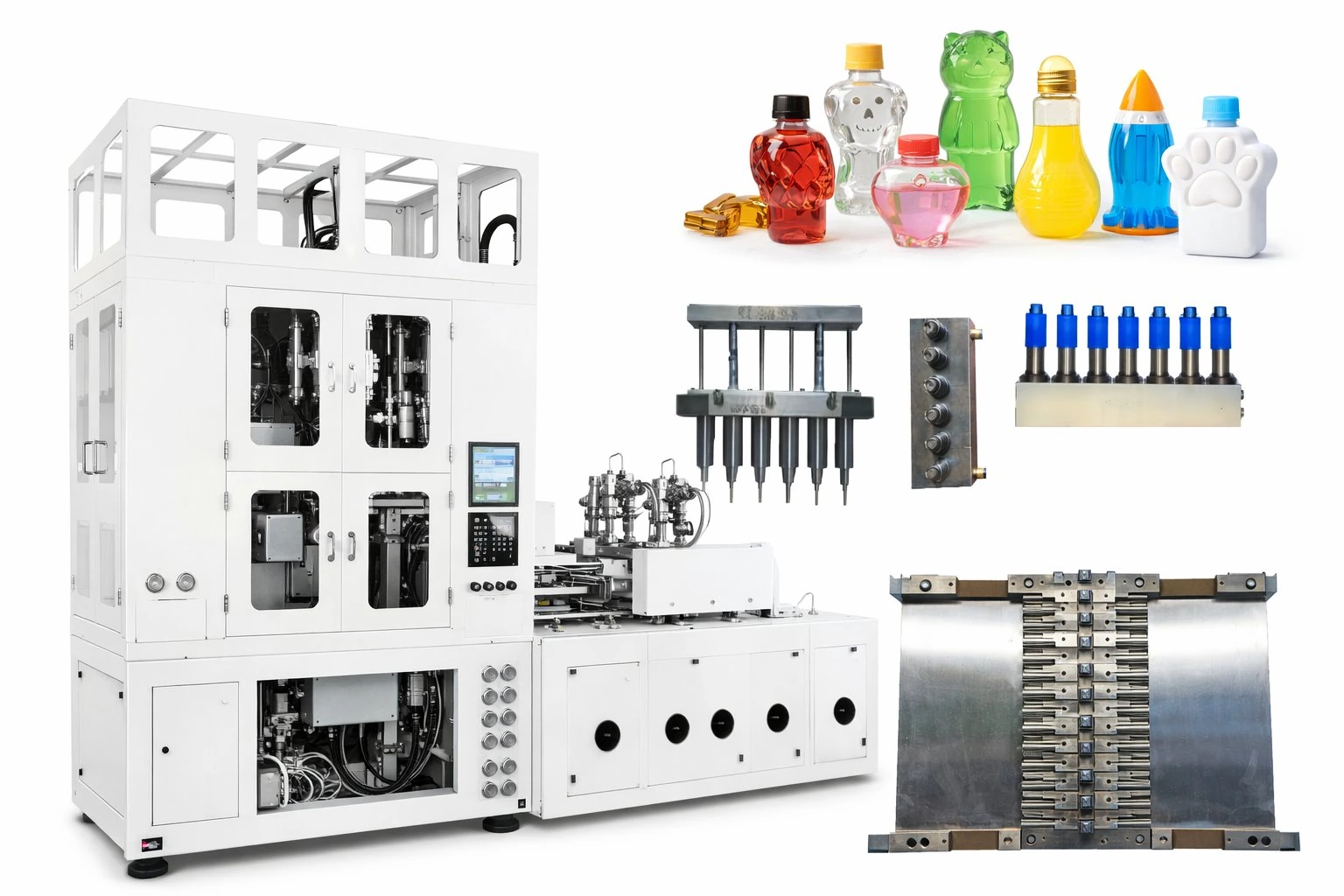
Korejski proizvođači ISBM-a koji opslužuju specijalizovane primjene razvijaju stručnost koja gradi značajne konkurentske prednosti. Kombinacija infrastrukture za testiranje hemijske kompatibilnosti, dokumentacije za certifikaciju opasnih materija, integracije GHS označavanja i namjenskih proizvodnih linija zahtijeva višegodišnja ulaganja koja stvaraju trajne odnose s kupcima. Nakon što korejski industrijski brendovi steknu kvalifikaciju dobavljača specijalizovane ambalaže, troškovi prelaska su obično previsoki zbog zahtjeva za ponovnu certifikaciju, složenosti prijenosa dokumentacije o opasnim materijama i rokova za ponovnu kvalifikaciju roka trajanja koji prelaze 18-24 mjeseca. Okvir u nastavku pokriva zahtjeve u šest glavnih specijalizovanih kategorija.
2. Pregled korejskog tržišta specijaliziranih proizvoda za 2026. godinu
Potražnja za specijalnim bocama u Koreji odvija se u različitim segmentima kupaca, a ne u koncentriranoj strukturi brendova tipičnoj za potrošačke primjene. Glavni segmenti kupaca uključuju tržište automobilske rezervne opreme (ekosistem Hyundai/Kia), distribuciju poljoprivrednih resursa (ruralna Koreja), laboratorijska i farmaceutska istraživanja (Daejik, Daewoong, Yuhan) i industrijske hemijske operacije (LG Chem, Hanwha Solutions, Lotte Chemical).
| Segment kupaca | Glavni korejski igrači | Tipične količine |
|---|---|---|
| Automobilska rezervna oprema | Hyundai Mobis, Kia servis, GS Caltex | 15-50 miliona boca/SKU |
| Agrohemikalije | DongBu Farm Hannong, KG Chemical | 5-20 miliona boca/SKU |
| Laboratorijski reagensi | Daejik Pharm, Daewoong, istraživačke laboratorije | 100 hiljada - 2 miliona boca/SKU |
| Industrijske hemikalije | LG Chem, Hanwha Solutions, Lotte Chemical | 3-15 miliona boca/SKU |
| Fotografski / štamparski | Specijalizirani distributeri | 200 hiljada - 1 milion boca/SKU |
| Maziva / tekućine za rezanje | SK maziva, GS Caltex, S-ulje | 10-30 miliona boca/SKU |
Tri trenda oblikuju potražnju za specijaliziranim bocama u Koreji do 2030. godine. Prvo, tranzicija električnih vozila: pomak korejskog automobilskog tržišta prema električnim vozilima smanjuje potražnju za nekim tradicionalnim kategorijama tekućina (boce za motorno ulje, ulje za mjenjač), dok povećava potražnju za drugima (tekućine za upravljanje toplinom baterija, aditivi specifični za električna vozila). Širenje tržišta električnih vozila Hyundai i Kia stvara potražnju za novim kategorijama boca, uz zastarjelo tržište dodatne opreme za vozila s motorima unutar pogona. Drugo, modernizacija poljoprivrede: usvajanje precizne poljoprivrede povećava potražnju za koncentriranom agrohemijskom ambalažom u manjim premium formatima u odnosu na robne kontejnere za rasute terete.
Treće, širenje istraživanja K-pharme: Rast korejske farmaceutske industrije (detaljno obrađen u našem vodiču za farmaceutsku industriju) pokreće paralelnu potražnju za bocama laboratorijskih reagensa za istraživanje, testiranje i infrastrukturu kontrole kvaliteta. Rast korejskog tržišta specijaliziranog laboratorijskog potrošnog materijala prati širu putanju širenja K-pharme. Proizvođači ISBM-a koji opslužuju laboratorijske reagense imaju koristi od ovog susjednog rasta čak i kada ne opslužuju direktno gotove farmaceutske proizvode.
3. 6 kategorija i zahtjeva za specijalne boce
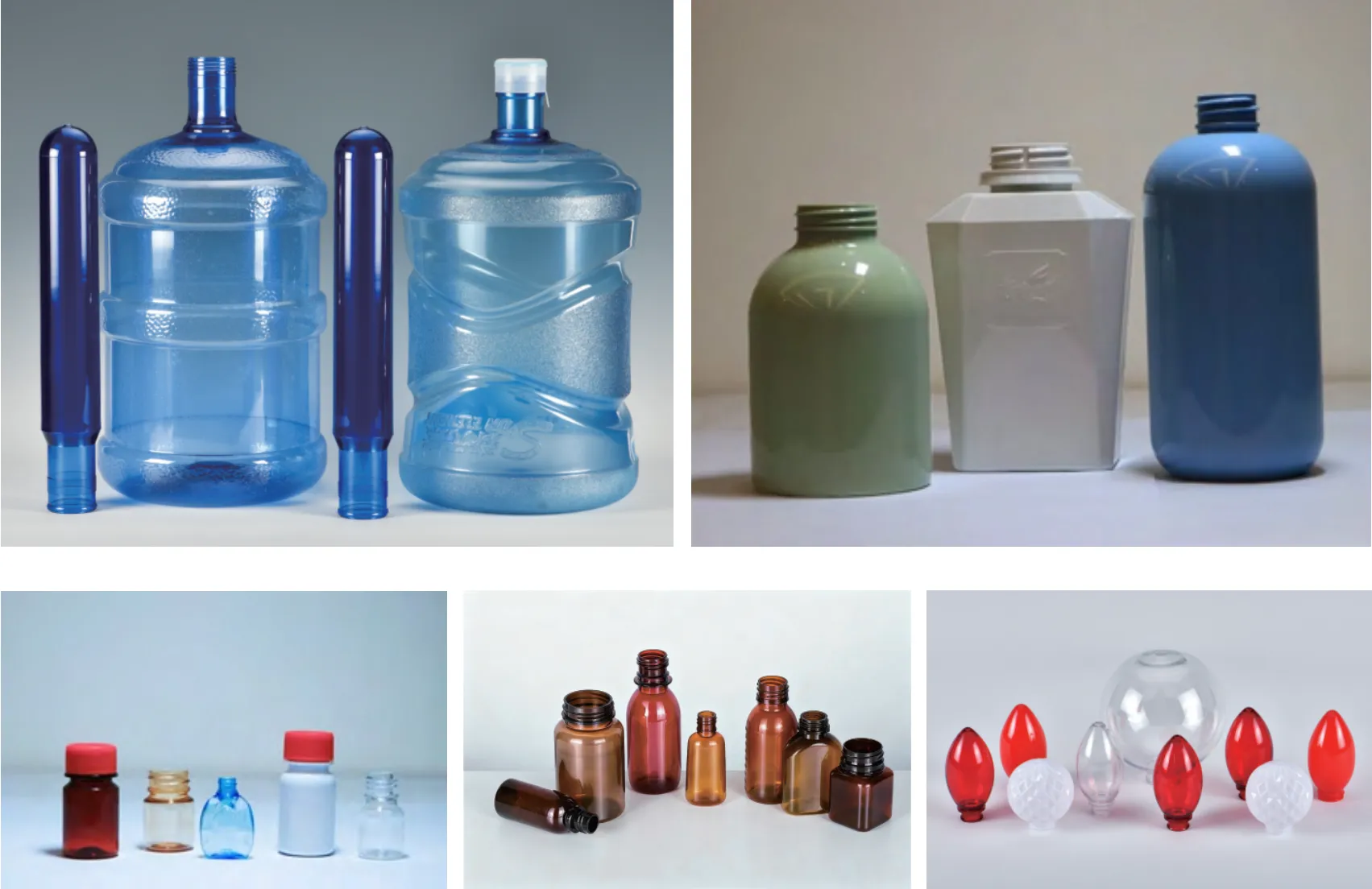
Korejska industrijska proizvodnja obuhvata šest različitih specijalizovanih kategorija, od automobilskih tečnosti do laboratorijskih reagensa, sa različitim zahtjevima za formatom i materijalima.
Korejska specijalizovana proizvodnja ISBM-a podijeljena je u šest osnovnih kategorija s različitim zahtjevima koji su određeni hemijskim sastavom, okruženjem krajnje upotrebe i regulatornim okvirom.
| Kategorija | Kapacitet | Primarni materijal | Ključna klasa opasnosti |
|---|---|---|---|
| 1. Automobilske tekućine | 500ml-5L | HDPE / PET | Toksično / Zapaljivo |
| 2. Agrohemikalije | 500ml-5L | HDPE / PP | Akutna toksičnost |
| 3. Laboratorijski reagensi | 100ml-2.5l | PP / HDPE / Ćilibar | Varijabla |
| 4. Industrijske hemikalije | 500ml-20L | HDPE | Korozivno |
| 5. Fotografske hemikalije | 250ml-1L | Ćilibar HDPE | Osjetljivo na svjetlost |
| 6. Maziva / tekućine za rezanje | 1-5L | HDPE / PE | Iritacija kože/očiju |
Tri kategorije zaslužuju posebnu pažnju na korejskom tržištu. Prvo, automobilske tekućine predstavljaju značajnu priliku za prodaju na korejskom tržištu rezervnih dijelova za automobile. Boce motornog ulja (obično 1-4L), posude za rashladnu tekućinu (obično 2-5L), tekućina za pranje vjetrobranskog stakla (obično 1-4L) i boce kočione tekućine (obično 250ml-1L) čine glavne specijalizirane automobilske artikle. Potražnja na tržištu originalne opreme Hyundai/Kia i nezavisnih servisnih kanala stvara preko 100 miliona godišnjih boca u glavnim kategorijama automobilskih tekućina.
Drugo, agrohemikalije zahtijevaju specifične uslove usklađenosti, pored općih hemijskih pakovanja. Korejska uprava za ruralni razvoj (RDA) reguliše agrohemikalije, uključujući zahtjeve za označavanje, obavezne uslove zatvaranja otporne na djecu za opasne formulacije i zahtjeve za sigurnosno brtvljenje. Spremnici za pesticide i herbicide obično zahtijevaju trostruko ispiranje, što podržava protokole odlaganja na kraju životnog vijeka. Treće, boce za laboratorijske reagense služe manjim količinama po SKU nego robne primjene, ali sa znatno većim maržama po jedinici, što odražava specijalizirane zahtjeve za testiranje i certifikaciju. Za brendove koji zahtijevaju jedinstvene geometrije boca izvan standardnih formata kataloga, pogledajte Vodič za proizvodnju prilagođenih i nepravilno oblikovanih kontejnera.
4. Izbor materijala: HDPE / PP / PET odluka
Specijalizovane primjene funkcionišu na krajnjoj granici zahtjeva za hemijsku kompatibilnost gdje standardni PET obično ne uspijeva. HDPE dominira u agresivnim hemijskim primjenama; PP služi za umjerenu hemiju; PET se pojavljuje samo za visoko kompatibilne blage hemikalije. Razumijevanje hijerarhije hemijske kompatibilnosti pojašnjava logiku odabira materijala.
| Hemijska klasa | HDPE | PP | PET |
|---|---|---|---|
| Jake kiseline (pH 0-2) | Odlično | Odlično | Ograničeno |
| Jake alkalije (pH 12-14) | Odlično | Odlično | Loše (degradacija) |
| Aromatični rastvarači (toluen, ksilen) | Ograničeno | Umjereno | Siromašno |
| Alifatski rastvarači (heptan, kerozin) | Umjereno | Umjereno | Prihvatljivo |
| Automobilska rashladna tečnost (na bazi glikola) | Odlično | Dobro | Prihvatljivo |
| Motorno ulje (mineralno / sintetičko) | Odlično | Dobro | Ograničeno |
| Koncentrat pesticida | Odlično | Dobro | Varijabla |
| Fotografski razvijač | Ćilibar HDPE | Ograničeno | Siromašno |
Dominacija HDPE-a u specijalnim primjenama odražava prednosti njegove molekularne strukture. Nepolarni polimerni lanac otporan je na većinu kiselina, baza i vodenih hemijskih rastvora pri koncentracijama i temperaturama koje ugrožavaju PET. HDPE također nudi vrhunsku otpornost na pucanje pod naponom, što je ključno za hemijske primjene gdje boce mogu biti izložene termičkom ciklusu, naprezanju tokom transporta i produženom roku trajanja. Ova kombinacija proizvodi operativnu pouzdanost koja opravdava skromnu premiju u cijeni HDPE-a u odnosu na PP za agresivne hemijske sadržaje.
Za korejske proizvođače ISBM-a, proizvodnja HDPE-a obično koristi ekstruzijsko puhanje (EBM) za velike rasute kontejnere (5L+) i ISBM za manje formate vrhunskog kvaliteta koji zahtijevaju bolju dimenzionalnu konzistentnost. Izbor između EBM i ISBM tehnologije zavisi od veličine boce, zahtjeva za dimenzionalnom preciznošću i složenosti dekoracije. Za sveobuhvatan okvir za odlučivanje o materijalima, uključujući specijalne aspekte, pogledajte Vodič za poređenje PP i PET materijala.
5. Obrada ISBM-a za specijalne primjene
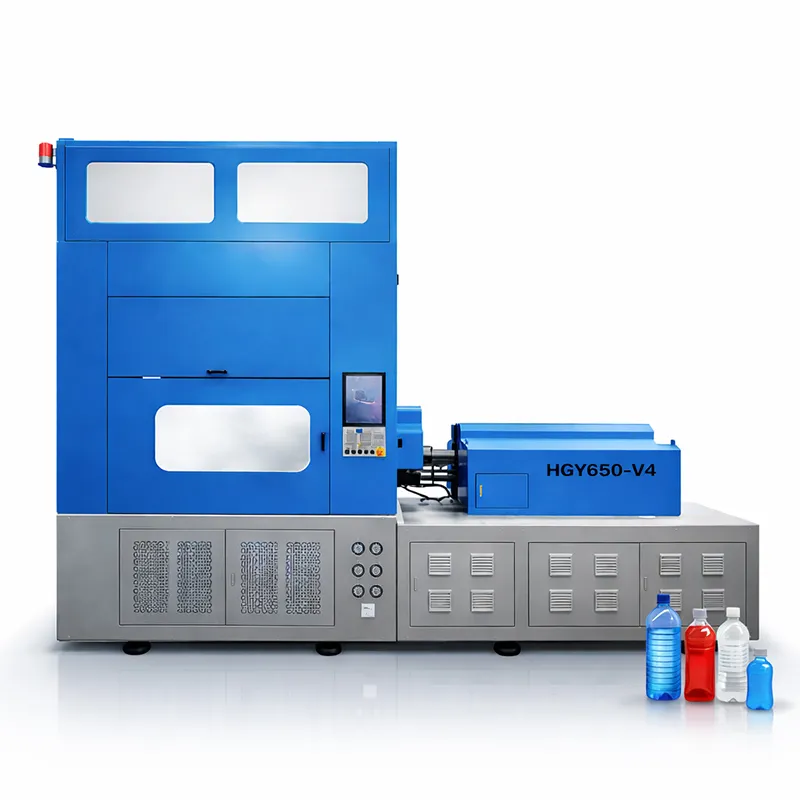
Proizvodnja specijalnih boca ISBM razlikuje se od potrošačke primjene u više dimenzija. Veći formati boca zahtijevaju duže vrijeme ciklusa. Rukovanje materijalom zahtijeva namjenske proizvodne linije koje sprječavaju unakrsnu kontaminaciju. Testiranje kvalitete proteže se dalje od dimenzijske inspekcije i uključuje validaciju hemijske kompatibilnosti i ispitivanje tlaka za naprezanje pri transportu.
| Dimenzija kvalitete | Specijalni standard | Metoda ispitivanja |
|---|---|---|
| Hemijska kompatibilnost | Rok trajanja 12-24 mjeseca | Studija ubrzanog starenja |
| Otpornost na pukotine od naprezanja | ASTM D2561 | Test sa savijenim trakama |
| Udar pada | ASTM D2463 | Pad sa 1,2 m |
| Otpornost na najveće opterećenje | >30 kg (boca od 1 l) | Ispitivanje kompresije |
| UN certifikacija ambalaže | Po klasi opasnosti | Pad, slaganje, pritisak |
| Parna brana | Po vrsti sadržaja | Studija o gubitku težine |
Zahtjev UN-a za certifikaciju ambalaže za transport opasnih materijala zaslužuje posebnu pažnju. Boce klasificirane kao one koje sadrže opasne hemikalije (pesticide, određene industrijske hemikalije, zapaljive rastvarače) moraju pokazati usklađenost ambalaže sa UN standardima putem standardiziranih protokola za ispitivanje pada, ispitivanje slaganja i ispitivanje pritiska. Dokumentacija za certifikaciju omogućava međunarodnu dostavu i obavezna je za proizvode koji prelaze korejske izvozne granice. Korejski proizvođači ISBM-a koji posluju u specijaliziranim izvoznim primjenama održavaju sveobuhvatnu dokumentaciju UN-a za certifikaciju koja podržava regulatorne zahtjeve kupaca.
Vrijeme ciklusa za specijalne primjene obično traje 14-22 sekunde za formate od 1 litre, što odražava zahtjeve za upravljanjem toplinom većih formata i konzervativniji rad parametara koji podržavaju konzistentan kvalitet. U poređenju sa ciklusima od 7-9 sekundi za standardna pića za format od 500 ml, vremena ciklusa za specijalne primjene odražavaju i veće veličine boca i disciplinovaniji rad parametara. Za sistematsku optimizaciju ciklusa u različitim kontekstima primjene, pogledajte okvir za optimizaciju vremena ciklusa.
6. Usklađenost sa GHS Hazmat i korejskim K-MSDS propisom
Globalno harmonizirani sistem (GHS) klasifikacije i označavanja hemikalija pruža međunarodni okvir za označavanje opasnih hemikalija. Korejske primjene specijalnih boca moraju biti u skladu sa zahtjevima GHS-a putem korejske K-MSDS (Sigurnosno-tehnički list) dokumentacije i odgovarajućeg označavanja boca.
| GHS piktogram | Vrsta opasnosti | Primjeri primjene na korejskom jeziku |
|---|---|---|
| Lobanja i ukrštene kosti | Akutna toksičnost | Pesticidi, herbicidi |
| Plamen | Zapaljivo | Rastvarači, aditivi za gorivo |
| Simbol korozije | Korozivno | Jake kiseline, alkalije |
| Uskličnik | Opasnost po zdravlje | Sredstva za čišćenje, dezinfekcijska sredstva |
| Simbol za okoliš | Toksičnost u vodi | Pesticidi, maziva |
| Opasnost po zdravlje | Kancerogen / mutagen | Industrijske hemikalije |
Korejski K-MSDS propisi koje provodi Ministarstvo rada i zapošljavanja (MOEL) zahtijevaju dokumentaciju o opasnostima na korejskom jeziku, uključujući GHS piktograme, signalne riječi, izjave o opasnosti, izjave o mjerama opreza, kontakt informacije proizvođača u korejskom formatu i kontakt brojeve za hitne slučajeve. Strani brendovi koji ulaze na korejsko specijalizirano tržište moraju lokalizirati svu dokumentaciju; domaći korejski brendovi se automatski pridržavaju standardnih regulatornih procesa.
Konkretno za proizvodnju ISBM boca, usklađenost s GHS propisima utiče na dizajn i dekoraciju boca na tri načina. Prvo, veličina etikete mora sadržavati puni sadržaj GHS označavanja, uključujući sve potrebne piktograme, signalne riječi i izjave o opasnosti - što obično zahtijeva veće ravne površine etikete od potrošačke ambalaže. Drugo, trajnost dekoracije mora izdržati zahtjeve GHS označavanja; izblijedjele ili oštećene etikete o opasnosti stvaraju regulatorne prekršaje neovisno o strukturnom integritetu boce. Treće, kodiranje bojama ponekad nadopunjuje GHS označavanje za dodatne sigurnosne poruke (crveni čepovi za opasno, žuti za oprez, zeleni za sigurnije alternative).
7. Ispitivanje hemijske kompatibilnosti
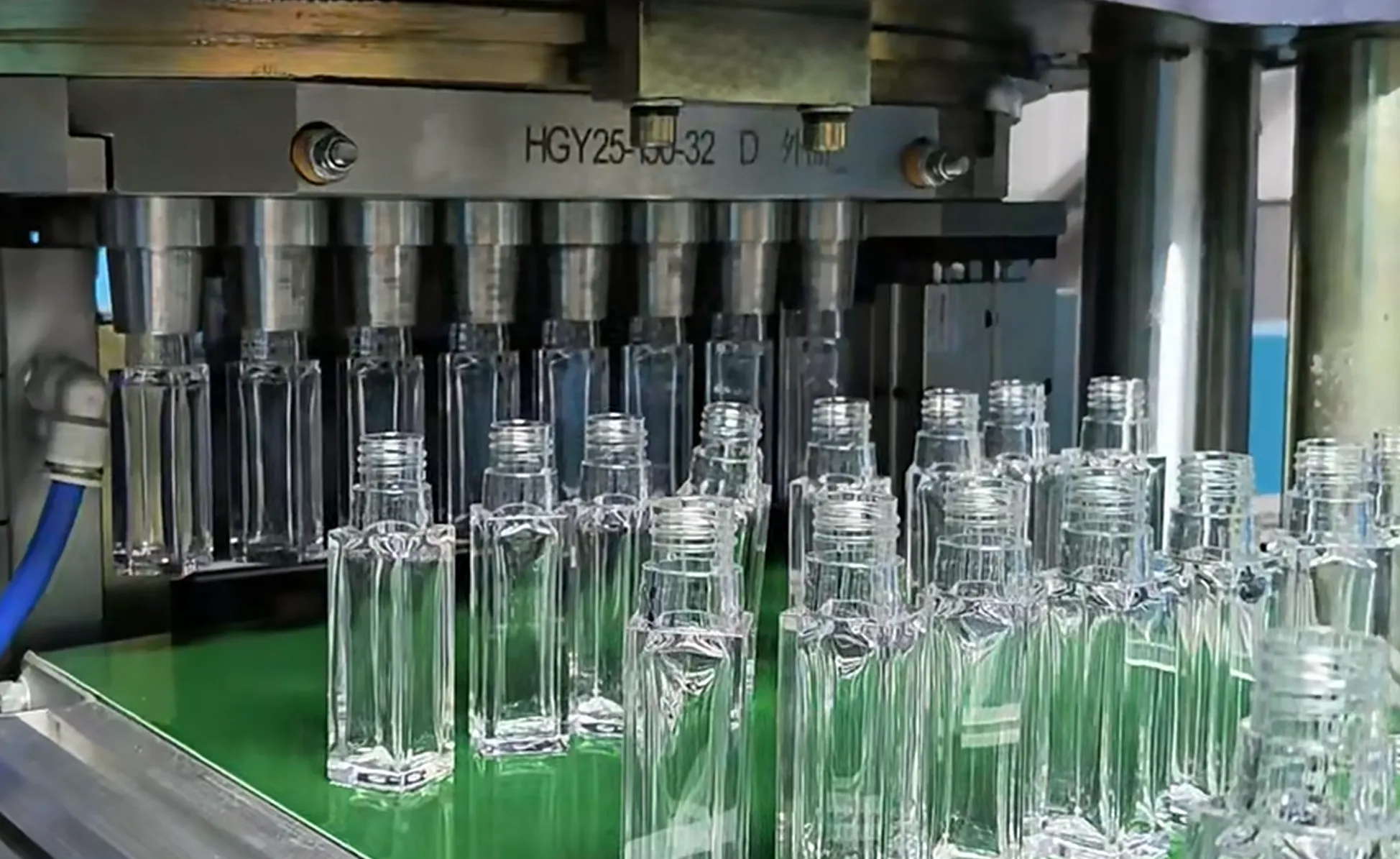
Ispitivanje hemijske kompatibilnosti predstavlja najizrazitiji zahtjev za kvalifikaciju specijalnih boca. Standardna ISBM kvalifikacija se odnosi na dimenzionalnu konzistentnost i osnovne strukturne performanse; specijalna kvalifikacija dodaje opsežnu validaciju kompatibilnosti sadržaja u cijelom očekivanom rasponu roka trajanja.
| Protokol ispitivanja | Uslovi | Trajanje |
|---|---|---|
| Rok trajanja u realnom vremenu | Temperatura okoline (23°C, 50% relativna vlažnost) | 12-24 mjeseca |
| Ubrzano starenje (Arrhenius) | Povišena temperatura 50-60°C | 60-90 dana |
| Termički ciklusi | Ciklusi od -20 do 50°C | 100-200 ciklusa |
| Vibracije / transport | Simulacija ASTM D4169 | Standardni ciklusi |
| Diferencijalni pritisak | Simulacija nadmorske visine | 10 ciklusa |
| Izloženost UV zračenju | Simulacija UVA/UVB zračenja | 500-1000 sati |
Krajnje tačke ispitivanja za validaciju hemijske kompatibilnosti uključuju mjerenje promjene težine (što ukazuje na gubitak sadržaja kroz prodiranje zida boce), promjenu dimenzija (što ukazuje na oticanje zida ili hemijski napad), degradaciju mehaničkih svojstava putem ispitivanja zatezanja i udara, te vizuelni pregled zamućenosti, površinskih pukotina ili promjene boje. Korejske specijalne primjene boca obično zahtijevaju gubitak težine manji od 2%, promjenu dimenzija manju od 1% i bez vidljivih nedostataka nakon produženih protokola izlaganja.
Za korejske proizvođače, ubrzano starenje putem Arrheniusove kinetike pruža standardnu metodologiju za predviđanje ponašanja dugoročnog roka trajanja na osnovu kraćih ispitivanja. Svako povećanje temperature od 10°C obično udvostručuje brzinu reakcije, omogućavajući testiranje od 60-90 dana na 50-60°C da približno dostigne 24-mjesečni rok trajanja na sobnoj temperaturi. Korejski proizvođači specijaliziranih ISBM-ova održavaju komore za ubrzano starenje i dugoročno skladištenje na sobnoj temperaturi za paralelnu validaciju koja podržava regulatorne podneske kupaca.
8. Odabir korejskog specijaliziranog ISBM partnera
Odabir specijaliziranog ISBM partnera naglašava stručnost u hemijskoj kompatibilnosti, sposobnost certifikacije opasnih materijala i podršku za proizvodnju velikog formata. Vlasnici specijaliziranih korejskih brendova obično ocjenjuju dobavljače prema šest kriterija koji odražavaju tehničku složenost segmenta.
| Kriterij evaluacije | Premium indikator |
|---|---|
| 1. Laboratorija za hemijsku kompatibilnost | Akreditovana infrastruktura za testiranje |
| 2. Certifikacija ambalaže UN-a | Dokazano za više klasa opasnosti |
| 3. Materijalni kapacitet | HDPE + PP namjenske linije |
| 4. Mogućnost štampanja velikog formata | Dokazana proizvodnja od 1-5L |
| 5. Podrška za K-MSDS / GHS | Tim za regulatornu dokumentaciju |
| 6. Mogućnost testiranja roka trajanja | Komore za ubrzano starenje |
Ukupni troškovi vlasništva za specijalne primjene razlikuju se od potrošačkih primjena. Direktni troškovi boce obično predstavljaju 15-25% ukupnih troškova pakovanja; preostalih 75-85% pokriva testiranje hemijske kompatibilnosti, regulatornu dokumentaciju, certifikaciju opasnih materija i validaciju roka trajanja. Dobavljači koji nude integrirane usluge koje pokrivaju cijeli ovaj opseg obično ostvaruju superiorne ukupne troškove uprkos višim cijenama po boci od konkurenata fokusiranih na robu.
Korejske ISBM operacije kompanije Ever-Power podržavaju specijalizovane aplikacije putem full-servo platformi koje se mogu skalirati do proizvodnje velikog formata. HGY650-V4 platforma za veliki obim proizvodnje služi za automobilske tekućine i industrijske hemikalije u količini od 1-5 litara. Za sveobuhvatnu ekonomiju povrata ulaganja u specijalizirane proizvodne kapacitete, pogledajte okvir za kalkulator ROI-a.
9. Često postavljana pitanja
P: Zašto su neke automobilske tečnosti pakovane u PET, dok je za druge potreban HDPE?
PET se koristi za hemijski blage automobilske tekućine (tekućina za pranje vjetrobranskog stakla, neke rashladne tekućine) gdje sadržaj ne napada agresivno molekularnu strukturu PET-a. HDPE je potreban za motorno ulje (mineralno i sintetičko), kočionu tekućinu (na bazi glikola), ulje za mjenjač i koncentrirane aditive gdje bi sadržaj ugrozio PET tokom tipičnog roka trajanja od 12-24 mjeseca. Korejski proizvođači rezervnih dijelova za automobile obično koriste HDPE za motorno ulje i kočionu tekućinu, PP za neke primjene rashladne tekućine, a PET samo za tekućinu za pranje vjetrobranskog stakla i odabrane blage primjene.
P: Da li se agrohemijske boce proizvode metodom ISBM ili ekstruzionim duvanjem?
Obje tehnologije opslužuju agrohemijsku proizvodnju s različitim rasponima formata. ISBM obično dominira formatima od 250 ml do 2 l, proizvodeći boce višeg kvaliteta s boljom dimenzionalnom konzistentnošću, podržavajući preciznu primjenu doziranja i kompatibilnost s mjernim čepovima. EBM obično obrađuje formate od 2 do 5 l u rasutom stanju i složene oblike s integriranim ručkama. Korejski proizvođači agrohemikalija, uključujući DongBu Farm Hannong i KG Chemical, obično koriste ISBM za premium koncentrirane formulacije, a EBM za robu u rasutom stanju.
P: Koji je tipičan vremenski okvir za kvalifikaciju novih specijalnih boca?
Kvalifikacija korejskih specijalnih boca obično zahtijeva 6-12 mjeseci od koncepta do lansiranja proizvodnje. Faze uključuju dizajn i specifikaciju materijala (4-6 sedmica), ubrzano testiranje hemijske kompatibilnosti (60-90 dana), paralelno iniciranje roka trajanja u realnom vremenu, testiranje UN certifikacije ambalaže (4-8 sedmica), integraciju GHS označavanja (2-4 sedmice) i završetak regulatorne dokumentacije (4-8 sedmica). Odobrenje kupca obično slijedi nakon ubrzanog završetka testiranja, a validacija u realnom vremenu se nastavlja nakon lansiranja. Planirajte minimalni vremenski okvir od 9 mjeseci za složene specijalne primjene koje zahtijevaju više jurisdikcijskih certifikata.
P: Kako prelazak na električna vozila u Koreji utiče na potražnju za specijalnim bocama?
Korejska tranzicija na električna vozila smanjuje potražnju za nekim tradicionalnim tekućinama za vozila s motorima s unutarnjim izgaranjem (boce motornog ulja padaju za 4-6% godišnje), a istovremeno stvara novu potražnju specifičnu za električna vozila. Tekućine za upravljanje toplinom za električna vozila (hlađenje baterije, hlađenje motora), maziva specifična za električna vozila za diferencijal i mjenjač, te hemikalije za čišćenje električnih vozila za održavanje baterije stvaraju nove kategorije boca. Širenje korejskih Hyundai/Kia električnih vozila pokreće paralelne inovacije specijaliziranih boca, obično 12-24 mjeseca prije lansiranja vozila, kako se razvijaju linije proizvoda za aftermarket tekućina. Korejski proizvođači ISBM-a koji služe za automobilske primjene trebali bi planirati evoluciju kapaciteta zajedno s putanjom tranzicije na električna vozila.
P: Može li ista ISBM platforma proizvoditi i boce za hranu i specijalne hemikalije?
Generalno se ne preporučuje uprkos tehničkim mogućnostima. Rizici unakrsne kontaminacije između prehrambene i hemijske primjene stvaraju regulatorne i kvalitativne rizike koji premašuju bilo kakav dobitak u operativnoj efikasnosti. Korejski proizvođači specijalizovanih proizvoda obično posvećuju ISBM platforme proizvodnji specijalnih hemikalija sa odvojenim rukovanjem materijalima, namjenskim bibliotekama parametara i izolovanom dokumentacijom o kontroli kvaliteta. Proizvođači koji pokušavaju da dele platformu moraju da implementiraju rigoroznu validaciju čišćenja, detaljne protokole prelaska i sveobuhvatnu dokumentaciju koja podržava regulatorne revizije. Većina etabliranih korejskih specijalizovanih operacija zaključuje da posvećenost platformi proizvodi superiorniju ukupnu ekonomiju u odnosu na zajedničko korišćenje.
10. Zaključak
Korejska industrijska i specijalizovana proizvodnja ISBM-a funkcioniše pod tehničkim zahtjevima koji razlikuju ovaj segment od primjena usmjerenih ka potrošačima. Šest glavnih specijalizovanih kategorija, od automobilskih tečnosti do laboratorijskih reagensa, zahtijevaju specijalizovanu ekspertizu u hemijskoj kompatibilnosti, sposobnost certifikacije opasnih materija, integraciju GHS označavanja i podršku za proizvodnju velikog formata. Veliki korejski brendovi, uključujući automobilski ekosistem Hyundai/Kia, industrijske hemikalije LG Chem, agrohemikalije DongBu Farm Hannong i maziva SK, opslužuju različite segmente kupaca, stvarajući značajne mogućnosti za obim proizvodnje za sposobne dobavljače specijalizovanih ISBM-a.
Za korejske specijalne brendove, odabir ISBM partnera trebao bi dati prioritet infrastrukturi laboratorije za hemijsku kompatibilnost, mogućnostima UN certifikacije ambalaže, fleksibilnosti materijala (HDPE + PP namjenske linije), proizvodnji velikog formata dokazanoj na skali od 1-5L, regulatornoj podršci K-MSDS i GHS te infrastrukturi za ubrzano testiranje roka trajanja. Razlika u kapacitetu između dobavljača s iskustvom u specijalizaciji i dobavljača fokusiranih na robu je značajna; brendovi koji biraju partnere isključivo na osnovu optimizacije troškova obično se suočavaju s izazovima u certifikaciji, kvaliteti i regulaciji koji premašuju bilo kakve uštede u nabavci. Utvrđeni korejski dobavljači specijalizovanih ISBM-a zauzimaju premium pozicioniranje koje odražava tehničku složenost i ulaganja u regulatornu infrastrukturu.
Gledajući unaprijed do 2030. godine, evolucija potražnje za specijalnim bocama u Koreji odražava višestruke strukturne promjene. Tranzicija na električna vozila mijenja strukturu kategorije automobilskih tekućina. Modernizacija poljoprivrede pomiče agrohemijsku ambalažu prema manjim premium formatima. Širenje K-pharma-e pokreće paralelni rast potražnje za laboratorijskim reagensima. Inicijative za održivost industrijskih hemikalija stvaraju potražnju za integracijom recikliranog HDPE sadržaja. Korejski proizvođači ISBM-a koji se pozicioniraju za partnerstvo u specijalizovanoj industriji do 2030. godine trebali bi planirati mapu puta kapaciteta, balansirajući operativnu izvrsnost (vrijeme ciklusa, kvalitet, disciplina održavanja) s regulatornom infrastrukturom (hemijska kompatibilnost, certifikacija opasnih materija, podrška za GHS označavanje). Ovo integrirano ulaganje u kapacitete stvara trajne konkurentske prednosti kroz odnose s kupcima koji se mjere decenijama.
Spremni za planiranje specijalizovane proizvodnje?
Podijelite svoju specijalnu kategoriju, ciljanu količinu, hemijski sadržaj i klasu opasnosti, GHS zahtjeve za označavanje i potrebe za certifikacijom. Naš korejski inženjerski tim vraća preporuku za ISBM platformu, parametre obrade materijala, plan testiranja hemijske kompatibilnosti i podršku za regulatornu dokumentaciju u roku od 5 radnih dana.
Urednik: Cxm