
ISBM sistem grijanja
Optimizacija: Vodič za korejsku produkciju
Stanica za kondicioniranje je termički najosjetljiviji procesni korak u korejskom ISBM-u — ona određuje temperaturni profil predoblika koji upravlja svakim atributom kvalitete nakon proizvodnje, od distribucije stijenki do optičke jasnoće i CO₂ barijere. Greške temperature stanice za kondicioniranje šire se kroz sve četiri varijable kvalitete korejskog ISBM-a istovremeno. Ovaj vodič pruža inženjerski okvir za optimizaciju performansi stanice za kondicioniranje za korejske PET, PETG, Tritan i PP primjene.
Vodič za funkcije po zonama
Sezonska kompenzacija u Koreji
Korejska referentna temperatura kondicioniranja ISBM-a — 2026
| Smola | Ciljani raspon (°C) | Tolerancija servo motora električnog vozila | Hidraulična tolerancija | Kritični rizik ako je izvan dometa |
|---|---|---|---|---|
| PET (negazirana voda) | 95–110 | ±0,3°C | ±2°C | Visok CV%: ujednačenost zida > 12%; zamagljivanje trakama |
| PETG (K-Beauty) | 85–95 | ±0,3°C | Ne preporučuje se | Zamagljenost > 1,51 TP3T; nagib ploče s naljepnicom; nagib glave pumpe |
| Tritan TX1001 | 135–165 | ±0,5°C | Nije prikladno | Neuspjeh testa pada (preniska temperatura); pucanje kapije (previsoka temperatura) |
| PP (vruće punjenje) | 120–145 | ±0,5°C | ±3°C maks. | Deformacija baze pod vakuumom vrućeg punjenja; asimetrija panela |
| PET (CSD visokotlačni) | 100–115 | ±0,3°C | ±2°C | Neuspjeh u formiranju petaloidnog stopala; deficit CO₂ barijere |
1. Centralna uloga stanice za kondicioniranje u kvaliteti korejskog ISBM-a
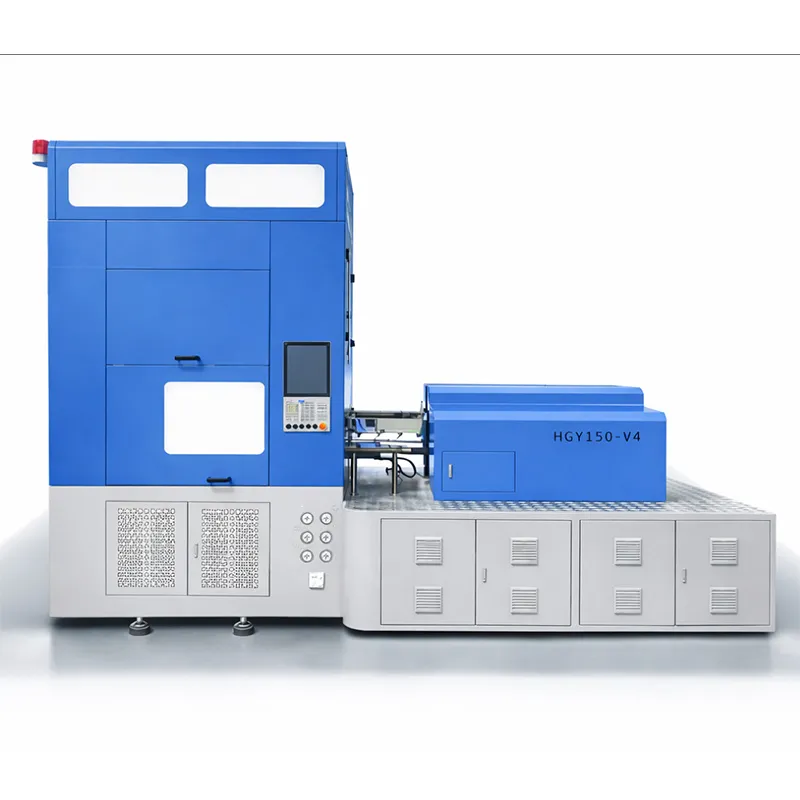
U korejskom ISBM-u sa 4 stanice, stanica za kondicioniranje (stanica 2 ciklusa ubrizgavanje→kondicioniranje→duvavanje→izbacivanje) obavlja funkciju koja se čini jednostavnom - održavanje predforme na ciljanoj temperaturi - ali je tehnički najzahtjevniji korak u procesu za preciznu kontrolu. Predforma stiže u stanicu za kondicioniranje još uvijek vruća od ubrizgavanja (obično 200–240°C na zatvaraču cijevi) i mora se ravnomjerno hladiti i održavati na termoelastičnom prozoru specifičnom za smolu: temperaturnom rasponu u kojem je polimer dovoljno viskozan da se biaksijalno isteže ispod rastezljive šipke i uduvanog vazduha, ali dovoljno čvrst da zadrži orijentisanu strukturu kada se ukloni pritisak duvanja.
Previše vruće, predoblik teče umjesto da se orijentiše - stvarajući amorfne, mutne, strukturno slabe boce. Previše hladno, predoblik puca ili stvara prekomjerni zaostali napon koji se manifestuje kao izbjeljivanje napona i prerano oštećenje u korejskoj distribuciji. Previše neujednačeno, a različite zone predoblika se orijentišu različitim brzinama - stvarajući varijacije u distribuciji zidova, stvaranje mutne trake i dimenzionalnu nekonzistentnost koja ne prolazi ulaznu inspekciju korejskog brenda. Molekularna nauka koja određuje zašto je termoelastični prozor ključan za kvalitet korejskog ISBM-a je u... Vodič za biaksijalnu molekularnu orijentaciju.
2. Infracrveno vs. otporno grijanje: Koji korejski ISBM sistem grijanja pobjeđuje?
Korejske ISBM stanice za kondicioniranje koriste dvije tehnologije zagrijavanja: infracrveno (IR) zračenje iz visokointenzivnih IR lampi i otporno zagrijavanje iz električnih grijaćih elemenata koji okružuju predoblik u izoliranoj peći za kondicioniranje. Dvije tehnologije imaju različite mehanizme prijenosa topline, različite brzine temperaturnog odziva i različite profile ujednačenosti od zone do zone.
| Parametar | Grijanje IR lampom | Zagrijavanje u otpornoj peći |
|---|---|---|
| Mehanizam prijenosa topline | Zračenje (900–1.100 nm IR) | Konvekcija + kondukcija |
| Vrijeme odziva na temperaturu | Brzo (2–5 s) | Sporo (30–90 s) |
| Ujednačenost kroz zid | Brža površina (gradijent kroz zid) | Ravnomjernije kroz zid |
| Preciznost od zone do zone | ±0,5–1,5°C (zavisi od starosti lampe) | ±0,3°C |
| Varijacija apsorpcije smole | PET i PETG različito apsorbiraju IR — zadane vrijednosti moraju se podesiti za svaku smolu pojedinačno. | Grijanje neovisno o smoli |
| Zahtjev za održavanje | IR lampe se degradiraju — izlaz pada za 15–25% nakon 5.000 sati; potrebna je zamjena | Donji — vijek trajanja grijaćih elemenata 20.000+ sati |
| Najbolje za | Dvostepeni ISBM (SBM podgrijavanje) gdje je brzina odziva ključna za brze proizvodne cikluse | Jednokoračni ISBM: konzistentna ujednačenost zona za korejsku K-Beauty i farmaceutsku industriju |
Korejske jednostepene ISBM platforme — tehnologija koju koriste korejske Ever-Power mašine sa 4 stanice — koriste zagrijavanje u otpornoj peći za stanicu za kondicioniranje. Predforma zadržava toplotu iz stanice za ubrizgavanje (nikada se ne hladi ispod temperature formiranja između ubrizgavanja i kondicioniranja), tako da je uloga stanice za kondicioniranje održavanje temperature i izjednačavanje zona, a ne povišenje temperature u odnosu na okolinu. Zbog toga je zagrijavanje u otpornoj peći idealno: sporije vrijeme odziva je nebitno (predforma je već blizu ciljane temperature), a superiorna ujednačenost kroz zid i nezavisnost od smole su odlučujuće prednosti za konzistenciju korejskog K-Beauty PETG-a i farmaceutskog PET-a. Potpuna... Korejska Ever-Power serija ISBM mašina sa 4 stanice koristi kondicioniranje otpornom peći sa servo PID kontrolom temperature po zoni.
3. Inženjering temperature kondicioniranja po zonama
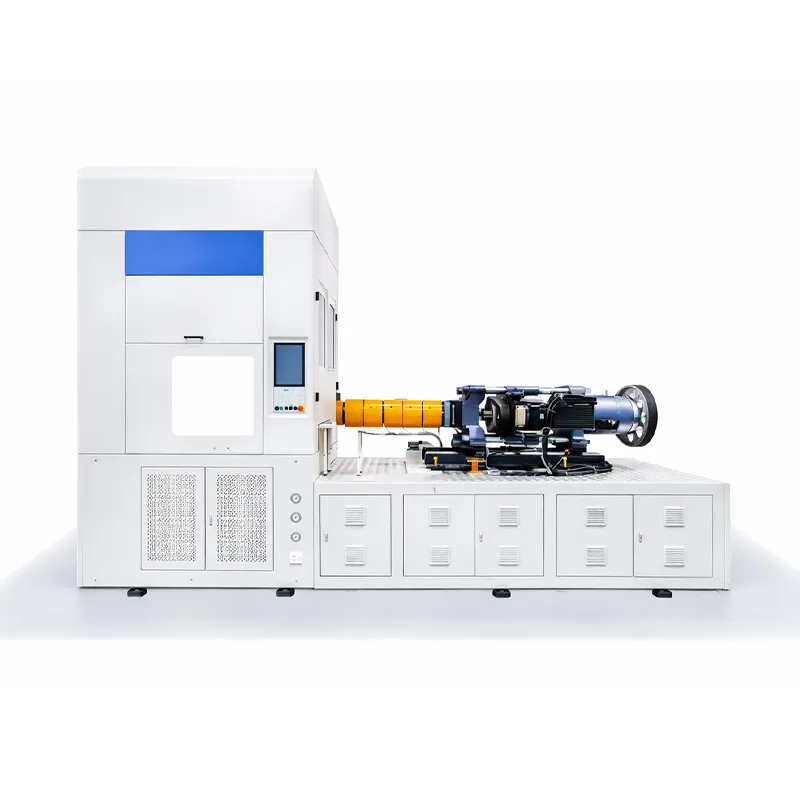
Korejske ISBM stanice za kondicioniranje s višezonskom kontrolom omogućavaju nezavisno podešavanje temperature na različitim visinama duž aksijalne dužine preforme. Svrha aksijalne zonske diferencijacije je primjena namjernog temperaturnog gradijenta koji prethodno kondicionira preformu za ciljanu distribuciju zida - temperaturni profil na stanici za kondicioniranje oblikuje gdje će materijal teći tokom istezanja i duvanja, prije nego što šipka za istezanje i zrak za duvanje završe distribuciju.
Prelazna zona vrata (vrh tijela preforme)
Obično se postavlja 2–5°C ispod zadane vrijednosti za srednji dio tijela. Prijelaz vrata mora biti malo hladniji kako bi se spriječilo prekomjerno stanjivanje zone ramena u ispuhanoj boci - ako je materijal ramena previše vruć i previše lako teče, rame postaje pretjerano tanko, dok srednji dio tijela akumulira materijal. Stanjivanje ramena korejskim K-Beauty PETG-om (stvaranje vidljivih traka izmaglice na spoju ramena i tijela) najčešći je simptom pregrijane zone prijelaza vrata.
Srednja zona tijela (centralno tijelo preforme)
Primarna zona zadane vrijednosti — obično se postavlja na nominalnu temperaturu kondicioniranja za smolu (95–110°C za PET, 85–95°C za PETG, 135–165°C za Tritan). Zona srednjeg dijela tijela određuje središnji zid tijela duvane boce, koji je panel etikete za većinu korejskih primjena i komercijalno najkritičnija zona zida za prianjanje korejskih K-Beauty etiketa, specifikaciju ravnosti i optičku jasnoću.
Donji dio tijela i zona zatvarača (dno predforme)
Obično se postavlja 2–4°C iznad zadane vrijednosti srednjeg dijela tijela. Nešto toplija zona zatvarača olakšava veliko aksijalno istezanje koje osnovna zona preforme podliježe tokom izvlačenja šipke — baza preforme se isteže 3–4× dok se šipka gura do položaja baze boce. Donja zona tijela koja je previše hladna rezultira time da je osnovni materijal previše krut da bi se adekvatno rastegnuo, stvarajući debelu, mutnu zonu zatvarača u ispuhanoj boci s vidljivim prstenom „hladne tačke“ u središtu baze.
Izuzetak za korejske CSD-ove: Korejske CSD primjene zahtijevaju namjerno teški osnovni zid (petaloidno podnožje) - donja zona tijela treba biti postavljena na ili malo ispod temperature srednjeg tijela (ne iznad) kako bi se smanjilo istezanje osnovne zone i zadržalo više materijala u zoni vrata za debljinu zida petaloidne podnožja.
4. Kalibracija termoelemenata i upravljanje senzorima
Tačnost temperature korejske ISBM stanice za kondicioniranje u potpunosti zavisi od tačnosti kalibracije termoelemenata (ili RTD senzora) koji mjere stvarnu temperaturu svake zone. Termoelement koji očitava 2°C iznad stvarne temperature zone stvara sistematsku grešku temperature kondicioniranja - kontroler postavlja zonu na ispravnu zadanu vrijednost, ali stvarna temperatura predforme je 2°C ispod ciljane - što dovodi do sistematskog pomjeranja distribucije zidova i (za korejski K-Beauty PETG) sistematskog povećanja zamućenja u cijeloj proizvodnoj seriji.
Protokol kalibracije korejskog ISBM termoelementa za kondicioniranje: Korejski Ever-Power preporučuje godišnju provjeru kalibracije svih termoelemenata zone kondicioniranja u odnosu na referentni termometar KRISS (Korejski istraživački institut za standarde i nauku), koji se može pratiti. Postupak kalibracije: umetnite kalibrirani referentni termoelement u zonu kondicioniranja (s mašinom na radnoj temperaturi, s umetnutim predoblikama), uporedite referentno očitanje s očitanjem na displeju kontrolera. Korekcija: ako prikazana temperatura odstupa od referentne za više od ±1,0°C, termoelement zahtijeva ili ponovnu kalibraciju (podešavanje nulte tačke u PID kontroleru) ili fizičku zamjenu ako je odstupanje nelinearno u cijelom radnom rasponu.
Načini kvara korejskih ISBM termoelemena i njihove posljedice po kvalitetu kondicioniranja:
- Postepeno pomicanje (0,5–2°C/godina): Proizvodi neprimjetno odstupanje kvalitete od serije do serije — pojedinačne serije prolaze ulaznu inspekciju korejske marke, ali kumulativno odstupanje tokom 12 mjeseci uzrokuje da proizvodnja iz prošle godine ima mjerljivo veći zid CV% nego proizvodnja iz prve godine pri istoj nominalnoj zadanoj vrijednosti. Godišnja kalibracija detektuje i resetuje ovo odstupanje prije nego što se akumulira do komercijalno značajnog nivoa.
- Nagla promjena temperature (skok od 1–5°C): Tipično uzrokovano djelomičnim oštećenjem žice termoelementa ili korozijom konektora. Uzrokuje iznenadnu promjenu kvalitete koju korejski operateri primjećuju kao promjenu kvalitete proizvodnje unutar smjene - boce koje su bile prihvatljive pri jutarnjoj inspekciji ne zadovoljavaju pri popodnevnoj inspekciji s istim nominalnim zadanim vrijednostima. Dijagnoza: uporedite prikazanu temperaturu za sumnjivu zonu s referentnim termometrom umetnutim u tu zonu.
- Potpuni kvar termoelementa (otvoreni strujni krug): PID kontroler odmah oglašava alarm. Korejski operateri ISBM-a nikada ne bi trebali pokušavati nastaviti proizvodnju s neispravnom zonom termoelementa — zona se obično postavlja na zadani radni ciklus grijača 100%, što uzrokuje brzo pregrijavanje koje degradira i predoblik i izolaciju grijaćeg elementa.
5. Korejska sezonska temperaturna kompenzacija: Upravljanje ljetnom proizvodnjom
Na rad korejske stanice za kondicioniranje ISBM-a utiče ekstremni sezonski raspon temperatura u Koreji - zimske temperature okoline u Koreji od -5°C do 5°C u odnosu na korejske ljetne temperature okoline od 32–38°C stvaraju oscilaciju okoline od 35–40°C koja direktno utiče na stabilnu radnu tačku stanice za kondicioniranje. Razumijevanje i upravljanje ovim sezonskim efektom je ključno za korejske proizvođače ISBM-a koji žele održati konzistentan kvalitet tokom cijele godine bez stalnog ručnog podešavanja zadanih vrijednosti.
Korejski protokol za sezonsko prilagođavanje kondicioniranju — PET 500ml negazirana voda
| Sezona | Ambijentalno | Podešavanje zadane vrijednosti kondicioniranja | Razlog |
|---|---|---|---|
| Korejska zima | −5–5°C | Osnovna vrijednost (bez prilagođavanja) | Zadane vrijednosti mašine su kalibrirane u zimskim uslovima |
| Korejsko proljeće / jesen | 10–22°C | +1–2°C srednji dio tijela | Smanjeni gubici u okolini; blaga kompenzacija za održavanje energetske ravnoteže predforme |
| Vrhunac korejskog ljeta | 32–38°C | +3–5°C u svim zonama | Visoka temperatura okoline smanjuje gubitak toplote iz peći za kondicioniranje; povećanje zadane vrijednosti održava ekvivalentnu brzinu unosa toplote predoblika bez rasipanja energije |
Korejski proizvođači ISBM-a koji implementiraju dokumentirani kalendar sezonskog podešavanja kondicioniranja - specificirajući promjene zadanih vrijednosti koje se primjenjuju na definiranim pragovima temperature okoline - održavaju konzistentan kvalitet distribucije topline na zidu tokom cijele godine bez individualne procjene operatera. Kalendar sezonskog podešavanja je posebno važan za korejsku noćnu proizvodnju (23:00–06:00) kada fabrička temperatura okoline padne za 5–12°C u odnosu na dnevni vrhunac, često prelazeći prag gdje je potrebno povećanje zadane vrijednosti usred smjene. EV servo ISBM mašina s integracijom senzora temperature okoline može automatski primijeniti malu unaprijednu kompenzaciju temperature okoline - korejske platforme Ever-Power HGY200-V4 podržavaju ovu funkciju kompenzacije temperature okoline kao konfigurabilnu opciju u PID postavkama temperature kondicioniranja.
6. Kondicioniranje više vrsta smola: Prelazak između PET, PETG, Tritan i PP
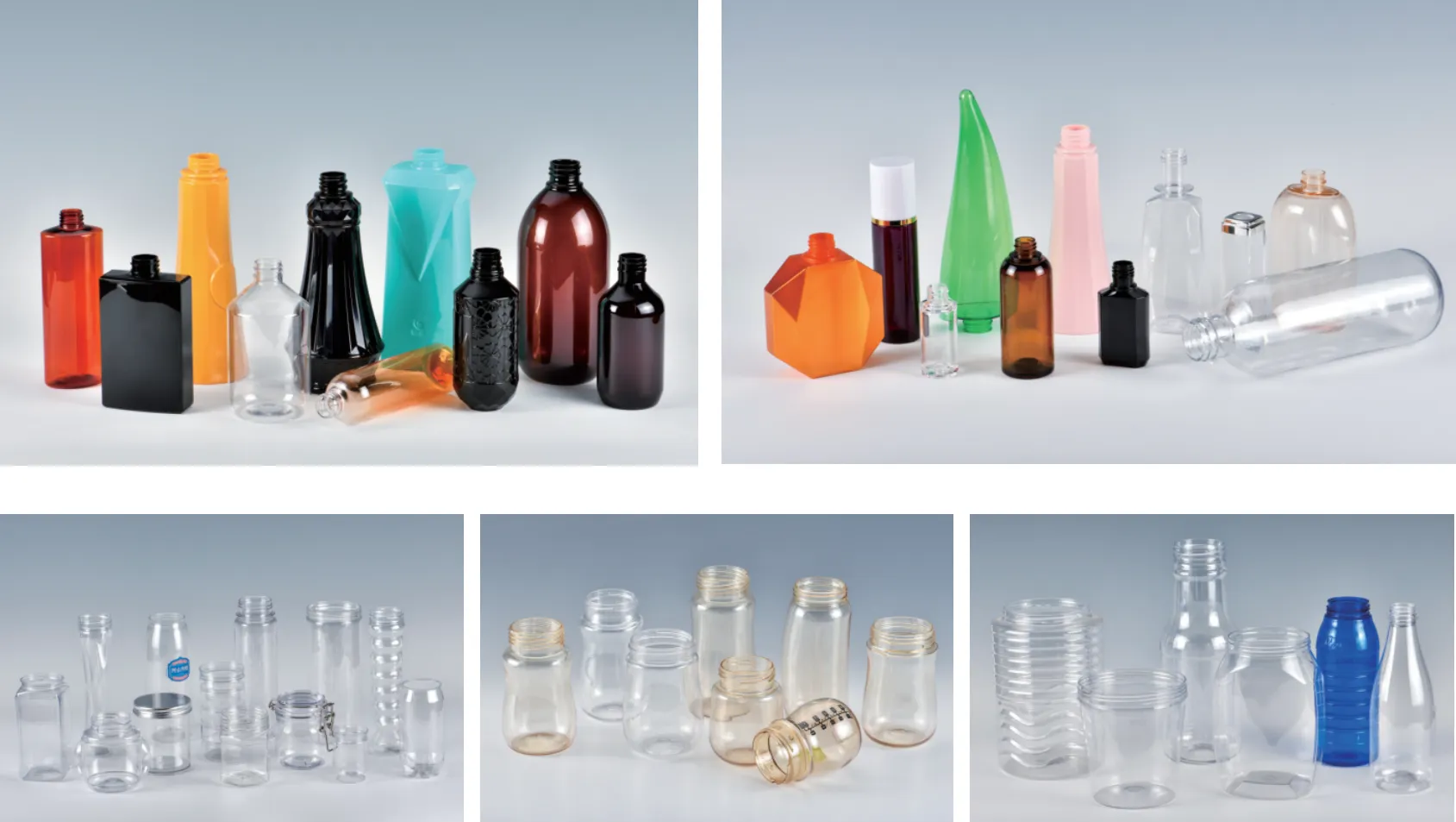
Planiranje proizvodnje više vrsta smole u korejskoj ISBM tehnologiji — EV servo sistem za upravljanje recepturama pohranjuje odvojene profile temperature kondicioniranja za PET, PETG, Tritan i PP primjene. Promjena recepture na stanici za kondicioniranje zahtijeva: (1) promjenu zadane temperature i čekanje na stabilizaciju (minimalno 20 minuta za potpuno uravnoteženje zone), (2) čišćenje cijevi novom smolom (5-8 injekcija), (3) kvalifikaciju od 10 injekcija na novim zadanim vrijednostima prije puštanja u proizvodnju. Termalna masa stanice za kondicioniranje znači da promjene temperature zahtijevaju 15-25 minuta da se potpuno uravnoteže — operateri koji mijenjaju recepture i odmah proizvode proizvod stvaraju "prelaznu zonu" od 15-20 minuta neusklađenih boca koje moraju biti stavljene u karantin.
Korejska proizvodnja višeslojnih smola ISBM - ključna prednost jednostepenog ISBM-a u odnosu na dvostepeni SBM - zahtijeva pažljivo upravljanje stanicom za kondicioniranje pri svakom prelazu smole. Zadane vrijednosti kondicioniranja značajno se razlikuju između vrsta korejske ISBM smole, a prelaz između zadanih vrijednosti zahtijeva vrijeme da se termalna masa stanice za kondicioniranje uravnoteži. Ključni parametri prelaza su:
- Tranzicija PET → PETG: Smanjite zadane vrijednosti zone kondicioniranja za 10–15°C (sa 95–110°C za PET na 85–95°C za PETG). Sačekajte najmanje 20 minuta za potpuno uravnoteženje zone. Provjerite PETG kondicioniranje mjerenjem zamućenja na 10 kvalifikacijskih boca — PETG koji se još uvijek kondicionira na zadanim vrijednostima PET-a proizvodi zamućenje > 3% zbog amorfizacije uzrokovane previsokom temperaturom. Provjerite tačku rose sušilice — PETG je nešto higroskopniji od PET-a; provjerite ≤ −35°C prije početka proizvodnje PETG-a.
- PET → Tritan prelaz: Povećajte zadane vrijednosti zone kondicioniranja za 35–55°C (sa 95–110°C za PET na 135–165°C za Tritan). Ovo je velika promjena zadane vrijednosti s dugim vremenom uravnoteženja - ostavite minimalno 35 minuta. Provjerite Tritan kondicioniranje testom pada na 5 kvalifikacijskih boca; nedovoljno kondicionirani Tritan (kondicioniran ispod 130°C) proizvodi boce koje ne prolaze test pada s visine od 1,5 m. Istovremeno promijenite profil temperature cijevi za ubrizgavanje (Tritan cijev: 250–275°C u odnosu na PET cijev: 265–285°C).
- Prelaz PETG → PP: Povećajte zadane vrijednosti zone kondicioniranja za 30–50°C (sa PETG 85–95°C na PP 120–145°C) I promijenite profil temperature cijevi (PP cijev: 220–245°C u odnosu na PETG cijev: 255–275°C). PP i PETG se ne miješaju — potpuno pročistite cijev sa 10–15 PP injekcija prije proizvodnje PP boca za proizvodnju, jer kontaminacija PETG-om u PP stvara vidljive tragove magle i potencijalno raslojavanje na zidu boce.
7. Interakcija temperature vrućeg kanala s performansama stanice za kondicioniranje
Temperatura vrućeg kanala – obično postavljena 10–25°C iznad temperature topljenja cijevi kako bi se spriječilo smrzavanje na vrhu mlaznice – ima sekundarni učinak na performanse stanice za kondicioniranje koji korejski operateri ISBM-a često zanemaruju. Toplota koja se provodi iz razvodnika vrućeg kanala u šupljinu stanice za ubrizgavanje stvara dodatni unos toplote u podnožju preforme (zona ulaza) izvan direktnog zagrijavanja stanice za kondicioniranje. U proizvodnji u stacionarnom stanju, ovaj doprinos toplote vrućeg kanala je konzistentan i uzet je u obzir u zadanim vrijednostima kondicioniranja. Ali nakon promjene temperature vrućeg kanala (tokom podešavanja recepture ili nakon alarma vrućeg kanala), doprinos toplote vrućeg kanala zoni ulaza se mijenja – što zahtijeva odgovarajuće podešavanje zone kondicioniranja kako bi se održao isti ukupni profil temperature preforme.
Praktična smjernica: svaku promjenu temperature razvodnika vrućeg kanala od 5°C treba pratiti odgovarajuće podešavanje donje zadane vrijednosti zone kondicioniranja od -1 do -2°C kako bi se kompenzirao promijenjeni doprinos topline u zoni ulaza. Korejski proizvođači ISBM-a koji ne primjenjuju ovu kompenzaciju nakon podešavanja temperature vrućeg kanala primjećuju sistematske promjene debljine stijenke zone ulaza (deblja zona ulaza nakon povećanja temperature vrućeg kanala, tanja zona ulaza nakon smanjenja) koje dijagnosticiraju kao pomak okidača prije uduvavanja - trošeći dijagnostičko vrijeme na pogrešnu varijablu. Interakcija stanice za kondicioniranje sa svim korejskim parametrima procesa ISBM-a u određivanju vremena ciklusa kvantificirana je u Korejski vodič za optimizaciju vremena ciklusa ISBM-a.
8. Optimizacija energije i efikasnost stanice za kondicioniranje
Stanica za kondicioniranje je drugi najveći potrošač energije u korejskoj proizvodnji ISBM-a, nakon cijevi za ubrizgavanje, i obično čini 18–25% ukupne potrošnje energije mašine. Tri strategije optimizacije energije smanjuju potrošnju energije stanice za kondicioniranje bez ugrožavanja preciznosti temperature:

Strategija 1 — Optimizacija vremena zadržavanja kondicioniranja
Vrijeme zadržavanja kondicioniranja (koliko dugo predoblik stoji u stanici za kondicioniranje prije nego što se premjesti u stanicu za duvanje) često se konzervativno podešava tokom podešavanja mašine i nikada se naknadno ne smanjuje. Smanjenje zadržavanja kondicioniranja za 0,5–1,0 sekundi (ako se održi kvalitet zida) smanjuje potrošnju energije kondicioniranja za 8–15% i smanjuje vrijeme ciklusa – dvostruka korist. Test: smanjite zadržavanje u koracima od 0,2 s, provjeravajući CV% zida i zamućenje u svakom koraku dok kvalitet ne počne da se smanjuje, a zatim vratite na 0,2 s iznad praga degradacije.
Strategija 2 — Smanjenje zadane vrijednosti tokom planiranih prekida proizvodnje
Tokom planiranih prekida u proizvodnji dužih od 10 minuta (pauze za obroke, izmjena kalupa, zadržavanje kvaliteta), smanjite zadane vrijednosti zone kondicioniranja na 60% nominalne vrijednosti — peć održava termalnu masu sa smanjenom potrošnjom energije i vraća se na nominalnu zadanu vrijednost u roku od 3-5 minuta kada se proizvodnja ponovo pokrene. Korejski ISBM pogoni koji koriste zone kondicioniranja na punoj zadanoj vrijednosti tokom prekida u proizvodnji gube 15-22% energije kondicioniranja na zagrijavanje prazne stanice.
Strategija 3 — Pregled i zamjena izolacije
Izolacija korejske ISBM peći za klimatizaciju degradira se tokom 3-5 godina proizvodnje - izolacija od mineralne vune ili keramičkih vlakana se komprimira i gubi izolacijsku efikasnost, povećavajući gubitak topline kroz stijenke peći i zahtijevajući od grijača da rade jače kako bi održali zadanu vrijednost. Godišnji pregled izolacije (skeniranje infracrvene termalne kamere vanjštine stanice za klimatizaciju - povišena temperatura površine ukazuje na kvar izolacije) i zamjena kada temperatura površine pređe 45°C na vanjskoj strani identificira gubitke efikasnosti prije nego što se akumuliraju do značajnih troškova energije. Korejski proizvođači ISBM-a koji održavaju izolaciju peći za klimatizaciju prema projektnim specifikacijama troše 12–18% manje energije za klimatizaciju od proizvođača koji rade s izolacijom koja nije servisirana 5+ godina.
Često postavljana pitanja
Inženjerska podrška za kondicione stanice
Problemi s temperaturnim pomakom pri kondicioniranju ISBM-a u Koreji, sezonskim varijacijama kvalitete ili prijelazom na više vrsta smola?
Korejski Ever-Power pruža usluge kalibracije zone kondicioniranja, podešavanje protokola sezonske kompenzacije, razvoj recepata za više vrsta smola, kalibraciju termoelemenata i konfiguraciju ambijentalne kompenzacije EV servo motora za optimizaciju korejske ISBM stanice za kondicioniranje.