
Detaljan tehnički pregled · Optički inženjering kvalitete · Korejski ISBM 2026
Kako poboljšati ISBM bocu
Transparentnost: Korejski vodič
U korejskoj K-Beauty, premium pakovanju za pića i farmaceutske proizvode, prozirnost boce nije kozmetička karakteristika - to je komercijalna specifikacija. Korejska K-Beauty PETG boca sa zamućenjem 3% umjesto 1.5% ne prolazi ulaznu inspekciju brenda. Korejska premium boca za vodu sa zamućenjem 4% komunicira loš kvalitet korejskom potrošaču u prodavnici mješovite robe prije nego što je dodirne. Ovaj vodič identificira svaku procesnu varijablu koja stvara zamućenje u korejskoj proizvodnji ISBM-a i pruža korektivni protokol za svaku od njih.
PETG ≤ 1,5% Protokol zamagljivanja
Matrica specifikacija korejskog brenda
Referenca specifikacije optičkog kvaliteta za korejski ISBM — 2026
| Aplikacija | Granica zamagljenosti | Smola | Primarni rizik od izmaglice |
|---|---|---|---|
| Korejska K-Beauty PETG pumpa/toner | ≤ 1,5% | PETG | Prekomjerno kondicioniranje, vlaga iz puhanog zraka, površina kalupa |
| Korejski HPP sok hladno cijeđen | ≤ 1,5% | Kristalni PET | Nedovoljno kondicioniranje, vlaga, neuspjeh sušenja |
| Korejska vrhunska negazirana voda | ≤ 2,0% | PET | Kontaminacija vlagom, varijacije u kondicioniranju |
| Korejski tritan dodatak / beba | ≤ 2,0% | Tritan TX1001 | Nedovoljno kondicioniranje, prekratko vrijeme puhanja |
| Korejska farmaceutska oralna tekućina | ≤ 2,5% | PET / PP | Kontaminacija, degradacija smole, sadržaj AA |
1. Zašto je transparentnost komercijalna specifikacija, a ne vizualna preferencija

Prozirnost korejske ISBM boce — kvantificirana kao postotak zamućenja (udio propuštene svjetlosti raspršene kroz stijenku boce, mjeren prema ASTM D1003) — evoluirala je od estetskog pokazatelja kvalitete do komercijalne granične specifikacije u korejskoj premium ambalaži. Ovu promjenu pokreću tri konvergentne korejske tržišne sile. Prvo, potrošači korejskog brenda K-Beauty uspoređuju svoju kozmetičku ambalažu sa staklom i kristalno čistom korejskom referencom dizajna — svaka PETG boca tonera sa zamućenjem iznad 1,5% vizualno se razlikuje od stakla pri uvjetima osvjetljenja polica Korean Olive Young, što šteti premium pozicioniranju brenda. Drugo, korejski brendovi premium hladno prešanih sokova koriste kristalnu prozirnost PET boce kao primarni alat za komunikaciju „prirodnog sastojka“ — boja proizvoda komunicira čistoću sastojka, a zamućenje boce iskrivljuje ovu komunikaciju boje, smanjujući premium brenda na policama. Treće, korejski brendovi farmaceutske ambalaže sve više specificiraju granice zamućenja kao parametar usklađenosti (ne samo estetski) jer zamućenje u PET bocama za oralnu tekućinu korelira s ujednačenošću orijentacije — što se korelira s konzistentnošću migracije u testiranju KFDA ekstrakta.
Molekularna fizika koja određuje zašto biaksijalno orijentisani ISBM PET i PETG postižu nižu zamućenost od IBM ili EBM alternativa - i šta uzrokuje varijacije zamućenosti unutar ISBM proizvodnje - leži u... Vodič za biaksijalnu molekularnu orijentaciju.
2. Mjerenje zamagljenosti: Kako kvantificirati i pratiti optički kvalitet u korejskom ISBM-u
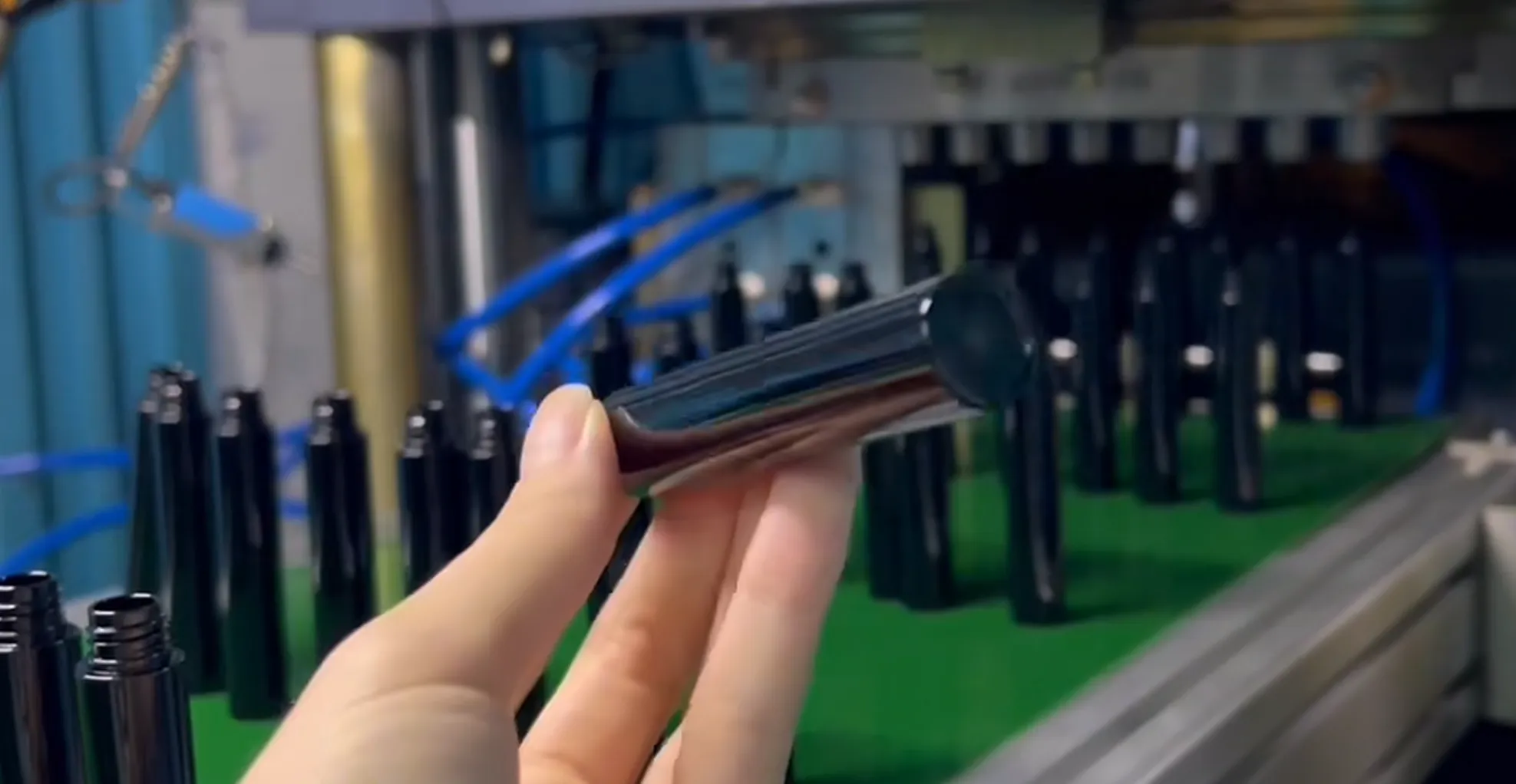
Korejsko mjerenje zamućenja ISBM-a koristi spektrofotometrijski mjerač zamućenja (hazemetar) prema ASTM D1003 - međunarodnom standardu na koji se korejski timovi za kontrolu kvalitete brendova i korejski proizvođači ISBM-a pozivaju u dokumentima o kvalifikaciji dobavljača. Postupak mjerenja za dijelove korejskih ISBM boca: izrežite ravni kupon (25 mm × 25 mm) iz zone mjerenja (ploča s naljepnicom tijela za standardno mjerenje zamućenja), montirajte u mjerač zamućenja i očitajte vrijednost zamućenja %. Protokol mjerenja za korejski ISBM QC:
Korejski protokol za mjerenje zamagljenosti ISBM-a
- Uzorkovanje: 5 boca po šupljini po smjeni — mjerite zamućenost u 3 zone (donji dio tijela, srednji dio tijela, gornji dio ramena) po boci. Zabilježite svaku zonu zasebno, ne prosjek.
- Osnovno uspostavljanje: Tokom kvalifikacije kalupa, izmjerite 30 uzastopnih boca iz svake šupljine i utvrdite srednju vrijednost zamućenja ± 2σ kao granice kontrole proizvodnje.
- Prag upozorenja: Svako pojedinačno mjerenje iznad granice specifikacija korejskog brenda pokreće hitnu istragu - a ne reakciju "prati i vidi".
- Praćenje trendova: Pratite zamagljenost kao grafikon trenda pomaka-prosječne vrijednosti po šupljini. Uzlazni trend (čak i unutar specifikacija) je upozorenje procesa - korejske ISBM operacije koje reaguju na trendove sprječavaju kršenja specifikacija; one koje reaguju samo na kršenja snose troškove odbacivanja serije.
Zone mjerenja zamućenja korejskog ISBM-a variraju ovisno o primjeni: K-Beauty PETG boce tonera mjere se na ploči s etiketom (zona vidljiva na polici) I na ramenu tijela (gdje se glava pumpe spaja s bocom - zona koja se često zanemaruje i koja ne prolazi inspekciju brenda K-Beauty kada zamućenje ramena prelazi 2,0% na boci koja prolazi pored ploče s etiketom). Korejske HPP boce soka hladno prešane u boci mjere se po punom obimu na sredini tijela - cijelo tijelo je "zona prikaza" za komunikaciju boje soka, a ne samo prednja ploča s etiketom. Korejski farmaceutski PET mjeri se prema KFDA specifikaciji ispitivanja ekstrakta koja zahtijeva mjerenje na zoni zida tijela s koje se uzima kupon za ekstrakt.
3. Izbor smole: PET vs PETG vs Tritan za optičku jasnoću
Izbor smole je najuticajnija odluka u specifikaciji optičke jasnoće za korejski ISBM - prije nego što se postavi bilo koji parametar procesa. Različite smole imaju fundamentalno različit optički potencijal: struktura njihovog polimernog lanca, ponašanje kristalizacije i ujednačenost indeksa prelamanja određuju minimalno ostvarivu zamućenost pri optimalnim uslovima procesa. Razumijevanje optičkih ograničenja svake smole izbjegava neuspjeh u kvaliteti korejskog ISBM-a pri specificiranju ciljane zamućenosti koju odabrana smola ne može postići bez obzira na to koliko dobro se mašina koristi.
| Smola | Minimalno dostižna zamagljenost (ISBM) | Primarna prednost jasnoće | Primarni rizik od izmaglice |
|---|---|---|---|
| PETG (Eastman TX2001) | 0,3–0,8% | Amorfni kopolimer — bez kristalizacijskog zamućenja; bistrina konkurentna staklu | Prekomjerno kondicioniranje, vlaga izduvanog zraka, površinska abrazija |
| Kristalni PET (IV ≥ 0,82) | 0,8–1,5% | Visoka jasnoća orijentacije zahvaljujući dvoosnom istezanju; široka dostupnost smole | Vlaga, nedovoljna orijentacija, kontaminacija površine plijesni |
| Tritan TX1001 | 0,5–1,2% | Amorfni kopoliester — bez kristalizacije; odlična jasnoća pri udaru | Nedovoljno kondicioniranje (Tg 110°C — mora dostići 135–165°C), zadržavanje duvanja prekratko |
| Standardni PET (IV 0,76–0,80) | 1,5–3,0% | Isplativo; dovoljno za korejsku negaziranu vodu i standardna pića | Varijacija IV, šira distribucija izmaglice, manje stabilna |
| PP (prirodni kvalitet) | 4–8% | Nije prozirna smola — otpornost na toplinu je prednost PP-a, a ne optička prozirnost | Kristalizacija svojstvena PP-u — prozirnost se ne može postići |
Korejski proizvođači ISBM-a od kojih korejski brendovi K-Beauty traže da "poboljšaju transparentnost" postojeće PP ambalaže trebaju savjetovati brend da je ispravno rješenje zamjena smole u PETG - a ne optimizacija procesa, jer kristalna struktura PP-a fizički čini zamućenost ispod 4% nedostižnom, bez obzira na uslove procesa. Sistematsko poređenje PET-a i PETG-a za transparentnost, otpornost na toplotu i primjenu u kontaktu s hranom kod korejskih ISBM-a nalazi se u... Vodič za odabir korejske PET vs. PETG smole.
4. Sušenje i vlaga: Najčešće zanemaren uzrok zamagljivanja
Vlaga u smoli je najčešće zanemaren uzrok zamućenja korejskog ISBM-a - i najlakše ju je kontrolirati kada se pravilno identificira. I PET i PETG su higroskopni: apsorbiraju vlagu iz okolnog zraka tokom skladištenja i rukovanja. Kada nedovoljno osušena smola uđe u cijev za injektiranje na temperaturama od 265–285°C (PET) ili 255–275°C (PETG), molekule vode rastvorene u smoli reaguju sa esterskim vezama u polimernom lancu u reakciji hidrolize koja cijepa polimerne lance, smanjujući IV i stvarajući oligomerne produkte razgradnje. Ovi oligomeri niske molekularne težine imaju drugačiji indeks prelamanja od okolne polimerne matrice - stvarajući mikroskopsku optičku nehomogenost koja se manifestuje kao zamućenje.
Korejska specifikacija sušenja ISBM-a po smoli
| Smola | Ciljana vlažnost | Tačka rose | Temperatura sušenja | Minimalno vrijeme sušenja |
|---|---|---|---|---|
| PET | ≤ 30 ppm | ≤ −35°C | 160–175°C | 4–6 sati |
| PETG | ≤ 20 ppm | ≤ −40°C | 65–75°C | 4–6 sati |
| Tritan | ≤ 30 ppm | ≤ −35°C | 100–115°C | 4–6 sati |
Važna razlika u sušenju PETG-a: PETG se mora sušiti na nižoj temperaturi (65–75°C) od PET-a (160–175°C) jer PETG počinje omekšavati na 80°C i aglomerirao bi se u sušači na visokoj temperaturi - ali zahtijeva užu tačku rose (≤ −40°C u odnosu na ≤ −35°C kod PET-a) jer higroskopniji glikolni modifikator PETG-a lakše apsorbira vlagu. Korejski proizvođači ISBM-a koji prelaze s PET-a na proizvodnju PETG-a i koriste svoju temperaturu sušača PETG-a stvaraju dva istovremena problema: visoka temperatura sušenja (160°C) žuti PETG pelete (PETG pokazuje degradaciju žućenjem iznad 90°C u okruženju sušača), a stroža specifikacija tačke rose možda neće biti ispunjena ako je sredstvo za sušenje dimenzionirano za manje zahtjevnu ciljnu tačku rose PET-a.
5. Preciznost temperature kondicioniranja i njen uticaj na optički kvalitet
Temperatura stanice za kondicioniranje je najdirektnija procesna varijabla koja kontrolira zamućenje u korejskoj proizvodnji ISBM-a - jer je zamućenje kod PET-a i PETG-a prvenstveno funkcija kristalne strukture polimera u gotovoj boci, a kristalna struktura je određena time koliko dobro orijentirani su polimerni lanci tokom dvoosnog istezanja, što kritično ovisi o temperaturi predforme u trenutku početka istezanja i duvanja.
Tri greške temperature kondicioniranja proizvode zamagljivanje putem različitih mehanizama:
- Prekomjerna kondicionacija (previše vruće): Kada se predoblik kondicionira iznad optimalnog temperaturnog prozora, polimer se topi umjesto da se orijentira tokom istezanja i duvanja - lanci teku umjesto da se poravnavaju. Kristalizacija protokom proizvodi velike sferulitne kristale koji raspršuju svjetlost, stvarajući karakterističan mliječni ili neprozirni uzorak zamućenja. Kod PETG-a, prekomjerno kondicioniranje iznad 100°C proizvodi vidljivo izbjeljivanje usljed naprezanja u zoni ramena tokom duvanja. Korekcija: smanjiti zadanu vrijednost kondicioniranja za korake od 3-5°C; mjeriti zamućenje u svakom koraku dok se ne potvrdi poboljšanje.
- Nedovoljna kondicioniranost (previše hladno): Kada je temperatura predoblika ispod termoelastičnog prozora, polimer je previše krut da bi se ravnomjerno istezao - lokalne nedovoljno istegnute zone imaju nisku kristalnost (amorfne, blago mutne), dok susjedne zone mogu biti preopterećene, stvarajući mikropukotine koje raspršuju svjetlost. Nedovoljno kondicioniranje u korejskom ISBM-u također proizvodi karakterističan uzorak "istezanja" - vidljiv kao fine bijele linije u tijelu boce koje idu paralelno s aksijalnim smjerom istezanja. Ispravka: povećati zadanu vrijednost kondicioniranja za 3°C; provjeriti mjerenjem zamućenja i vizualnim pregledom boce.
- Varijacija uvjetovanja od zone do zone (neujednačenost): Varijacija temperature između zona kondicioniranja (iznad ±2°C) proizvodi stvaranje traka zamagljenja - naizmjenične jasnije i mutnije horizontalne trake na stijenci boce koje odgovaraju zonama više i niže temperature kondicioniranja. Ovo je najteži uzrok zamagljenja korejskog ISBM-a za identificirati bez termalnog snimanja, jer prosječna temperatura kondicioniranja (koju prijavljuje kontroler) može biti tačna, dok varijacije od zone do zone proizvode stvaranje traka. Dijagnoza: termalno snimite vanjski dio stanice za kondicioniranje ili koristite referentnu termoelement sondu na svakoj poziciji zone za mapiranje varijacija od zone do zone.
6. Parametri stanice za duvanje koji utiču na bistrinu korejske ISBM boce
Tri parametra stanice za uduvavanje direktno utiču na optičku jasnoću korejske ISBM boce: adekvatnost visokog pritiska uduvavanja, vrijeme zadržavanja uduvavanja i tačka rose vazduha uduvavanja. Svaki utiče na zamućenje putem drugačijeg mehanizma.
Adekvatnost visokog pritiska duvanja: Faza visokog pritiska uduvavanja (24–42 bara, ovisno o primjeni) mora čvrsto pritisnuti ekspandirani kalup uz ohlađenu površinu šupljine kalupa - ovaj kontakt površine usmjerava toplinu sa stijenke boce u kalup, brzo gaseći orijentacijsku strukturu i sprječavajući rast kristalita koji bi raspršili svjetlost. Ako je pritisak visokog pritiska uduvavanja ispod minimalno potrebnog za potpuni kontakt sa stijenkom šupljine (obično minimalno 24 bara za 500 ml PET), mikroskopski zračni džepovi između kalupa i stijenke šupljine djeluju kao izolacijski slojevi - lokalne zone stijenke boce hlade se sporije, omogućavajući opuštanje napona i rast kristalita koji stvaraju zamućene mrlje. Ove zamućene mrlje su dijagnostičke: pojavljuju se na istom mjestu na svakoj boci i koreliraju sa zonama šupljine kalupa gdje je kontakt površine bio nepotpun.
Vrijeme zadržavanja puhanja: Zadržavanje duvanja (vrijeme u kojem boca ostaje pod pritiskom unutar zatvorenog kalupa nakon kraja šipke) mora biti dovoljno dugo da se stijenka boce ohladi ispod temperature kristalizacije prije nego što se kalup otvori. Ako je zadržavanje prekratko, stijenka boce je i dalje iznad temperature kristalizacije kada se kalup otvori - kratki kontakt sa okolnim zrakom dok se boca izbacuje stvara termalni šok koji potiče brzu kristalizaciju, stvarajući "prsten mraza" visoke zamućenosti neposredno unutar zone izbacivanja. Kod korejskog K-Beauty PETG-a (zamućenost ≤ 1,5%), svako smanjenje zadržavanja duvanja od 0,1 s ispod minimuma povećava zamućenost za približno 0,15–0,25% u zoni izbacivanja - mjerljiv, ispravljiv efekat.
Tačka rose zraka za uduvavanje: Kondenzirana voda u krugu zraka za uduvavanje (tačka rose iznad -15°C) dodiruje vruću površinu predlista tokom faze uduvavanja, stvarajući lokalizovano brzo hlađenje koje proizvodi kristalizacijske izmaglice tamo gdje kapljice vode dodiruju predlistak. Korejski ISBM K-Beauty PETG pogoni trebaju provjeravati tačku rose zraka za uduvavanje ≤ -25°C na ulazu u mašinu u intervalima od 2 sata tokom proizvodnje — korejski ljetni uslovi (60–85% relativna vlažnost okoline) brže zasićuju sredstvo za sušenje sušilice zraka za uduvavanje nego zimi, što čini porast popodnevne tačke rose zraka za uduvavanje iznad jutarnjeg nivoa pokretanja sistematskim sezonskim rizikom za kvalitet.
7. Završna obrada površine kalupa: Ra specifikacija za korejski ISBM optički kvalitet

Završna obrada površine šupljine kalupa za duvanje direktno određuje koliko površinski raspršene zamućenosti boca nasljeđuje iz kalupa - nezavisno od smole, temperature kondicioniranja ili bilo koje druge procesne varijable. Površina kalupa se replicira na površini zida boce s visokom vjernošću tokom faze duvanja: visoki pritisak duvanja (24–42 bara) pritišće predlistak na površinu kalupa dovoljnom silom da replicira površinske karakteristike do približno 0,1 μm.
Specifikacija završne obrade površine korejskog ISBM kalupa po primjeni: Korejski K-Beauty PETG i korejski kristalni PET premium kalupi zahtijevaju Ra ≤ 0,05 μm (zrcalno poliranje, najviša specifikacija) za tijelo boce i zone ramena. Korejski standardni negazirani i farmaceutski PET: Ra ≤ 0,10 μm (fino poliranje, postižljivo standardnim poliranjem dijamantskom pastom). Korejske zone vakuumske ploče vrućeg punjenja HS-PET-a: Ra 0,05–0,15 μm za površine vakuumske ploče (nešto hrapavije od tijela je prihvatljivo, pa čak i korisno za prianjanje etikete); Ra ≤ 0,05 μm za zone tijela koje nisu ploče radi kontrole zamućenja. Održavanje polirane površine kalupa: Korejski ISBM kalupi za K-Beauty primjene trebaju imati provjeru površine šupljine tijela Ra svakih 500.000 pucanja profilometrom - restauracija poliranja zakazana je kada Ra prijeđe 0,08 μm. Okvir specifikacija kalupa koji pokriva zahtjeve za završnu obradu površine, uz odabir čelika, dizajn kruga hlađenja i broj šupljina za sve korejske ISBM primjene nalazi se u Vodič za odabir korejskog ISBM kalupa s 9 faktora.
8. Proizvodno okruženje i kontrola kontaminacije za korejske ISBM optičkog kvaliteta
Korejska proizvodnja optičkog kvaliteta ISBM-a (ciljna zamućenost ≤ 1,5% za K-Beauty PETG i kristalni PET) zahtijeva upravljanje proizvodnim okruženjem koje prevazilazi standardne ambijentalne uslove u pogonu za pakovanje. Optička površina boce - vanjski zid - formira se u kontaktu sa površinom šupljine kalupa; svaka kontaminacija na površini šupljine replicira se u boci i dodaje površinsko raspršenje. Unutrašnja površina boce formira se širenjem kalupa u kontaktu sa uduvanim vazduhom - sve čestice ili uljni aerosol u uduvanom vazduhu talože se na unutrašnjoj površini boce i pojavljuju se kao zamućenost ili vidljiva inkluzija.
Zahtjevi za proizvodno okruženje optičkog kvaliteta za korejske ISBM:
- Specifikacija za uduvavanje vazduha bez ulja: Korejski ISBM zrak za upuhivanje mora biti bez ulja (sadržaj ulja prema ISO 8573-1 klasi 1 — ≤ 0,01 mg/m³) na ulazu uduvavanja mašine. Uljni aerosol iz kompresora koji imaju istrošene klipne zaptivke ili komponente podmazane uljem kontaminira krug uduvavanja zraka i taloži se na unutrašnjem zidu boce - vidljivo kao slab sjaj ili izmaglica pod LED inspekcijskim osvjetljenjem od 5.000 K. Ugradite i provjerite linijske filtere za koalescenciju ulja na ulazu uduvavanja zraka mašine kvartalno.
- Čistoća šupljine kalupa: Šupljine korejskih K-Beauty PETG kalupa za duvanje treba čistiti krpama koje ne ostavljaju dlačice i IPA (izopropanolom) pri svakoj promjeni kalupa i u intervalima od 4 sata tokom kontinuirane proizvodnje. Naslage polimera iz prethodnih proizvodnih ciklusa nakupljaju se na površini šupljine i repliciraju se kao neprozirne mrlje u sljedećoj proizvodnji boca. Jedan sloj polimera promjera 0,1 mm na površini kalupa stvara zamagljenu mrlju od 0,3–0,5 mm na zidu boce – vidljivu pod LED inspekcijom marke K-Beauty.
- Kontrola ambijentalnih čestica: Korejski proizvodni prostori optičkog kvaliteta za ISBM trebaju održavati broj čestica u okolini ≤ 100.000 čestica/m³ (≥ 0,5 μm), što je ekvivalentno čistoj sobi klase 8 prema ISO 14644-1. Ovo ne zahtijeva formalnu čistu sobu, ali zahtijeva: filtrirani HVAC sistem za proizvodni prostor, pozitivan pritisak u odnosu na susjedne neproizvodne prostore i zaštitnu odjeću za korejske operatere ISBM-a (navlake za kosu, kombinezoni bez dlačica).
- UV rasvjeta za inspekciju: Korejska proizvodnja ISBM optičkog kvaliteta trebala bi koristiti LED inspekcijsku rasvjetu od 5.000K (minimalno 1.000 luksa) na mjestu izbacivanja boca. Standardna fabrička fluorescentna rasvjeta (3.000K, 300 luksa) nije dovoljna za detekciju varijacija zamućenja između 1,0% i 1,5% - raspona koji određuje prolaz/neprolazak brenda K-Beauty. Instaliranje namjenske LED inspekcijske stanice od 5.000K na mjestu uzimanja boca omogućava operaterima da identifikuju boce pogođene zamućenjem u realnom vremenu, a ne tokom QC uzorkovanja.
Često postavljana pitanja
Podrška za optički kvalitet
Da li korejski ISBM Haze ne zadovoljava specifikacije korejskog K-Beauty ili Premium pića?
Korejski Ever-Power pruža dijagnostički protokol zamagljenja, termičko mapiranje zone kondicioniranja, verifikaciju tačke rose uduvanog vazduha, mjerenje Ra površine kalupa i optimizaciju servo kondicioniranja EV-a za proizvodnju korejskog PETG-a i kristalnog PET-a optičkog kvaliteta ISBM-a.