مقارنة موضوعية
مقارنة بين ماكينة ISBM الكورية وماكينة AOKI SBIII: بديل لمستخدمي المحطات الثلاث
لقد رسّخت آلة AOKI SBIII معايير إنتاج آلات الطباعة ثلاثية المحطات في كوريا الجنوبية على مدى عقدين من الزمن، وذلك بفضل تصميمها الفريد ومعالجتها المباشرة لرقائق البولي إيثيلين تيريفثالات (PET). وتقدم الشركات المصنعة الكورية الآن بدائل جذابة تحافظ على توافقها مع قالب AOKI 250. يقارن هذا الدليل بين المنصتين بموضوعية لمساعدة المشغلين على تقييم خيارات الاستبدال.
ملخص سريع
تستخدم آلة AOKI SBIII بنيةً فريدةً ثلاثية المحطات مع معالجة مباشرة لرقائق البولي إيثيلين تيريفثالات (PET)، وهي مُحسَّنة لإنتاج عبوات المشروبات والمنتجات الكيميائية المنزلية في كوريا. تُضاهي المنصات الكورية البديلة تصميم SBIII-250LL-50S، مع توفير كفاءة طاقة كاملة وفترة تسليم تتراوح بين 6 و8 أسابيع، مقارنةً بفترة تسليم AOKI التي تتراوح بين 10 و14 أسبوعًا. يتم الحفاظ على توافق قالب AOKI 250 من خلال منصة HGY200-V4-B المصممة خصيصًا لهذا الغرض. اختر AOKI لسمعتها الموثوقة في إنتاج SBIII. اختر البدائل الكورية لتسليم أسرع وتكلفة رأسمالية أقل مع الاحتفاظ بمخزون قالب AOKI 250.
في هذه المقارنة
1. أوكي إس بي 3: التراث الياباني المكون من 3 محطات
قام مختبر AOKI التقني، الذي تأسس عام 1977 ويقع مقره الرئيسي في ناغانو باليابان، بتطوير بنية ISBM المميزة ثلاثية المحطات والتي تحمل اسم SBIII. وبينما سعت شركة Nissei إلى تصميمات منصات دوارة رباعية المحطات، ركزت AOKI على تحسين البنية الخطية ثلاثية المحطات مع الميزة الاستراتيجية المتمثلة في المعالجة المباشرة لرقائق PET، مما أدى إلى إلغاء خطوة التكوير لتطبيقات السلع الأساسية الحساسة للتكلفة.
تتمتع شركة AOKI بمكانة سوقية قوية للغاية في كوريا. فقد أصبح طراز SBIII-250LL-50S هو الطراز الأساسي في إنتاج عبوات المشروبات والمواد الكيميائية المنزلية في كوريا خلال الفترة من التسعينيات إلى العقد الثاني من الألفية. وقد اعتمد المنتجون الكوريون قالب "AOKI 250" بشكل موحد، لدرجة أن مكتبة القوالب أصبحت مشتركة بين عمليات الإنتاج المتعددة، مما أدى إلى خلق تأثيرات شبكية لقاعدة العملاء عززت مكانة AOKI.
يمتد حضور شركة AOKI العالمي إلى ما هو أبعد من اليابان، ليشمل جنوب شرق آسيا والشرق الأوسط وبعض الأسواق الأوروبية، مع تركيزها الأكبر في شمال آسيا. وتركز الشركة على نظام ISBM ثلاثي المحطات كتقنيتها الأساسية، دون التوسع إلى أنظمة رباعية المحطات أو الأنظمة المتخصصة التي تقدمها شركة Nissei. ويؤدي هذا التركيز إلى تحسينات هندسية أعمق ضمن بنية النظام ثلاثي المحطات.
2. شرح بنية المحطات الثلاث
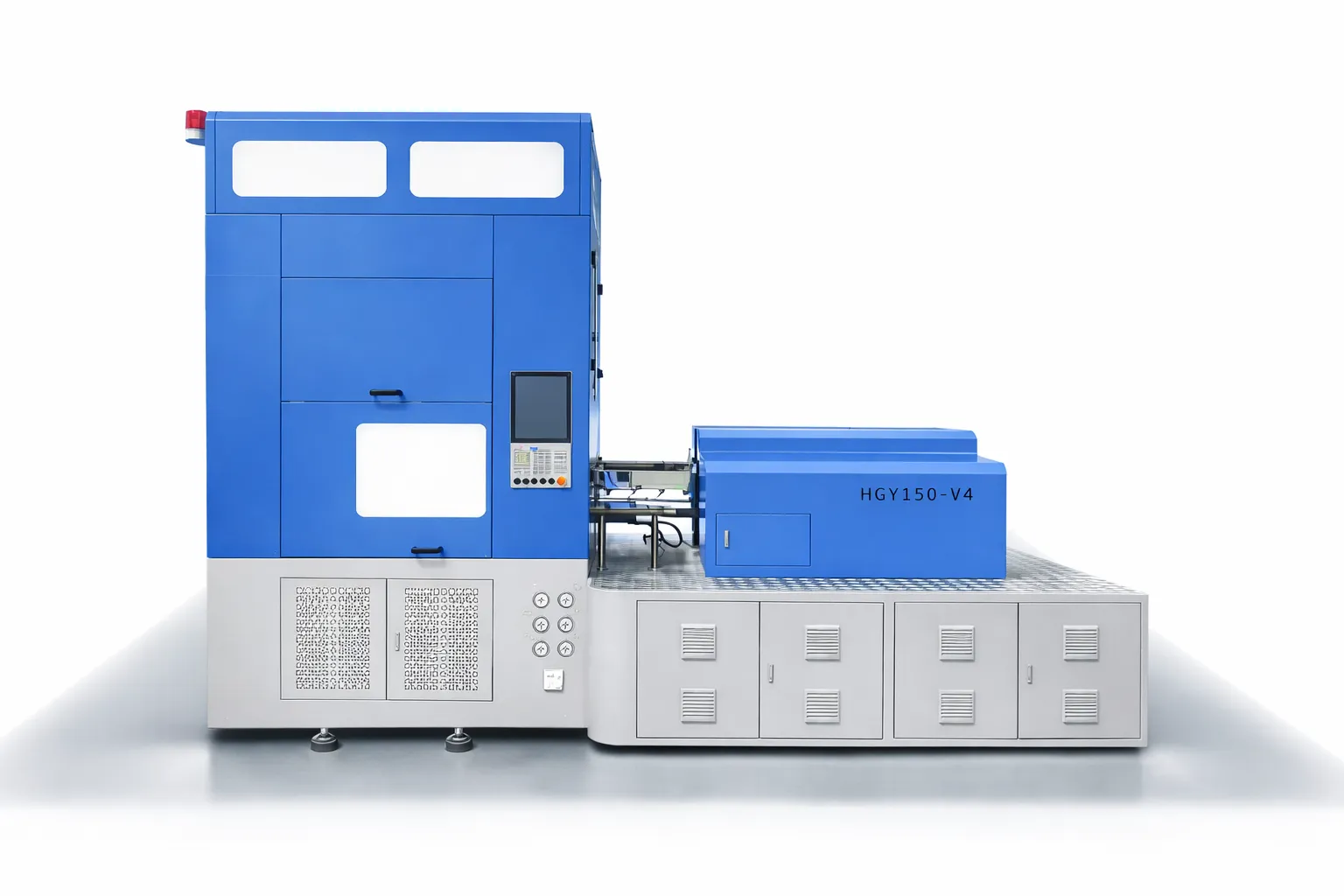
يختلف تصميم المحطات الثلاث اختلافًا جوهريًا عن تصميمات المحطات الأربع الدوارة. إذ تُرتّب ثلاث محطات منفصلة (الحقن، والتكييف، والنفخ) بشكل خطي، حيث تُنقل القوالب الأولية بين المحطات عبر رافعات ميكانيكية بدلًا من منصة دوارة. ويُنتج هذا ثلاث مزايا تصميمية: فصل أنظف لمناطق درجات الحرارة (الحقن 270 درجة مئوية، والتكييف 100 درجة مئوية، والنفخ بدرجة حرارة الغرفة)، وتصميم ميكانيكي أبسط، والقدرة على معالجة رقائق البولي إيثيلين تيريفثالات (PET) مباشرةً دون الحاجة إلى تكويرها.
المفاضلات حقيقية بنفس القدر. عادةً ما يكون زمن دورة الإنتاج في بنية المحطات الثلاث أبطأ بمقدار 10-15% من منصات الدوران ذات الأربع محطات، لأن نقل القوالب الأولية بين المحطات يتطلب حركة ميكانيكية منفصلة. ويقتصر عدد التجاويف عادةً على 2-4 للزجاجات التي تزيد سعتها عن 500 مل بسبب قيود تصميم المحطات الخطي. بالنسبة لتطبيقات المشروبات التجارية الكورية، حيث تسود أحجام 250-500 مل، نادرًا ما تُشكل هذه القيود عائقًا؛ أما بالنسبة للزجاجات متوسطة الحجم إلى الكبيرة، فإن بنية الدوران ذات الأربع محطات توفر عمومًا إنتاجية أعلى.
3. مجموعة منتجات AOKI SBIII
تغطي عائلة AOKI SBIII تطبيقات الزجاجات من مستحضرات التجميل الصغيرة إلى الأحجام الكبيرة من خلال خمس منصات أساسية.
| نموذج أوكي | التطبيق المستهدف | تجويف نموذجي |
|---|---|---|
| SBIII-150N-12 | مستحضرات تجميل صغيرة، أدوية | 12 تجويف (صغير) |
| SBIII-250LL-50S | كورية عاملة في مجال السلع | 2-6 تجاويف (250 مل) |
| SBIII-350LL-100 | مشروب متوسط الحجم | 2-4 تجاويف |
| SBIII-500LL-75 | مشروبات كبيرة، للاستخدام المنزلي | 2-4 تجاويف |
| SBIII-1000H-60 | حجم كبير (1-2 لتر) | تجويف واحد أو اثنين |
تستحق آلة تعبئة المشروبات SBIII-250LL-50S اهتمامًا خاصًا. فقد انتشر هذا الطراز انتشارًا واسعًا في إنتاج المشروبات التجارية الكورية خلال الفترة من التسعينيات إلى العقد الثاني من الألفية. وقامت شركات التعبئة المتعاقدة الكورية وعلامات المشروبات التجارية بتوحيد قواعد قوالبها وفقًا لنموذج AOKI 250، مما أدى إلى زيادة تأثير قاعدة التركيبات نتيجة لمشاركة القوالب بين العمليات. ولذلك، فإن قرارات استبدال القوالب لمشغلي آلة SBIII-250LL-50S تحمل أهمية بالغة في الحفاظ على القوالب.
4. ما يعادل المنصات الكورية
أدرك المصنّعون الكوريون هيمنة شركة AOKI في سوق إنتاج المشروبات الكورية، فصمموا منصات خاصة لتقديم بدائل مباشرة. وكان الشرط الهندسي الرئيسي هو توافق قالب AOKI 250 مع إضافة بنية مؤازرة كاملة وتحسينات على تصميم ثلاثي المحطات.
| نموذج أوكي | المكافئ الكوري | الاختلافات الرئيسية |
|---|---|---|
| SBIII-150N-12 | EP-BPET-70V4 | بديل مدمج بأربع محطات |
| SBIII-250LL-50S | HGY200-V4-B | قالب AOKI 250 متوافق |
| SBIII-350LL / SBIII-500LL | HGY250-V4 | محطة رباعية مع تثبيت أثقل |
| SBIII-1000H-60 | HGY650-V4 | ما يعادل 4 محطات كبيرة الحجم |
تُعدّ المقارنة الأكثر جدوى من الناحية الاقتصادية هي بين SBIII-250LL-50S و... منصة متوافقة مع HGY200-V4-Bيحافظ هذا البديل الكوري على 100% من مخزون قوالب AOKI 250 مع توفير بنية مؤازرة كاملة، وتقليل استهلاك الطاقة بمقدار 30-40%، والتسليم في غضون 6-8 أسابيع من منشأة أنسان مقارنة بفترة التسليم النموذجية لشركة AOKI من اليابان والتي تتراوح بين 10-14 أسبوعًا.
5. توافق قالب AOKI 250
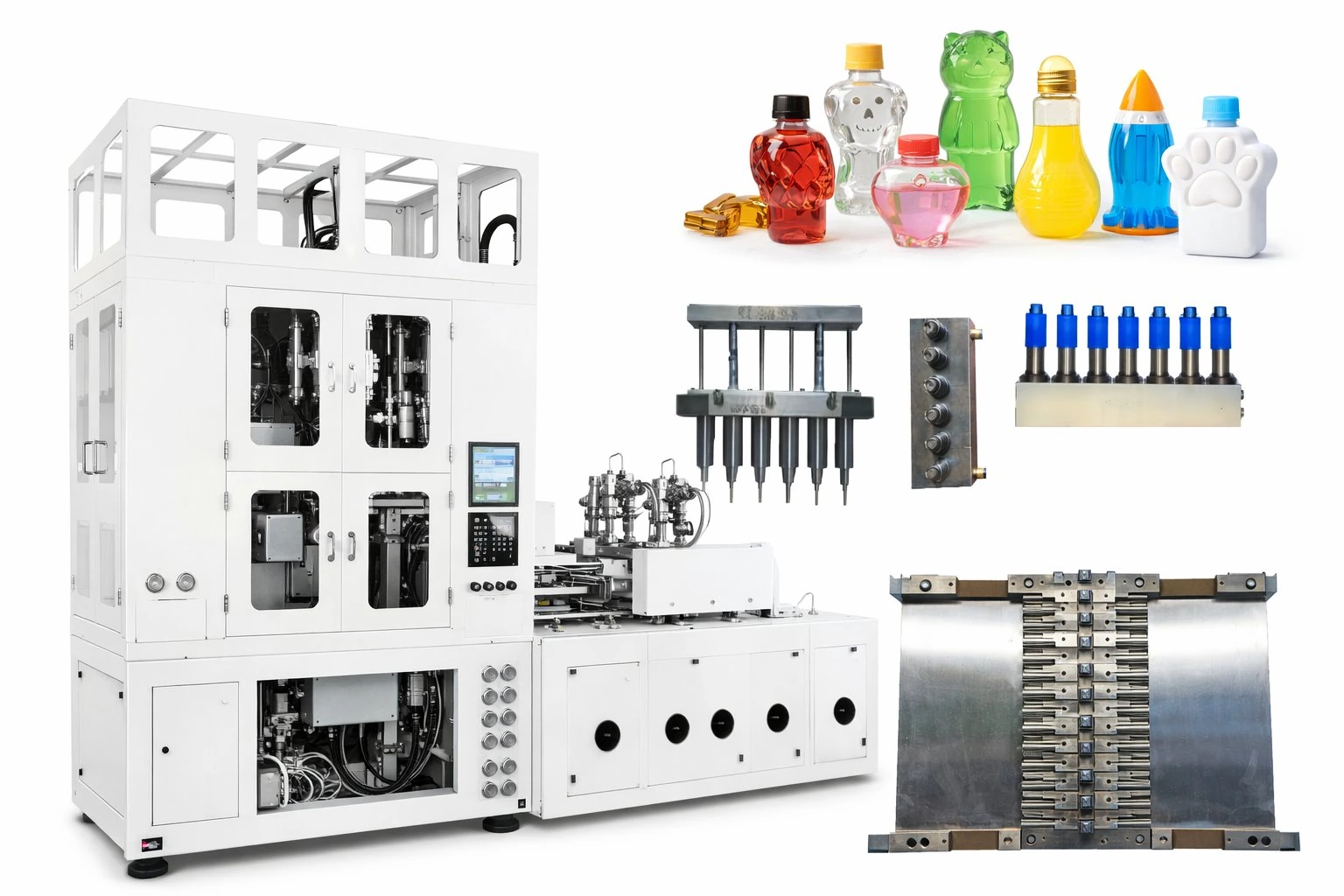
لا يُعدّ قالب AOKI 250 قالبًا واحدًا، بل هو معيار فعلي مُعتمد في جميع أنحاء صناعة ISBM الكورية. يحدد هذا القالب أبعادًا دقيقة لهندسة حامل العنق، ومتطلبات قوة التثبيت، ووصلات دائرة التبريد، وواجهة كتلة التجويف. تتوافق آلاف القوالب المصنعة على مدار أكثر من 20 عامًا مع هذه المواصفات، مما يُشكّل أكبر مجموعة قوالب موحدة في عمليات ISBM الكورية.
يجب أن تتطابق المنصات الكورية البديلة التي تدعم توافق AOKI 250 بدقة مع أربعة مواصفات: واجهة حامل العنق (بتفاوت ±0.05 مم)، ونطاق قوة التثبيت، وموقع منفذ دائرة التبريد، وهندسة تركيب كتلة التجويف. أي انحراف عن أي من هذه المواصفات يستلزم تعديل القالب، مما يُفقد الغرض من الحفاظ على المخزون الحالي. المنصات المعتمدة لتوافق AOKI 250 اجتازت التحقق الهندسي وفقًا للمواصفات الأربعة جميعها.
الأثر المالي كبير. فشركة تعبئة كورية نموذجية تعمل بعقود، وتستخدم ما بين 12 و18 قالبًا من طراز AOKI 250، تستثمر ما بين 400 و700 مليون وون كوري في رأس مال القوالب. ويؤدي تغيير المنصة الذي يتطلب استبدال القوالب إلى مضاعفة تكلفة رأس المال اللازمة للتحديث؛ بينما يقلل تغيير المنصة الذي يحافظ على مخزون القوالب إجمالي تكلفة الانتقال بنحو 501 تريليون وون كوري.
6. المعالجة المباشرة لرقائق البولي إيثيلين تيريفثالات
تتميز آلة AOKI SBIII بقدرتها الفريدة على المعالجة المباشرة لمادة رقائق البولي إيثيلين تيريفثالات (PET) دون الحاجة إلى تحويلها إلى حبيبات. وهذا يلغي تكلفة التحويل الإضافية التي تتراوح بين 150 و300 وون كوري لكل كيلوغرام، والمرتبطة بتحويل الرقائق إلى حبيبات، مما يوفر ميزة في تكلفة المواد للتطبيقات الأساسية حيث يُعد كل وون كوري من تكلفة الزجاجة عاملاً مهماً.
يستفيد المنتجون الكوريون الذين يستخدمون آلة AOKI SBIII في صناعة المواد الكيميائية المنزلية والمشروبات التجارية وتطبيقات محتوى البولي إيثيلين تيريفثالات المعاد تدويره (rPET) بشكل متكرر من قدرة معالجة الرقائق هذه. ويتمثل المقابل في انخفاض طفيف في دقة المعالجة مقارنةً بالمواد الخام الحبيبية، وهو أمر مقبول عمومًا للتطبيقات التجارية ولكنه قد لا يفي بمعايير جودة الزجاجات الممتازة.
تستطيع المنصات الكورية البديلة معالجة حبيبات الوقود باستخدام التكوينات القياسية، ويمكن تهيئتها اختيارياً لمعالجة الرقائق مباشرةً عند الحاجة. بالنسبة للمشغلين الذين لديهم ترتيبات توريد رقائق حالية وخبرة واسعة في معالجة الرقائق، يمكن الحفاظ على هذه الإمكانية أثناء عملية الانتقال إلى المنصة الجديدة من خلال تهيئة محددة للآلة.
7. مقارنة التكلفة والتسليم
بالنسبة لمنتجي المشروبات الكورية الذين يقيمون استبدال أو توسيع طاقة إنتاج SBIII-250LL-50S، فإن المقارنة الاقتصادية تفضل باستمرار البدائل الكورية من حيث التكلفة الرأسمالية وسرعة التسليم واستجابة الخدمة، بينما تحتفظ AOKI بتفضيل العلامة التجارية للمنتجين الذين يعطون الأولوية للسمعة الراسخة.
| بُعد التكلفة | أوكي إس بي 3 | المكافئ الكوري |
|---|---|---|
| تكلفة رأس مال الآلة | خط الأساس | 50-65% من AOKI |
| مدة التسليم | 10-14 أسبوعًا | 6-8 أسابيع |
| كفاءة الطاقة | نظام مؤازر هجين | مؤازر كامل (+30-40% فعال) |
| استجابة الخدمة (كوريا) | 5-10 أيام عمل | 24-48 ساعة |
| حفظ العفن AOKI 250 | 100% | 100% (HGY200-V4-B) |
بالنسبة لشركة كورية نموذجية لإنتاج المشروبات تستبدل آلة SBIII-250LL-50S، توفر البدائل الكورية وفورات رأسمالية تتراوح بين 400 و600 مليون وون كوري لكل آلة، مع الحفاظ على جميع مخزون القوالب. وتتضاعف هذه الوفورات مع زيادة الطاقة الإنتاجية عبر خطوط إنتاج متعددة.
8. الأسئلة الشائعة
س: هل ستحتاج قوالب AOKI 250 الحالية الخاصة بي إلى تعديل على المعدات الكورية؟
تقبل المنصات الكورية المعتمدة لتوافق AOKI 250 القوالب الموجودة دون تعديل. تتوافق مواصفات واجهة HGY200-V4-B مع هندسة حامل عنق AOKI 250، وقوة التثبيت، ودوائر التبريد، وتركيب كتلة التجويف ضمن التفاوتات الهندسية المسموح بها. يُرجى التحقق من رسومات القالب المحددة مقابل مواصفات المنصة أثناء التقييم الفني قبل الشراء للتأكد من توافقها مع مخزون القوالب الخاص بك.
س: هل يؤثر التحول من بنية 3 محطات إلى بنية 4 محطات على جودة الزجاجات؟
عمومًا لا، بل غالبًا ما يُحسّن الجودة. يوفر التصميم الدوار رباعي المحطات تحكمًا أدق في درجة الحرارة بين منطقتي الحقن والتكييف، مما يقلل عادةً من معدل العيوب (10-20%) مقارنةً بالتصاميم ثلاثية المحطات. لكن يعيبه حجمه الأكبر قليلًا. بالنسبة للزجاجات التي تقل سعتها عن 500 مل، يُقدّم كلا التصميمين جودة تجارية؛ ويتفوق التصميم رباعي المحطات في التطبيقات المتميزة، بينما يظل التصميم ثلاثي المحطات منافسًا في مجال المشروبات العادية.
س: هل يمكنني الاستمرار في استخدام مادة PET الخام على البدائل الكورية؟
نعم، مع تكوين محدد للآلة. تستخدم المنصات الكورية افتراضيًا حبيبات التغذية لتحقيق دقة عالية، ولكن يمكن تهيئتها لمعالجة الرقائق مباشرةً من خلال تكوينات اختيارية لأنظمة التغذية والتجفيف. ناقش مواصفات الرقائق المحددة (حجم الجسيمات، قيمة اليود، نسبة الرطوبة) مع الفريق الهندسي الكوري لتحديد التكوين المطلوب وأي تأثير على وقت الدورة مقارنةً بخط الأساس لحبيبات التغذية.
س: ما هي فترة استرداد التكاليف النموذجية لاستبدال جهاز AOKI SBIII؟
فيما يخص توسيع الطاقة الإنتاجية (إضافة آلات جديدة)، تتحقق وفورات رأسمالية فورية تتراوح بين 400 و600 مليون وون كوري لكل آلة. أما في حالة استبدال الآلات، فإن الوفورات التشغيلية في استهلاك الطاقة (30-40 مليون وون كوري) وتكاليف الصيانة عادةً ما تُحقق عائدًا على الفرق في رأس المال خلال 24-36 شهرًا. غالبًا ما يُشير المنتجون الكوريون إلى فوائد إضافية في الإنتاجية بفضل سرعة الاستجابة للصيانة (24-48 ساعة مقابل 5-10 أيام لشركة AOKI)، مما يُسرّع من فترة استرداد رأس المال.
س: هل لا تزال شركة AOKI خيارًا جيدًا لمنتجي المشروبات التجارية الكوريين؟
لا تزال شركة AOKI خيارًا موثوقًا به للمنتجين الذين يولون أهمية قصوى لتناسق العلامة التجارية والذين يقبلون بارتفاع تكلفة رأس المال وفترة التسليم. بالنسبة للمنتجين الذين يمرون بمرحلة نمو سريعة في طاقتهم الإنتاجية، أصبح تقييم البدائل الكورية بالتوازي مع عرض أسعار AOKI ممارسة شائعة في عمليات الشراء الكورية. ولا يقتصر القرار على خيارين فقط؛ إذ يُعدّ نشر أسطول مختلط يجمع بين منتجات AOKI والبدائل الكورية أمرًا شائعًا لدى المنتجين ذوي قاعدة التركيبات الكبيرة.
9. الخاتمة
أرست منصة AOKI SBIII معيارًا جديدًا في كوريا لإنتاج زجاجات المشروبات، وذلك بفضل تصميمها الفريد ذي الثلاث محطات ومعالجتها المباشرة لرقائق البولي إيثيلين تيريفثالات (PET). وتضاهي المنصات الكورية البديلة الآن وظائف AOKI، مع تقديم تحسينات ملموسة في التكلفة الرأسمالية (أقل بمقدار 35-50%)، وسرعة التسليم (6-8 أسابيع مقابل 10-14 أسبوعًا)، وكفاءة الطاقة (انخفاض بمقدار 30-40% مع نظام المؤازرة الكامل)، وسرعة الاستجابة للخدمة (إرسال الطلبات خلال 24-48 ساعة من أنسان).
فيما يخص قرار استبدال آلة SBIII-250LL-50S الحاسم، فإن توافق قالب AOKI 250 عبر منصات كورية مخصصة يزيل العائق الاقتصادي الرئيسي أمام التحول. يجد المنتجون الكوريون الذين يقيّمون توسيع الطاقة الإنتاجية أو الاستبدال الكامل أن استراتيجيات الأسطول المختلط التي تجمع بين موثوقية AOKI وكفاءة البدائل الكورية تحقق نتائج تشغيلية ومالية مثلى.
تقييم بديل AOKI SBIII؟
شاركنا طراز AOKI الحالي لديك، وعدد قوالب AOKI 250 المتوفرة، وحجم الإنتاج، والطاقة الإنتاجية المستهدفة. سيقوم فريقنا الهندسي الكوري بمراجعة توافق القوالب وإجراء تحليل مقارن للتكاليف خلال 48 ساعة.
المحرر: Cxm