دراسة فنية معمقة · هندسة المرافق · نظام إدارة المباني المتكامل الكوري 2026
ضغط هواء النفخ ISBM
الإدارة: دليل الإنتاج الكوري
قد يغفل مشغلو آلات النفخ الكورية (ISBM) الذين يقومون بضبط درجة حرارة التكييف ومؤشر النفخ المسبق لمعالجة مشكلة توزيع الهواء على الجدران، عن الضاغط أحيانًا. يؤدي تذبذب ضغط الهواء بمقدار ±1 بار عند مدخل النفخ العالي للآلة - والذي لا يظهر على شاشة عرض ضغط النفخ، حيث تُظهر القيمة المضبوطة وليست القيمة الفعلية - إلى تباين ملحوظ في توزيع الهواء على الجدران، وظهور بقع ضبابية، واختلافات في تجانس الهواء بين التجاويف، مما يستنزف ساعات من البحث عن المعايير دون جدوى. يوفر هذا الدليل الإطار الهندسي الكامل لضمان استقرار ضغط هواء النفخ في آلات النفخ الكورية (ISBM)، بدءًا من مدخل الضاغط وحتى فوهة النفخ.
تصميم مزدوج الدائرة للنفخ المسبق/العالي
مواصفات جودة الهواء ISO 8573
مرجع مواصفات ضغط هواء النفخ لأنظمة إدارة المباني الكورية (ISBM) - 2026
| طلب | ما قبل النفخ (بار) | الضربة العالية (بار) | أقصى تباين في المدخل | نوع الضاغط |
|---|---|---|---|---|
| مياه معدنية كورية غير غازية | 6-8 | 24-28 | ±0.5 بار | برغي + معزز حتى 30 بار |
| مشروب غازي كوري / مشروب غازي من البولي إيثيلين تيريفثالات | 8-10 | 36-42 | ±0.3 بار | يجب رفع مستوى الأكسجين إلى 45 بار |
| مستحضرات التجميل الكورية PETG | 6-8 | 28–34 | ±0.3 بار | برغي + معزز إلى 38 بار |
| مكمل تريتان الكوري | 6-8 | 28–34 | ±0.5 بار | برغي + معزز إلى 38 بار |
| تعبئة ساخنة من البولي بروبيلين الكوري | 6-8 | 24-30 | ±0.5 بار | قم بتثبيته على 32 بار (المعزز اختياري) |
1. لماذا يُعد استقرار ضغط الهواء في النفخ عاملاً مباشراً في جودة الزجاجة؟
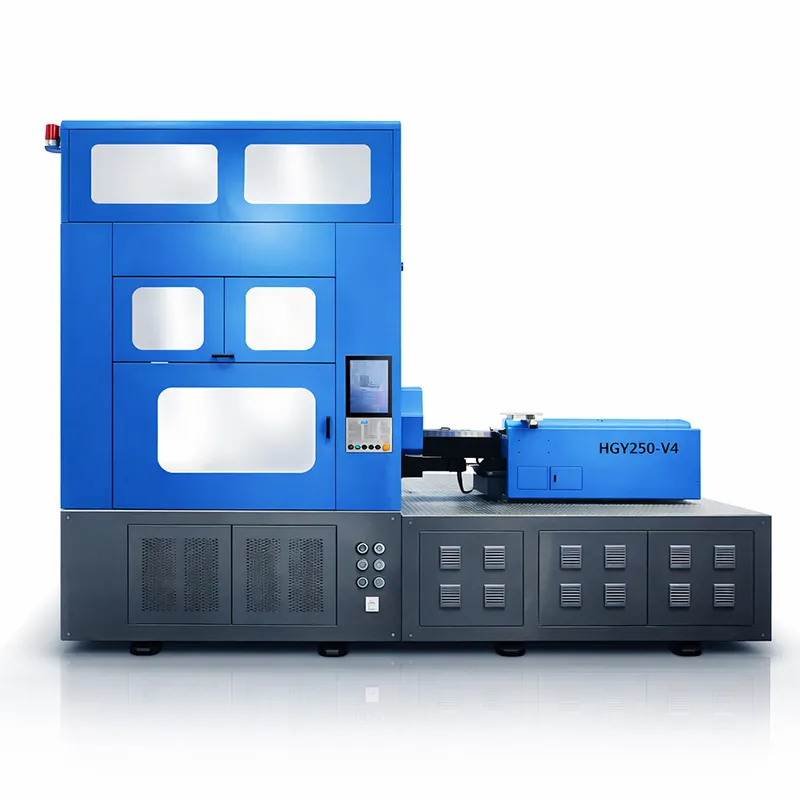
يؤثر ضغط هواء النفخ في نظام ISBM الكوري على جودة الزجاجات من خلال آلية فيزيائية مباشرة: إذ يدفع ضغط النفخ العالي (24-42 بار حسب التطبيق) الجزء المنفوخ مسبقًا باتجاه جدار تجويف القالب المبرد بقوة تتناسب مع ضغط النفخ لكل وحدة مساحة. إذا كان الضغط أقل بمقدار 2 بار من القيمة المحددة لأي دورة نفخ، فإن الجزء المنفوخ مسبقًا يلامس جدار القالب بقوة أقل تناسبًا مع الضغط، مما يقلل من معدل انتقال الحرارة من الجزء المنفوخ مسبقًا إلى القالب (لأن مساحة التلامس تقل والفجوة الهوائية المتبقية تعمل كعازل)، ويطيل وقت التبريد الفعال المطلوب، ويسمح بحركة دقيقة للجزء المنفوخ مسبقًا أثناء مرحلة بقاء النفخ، مما ينتج عنه تباين في توزيع الحرارة على الجدار.
إن متغير الضغط المهم ليس قيمة ضغط النفخ المضبوطة للآلة، بل الضغط الفعلي المتاح عند مشعب مدخل النفخ لحظة فتح صمام النفخ العالي. فقيمة 32 بار المضبوطة تعني أن منظم الضغط في الآلة يحاول الحفاظ على 32 بار عند مخرجه؛ فإذا انخفض ضغط المدخل من نظام الضاغط إلى 29 بار خلال دورة الإنتاج (نتيجةً لارتفاع الطلب المتزامن من معدات أخرى على شبكة الضاغط المشتركة)، فلن يتمكن منظم الضغط من الحفاظ على 32 بار عند مخرجه، وبالتالي سيكون ضغط النفخ الفعلي المُوَصَّل إلى الزجاجة أقل من القيمة المضبوطة. هذا الانخفاض في ضغط الإمداد غير ظاهر على شاشة عرض ضغط النفخ في واجهة المستخدم الرسومية للآلة - التي تعرض القيمة المضبوطة، وليس الضغط الفعلي المُوَصَّل - ولذلك يتم تجاهله بشكل منهجي في تشخيص عمليات ISBM الكورية.
تم وصف تأثيرات انخفاض ضغط النفخ عن نقطة الضبط على توزيع الوزن على الجدار بالتفصيل في دليل التحكم في تجانس سماكة جدار ISBM الكوري — ويتم فهرسة عيوب الضبابية الناتجة عن عدم اكتمال التلامس بين القطعة الأولية والقالب في دليل ميداني لعيوب زجاجات ISBM الكورية.
2. بنية نظام نفخ الهواء الكوري ISBM: من الضاغط إلى الفوهة
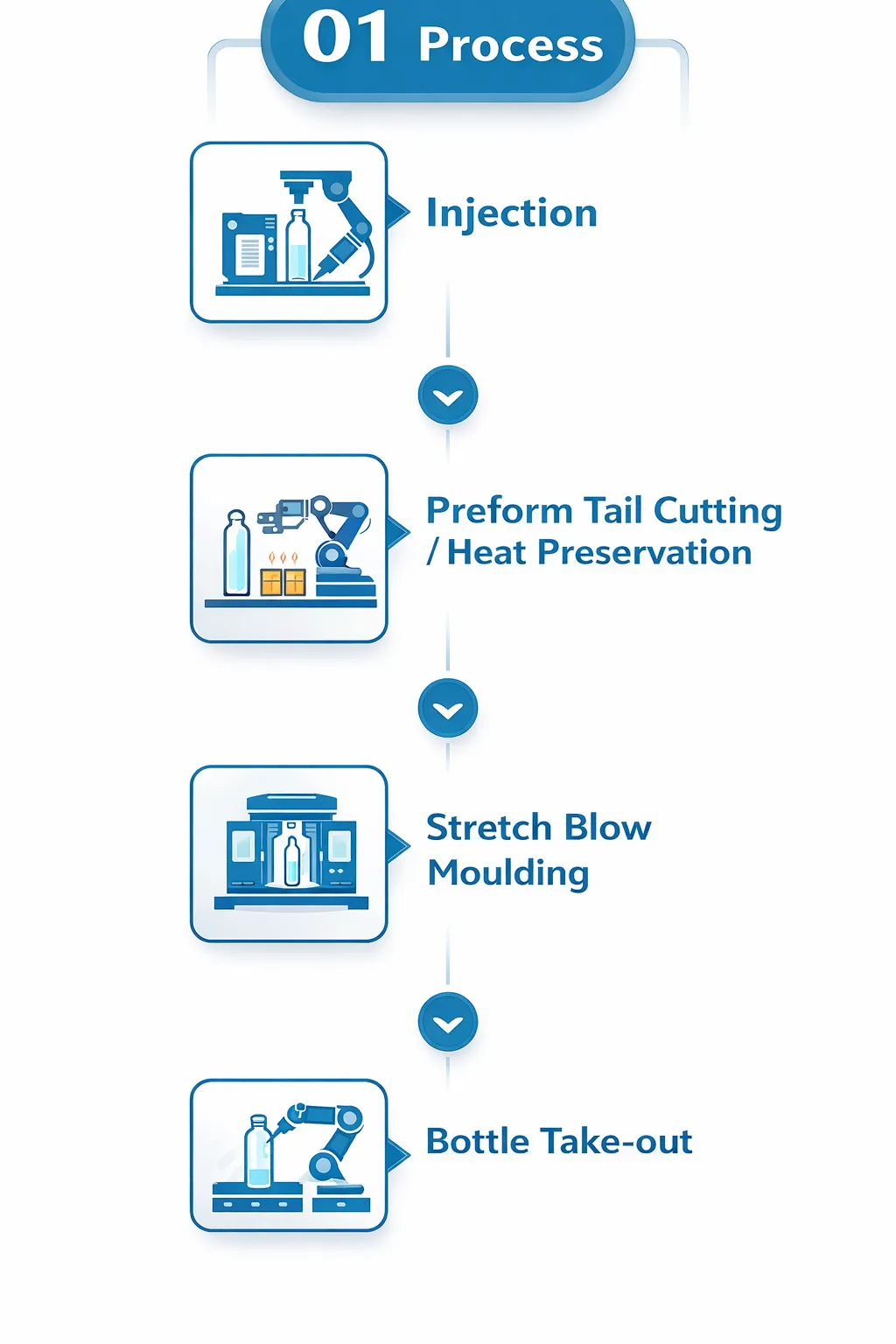
يتألف نظام نفخ الهواء في آلات ISBM الكورية من مستويين مختلفين للضغط، يؤدي كل منهما وظيفة منفصلة، ويؤدي عدم الحفاظ على كل مستوى بشكل صحيح إلى أعطال نوعية مختلفة ومحددة. يُمكّن فهم هذا النظام من التشخيص الدقيق عند ظهور مشاكل الجودة المتعلقة بالضغط.
يتألف نظام نفخ الهواء الكوري الكامل ISBM من سبع مراحل وظيفية: (1) ضاغط لولبي خالٍ من الزيت — يُولّد هواءً صناعيًا منخفض الضغط عند 7-8 بار؛ ويُعدّ النوع الخالي من الزيت إلزاميًا لجميع تطبيقات ISBM الكورية الملامسة للأغذية والصناعات الدوائية للقضاء على خطر التلوث بالزيت عند مصدر الضاغط. (2) خزان الاستقبال الأساسي — يخزن حجم الهواء المضغوط لتخفيف نبضات تفريغ الضاغط وتخفيف تغير الضغط الناتج عن دورات تحميل/تفريغ الضاغط؛ الحد الأدنى للحجم 10 أضعاف معدل تدفق الهواء الحر للضاغط في الدقيقة. (3) مجفف هواء التبريد — يقلل محتوى الرطوبة إلى نقطة الندى +3 درجة مئوية، مما يزيل الجزء الأكبر من رطوبة الجو قبل معالجة المجفف في اتجاه التدفق؛ يجب تحديد حجمه بناءً على أقصى معدل تدفق تصريف للضاغط بالإضافة إلى هامش حراري قدره 20%. (4) فلتر زيت مدمج وفلتر جسيمات — يزيل رذاذ الزيت دون الميكرون (الهدف ≤ 0.01 ملغم/م³) والجسيمات ≥ 0.01 ميكرومتر؛ يجب فحص كليهما ربع سنويًا واستبدالهما سنويًا بغض النظر عن مؤشر فرق الضغط لأن المؤشر يكشف فقط عن تجاوز المرشح، وليس عن الانخفاض التدريجي في كفاءة الترشيح. (5) مجفف ما بعد التجفيف — تصل درجة التكثف النهائية إلى -35 درجة مئوية (PET) إلى -40 درجة مئوية (PETG)؛ يجب تحديد حجم هذه المرحلة بناءً على معدل التدفق عند ضغط مدخل المعزز، وليس ضغط مخرج الضاغط — يكون معدل التدفق أقل عند الضغط الأعلى. (6) ضاغط معزز عالي الضغط — يرفع ضغط هواء النبات المجفف من 7-8 بار إلى مستوى ضغط النفخ (28-45 بار حسب التطبيق)؛ النوع الخالي من الزيت إلزامي لجميع تطبيقات ISBM الكورية. (7) مُراكم الضغط العالي — يخزن الهواء المضغوط لتلبية ذروة الطلب في مرحلة النفخ العالي للآلة دون التسبب في انخفاض الضغط؛ تعمل المراكم ذات الحجم الصحيح على التخلص من عدم استقرار الضغط على جانب الإمداد الذي يسبب اختلاف النفخ من دورة إلى أخرى.
3. تحديد حجم الضاغط: حساب متطلبات هواء النفخ لأنظمة ISBM الكورية بشكل صحيح
يُعدّ اختيار ضاغط هواء أصغر من اللازم في آلات ISBM الكورية الخطأ الهندسي الأكثر شيوعًا في أنظمة نفخ الهواء، وينتج هذا الخطأ عن اختيار الضاغط بناءً على معدل استهلاك الهواء الاسمي للآلة (الذي يصف متوسط الاستهلاك خلال دورة زمنية محددة) دون مراعاة ذروة الطلب خلال مرحلة النفخ العالي. فعلى سبيل المثال، قد يصل الطلب على الهواء في آلة ISBM كورية ذات معدل استهلاك متوسط يبلغ 400 لتر/دقيقة إلى 2800 لتر/دقيقة خلال مرحلة النفخ العالي التي تستغرق 0.8 ثانية، أي ما يعادل سبعة أضعاف المعدل المتوسط. وبالتالي، لا يستطيع الضاغط المصمم بناءً على متوسط الطلب تلبية ذروة الطلب، مما يؤدي إلى انخفاض الضغط خلال مرحلة النفخ العالي، وبالتالي يتم نفخ الزجاجات المنتجة خلال دورات ذروة الطلب بضغط أقل من الضغط المحدد.
معادلة حساب حجم ضاغط التعزيز الكوري ISBM
معدل تدفق الهواء المعزز (لتر/دقيقة) = حجم النفخ × ضغط النفخ × عدد التجاويف × (3600 / دورة الزمن) × معامل الأمان
أين:
V_blow = الحجم الداخلي للزجاجة عند ضغط النفخ (لتر) × نسبة الانضغاط
P_blow = ضغط مقياس النفخ العالي (بار) + 1 (مطلق)
n_cav = عدد التجاويف لكل جهاز
T_cycle = زمن الدورة (بالثواني)
k_safety = 1.35 (هامش أمان 35% لإمدادات مشتركة متعددة الآلات في كوريا)
مثال: عبوة PET سعة 500 مل، ذات 4 تجاويف، ضغط النفخ = 26 بار مطلق، زمن الدورة = 10 ثوانٍ، حجم العبوة ≈ 0.5 لتر، حجم النفخ لكل دورة = 0.5 × 4 × 26 = 52 لترًا مضغوطًا ← 52,000 لترًا نانويًا. في الساعة: 52,000 × 360 دورة/ساعة = 18.7 مليون لتر نانوي/ساعة = 311,000 لتر نانوي/دقيقة. هذه هي الذروة النظرية؛ متوسط الاستهلاك مع زمن نفخ 2.5 ثانية من كل دورة مدتها 10 ثوانٍ: 311,000 × (2.5/10) = 77,750 لترًا نانويًا/دقيقة متوسط. هدف معزز FAD مع هامش أمان: 77,750 × 1.35 = 105,000 لتر/دقيقة (105 متر مكعب/دقيقة). يعمل خزان الضغط العالي على سد الفجوة بين متوسط إنتاج الضاغط وذروة الطلب.
اختيار ضاغط معزز لأنظمة الضخ الكورية (ISBM): يجب أن يكون الضاغط مصممًا لتحمل ضغط النفخ بالإضافة إلى 15% (للحفاظ على استقرار ضغط المخرج أعلى من الحد الأدنى المطلوب لضغط المدخل عند تحميل مخرج المعزز بواسطة دورة تعبئة المُجمِّع). بالنسبة للمشروبات الغازية الكورية عند نقطة ضبط 42 بار: الحد الأدنى لضغط المعزز 42 × 1.15 = 48.3 بار ← حدد معززًا بضغط 50 بار. بالنسبة للمياه المعدنية الكورية عند 26 بار: حدد معززًا بضغط 30 بار. شرط خلو ضاغط المعزز من الزيت: يجب استخدام معززات خالية من الزيت في جميع تطبيقات أنظمة الضخ الكورية (ISBM) المستخدمة في ملامسة الأغذية، والصناعات الدوائية، ومستحضرات التجميل الكورية. أما المعززات المزودة بزيت التشحيم ومرشحات التجميع في اتجاه التدفق، فهي مقبولة فقط لتطبيقات تغليف المواد الكيميائية المنزلية والصناعية الكورية حيث لا يُمثل خطر تلوث الزيت مشكلة تتعلق بسلامة المنتج.
أنظمة الضواغط المشتركة متعددة الآلات في أنظمة ISBM الكورية: عندما تشترك آلتان أو أكثر من آلات ISBM الكورية في نظام ضاغط ومجمع ضغط عالي مشترك، فإن إجمالي متطلبات ضغط الهواء المتاح (FAD) هو مجموع متطلبات كل آلة على حدة مضروبًا في عامل تنوع قدره 0.85 (لا تعمل جميع الآلات في وقت واحد وبطور متزامن) - ولكن يجب تحديد حجم المجمع وفقًا لأسوأ سيناريو للطلب المتزامن: دخول جميع الآلات في مرحلة النفخ العالي خلال نفس الفترة الزمنية البالغة 0.5 ثانية. تعاني عمليات ISBM الكورية التي تضم 3 آلات أو أكثر تشترك في نظام ضاغط واحد، والتي تواجه مشاكل جودة متقطعة (بعض الورديات جيدة، وبعضها سيئة)، من نقص في سعة الضاغط بشكل شبه دائم خلال فترات ذروة الطلب المتزامنة. يساعد تركيب محول ضغط عند مشعب مدخل النفخ للآلة (التكلفة: 350,000 وون كوري) وتسجيل ضغط مدخل النفخ الفعلي على مدار وردية إنتاج كاملة في تحديد مشاكل سعة الضاغط على الفور.
4. تصميم المُراكم وضغط الشحن المُسبق: تخفيف ذروة الطلب
يُعدّ مُجمّع الضغط العالي المكوّنَ الأهمّ لاستقرار ضغط النفخ في نظام النفخ المتكامل الكوري (ISBM)، إذ يعمل كمُكثّف هيدروليكي، حيث يخزّن الطاقة (الهواء المضغوط) خلال فترات انخفاض الطلب في الدورة، ويُطلقها خلال فترة ارتفاع الطلب وضغط النفخ العالي. ويمنع مُجمّع الضغط ذو الحجم المناسب عجز الضاغط عن تلبية ذروة الطلب، ويُحافظ على ضغط النفخ ضمن نطاق الاستقرار المطلوب (±0.3-0.5 بار) لضمان جودة مُوحّدة للزجاجات الكورية.
تحديد حجم خزانات الضغط في نظام ISBM الكوري - حجم خزان الهواء (باللتر) المطلوب للحفاظ على ضغط النفخ ضمن نطاق ±ΔP خلال مرحلة النفخ العالي:
| تكوين نظام إدارة الصواريخ الباليستية الدولي الكوري | حجم المُراكم المطلوب | ضغط ما قبل الشحن | تم تحقيق استقرار الضغط |
|---|---|---|---|
| 1× HGY200-V4، 4 تجاويف، ماء راكد | 50-80 لترًا | 24 بار (90% من نقطة ضبط النفخ) | ±0.4 بار عند مدخل الآلة |
| 1× HGY250-V4، 6 تجاويف، CSD | 150-200 لتر | 36 بار (90% من نقطة ضبط النفخ) | ±0.3 بار عند مدخل الآلة |
| جهازان مشتركان، مياه معدنية | 120-160 لترًا | 24 بار | ±0.5 بار عند مدخل الماكينة |
| دقة تجويفين من مادة PETG المستخدمة في صناعة مستحضرات التجميل الكورية | 80-100 لتر | 28 بار (90% من نقطة ضبط النفخ) | ±0.3 بار عند مدخل الآلة |
يجب ضبط ضغط الشحن المسبق للمراكم - وهو ضغط شحن غاز النيتروجين المسبق في مركم ذي غشاء، أو ضغط منظم الضغط الذي يغذي مركمًا من نوع المستقبل - على 85-92% من نقطة الضبط الاسمية للنفخ العالي. يؤدي ضبط الشحن المسبق على قيمة منخفضة جدًا (أقل من 70% من نقطة الضبط) إلى ضرورة إطلاق المركم لكمية كبيرة من الهواء لخفض الضغط من الشحن المسبق إلى الحد الأدنى المقبول، مما يتطلب مركمًا كبيرًا للحفاظ على الاستقرار. أما ضبط الشحن المسبق على قيمة عالية جدًا (أعلى من 95% من نقطة الضبط) فيعني أن المركم لا يستطيع تخزين سوى فرق بسيط في حجم الهواء قبل أن ينخفض ضغط مخرجه عن الحد الأدنى المطلوب لمدخل الجهاز، مما يوفر سعة تخزين مؤقتة ضئيلة.
صيانة مُجمِّع ISBM الكوري: يجب التحقق من ضغط الشحن المسبق للنيتروجين في مُجمِّع الغشاء كل ثلاثة أشهر، حيث ينخفض ضغط الشحن المسبق للنيتروجين بمعدل يتراوح بين 2 و51 طنًا متريًا سنويًا نتيجة تسرب طفيف عبر جدار الغشاء. يؤدي انخفاض ضغط الشحن المسبق بمقدار 151 طنًا متريًا عن القيمة الصحيحة إلى تقليل سعة التخزين المؤقت للمُجمِّع بمقدار يتراوح بين 40 و60 طنًا متريًا، مما يتسبب في عدم استقرار تدريجي في ضغط النفخ، وهو ما يبدو مشابهًا لنقص حجم الضاغط. يجب التحقق من ضغط الشحن المسبق عندما يكون الجهاز مُفرَّغًا تمامًا من الضغط (نظام النفخ مُفرَّغ إلى الغلاف الجوي)، حيث أن قياس ضغط الشحن المسبق في نظام مضغوط يُعطي قراءة غير صحيحة. ينبغي على مشغلي ISBM الكوريين الذين لم يتحققوا من ضغط الشحن المسبق للمُجمِّع خلال الاثني عشر شهرًا الماضية القيام بذلك قبل الاستثمار في ترقيات سعة الضاغط لمعالجة مشكلة في استقرار الضغط قد تكون ناتجة عن فقدان ضغط الشحن المسبق للمُجمِّع وليس عن نقص في الضاغط.
5. انخفاض ضغط خط الأنابيب: تحديد حجم شبكة أنابيب التوزيع لمشروع بناء السفن الدولي الكوري
يُعدّ انخفاض ضغط خط الأنابيب بين المُجمِّع عالي الضغط ومجمع مدخل النفخ في الآلة فقدًا ثابتًا للطاقة يُقلِّل بشكل دائم من ضغط النفخ الفعال المُتاح للآلة. وعلى عكس سعة الضاغط (التي يُمكن زيادتها) أو حجم المُجمِّع (الذي يُمكن توسيعه)، يتحدد انخفاض ضغط خط الأنابيب عند التركيب بقطر الأنبوب وطوله، ولا يُمكن تصحيحه إلا بإعادة تمديد الأنابيب. لذا، يُعدّ تحديد حجم خط الأنابيب بدقة عند التركيب أمرًا بالغ الأهمية.
قواعد تحديد حجم خطوط الأنابيب عالية الضغط وفقًا لمعايير ISBM الكورية:
- أقصى انخفاض مقبول في الضغط: يبلغ إجمالي الضغط 0.5 بار من مخرج المُجمِّع إلى مشعب مدخل النفخ في الماكينة. بالنسبة لتطبيقات المشروبات الغازية الكورية (بتفاوت ±0.3 بار): يجب ألا يتجاوز انخفاض الضغط في خط الأنابيب 0.3 بار. أما بالنسبة للمياه المعدنية الكورية (بتفاوت ±0.5 بار): فيجب ألا يتجاوز انخفاض الضغط في خط الأنابيب 0.4 بار. أي انخفاض في الضغط في خط الأنابيب يتجاوز هذه القيم يُقلل بشكل دائم من ضغط النفخ المتاح في الماكينة عن القيمة المضبوطة، ولا يمكن تعويضه بزيادة القيمة المضبوطة للضاغط (لأن منظم الماكينة يمنع زيادة الضغط عند مدخل الماكينة).
- اختيار قطر الأنبوب: بالنسبة للهواء المضغوط عالي الضغط (28-45 بار)، يُوصى بسرعة تدفق تتراوح بين 6 و10 م/ث لتحقيق التوازن بين تكلفة الأنابيب وانخفاض الضغط. عند سرعة 6 م/ث وضغط 30 بار، يكون انخفاض الضغط في أنبوب DN15 (قطر داخلي 15 مم) حوالي 0.08 بار لكل 10 أمتار. بالنسبة لخط بطول 15 مترًا من المُجمِّع إلى الآلة: 0.08 × 1.5 = 0.12 بار - وهو مقبول. أما بالنسبة لخط بطول 40 مترًا: 0.08 × 4 = 0.32 بار - وهو الحد الأعلى للمياه الراكدة، ويتجاوز متطلبات تطبيق CSD. يُنصح بالترقية إلى DN20 (قطر داخلي 20 مم) للخطوط التي يزيد طولها عن 25 مترًا عند معدلات تدفق الإنتاج القياسية في نظام ISBM الكوري.
- انخفاض الضغط في التركيبات: يُضيف كل وصلة (كوع، وصلة ثلاثية، صمام كروي) انخفاضًا مكافئًا في الضغط. الأطوال المكافئة: كوع 90 درجة ≈ 1.2 متر من الأنبوب؛ صمام كروي (مفتوح بالكامل) ≈ 0.3 متر من الأنبوب؛ وصلة ثلاثية (فرع) ≈ 2.8 متر من الأنبوب. يُضيف تركيب نظام ISBM كوري مزود بـ 5 أكواع ووصلتين ثلاثيتين فرعيتين 5 × 1.2 + 2 × 2.8 = 11.6 متر من طول الأنبوب المكافئ - أي ما يعادل 1.2 متر × 11.6 = حوالي 0.09 بار من انخفاض الضغط الإضافي عند قطر DN15. قلل عدد الوصلات عن طريق تخطيط أقصر مسار مباشر للأنبوب من المُجمِّع إلى الآلة قبل التركيب.
- مواد خط الأنابيب: يجب أن تستخدم أنابيب الهواء المضغوط عالي الضغط (≥ 28 بار) أنابيب فولاذية غير ملحومة (SUS 304 أو SUS 316) أو أنابيب فولاذية كربونية غير ملحومة من نوع ASTM A106 درجة B - ويُمنع منعًا باتًا استخدام الفولاذ المجلفن (خطر تلوث الزنك في تطبيقات ملامسة الأغذية الكورية) والنحاس (تآكل إزالة الزنك عند الضغط العالي بمرور الوقت). يجب أن تكون جميع الوصلات مصممة لتحمل ضغطًا لا يقل عن 1.5 ضعف أقصى ضغط للنظام - عند ضغط نفخ CSD أقصى يبلغ 45 بار: الحد الأدنى لتحمل الوصلات هو 67.5 بار.
6. جودة هواء النفخ: مواصفات ISO 8573 والامتثال لمعايير ISBM الكورية
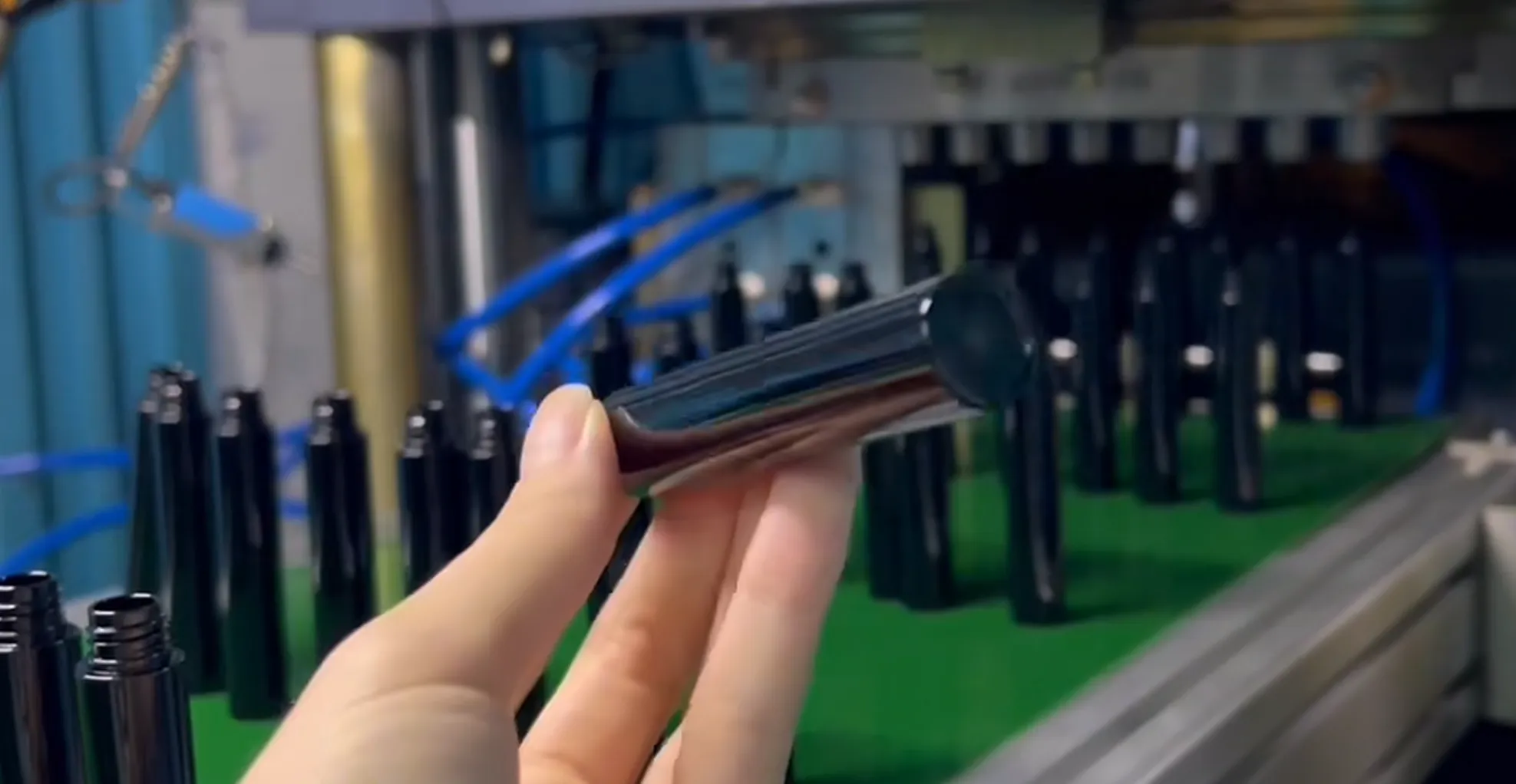
تحدد المواصفة القياسية ISO 8573-1 (الهواء المضغوط - الجزء 1: الملوثات وفئات النقاء) حدود نقاء الهواء المضغوط في ثلاث فئات من الملوثات: الجسيمات، والرطوبة (نقطة الندى)، ومحتوى الزيت. يجب أن يفي هواء النفخ الكوري المصنّع وفقًا لمعايير ISBM بفئات محددة من المواصفة ISO 8573-1، وذلك تبعًا لمتطلبات ملامسة الأغذية والجودة.
| تطبيق كوري | فئة الجسيمات | فئة نقطة الندى | فئة الزيت | مخاطر جسيمة في حالة عدم الامتثال |
|---|---|---|---|---|
| مستحضرات التجميل الكورية PETG | الصف الثاني | الفئة 2 (≤ -40 درجة مئوية) | الفئة 1 (≤ 0.01 ملغم/م³) | ضباب ناتج عن تكثف الرطوبة؛ لمعان زيتي على الجدار الداخلي للزجاجة |
| شركة الأدوية الكورية PET | الصف الأول | الفئة 2 (≤ -40 درجة مئوية) | الفئة 1 (≤ 0.01 ملغم/م³) | تلوث اختبار مستخلصات إدارة الغذاء والدواء الكورية (KFDA) وفقًا لممارسات التصنيع الجيدة (GMP)؛ جسيمات في زجاجة سائل |
| مياه معدنية كورية / مشروب | الصف الثالث | الفئة 3 (≤ -20 درجة مئوية) | الفئة 2 (≤ 0.1 ملغم/م³) | ازدياد الضباب الموسمي في الصيف؛ وظهور بقع زيتية متفرقة في ظل الرطوبة العالية |
| مواد كيميائية منزلية كورية | الصف الرابع | الفئة 4 (≤ +3°C) | الصف الثالث | ضباب خفيف في ظروف رطبة؛ لا يوجد خطر على سلامة الغذاء |
إدارة محتوى الزيت في هواء النفخ في مصانع التغليف الكورية (ISBM): يصل تلوث الزيت في هواء النفخ إلى السطح الداخلي للزجاجة، مُحدثًا لمعانًا مرئيًا عند مستويات التحميل المنخفضة (0.1-1 ملغم/م³)، وتلوثًا وظيفيًا عند المستويات الأعلى، وهو ما يكشفه فحص العلامات التجارية الكورية الوارد من خلال اختبار مسح الزجاجة. تعمل ضواغط الهواء الخالية من الزيت على التخلص من مصدر التلوث، بينما تُضيف المرشحات المُجمّعة في المراحل اللاحقة طبقة أمان إضافية. يجب على عمليات مصانع التغليف الكورية (ISBM) توثيق قياس محتوى الزيت في هواء النفخ ربع سنويًا - عادةً باستخدام أنبوب كاشف الزيت المعدني (Dräger أو ما يُعادله) عند مشعب مدخل النفخ في الآلة - كجزء من برنامج مراقبة الممارسات التصنيعية الجيدة (GMP) التابع لهيئة الغذاء والدواء الكورية (KFDA) للتعبئة والتغليف الأولي. يكفي تغيير مرشح واحد معيب (تركيب عنصر مرشح بمواصفات خاطئة أو عدم تغيير المرشح لمدة 3 أشهر) للتسبب في تلوث الزيت الذي يستدعي تفتيشًا من قِبل هيئة الغذاء والدواء الكورية (KFDA) للأدوية.
7. النفخ المسبق مقابل النفخ العالي: تصميم الدائرة المزدوجة لـ ISBM الكوري وتفاعلها

تستخدم آلة تشكيل الزجاجات الكورية ISBM مستويين مختلفين من ضغط هواء النفخ بالتتابع خلال كل دورة تشكيل، ولكل منهما وظيفة ميكانيكية مختلفة. إن فهم الدور المحدد لكل مستوى ضغط يفسر سبب إنتاج عدم استقرار الضغط في مراحل مختلفة من دورة النفخ عيوبًا مميزة في الزجاجات.
مرحلة ما قبل النفخ (6-10 بار): النفخ المسبق هو ضخ هواء منخفض الضغط إلى القالب الساخن أثناء تمدد قضيب التمديد محوريًا. وظيفته هي بدء تمدد شعاعي لطيف لجسم القالب، مما يمنع القالب من الانهيار على قضيب التمديد تحت وزنه أثناء التمدد المحوري، ويبدأ التشوه ثنائي المحور الذي يكتمل عند تطبيق ضغط نفخ عالٍ. يُعد ضغط النفخ المسبق بالغ الأهمية، لأن انخفاضه الشديد (أقل من 5 بار) يسمح للقالب بالتلامس مع قضيب التمديد أثناء التمدد، مما يُسبب تركيزًا للإجهاد في منطقة البوابة، مُنتجًا حلقة رقيقة مرئية عند قاعدة الزجاجة؛ بينما يؤدي ارتفاعه الشديد (أكثر من 10 بار) إلى تمدد شعاعي مبكر قبل اكتمال تمدد القضيب محوريًا، مما يُنتج قاعدة سميكة وجسمًا رقيقًا (وهو ما يُشابه خطأ "النفخ المسبق المبكر"). يجب أن يكون ضغط إمداد دائرة النفخ المسبق أعلى بمقدار 1.5 إلى 2 بار من نقطة ضبط النفخ المسبق لضمان هامش ضغط كافٍ للمنظم. فإذا كانت نقطة ضبط النفخ المسبق 7 بار، فيجب أن توفر دائرة إمداد النفخ المسبق ضغطًا لا يقل عن 8.5 بار عند مدخل النفخ المسبق للآلة. تعتمد معظم عمليات ISBM الكورية على إمداد النفخ المسبق مباشرةً من نظام الهواء المضغوط في المصنع (7-8 بار)، وهو ما يكفي عندما يكون ضغط هواء المصنع مستقرًا، ولكنه يُصبح إشكاليًا عندما يُستخدم هواء المصنع المشترك أيضًا لتشغيل المشغلات الهوائية ذات الطلب العالي.
مرحلة النفخ العالي (24-42 بار): النفخ العالي هو ضغط التشغيل الكامل المُطبق بعد وصول قضيب التمديد إلى نهايته، دافعًا القطعة الأولية المُشكّلة بالكامل نحو سطح تجويف القالب المُبرد. يُحدد ضغط النفخ العالي ضغط التلامس بين القطعة الأولية وجدار القالب، والذي بدوره يُحدد معدل انتقال الحرارة من القطعة الأولية الساخنة إلى القالب المُبرد، ومدى اكتمال تشكيل الجدار مقابل التفاصيل الدقيقة لسطح القالب. يجب أن تُوفر دائرة النفخ العالي ضغطًا للآلة عند ±0.3–0.5 بار من القيمة المُحددة (حسب التطبيق) طوال فترة النفخ العالي. بالنسبة للمشروبات الغازية الكورية، فإن النفخ العالي عند 42 بار ليس اختياريًا - إذ تتطلب قاعدة البتلة ضغطًا كاملًا لدفع مادة القطعة الأولية إلى بتلات القاعدة في مواجهة المقاومة الهيكلية للمادة عند درجة حرارة التشكيل. زجاجة المشروبات الغازية الكورية التي يتم نفخها عند 38 بار بدلًا من 42 بار يكون شكل قاعدة البتلة فيها غير مكتمل، وتفشل في اختبار مدة صلاحية ثاني أكسيد الكربون عند درجة الحرارة المحيطة في كوريا.
8. بروتوكول إدارة الهواء الموسمي وصيانة الضواغط في كوريا
يؤثر التباين المناخي الموسمي الكبير في كوريا - هواء الشتاء عند -5 درجة مئوية ورطوبة نسبية 30% مقابل هواء الصيف عند 35 درجة مئوية ورطوبة نسبية 80% - على أداء نظام نفخ الهواء في كوريا بطرق يمكن التنبؤ بها تتطلب إدارة موسمية استباقية لمنع مشاكل الجودة التي تظهر كل صيف كوري بدونها.
إدارة تهوية الهواء في الصيف الكوري (يونيو - أغسطس): يُشكّل اجتماع ارتفاع درجة الحرارة المحيطة (35 درجة مئوية) والرطوبة العالية (80% RH) ظروفًا بالغة الصعوبة لأنظمة نفخ الهواء في أنظمة التكييف الكورية. عند 35 درجة مئوية و80% RH، يبلغ محتوى الرطوبة المطلق في الهواء الداخل إلى الضاغط 32 غ/م³، مقارنةً بـ 1.8 غ/م³ في فصل الشتاء الكوري عند -5 درجة مئوية و30% RH. هذه الزيادة في حمل الرطوبة بمقدار 18 ضعفًا تعني أن مُجفف المُبرّد ومُجفف المُجفف اللاحق يجب أن يُزيلا 18 ضعفًا من الماء لكل وحدة حجم من الهواء المُعالَج في الصيف الكوري مُقارنةً بالشتاء الكوري. دورة تجديد مُجفف المُجفف اللاحق - التي تُزيل الرطوبة المُمتصة من المُجفف لاستعادة قدرته على التجفيف - لا يُمكنها التجديد بالسرعة الكافية خلال فترات ذروة الرطوبة في الصيف الكوري إذا صُممت لظروف الشتاء الكوري. والنتيجة: زحف تدريجي لنقطة الندى من الهدف التصميمي البالغ -35 درجة مئوية باتجاه -15 درجة مئوية إلى -20 درجة مئوية خلال فترات ما بعد الظهيرة الصيفية الكورية، مما ينتج عنه تكثف هواء النفخ على سطح الباريسون وعيوب ضبابية في إنتاج PETG الكوري لمستحضرات التجميل الكورية.
إدارة مجففات المواد المجففة في فصل الصيف الكوري: بالنسبة لعمليات تصنيع البولي إيثيلين تيريفثالات (PETG) أو التطبيقات الصيدلانية في كوريا، يُنصح بتركيب جهاز إنذار نقطة الندى عند مدخل هواء النفخ (مضبوط على -25 درجة مئوية) لتنبيه المشغلين عند اقتراب تشبع المادة المجففة من عتبة مخاطر الجودة. عند تفعيل الإنذار: يجب تحويل مجفف المادة المجففة إلى دورة تجديد مُسرّعة، وخفض سرعة إنتاج الآلة بمقدار 10% (يؤدي انخفاض معدل الدورة إلى تقليل استهلاك الهواء وإطالة وقت التلامس الفعال للمادة المجففة)، وفحص تصريف المكثفات في مجفف التبريد الأولي (قد تتجاوز حرارة الصيف الكوري سعة التصريف، مما يتسبب في انتقال الماء إلى مرحلة التجفيف). تؤدي إضافة مجفف مادة مجففة ثانٍ على التوالي (بتكلفة تركيب تتراوح بين 8 و15 مليون وون كوري لمجفف احتياطي متوازي خلال فصل الصيف الكوري) إلى التخلص نهائيًا من هذا التفاوت الموسمي في نقطة الندى.
جدول الصيانة السنوية لضاغط الهواء ونظام الهواء في شركة ISBM الكورية والذي يمنع الأعطال التي تؤثر على الجودة:
- ربع سنوي: استبدل عناصر مرشح التجميع (لا تؤجل ذلك بناءً على فرق الضغط - فالعناصر تنسد تدريجياً دون إصدار إنذار حتى تتعطل)؛ تحقق من نقطة الندى عند مدخل الجهاز باستخدام مقياس رطوبة محمول؛ تحقق من ضغط الشحن المسبق للمجمع؛ افحص عملية التصريف التلقائي للمكثفات.
- نصف سنوي: قم بصيانة سخان تجديد مجفف المجفف؛ تحقق من أن إعدادات مؤقت المجفف تتطابق مع جدول الإنتاج الحالي (يجب ألا تستخدم المجففات المصممة للإنتاج لمدة 16 ساعة مؤقتات تجديد معايرة للإنتاج لمدة 24 ساعة)؛ قم بتصريف رطوبة خط الأنابيب عند صمامات التصريف في أدنى نقطة.
- سنويا: تحليل زيت ضاغط اللولب (ضواغط خالية من الزيت: فحص حالة طلاء الدوار)؛ فحص حلقة مكبس ضاغط التعزيز؛ فحص داخلي لخط الأنابيب في قسم واحد ممثل للكشف عن الترسبات والتآكل؛ استبدال شحنة المجفف إذا وصلت نقطة الندى إلى -20 درجة مئوية - عادة كل 4-6 سنوات اعتمادًا على مستوى الرطوبة في كوريا.
الأسئلة الشائعة
الدعم الهندسي لنفخ الهواء
هل المشكلة في توزيع الضغط على الجدران أو في الضبابية في نظام ISBM الكوري؟ أم في حجم الضاغط أم في نقطة الندى الموسمية؟
تقدم شركة إيفر-باور الكورية خدمات تدقيق نظام نفخ الهواء، وحساب حجم الضاغط والمراكم، وإرشادات تركيب محولات الضغط، والتحقق من الامتثال لمعيار ISO 8573، وإعداد بروتوكول إدارة الهواء الموسمي لعمليات ISBM الكورية.