التطبيقات الصناعية
تصنيع زجاجات الأطفال الخالية من مادة BPA: دليل تريتان ISBM للمنتجين الكوريين
يواجه مصنّعو منتجات الأطفال الكوريون في أولسان، وجيمهاي، وجيونجي-دو، أعلى معايير سلامة المواد في إنتاج الرضّاعات. فشهادة خلوّها من مادة BPA، ومقاومتها للتعقيم بالبخار والأشعة فوق البنفسجية، وتصميمها المريح ذي الفوهة الواسعة، كلها عوامل تساهم في رفع مستوى الجودة التقنية. يغطي هذا الدليل نطاقات معالجة راتنج التريتان، وهندسة القوالب، والامتثال للوائح التنظيمية التي تستخدمها خطوط إنتاج رضّاعات الأطفال الكورية لإنتاج منتجات آمنة ومتينة.
في هذا الدليل
- مشهد زجاجات الرضاعة الخالية من مادة BPA
- لماذا تُعتبر مادة تريتان المادة الافتراضية لزجاجات الرضاعة؟
- متطلبات نظام التشغيل ويندوز والجهاز لمعالجة بيانات تريتان
- هندسة عنق الفوهة العريضة وتصميم القالب
- اختبار مقاومة التعقيم
- مواصفات مقاومة الصدمات والسقوط والمتانة
- الامتثال التنظيمي الكوري والدولي
- منصات ISBM الموصى بها
- دراسات حالة للمنتجين الكوريين
- خاتمة
1. مشهد زجاجات الرضاعة الخالية من مادة BPA
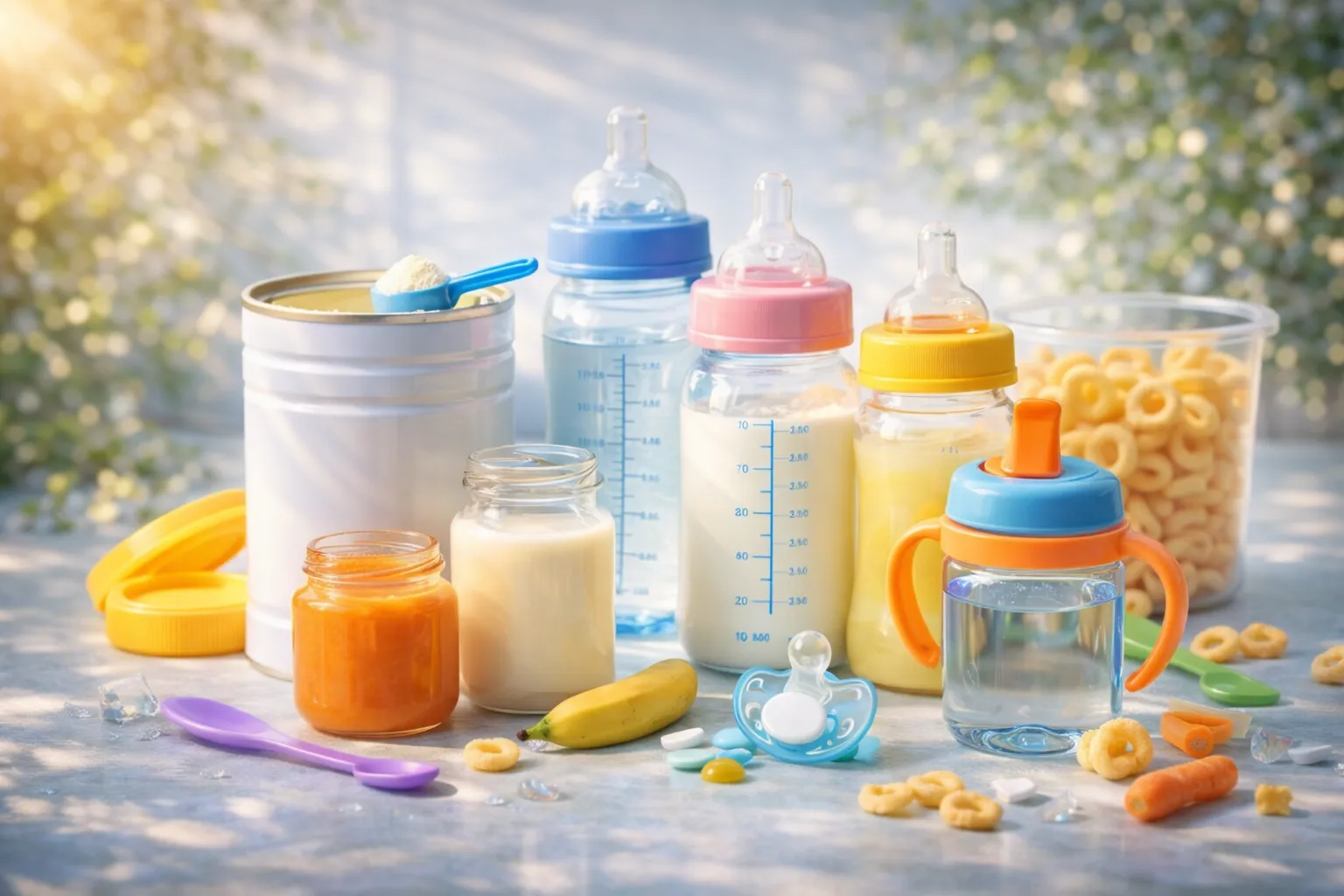
زجاجات رضاعة مصنوعة من مادة تريتان الخالية من مادة BPA - معيار المواد المعتمد لمنتجات رعاية الرضع والأطفال الصغار في كوريا
كان ثنائي الفينول أ (BPA) المونومر الأساسي في زجاجات الرضاعة المصنوعة من البولي كربونات (PC) خلال العقد الأول من الألفية الثانية، وذلك لشفافيته ومقاومته للسقوط وسهولة تشكيله. أثبتت الأبحاث المنشورة بين عامي 2008 و2012 أن آثارًا ضئيلة من ثنائي الفينول أ تتسرب من زجاجات الرضاعة المصنوعة من البولي كربونات إلى حليب الأطفال الدافئ، مع ازدياد التسرب أثناء التعقيم بالبخار. جاء رد الفعل التنظيمي الكوري في عام 2012 عندما حظرت إدارة الغذاء والدواء الكورية (KFDA) استخدام ثنائي الفينول أ في جميع أدوات تغذية الرضع. وحذا الاتحاد الأوروبي حذوه بفرض متطلبات الامتثال للمعيار الأوروبي EN 14350، وحظرت إدارة الغذاء والدواء الأمريكية (FDA) استخدام ثنائي الفينول أ في زجاجات الرضاعة وأكواب الشرب في عام 2012 بموجب المادة 21 من قانون اللوائح الفيدرالية 177. أدت هذه الإجراءات التنظيمية المتسلسلة إلى استبعاد البولي كربونات من فئة زجاجات الرضاعة العالمية في غضون 24 شهرًا.
أدى استبدال المواد إلى تحويل الصناعة إلى ثلاثة بدائل: الزجاج (ثقيل الوزن، قابل للكسر، ومكلف للغاية بالنسبة لشريحة المستهلكين العاديين)، والبولي بروبيلين (فعال من حيث التكلفة ولكنه معكر وعرضة للضبابية بعد التعقيم المتكرر)، وكوبوليستر تريتان من شركة إيستمان كيميكال. برز تريتان كخيار مهيمن لإنتاج زجاجات الأطفال الفاخرة والمتوسطة الجودة، لأنه يوفر شفافية تشبه الزجاج بالإضافة إلى مقاومة للصدمات أعلى بكثير من البولي بروبيلين، وإمكانية تعقيمه لعدد غير محدود من المرات دون تدهور مرئي، وتركيبة معتمدة وخالية من مادة BPA موثقة وفقًا لجميع الأطر التنظيمية الرئيسية.
تتمركز صناعة زجاجات الرضاعة الكورية في ثلاث مناطق رئيسية: أولسان (مركز تصنيع البلاستيك التقليدي ذو التاريخ العريق في منتجات الأطفال)، وجيونجي-دو (شمال منطقة سيول، حيث يتم تعبئة الزجاجات بموجب عقود مع العلامات التجارية المحلية)، وجيمهاي (جنوباً، حيث يتم إنتاج الزجاجات للتصدير إلى أسواق اليابان وجنوب شرق آسيا والشرق الأوسط). وبلغ إجمالي صادرات زجاجات الرضاعة الكورية حوالي 600 مليون دولار أمريكي خلال عام 2024، حيث شكل إنتاج مادة تريتان 851 تريليون طن من إجمالي حجم صادرات الزجاجات عالية الجودة والمتوسطة.
2. لماذا تُعتبر مادة تريتان المادة الافتراضية لصناعة زجاجات الرضاعة؟
يجمع كوبوليستر تريتان بين خصائص لا توفرها أي مادة بديلة منفردة في آن واحد. وقد صُممت هذه المجموعة من الراتنجات خصيصًا من قِبل شركة إيستمان لتطبيقات تتطلب الشفافية والمتانة ومقاومة الحرارة في ظل دورات التنظيف المتكررة. وتُعزى هيمنتها في صناعة زجاجات الرضاعة إلى أربع خصائص أساسية.
العقار 1
تركيبة معتمدة خالية من مادة BPA
لا تحتوي مونومرات التريتان على ثنائي الفينول أ، أو ثنائي الفينول إس، أو أي مركبات ذات صلة بنيوية. وقد أكدت اختبارات مستقلة وفقًا لبروتوكولات NSF وFDA وEU 10/2011 وKFDA عدم انتقال ثنائي الفينول أ مطلقًا أثناء دورات الماء الساخن والبخار وغسالة الأطباق المتكررة. وينتقل هذا الامتثال تلقائيًا إلى الأسواق المستهدفة دون الحاجة إلى إجراءات اعتماد إضافية.
العقار 2
وضوح بصري يشبه الزجاج
يُوفر تريتان نفاذية ضوئية تبلغ 91% وضبابية أقل من 1% عند معالجته بشكل صحيح. تُمكّن هذه الشفافية الآباء من التحقق بصريًا من درجة حرارة الحليب، واكتمال خلط الحليب الصناعي، ونظافة العبوة بين الرضعات. أما بدائل البولي بروبيلين، فتُسجل نفاذية ضوئية تبلغ 85% وضبابية تتراوح بين 3 و5%، وهي أقل جودة بشكل ملحوظ من تريتان تحت إضاءة رفوف المتاجر.
العقار رقم 3
مقاومة فائقة للصدمات الناتجة عن السقوط
تصل قوة تحمل مادة تريتان للصدمات في اختبار إيزود إلى 870 جول/متر عند درجة حرارة 23 درجة مئوية، أي ما يقارب 4-5 أضعاف قوة تحمل مادة البولي بروبيلين و15 ضعف قوة تحمل مادة البولي إيثيلين تيريفثالات القياسية. وهذا يعني متانة فائقة في الاستخدام اليومي، حيث تبقى زجاجة الرضاعة سليمة عند سقوطها من ارتفاع 1.5 متر على البلاط أو الخرسانة. ويُعدّ هذا الأمر بالغ الأهمية بالنسبة للآباء الكوريين ومقدمي خدمات رعاية الأطفال، إذ يُشترطون هذه المتانة تحديدًا عند اتخاذ قرارات الشراء.
العقار رقم 4
تعقيم متكرر دون تدهور
يتحمل التريتان دورات تعقيم بالبخار غير محدودة عند درجة حرارة 121 مئوية، والتعرض للأشعة فوق البنفسجية، والماء المغلي، ودورات غسالة الأطباق دون ظهور أي ضبابية أو تشققات أو تغير في الأبعاد. وهذا ما يميزه عن البولي بروبيلين، الذي يصبح معتمًا بعد 30-50 دورة تعقيم. تحافظ زجاجات التريتان على مظهرها عالي الجودة حتى بعد أكثر من 1000 دورة تعقيم، وهي المدة المعتادة لاستخدام منتجات الأطفال من 12 إلى 18 شهرًا.
3. متطلبات نظام التشغيل ويندوز والجهاز لمعالجة تريتان
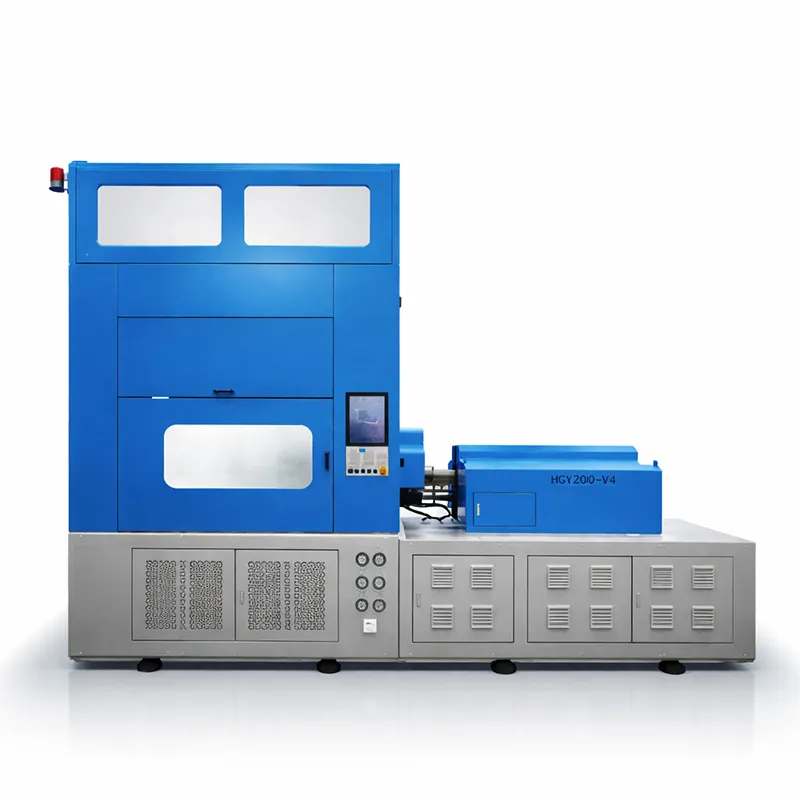
تم تصميم منصة HGY200-V4 لمعالجة التريتان - حيث يتناسب ضغط الحقن العالي والتحكم في درجة الحرارة مع خصائص لزوجة التريتان
تختلف عملية تصنيع التريتان عن معالجة البولي إيثيلين تيريفثالات (PET) والبولي إيثيلين تيريفثالات جليكول (PETG) من حيث تأثيرها على مواصفات الماكينة. تتراوح درجة حرارة الانصهار بين 260 و290 درجة مئوية، مقارنةً بـ 275 إلى 290 درجة مئوية للبولي إيثيلين تيريفثالات، إلا أن متطلبات ضغط الحقن أعلى بمقدار 15 إلى 25 ضعفًا نظرًا لارتفاع لزوجة انصهار التريتان. وتستهدف درجة حرارة تهيئة القوالب الأولية 105-115 درجة مئوية، بدلًا من نطاق 100-110 درجة مئوية للبولي إيثيلين تيريفثالات، ويتراوح ضغط النفخ عادةً بين 32 و38 بار، مقارنةً بـ 28-35 بار للبولي إيثيلين تيريفثالات ذي السماكة الجدارية المكافئة.
مواصفات معالجة مادة التريتان مقابل مرجع مادة البولي إيثيلين تيريفثالات:
| المعلمة | مرجع التصوير المقطعي بالإصدار البوزيتروني | هدف تريتان | تأثير الآلة |
|---|---|---|---|
| درجة حرارة انصهار الحقن | 275-290 درجة مئوية | 260-290 درجة مئوية | نطاق أوسع لمنطقة التسخين |
| ضغط الحقن | 650-900 بار | 800-1100 بار | قوة تثبيت أعلى مطلوبة |
| تهيئة مسبقة للأشكال | 100-110 درجة مئوية | 105-115 درجة مئوية | ضبط منطقة سخان الأشعة تحت الحمراء |
| ضغط النفخ | 28-35 بار | 32-38 بار | فحص سعة الضاغط |
| درجة حرارة القالب | 10-18 درجة مئوية | 12-22 درجة مئوية | انحياز العفن الأكثر دفئًا قليلاً |
| مدة الدورة (500 مل) | 10-12 ثانية | 12-15 ثانية | انخفاض الإنتاجية 15-25% |
تؤثر متطلبات ضغط الحقن والنفخ العالية بشكل مباشر على اختيار الآلة. تتعامل منصات ISBM المصممة لإنتاج PET عند الحد الأعلى لقوة التثبيت مع مادة تريتان بكفاءة؛ بينما قد تواجه المنصات المصممة عند الحد الأدنى لقوة التثبيت مشاكل تتعلق برقة الجدران أو التواء مادة تريتان عند نفس عدد التجاويف. عادةً ما يقوم منتجو زجاجات الأطفال الكوريون بتقليل عدد التجاويف بمقدار 25-30% عند التحول من PET إلى تريتان للبقاء ضمن حدود قوة التثبيت الاسمية، ثم يحددون سعة الآلة وفقًا لذلك.
4. تصميم عنق الفوهة العريضة وتصميم القالب
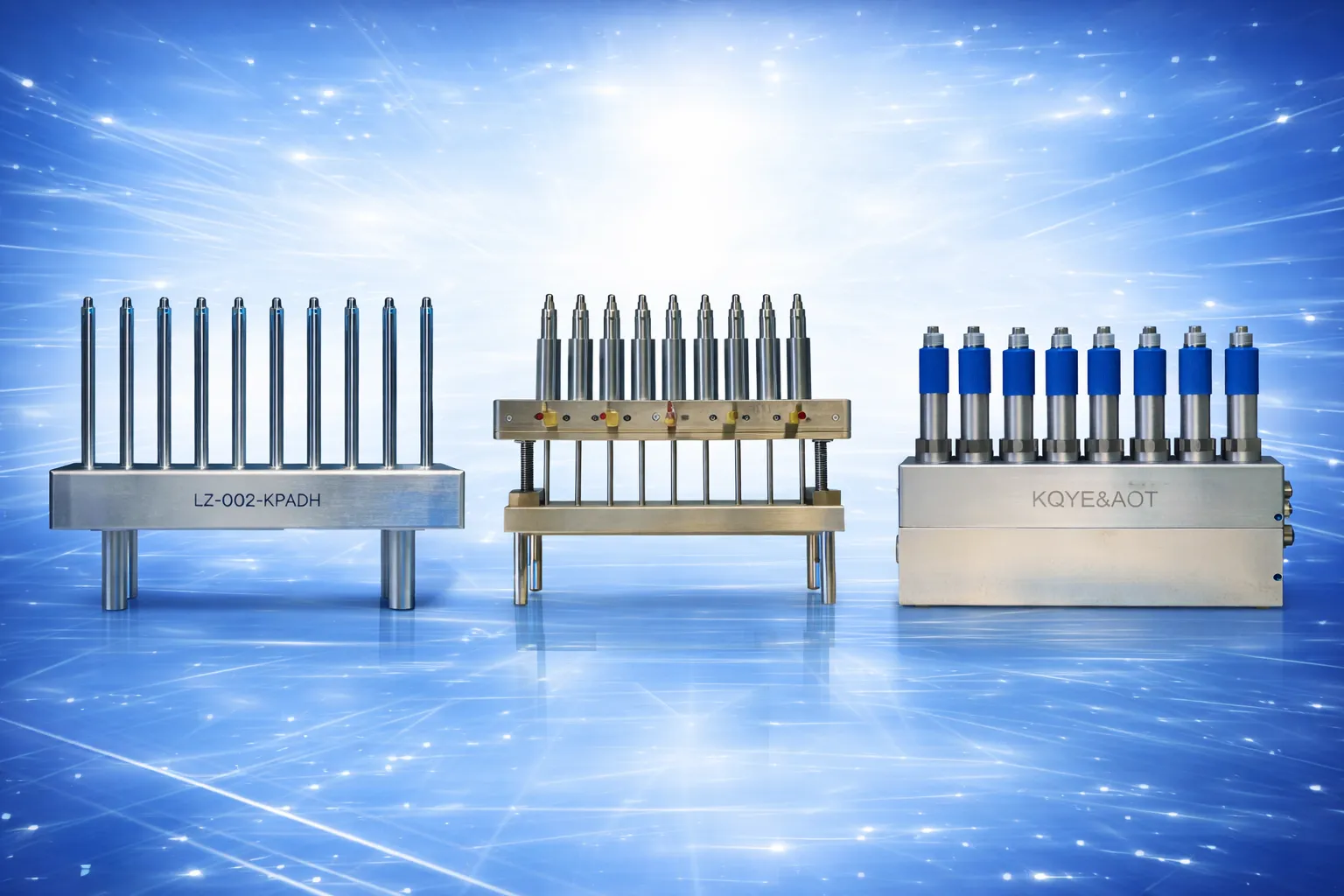
قالب ISBM مخصص لزجاجة رضاعة واسعة الفوهة - قطر داخلي للفوهة من 40 إلى 55 مم يتيح سهولة التنظيف وتحضير الحليب الصناعي
يختلف تصميم عنق زجاجة الرضاعة اختلافًا كبيرًا عن تصميم زجاجات المشروبات أو مستحضرات التجميل القياسية. فالعنق ذو الفتحة الواسعة، بقطر داخلي يتراوح بين 40 و55 ملم، يسمح للوالدين بغرف مسحوق الحليب، وللفرشاة بتنظيف الأسطح الداخلية، وللمُعتني بالطفل بالوصول إلى الداخل أثناء التنظيف. ويتطلب هذا التصميم أساليب مختلفة في تصميم القوالب عن تلك المستخدمة في زجاجات العنق الضيق، وعادةً ما يستلزم ذلك أدوات القوالب المخصصة بدلاً من تصميمات الكتالوجات القياسية.
متطلبات تصميم قالب زجاجة الرضاعة:
- ✓فتحة عنق واسعة: 40/45 مم أو 50/55 مم قياسي (مقابل 24/410 أو 28/410 للمشروبات)
- ✓نصف قطر انتقال الكتف: 15-25 مم لتوزيع متساوٍ للجدار في الجسم العريض
- ✓حزام مريح للإمساك: قسم أوسط أضيق ليسهل على الرضع والأطفال الصغار الإمساك به بأيديهم.
- ✓علامات الحجم: علامات مل/أونصة متدرجة مدمجة في جدار الزجاجة (منقوشة).
- ✓هندسة القاعدة: قاعدة ثابتة قائمة ذات مركز متحد المركز، قطرها من 75 إلى 95 مم للزجاجات سعة 250 مل
- ✓سمك الجدار المستهدف: 1.5-2.2 مم (مقارنةً بـ 0.25-0.40 مم للمشروبات) لمقاومة السقوط
يُعدّ شرط سُمك الجدار السميك أهمّ تبعات عملية ISBM. تتطلب الجدران السميكة حجم حقن أكبر لكل قالب أولي، ووقت تبريد أطول لكل دورة، ومعايرة دقيقة لنسبة التمدد للحفاظ على التوجيه الجزيئي ثنائي المحور الكامل عبر قسم الجدار السميك. تستخدم زجاجة رضاعة أطفال من مادة تريتان سعة 250 مل بسُمك جدار 2.0 مم ما يقارب 2.5 ضعف كمية مادة القالب الأولي المستخدمة في زجاجة مياه من مادة PET سعة 250 مل، وتزيد مدة الدورة من 10-12 ثانية إلى 14-17 ثانية، وتحتاج إلى ضغط نفخ زائد يتراوح بين 8 و10% لتشكيل الانتقال الكامل من الكتف إلى القاعدة.
5. اختبار مقاومة التعقيم
يشمل ضمان جودة زجاجات الرضاعة اختبارات دورة التعقيم التي تحاكي الاستخدام الفعلي للمستهلكين. يحتفظ المنتجون الكوريون بغرف اختبار في مواقعهم تحاكي دورات التعقيم بالبخار، والتعقيم بالأشعة فوق البنفسجية، والتعقيم بالماء المغلي، وغسالة الأطباق، ثم يقومون بتقييم الزجاجات بعد عدد محدد من الدورات للتحقق من التغيرات المرئية والأبعاد والميكانيكية.
!
تبييض البشرة الناتج عن الإجهاد أثناء اختبار التعقيم
تشير علامات الإجهاد البيضاء التي تظهر على زجاجات التريتان عند منطقة الكتف أو القاعدة أثناء اختبار التعقيم بالبخار إلى عدم كفاية التوجيه ثنائي المحور أثناء النفخ. يكشف التبييض الناتج عن الإجهاد عن مناطق غير منتظمة الشكل يكشفها الإجهاد الحراري. الإجراء التصحيحي هو مراجعة حجم القالب والتحقق من نسبة التمدد، وليس تغيير بروتوكول التعقيم.
بروتوكول اختبار التعقيم القياسي:
- ▸دورات التعقيم بالبخار في جهاز التعقيم بالبخار: ١٠٠ دورة عند درجة حرارة ١٢١ درجة مئوية لمدة ٢٠ دقيقة؛ يتم التقييم كل ٢٥ دورة للتحقق من وجود ضبابية وتغير في الأبعاد
- ▸دورات التعقيم بالأشعة فوق البنفسجية: 200 دورة تعريض لمدة 10 دقائق؛ تقييم تغير اللون والسلامة الهيكلية
- ▸دورات غلي الماء: 150 دورة عند درجة حرارة 100 درجة مئوية لمدة 5 دقائق؛ ثم يتم فحص التشوه والإجهاد
- ▸دورات غسالة الصحون: 300 دورة غسيل عند درجة حرارة 70 درجة مئوية باستخدام منظف عادي؛ تقييم درجة نقاء الماء وسلامة خيط العنق
- ▸معيار القبول: زيادة ضبابية أقل من 2%، وتغير في الأبعاد أقل من 0.3 مم، ولا يوجد تشقق إجهادي مرئي
6. مواصفات مقاومة الصدمات والسقوط والمتانة
تحاكي اختبارات السقوط سقوط الزجاجات في ظروف واقعية تحدث عشرات المرات خلال دورة حياة المنتج النموذجية التي تتراوح بين 12 و18 شهرًا. ويُجري مُصنّعو زجاجات الأطفال الكوريون اختبارات سقوط موحدة على كل دفعة إنتاج، مع اشتراط عدم حدوث أي كسر في ظل ظروف سقوط محددة.
المستوى 1
انخفاض قياسي (1.2 متر على أرضية خشبية صلبة)
امتحان: تم إسقاط زجاجة فارغة من ارتفاع 1.2 متر على أرضية خشبية صلبة. هذا شرط أساسي إلزامي وفقًا لمعايير هيئة الغذاء والدواء الكورية (KFDA) ومعيار الاتحاد الأوروبي EN 14350. معايير النجاح: 20/20 زجاجة بدون تشقق أو كسر في العنق عبر 5 اتجاهات سقوط.
المستوى 2
قطرة مملوءة (1.5 متر مع 250 مل من الماء)
امتحان: زجاجة مملوءة بـ ٢٥٠ مل من الماء، ومغلقة بإحكام، تسقط من ارتفاع ١.٥ متر على أرضية من البلاط. تحاكي هذه التجربة سقوط الزجاجة على سطح المطبخ مع وجود الحليب الصناعي بداخلها. معايير النجاح: 10/10 زجاجات بدون كسر أو تسرب.
المستوى 3 (مميز)
انخفاض حاد في درجة الحرارة (-5 درجة مئوية على مسافة 1.2 متر)
امتحان: تم تبريد الزجاجة عند درجة حرارة -5 مئوية لمدة 4 ساعات، ثم سقطت من ارتفاع 1.2 متر على خشب صلب. متطلبات العلامة التجارية الممتازة تحاكي ظروف الشتاء الخارجية. معايير النجاح: 10/10 زجاجات بدون كسر ناتج عن تأثير البرد.
7. الامتثال التنظيمي الكوري والدولي
تُعدّ لوائح تنظيم زجاجات الرضاعة أكثر صرامة من أي فئة أخرى من فئات تطبيقات ISBM، لأنّ تعرّض الرضع لها يُبرّر إجراء اختبارات صارمة لسلامة المواد. ويتعامل المنتجون الكوريون الذين يُصدّرون منتجاتهم إلى الأسواق المتقدمة مع خمسة أطر تنظيمية في آنٍ واحد.
| سوق | أنظمة | خالٍ من مادة BPA | اختبار السقوط | الهجرة |
|---|---|---|---|---|
| كوريا | لوائح هيئة الغذاء والدواء الكورية بشأن أغذية الأطفال | مطلوب | 1.2 متر إلزامي | لوحة كاملة |
| الاتحاد الأوروبي | EN 14350 + Reg 10/2011 | مطلوب | مطلوب 1.5 متر | لوحة كاملة |
| الولايات المتحدة الأمريكية | إدارة الغذاء والدواء الأمريكية 21 CFR 177 + قانون تحسين سلامة المنتجات الاستهلاكية | مطلوب | ASTM F963 | الهجرة العالمية |
| اليابان | إشعار وزارة الصحة والعمل والرعاية الاجتماعية رقم 370 + القائمة الإيجابية | مطلوب | JIS S 2107 | التبخر، برمنجنات البوتاسيوم |
| الصين | سلسلة GB 4806 للتلامس مع الطعام | مطلوب | لوحة GB 4806 | لوحة كاملة |
يحمل راتنج التريتان وثائق امتثال معتمدة مسبقًا لجميع الأسواق الخمسة من شركة إيستمان كيميكال. يتلقى المنتجون الكوريون حزمة الوثائق مع عملية شراء راتنج التريتان، ويرسلونها إلى الجهات التنظيمية في السوق المستهدفة كجزء من تسجيل المنتج. لا يزال اختبار الهجرة المستقل على الزجاجات النهائية مطلوبًا لكل دفعة إنتاج للتحقق من أن عملية ISBM لم تُدخل أي تلوث أو تغيير في المادة أثناء عملية التشكيل.
8. منصات إدارة الأعمال الدولية الموصى بها
يُوازن اختيار منصة إنتاج زجاجات الرضاعة بين نطاق أحجام الزجاجات، والإنتاج السنوي من وحدات التخزين، ومتطلبات المعالجة الخاصة بمادة التريتان. وتغطي منصتا Ever-Power 90% من متطلبات منتجي زجاجات الرضاعة الكوريين.
المنصة الأساسية
HGY150-V4 لزجاجات الأطفال سعة 150-300 مل
ال منصة HGY150-V4 ذات 4 محطات تتولى هذه الآلة إنتاج مادة التريتان في 4-6 تجاويف لزجاجات الأطفال بسعة 150-300 مل. وتستوعب آلية تثبيت الحقن بقوة 150 كيلو نيوتن متطلبات ضغط الحقن العالية لمادة التريتان، كما يتضمن برنامج PLC ملفات تعريف درجة حرارة خاصة بالتريتان مُبرمجة مسبقًا للتحويل السريع من إنتاج البولي إيثيلين تيريفثالات (PET).
شديد التحمل
HGY250-V4 للأكواب الكبيرة المصنوعة من مادة التريتان
بالنسبة لزجاجات الأطفال المصنوعة من مادة تريتان بسعة 450-750 مل، وأكواب الرياضة، ومنتجات تغذية الرضع ذات الحجم الكبير، توفر منصة HGY250-V4 حجم الحقن الإضافي وقوة التثبيت اللازمة. وتوفر الإصدارات ذات نظام المؤازرة الكاملة سرعة قطع القاعدة بمقدار الضعف، مما يحافظ على وقت الدورة تنافسيًا مع بدائل PET الأقل سمكًا.
9. دراسات حالة للمنتجين الكوريين
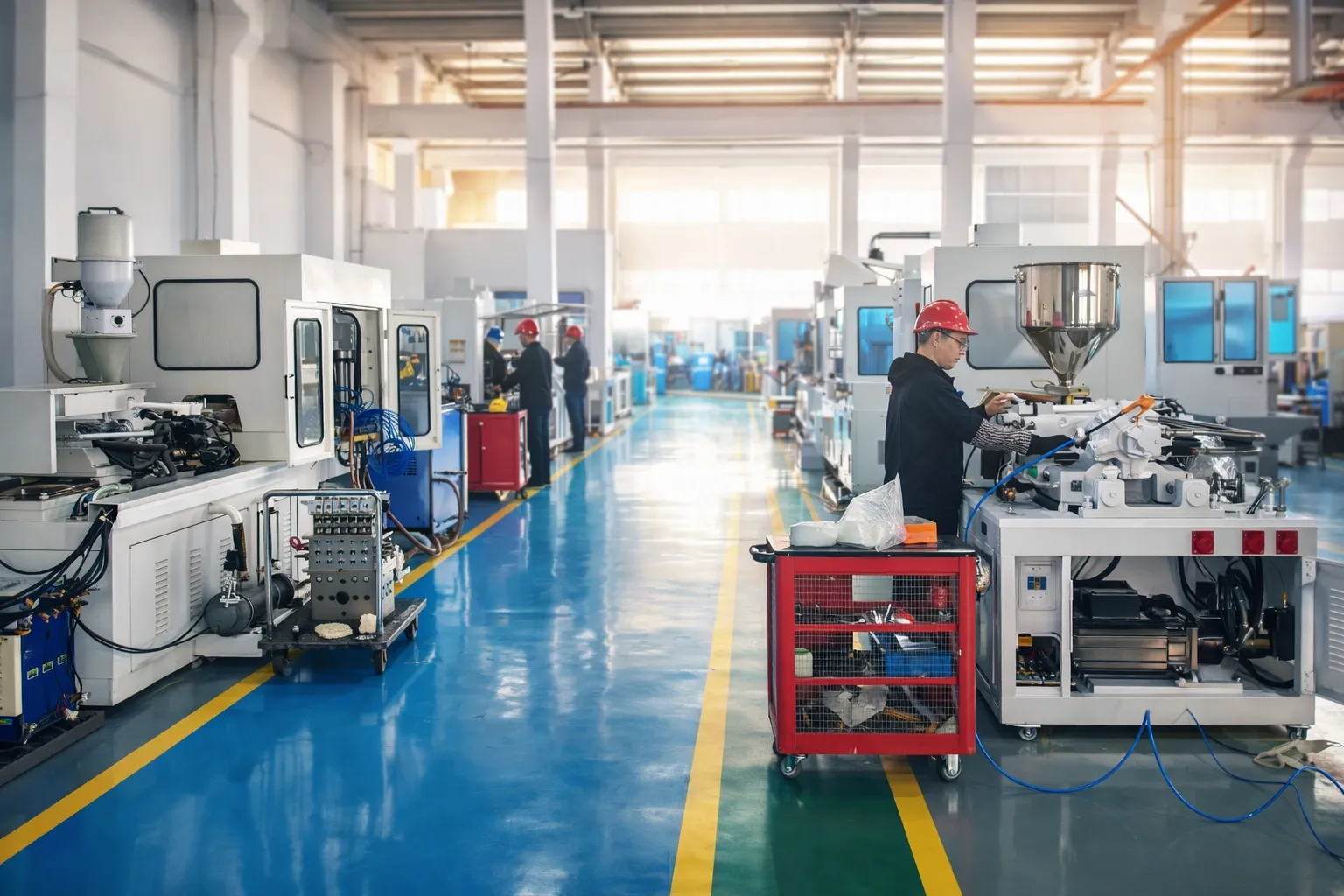
مصنع كوري لتصنيع زجاجات الرضاعة للأطفال - تنتج مجمعات أولسان، وجيمهاي، وجيونجي دو أكثر من 851 طنًا من صادرات زجاجات الرضاعة المصنوعة من مادة التريتان الكورية
دراسة حالة 1 · ماركة زجاجات الأطفال الفاخرة من أولسان
زجاجة رئيسية سعة 240 مل مزودة بفتحة تهوية مضادة للمغص (2.1 مليون وحدة/سنة)
تحدي: تطلّب تحوّل علامة تجارية كورية فاخرة من استخدام البولي كربونات إلى التريتان قوالب جديدة تحافظ على تصميمها المميز ذي الفتحة الواسعة مع قناة تهوية مدمجة مضادة للمغص. وقد عانت الآلة السابقة من تبييض ناتج عن الإجهاد عند منطقة الانتقال بين الكتفين أثناء اختبار التعقيم بالبخار.
نتيجة: جهاز Ever-Power HGY150-V4، المزود بقوالب مخصصة ذات 4 تجاويف ومعايير معالجة خاصة بمادة تريتان، قضى على تبييض الأسنان الناتج عن الإجهاد خلال أكثر من 150 دورة تعقيم بالبخار. حصلت العلامة التجارية على شهادة EN 14350 الأوروبية في أول عملية تحقق، مما مكّنها من طلب 680 ألف وحدة سنويًا من متجر تجزئة ألماني متخصص.
دراسة حالة ٢ · شركة جيمهاي لإنتاج زجاجات الأطفال الموجهة للتصدير
زجاجة رياضية للأطفال الصغار سعة 500 مل للسوق اليابانية (3.4 مليون وحدة/سنة)
تحدي: حددت سلسلة متاجر يابانية كوبًا للأطفال بسعة 500 مل بفتحة واسعة 50/55 مم وسماكة جدار 2.2 مم. أظهرت آلة قياسية بأربع محطات، مع ضبط معاييرها لتناسب مادة البولي إيثيلين تيريفثالات (PET)، توزيعًا غير متجانس للجدار وخطوط تدفق واضحة عند منطقة الانتقال بين الكتفين العريضين.
نتيجة: حققت منصة HGY250-V4، المزودة بملف نفخ خاص بمادة التريتان ودورة تبريد ممتدة، توزيعًا متجانسًا للطبقة الخارجية ضمن نطاق ±0.08 مم عبر التجويف. وارتفع معدل قبول تجار التجزئة اليابانيين من 87% إلى 99.5% عند التحقق من صحة الشحنة الأولى. وتم تأمين عقد سنوي لـ 3.4 مليون وحدة مع إمكانية التجديد لعدة سنوات.
دراسة حالة 3 · شركة تعبئة منتجات الأطفال متعددة الأصناف في مقاطعة جيونجي دو
مجموعة تريتان متنوعة 150 مل/240 مل/320 مل للعلامات التجارية المحلية
تحدي: تحتاج علامة تجارية كورية محلية تستخدم ثلاثة أحجام من زجاجات التريتان على آلة واحدة إلى تغيير سريع بين المنتجات. كان متوسط وقت التغيير السابق يتراوح بين 5 و6 ساعات، بما في ذلك ضبط معايير التريتان، مما يحد من مرونة الحملات التسويقية.
نتيجة: أدى استخدام جهاز HGY150-V4 المزود بمكتبة وصفات PLC لتخزين ملفات تعريف Tritan مخصصة لكل وحدة تخزين إلى تقليل وقت التغيير إلى 90-110 دقائق. كما زادت مرونة الحملات التسويقية من 12 حملة سنويًا إلى 28 حملة سنويًا، مما يدعم استراتيجية العلامة التجارية للمنتجات محدودة الإصدار التي تُدرّ حاليًا 181 تريليون دولار من الإيرادات السنوية.
10. الخاتمة
يجمع إنتاج زجاجات الرضاعة الخالية من مادة BPA بين أعلى معايير الامتثال للمواد في تصنيع زجاجات الرضاعة القياسية (ISBM) والتصميم ذي الجدران السميكة والفوهة الواسعة المريحة، بالإضافة إلى مراعاة اللوائح التنظيمية في مختلف الأسواق. وقد بنى المنتجون الكوريون في أولسان وجيمهاي وجيونجي دو تجمعًا تنافسيًا عالميًا يخدم تجار التجزئة المتميزين في اليابان وأوروبا وأمريكا الشمالية، وذلك بفضل كفاءة الهندسة الكورية في تلبية متطلبات شهادات السلامة ومواصفات المتانة والامتثال لمعايير التصدير.
يهيمن كوبوليستر تريتان على هذه الفئة بفضل تركيبته الفريدة التي تجمع بين تركيبة معتمدة خالية من مادة BPA، وشفافية تشبه الزجاج، ومقاومة للسقوط تفوق مقاومة البولي بروبيلين بأربعة إلى خمسة أضعاف، ومتانة غير محدودة لدورات التعقيم، كل ذلك ضمن عائلة راتنج واحدة. تتعامل منصتا HGY150-V4 وHGY250-V4 من Ever-Power مع ضغط الحقن المرتفع لمادة تريتان، ونطاقات المعالجة الأوسع، ومتطلبات التبريد للجدران السميكة، مع التكامل مع نظام التركيب QMC ومكتبة وصفات PLC التي تتطلبها اقتصاديات الإنتاج متعددة المنتجات في كوريا. للاطلاع على علم المواد الأساسي، يُرجى مراجعة قسمنا. دليل التوجيه ثنائي المحور.
أهم النقاط الرئيسية حول زجاجة الرضاعة الخالية من مادة BPA
- ✓مادة تريتان هي المادة الافتراضية: معتمدة وخالية من مادة BPA، ونفاذية ضوئية 91%، ومقاومة للسقوط من مادة PP بمقدار 4-5 أضعاف
- ✓تعديل المعالجة: ضغط الحقن أعلى بمقدار 15-25%، ووقت الدورة أطول بمقدار 15-25% من PET
- ✓عنق واسع الفتحة بقطر داخلي قياسي يتراوح بين 40 و55 ملم لتسهيل التنظيف وتحضير التركيبة
- ✓يُتيح سُمك الجدار الذي يتراوح بين 1.5 و2.2 مم مقاومة السقوط ومتانة لأكثر من 1000 دورة تعقيم
- ✓اختبار التعقيم: 100 دورة تعقيم بالبخار + 200 دورة تعقيم بالأشعة فوق البنفسجية + 150 دورة غلي + 300 دورة غسيل أطباق كحد أدنى
- ✓اختبار السقوط: 1.2 متر قياسي، 1.5 متر مملوء، -5 درجة مئوية مواصفات العلامة التجارية المميزة
- ✓الامتثال لخمسة أسواق: كوريا KFDA، والاتحاد الأوروبي EN 14350، والولايات المتحدة FDA/CPSIA، واليابان MHLW، والصين GB 4806
- ✓توافق المنصة: HGY150-V4 (150-300 مل قياسي) / HGY250-V4 (450-750 مل حجم كبير)
هل أنتِ مستعدة لبناء خط إنتاج زجاجات الرضاعة المصنوعة من مادة التريتان؟
شاركنا مواصفات زجاجاتك، وأسواق التصدير المستهدفة، وحجم الإنتاج السنوي المتوقع. سيقوم فريقنا الهندسي الكوري بتقديم توصية شاملة للمنصة تتضمن معايير عملية خاصة بمادة تريتان، وحزمة وثائق الامتثال، وتحليل العائد المتوقع على الاستثمار خلال 48 ساعة.