Τεχνική Βαθιά Κατάδυση · Διαχείριση Ακεταλδεΰδης · Κορεατικό ISBM 2026
Διαχείριση ακεταλδεΰδης ISBM:
Οδηγός Κορεατικών Μπουκαλιών PET
Η ακεταλδεΰδη (AA) είναι η αόρατη ποιοτική αστοχία στο κορεατικό ISBM νερού και ποτών PET — μια άχρωμη αλδεΰδη που μεταναστεύει από τη ρητίνη PET στο προϊόν και παράγει μια χημική δυσάρεστη γεύση που οι Κορεάτες καταναλωτές νερού ανιχνεύουν σε συγκεντρώσεις μόλις 20 ppb. Η παραγωγή AA είναι μια αντίδραση θερμικής υποβάθμισης που λαμβάνει χώρα στο βαρέλι έγχυσης και κάθε απόφαση παραγωγής κορεατικού ISBM, από την ξήρανση της ρητίνης έως τη θερμοκρασία του βαρελιού και τον χρόνο παραμονής, καθορίζει άμεσα εάν το τελικό μπουκάλι προσφέρει την ουδέτερη γεύση που απαιτούν τα κορεατικά πρότυπα νερού υψηλής ποιότητας και τα φαρμακευτικά πρότυπα της KFDA.
KFDA Pharma ≤ 0,5 μg/φιάλη
AA Scavenger 0,05–0,20%
Γραφείο Μηχανικής Κορέας Ever-Power · Ansan-si · Μάιος 2026
Κορεατικό ISBM ορίου αναφοράς ακεταλδεΰδης — 2026
| Εφαρμογή | Όριο AA (χώρος υπερχείλισης) | Όριο AA (μετεγκατάσταση) | Πρότυπο | Πρωτεύων έλεγχος |
|---|---|---|---|---|
| Κορεάτικο μη ιονισμένο νερό υψηλής ποιότητας | ≤ 10 μg/φιάλη | ≤ 40 ppb σε νερό | Νόμος περί Ύδρευσης της Κορέας | Θερμοκρασία βαρελιού ≤ 283°C· χρόνος παραμονής ≤ 90s |
| Κορεατικό Ανθρακούχο Αναψυκτικό/PET ποτών | ≤ 15 μg/φιάλη | ≤ 60 ppb | Κώδικας Τροφίμων KFDA | AA scavenger + ξήρανση ρητίνης ≤ 30 ppm υγρασία |
| Κορεατικό φαρμακευτικό πόσιμο υγρό | ≤ 0,5 μg/φιάλη συνολικά | ≤ 0,02 mg/L | Κορεατική Φαρμακοποιία | Ελάχιστη περιεκτικότητα σε PET ποιότητας AA· χωρίς masterbatch scavenger |
| Κορεάτικο βάζο Tritan για βρέφη | ≤ 0,5 μg/βάζο συνολικά | ≤ 0,02 mg/L | KFDA Βρεφικές Τροφές | Τριτάνη υπολειμματικό AA ≤ 1 ppm; βαρέλι ≤ 275°C |
| Κορεάτικα καλλυντικά K-Beauty PETG | Χωρίς κανονιστικό όριο | Προσομοιωτής καλλυντικών ≤ προδιαγραφή μάρκας | Νόμος περί καλλυντικών | Διαχειριζόμενο για οσμή καταναλωτή — βαρέλι ≤ 270°C |
1. Τι είναι η ακεταλδεΰδη και γιατί έχει σημασία στα κορεατικά ISBM
Η ακεταλδεΰδη (CH₃CHO, AA) είναι μια πτητική οργανική ένωση που παράγεται ως υποπροϊόν θερμικής αποικοδόμησης κατά την επεξεργασία τήγματος PET. Στο κορεατικό ISBM, το AA παράγεται στον κύλινδρο έγχυσης όταν η ρητίνη PET θερμαίνεται πάνω από το σημείο τήξης της (250–260°C) — οι αντιδράσεις θερμικής σχάσης και υδρόλυσης του δεσμού εστέρα που συμβαίνουν κατά την τήξη απελευθερώνουν μόρια AA που παγιδεύονται στο τοίχωμα του προπλάσματος κατά τη χύτευση με έγχυση. Αφού το μπουκάλι φυσήξει και γεμίσει, το παγιδευμένο AA μεταναστεύει σταδιακά από το τοίχωμα του μπουκαλιού στο προϊόν, όπου προσδίδει μια χαρακτηριστική γλυκιά χημική δυσάρεστη γεύση που οι Κορεάτες καταναλωτές μεταλλικού νερού ανιχνεύουν σε συγκεντρώσεις τόσο χαμηλές όσο 20–40 ppb.
Η εμπορική σημασία του AA στο κορεατικό ISBM είναι άμεση και μετρήσιμη: Μελέτες προτίμησης καταναλωτών μη αεριζόμενου νερού στην Κορέα δείχνουν σταθερά ότι 35–40% Κορεατών καταναλωτών μπορούν να ανιχνεύσουν δυσάρεστη γεύση AA στα 25 ppb σε μη αεριζόμενο νερό σε μια δοκιμή τυφλού τριγώνου, και το 62% μπορεί να το ανιχνεύσει στα 40 ppb. Οι κορεατικές μάρκες νερού υψηλής ποιότητας (Jeju Samdasoo, Evian Korea, διανομή Volvic Korea) καθορίζουν AA στον υπερκείμενο χώρο της φιάλης ≤ 10 μg/φιάλη ως απαίτηση πιστοποίησης προμηθευτή - μια προδιαγραφή που αποκλείει τους κορεάτες προμηθευτές ISBM που δεν έχουν εφαρμόσει συστηματικό έλεγχο AA. Τα φαρμακευτικά πρότυπα της KFDA είναι ακόμη αυστηρότερα στα ≤ 0,02 mg/L στο εκχύλισμα, καθιστώντας τη διαχείριση του AA απαραίτητη προϋπόθεση για την προμήθεια φαρμακευτικού υγρού για πόσιμο νερό σε φιάλες.
Οι παράγοντες σχεδιασμού προπλάσματος που καθορίζουν την αρχική έκθεση σε AA — κυρίως το πάχος του τοιχώματος της πύλης και ο χρόνος υπολειμματικότητας στον σταθμό έγχυσης — καλύπτονται στο Οδηγός θεμελίωσης σχεδιασμού προμορφωμάτων ISBM.
2. Μηχανισμός παραγωγής AA στην κορεατική επεξεργασία PET
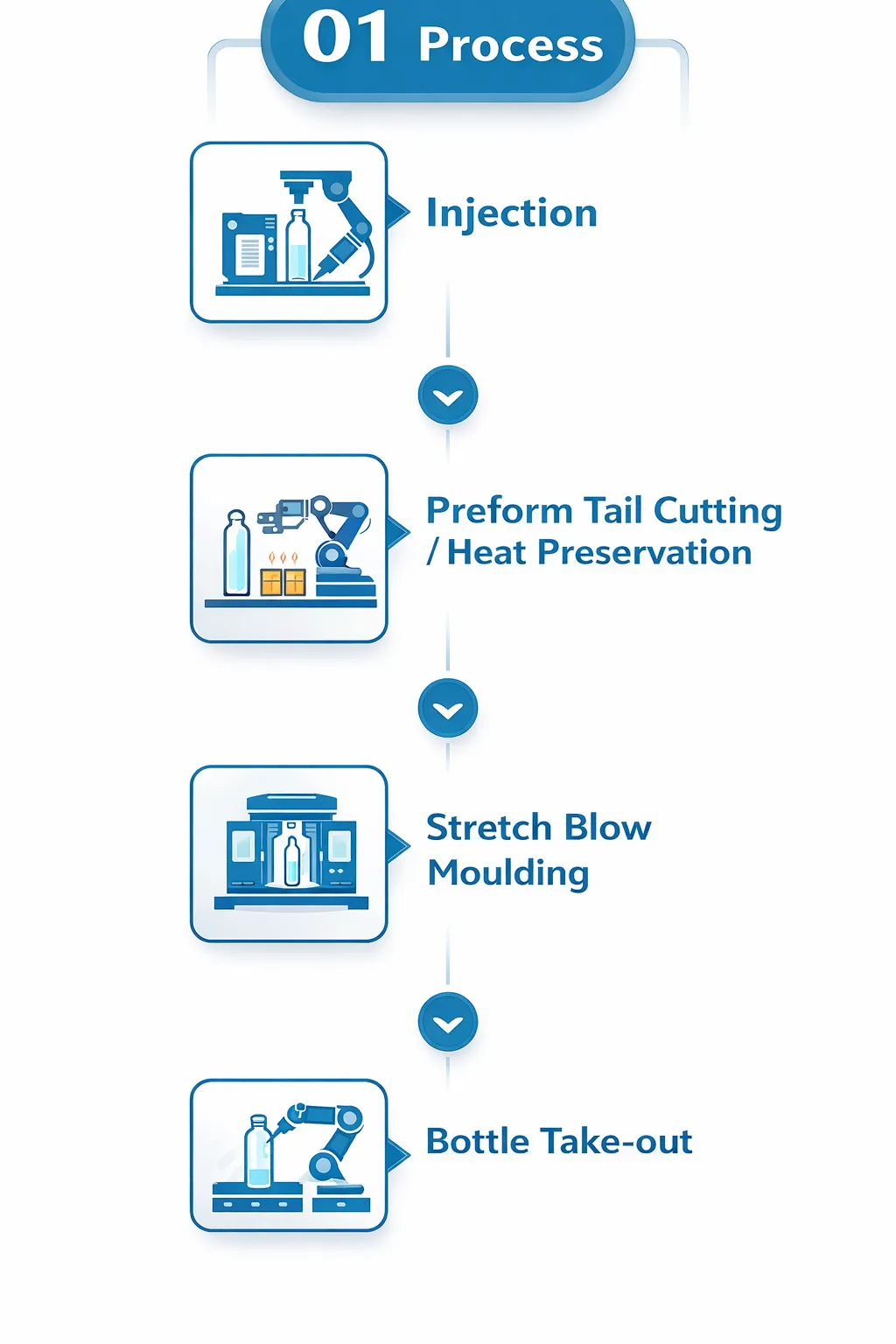
Η παραγωγή AA στο κορεατικό ISBM PET προχωρά μέσω δύο ανεξάρτητων χημικών οδών. Οδός 1 — θερμική βήτα-σχάση: σε θερμοκρασίες άνω των 265°C, ο εστερικός δεσμός PET υφίσταται βήτα-σχάση (ομολυτική διάσπαση), παράγοντας ένα άκρο αλυσίδας βινυλεστέρα και ένα μόριο ακεταλδεΰδης. Ο ρυθμός θερμικής παραγωγής AA διπλασιάζεται περίπου για κάθε αύξηση 10°C στη θερμοκρασία του βαρελιού πάνω από τους 265°C — που σημαίνει ότι ένα θερμό σημείο βαρελιού στους 295°C παράγει 8 φορές περισσότερο AA από ένα βαρέλι στους 265°C στον ίδιο χρόνο παραμονής. Αυτή η εκθετική ευαισθησία στη θερμοκρασία καθιστά την ομοιομορφία της θερμοκρασίας του βαρελιού την πιο σημαντική παράμετρο ελέγχου AA στο κορεατικό ISBM. Οδός 2 — υδρολυτική αποικοδόμηση: η υγρασία στη ρητίνη PET (πάνω από τον τυπικό στόχο ξήρανσης του κορεατικού ISBM ≤ 30 ppm) καταλύει την υδρόλυση του εστερικού δεσμού — το μόριο του νερού διασπά τον εστερικό δεσμό, παράγοντας καρβοξυλικές και υδροξυλικές τελικές ομάδες που στη συνέχεια παράγουν AA μέσω μιας οδού αφυδάτωσης. Η υδρολυτική παραγωγή AA είναι πιο αργή από τη θερμική παραγωγή AA, αλλά αθροιστική — ακόμη και σε τυπικές θερμοκρασίες βαρελιού, μια ρητίνη PET που ξηραίνεται σε υγρασία 80 ppm (πάνω από τον κορεατικό στόχο ≤ 30 ppm) παράγει 2,5–3,5 φορές περισσότερο AA ανά λεπτό παραμονής από μια ρητίνη που ξηραίνεται στα 25 ppm.
Η αλληλεπίδραση μεταξύ αυτών των δύο οδών σημαίνει ότι η διαχείριση των κορεατικών ISBM AA απαιτεί ταυτόχρονο έλεγχο τόσο της θερμοκρασίας όσο και της υγρασίας — η αντιμετώπιση μόνο της μίας οδού και η παραμέληση της άλλης δεν μπορεί να επιτύχει την κορεατική προδιαγραφή premium AA νερού ≤ 10 μg/χώρο υπερχείλισης φιάλης. Η κορεατική μηχανική ξήρανσης ρητίνης ISBM που ελέγχει την πλευρά της υγρασίας αυτής της εξίσωσης βρίσκεται στην Κορεατικός οδηγός μηχανικής ξήρανσης ρητίνης ISBM.
3. Ξήρανση ρητίνης και έλεγχος υγρασίας για τη διαχείριση κορεατικών AA
Η ξήρανση ρητίνης PET ISBM της Κορέας για τη διαχείριση των ΑΑ στοχεύει σε υπολειμματική υγρασία ≤ 30 ppm — μετρούμενη με τιτλοδότηση Karl Fischer στην αποξηραμένη ρητίνη αμέσως πριν από τη χοάνη τροφοδοσίας του κυλίνδρου. Τα σφαιρίδια PET που παραλαμβάνονται από τους Κορεάτες προμηθευτές ρητίνης (συνήθως 300–800 ppm υγρασίας) πρέπει να ξηραίνονται σε κορεατικό ξηραντήρα με αφυγραντικό ISBM στους 160–170°C για 4–6 ώρες με σημείο δρόσου του αφυγραντικού ≤ −40°C για να φτάσουν σε ≤ 30 ppm. Το πρωτόκολλο ξήρανσης για τη διαχείριση των κορεατικών ΑΑ έχει τρεις πρόσθετες απαιτήσεις πέρα από την τυπική ξήρανση ISBM της Κορέας.
Απαίτηση 1: Επαλήθευση αναγέννησης ξηραντικού μέσου
Ένας ξηραντήρας με προσροφητικό μέσο του οποίου το προσροφητικό μέσο δεν έχει αναγεννηθεί εντός του διαστήματος λειτουργίας του (συνήθως 8 ώρες για κορεάτικους ξηραντήρες ISBM διπλής κλίνης) παρέχει σημείο δρόσου πάνω από -40°C ακόμη και αν το σημείο ρύθμισης θερμοκρασίας είναι σωστό. Ο έλεγχος AA του κορεάτικου ISBM απαιτεί παρακολούθηση του σημείου δρόσου του προσροφητικού μέσου στην έξοδο του ξηραντήρα — έναν αισθητήρα σημείου δρόσου που ειδοποιεί εάν το σημείο δρόσου αυξηθεί πάνω από -35°C. Η ρύπανση του προσροφητικού μέσου από αεροζόλ λαδιού ή σκόνη ρητίνης είναι η πιο συνηθισμένη αιτία βλάβης της απόδοσης του κορεάτικου ξηραντήρα ISBM και συνήθως δεν είναι ορατή χωρίς παρακολούθηση του σημείου δρόσου.
Απαίτηση 2: Πρόληψη επαναπορρόφησης υγρασίας μετάβασης φορτωτή
Η αποξηραμένη ρητίνη PET απορροφά γρήγορα την υγρασία από τον ατμοσφαιρικό αέρα κατά τη μετάβαση από τη χοάνη ξηραντήρα στη συσκευή φόρτωσης βαρελιών ISBM. Η καλοκαιρινή υγρασία περιβάλλοντος στην Κορέα (85–95% RH) επιτρέπει στο αποξηραμένο PET σε συγκέντρωση ≤ 30 ppm να απορροφήσει ξανά στα 60–80 ppm εντός 4–8 λεπτών από την έκθεση στον ατμοσφαιρικό αέρα. Βέλτιστη πρακτική διαχείρισης κορεατικών ISBM AA: Χρησιμοποιήστε έναν σωλήνα φόρτωσης κλειστού βρόχου (καθαρισμένο με άζωτο ή θερμαινόμενο στους 60°C) μεταξύ της χοάνης ξηραντήρα και του λαιμού του βαρελιού για να αποτρέψετε την επαναπορρόφηση κατά τη μεταφορά της συσκευής φόρτωσης. Η επένδυση σε μια σύνδεση φορτωτή καθαρισμού αζώτου (KRW 2,5–5M ανά μηχάνημα) αποδίδει σταθερά εντός 3–4 μηνών μέσω της συμμόρφωσης με τις προδιαγραφές AA που αποτρέπουν την απόρριψη μπουκαλιών νερού υψηλής ποιότητας στην Κορέα.
Απαίτηση 3: Ρυθμιστικό Χρόνου Ξήρανσης για Διακοπές Παραγωγής
Όταν η παραγωγή κορεατικών ISBM σταματά (προγραμματισμένη διακοπή βάρδιας, διατήρηση ποιότητας ή μη προγραμματισμένος χρόνος διακοπής), η ρητίνη στη χοάνη του κυλίνδρου συνεχίζει να δέχεται αέρα ξήρανσης — αλλά η ρητίνη στην κορυφή της χοάνης που εισήλθε στη χοάνη πιο πρόσφατα ενδέχεται να μην έχει στεγνώσει επαρκώς εάν η διακοπή πραγματοποιηθεί εντός 2 ωρών από την προσθήκη νέας ρητίνης. Διαχείριση κορεατικών AA: διατηρήστε ένα ελάχιστο buffer ξήρανσης 2 ωρών φορτώνοντας τη χοάνη μέχρι το επίπεδο πλήρωσης 70% κατά την έναρξη της παραγωγής και μην αφήνοντάς την να πέσει κάτω από το 30% πριν από την προσθήκη νέας αποξηραμένης ρητίνης, διασφαλίζοντας μια συνεπή παραμονή ξήρανσης ≥ 4 ωρών για όλη τη ρητίνη που εισέρχεται στη χοάνη.
4. Διαχείριση θερμοκρασίας βαρελιού και χρόνου παραμονής
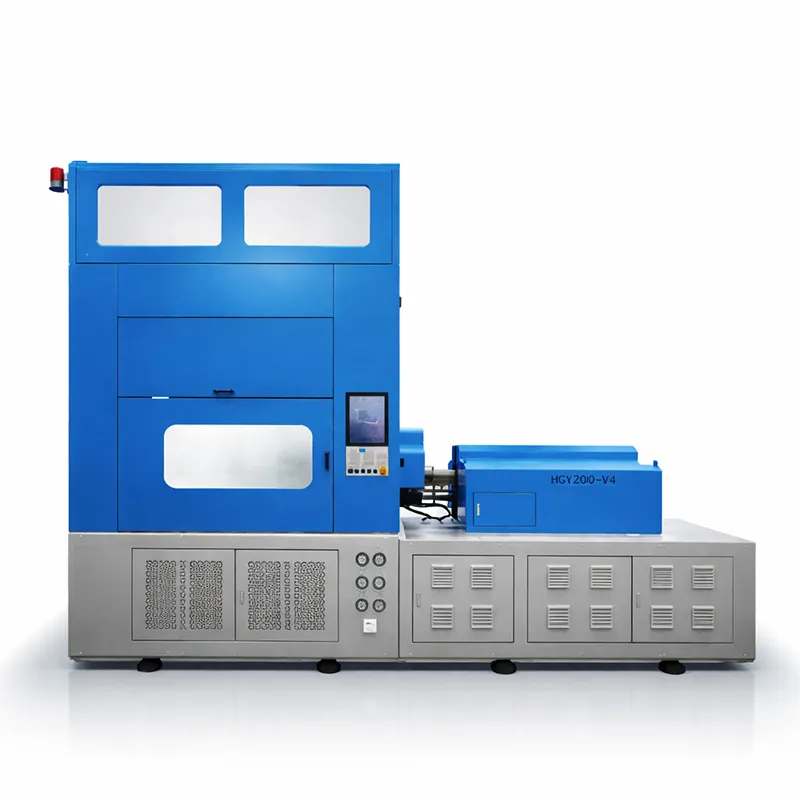
Η διαχείριση της θερμοκρασίας του κορεατικού ISBM για τον έλεγχο του αντιαεροπορικού πυριτίου απαιτεί δύο ανεξάρτητα χειριστήρια: το προφίλ θερμοκρασίας του βαρελιού (η θερμοκρασία ρύθμισης σε κάθε ζώνη από την τροφοδοσία έως το ακροφύσιο) και τον χρόνο παραμονής του τήγματος (πόσο καιρό παραμένει το τήγμα PET στο βαρέλι πριν από την έγχυση). Και τα δύο συμβάλλουν πολλαπλασιαστικά στην παραγωγή αντιαεροπορικού πυριτίου — ένα βαρέλι στους 285°C με χρόνο παραμονής 120 δευτερολέπτων παράγει περίπου το ίδιο αντιαεροπορικό πυρίτιο με ένα βαρέλι στους 295°C με χρόνο παραμονής 60 δευτερολέπτων, επειδή ο ρυθμός παραγωγής αντιαεροπορικού πυριτίου αυξάνεται εκθετικά με τη θερμοκρασία.
Προδιαγραφή θερμοκρασίας βαρελιού PET νερού υψηλής ποιότητας στην Κορέα για AA ≤ 10 μg/φιάλη: Ζώνη 1 (τροφοδοσία) 255–260°C· Ζώνη 2–3 (τήξη) 270–278°C· Ζώνη 4–5 (ακροφύσιο) 278–283°C. Μέγιστη θερμοκρασία ακροφυσίου 285°C — πάνω από αυτό το όριο, η παραγωγή AA αυξάνεται κατά 30–40% ανά βήμα 5°C. Διαχείριση χρόνου παραμονής κορεατικού ISBM: κάθε κύκλος βολής καθαρίζει περίπου 65–80% του όγκου του βαρελιού (ανάλογα με το μέγεθος της βολής έναντι της χωρητικότητας του βαρελιού). Χρόνος παραμονής = όγκος βαρελιού ÷ (όγκος βολής × κύκλοι ανά λεπτό). Για κορεατικό νερό υψηλής ποιότητας 500ml παραγωγής 4 κοιλοτήτων σε κύκλο 10 δευτερολέπτων: χρόνος παραμονής = όγκος βαρελιού ÷ (4 × 0,012L × 6 βολές/λεπτό) ≈ 75–90 δευτερόλεπτα. Ο χρόνος παραμονής άνω των 120 δευτερολέπτων απαιτεί μείωση της θερμοκρασίας της κάννης κατά 3–5°C για να διατηρηθεί ισοδύναμη παραγωγή αντιαεροπορικών πυραύλων. Η διακοπή της παραγωγής κορεατικών ISBM για περισσότερο από 10 λεπτά απαιτεί καθαρισμό της κάννης με 3–5 βολές πριν από την επανέναρξη της παραγωγής με έλεγχο αντιαεροπορικών πυραύλων.
Οι παράμετροι μηχανικής του σταθμού έγχυσης — σχεδιασμός κοχλία κυλίνδρου, ρύθμιση αντίθλιψης και ταχύτητα έγχυσης — που αλληλεπιδρούν με τη θερμοκρασία του κυλίνδρου για να προσδιορίσουν την ομοιογένεια του τήγματος PET και την ομοιομορφία παραγωγής AA βρίσκονται στο Οδηγός μηχανικής σταθμού έγχυσης ISBM της Κορέας.
5. AA Scavenger Masterbatch: Επιλογή και συμμόρφωση με τον KFDA
Η κύρια παρτίδα δέσμευσης AA — μια κύρια παρτίδα φορέα PET που περιέχει δραστικές ενώσεις που δεσμεύουν χημικά μόρια AA εντός της μήτρας PET πριν αυτά μπορέσουν να μεταναστεύσουν στο προϊόν — είναι η πιο αποτελεσματική τεχνολογία αναγωγής AA σε ένα βήμα για την κορεατική παραγωγή ISBM, όπου η θερμοκρασία του βαρελιού και ο χρόνος παραμονής έχουν ήδη βελτιστοποιηθεί. Η κορεατική κύρια παρτίδα δέσμευσης AA ISBM μειώνει τον υπερκείμενο χώρο AA κατά 40–65% σε τυπικές αναλογίες αποβολής (0,05–0,20% LDR), επιτρέποντας στα κορεατικά προμορφώματα PET που παράγονται σε μέτρια αυξημένες συνθήκες παραγωγής AA να πληρούν τις κορεατικές προδιαγραφές premium νερού ≤ 10 μg/φιάλη.
Οι κορεατικές ενώσεις δέσμευσης ISBM AA εμπίπτουν σε δύο χημικές κατηγορίες. Κλάση 1 — δέσμευσης με βάση το πολυαμίδιο (συμπολυμερή νάιλον MXD6 ή ανθρανιλαμιδίου): αντιδρούν με το AA μέσω συμπύκνωσης για να σχηματίσουν σταθερές ενώσεις βάσης Schiff. Η πιο ευρέως χρησιμοποιούμενη κορεατική κατηγορία δέσμευσης ISBM AA — διατίθεται στο εμπόριο ως κύρια παρτίδα φορέα PET από κορεάτες προμηθευτές προσθέτων ρητίνης (INX Korea, διανομή Κορέας Cabot). Συμμόρφωση με την KFDA για την επαφή με τρόφιμα: οι δέσμευσης πολυαμιδίου AA σε ≤ 0,20% LDR βρίσκονται στον θετικό κατάλογο του Κορεατικού Κώδικα Τροφίμων για δοχεία τροφίμων PET με ειδικό όριο μετανάστευσης ≤ 2 mg/kg στον προσομοιωτή τροφίμων. Κλάση 2 — δέσμευσης με βάση αντιοξειδωτικά (σταθεροποιητές παρεμποδισμένης αμίνης σε συγκεκριμένες ποιότητες): μειώνουν τον ρυθμό παραγωγής AA διακόπτοντας την αλυσιδωτή αντίδραση ριζών που παράγει AA κατά τη διάρκεια της βήτα-σχάσης. Δρουν πιο αργά από τους δέσμευσης πολυαμιδίου, αλλά είναι συμβατά με τη συμμόρφωση με τα κορεατικά φαρμακευτικά δοχεία (όπου τα προϊόντα αντίδρασης με βάση το άζωτο πολυαμιδίου ενδέχεται να μην πληρούν τα πρότυπα καθαρότητας δοχείων της Κορεατικής Φαρμακοποιίας). Οι Κορεάτες παραγωγοί φαρμακευτικών φιαλών για πόσιμο υγρό πρέπει να χρησιμοποιούν αντιοξειδωτικούς δεσμευτές κατηγορίας 2 αντί για δεσμευτές πολυαμιδίων — οι δεσμευτές ΑΑ με βάση το πολυαμίδιο περιλαμβάνονται στον κορεατικό κατάλογο θετικών τροφίμων, αλλά όχι στον κορεατικό κατάλογο θετικών φαρμακευτικών δοχείων για εφαρμογές στοματικού υγρού.
Το ευρύτερο πλαίσιο συμβατότητας ρητίνης ISBM της Κορέας — συμπεριλαμβανομένων των φορέων δέσμευσης που είναι συμβατοί με PET έναντι PETG — βρίσκεται στο Οδηγός επιλογής κορεατικής ρητίνης PET έναντι ρητίνης PETG.
6. Κορεατικά Ρυθμιστικά Όρια AA ανά Κατηγορία Εφαρμογής

Τα κορεατικά όρια AA ορίζονται σε τρία κανονιστικά επίπεδα που καθορίζουν την αυστηρότητα ελέγχου παραγωγής που απαιτείται για κάθε κορεατική εφαρμογή ISBM. Επίπεδο 1 — Νόμος περί Ύδρευσης της Κορέας (먹는물관리법): Οι κορεατικές μάρκες εμφιαλωμένου νερού βάσει του Νόμου περί Ύδρευσης της Κορέας πρέπει να αποδεικνύουν ότι η συγκέντρωση AA στο προϊόν εμφιαλωμένου νερού είναι ≤ 40 ppb κατά τη στιγμή της εμφιάλωσης και καθ' όλη τη δηλωμένη διάρκεια ζωής. Στόχος του AA στον υπερκείμενο χώρο της φιάλης για την επίτευξη ≤ 40 ppb AA προϊόντος σε 12μηνη διάρκεια ζωής: ≤ 10–12 μg/υπερκείμενο χώρο της φιάλης αμέσως μετά την παραγωγή ISBM (το υπόλοιπο AA μεταναστεύει στο προϊόν κατά τη διάρκεια ζωής, με περίπου 40–60% υπερκείμενου AA να μεταναστεύουν σε 500 ml νερού σε διάστημα 12 μηνών σε θερμοκρασία περιβάλλοντος της Κορέας). Επίπεδο 2 — Κώδικας Τροφίμων KFDA (식품공전) Πρότυπο δοχείου PET: Μετανάστευση AA στον προσομοιωτή τροφίμων (απεσταγμένο νερό στους 25°C για 72 ώρες) ≤ 90 μg/L για γενικές συσκευασίες PET τροφίμων, ≤ 40 μg/L για δοχεία πόσιμου νερού. Επίπεδο 3 — Δοκιμή εκχυλίσματος φαρμακευτικού δοχείου της Κορεατικής Φαρμακοποιίας: AA ≤ 0,02 mg/L στο υδατικό εκχύλισμα — περίπου 2,5 φορές αυστηρότερο από το όριο KFDA για το κορεατικό δοχείο πόσιμου νερού, που απαιτεί το πρωτόκολλο ελέγχου AA φαρμακευτικής ποιότητας (ελάχιστη ρητίνη PET AA, χωρίς δεσμευτή πολυαμιδίου, ακροφύσιο κυλίνδρου ≤ 275°C, χρόνος παραμονής ≤ 80 δευτερόλεπτα).
Οι αστοχίες ποιότητας που σχετίζονται με την AA —ιδίως το παράπονο για δυσάρεστη γεύση της AA που προκαλεί την απόρριψη εισερχόμενων επιθεωρήσεων για κορεάτικες μάρκες νερού υψηλής ποιότητας— συγκαταλέγονται στα πιο εμπορικά ζημιογόνους συμβάντα ποιότητας κορεάτικων ISBM και αντιμετωπίζονται στο πλαίσιο ελαττωμάτων κορεάτικων ISBM στο Ο οδηγός πεδίου ελαττωμάτων φιάλης ISBM της Κορέας.
7. Μέθοδοι μέτρησης AA για τον έλεγχο παραγωγής ISBM της Κορέας
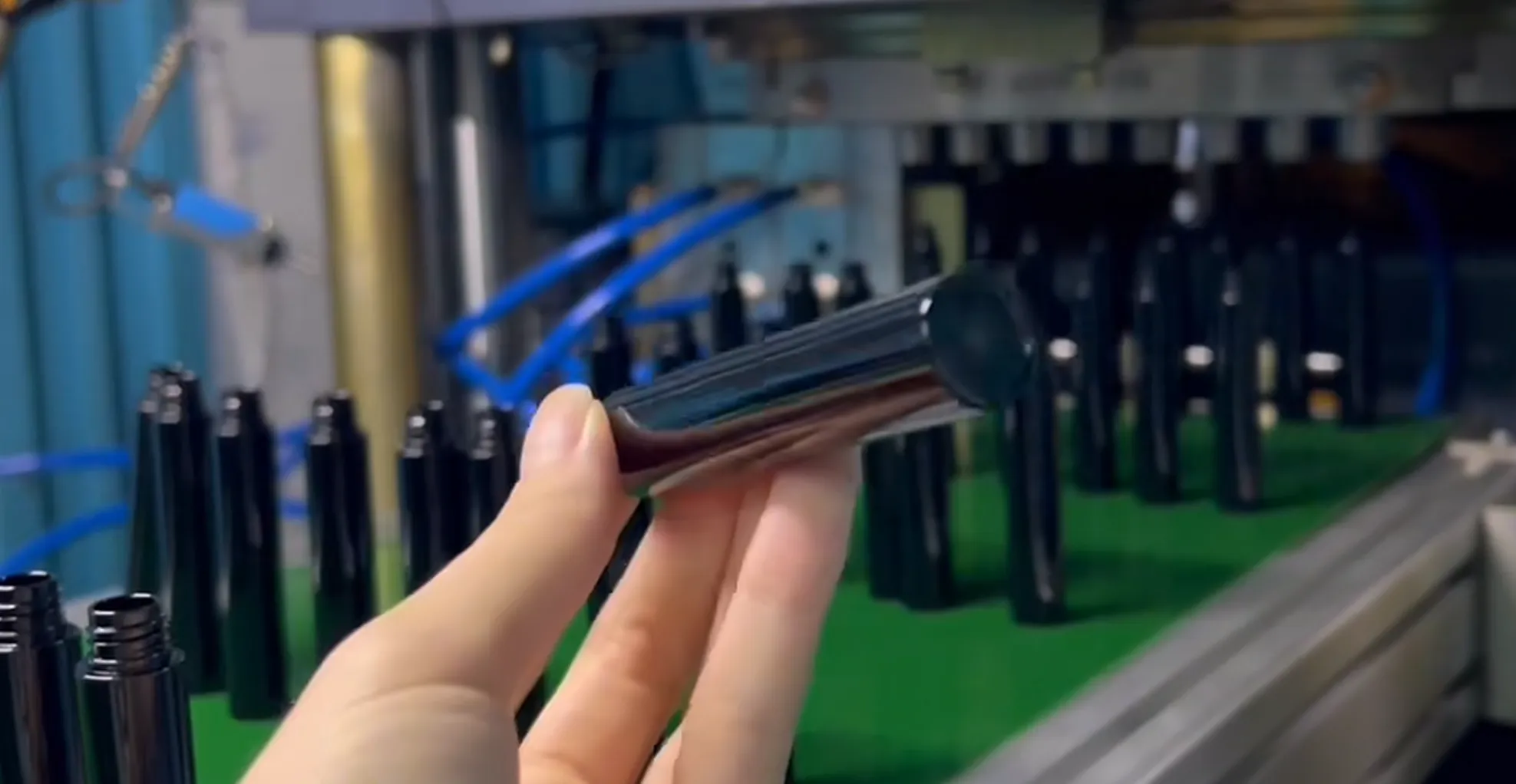
Η κορεατική μέτρηση ISBM AA για τον έλεγχο της παραγωγής χρησιμοποιεί τρεις μεθόδους σε διαφορετικές συχνότητες και επίπεδα ακρίβειας. Μέθοδος 1 — Αεριοχρωματογραφία υπερκείμενου χώρου-FID (οριστική μέθοδος): Τα μπουκάλια σφραγίζονται με πώμα διαφράγματος με επένδυση PTFE, θερμαίνονται στους 80°C για 60 λεπτά για την εκρόφηση του παγιδευμένου στο τοίχωμα ΑΑ στον υπερκείμενο χώρο και ο υπερκείμενος χώρος αναλύεται με αέρια χρωματογραφία με ανιχνευτή ιονισμού φλόγας έναντι ενός βαθμονομημένου προτύπου ΑΑ. Αυτή είναι η καθορισμένη μέθοδος της κορεατικής μάρκας νερού υψηλής ποιότητας για τις δοκιμές αποδοχής παρτίδας — ακρίβεια ±2 μg/φιάλη στο επίπεδο των 10 μg. Μέθοδος 2 — Προδοκιμή ρητίνης ΑΑ (Karl Fischer + βραχεία ΑΑ): ένα δείγμα 5 g αποξηραμένων σφαιριδίων PET σφραγίζεται σε ένα φιαλίδιο, θερμαίνεται στους 150°C για 30 λεπτά και ο υπερκείμενος χώρος ΑΑ μετράται με Αεριοχρωματογραφία. Αυτό επιτρέπει στους Κορεάτες χειριστές ISBM να επαληθεύουν ότι το επίπεδο AA σε αποξηραμένη ρητίνη είναι επαρκές (στόχος ≤ 2 ppm ρητίνη AA) πριν δεσμευτούν για μια σειρά παραγωγής — εάν η ρητίνη AA είναι πάνω από τον στόχο, οι συνθήκες του βαρελιού ή το πρωτόκολλο ξήρανσης μπορούν να προσαρμοστούν πριν σπαταληθεί μια πλήρης παρτίδα παραγωγής. Μέθοδος 3 — Δοκιμή οσμής AA εντός φιάλης (ποιοτική, παρακολούθηση παραγωγής): ένας εκπαιδευμένος Κορεάτης τεχνικός ποιότητας ISBM ανοίγει 5 διαδοχικά μπουκάλια σε θερμοκρασία περιβάλλοντος, αφήνει 10 δευτερόλεπτα για να συσσωρευτούν ατμοί AA στο λαιμό και αξιολογεί για χημική οσμή AA. Αυτή η ποιοτική δοκιμή ανιχνεύει επίπεδα AA πάνω από περίπου 20 μg/φιάλη — χρήσιμη για την ανίχνευση μεγάλων αποκλίσεων AA (απόκλιση θερμοκρασίας βαρελιού, βλάβη ξηραντήρα, παρατεταμένη διακοπή παραγωγής) κατά τη διάρκεια της βάρδιας παραγωγής χωρίς τον χρόνο αναμονής GC 75 λεπτών.
8. Έλεγχος ΑΑ στην Κορεατική Παραγωγή Tritan και PETG ISBM
Το Tritan και το PETG παράγουν ακεταλδεΰδη σε χαμηλότερους ρυθμούς από το τυπικό PET κατά την επεξεργασία των κορεατικών ISBM, αλλά η διαχείριση των AA παραμένει σχετική για τις κορεατικές εφαρμογές που έρχονται σε επαφή με τρόφιμα και τις φαρμακευτικές εφαρμογές. Tritan: σε θερμοκρασίες επεξεργασίας 250–275°C (χαμηλότερες από τις 275–283°C του κορεατικού PET), το Tritan TX1001 παράγει περίπου 0,8–1,5 μg AA ανά γραμμάριο επεξεργασμένης ρητίνης — χαμηλότερα από τα τυπικά PET 1,5–3,0 μg/g σε ισοδύναμη θερμοκρασία επειδή ο τροποποιητής CHDM του Tritan μειώνει την πυκνότητα των εστερικών δεσμών που είναι ευαίσθητοι στη βήτα-σχάση. Ωστόσο, το υψηλότερο εύρος θερμοκρασίας επεξεργασίας του Tritan σε σχέση με το PET (που απαιτείται από την υψηλότερη Tg του Tritan) σημαίνει ότι εάν οι θερμοκρασίες του κυλίνδρου του κορεατικού ISBM δεν μειωθούν από τις ρυθμίσεις παραγωγής PET κατά τη μετάβαση στο Tritan, η παραγωγή AA μπορεί να είναι παρόμοια ή να υπερβαίνει τα επίπεδα PET. Η παραγωγή βρεφικού γάλακτος Tritan σε κορεατικό βάζο (όριο KFDA 0,02 mg/L) απαιτεί θερμοκρασία ακροφυσίου ≤ 270°C και χρόνο παραμονής ≤ 90 δευτερόλεπτα — αυστηρότερο από τις τυπικές ρυθμίσεις παραγωγής καλλυντικών Tritan. PETG: παράγει AA με παρόμοιους ρυθμούς με το Tritan. Τα κορεατικά μπουκάλια καλλυντικών K-Beauty PETG δεν έχουν κορεατικό κανονιστικό όριο AA, αλλά οι ομάδες ποιότητας των κορεατικών επωνυμιών καλλυντικών περιλαμβάνουν αξιολόγηση οσμής AA στην εισερχόμενη επιθεώρησή τους για φιάλες γραφίτη και αιθέριων ελαίων υψηλής ποιότητας — οι φιάλες με ανιχνεύσιμη οσμή AA (από διακυμάνσεις θερμοκρασίας παραγωγής άνω των 272°C) απορρίπτονται από τους κορεάτες ελεγκτές ποιότητας της επωνυμίας K-Beauty. Οι κορεάτες παραγωγοί ISBM που προμηθεύουν premium K-Beauty PETG θα πρέπει να διατηρούν τη θερμοκρασία του ακροφυσίου AA σε ≤ 268°C και να επαληθεύουν ότι δεν υπάρχει οσμή AA σε 10 φιάλες παραγωγής ανά βάρδια ως μέρος του τυπικού ελέγχου ποιότητας παραγωγής, ακόμη και αν δεν υπάρχει συγκεκριμένο όριο ppb στις προδιαγραφές των δοχείων καλλυντικών KFDA.
Συχνές ερωτήσεις
Υποστήριξη Διαχείρισης AA
Κορεατική μάρκα νερού απορρίπτει μπουκάλια νερού λόγω δυσάρεστης γεύσης από τα ανθρακικά άλατα; Αποτυγχάνει το όριο των φαρμακευτικών ανθρακικών άλατων;
Η Korean Ever-Power παρέχει μέτρηση αεριοχρωματογραφίας (GC) στον υπερκείμενο χώρο του AA, έλεγχο προφίλ θερμοκρασίας βαρελιού, επαλήθευση ξήρανσης ρητίνης, τεκμηρίωση συμμόρφωσης KFDA με τον KFDA για την masterbatch συλλογής AA και διαμόρφωση πλατφόρμας HGY200-V4-EV για τον κορεατικό έλεγχο νερού και φαρμακευτικών AA υψηλής ποιότητας.
Σχετικοί Πόροι
Πλατφόρμα Ελέγχου AA
Κορεατικό Ever-Power HGY200-V4
Έλεγχος θερμοκρασίας κυλίνδρου 5 ζωνών με βαθμονόμηση θερμοστοιχείου ανά ζώνη. Συνεπής χρόνος παραμονής για σερβοκινητήρα EV. Αρχείο καταγραφής παραγωγής για την τεκμηρίωση έκδοσης παρτίδας AA.
Εύρος μηχανημάτων
Πεδίο ISBM 4 σταθμών
Όλες οι κορεατικές πλατφόρμες Ever-Power EV περιλαμβάνουν καταγραφή θερμοκρασίας ζώνης βαρελιού και καταγραφή χρόνου κύκλου — τις δύο ροές δεδομένων που απαιτούνται για την τεκμηρίωση έκδοσης παρτίδας νερού και φαρμακευτικών προϊόντων AA στην Κορέα.
Εργαλεία βελτιστοποιημένα με AA
Σχεδιασμός καλουπιού ISBM κατά παραγγελία
Σχεδιασμός κορεατικής πύλης θερμού δρομέα για ελάχιστο χρόνο παραμονής στη ζώνη πύλης υψηλής θερμοκρασίας — μειώνοντας την κορεατική παραγωγή AA στο σημείο έγχυσης κατά 15–25% σε σύγκριση με τα συμβατικά προφίλ πύλης θερμού δρομέα.