
ΟΔΗΓΟΣ ΑΓΟΡΑΣΤΗ
Οδηγός αγοράς μηχανήματος ISBM: 15 κρίσιμες προδιαγραφές που πρέπει να αξιολογήσετε πριν από την αγορά
Ένα μηχάνημα ISBM είναι μια δεκαετής, υψηλού εξαψήφιου κεφαλαίου δέσμευση. Αν κάνετε λάθος στις προδιαγραφές στο στάδιο της αγοράς, καμία λειτουργική ευφυΐα δεν θα σας σώσει αργότερα. Αυτός ο οδηγός παρουσιάζει τις 15 προδιαγραφές που πραγματικά έχουν σημασία — με τιμές αναφοράς για την κορεατική παραγωγική πραγματικότητα και τις ερωτήσεις που πρέπει να θέσει σε κάθε προμηθευτή πριν από την υπογραφή.
Σε αυτόν τον οδηγό
- Γιατί οι αποφάσεις αγοράς ISBM είναι λανθασμένες
- Προδιαγραφές 1-5: Βασικές μηχανικές παράμετροι
- Προδιαγραφές 6-10: Συστήματα Διεργασιών & Ελέγχου
- Προδιαγραφές 11-15: Απαιτήσεις λειτουργίας και υποστήριξης
- 7 Ερωτήσεις που πρέπει να Κάνετε σε Κάθε Προμηθευτή
- Κόκκινες σημαίες που θα πρέπει να σας κάνουν να φύγετε
- Συμπέρασμα και επόμενα βήματα
Γιατί οι αποφάσεις αγοράς ISBM είναι λανθασμένες
Οι Κορεάτες κατασκευαστές συσκευασιών δαπανούν συστηματικά από 1,4 δισεκατομμύρια δολάρια ΗΠΑ (1,250.000 έως 1,4 δισεκατομμύρια δολάρια ΗΠΑ) για την αγορά μίας μόνο μηχανής ISBM, η οποία θα καθορίσει τα οικονομικά της παραγωγής τους για την επόμενη δεκαετία. Ωστόσο, η διαδικασία αξιολόγησης είναι συχνά εκπληκτικά αδόμητη: μερικές προσφορές προμηθευτών συγκρίνονται με βάση την αρχική τιμή, τον χρόνο παράδοσης και τις υποκειμενικές εντυπώσεις για την ανταπόκριση των προμηθευτών. Κρίσιμες τεχνικές προδιαγραφές που θα καθορίσουν την ποιότητα της φιάλης, τον χρόνο κύκλου, την ενεργειακή απόδοση και την αξιοπιστία λειτουργίας για ολόκληρη τη 10ετή ζωή της μηχανής συχνά παραβλέπονται, λαμβάνοντας υπόψη τους αριθμούς των δελτίων δεδομένων του προμηθευτή ως έχουν χωρίς ανεξάρτητη επικύρωση.
Αυτή η μη δομημένη αξιολόγηση είναι ο τρόπος με τον οποίο τα κορεατικά εργοστάσια καταλήγουν με μηχανήματα ISBM που ονομαστικά πληρούν τις προδιαγραφές τους, αλλά δεν παράγουν την αναμενόμενη παραγωγική απόδοση, καταναλώνουν περισσότερη ενέργεια από την προβλεπόμενη ή απαιτούν σημαντικά μεγαλύτερη παρέμβαση χειριστή από ό,τι θα χρειάζονταν οι ανταγωνιστικές εναλλακτικές λύσεις. Οι τρόποι αστοχίας είναι προβλέψιμοι και μπορούν να αποφευχθούν — ανάγονται στην έλλειψη τεχνικής αξιολόγησης στο στάδιο της αγοράς και καθίστανται μόνιμα λειτουργικά μειονεκτήματα μόλις οριστικοποιηθεί η κεφαλαιακή δέσμευση. Η αντικατάσταση μιας μηχανής ISBM με κακές προδιαγραφές δεν είναι σχεδόν ποτέ οικονομικά βιώσιμη. Ο Κορεάτης αγοραστής απλώς ζει με τους συμβιβασμούς στην παραγωγή για ολόκληρη τη 10ετή λειτουργική ζωή.
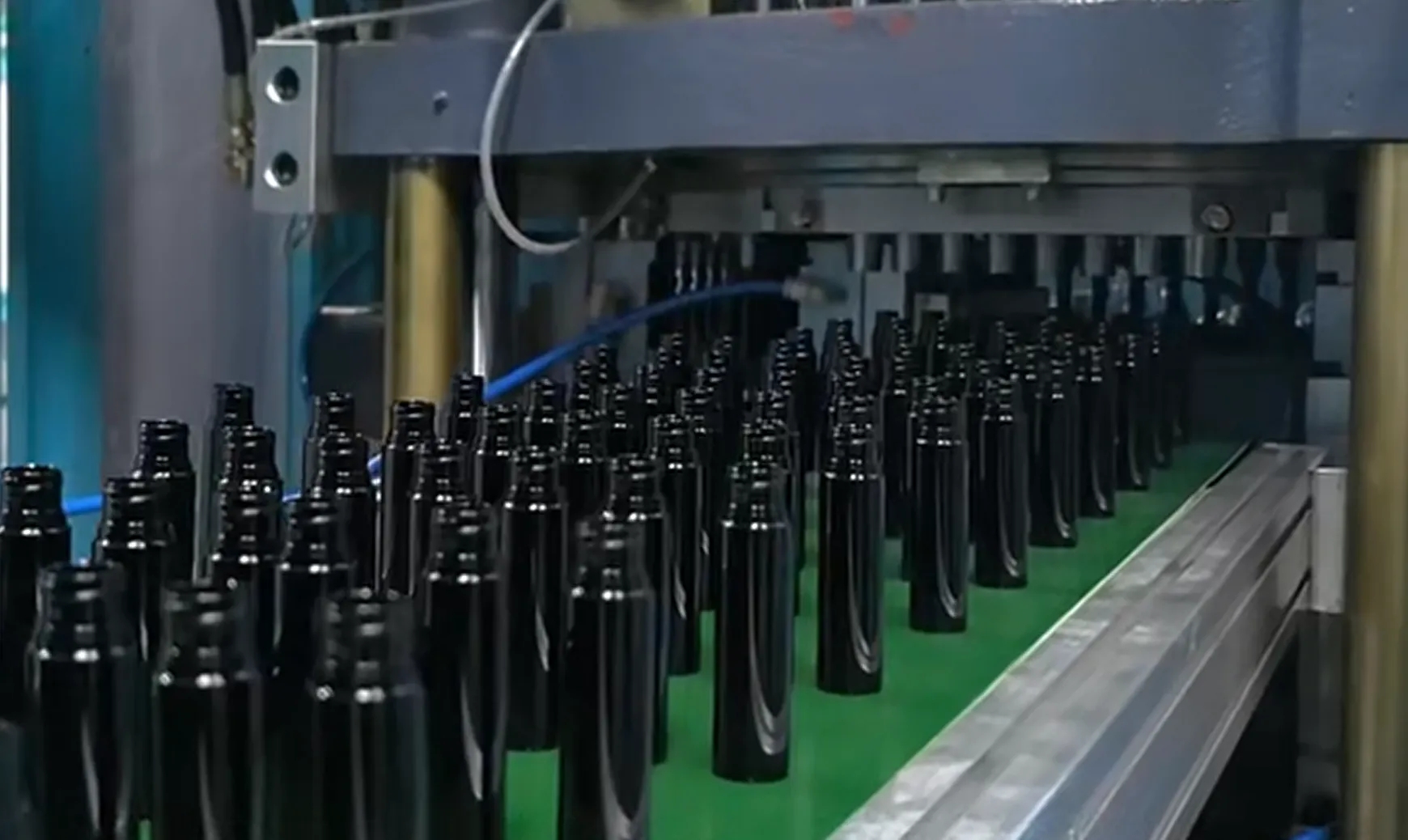
Αυτός ο οδηγός παρέχει τις 15 προδιαγραφές που έχουν πραγματικά σημασία κατά την αξιολόγηση μιας αγοράς μηχανής ISBM. Κάθε προδιαγραφή περιλαμβάνει τιμές αναφοράς που αντιπροσωπεύουν την κορεατική πραγματικότητα παραγωγής, τις συγκεκριμένες ερωτήσεις που πρέπει να κάνετε στους προμηθευτές σχετικά με αυτήν την προδιαγραφή και τις προειδοποιητικές σημαίες που θα πρέπει να σας κάνουν να μην ακολουθήσετε μια συγκεκριμένη προσφορά. Η επεξεργασία αυτού του πλαισίου πριν από την υπογραφή μιας παραγγελίας αγοράς διαρκεί συνήθως 8 έως 12 ώρες χρόνου μηχανικής αξιολόγησης, αλλά αποτρέπει τα χρόνια αναποτελεσματικότητας της παραγωγής που προκύπτουν από βιαστικές αποφάσεις προδιαγραφών. Το πλαίσιο ισχύει εξίσου για τις πρώτες αγορές ISBM, την επέκταση της παραγωγικής ικανότητας σε πρόσθετα μηχανήματα και τις αγορές αντικατάστασης για παλαιωμένο εξοπλισμό.
Πριν εμβαθύνετε σε μεμονωμένες προδιαγραφές, βεβαιωθείτε ότι έχετε ήδη αντιμετωπίσει τις δύο πιο σημαντικές αρχιτεκτονικές αποφάσεις: αριθμός σταθμών (3, 4 ή 6) και αρχιτεκτονική διεργασιών ενός βήματος έναντι διβάθμιας αρχιτεκτονικής διεργασιώνΑυτές οι αποφάσεις καθοδηγούν την υπόλοιπη διαδικασία καθορισμού προδιαγραφών και δεν μπορούν να ενσωματωθούν εκ των υστέρων σε ένα ήδη αγορασμένο μηχάνημα.
Προδιαγραφές 1-5: Βασικές μηχανικές παράμετροι
Οι πρώτες πέντε προδιαγραφές καλύπτουν τις βασικές μηχανικές δυνατότητες του μηχανήματος. Αν τις κάνετε λάθος, καμία ρύθμιση της διαδικασίας, η πολυπλοκότητα του λογισμικού ή η λειτουργική εξειδίκευση δεν θα αντισταθμίσουν το έλλειμμα.
Προδιαγραφή #1: Δύναμη σύσφιξης έγχυσης
Η δύναμη σύσφιξης έγχυσης κρατά το καλούπι προπλάσματος κλειστό έναντι της πίεσης στην κοιλότητα κατά την έγχυση. Οι τυπικές τιμές για την κορεατική παραγωγή ISBM κυμαίνονται από 150 KN για συμπαγή καλλυντικά εργαλεία 4 κοιλοτήτων έως 785 KN για τις πιο βαριές φαρμακευτικές διαμορφώσεις 6 κοιλοτήτων. BPET-94V3 Παρέχει 785 KN, η οποία είναι η κορυφαία προδιαγραφή στον κλάδο στην κατηγορία 3 σταθμών. Η ανεπαρκής δύναμη σύσφιξης προκαλεί ξεφλούδισμα του καλουπιού στις διαχωριστικές γραμμές και αναγκάζει τη μείωση του αριθμού των κοιλοτήτων για να παρακάμψει τον περιορισμό. Να ελέγχετε πάντα ότι η δύναμη σύσφιξης υπερβαίνει την προβλεπόμενη μέγιστη διαμόρφωση κοιλοτήτων κατά τουλάχιστον 15 τοις εκατό περιθώριο ασφαλείας.
Προδιαγραφή #2: Δύναμη σύσφιξης με φύσημα ανά πλευρά
Η δύναμη σύσφιξης με φύσημα κρατά το καλούπι φυσήματος κλειστό κατά τη φάση εκτόνωσης με αέρα υψηλής πίεσης. Οι τυπικές τιμές κυμαίνονται από 115 KN έως 298 KN ανάλογα με το μέγεθος της μηχανής, τον όγκο της φιάλης και τον αριθμό των κοιλοτήτων. Οι εφαρμογές με ευρύ στόμιο (βάζα kimchi 148 mm, δοχεία μελιού) απαιτούν δυσανάλογα υψηλότερη σύσφιξη με φύσημα, επειδή η προβαλλόμενη περιοχή της φιάλης είναι μεγαλύτερη σε σχέση με την περιοχή φινιρίσματος του λαιμού. BPET-125V4 Βαρέως Τύπου Παρέχει σφίξιμο 286 KN, ειδικά σχεδιασμένο για παραγωγή βάζων τροφίμων με ευρύ στόμιο 148 mm.
Προδιαγραφή #3: Διάμετρος βίδας και λόγος L/D
Η διάμετρος της βίδας πλαστικοποίησης καθορίζει τον μέγιστο όγκο βολής (πόση λιωμένη ρητίνη μπορεί να εγχυθεί ανά κύκλο) και ο λόγος L/D (μήκος προς διάμετρο) καθορίζει την ποιότητα πλαστικοποίησης. Οι τυπικές διάμετροι των βιδών κυμαίνονται από 45 έως 60 mm για συμπαγείς μηχανές ISBM. Ο λόγος L/D 22:1 είναι επαρκής για το τυπικό PET. Απαιτείται 24:1 για ομοιόμορφη πλαστικοποίηση ρητινών μηχανικής όπως Tritan και PPSU. Επαληθεύετε πάντα και τις δύο διαστάσεις σε σχέση με το μέγιστο προβαλλόμενο μέγεθος βολής και τις προδιαγραφές ρητίνης.
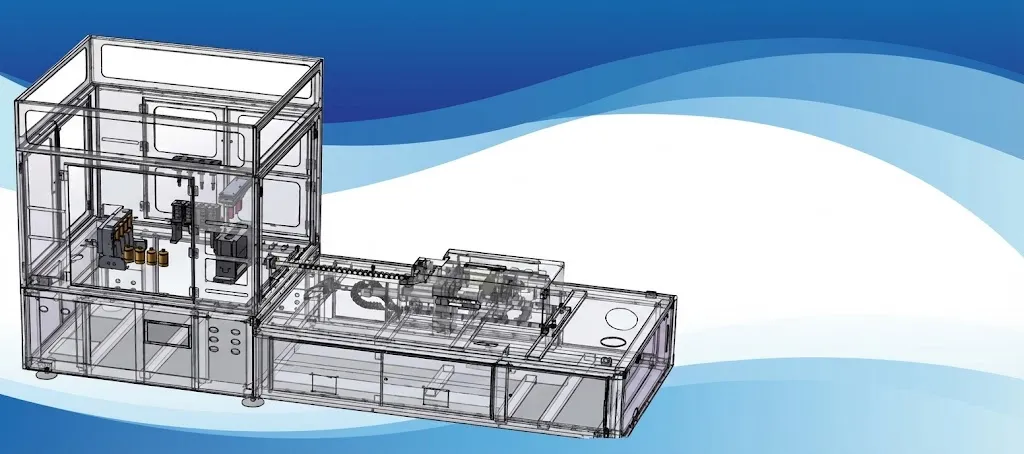
Προδιαγραφή #4: Θεωρητικός όγκος έγχυσης
Ο θεωρητικός όγκος έγχυσης (σε κυβικά εκατοστά ανά βολή) καθορίζει τον μέγιστο συνολικό όγκο προπλάσματος που μπορεί να παράγει το μηχάνημα σε έναν μόνο κύκλο σε όλες τις κοιλότητες μαζί. Οι κορεάτες εργολάβοι πλήρωσης που προβλέπουν αύξηση από 4 κοιλότητες σε 8 κοιλότητες ή 12 κοιλότητες κατά τη διάρκεια ζωής του μηχανήματος πρέπει να διαστασιολογούν τον όγκο έγχυσης ώστε να υποστηρίζει τον υψηλότερο προβλεπόμενο αριθμό κοιλοτήτων, όχι μόνο την αρχική απαίτηση. Η εκ των υστέρων τοποθέτηση μεγαλύτερων βιδών μετά τη θέση σε λειτουργία είναι δυνατή, αλλά συνήθως κοστίζει 30 έως 40 τοις εκατό της αρχικής τιμής του μηχανήματος.
Προδιαγραφή #5: Υποστηριζόμενο εύρος μέτρησης κοιλοτήτων
Κάθε μηχάνημα έχει έναν πρακτικό ελάχιστο και μέγιστο αριθμό κοιλοτήτων με βάση το μέγεθος της πλάκας, τη δύναμη σύσφιξης και τον όγκο έγχυσης. Οι προδιαγραφές συνήθως εκφράζουν αυτό ως εύρος (π.χ., 1 έως 12 κοιλότητες για έναν μεσαίου μεγέθους σταθμό 4). Οι Κορεάτες αγοραστές που σχεδιάζουν επέκταση του χαρτοφυλακίου προϊόντων πρέπει να επαληθεύσουν ότι το υποστηριζόμενο εύρος καλύπτει τόσο τον μικρότερο αρχικό αριθμό κοιλοτήτων (π.χ., 4 κοιλότητες για πιλοτική παραγωγή) όσο και τη μέγιστη προβλεπόμενη διαμόρφωσή τους (π.χ., 12 κοιλότητες για ώριμη παραγωγή). Η αγορά ενός μηχανήματος με ανεπαρκές εύρος ανώτερων κοιλοτήτων δεσμεύει την εγκατάσταση σε περιορισμούς εξόδου για ολόκληρη τη διάρκεια ζωής του μηχανήματος.
Προδιαγραφές 6-10: Συστήματα Διεργασιών & Ελέγχου
Οι επόμενες πέντε προδιαγραφές καλύπτουν τη δυνατότητα ελέγχου διεργασιών. Αυτές οι προδιαγραφές καθορίζουν εάν το μηχάνημά σας μπορεί πραγματικά να παρέχει την ακρίβεια διεργασίας που απαιτείται για εφαρμογές υψηλής ποιότητας στην Κορέα — διαύγεια καλλυντικών K-beauty, φαρμακευτική διαστατική συνοχή, έλεγχος μόλυνσης από επαφή με τρόφιμα.
Προδιαγραφή #6: Μέγιστος όγκος φιάλης και διάμετρος λαιμού
Κάθε μηχανή έχει μέγιστο όγκο φιάλης (λίτρα) και μέγιστη διάμετρο λαιμού (mm) που μπορεί να παράγει αξιόπιστα. Οι εφαρμογές σε κορεατικά βάζα τροφίμων που απαιτούν λαιμούς πλάτους 148 mm επιβάλλουν την επιλογή συγκεκριμένων μηχανημάτων βαρέως τύπου. Τα περισσότερα μηχανήματα ISBM τυπικής χρήσης έχουν διάμετρο λαιμού 95 mm. Ομοίως, η παραγωγή γαλονιών νερού 5 λίτρων απαιτεί μηχανήματα με διαστάσεις κοιλότητας φυσήματος που υποστηρίζουν τον πλήρη όγκο της φιάλης. Πάντα να επαληθεύετε τόσο τις προδιαγραφές όγκου όσο και τις διαστάσεις του λαιμού σε σχέση με το χαρτοφυλάκιο μπουκαλιών σας, συμπεριλαμβανομένων τυχόν προγραμματισμένων μελλοντικών SKU.
Προδιαγραφή #7: Μάρκα και επαναληψιμότητα σερβοκινητήρα
Οι σερβοκινητήρες κινούν την κίνηση της ράβδου τάνυσης, τη σύσφιξη του καλουπιού και τις ακολουθίες ρομποτικής εξαγωγής. Οι κορυφαίες ιαπωνικές ή ευρωπαϊκές μάρκες σερβοκινητήρων (Yaskawa, Mitsubishi, Siemens, Rexroth) παρέχουν επαναληψιμότητα θέσης εντός 0,05 mm σε εκατομμύρια κύκλους. Οι οικονομικές γενικές μάρκες σερβοκινητήρων μεταβάλλονται με την πάροδο του χρόνου, προκαλώντας διακύμανση της διαδικασίας που μεταφράζεται σε ασυνέπεια ποιότητας από φιάλη σε φιάλη. Ελέγχετε πάντα τη μάρκα, τις προδιαγραφές και τους όρους εγγύησης του σερβοκινητήρα. Οι κορεάτες συμβασιούχοι πληρωτές που παράγουν φαρμακευτικά μπουκάλια που ρυθμίζονται από την KFDA θα πρέπει να δέχονται μόνο κορυφαίες ιαπωνικές ή ευρωπαϊκές προδιαγραφές σερβοκινητήρων.
Προδιαγραφή #8: Ισχύς θέρμανσης και θερμική σταθερότητα
Η συνολική θερμαντική ισχύς σε κιλοβάτ καθορίζει τον χρόνο αύξησης της θερμοκρασίας από την ψυχρή εκκίνηση και την ικανότητα ανάκτησης θερμότητας κατά την παραγωγή υψηλής απόδοσης. Οι τυπικές τιμές κυμαίνονται από 20 έως 55 kW ανάλογα με το μέγεθος του μηχανήματος. Εξίσου σημαντική είναι η θερμική σταθερότητα: το μηχάνημα πρέπει να διατηρεί θερμοκρασίες κυλίνδρου εντός 1,5 βαθμών Κελσίου κατά τη διάρκεια παρατεταμένης λειτουργίας. Η ευρύτερη θερμική διακύμανση παράγει διακύμανση βάρους από κοιλότητα σε κοιλότητα φιάλης που μειώνει τα οικονομικά της παραγωγής. Να ζητάτε πάντα γραπτώς τις προδιαγραφές θερμικής σταθερότητας, όχι μόνο τις ονομαστικές ονομαστικές τιμές θερμαντικής ισχύος.
Προδιαγραφή #9: Στοιχεία υδραυλικού συστήματος
Παρά τη στροφή προς τη σερβοηλεκτρική λειτουργία, οι περισσότερες μηχανές ISBM εξακολουθούν να χρησιμοποιούν υδραυλικά συστήματα για ορισμένες λειτουργίες (σύσφιξη πλακών σε μηχανήματα βαρέως τύπου, έλεγχος θερμοκρασίας καλουπιού). Τα υψηλής ποιότητας ευρωπαϊκά υδραυλικά εξαρτήματα (Rexroth, Bosch) προσφέρουν διάρκεια ζωής άνω των 10 ετών με ελάχιστη συντήρηση. Τα οικονομικά υδραυλικά συστήματα γενικής χρήσης απαιτούν ετήσια αντικατάσταση στεγανοποίησης και εμφανίζουν διαρροές που μολύνουν τον χώρο παραγωγής. Για κορεατικές φαρμακευτικές εφαρμογές όπου οποιαδήποτε υδραυλική μόλυνση προκαλεί κανονιστική αναθεώρηση, προτιμώνται οι διαμορφώσεις πλήρους σερβομηχανισμού.
Προδιαγραφή #10: Μάρκα και χαρακτηριστικά ελεγκτή PLC
Ο ελεγκτής PLC (συνήθως Siemens, Mitsubishi ή Omron σε μηχανήματα της κορεατικής αγοράς) διαχειρίζεται ολόκληρο τον κύκλο παραγωγής και αποθηκεύει συνταγές διεργασίας για διαφορετικά SKU φιαλών. Χαρακτηριστικά που έχουν σημασία: αριθμός θέσεων αποθήκευσης συνταγών (τουλάχιστον 50 για κορεάτες κατασκευαστές συμβολαίων με ποικίλα χαρτοφυλάκια SKU), καταγραφή δεδομένων διεργασίας σε πραγματικό χρόνο, απομακρυσμένη διαγνωστική συνδεσιμότητα, επιλογή HMI στην κορεατική γλώσσα και ενσωμάτωση με συστήματα MES εργοστασιακού επιπέδου. Να επαληθεύετε πάντα τα χαρακτηριστικά του PLC σε σχέση με τις λειτουργικές σας απαιτήσεις, όχι μόνο με το εμπορικό σήμα.
Προδιαγραφές 11-15: Απαιτήσεις λειτουργίας και υποστήριξης
Οι πέντε τελευταίες προδιαγραφές καλύπτουν λειτουργικούς παράγοντες που καθορίζουν το συνολικό κόστος ιδιοκτησίας και τη μακροπρόθεσμη λειτουργικότητα στην κορεατική αγορά. Αυτές είναι οι προδιαγραφές που παραβλέπονται συχνότερα κατά την προμήθεια, αλλά έχουν τον μεγαλύτερο αντίκτυπο στην καθημερινή πραγματικότητα της παραγωγής.
Προδιαγραφή #11: Βάρος και ακαμψία μηχανής
Το βάρος της μηχανής αποτελεί δείκτη της δομικής ακαμψίας. Οι βαρύτερες μηχανές (συνήθως 5 έως 16 τόνοι για ISBM της κορεατικής αγοράς) αντιστέκονται στη μηχανική παραμόρφωση που προκαλεί την εμφάνιση μούχλας και τη διαστασιολογική διακύμανση υπό επαναλαμβανόμενους κύκλους υψηλής δύναμης. Οι εξαιρετικά ελαφριές μηχανές χαμηλού κόστους μπορεί να φαίνονται οικονομικές, αλλά να είναι ευέλικτες υπό συνεχή παραγωγή, παράγοντας προβλήματα ποιότητας που δεν διορθώνονται από καμία ρύθμιση της διαδικασίας. HGYS280-V6 6-Σταθμός Η πλατφόρμα ζυγίζει 14 τόνους ειδικά για να αντέχει στα μηχανικά φορτία της παραγωγής μεγάλου όγκου διπλού ψεκασμού.
Προδιαγραφή #12: Συνολική κατανάλωση ισχύος έναντι σταθερής κατάστασης
Οι προδιαγραφές συνήθως δείχνουν τη συνολική εγκατεστημένη ηλεκτρική ισχύ (π.χ., 53,2 kW για το HGYS280-V6), αλλά η πραγματική κατανάλωση παραγωγής σε σταθερή κατάσταση είναι χαμηλότερη — συνήθως 55 έως 70 τοις εκατό της εγκατεστημένης ισχύος. Οι Κορεάτες αγοραστές θα πρέπει να ζητήσουν και τους δύο αριθμούς: η εγκατεστημένη ισχύς καθορίζει το μέγεθος των ηλεκτρικών υπηρεσιών της εγκατάστασης, ενώ η κατανάλωση σε σταθερή κατάσταση καθορίζει το συνεχές λειτουργικό κόστος. Τα μηχανήματα υψηλής ποιότητας λειτουργούν αποτελεσματικά κοντά στο κατώτερο άκρο του εύρους σταθερής κατάστασης χάρη στις σερβοηλεκτρικές αρχιτεκτονικές. Τα μηχανήματα χαμηλού κόστους λειτουργούν αναποτελεσματικά στο ανώτερο άκρο λόγω υδραυλικών και πνευματικών παρασιτικών φορτίων.
Προδιαγραφή #13: Συμβατότητα με καλούπι
Για τις κορεατικές εγκαταστάσεις που αντικαθιστούν τον παλαιωμένο ιαπωνικό εξοπλισμό ISBM, η συμβατότητα με τα καλούπια είναι συχνά η πιο σημαντική προδιαγραφή. Το HGY150-V4 της Ever-Power είναι διαστατικά συμβατό με τα ιαπωνικά καλούπια ASB-12M, το HGY250-V4 με το ASB-70DPH, το HGY200-V4 με το Aoki 250 — επιτρέποντας την άμεση επαναχρησιμοποίηση του υπάρχοντος αποθέματος καλουπιών αξίας εκατοντάδων χιλιάδων δολαρίων. Να επαληθεύετε πάντα τη συμβατότητα των καλουπιών με το υπάρχον απόθεμα εργαλείων πριν από την αγορά και να ζητάτε σχέδια μοτίβων πλακών για επαλήθευση διαστάσεων κατά τη φάση της προμήθειας.
Προδιαγραφή #14: Θέση σε λειτουργία, Εκπαίδευση, Όροι εγγύησης
Οι όροι θέσης σε λειτουργία καθορίζουν τον τρόπο εγκατάστασης και εκκίνησης του μηχανήματος στις εγκαταστάσεις σας. Η θέση σε λειτουργία στην κορεατική αγορά θα πρέπει να περιλαμβάνει την επιτόπια ανάπτυξη μηχανικού που μιλάει κορεάτικα, ελάχιστη εκπαίδευση χειριστή 3 ημερών στα κορεάτικα, επικύρωση της πρώτης φιάλης του αντικειμένου στη ρητίνη που έχετε καθορίσει και 30ήμερη απομακρυσμένη υποστήριξη κατά την έναρξη της παραγωγής. Οι όροι εγγύησης θα πρέπει να περιλαμβάνουν ελάχιστη εγγύηση 12 μηνών ή 5 εκατομμυρίων κύκλων για κατασκευαστικά ελαττώματα, με συγκεκριμένες δεσμεύσεις αποθέματος ανταλλακτικών για τη δυνατότητα συντήρησης στην Κορέα.
Προδιαγραφή #15: Δίκτυο εξυπηρέτησης μετά την πώληση και ανταλλακτικών στην Κορέα
Η μακροπρόθεσμη επιτυχία της επένδυσής σας σε ISBM εξαρτάται από τη διαθεσιμότητα ανταλλακτικών και την προσβασιμότητα στην τεχνική υποστήριξη στην Κορέα. Η Ever-Power διατηρεί απόθεμα κοινών ανταλλακτικών στην περιφερειακή αποθήκη της Ansan για αποστολή την ίδια ημέρα στους προορισμούς Gyeonggi-do, Seoul και Incheon, με παράδοση φορτίου KTX την επόμενη ημέρα στο Busan, Daegu και Gwangju. Οι ανώτεροι μηχανικοί μας που μιλούν κορεάτικα είναι διαθέσιμοι για αποστολή επί τόπου εντός 5 εργάσιμων ημερών. Να επαληθεύετε πάντα την υποδομή ανταλλακτικών προμηθευτών και τους χρόνους απόκρισης τεχνικής υποστήριξης ως τεκμηριωμένες δεσμεύσεις και όχι ως ισχυρισμούς μάρκετινγκ.
7 Ερωτήσεις που πρέπει να Κάνετε σε Κάθε Προμηθευτή
Πέρα από τις 15 τεχνικές προδιαγραφές, επτά διαγνωστικές ερωτήσεις βοηθούν στον διαχωρισμό των σοβαρών προμηθευτών από τις εναλλακτικές λύσεις που βασίζονται στο μάρκετινγκ. Υποβάλετε αυτές τις ερωτήσεις σε κάθε προμηθευτή που εξετάζετε. Οι απαντήσεις τους αποκαλύπτουν σημαντικά περισσότερα για την πραγματικότητα της παραγωγής από τις βασικές προδιαγραφές.
- Μπορείτε να μας δώσετε συστάσεις από Κορεάτες πελάτες που χρησιμοποιούν αυτό το συγκεκριμένο μοντέλο για τουλάχιστον 2 χρόνια; Οι σοβαροί προμηθευτές παρέχουν 3+ συστάσεις με διάρκεια λειτουργίας, προδιαγραφές SKU και προθυμία να φιλοξενήσουν επισκέψεις σε εγκαταστάσεις. Οι προμηθευτές με γνώμονα το μάρκετινγκ προσφέρουν αόριστες μαρτυρίες χωρίς επαληθεύσιμο βάθος.
- Ποιο είναι το απόθεμα ανταλλακτικών σας που φυλάσσεται στην περιφερειακή αποθήκη της Κορέας; Η Ever-Power διατηρεί πάνω από 200 είδη γραμμής στο Ansan για αποστολή αυθημερόν στην Κορέα. Οι πιο αδύναμοι προμηθευτές αναφέρονται σε απομακρυσμένες τοποθεσίες κόμβων Ασίας-Ειρηνικού με χρόνους αποστολής 2-3 εβδομάδων για κρίσιμα ανταλλακτικά.
- Μπορώ να επισκεφτώ το εργοστάσιό σας πριν κάνω την παραγγελία; Οι προμηθευτές ποιότητας ενθαρρύνουν ενεργά τις επισκέψεις στις εγκαταστάσεις πριν από την αγορά, συμπεριλαμβανομένης της γραμμής συναρμολόγησης, του χώρου δοκιμών χύτευσης ISBM και του εργαστηρίου ποιοτικού ελέγχου. Η απροθυμία να φιλοξενήσει κανείς επισκέψεις αποτελεί σημαντικό προειδοποιητικό σημάδι σχετικά με την ουσία του προμηθευτή.
- Θα εκτελέσει η μηχανή δοκιμαστική παραγωγή με βάση τις προδιαγραφές ρητίνης και φιάλης μου πριν από την αποστολή; Οι προμηθευτές υψηλής ποιότητας επικυρώνουν κάθε μηχάνημα με ρητίνη και γεωμετρία φιάλης που καθορίζονται από τον πελάτη κατά τη διάρκεια των δοκιμών αποδοχής στο εργοστάσιο. Οι προμηθευτές με χαμηλό προϋπολογισμό παραλείπουν αυτό το βήμα, αφήνοντας τον Κορεάτη αγοραστή να ανακαλύψει αναντιστοιχίες προδιαγραφών μετά την εγκατάσταση του μηχανήματος στις εγκαταστάσεις του.
- Για ποια συγκεκριμένη απόκλιση βάρους από μπουκάλι σε μπουκάλι μπορείτε να δεσμευτείτε γραπτώς; Οι σοβαροί προμηθευτές δεσμεύονται σε συγκεκριμένους αριθμούς (π.χ., εντός 0,2 γραμμαρίων σε όλες τις κοιλότητες) ως μέρος των κριτηρίων Δοκιμής Αποδοχής Εργοστασίου. Οι πιο αδύναμοι προμηθευτές παρέχουν αόριστες διαβεβαιώσεις χωρίς αριθμητικές δεσμεύσεις.
- Ποιος συγκεκριμένα είναι ο υπεύθυνος τεχνικής υποστήριξης στην Κορέα και ποια είναι η άμεση δέσμευση χρόνου απόκρισης που έχει; Οι ποιοτικοί προμηθευτές ονομάζουν συγκεκριμένους μηχανικούς με έδρα την Κορέα με τεκμηριωμένες δεσμεύσεις χρόνου απόκρισης (π.χ., απόκριση 4 ωρών, 24ωρη αποστολή επιτόπου για επείγοντα ζητήματα). Οι πιο αδύναμοι προμηθευτές δρομολογούν όλη την υποστήριξη μέσω των διεθνών κεντρικών γραφείων με πολυήμερες καθυστερήσεις απόκρισης.
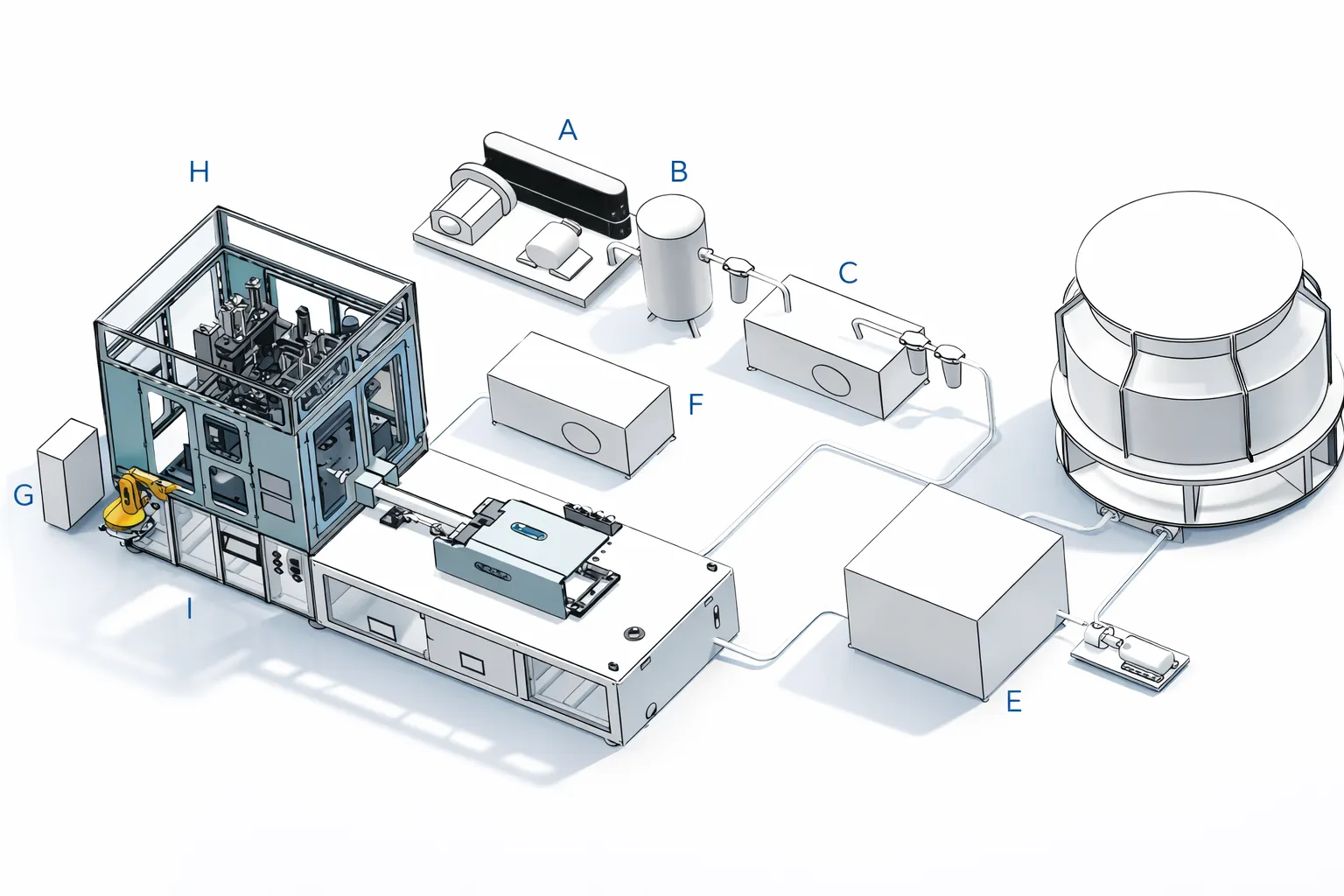
- Μπορείτε να παράσχετε μια λεπτομερή προδιαγραφή προετοιμασίας εγκαταστάσεων 12 εβδομάδες πριν από την προγραμματισμένη παράδοση; Οι σοβαροί προμηθευτές παρέχουν ολοκληρωμένες προδιαγραφές ηλεκτρικής ενέργειας, πεπιεσμένου αέρα, νερού ψύξης και φόρτωσης δαπέδου πολύ πριν από την άφιξη του μηχανήματος, επιτρέποντας στις κορεατικές εγκαταστάσεις να ολοκληρώσουν την προετοιμασία χωρίς συγκρούσεις στο χρονοδιάγραμμα. Οι ασθενέστεροι προμηθευτές παρέχουν τις προδιαγραφές των εγκαταστάσεων κατά την άφιξη του μηχανήματος, προκαλώντας καθυστερήσεις στην έναρξη λειτουργίας.
Κόκκινες σημαίες που θα πρέπει να σας κάνουν να φύγετε
Πέντε συγκεκριμένα μοτίβα στις προσφορές προμηθευτών υποδηλώνουν προβλήματα που καμία διαπραγμάτευση σύμβασης δεν θα επιλύσει. Η αντιμετώπιση οποιουδήποτε από αυτά κατά την αξιολόγηση θα πρέπει να οδηγήσει στην αποχώρηση από τον προμηθευτή και όχι στην προσπάθεια διαπραγμάτευσης για την παράκαμψη του ζητήματος.
Προειδοποιητικό Σήμα 1: Απροθυμία για επίσκεψη στο εργοστάσιο πριν από την αγορά
Οι προμηθευτές που διστάζουν να φιλοξενήσουν επισκέψεις σε εγκαταστάσεις Κορεατών αγοραστών συχνά έχουν κάτι να κρύψουν — συνθήκες συναρμολόγησης κατώτερες των προδιαγραφών, απουσία της δηλωμένης υποδομής ποιοτικού ελέγχου ή ελάχιστη πραγματική μηχανική ικανότητα. Οι προμηθευτές ποιότητας προωθούν ενεργά τις επισκέψεις σε εγκαταστάσεις επειδή η υποδομή τους αποτελεί ανταγωνιστικό πλεονέκτημα που θέλουν να δουν οι αγοραστές. Απορρίψτε αυτό το βήμα με δική σας ευθύνη.
Προειδοποιητικός Δείκτης 2: Δεν υπάρχει Δοκιμαστική Παραγωγή σύμφωνα με τις Προδιαγραφές του Πελάτη
Οι προμηθευτές που αποστέλλουν μηχανήματα ISBM χωρίς δοκιμαστική επικύρωση παραγωγής στη συγκεκριμένη ρητίνη και γεωμετρία φιάλης του πελάτη μεταφέρουν τον κίνδυνο ανακάλυψης στον Κορεάτη αγοραστή. Όταν εμφανίζονται αναντιστοιχίες προδιαγραφών στις εγκαταστάσεις του αγοραστή, το κόστος αποκατάστασης βαρύνει τον αγοραστή και όχι τον προμηθευτή. Επιμείνετε στην δοκιμαστική επικύρωση πριν από την αποστολή με την καθορισμένη ρητίνη σας ως μη διαπραγματεύσιμο συμβατικό όρο.
Προειδοποιητικός Δείκτης 3: Ασαφείς Δεσμεύσεις για την Ποιότητα των Μπουκαλιών
Οι προμηθευτές που παρέχουν αόριστες εγγυήσεις ποιότητας φιαλών χωρίς συγκεκριμένες αριθμητικές δεσμεύσεις προετοιμάζουν το σκηνικό για διαμάχες μετά την παράδοση σχετικά με την αποδοχή. Οι προδιαγραφές ποιότητας πρέπει να περιλαμβάνουν την αριθμητική απόκλιση βάρους από φιάλη σε φιάλη, την ανοχή του σπειρώματος του λαιμού, την απόκλιση του πάχους τοιχώματος και τα ποσοστά συμμόρφωσης με τη δοκιμή πτώσης. Εάν ο προμηθευτής διστάσει να δεσμευτεί γραπτώς με τις αριθμητικές προδιαγραφές, δεν μπορεί στην πραγματικότητα να τις παραδώσει αξιόπιστα.
Προειδοποιητικό σημάδι 4: Ανεπαρκής υποδομή περιφερειακής υποστήριξης της Κορέας
Οι προμηθευτές χωρίς αποθέματα περιφερειακής αποθήκης στην Κορέα, μηχανικούς που μιλούν Κορεάτικα ή τεκμηριωμένες δεσμεύσεις τοπικού χρόνου απόκρισης δεν μπορούν να παρέχουν την απαιτούμενη δυνατότητα συντήρησης στην κορεάτικη παραγωγή. Όταν τα κρίσιμα ανταλλακτικά απέχουν 2-3 εβδομάδες μέσω διεθνούς αποστολής, ακόμη και η τακτική συντήρηση καθίσταται έκτακτη ανάγκη παραγωγής. Επαληθεύστε την περιφερειακή υποδομή υποστήριξης πριν από την υπογραφή.
Προειδοποιητικός Κώδικας 5: Τιμές που φαίνονται πολύ καλές για να είναι αληθινές
Εάν η προσφορά ενός προμηθευτή είναι 35+ τοις εκατό χαμηλότερη από συγκρίσιμες εναλλακτικές λύσεις, η διαφορά στις προδιαγραφές συνήθως έγκειται σε τομείς που δεν επισημαίνει το δελτίο δεδομένων: μάρκα σερβοκινητήρα, ποιότητα χάλυβα, δομικό βάρος, πεδίο εφαρμογής εγγύησης ή υποδομή υποστήριξης. Οι προσφορές που μοιάζουν με οικονομικές σχεδόν πάντα αντικατοπτρίζουν πραγματικούς συμβιβασμούς στην ποιότητα που προκαλούν λειτουργικές απογοητεύσεις χρόνια μετά την εγκατάσταση. Οι Κορεάτες αγοραστές που έμαθαν αυτό το μάθημα στο κύμα κεφαλαιουχικών επενδύσεων 2020-2022 είναι οι πελάτες που επιστρέφουν σε εμάς τώρα για τη δεύτερη αγορά ISBM, έχοντας μάθει ότι η αρχική τιμή δεν ισούται με το συνολικό κόστος ιδιοκτησίας.
Συμπέρασμα και επόμενα βήματα
Ένα μηχάνημα ISBM είναι μια δεκαετής δέσμευση κεφαλαίου που καθοδηγεί τα οικονομικά της παραγωγής σας για ολόκληρη τη λειτουργική ζωή. Οι 15 προδιαγραφές σε αυτόν τον οδηγό, καθώς και οι 7 διαγνωστικές ερωτήσεις και τα 5 μοτίβα κόκκινων σημαιών, παρέχουν το πλαίσιο αξιολόγησης που διαχωρίζει τις επιτυχημένες επενδύσεις ISBM από τις απογοητευτικές. Η επεξεργασία αυτού του πλαισίου πριν από την υπογραφή μιας παραγγελίας αγοράς συνήθως διαρκεί 8 έως 12 ώρες χρόνου μηχανικής αξιολόγησης, αλλά αποτρέπει χρόνια αναποτελεσματικότητας στην παραγωγή από βιαστικές αποφάσεις προδιαγραφών.
Η Ever-Power προσφέρει την πλήρη γκάμα διαμορφώσεων μηχανημάτων ISBM για την κάλυψη των κορεατικών απαιτήσεων παραγωγής: Μηχανές ISBM 3 σταθμών για την παραγωγή στρογγυλών φιαλών μεγάλου όγκου, Μηχανές ISBM 4 σταθμών για εφαρμογές υψηλής αισθητικής και φαρμακευτικής ποιότητας, και Μηχανές ISBM 6 σταθμών για παραγωγή ενός SKU μεγάλου όγκου. Κάθε μηχάνημα διαθέτει πλήρη υποδομή υποστήριξης για την κορεατική αγορά: περιφερειακή αποθήκη ανταλλακτικών Ansan, δίγλωσση υποστήριξη μηχανικών στα κορεατικά, τεκμηριωμένες δεσμεύσεις χρόνου απόκρισης και επικύρωση δοκιμαστικής παραγωγής πριν από την αποστολή σε ρητίνη που καθορίζεται από τον πελάτη.
Για τους Κορεάτες αγοραστές που αξιολογούν την αγορά μιας μηχανής ISBM, η ομάδα μηχανικών μας παρέχει πλήρη υποστήριξη αξιολόγησης 15 προδιαγραφών: τεχνική αναθεώρηση των προδιαγραφών των φιαλών σας και των απαιτήσεων παραγωγής, συμβουλευτική για τον αριθμό των σταθμών και την αρχιτεκτονική σε ένα ή δύο βήματα, καθώς και άμεση σύγκριση των επιλογών της Ever-Power με ανταγωνιστικές εναλλακτικές λύσεις. Μοιραστείτε τις προδιαγραφές των φιαλών σας, τον ετήσιο όγκο-στόχο σας και τις τρέχουσες ή ανταγωνιστικές προσφορές προμηθευτών σας και η κορεάτικη ομάδα μηχανικών μας επιστρέφει μια πλήρη τεχνική αξιολόγηση με διαφανή πρόβλεψη κόστους ανά φιάλη εντός 48 ωρών.
Βασικά σημεία
- 15 κρίσιμες προδιαγραφές καθορίζουν την απόδοση της μηχανής ISBM: 5 βασικές μηχανικές παράμετροι, 5 συστήματα διεργασίας/ελέγχου, 5 λειτουργικές/υποστηρικτικές απαιτήσεις.
- Οι βασικές μηχανικές προδιαγραφές περιλαμβάνουν τη δύναμη σύσφιξης με έγχυση (εύρος 150-785 KN), τη σύσφιξη με εμφύσηση, τη διάμετρο της βίδας/λόγο L:D, τον όγκο έγχυσης και το εύρος μέτρησης κοιλοτήτων.
- Οι προδιαγραφές διεργασίας/ελέγχου περιλαμβάνουν τον όγκο/χωρητικότητα λαιμού φιάλης, τη μάρκα του σερβοκινητήρα, την ισχύ/σταθερότητα θέρμανσης, τα υδραυλικά εξαρτήματα και τα χαρακτηριστικά του PLC.
- Οι λειτουργικές/υποστηρικτικές προδιαγραφές περιλαμβάνουν το βάρος/ακαμψία του μηχανήματος, την κατανάλωση ισχύος, τη συμβατότητα καλουπιών με τις ιαπωνικές πλατφόρμες ASB/Aoki, τους όρους θέσης σε λειτουργία και το περιφερειακό δίκτυο ανταλλακτικών της Κορέας.
- 7 διαγνωστικά ερωτήματα που διαχωρίζουν τους σοβαρούς προμηθευτές από τις εναλλακτικές λύσεις που βασίζονται στο μάρκετινγκ: Κορεατικές συστάσεις, απόθεμα ανταλλακτικών, επισκέψεις στο εργοστάσιο, δοκιμαστική παραγωγή, δεσμεύσεις ποιότητας, κορεατική τεχνική υποστήριξη, προδιαγραφές προετοιμασίας εγκαταστάσεων.
- 5 προειδοποιητικά σημάδια θα πρέπει να οδηγήσουν σε αποχώρηση: καμία επίσκεψη στις εγκαταστάσεις, καμία δοκιμαστική παραγωγή, ασαφείς δεσμεύσεις ποιότητας, ανεπαρκής υποστήριξη από την Κορέα και τιμές που φαίνονται πολύ καλές για να είναι αληθινές.
Λάβετε Αξιολόγηση Προδιαγραφών από Ειδικούς για την Αγορά σας
Μοιραστείτε τις προδιαγραφές των φιαλών σας, τον ετήσιο όγκο-στόχο και τις τρέχουσες προσφορές προμηθευτών. Η κορεατική ομάδα μηχανικών μας επιστρέφει μια πλήρη αξιολόγηση 15 προδιαγραφών με διαφανή πρόβλεψη κόστους ανά φιάλη εντός 48 ωρών.
Συντάκτης: Cxm